The Ultimate Map of Gemstones of China: Discover 300+ Varieties Across 600 Localities
When you hear the phrase “Gemstones of China,” what is the first image that comes to mind? Is it the silky luster of Xinjiang Hetian Jade, or the deep, velvety blue of Shandong Sapphires?
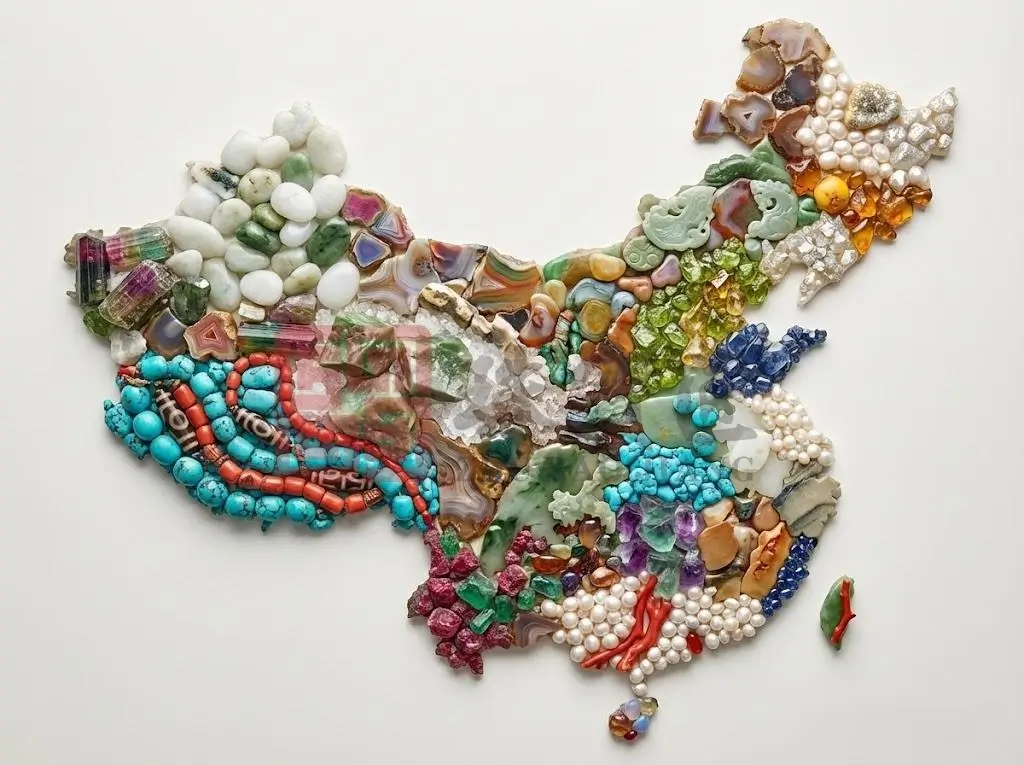
While these icons are world-renowned, they are only the beginning of the story. China’s vast and diverse landscape hides a staggering wealth of mineral treasures. To date, over 330 distinct varieties of precious and semi-precious stones have been discovered within our borders, scattered across more than 600 major mining locations (excluding pearls and fossils).
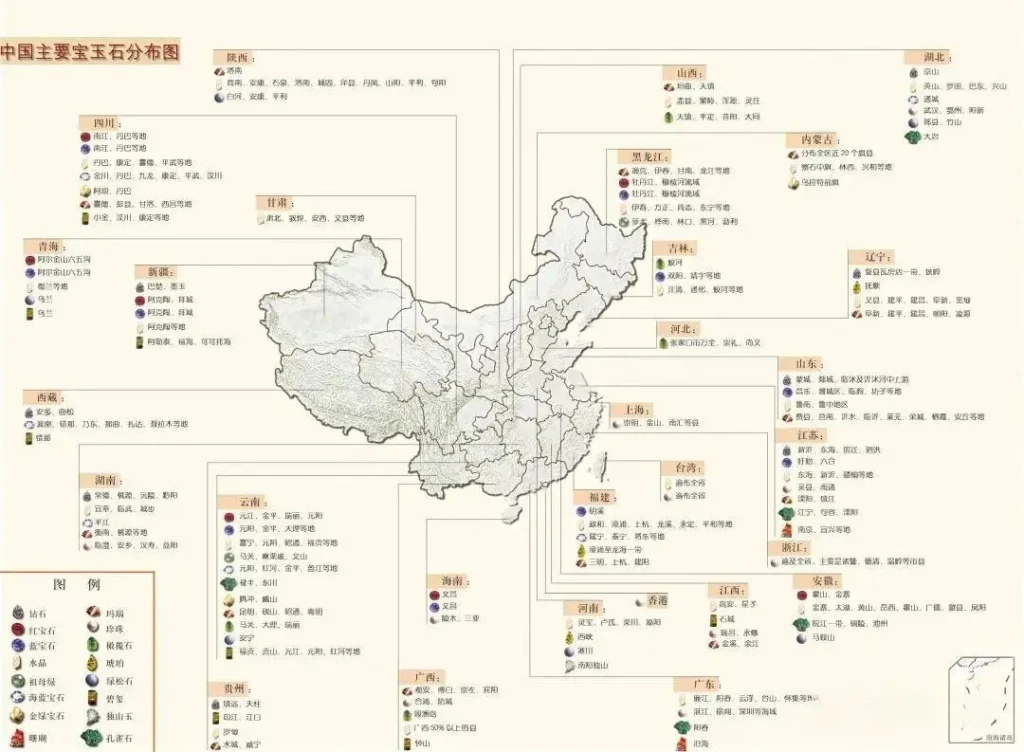
In this milestone installment of our “Gemstones of China” series, Jewea takes you on a comprehensive journey through every province to uncover a side of this land you’ve never seen—a China shimmering with hidden brilliance.
Table of Contents: Gemstones of China
- Northeast China
Provinces: Heilongjiang, Jilin, and Liaoning. - North China
Provinces: Hebei, Shanxi, and Inner Mongolia. - Northwest China
Provinces: Xinjiang, Shaanxi, Gansu, Qinghai, and Ningxia. - Central China
Provinces: Henan, Hubei, and Hunan. - East China
Provinces: Fujian, Zhejiang, Shandong, Anhui, Jiangxi, Taiwang and Jiangsu. - Southwest China
Provinces: Yunnan, Sichuan, Guizhou, and Tibet (Xizang). - South China
Provinces: Hainan, Guangxi, and Guangdong.
Northeast China (Dongbei)
Provinces: Heilongjiang, Jilin, and Liaoning.
As China’s historic industrial powerhouse, the Northeast region boasts a geological heritage as robust as its economic roots. Beyond its famous snow-capped landscapes and manufacturing centers, this region serves as a vital corridor for some of the nation’s most significant mineral discoveries.
From the world-class diamond pipes of Liaoning and the crisp green peridots of Jilin to the prestigious “Northern Red” agates of Heilongjiang, the Northeast offers a diverse “stew” of treasures. Its unique geology, shaped by ancient volcanic activity and deep-earth pressure, provides a fascinating bridge between China’s industrial past and its shimmering artisanal future.
Gemstones of Heilongjiang
Located at the northernmost reaches of China, Heilongjiang—named after the “Black Dragon River”—is traditionally known as an industrial titan. However, beneath its rugged landscape lies a sophisticated geological treasury, boasting a diverse range of high-quality colored gemstones.
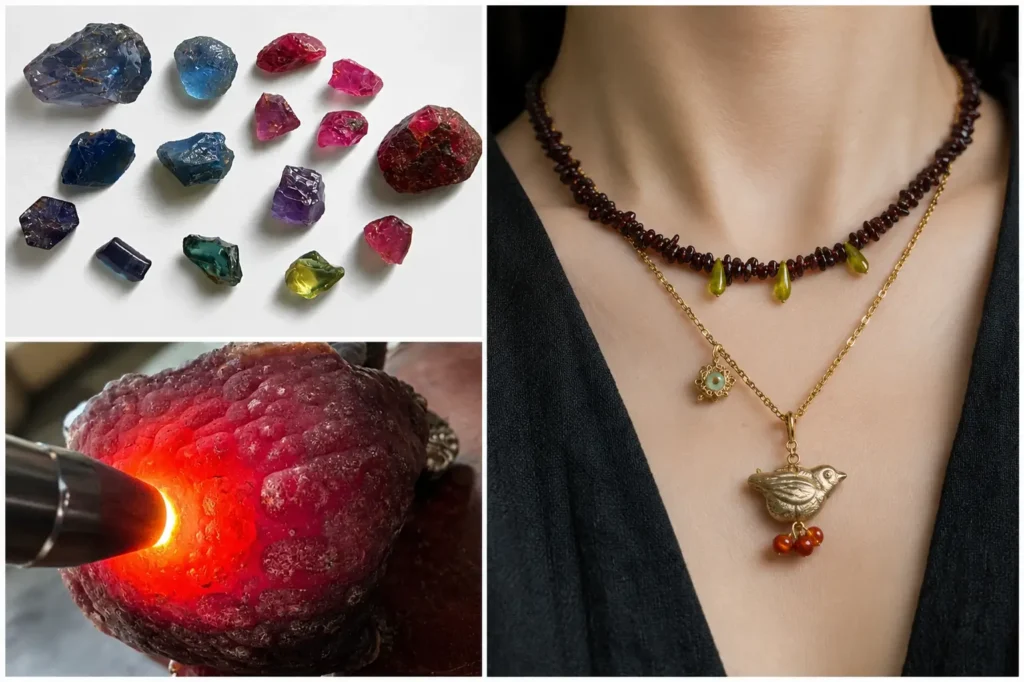
- Pyrope Garnet: These vibrant garnets are primarily concentrated in Muling, within the Mudanjiang region.
- Ruby: Heilongjiang produces rubies with striking saturation that meet demanding gemstone-grade standards.
- Sapphire: Known for significant yields and a diverse range of secondary hues.
- Xunke Agate: The most prestigious representative of “Northern Red Agate,” prized for its distinctive warm tones and translucency.
Explore the Full Article: Heilongjiang: Gemstones of Heilongjiang: Garnet, Sapphires, Rubies & Xunke Agate | Chinese Gems Series
Gemstones of Jilin
Situated in the heart of Northeast China, Jilin stands as a cornerstone of the nation’s industrial manufacturing, led by its automotive and petrochemical sectors. Geologically, however, the province is equally significant, hosting some of China’s most important deposits of decorative and precious stones—including the country’s second-largest mining district for high-quality olivine.
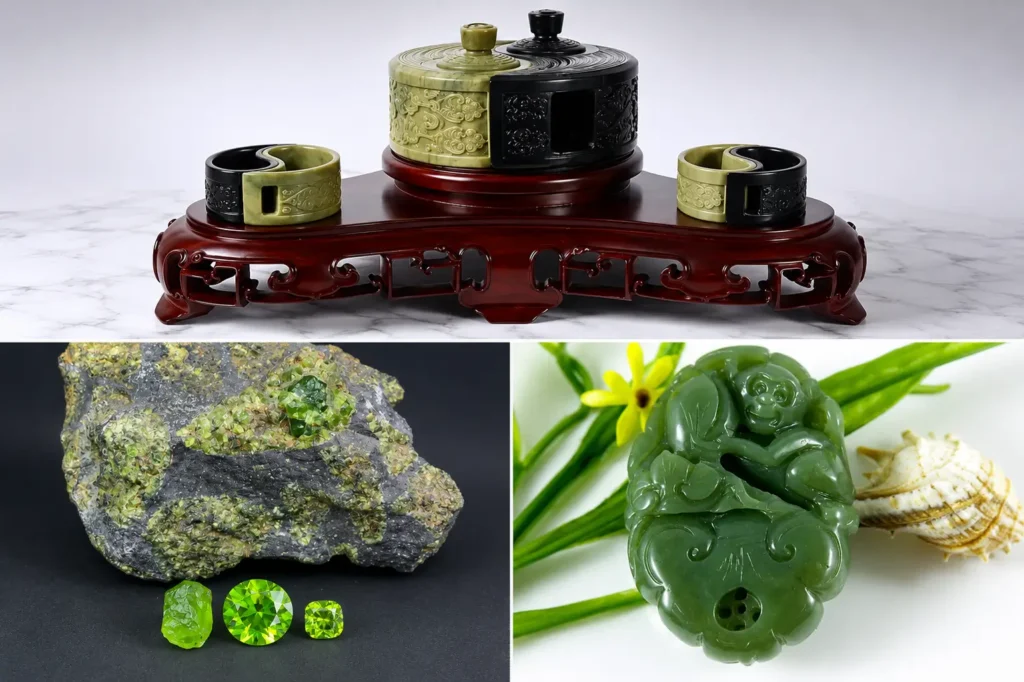
- Jiaohe Peridot (Olivine): Sourced from China’s second-largest peridot mining region, these stones are celebrated for their exceptional clarity and vibrant lime-green hues.
- Anlu Serpentine Jade: A premium variety of serpentine jade, prized among collectors for its silky-smooth texture and rich palette of natural colors.
- Panlong Jade: Discovered in the Longgang Mountains of Panshi, this incredibly dense and fine-grained jade is a preferred medium for master lapidaries and intricate carvings.
Explore the Full Article: Jilin: Gemstones of Jilin: Peridot, Panlong Jade & Anlu Serpentine Jade | Chinese Gems Series
Gemstones of Liaoning
As the maritime gateway to Northeast China and the nation’s historic industrial cradle, Liaoning holds a unique position as both a coastal and border province. Historically dubbed the “Eldest Son of the Republic,” its geological wealth is as diverse as its industrial history, boasting world-class deposits that range from deep-earth diamonds to ancient organic ambers.
- Wafangdian Diamonds: This region stands as a globally significant locality for high-quality, gem-grade diamonds.
- Xiuyan Jade: A legendary name in Chinese gemology, this “umbrella term” encompasses the diverse varieties of fine-textured jade native to Xiuyan County.
- Fuxin Agate: Hailing from the “Agate Capital of the World,” these stones represent a continuous carving tradition that spans over 8,000 years.
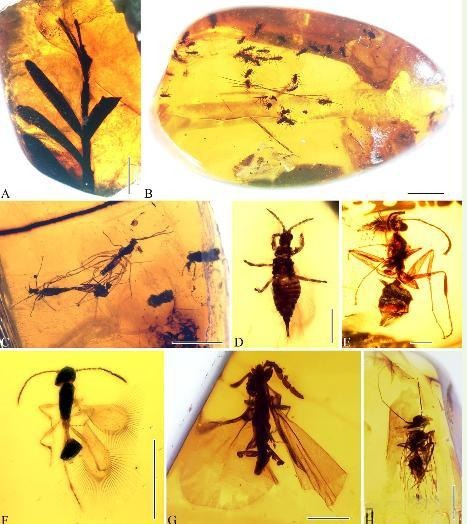
- Fushun Amber: A world-renowned organic gemstone harvested from ancient coal seams, highly prized for its rich color and fascinating prehistoric inclusions.
Explore the Full Article: Gemstones of Liaoning: Unearthing Diamonds, Amber, Agate, and Jade | Chinese Gems Series
North China
Provinces: Hebei, Shanxi, and Inner Mongolia.
As one of the historic cradles of Chinese civilization, North China is a region where ancient heritage meets vast geological potential. Stretching from the rugged mountain passes of the Great Wall to the sprawling grasslands, this territory hides a wealth of mineral treasures. The gemstone deposits here are defined by their intense colors and deep cultural significance, offering everything from volcanic peridots to the legendary “Warring States Red” agates.
Gemstones of Hebei
Hebei stands as a foundational birthplace of the Chinese nation. It boasts a staggering cultural legacy, including three UNESCO World Heritage sites: the Great Wall, the Chengde Mountain Resort, and the Eastern and Western Qing Tombs. The province also honors five nationally recognized historic cities: Handan, Baoding, Chengde, Zhengding, and Shanhaiguan. Strategically, Hebei serves as China’s premier logistics powerhouse. It leads the mainland in total freight turnover across its extensive railway and highway networks.
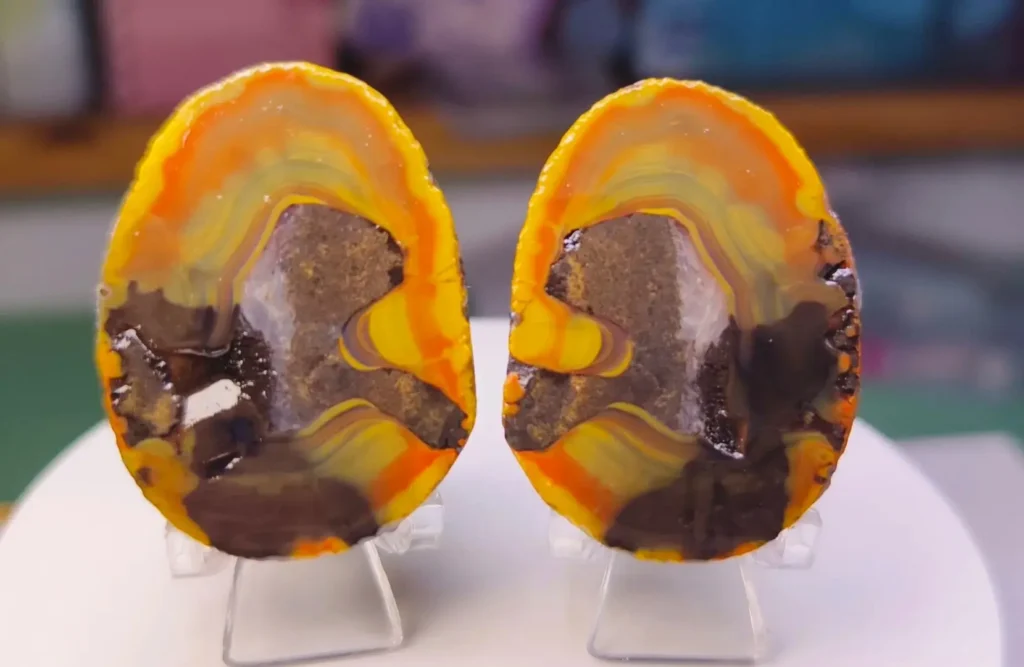
Geologically, this region possesses rich gemstone deposits. Two notable treasures define its mineral wealth:
- Damaoping Peridot (Olivine): These stones originate from the Damaoping region in Zhangjiakou. They feature large crystal grains and deep, saturated colors.
- “Zhan Guo Hong” Agate (Warring States Red): This vibrant agate comes from Xuanhua. It primarily displays a striking palette of red and yellow hues.
Explore the Full Article: Gemstones of Hebei: Peridot and “Warring States Red” Agate | Chinese Gems Series
Gemstones of Shanxi
Shanxi derives its name from its location west of the Taihang Mountains. As a foundational birthplace of the Chinese nation, the province boasts over three thousand years of recorded history. Experts often call it the “Cradle of Chinese Civilization” and an “Open-air Museum of Ancient Chinese Culture.”
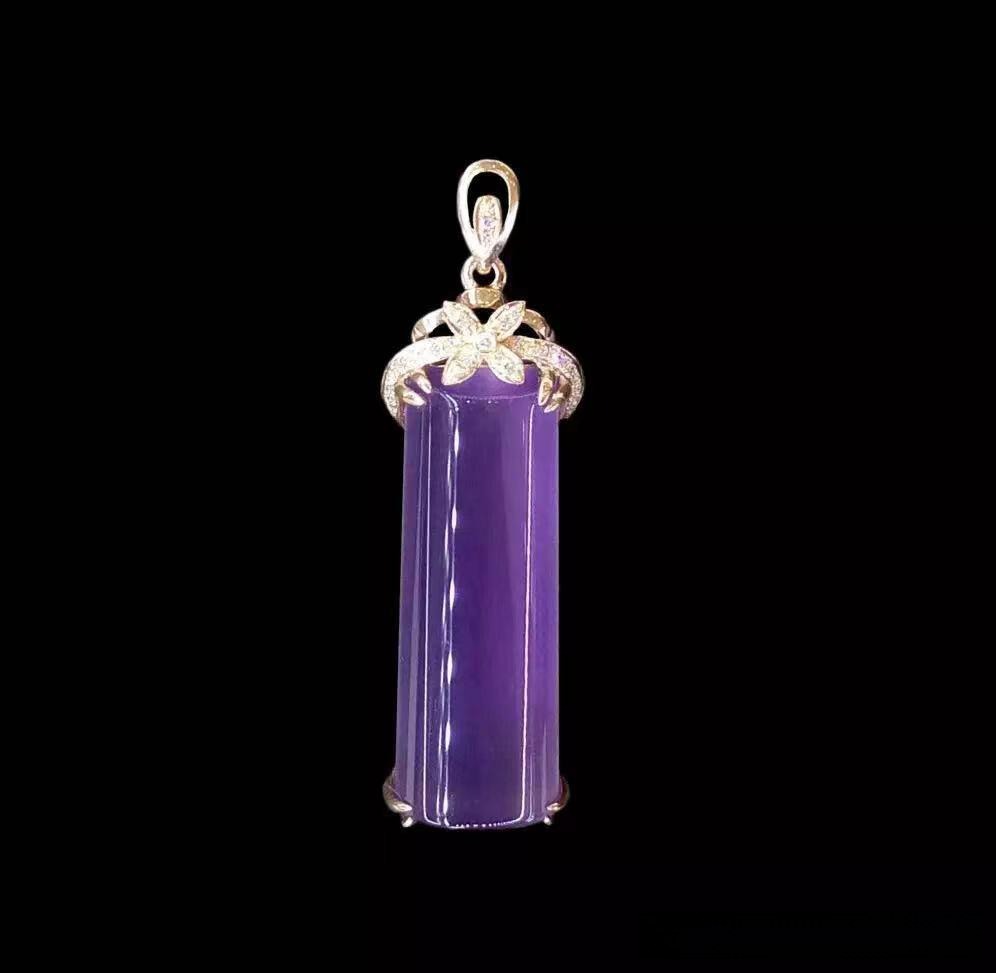
The geological diversity of Shanxi yields unique mineral treasures. Its gemstone deposits include rare chalcedony, peridot, and organic gems:
- Datong Jade(Quartzite Jade): This fine-textured chalcedony is highly prized. The purple variety, known as “Datong Purple Jade,” remains the most precious type.
- Peridot (Olivine): These stones typically display a yellowish-green color. They generally feature smaller grain sizes and a relatively lower quality grade.
- Jet (Mei Jing): This black organic gemstone is dense yet lightweight. Historical records show that mining for Jet in this region began as early as the Western Zhou Dynasty.
Explore the Full Article: Shanxi: Gemstones of Shanxi: Datong Jade, Peridot, and Jet | Gems of China Series
Gemstones of Inner Mongolia
The Inner Mongolia Autonomous Region spans the northern frontier of China. It shares borders with Mongolia and Russia, making it one of the most connected provinces in the country. As a resource powerhouse, the region follows the pattern of “Forests in the East, Minerals in the West, Agriculture in the South, and Animal Husbandry in the North.” Inner Mongolia leads China in grassland, forest, and per capita arable land area. It also holds the world’s largest reserves of rare earth metals and serves as China’s premier pastoral region.
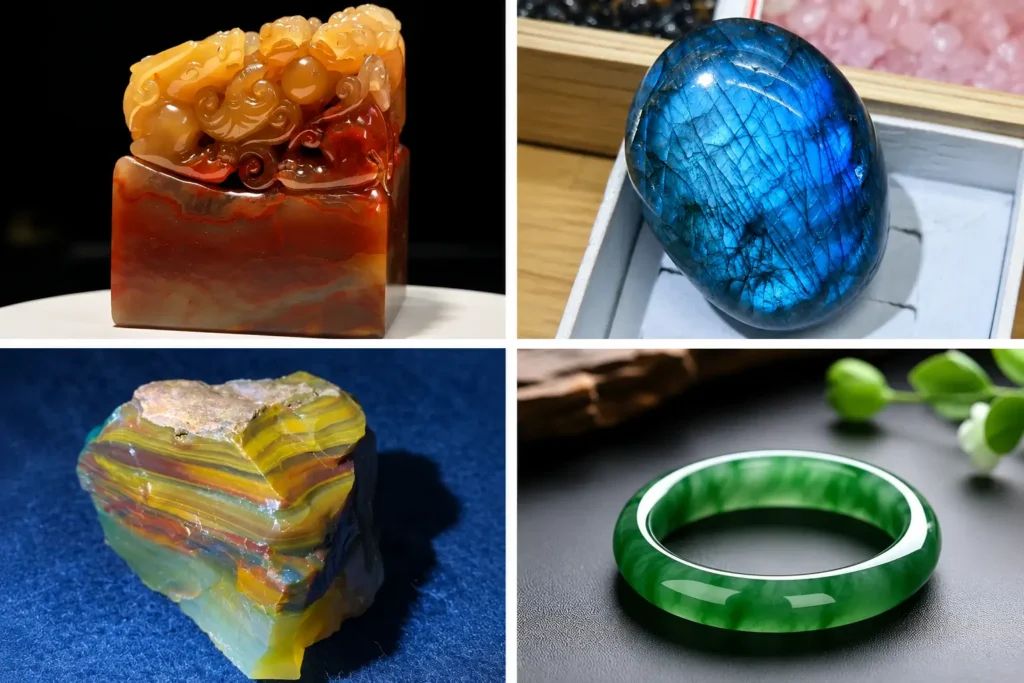
The vast landscapes of Inner Mongolia host a diverse array of gemstone deposits, ranging from traditional seal stones to vibrant beryls:
- Balin Stone: This stone ranks as one of China’s “Four Famous Seal Stones.” Collectors value it for its warm, jade-like texture.
- SheTai Cui: This quartzite jade features a remarkably dense and compact structure.
- Alashan Agate: The region’s agate production centers on the kaleidoscopic Alashan “Colored Jade” and the distinctive “Candy Heart” agates.
- Tourmaline: These crystals offer excellent quality and a broad color spectrum. The green varieties stand out as the finest.
- Aquamarine: These gems display high transparency. Some specimens even exhibit the rare cat’s-eye effect.
- Moonstone: These stones become crystal clear after processing. They often showcase a mesmerizing cat’s-eye phenomenon.
Explore the Full Article: Inner Mongolia: Gemstones of Inner Mongolia: From Balin Stone to Rare Agates | Chinese Gems Series
Northwest China
Provinces: Xinjiang, Shaanxi, Gansu, Qinghai, and Ningxia.
The Northwest region serves as the rugged, mineral-rich heart of the Asian continent. This vast territory defines the historical Silk Road and remains a critical gateway for modern trade. Geologically, it acts as a colossal treasure trove, housing some of the world’s most prestigious jade deposits and an incredible variety of colored gemstones formed within its ancient mountain ranges.
Gemstones of Xinjiang
The Xinjiang Uygur Autonomous Region lies on China’s northwest frontier. As the largest provincial-level administrative region, it covers one-sixth of China’s total land area. Xinjiang sits in the heart of the Eurasian continent. Historically, it served as a vital corridor for the ancient Silk Road. Today, it remains an essential passage for the second “Eurasian Land Bridge,” holding immense strategic importance.

The geological wealth of Xinjiang supports an extensive list of precious stones, ranging from legendary jades to rare pegmatite minerals:
- Hetian Jade (Nephrite): This “King of Nephrite” features a warm, oily texture comparable to sheep-fat luster.
- Jinsi Jade: A variety of quartz-based jade that primarily displays vibrant golden-yellow tones.
- Aquamarine: These gems originate from the Altay region and typically exhibit a pale blue color.
- Emerald: The region produces small quantities, though the overall quality remains modest.
- Topaz: Xinjiang mainly yields colorless varieties of this crystalline mineral.
- Tourmaline: Sourced from the Altay Mountains, these stones consistently reach professional gemstone-grade standards.
- Garnet: These crystals display a color spectrum ranging from bright red to deep crimson.
- Amazonite: Locally known as “Tian He Shi,” this stone is also called “Amazon Stone” in international markets.
- Diopside: High-quality, intensely green specimens often earn the nickname “Emerald Alternative” among enthusiasts.
- Apatite: These crystals occur within the famous granite pegmatites of Keketuohai.
- Lilac Jade (Ding Xiang Zi Yu): This stone takes its name from its distinctive lilac-purple hue.
Explore the Full Article: Xinjiang: Gemstones of Xinjiang: From Sacred Nephrite to Desert Quartz and Pegmatite Crystals | Gems of China Series
Gemstones of Shaanxi
Shaanxi sits in the heart of China’s northwest interior, spanning the middle reaches of both the Yellow and Yangtze River basins. As a vital hub, it connects the eastern and central regions with the northwest and southwest. This province serves as a primary birthplace of Chinese civilization. It marks the ancestral home of Emperor Yan and the final resting place of the Yellow Emperor. Today, Shaanxi also stands as one of China’s premier centers for science and education.
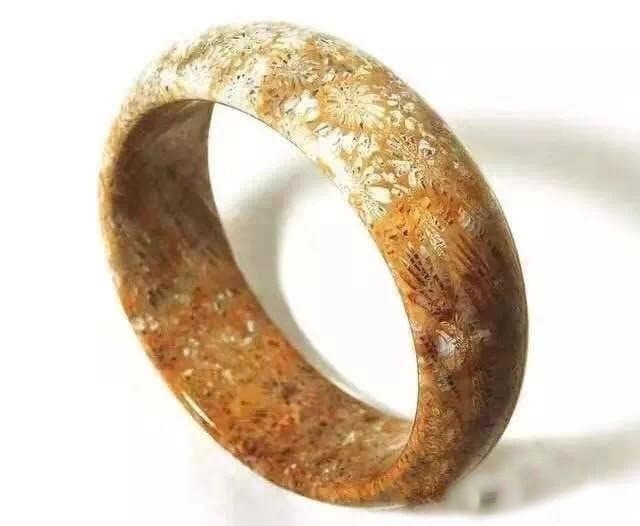
The geological heritage of Shaanxi yields several historic jades and unique organic stones:
- Lantian Jade: This ranks among the oldest jade varieties in Chinese history, boasting a heritage that spans over 5,000 years.
- Fuping Ink Jade: Featuring a deep, ink-like black hue, this stone remains the top choice for prestigious stone carvings and monumental tablets.
- Baihe Turquoise: These gems display vibrant sky-blue to yellowish-green colors and offer a delicate, fine-grained texture.
- Ningqiang Coral Jade: This unique stone evolved from fossils over hundreds of millions of years, showcasing one-of-a-kind organic patterns.
Explore the Full Article: Shaanxi: Gemstones of Shaanxi: Lantian Jade, Turquoise, Ink Stone & Coral Fossil | Gems of China Series
Gemstones of Gansu
Gansu Province commands the upper reaches of the Yellow River. It serves as a strategic crossroads connecting the Loess, Tibetan, and Inner Mongolian plateaus. Geographically, Gansu links Shaanxi to the east and Xinjiang to the west, while overlooking the regions of Sichuan and Qinghai to the south and bordering Inner Mongolia and Ningxia to the north. To the northwest, it reaches out to Mongolia and extends its influence into Central Asia. As a major cradle of both the Chinese nation and traditional Chinese medicine, Gansu earns the poetic titles “Root of Rivers and Mountains” and “Ancestral Home of Fuxi and Xuanyuan.”
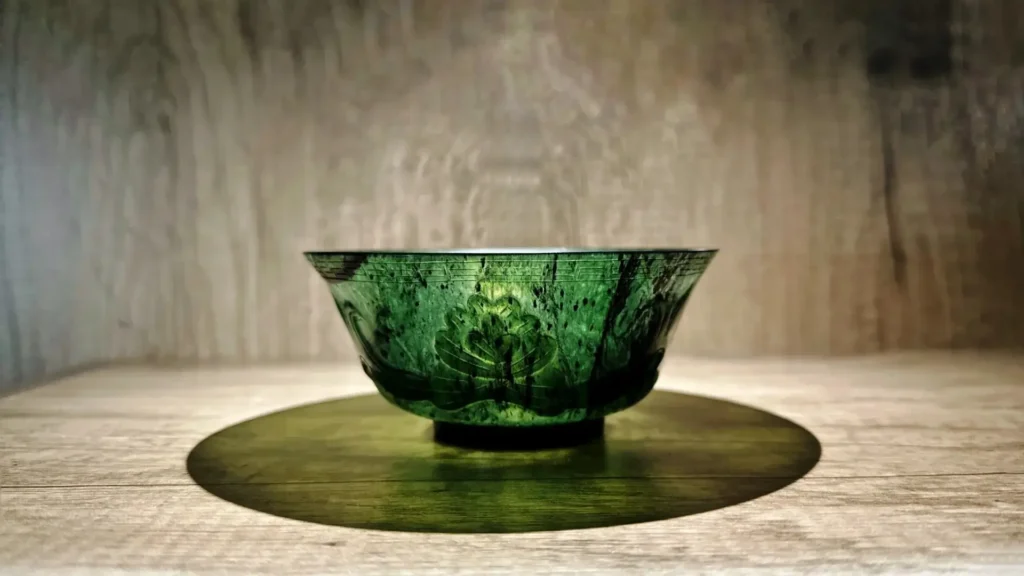
The rugged terrain of Gansu conceals several rare and culturally significant mineral treasures:
- Gannan Red Agate: These stones feature a pure, vibrant red color with a brilliant luster. Due to extremely low yields, the original mining sources have nearly vanished.
- Yuanyang Jade: This variety of serpentine jade serves as the primary raw material for the legendary “Luminous Cups” (Ye Guang Bei).
- Dunhuang Jade: A type of quartzite jade, celebrated by collectors for its pure white color and excellent translucency.
Explore the Full Article: Gemstones of Gansu: Gannan Agate, Wushan Yuanyang Jade, and Dunhuang Quartz | Gems of China Series
Gemstones of Qinghai
Qinghai dominates the northeastern portion of the Qinghai-Tibetan Plateau, a region famously known as the “Roof of the World.” The province takes its name from Qinghai Lake, China’s largest inland saltwater plateau lake. As the birthplace of the Yangtze, Yellow, and Lancang Rivers, it holds the prestigious titles of the “Source of the Three Rivers” and the “Water Tower of China.” Historically, Eastern Qinghai served as a strategic gateway, earning nicknames like the “Key to the Heavenly River” and the “Throat of the Western Regions” for its critical role in connecting the Chinese interior with the frontier.
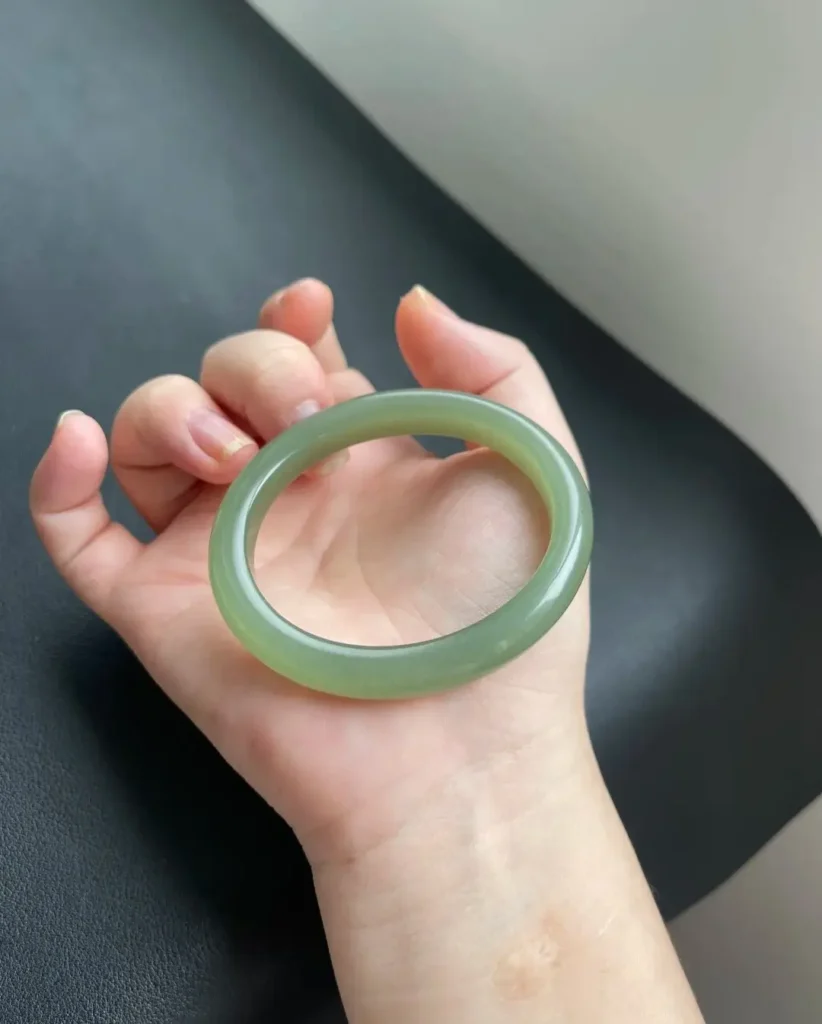
The extreme altitude and complex geology of Qinghai yield world-renowned nephrite and several distinctive decorative stones:
- Qinghai Hetian Jade: This material occurs primarily as “mountain material” (Shan Liao). These stones typically feature a rough exterior and large block sizes. Within the trade, they are famous for their “water lines” (Shui Xian)—a characteristic translucent banding.
- Turquoise: Local deposits produce two distinct grades: “Porcelain Turquoise,” prized for its dense and delicate texture, and “Flour Turquoise,” which possesses a much softer structure.
- Qilian Xiuyan Jade: This variety of serpentine jade includes famous local types, such as the deep green “Wutuogou” from Dulan, the “Bamboo Leaf” patterns of Mount Harihade, and the unique “Zhongba Jade” from Ledu County.
- Xining Frozen Stone: This stone displays a diverse color palette and unique natural textures. With its moderate hardness, it remains a favorite medium for master seal carvers.
Explore the Full Article: Gemstones of Qinghai: Hetian Jade, Turquoise, Serpentine, and Alabaster | Gems of China Series
Gemstones of Ningxia
Ningxia lies deep within China’s northwest interior along the upper reaches of the Yellow River. It shares borders with Shaanxi to the east, Inner Mongolia to the north and west, and Gansu to the south. As a foundational cradle of Chinese civilization, the region has flourished for centuries through Yellow River irrigation, earning the poetic name “Jiangnan on the Frontier.” Strategically positioned on the ancient Silk Road, Ningxia historically served as a vital hub for East-West trade, garnering the title “Pearl of the Frontier.” The landscape harmonizes the majesty of the Helan Mountains with the eternal flow of the Yellow River. Today, this fertile land is celebrated as the “Home of Chinese Wine” and the “Land of Tan Sheep.”
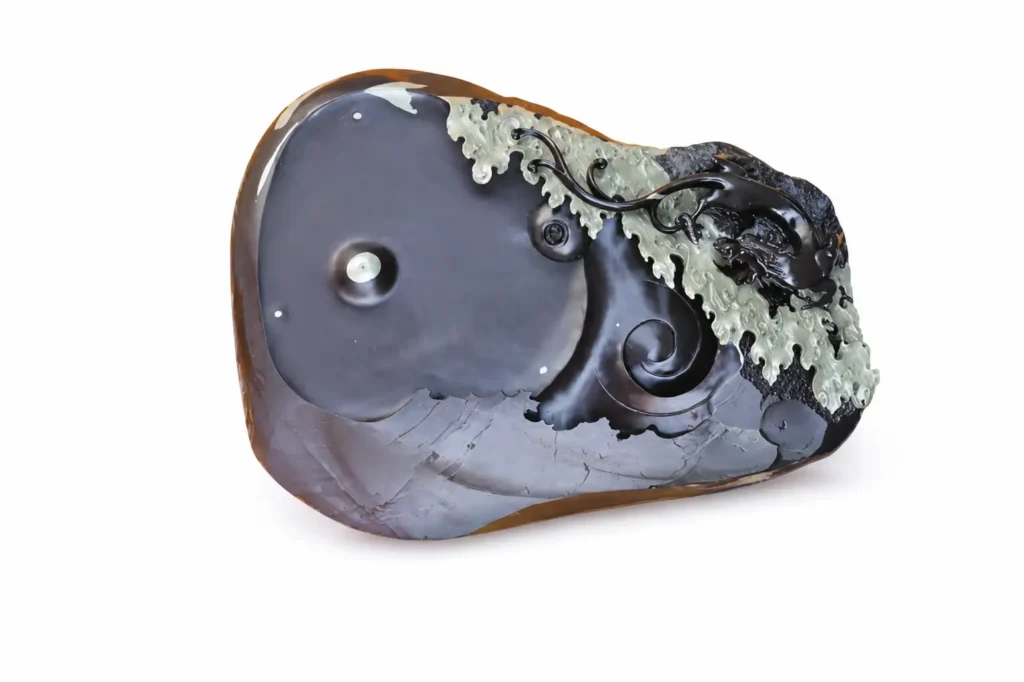
The desert and mountain terrains of Ningxia offer two iconic geological treasures:
- Helan Stone: This leads the “Five Treasures of Ningxia.” It ranks alongside the famous Duan and She inkslabs of Guangdong and Anhui, leading to the historical industry saying: “First Duan, second She, and third Helan.”
- Gobi Agate: These stones often feature multiple interwoven colors. Collectors prize them for their timeless, understated, and sophisticated earthy aesthetic.
Explore the Full Article: Ningxia: Gemstones of Ningxia: Helan Stone & Gobi Agate | Gems of China Series
Central China
Provinces: Henan, Hubei, and Hunan.
Central China sits at the strategic crossroads of the nation, bridging the north and south while linking the east to the west. Defined by the fertile basins of the Yellow and Yangtze Rivers, this region serves as a massive transport hub and a cradle of ancient Chinese innovation. Its geological landscape is equally diverse, yielding world-famous turquoise, rare organic gems, and decorative stones with thousands of years of cultural history.
Gemstones of Henan
Henan, known historically as “Zhongyuan” or “Zhongzhou,” derives its name from its location mostly south of the Yellow River. It stands as a primary cradle of the Chinese nation and civilization. Remarkably, three of China’s four great ancient inventions—the compass, papermaking, and gunpowder—originated here. Today, Henan maintains its status as China’s top agricultural province and a leading source of labor, while rapidly emerging as a modern industrial powerhouse.
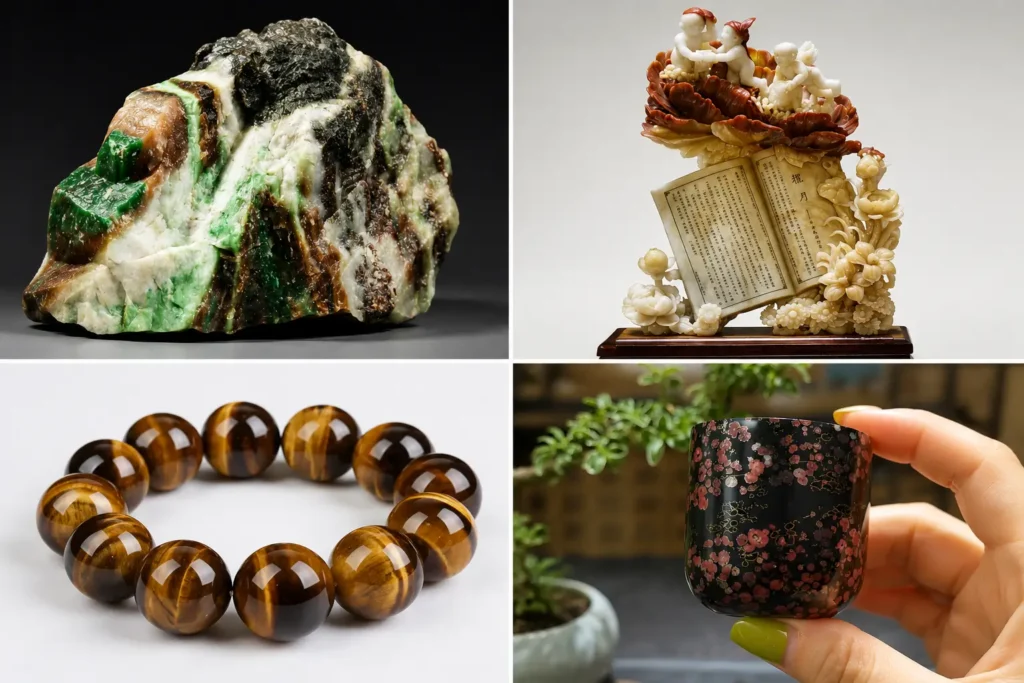
The geological diversity of Henan yields several unique jades and optical gemstones:
- Dushan Jade: As one of China’s “Four Famous Jades,” this stone frequently features “Qiao Se” (artistic color utilization). Master carvers use its naturally occurring color patches to create intricate, clever designs.
- Mi Jade (Henan Jade): This dense quartzite jade offers a vibrant green variety, affectionately nicknamed “Henan Emerald” by local enthusiasts.
- Plum Blossom Jade (Meihua Jade): Also known as Ru Jade, this stone is unique to China. It displays natural mineral patterns that strikingly resemble blooming plum blossoms.
- Tiger’s Eye: A variety of silicified crocidolite (woodstone), this gem exhibits a captivating cat’s-eye effect (chatoyancy) when polished.
Explore the Full Article: Henan: Gemstones of Henan: Dushan Jade, Mi Jade, Plum Blossom Jade, & Tiger’s Eye | Gems of China Series
Gemstones of Hubei
Hubei, affectionately known as the “Province of a Thousand Lakes,” sits in south-central China along the middle reaches of the Yangtze River. Its name literally translates to “North of the Lake,” referring to its position relative to Dongting Lake. Strategically located, Hubei serves as a premier transportation hub that bridges the east and west while linking the north and south.
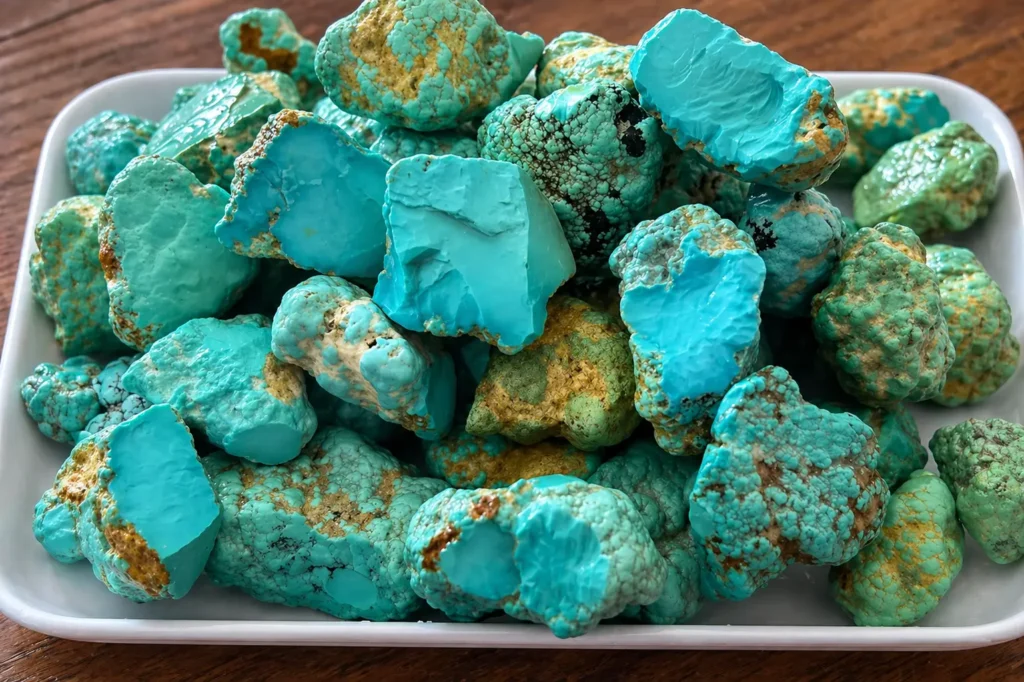
The province’s unique geological formations support a world-renowned collection of gemstones and mineral specimens:
- Zhushan Turquoise: This region stands as a globally prestigious source of turquoise. It yields stones of exceptional density and vibrant color, representing the pinnacle of Chinese turquoise quality.
- Malachite: Often occurring alongside azurite, Hubei’s malachite features striking concentric patterns. Artisans frequently transform larger specimens into exquisite, high-end decorative carvings.
- Apophyllite: This mineral treasure appears in two primary varieties in Hubei: Fluorapophyllite and Hydroxyapophyllite, highly valued by mineral collectors for their crystalline clarity.
- Yichang Agate: Locally known as “Jing Hong,” this gemstone showcases a unique “silk-banded” (chansi) agate structure, celebrated for its intricate, fine-lined aesthetics.
Explore the Full Article: Gemstones of Hubei: Turquoise, Malachite, Apophyllite, and Agate | Gems of China Series
Gemstones of Hunan
Hunan Province lies in Central China along the middle reaches of the Yangtze River. It derives its name, “South of the Lake,” from its location relative to Dongting Lake. Since the 10th century, the region has been celebrated for its blooming hibiscus, inspiring the famous poetic line: “Ten thousand miles of hibiscus in the autumn wind.” This heritage earns Hunan its elegant nickname, the “Land of Hibiscus.”
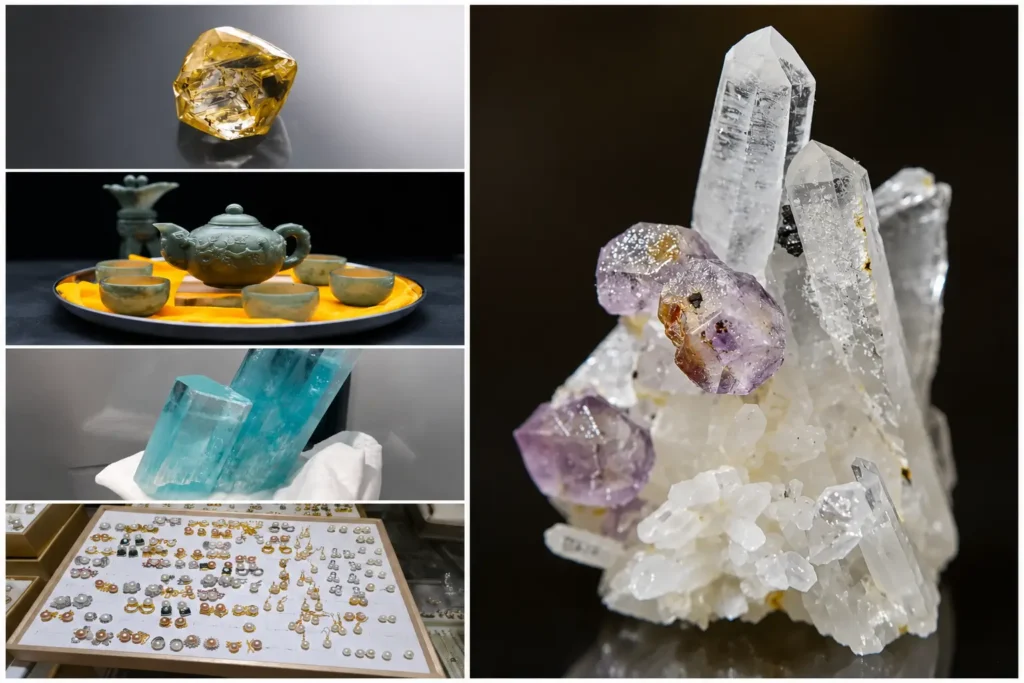
The province’s geological landscape offers a diverse array of mineral treasures:
- Yuan River Diamonds: These occur primarily as alluvial diamond deposits. While the individual crystals remain small, they exhibit a powerful, intense luster.
- Xianghua Jade: Sourced from Xianghua Ridge, this jade consists mainly of tremolite.
- Northeast Hunan Aquamarine: These gems display colors ranging from sea-blue to lake-blue. They typically contain a small amount of natural inclusions.
- Chenzhou Fluorite: This mineral often grows alongside quartz crystals and is celebrated for its vibrant, diverse colors.
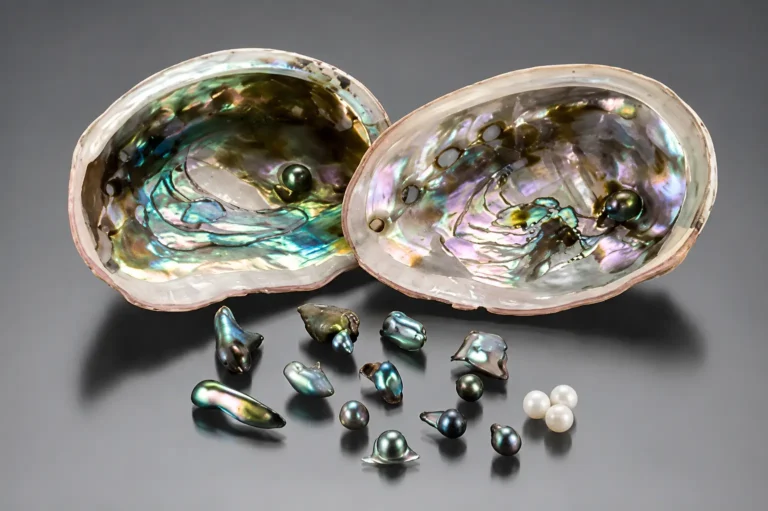
- Hunan Pearls: With a cultivation history spanning over 50 years, the pearl industry serves as a foundational pillar for the local economy.
Explore the Full Article: Hunan: Gemstones of Hunan: Diamonds, Xianghua Jade, Aquamarine, Fluorite & Pearls | Gems of China Series
East China
Provinces: Fujian, Zhejiang, Shandong, Anhui, Jiangxi, Taiwang and Jiangsu.
East China serves as the nation’s coastal gateway, blending ancient maritime traditions with diverse geological landscapes. This region’s unique topography—ranging from rugged mountains to the sprawling coastline—houses a remarkable variety of mineral wealth. From the world-renowned seal stones of Fujian to the historic crystals and jades of the coastal interior, East China remains a vital center for both gemstone sourcing and artisanal craftsmanship.
Gemstones of Fujian
Fujian lies along China’s southeast coast. Its geography features a dramatic meeting of mountains and sea, with hills and mountains covering 90% of its land—a landscape traditionally described as “eight parts mountain, one part water, and one part farmland.” Situated at a strategic crossroads between the East and South China Seas, Fujian’s maritime routes reach South Asia, Western Asia, and East Africa. Historically, the province served as the starting point for the Maritime Silk Road and Zheng He’s legendary voyages, establishing its legacy as a major hub for maritime trade.
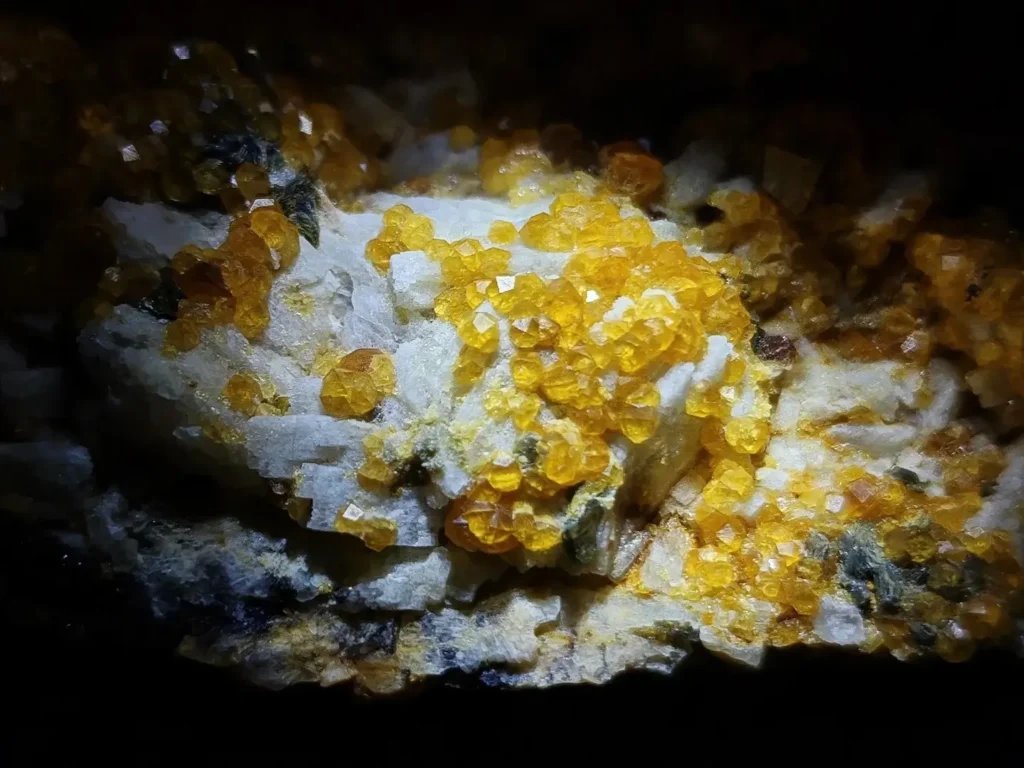
The geological makeup of Fujian yields several important industrial and ornamental stones:
- Sapphire: Fujian ranks as one of China’s four major sapphire-producing regions. While the province holds vast reserves, most specimens do not reach professional gemstone-grade standards.
- Zircon: Often occurring as an associated mineral in sapphire deposits, these crystals exhibit a brilliant adamantine luster and high transparency.
- Garnet: The region boasts abundant garnet reserves of high quality. These gems primarily display vibrant violet-red and orange-red hues.
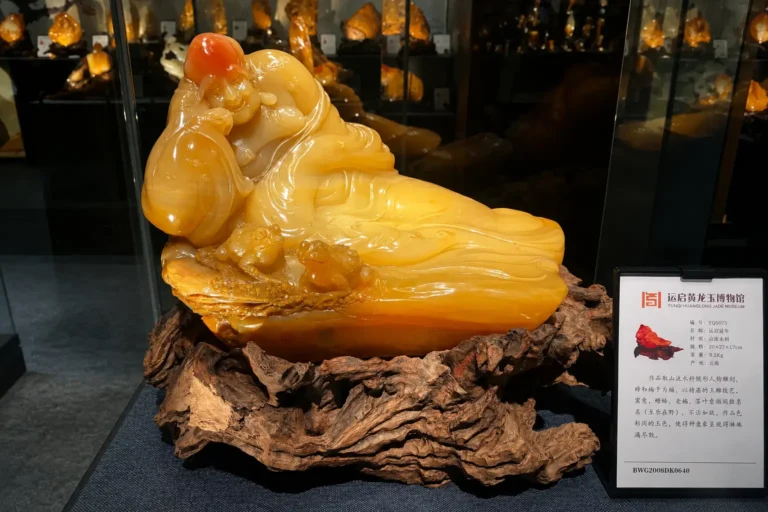
- Shoushan Stone: This stands as one of China’s “Four Famous Seal Stones.” The yellow variety holds the highest value and earns the prestigious title of “King of Stones” (Shi Di).
Explore the Full Article: Gemstones of Fujian: Sapphire, Zircon, Garnet, and Shoushan Stone | Gems of China Series
Gemstones of Zhejiang
Zhejiang Province lies along the southern wing of the Yangtze River Delta on China’s southeast coast. Though one of the country’s smallest provinces, it serves as the cradle of Wu-Yue and Jiangnan cultures and stands as a major birthplace of ancient Chinese civilization. Today, Zhejiang remains one of China’s most economically dynamic regions. Together with Jiangsu, Anhui, and Shanghai, it forms the Yangtze River Delta city cluster—one of the six largest world-class megalopolises globally.
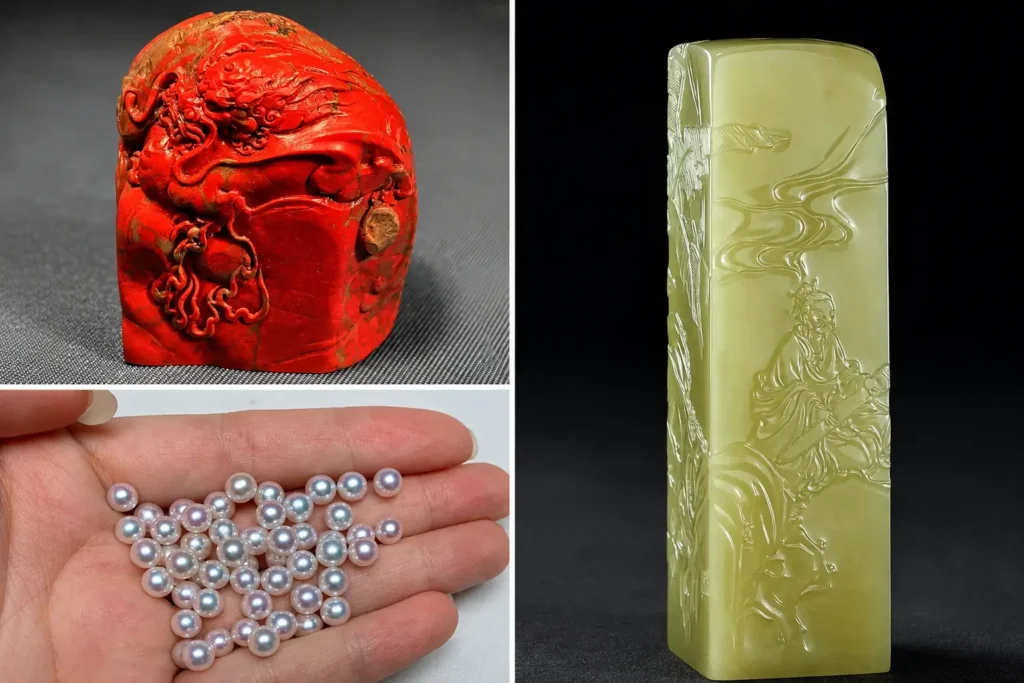
The province’s cultural and geological heritage centers on prestigious seal stones and world-leading organic gems:
- Changhua Chicken-Blood Stone: This ranks as one of China’s “Four Famous Seal Stones.” Famous for its bright, blood-red hue, collectors revere it as the “Queen of Seal Stones.”
- Qingtian Stone: Also one of the “Four Famous Seal Stones,” this material features a warm, jade-like texture. It boasts a carving history spanning over 6,000 years.
- Zhuji Pearls: Known for its massive production and history, Zhuji earns the prestigious titles of “Home of Chinese Pearls” and the “Pearl Capital of China.”
Explore the Full Article: Zhejiang: Gemstones of Zhejiang: Changhua Chicken-Blood Stone, Qingtian Stone, & Zhuji Pearls | Gems of China Series
Gemstones of Shandong
Shandong marks the northernmost point of East China, situated along the coast at the lower reaches of the Yellow River and the north-central section of the Grand Canal. As the cradle of Confucian culture, this land birthed the influential thinkers Confucius and Mencius, alongside Mozi (founder of Mohism), Liuxia Hui, and the great military strategist Wu Qi. Today, Shandong stands as a major economic powerhouse with the second-largest population in China. Known as the “Home of Temperate Fruits,” it ranks third in national GDP, contributing nearly one-ninth of China’s total economic output.
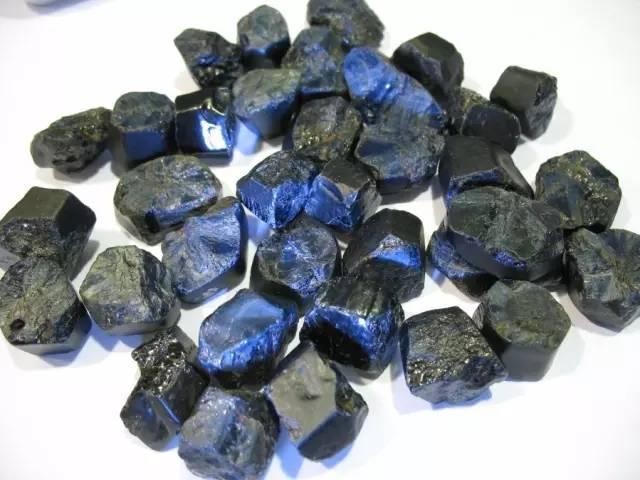
The geological landscape of Shandong yields significant deposits of crystalline gems and historic jades:
- Changle Sapphire: This region produces sapphires characterized by large grain sizes and well-defined crystal structures. These stones typically exhibit a deep, saturated body color.
- Mengyin Diamond: The diamonds sourced from this area appear primarily in colorless, light yellow, and brownish-yellow hues.
- Taishan Jade: A variety of serpentine jade, Taishan jade mostly displays green tones and a delicate, warm texture. It often features characteristic irregular white or black speckles embedded within the stone.
Explore the Full Article: Gemstones of Shandong: Changle Sapphire, Diamond & Taishan Jade | Gems of China Series
Gemstones of Anhui
Anhui lies in eastern China, spanning the basins of both the Yangtze and Huai Rivers. As a vital cradle of Chinese prehistoric civilization, the province encompasses four distinct cultural spheres: the Huai River, Xin’an, Luzhou, and Wanjiang cultures.
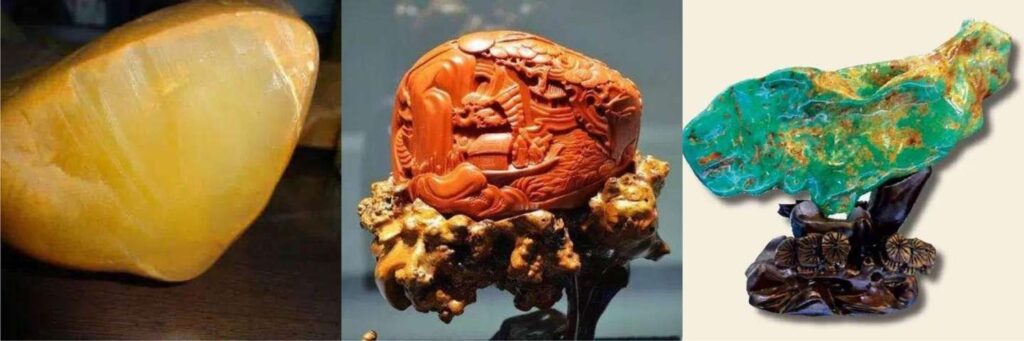
The geological diversity across these cultural regions yields unique jades and vibrant ornamental stones:
- Huoshan Quartzite Jade: Also known as Dabie Mountain Jade, this variety is unique to Anhui. It occurs in two primary forms: “Mountain Material” (primary deposits) and “Seed Material” (alluvial deposits).
- Yellow Wax Stone: Sourced from the Huangshan (Yellow Mountain) region, these stones feature vibrant colors and a characteristic waxy exterior. They serve as an excellent medium for intricate jade carving.
- Turquoise: Anhui turquoise appears in a wide range of colors with a dense, smooth texture. Specific mineral veins within the province yield high-quality “Porcelain Turquoise,” known for its superior hardness and luster.
Explore the Full Article: Anhui: Gemstones of Anhui: Huoshan Quartzite Jade, Huangshan Wax Stone & Turquoise | Gems of China Series
Gemstones of Jiangxi
Jiangxi Province lies in southeastern China and earns fame as a fertile “Land of Fish and Rice.” Historically described as “the head of Wu and the tail of Chu, the gateway to Guangdong and the courtyard of Fujian,” Jiangxi occupies a strategic cultural crossroads. While the world recognizes the province for the ancient and world-renowned porcelain craftsmanship of Jingdezhen, its geological landscape also yields significant mineral treasures.
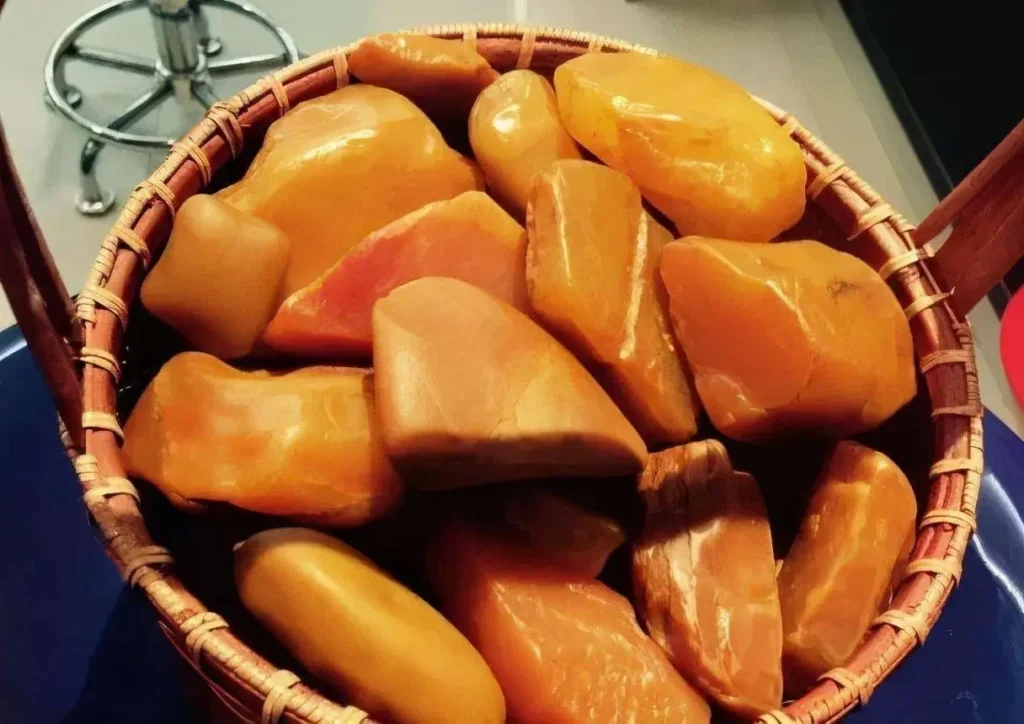
Beyond its famous ceramics, Jiangxi produces several distinctive gemstones and organic treasures:
- Yingtan Yellow Wax Stone: These stones feature a brilliant, gold-like yellow hue, earning them the nickname “Golden Elixir Jade” (Jin Dan Yu).
- Wannian Pearls: Known for their large size and perfect spherical shape, these pearls exhibit an exceptional luster and high quality.
- Zhang River Agate: These stones typically occur in larger block sizes and a wide array of colors, with yellow being the most prominent. They are particularly valued for their beautiful and diverse banded patterns.
Explore the Full Article: Gemstones of Jiangxi: Yingtan Yellow Wax Stone, Wannian Pearls, and Zhang River Agate | Chinese Gems Series
Gemstones of Taiwan
Taiwan lies on the continental shelf off China’s southeast coast and stands as the country’s largest island. Sitting at the intersection of tropical and subtropical climates, it boasts exceptionally diverse natural landscapes and ecological resources. Beginning in the 1960s, Taiwan implemented an export-oriented industrial strategy, fueling rapid socio-economic growth known globally as the “Taiwan Miracle.” This success established Taiwan as one of the “Four Asian Tigers,” and by the 1990s, it joined the ranks of the world’s advanced economies. Today, Taiwan dominates in manufacturing and high-tech sectors, maintaining a global lead in semiconductors, IT, telecommunications, and precision electronics.
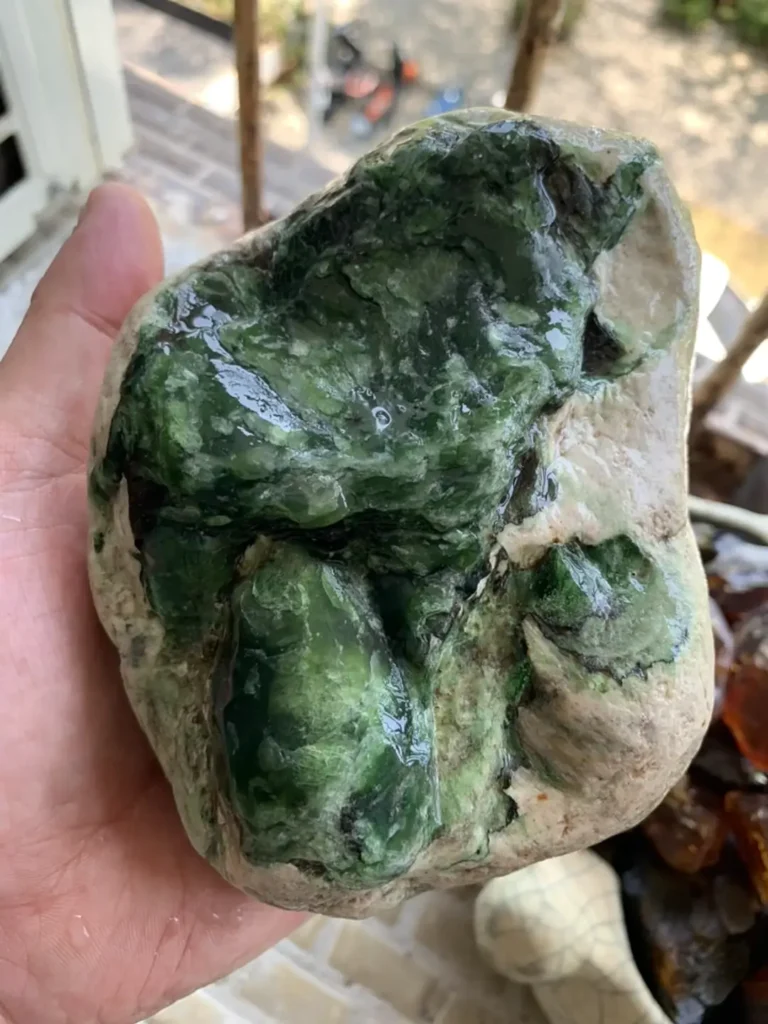
The unique geological environment of the island produces celebrated organic treasures and vibrant silicate minerals:
- Red Coral: This organic gemstone often grows in unique, sculptural forms. Taiwan remains a high-yield source for this precious marine treasure.
- Taiwan “Sapphire” (Blue Chalcedony): Despite its local nickname, this gem belongs to the quartz family as a variety of blue chalcedony. It features a rich color palette and a strikingly vivid luster.
- Taiwan Jade: Also known as Fengtian Jade, this nephrite variety displays vibrant green hues and a distinct, shimmering jade texture.
Explore the Full Article: Taiwan: Gemstones of Taiwan: Red Coral, Blue Chalcedony, Taiwan Nephrite & Seven-Color Jade | Gems of China Series
Gemstones of Jiangsu
Jiangsu sits at the center of East China’s coastline. Along with Shanghai, Zhejiang, and Anhui, it forms the Yangtze River Delta cluster—one of the six largest world-class megalopolises on Earth. Jiangsu leads all Chinese provinces in GDP per capita, regional competitiveness, and the Development and Life Index (DLI). As the province with the highest level of comprehensive development in China, its economic metrics now align with those of “upper-middle” developed nations.
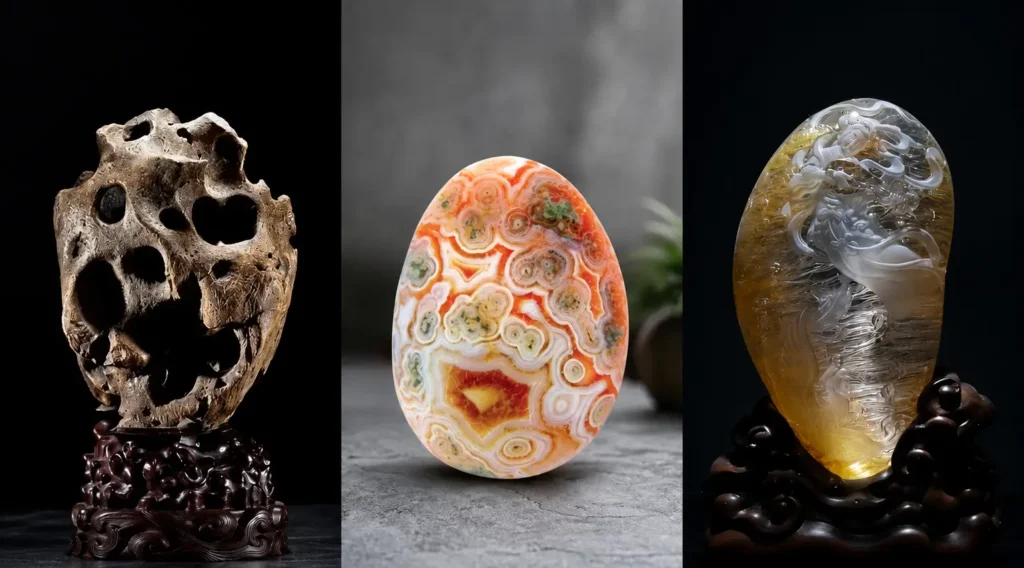
The geological and cultural heritage of Jiangsu centers on world-leading crystals and historic ornamental stones:
- Donghai Crystal: Donghai County stands as the globally recognized “Capital of Crystals,” renowned for the sheer volume and variety of its quartz production.
- Nanjing Yuhua Stone: These stones feature vibrant, multi-colored patterns and fantastical natural textures. They hold the prestigious title of “Queen of Stones.”
- Taihu Stone: Historically ranked as one of the “Four Great Scholar’s Stones,” these limestone rocks remain a foundational element in classical Chinese garden design.
Explore the Full Article: Jiangsu: Gemstones of Jiangsu: Crystal, Yuhua Stone, & Taihu Stone | Gems of China Series
Southwest China
Provinces: Yunnan, Sichuan, Guizhou, and Tibet (Xizang).
Southwest China encompasses a vast, rugged landscape defined by the Qinghai-Tibetan Plateau and the Hengduan Mountains. This region serves as a primary source for some of the world’s most coveted gemstones, including rare emeralds, rubies, and vibrant organic stones. With its complex geological history and rich ethnic heritage, Southwest China remains a vital frontier for mineral discovery and gemstone artistry.
Gemstones of Yunnan
Yunnan lies along China’s southwest frontier and stands as a pivotal cradle of early human civilization. Its name, literally “South of the Clouds” (Caiyun zhi Nan), originates from its location south of the Yunling Mountains. Known as “Seven-Colored Yunnan,” the province boasts an incredibly diverse climate and geography that fosters an extraordinary variety of mineral wealth.
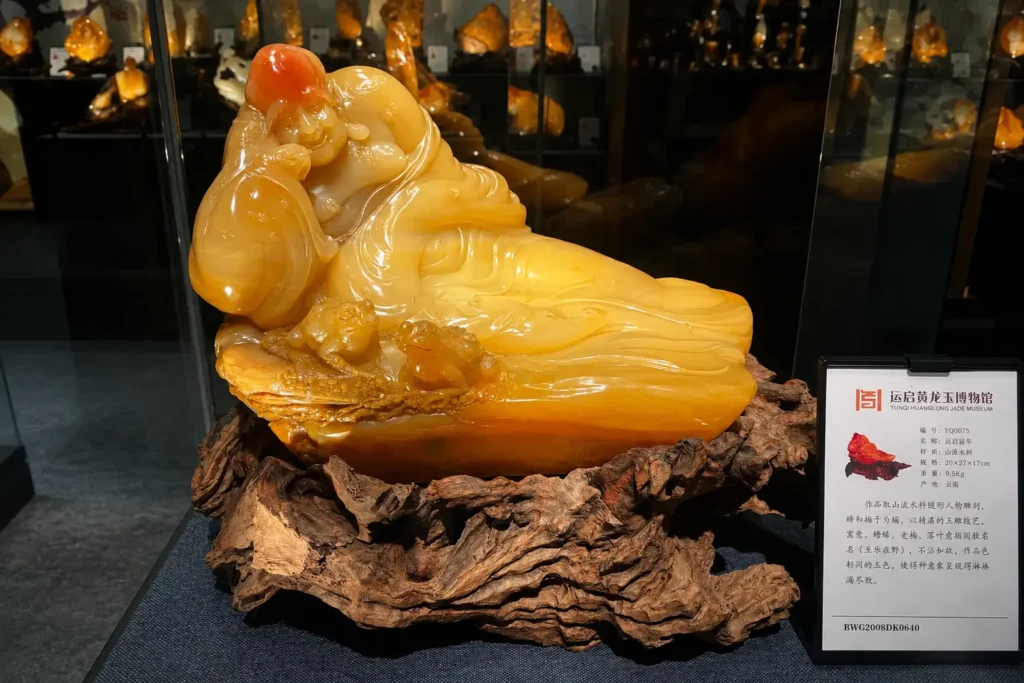
The unique geological structures of Yunnan, particularly around the Ailao and Nu Mountains, yield an impressive array of high-quality gemstones:
- Baoshan Nan Hong (Southern Red Agate): This agate features vivid, delicate colors and is traditionally referred to as “Dian Nan Hong” (Yunnan Southern Red).
- Longling Huanglong Jade: A premium variety of chalcedony, it is celebrated for its brilliant golden-yellow luster.
- Malipo Emerald: As China’s most prominent emerald deposit, Malipo produces stones known for their pure, saturated green hues.
- Ruby: Primarily sourced from Yuanjiang, this area ranks as one of the highest-quality ruby mining districts in China.
- Tourmaline: Found extensively in the Ailao Mountains, these crystals exhibit a wide spectrum of colors and exceptional transparency.
- Aquamarine: Deposits line the banks of the Ailao and Nu Rivers, yielding crystals prized for their clarity and “water-like” transparency.
Explore the Full Article: Yunnan: Gemstones of Yunnan: Nan Hong Agate, Huanglong Jade, Emerald, Ruby, Tourmaline & Aquamarine | Gems of China Series
Gemstones of Sichuan
Sichuan lies in the heart of Southwest China and has long earned the title “Land of Abundance.” As the gateway to Western China and the legendary home of the giant panda, the province serves as a major hub for economy, industry, and culture. Sichuan also hosts a diverse mosaic of ethnic groups: it contains China’s second-largest Tibetan region (Garzê and Ngawa), the largest Yi region (Liangshan), and the nation’s only Qiang Autonomous County (Beichuan). Specifically, Garzê stands as the central heartland of Khampa Tibetan culture.
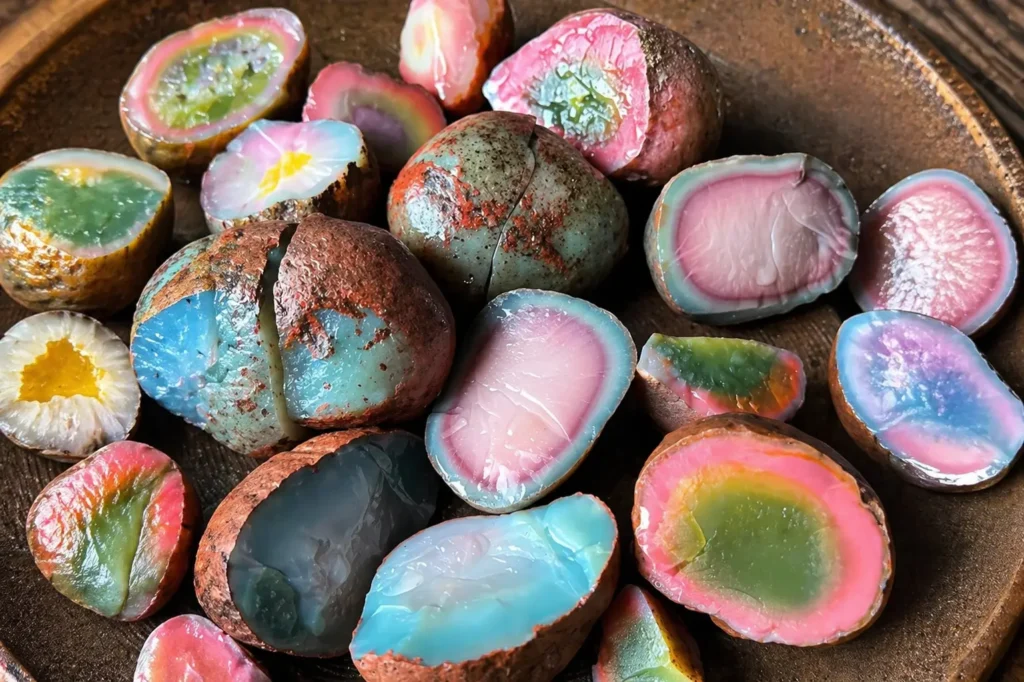
The province’s complex alpine geology produces a variety of unique silicates and ornamental stones:
- Agate: This category includes the famous “Sichuan Nan Hong” (Southern Red Agate) and the multi-colored “Yanyuan Agate.”
- Peach Blossom Jade (Tao Hua Yu): This stone typically displays pink or peach-red hues and features a massive, fine-crystalline structure.
- Longxi Jade: A variety of tremolite jade. It generally occurs in smaller blocks and often contains numerous internal fractures, making it quite fragile.
- Pingwu Beryl: These crystals exhibit unique shapes and a range of colors. Due to limited production, they remain relatively rare.
- Ya’an Green Stone: This material possesses a fine, delicate texture, making it an ideal medium for intricate carving.
Explore the Full Article: Gemstones of Sichuan: Agate, Longxi Jade, and Rare Tabular Beryl | Gems of China Series
Gemstones of Guizhou
Guizhou lies in the mountainous interior of Southwest China. As the only province in the country without a single plain, its landscape is defined by the traditional phrase “not three feet of flat land” (Di wu san chi ping). This rugged terrain, characterized by dramatic karst peaks and deep gorges, fosters a staggering variety of mineral wealth. Historically known as the ancient kingdom of “Yelang,” Guizhou also carries the abbreviation “Qian,” derived from its location west of the Chu Kingdom’s Qianzhong region. Today, the province serves as a mineral powerhouse, with over 110 discovered mineral resources and several reserves ranking among the highest in the nation.
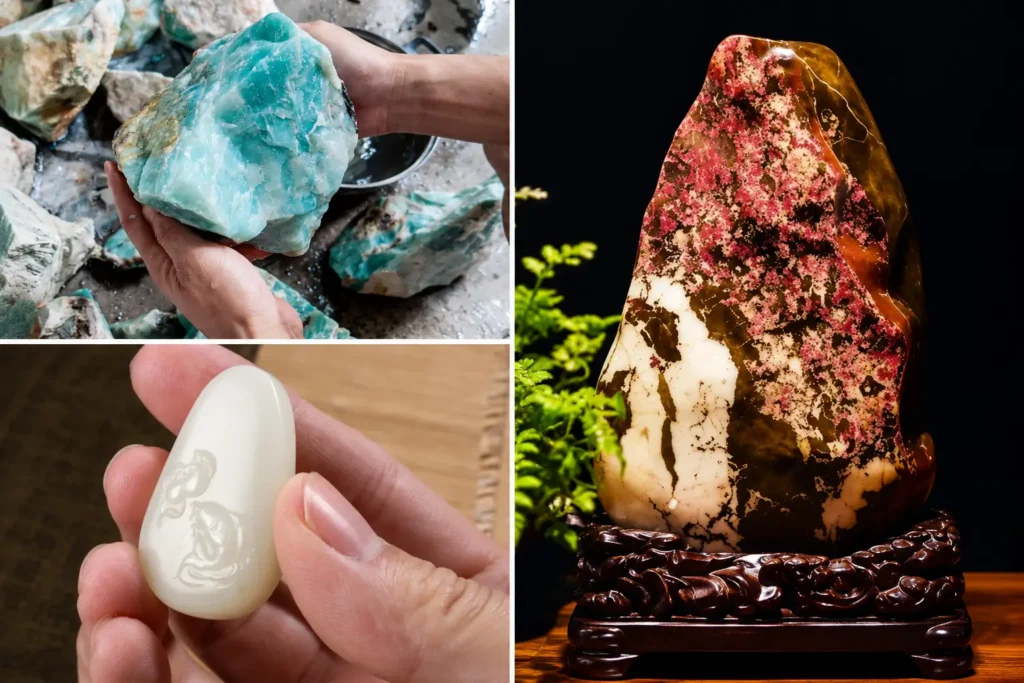
The geological diversity of Guizhou’s karst environment yields several notable jades and ornamental stones:
- Gui Cui (Guizhou Jade): Locally known as “Guizhou Jade,” this stone bears a striking physical resemblance to jadeite.
- Luodian Jade: Classified as nephrite (Guangyi Hetian Jade), this material generally possesses a “dry” texture. It often lacks a vibrant luster and the lively, translucent “inner glow” prized in high-end jade.
- Bloodstone (Ji Xue Shi): Guizhou produces specimens with a delicate texture and superior color saturation, representing some of the rarest collector’s items in the region.
Explore the Full Article: Guizhou: Gemstones of Guizhou: Guicui Quartzite, Luodian Nephrite, & Chinese Bloodstone | Gems of China Series
Gemstones of Tibet (Xizang)
The Tibet Autonomous Region lies in the southwest of the Qinghai-Tibetan Plateau, serving as a landlocked yet vital gateway to China’s southwest frontier. As an integral part of the nation’s diverse ethnic heritage, Tibet carries a long and storied history. Known as “Tubo” during the Tang and Song dynasties and “U-Tsang” during the Yuan and Ming periods, the region was later referred to as “Tangut” or “Thibet” in the Qing dynasty. The name “Xizang” (Tibet) came into official use during the reign of Emperor Kangxi and remains today. Tibet is world-renowned for its majestic landscapes and magnificent natural beauty—a vast territory characterized by grand topography and abundant resources. Since ancient times, the people of this land have cultivated a rich and brilliant cultural legacy.
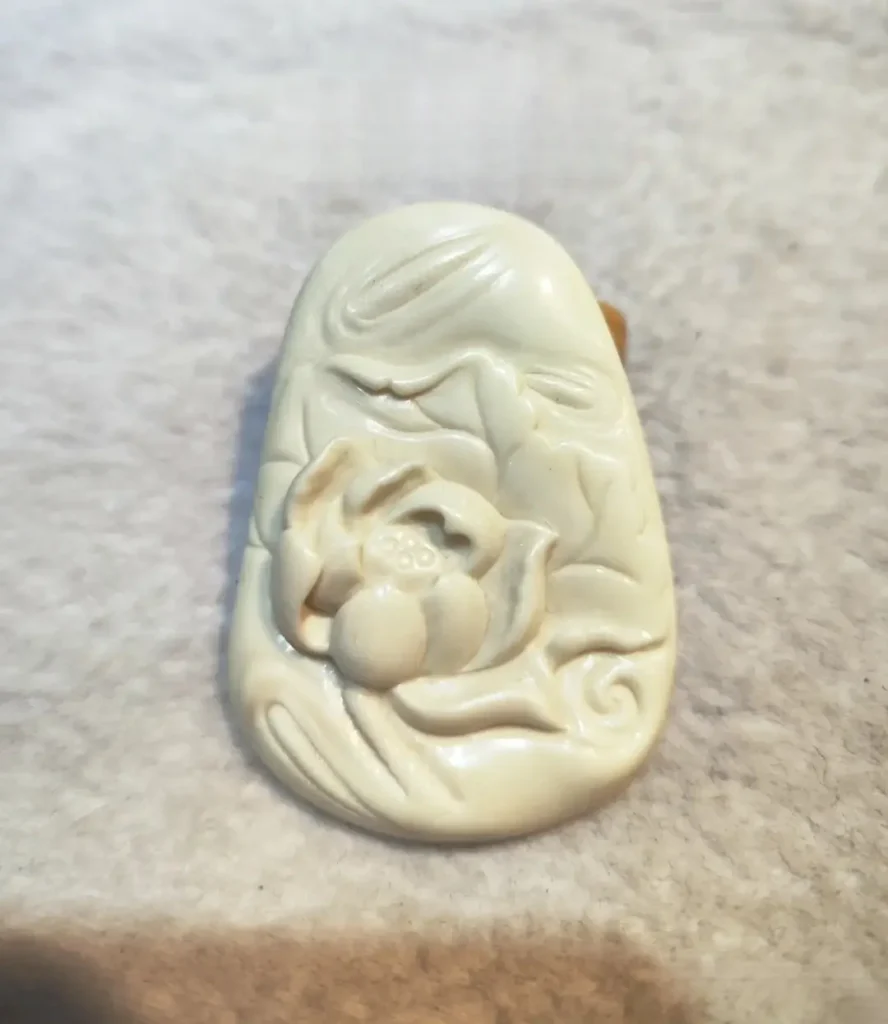
Beyond its spiritual and cultural significance, Tibet’s high-altitude geology yields several unique mineral treasures:
- Renbu Jade: This stone features a dense texture and high workability, making it a preferred material for intricate carvings.
- Ivory Jade (Xiangya Yu): Characterized by a delicate, fine-grained texture, this variety exhibits a subtle, translucent quality.
- Moss Agate: Known for its vibrant colors and picturesque organic patterns, these stones hold significant ornamental value.
- Tourmaline: Tibet yields tourmaline crystals with a diverse color spectrum. These specimens typically exhibit high clarity and fewer internal fractures compared to other regions.
- Amethyst: Tibetan amethyst often occurs in large crystal clusters. The most prized specimens display deep violet-red or bold red hues.
Explore the Full Article: Gemstones of Tibet: Renbu Stone, Ivory Magnesite, Moss Agate, Tourmaline, and Amethyst | Gems of China Series
South China
Provinces: Hainan, Guangxi, and Guangdong.
South China serves as the country’s tropical gateway, characterized by lush landscapes and strategic maritime borders. The region’s unique geological evolution—defined by ancient volcanic activity and rich marine environments—produces a diverse range of treasures, from deep-earth corundum to organic gems from the South China Sea.
Gemstones of Hainan
Hainan Province, also known as Qiongzhou, marks the southernmost point of China. When accounting for both land and sea, Hainan stands as the nation’s largest province by total area. It holds the distinction of being China’s largest and only province-level Special Economic Zone, while Hainan Island itself ranks as the second-largest island in the country, following Taiwan.
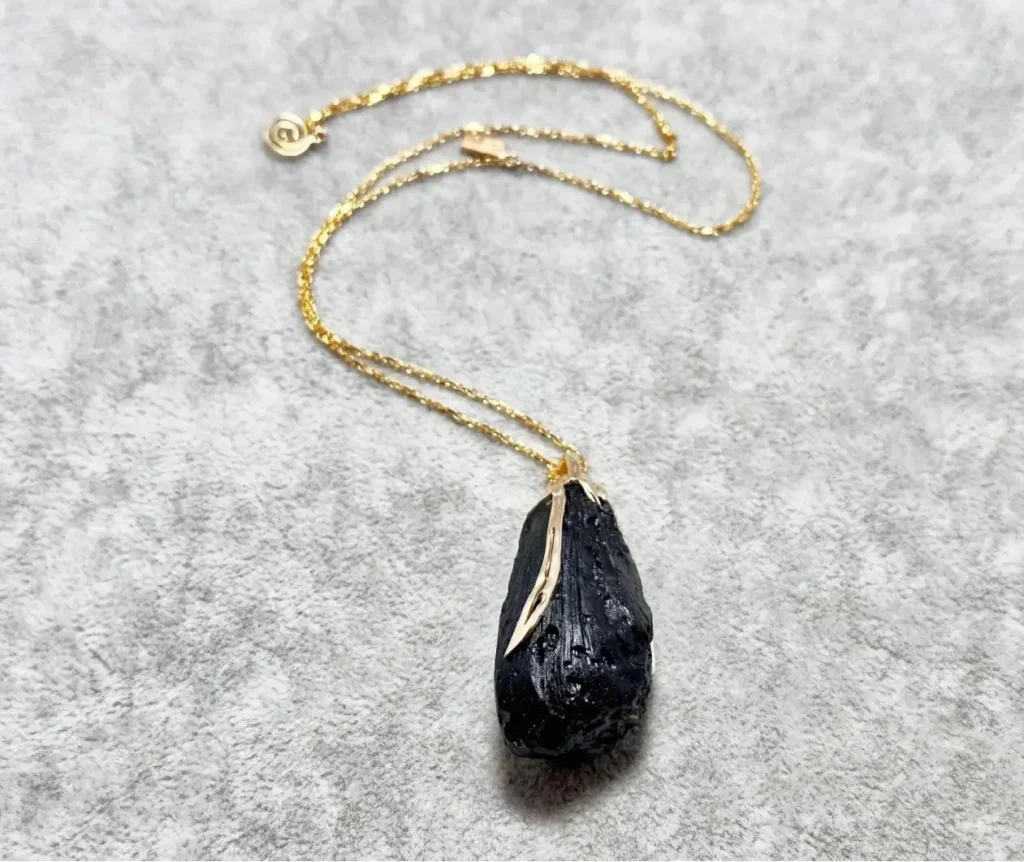
The island’s volcanic history and maritime setting yield several significant mineral and organic treasures:
- Wenchang Zircon: These gemstone-grade zircons frequently occur as associated minerals within sapphire deposits.
- Sapphire: Hainan hosts one of the earliest discovered sapphire deposits in China, maintaining some of the country’s most substantial reserves.
- Tektite (Lei Gong Mo): Locally known as “Lei Gong Mo,” these glassy meteorites appear in diverse shapes. Their fine, dense texture makes them an excellent raw material for gemstone cutting and carving.
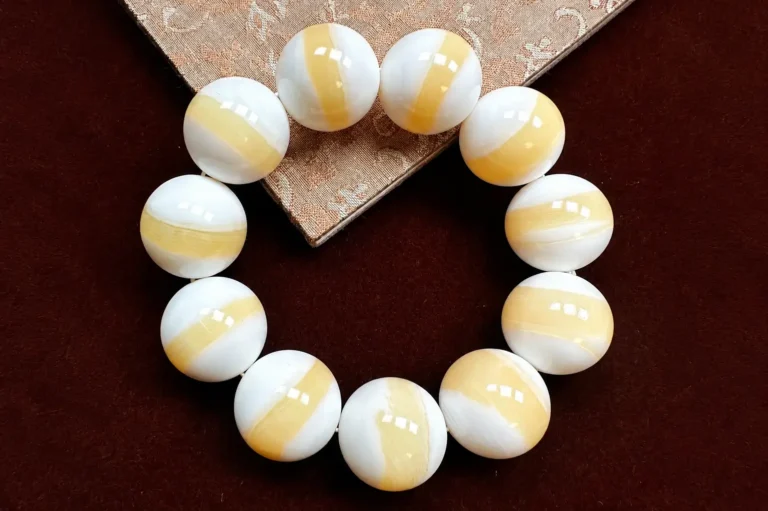
- Giant Clam (Che Qu): These shells are notable for their massive size and thickness. The inner shell remains smooth and pure white, while the exterior features distinct, wheel-like radial grooves.
Explore the Full Article: Gemstones of Hainan: Sapphire, Red Zircon, Leigongmo Tektite, and Giant Clam | Gems of China Series
Gemstones of Guangxi
The Guangxi Zhuang Autonomous Region stands as China’s only coastal autonomous region. Situated in the western reach of South China, it provides the most accessible maritime gateway for the country’s southwest and plays a pivotal role in economic trade between China and Southeast Asia. Its subtropical monsoon climate fosters an abundance of rare flora and fauna. Notably, the region excels in fruit production, earning the title “Home of Fruits” for its bountiful harvests of dragon fruit, guava, lychee, kumquat, honey tangerine, and longan.
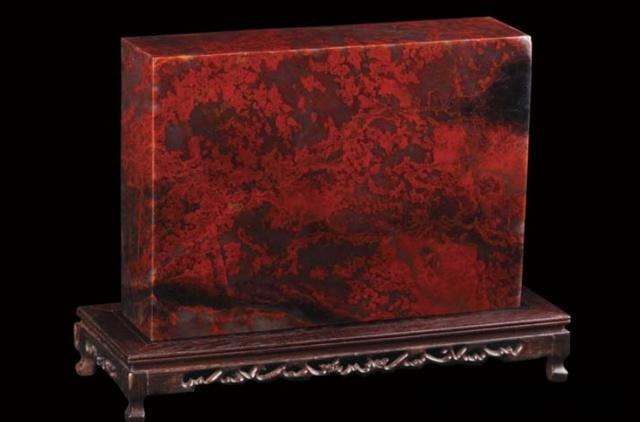
Guangxi’s diverse terrain, stretching from limestone karsts to the southern coast, yields prestigious organic and mineral treasures:
- Guilin Blood-Red Jasper: This stone derives its name from its exceptional hardness and a vibrant, crimson hue that resembles fresh chicken blood.
- Hepu Pearls: These seawater pearls boast a storied history and carry the prestigious traditional designation of “South Pearls” (Nan Zhu).
- Dahua Jade: Classified as nephrite (Guangyi Hetian Jade), this variety occurs in both “Mountain Material” (primary deposits) and “Seed Material” (alluvial deposits).
Explore the Full Article: Guangxi: Gemstones of Guangxi: Guilin Blood-Red Jasper, Dahua Jade, and Hepu Pearls | Gems of China Series
Gemstones of Guangdong
Guangdong Province lies along China’s southernmost coastline and serves as the primary guardian of Lingnan culture, characterized by its distinct languages, customs, and historical traditions. Today, Guangdong stands as China’s largest economic powerhouse, contributing one-eighth of the nation’s total GDP. Having surpassed both Hong Kong and Taiwan in economic scale, it ranks as the most competitive province in terms of financial strength and comprehensive development. Its current economic metrics align with those of upper-middle-income and moderately developed nations.
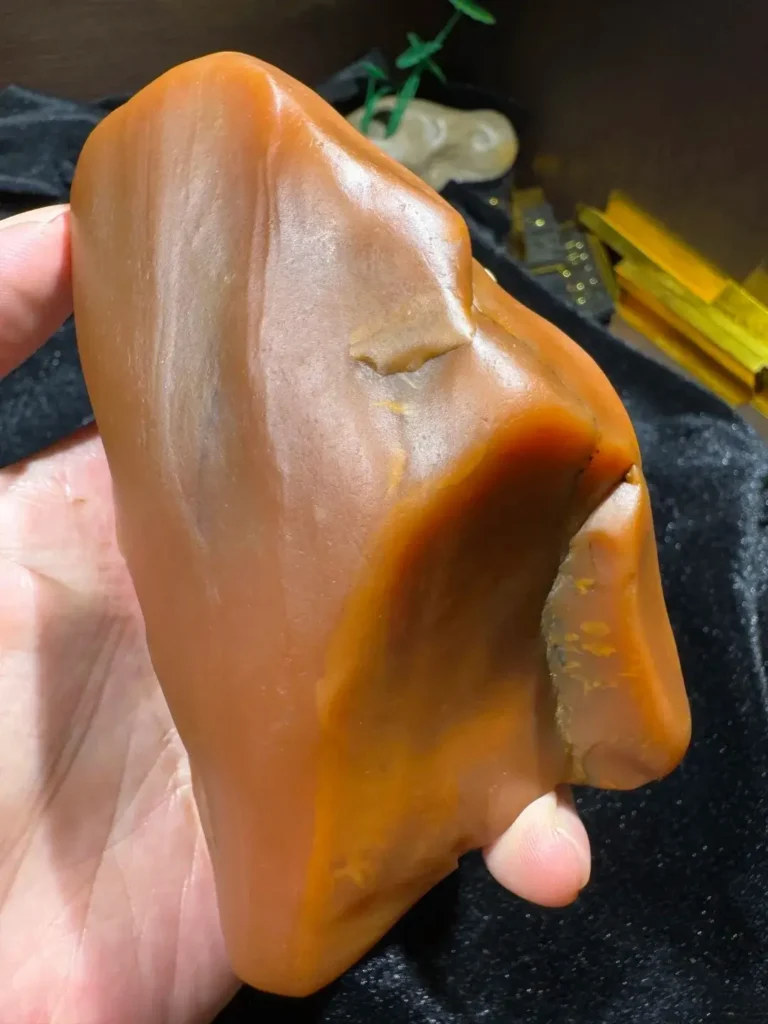
Beyond its industrial dominance and celebrated culinary heritage, Guangdong’s geology yields several prestigious ornamental and organic gems:
- Yangchun Malachite: Designated as the official “City Stone” of Yangchun, this mineral ranks as one of the celebrated “Three Treasures of Yangchun.” It is highly prized for its vibrant green patterns and unique crystalline forms.
- Leizhou South Pearls: These pearls are famous for their spherical perfection and substantial, lustrous weight. Historically, Leizhou pearls served as elite tribute items presented to the imperial courts.
- Taishan Jade: A variety of quartz-based jade, this material features a fine, delicate texture and a distinct “oily” luster. Artisans frequently select Taishan jade for creating high-end decorative carvings and display pieces.
Explore the Full Article: Gemstones of Guangdong: Yangchun Malachite, Leizhou Southern Pearls, and Taishan Jade | Chinese Gems Series
Conclusion: A Legacy in the Gemstones of China
China’s geological landscape is as diverse as its history. From the rugged Qinghai-Tibetan Plateau to the tropical shores of Hainan, the land yields incredible variety. Consequently, this 28-province survey reveals more than just a list of mineral deposits. It maps out a profound cultural connection between the earth and its people.
These treasures remain vital threads in the fabric of Chinese identity. For instance, we see this in the ancient reverence for Guangdong’s “South Pearls.” We also see it in the technical mastery required to carve Zhejiang’s “Bloodstones.” Each region offers a unique contribution to the nation’s mineral heritage.
As industry professionals, we know that understanding regional origins is essential. This knowledge helps in verifying authenticity and appreciating a stone’s true value. At Jewea, we believe every gemstone tells a story. It reflects its chemical composition and the very mountains that birthed it. Therefore, we hope this guide serves as a definitive resource for collectors and artisans alike. We invite you to continue exploring the hidden mineral wonders of China with us.