Gemstones of Shaanxi: Lantian Jade, Turquoise, Ink Stone & Coral Fossil | Gems of China Series
In this installment of our “Gemstones of China” series, we head to the Northwest to explore the rugged lands of Shaanxi Province. As the starting point of the ancient Silk Road, Shaanxi serves as the cradle of Chinese civilization. For millennia, it stood as the beating heart of the empire, serving as the capital for thirteen dynasties, including the legendary Qin, Han, and Tang.
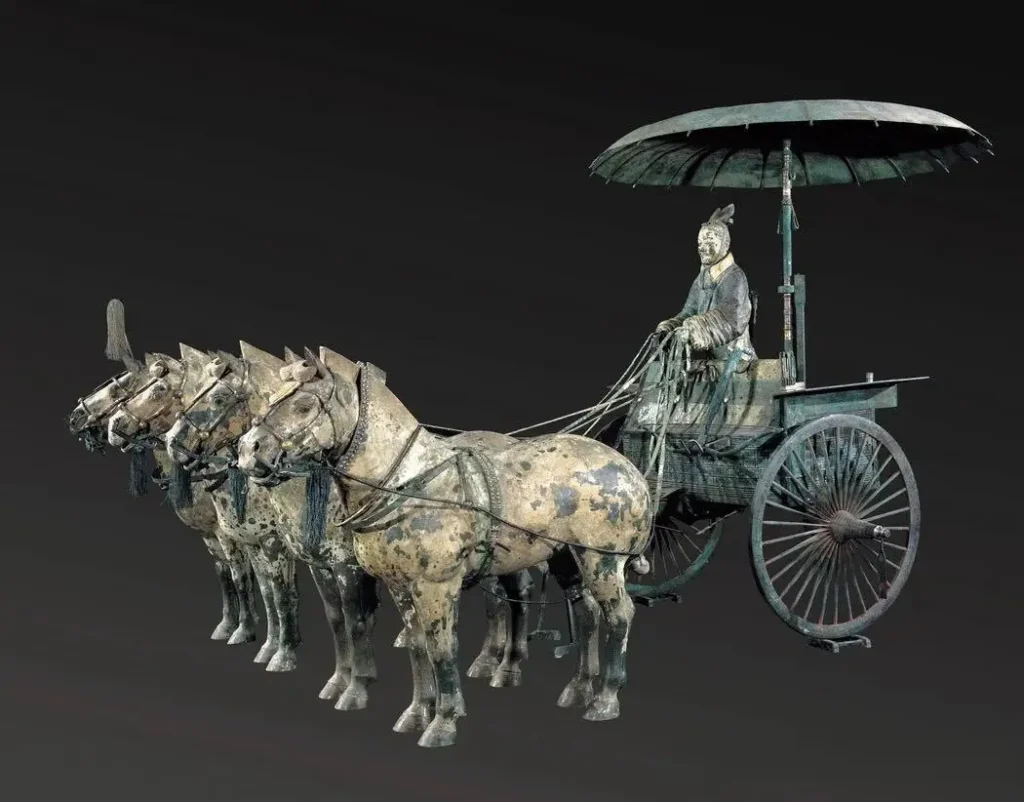
Shaanxi is essentially a living museum. It boasts 319 museums and over 7.7 million registered cultural relics—a staggering density of history that rivals any region on earth. Yet, the soul of Shaanxi is found not just in its vaults, but in its vibrant local character—from the “Four Treasures of the Qinling Mountains” to the eccentric “Eight Curiosities of Shaanxi.” These local traditions, such as “noodles wide as belts,” “houses built like half-structures,” and “opera sung with a roar,” reflect the bold and resilient spirit of the land.
Beyond its historical grandeur and folk charm lies a wealth of mineral treasures. In this feature, we delve into the Gemstones of Shaanxi that define the province’s geological heritage: the legendary Lantian Jade, the deep Fuping Ink Stone, the historic Baihe Turquoise, and the ancient Ningqiang Coral Fossil (commonly known as Coral Jade).
Lantian Jade: One of the Four Famous Jades of China
Lantian Jade holds a prestigious place as one of the “Four Famous Jades of China.” It shares this honor with Xinjiang’s Hetian Jade, Liaoning’s Xiuyan Jade, and Henan’s Dushan Jade. Named after Lantian County in Shaanxi, this stone is among the oldest in Chinese history. Its legacy spans over 5,000 years.
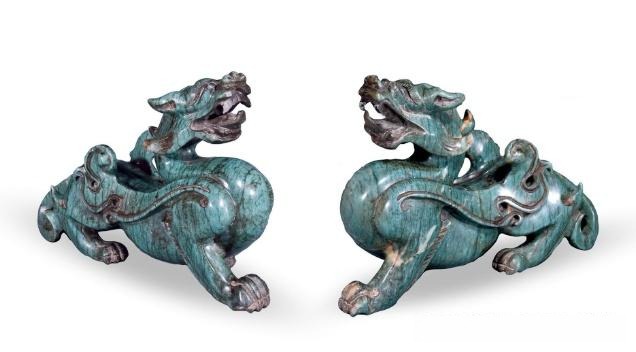
The use of Lantian Jade dates back to the Neolithic Age. Archaeologists discovered ritual objects like Bi (disks) and Gui (tablets) at local Shaanxi sites. By the pre-Qin period, the stone gained deep religious significance for sacrificial rites. According to legend, the Imperial Seal of the First Emperor was carved from this very jade.
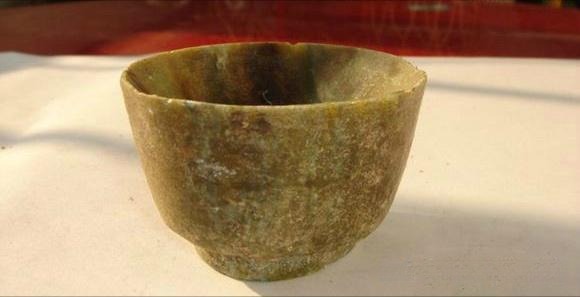
The Tang Dynasty marked the golden age of extraction. During this era, the imperial court designated Lantian Jade as a local tribute. Nobles and officials frequently used it to adorn their ceremonial court robes and sword hilts. Its popularity only began to fade during the Ming and Qing Dynasties. This shift occurred as Hetian Jade and Jadeite entered the mainstream market. Despite this, its cultural status remains iconic.
Gemological Profile and Appearance
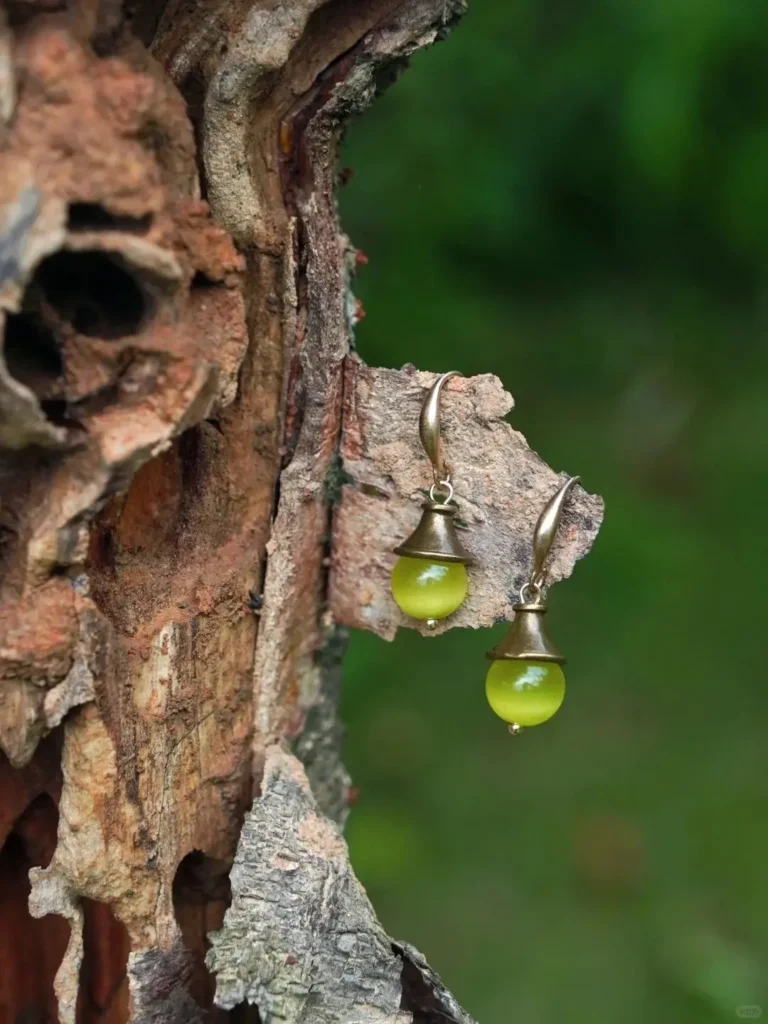
Gemologically, Lantian Jade is a serpentinized marble. Its primary minerals are calcite and serpentine. The complex structure also includes accessory minerals like diopside, dolomite, olivine, and tremolite.
- Visual Character: The stone ranges from sub-transparent to semi-transparent. It typically exhibits a classic waxy luster.
- The Color Spectrum: The presence of oxidized silicon, aluminum, magnesium, and copper creates a diverse palette. This includes white, greyish-white, pale yellow, and light green. Among these, specimens featuring pure, vivid shades of white, yellow, or green command the highest value.
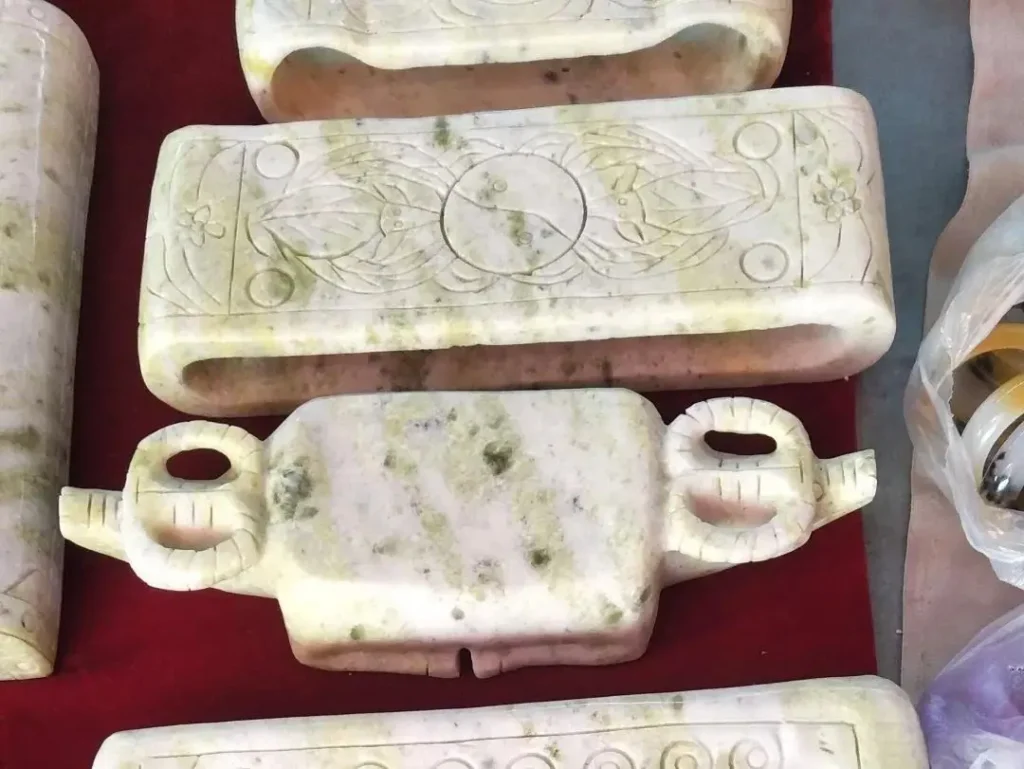
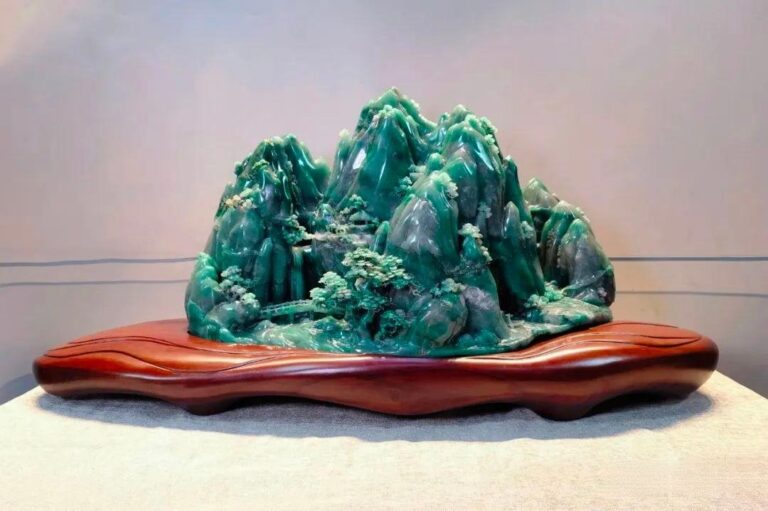
Lantian Jade remains a favorite for intricate carvings. Its rich color diversity makes it ideal for unique, high-end decorative art.
Fuping Black Stone: The Carbonaceous “Ink Jade” of Shaanxi
For millennia, Hetian Jade has remained the pinnacle of Chinese gemstone culture. While the creamy, delicate “Mutton Fat White Jade” is the industry’s gold standard, the market has a deep, enduring love for its understated counterpart: Black Nephrite (Mo Yu). As we explored in our previous feature, Black Hetian Jade: Mo Yu, Hei Qing Yu, and Mo Biyu, this lacquered-black nephrite is primarily sourced from Xinjiang and, more recently, Guangxi. According to the 2020 National Standard, true “Ink Jade” must be a variety of nephrite (tremolite) where graphite inclusions create a black hue covering at least 30% of the stone.
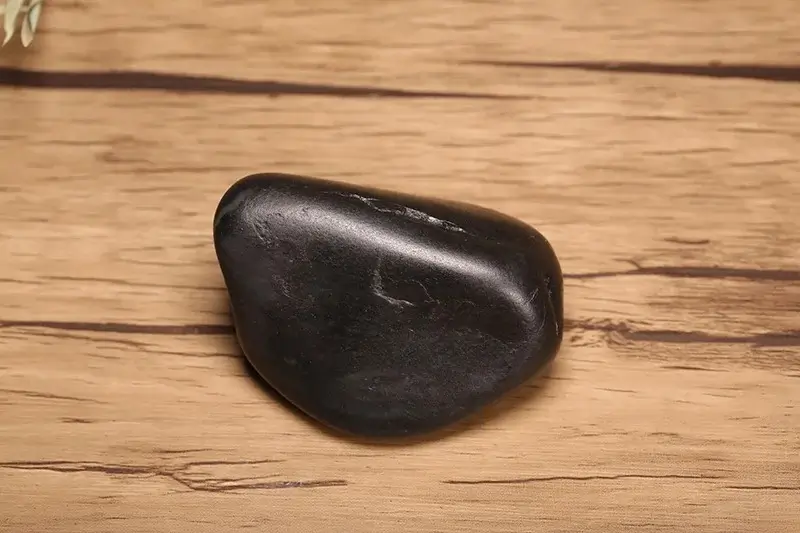
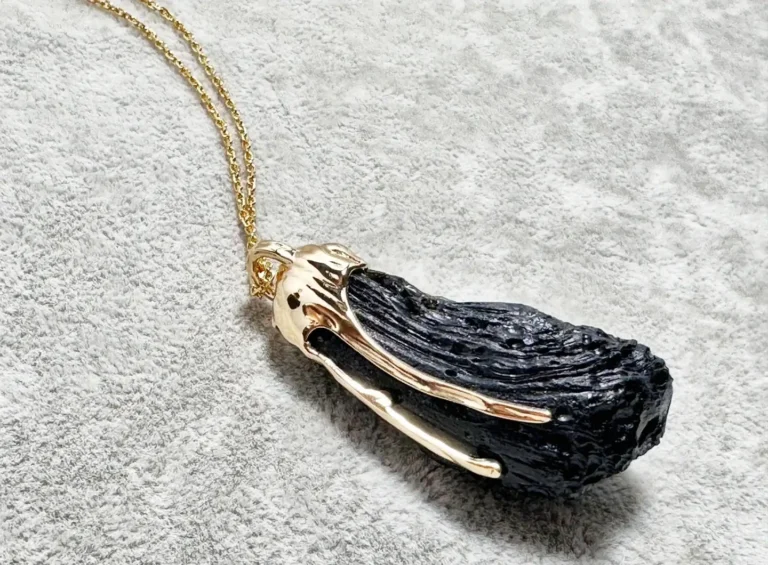
However, Shaanxi’s Fuping County produces its own legendary variety of black stone. It is important to make a professional distinction: Fuping Black Stone is not a tremolite-based nephrite. Instead, it is a carbonaceous carbonate jade rich in organic matter and bitumen.
Geological Profile and Material Excellence
Sourced from the Qiaoshan Mountains in northern Fuping, this stone displays a diverse natural palette, including cloud-grey, light cyan, and standard cyan. Among these varieties, the deep cyan (dark black) specimens represent the highest grade.
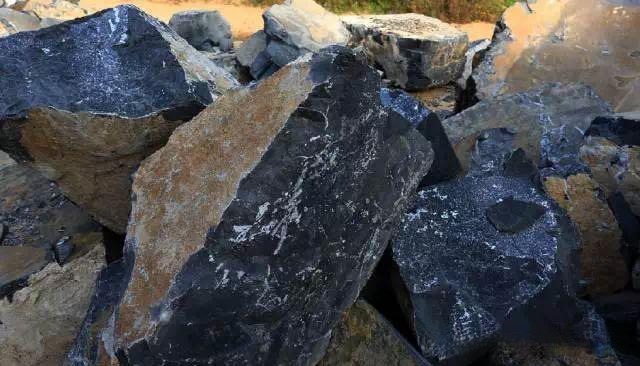
The material is prized for more than its aesthetic; it possesses remarkable physical properties. The stone is exceptionally tough and resistant to fracturing, allowing it to maintain crisp textures and a deep luster over centuries. This unique durability, paired with its ink-like depth, has established Fuping Black Stone as the premier choice for Shaanxi’s imperial monuments and steles for over two thousand years.
The Choice of Emperors: From Palaces to Tombs
The history of Fuping Black Stone is inseparable from Xi’an (historically Chang’an), the ancient capital that served thirteen dynasties. In 212 BC, the First Emperor, Qin Shi Huang, commandeered a workforce of 100,000 laborers to quarry this material for the construction of the legendary Epang Palace and his sprawling Lishan Mausoleum.
During eras when lavish burials were the standard for royalty, Fuping Black Stone guarded the deceased. Archaeologists have identified this stone at numerous imperial sites, including the Yongling Tomb of Emperor Wen of Western Wei, the Changling Tomb of Emperor Xiaowen of Northern Wei, and the Mausoleum of the First Han Emperor’s Father. The vast majority of the grand steles and statues guarding these tombs were sculpted from this resilient black material.
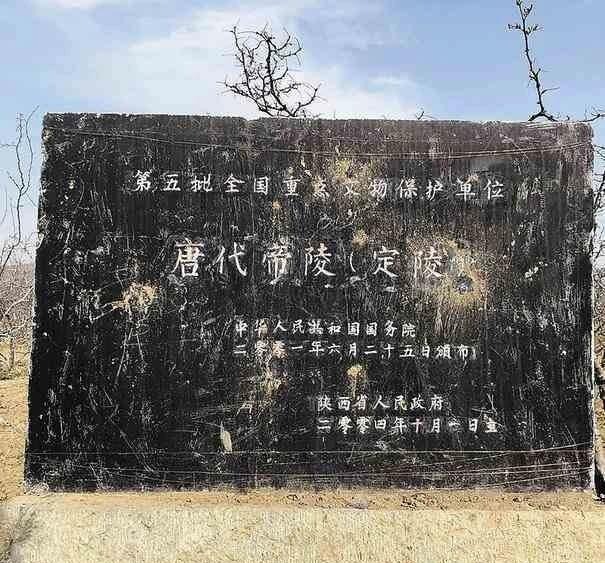
Beyond its use in imperial tombs, Fuping Black Stone serves as the cornerstone of the Beilin Museum (The Forest of Steles) in Xi’an. As China’s most prestigious sanctuary for stone inscriptions, the museum houses over 1,700 historic relics.
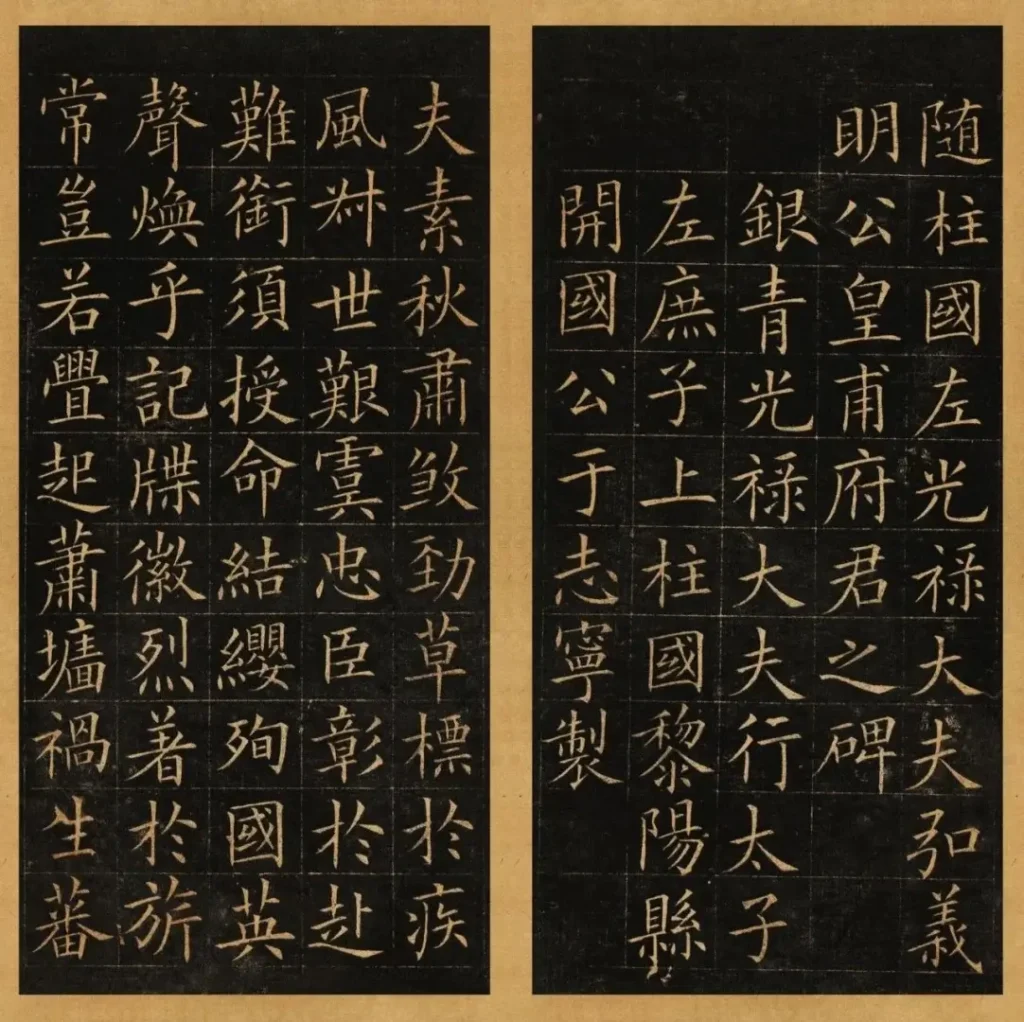
Statistically, 80% of the steles and monuments in this world-class collection consist of Fuping Black Stone. This “Ink Jade” provides a permanent, resilient surface for China’s greatest calligraphic masterpieces, such as Ouyang Xun’s Huangfu Dan Stele and Liu Gongquan’s Xuanmi Tower Stele. These national treasures prove that Fuping Black Stone is more than just a mineral; it is the physical medium that has preserved the ink and soul of Chinese history.
Baihe Turquoise: An 8,000-Year Heritage
As explored in our feature, Turquoise: From December Birthstone to High Jewelry Masterpieces, this stone—celebrated as the ‘Emerald of the East’—holds a prestigious place in global culture. In China, its legacy is deeply rooted in antiquity. Major archaeological discoveries at the Jiahu site in Wuyang and the Erlitou site in Yanshi (eastern Luoyang Basin) have shed light on this ancient fascination.
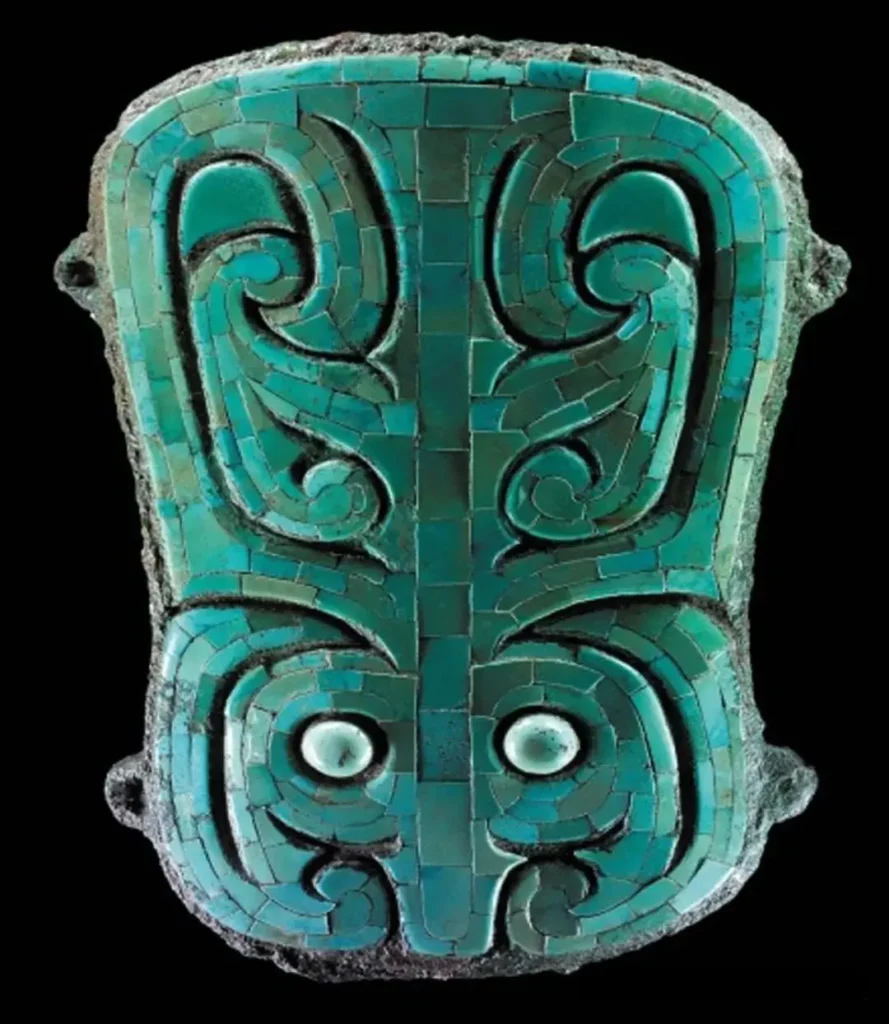
Archaeologists at the Erlitou site unearthed a magnificent Dragon-shaped Turquoise Object. This masterpiece consists of over 2,000 delicate turquoise flakes. At the time of its discovery, it was the largest turquoise assemblage ever found.
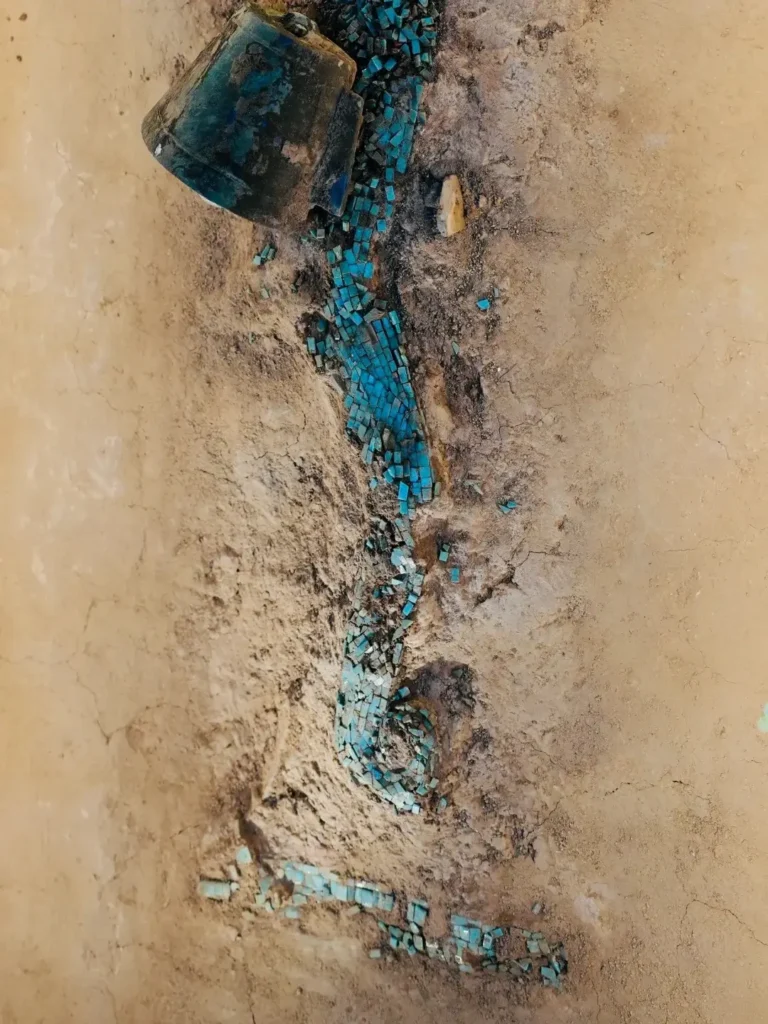
Even more staggering is the Turquoise Eye-Cover discovered at the Jiahu site. Archaeologists estimate this relic is 8,000 to 9,000 years old, marking it as one of the oldest examples of worked turquoise in human history.
The Baihe Deposits: Geological Profile
Shaanxi’s turquoise deposits are primarily located in the eastern Qinling Mountains near Ankang. The most prestigious mining area is Yue’ertan in Baihe County. This region serves as both a modern source and an ancient mining site.
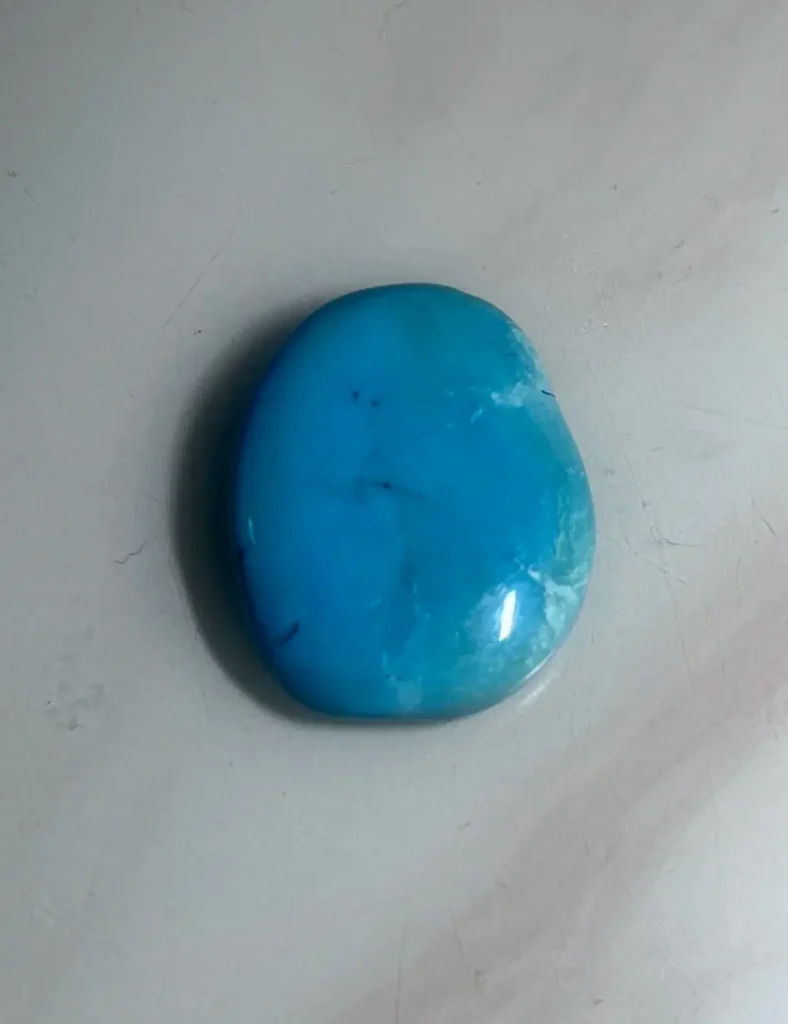
The turquoise here typically forms as mineral aggregates. While Turquoise is the primary mineral, it often occurs alongside quartz, mica, limonite, and kaolinite.
- Color & Structure: The material displays a beautiful spectrum from sky blue to yellowish-green.
- Texture & Luster: It features a cryptocrystalline structure. Some specimens exhibit unique growth patterns, including zoning, botryoidal (grape-like) clusters, massive blocks, or flaky textures.
- Visual Appeal: High-quality Baihe turquoise is sub-transparent and possesses a distinct greasy luster.
Ningqiang Coral Jade: Fossilized Beauty from Shaanxi
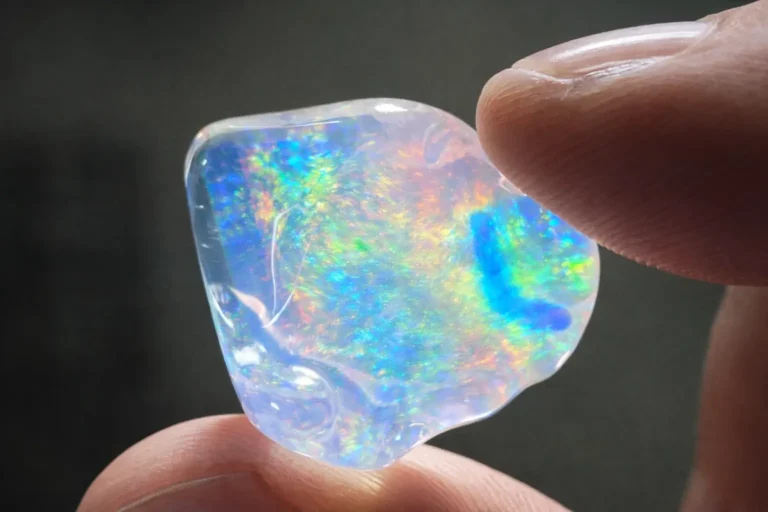
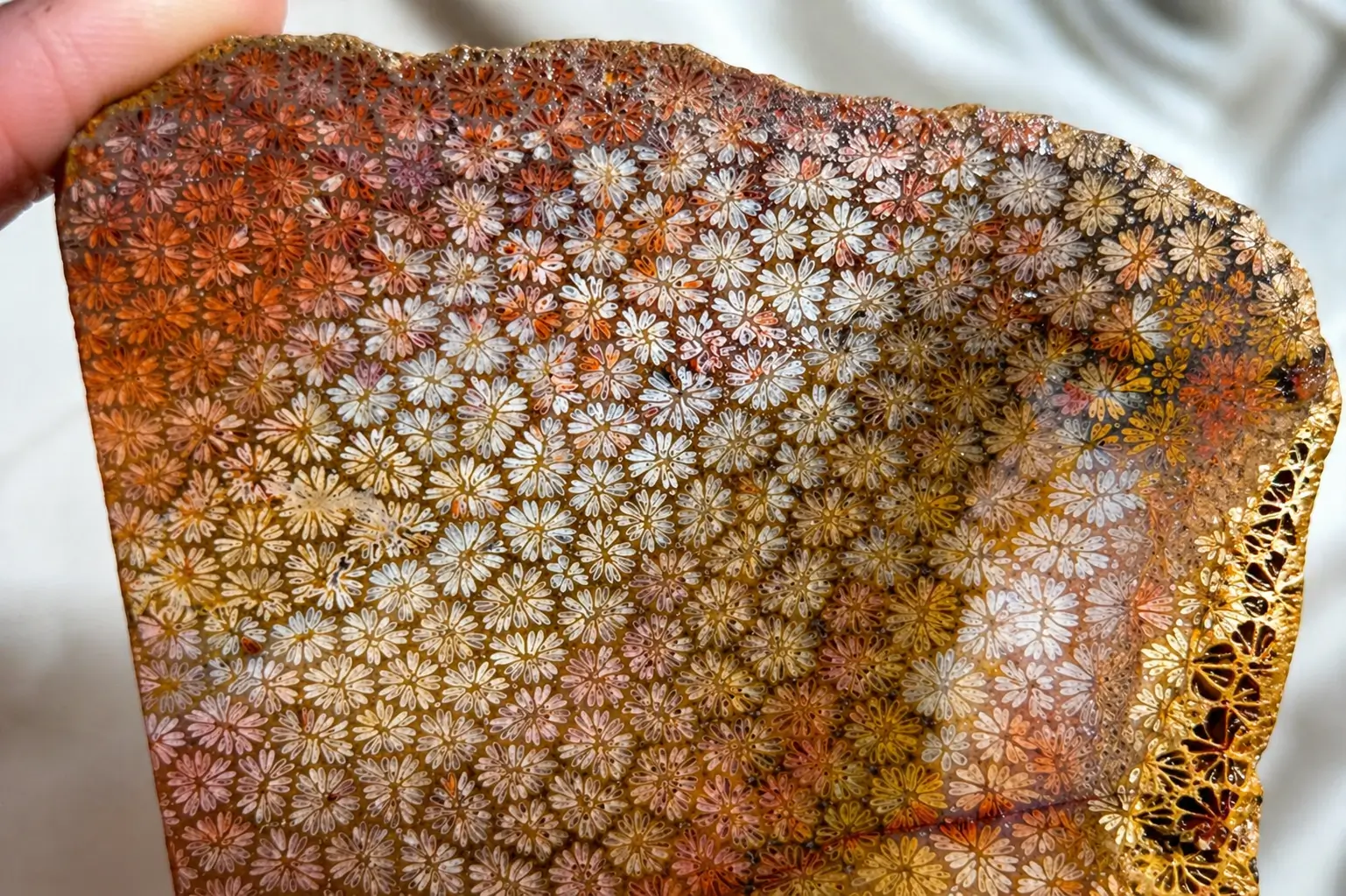
Coral Jade, also recognized as Chrysanthemum Jade, is a fossilized coral material formed over hundreds of millions of years through long-term geological processes. Its mineral composition can vary depending on the degree and type of fossilization. This distinctive material is found in several regions, including Taiwan, Xinjiang’s Turpan, and Ningqiang in Shaanxi Province.
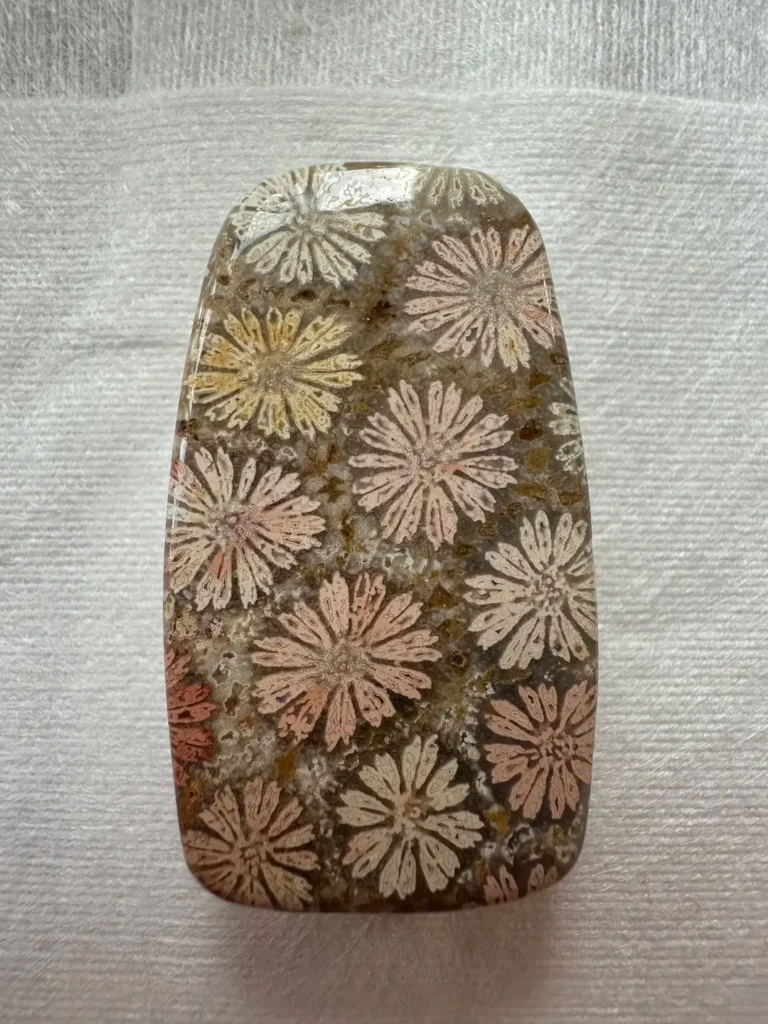
The Ningqiang variety forms through the geological alteration of ancient coral fossils, during which mineral filling, replacement, and recrystallization may modify the original coral skeleton. The resulting stone typically displays a palette of grayish-white, pale yellow, and yellowish-brown. Visually, the stone exhibits a range of lusters—from a sharp vitreous shine to a smooth, greasy glow—along with its signature fossilized floral patterns.
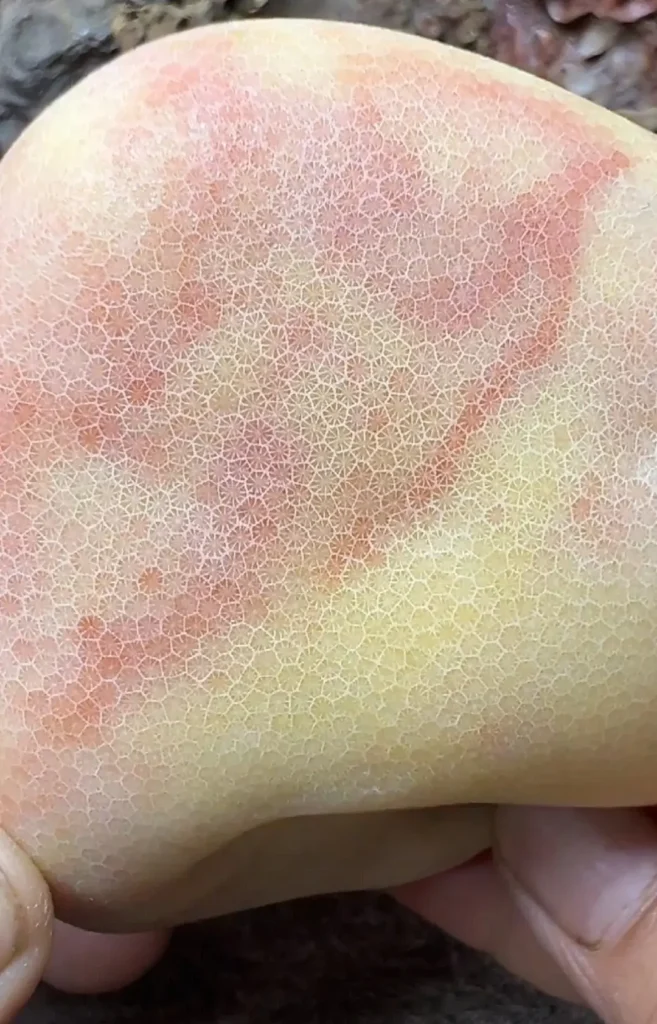
Based on the specific morphology of these fossilized surfaces, experts classify Ningqiang Coral Jade into over ten distinct varieties. The most notable examples include “Stellar” Coral Jade (noted for its star-point patterns), as well as the “Snowflake” and “Vermiculate” (worm-like) varieties.
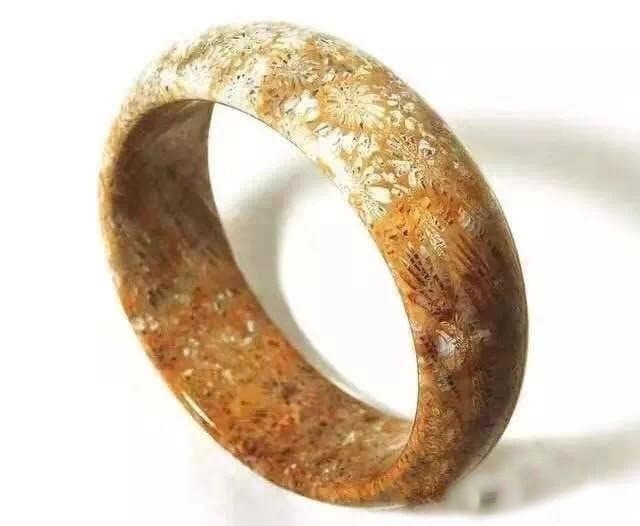
However, because Ningqiang Coral Jade possesses a Mohs hardness of only 3–4, it is significantly softer than most silicate gemstones. This physical trait makes the stone unsuitable for high-relief or intricate carving. Consequently, lapidaries usually focus on plain-surface (su mian) designs, such as bangles and seal stones. This minimalist approach best showcases the stone’s natural, undisturbed patterns while protecting its delicate structure.
Explore More in Our Chinese Gems Series
At Jewea, our mission is to uncover the hidden geological wonders across China. Before we dove into the Gemstones of Shaanxi we explored several other regions famous for their rare and storied treasures.
Take a look back at our previous journeys:
Northwest China
- Gansu: Gemstones of Gansu: Gannan Agate, Wushan Yuanyang Jade, and Dunhuang Quartz | Gems of China Series
- Qinghai: Gemstones of Qinghai: Hetian Jade, Turquoise, Serpentine, and Alabaster | Gems of China Series
- Ningxia: Gemstones of Ningxia: Helan Stone & Gobi Agate | Gems of China Series
- Xinjiang: Gemstones of Xinjiang: From Sacred Nephrite to Desert Quartz and Pegmatite Crystals | Gems of China Series