Gemstones of Anhui: Huoshan Quartzite Jade, Huangshan Wax Stone & Turquoise | Gems of China Series
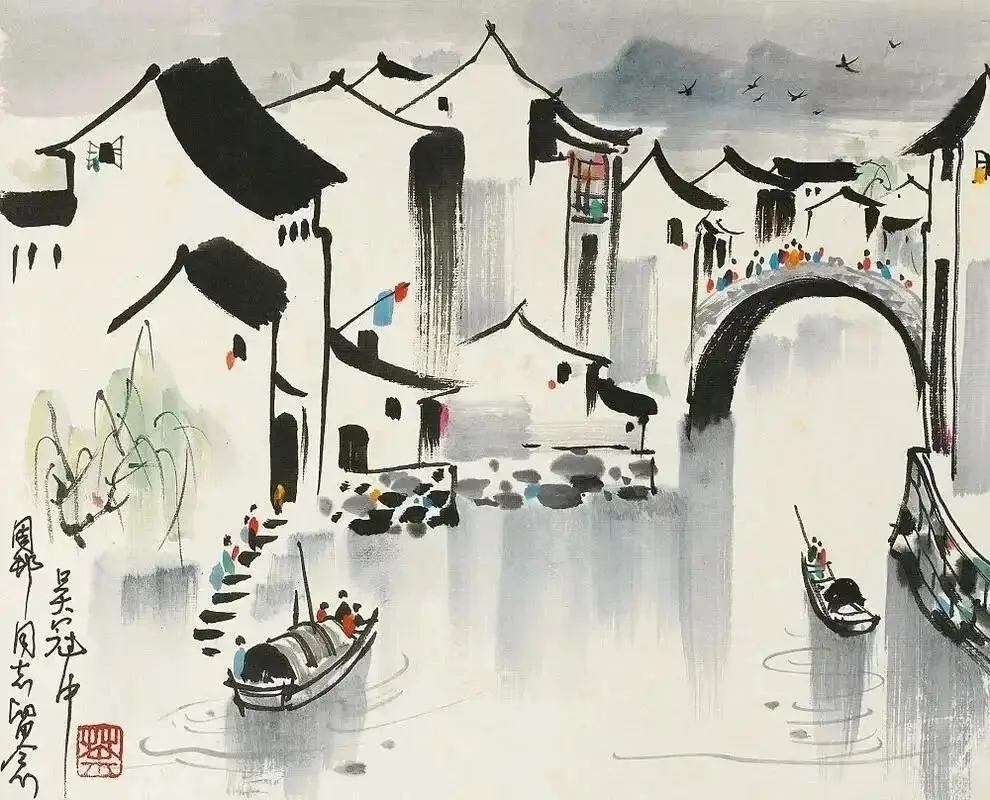
In this edition of our Gemstones of China series, we travel to Anhui Province in East China. To many, Anhui is a living canvas—a land where Master Wu Guanzhong’s brushstrokes come to life, and where the white walls and black tiles of Hui-style (Huipai) architecture evoke a dignified, tranquil beauty that captures the very essence of Chinese landscape culture.
Anhui’s prestige is rooted in its dramatic geography and deep history. It boasts some of the most legendary peaks in the world, including Huangshan (the Yellow Mountain), as well as the sacred peaks of Jiuhua and Qiyun. Its waters are equally storied, from Lake Chao, one of China’s largest freshwater bodies, to the Xin’an River, often called the “Danube of the East.” This is a cradle of Chinese civilization—home to the Huaihe and Huizhou cultures—and the birthplace of icons like the strategist Cao Cao and the legendary physician Hua Tuo.
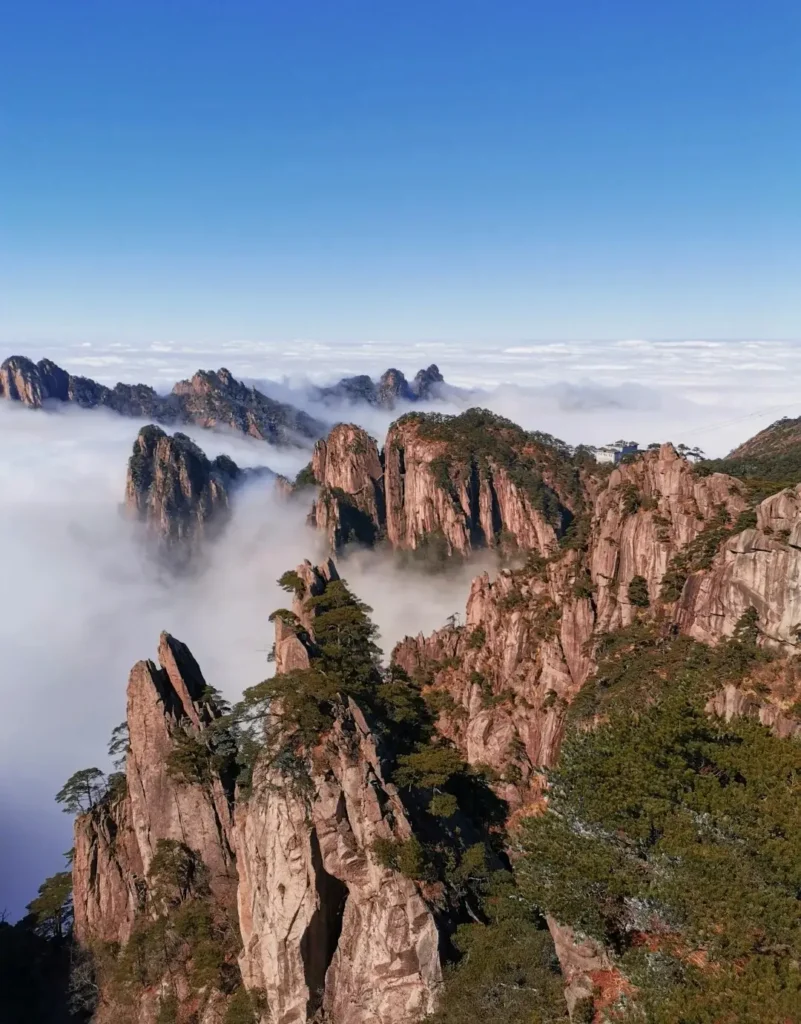
Yet, beyond its peaks and poets lies a subterranean wealth that is often overlooked. Anhui is a powerhouse of mineral resources, with 158 different types of minerals discovered to date—38 of which rank in the top ten for national reserves. In this article, we will take an in-depth look at Anhui’s three most representative gemstones: Huoshan Quartzite Jade, Huangshan Wax Stone, and the rare Anhui Turquoise.
Huoshan Jade: A Metamorphic Quartzite Jade
Quartzite jade in China is remarkably diverse. If you’ve followed our previous deep dives, you’ve encountered varieties like the translucent Bingying quartzite Jade (Stop the Scam: The Ultimate Guide to Spotting Fake Ice Jadeite), the intricate Panlong quartzite Jade, and the vibrant Guicui from Guizhou.
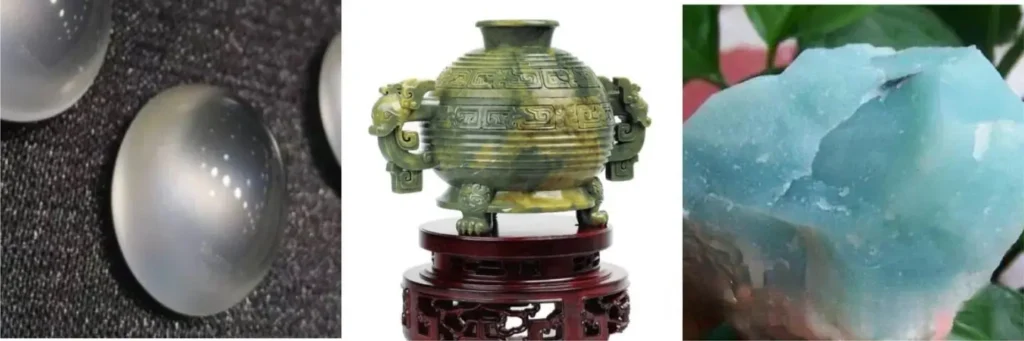
In recent years, an exciting newcomer has emerged from the Dabie Mountains: Huoshan Jade (also known as Dabie Mountain Jade). As a specialty of Anhui Province, this stone takes its name from its primary source in Huoshan County.
Mineral Composition and the Two Primary Forms
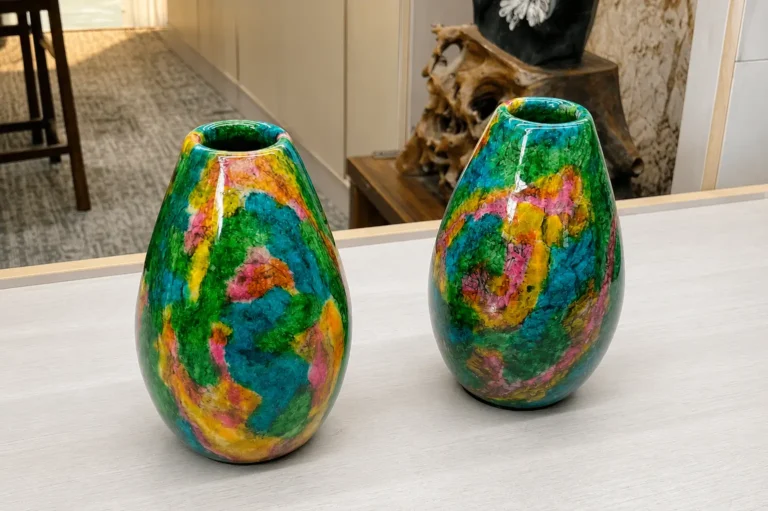
Geologically, Huoshan jade is a metamorphic quartzite composed primarily of quartz, chalcedony, opal, and rock crystal. Similar to the traditional grading of fine nephrite, Huoshan Jade is categorized into two distinct types: Mountain Material (Primary Ore) and Seed Material (Alluvial Stone).
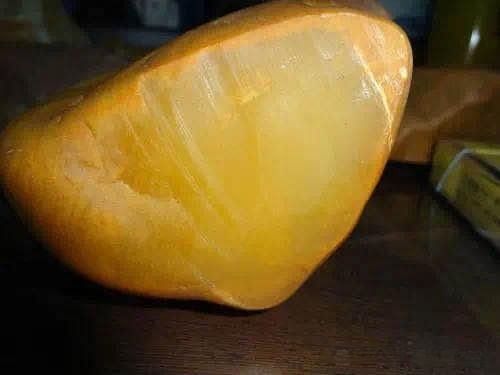
Mountain Material (Shan Liao)
Sourced primarily from the veins of the Dabie Mountains, this material is predominantly quartz-based. Its color palette is extensive and remarkably diverse, including crisp whites, creamy-whites, yellowish-browns, emerald greens, dark forest greens, and charcoal grays.
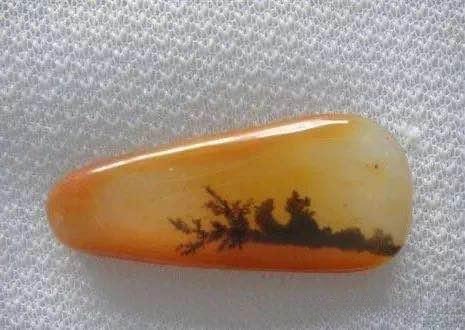
In 2009, the discovery of the ‘Aquatic Plant’ (Shui Cao Hua) pattern—a striking dendritic inclusion that resembles underwater moss—significantly elevated the profile of Huoshan Jade, earning it widespread recognition among collectors and carvers alike.
Seed Material (Zi Liao)
In addition to mountain materials, Huoshan quartzite jade also occurs as Seed Material (Zi Liao), primarily found in the beds of the Pi River in Huoshan County. These alluvial stones consist of varying proportions of chalcedony, quartz, and opal. Having been naturally tumbled by water over time, they possess a fine, delicate texture and a distinct “oily” or waxy luster. With a Mohs hardness of approximately 7, this material is highly durable and well-suited for various types of lapidary work and intricate carvings.
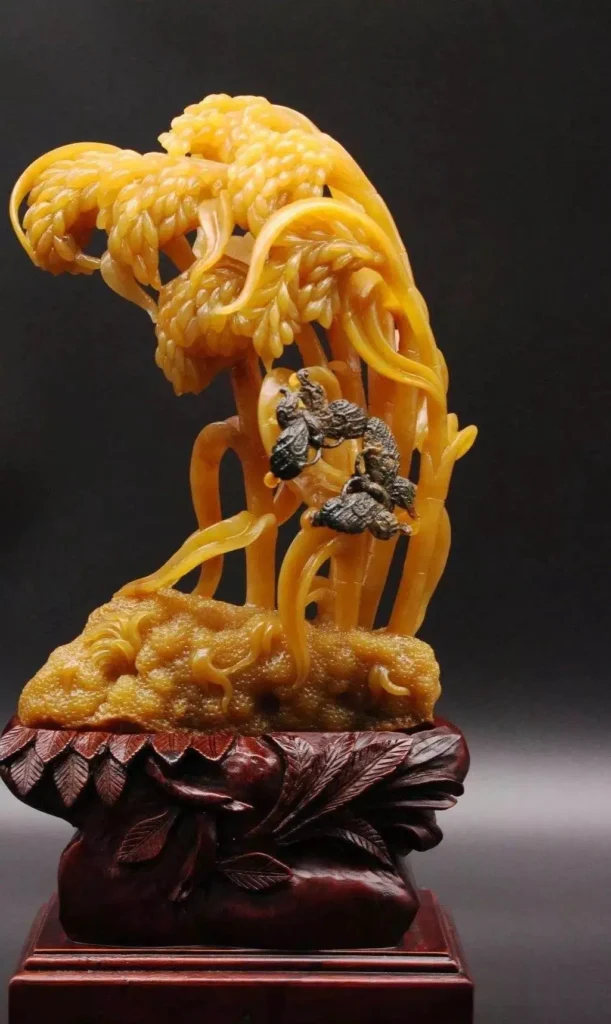
Once polished, Huoshan quartzite jade often showcases rich “Qin” (natural secondary coloration) and a tactile, skin-like finish that is highly pleasing to the touch.
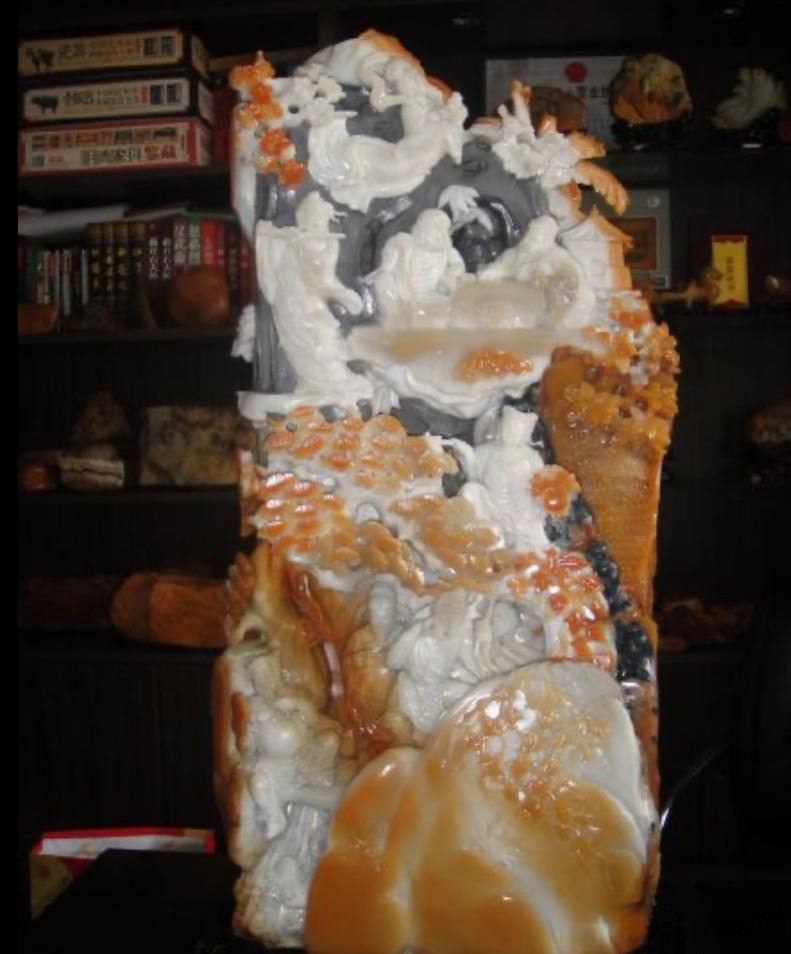
The artistic potential of this stone gained significant recognition in 2010 when the masterwork “The Eight Immortals” by artist Li Zhengbai won a Gold Medal on CCTV-2’s treasure-hunting program, Walk into Bengbu. Measuring 128cm in height and weighing 49kg (approx. 98 lbs), it remains the largest known jade carving ever produced from Huoshan quartzite jade—a testament to the material’s suitability for large-scale, high-detail artistry.
Huangshan Wax Stone: A Premium “Siliceous Jade”
Following our look at Huoshan Quartzite, we turn to another of Anhui’s treasures: Yellow Wax Stone.
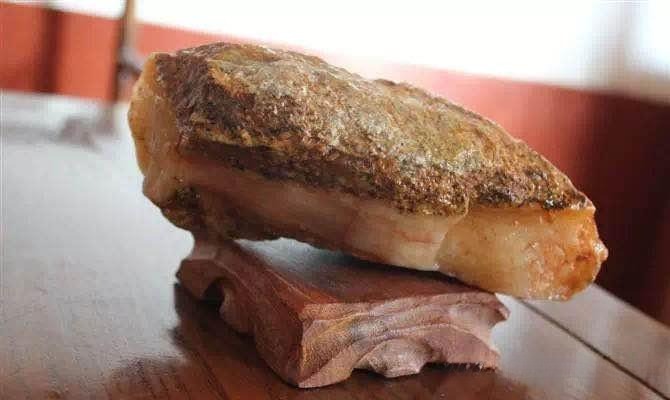
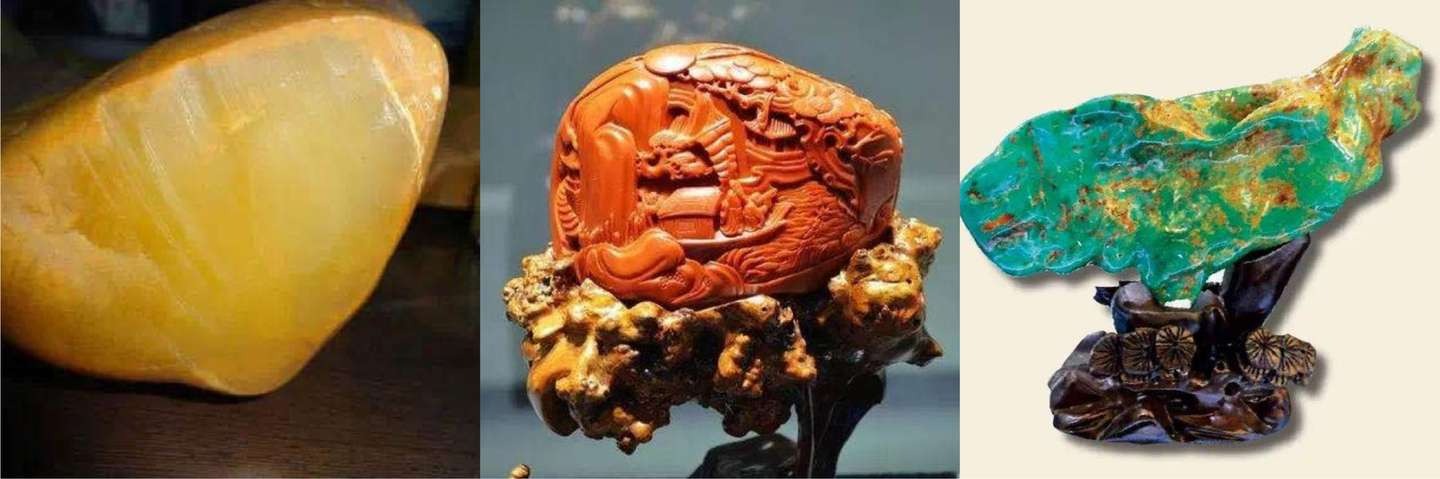
Locals often call this stone “Taiping Jade” or “Huangshan Quartzite Jade,” and it originates primarily from the Huangshan mountain range. Its vibrant colors and distinctive waxy surface luster set it apart. These traits secure its place as a premium “Siliceous Jade” variety within the broader Yellow Wax Stone family.
A Diverse Color Palette
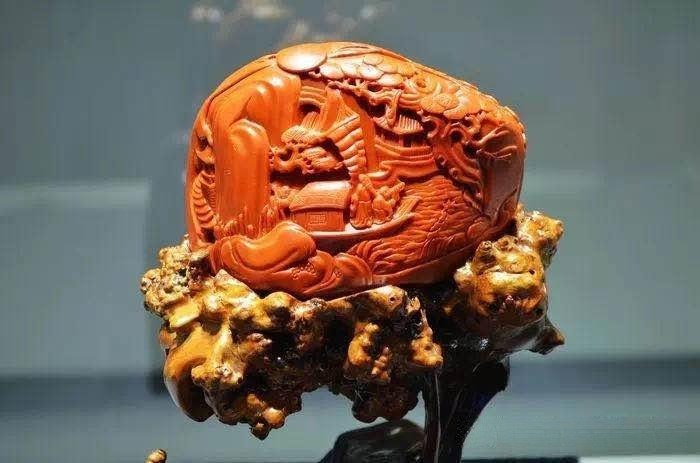
The variety of Yellow Wax Stone is vast, categorized by its primary hues into Grey, Black, Green, White, and even Multi-colored (Five-color) varieties. However, yellow remains the most prevalent and sought-after tone. These yellow stones are further distinguished by collectors into specific shades:
- “Tu-Huang” (Earthy Yellow)
- “Ji-You-Huang” (Chicken-oil Yellow)
- “E-Huang” (Goose-feather Yellow)
The colors are vivid and saturated, yet they retain a natural elegance without appearing “over-the-top” or artificial.
Texture and Classification
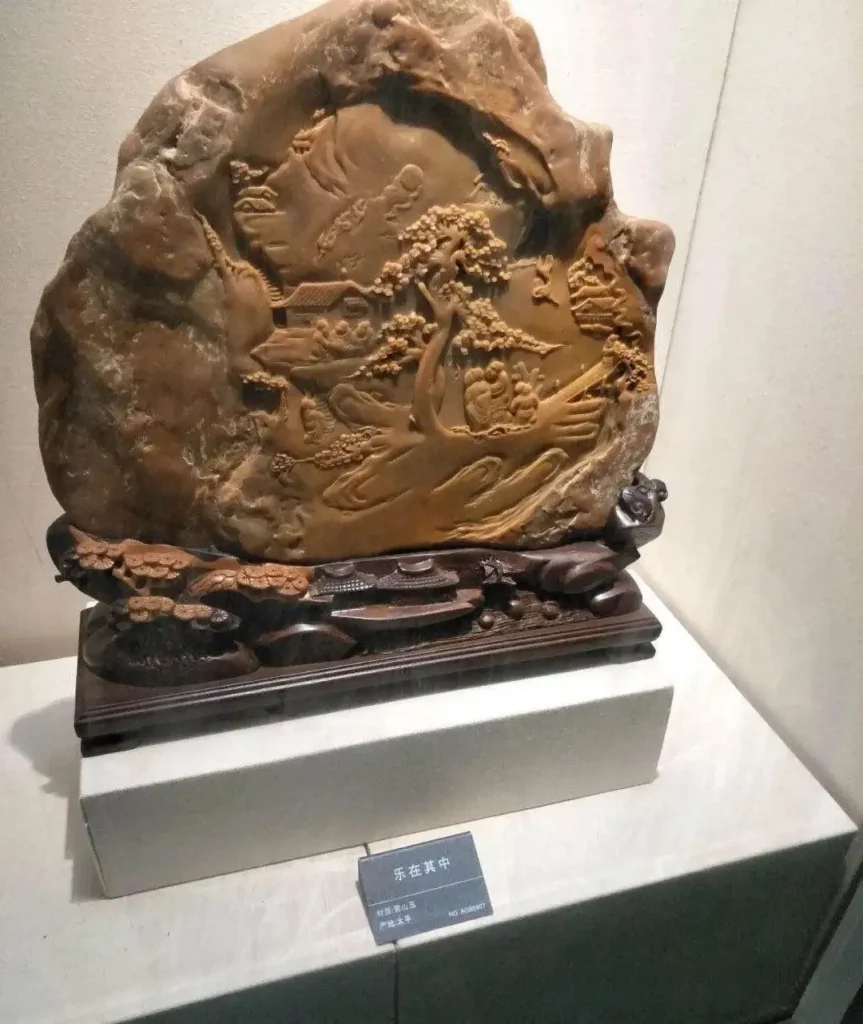
The stone is also classified by its texture and degree of translucency, ranging from “Stone Wax” (Shi La) and “Soil Wax” (Tu La) to higher-grade “Ice Wax” (Bing La) and “Jelly Wax” (Dong La).
- Jelly Wax (Dong La): Possesses a texture reminiscent of congealed fat—smooth, glossy, and remarkably cohesive.
- Colloidal Wax (Jiao La): Features a paste-like consistency with a diverse array of rich colors.
With a Mohs hardness of 6.5 to 7, Yellow Wax Stone is exceptionally durable. Much like Huoshan Quartzite Jade, its physical toughness and fine grain make it an excellent choice for detailed lapidary work and high-end jade carvings.
Anhui Turquoise: The Rare “Emerald of the East”
In our previous feature, Turquoise: From December Birthstone to High Jewelry Masterpieces, we discussed why this “Turkish Stone”—the national stone of Turkey—remains a global favorite. Often called the “Emerald of the East,” turquoise has captivated people across cultures since antiquity.
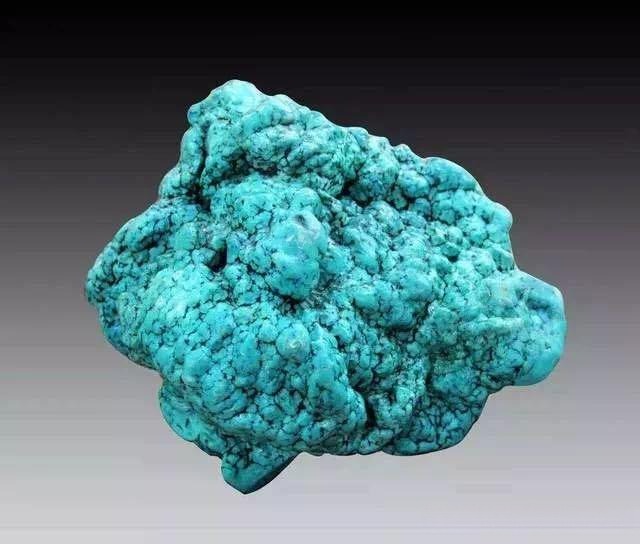
While many famous deposits exist abroad, China stands as a world-renowned source. Major production hubs include Yunxian (Hubei), Baihe (Shaanxi), Ma’anshan (Anhui), Xichuan (Henan), Hami (Xinjiang), and Wulan (Qinghai). Among these, Anhui turquoise stands out for its diverse colors, dense texture, and exceptional “Porcelain” quality.
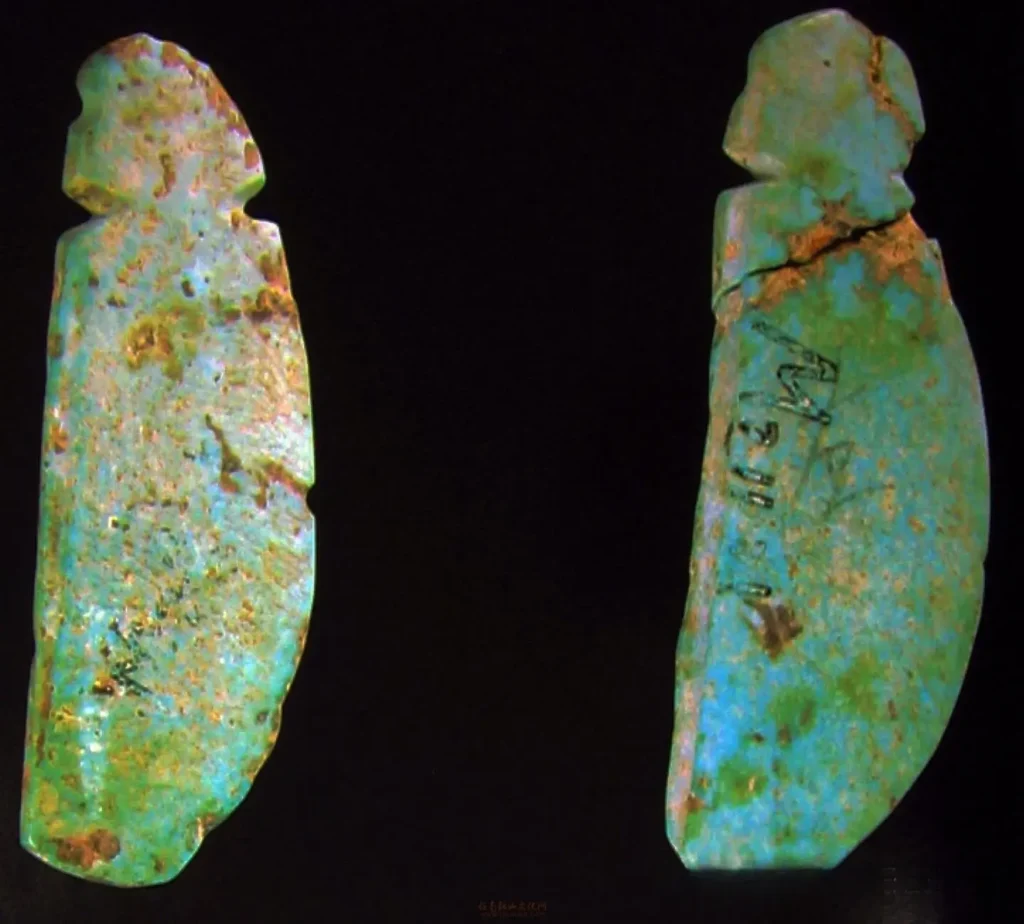
Anhui’s specific deposits only gained recognition around the 1980s, yet China’s history with the stone is ancient. Archaeologists have discovered turquoise artifacts at Yangshao culture sites dating back over 6,000 years. Exquisite ornaments from the Shang, Zhou, Han, and Jin dynasties further prove that this gem has been a cornerstone of Chinese lapidary art for millennia.
Anhui’s Specialty: “Porcelain Turquoise”
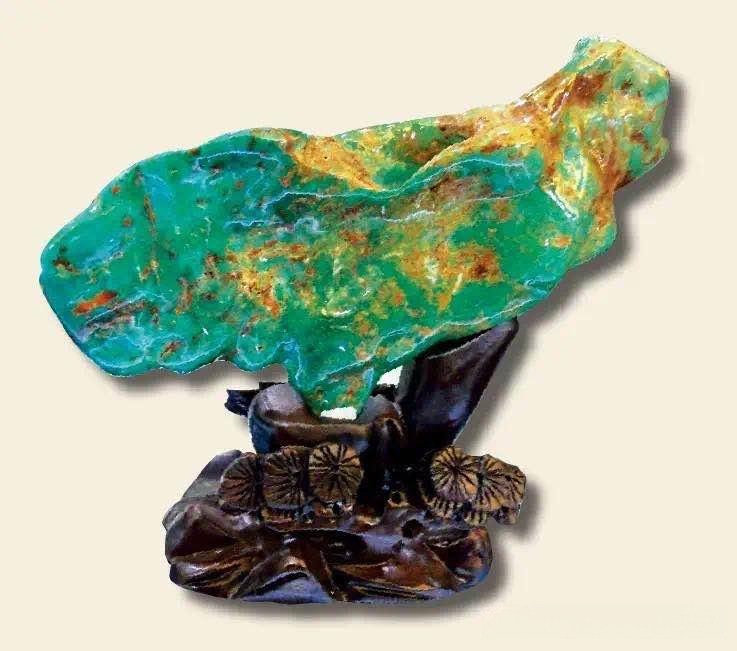
Ma’anshan produces a high-quality variety known as “Porcelain Turquoise” (Ci Song).
- The Standard: To earn this title, the stone must be fine-grained and exceptionally firm. Once polished, it achieves a high-gloss finish that mimics fine chinaware.
- Hardness: It reaches a Mohs hardness of 5.5–6, hitting the maximum durability for this mineral.
As premium resources in other global mines dwindle, the importance of Anhui’s contribution to the international market continues to grow.
Geological Traits and the Rare “Pseudomorph”
Technically, Anhui turquoise features a cryptocrystalline structure with a waxy to vitreous luster. Its geological profile offers two distinct highlights:
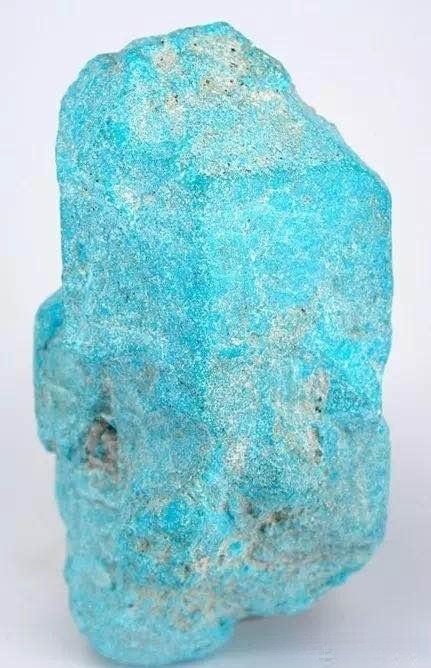
- The Rare “Pseudomorph Turquoise”: This is a true geological marvel. Among all currently known deposits worldwide, only Anhui produces Turquoise Pseudomorphs after Apatite. These rare stones retain the hexagonal columnar crystal form of the original apatite they replaced. This rare characteristic makes them highly prized among serious collectors.
- A Vivid Spectrum: Colors range from deep blue and blue-white to vibrant greens, though the pure blue variety remains the most prevalent.
In its natural state, the stone typically maintains a stable Mohs hardness of 5 to 5.5, often forming alongside minerals such as quartz, kaolinite, limonite, and sericite.
Explore More in Our Chinese Gems Series
At Jewea, our mission is to uncover the hidden geological wonders across China. Before we dove into the Gemstones of Anhui we explored several other regions famous for their rare and storied treasures.
Take a look back at our previous journeys:
East China
- Jiangxi: Gemstones of Jiangxi: Yingtan Yellow Wax Stone, Wannian Pearls, and Zhang River Agate | Chinese Gems Series
- Shandong: Gemstones of Shandong: Changle Sapphire, Diamond & Taishan Jade | Gems of China Series
- Fujian: Gemstones of Fujian: Sapphire, Zircon, Garnet, and Shoushan Stone | Gems of China Series
- Jiangsu: Gemstones of Jiangsu: Crystal, Yuhua Stone, & Taihu Stone | Gems of China Series
- Taiwan: Gemstones of Taiwan: Red Coral, Blue Chalcedony, Taiwan Nephrite & Seven-Color Jade | Gems of China Series
- Zhejiang: Gemstones of Zhejiang: Changhua Chicken-Blood Stone, Qingtian Stone, & Zhuji Pearls | Gems of China Series