How to Choose a Top-Quality Pearl: Know Its Origin First
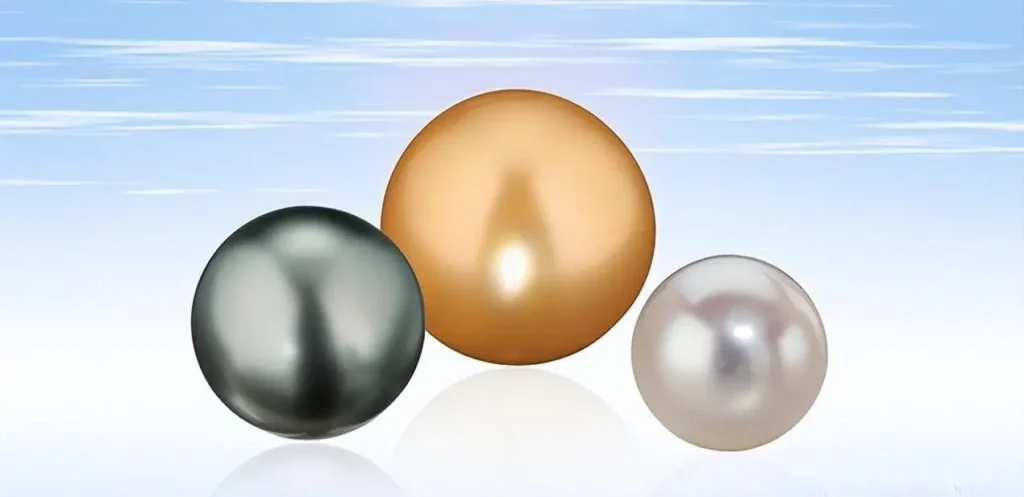
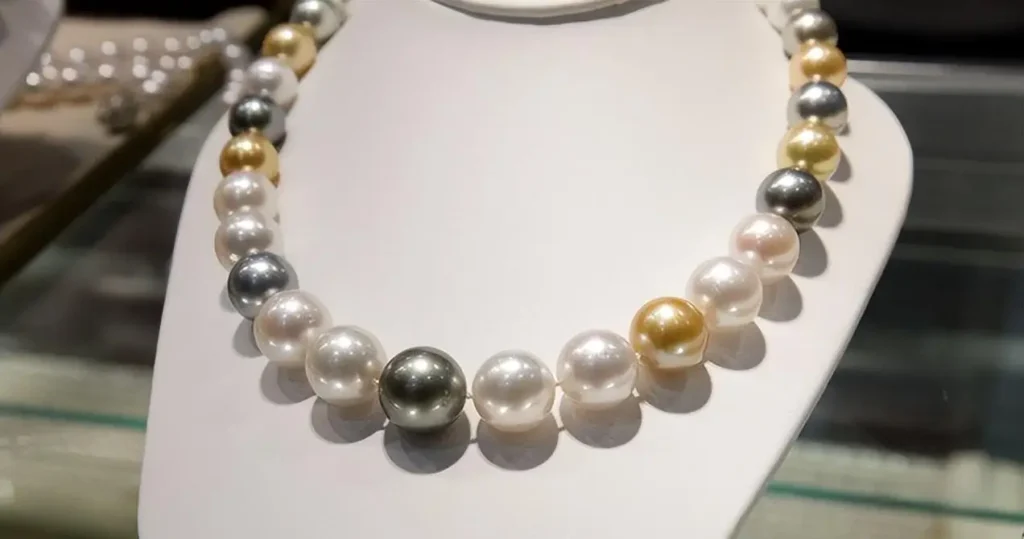
Do you ever find yourself drawn to a pearl with a brilliant golden sheen or a mysterious, deep black luster? These gems—the “Three Giants” of saltwater pearls: Australian White, South Sea Golden, and Tahitian Black—each carry the essence of the ocean and a unique regional story.
While our previous guide,The Ultimate Pearl Color Guide: Varieties, Overtones, and How to Spot Dyed Pearls, decoded the visual mysteries of pearl hues and how to identify natural luster. Today, we explore the “Three Giants” through their origins. We will uncover how their birthplaces define their extraordinary quality and character.
South Sea Golden Pearls: A Precious Gift from the Golden Seas
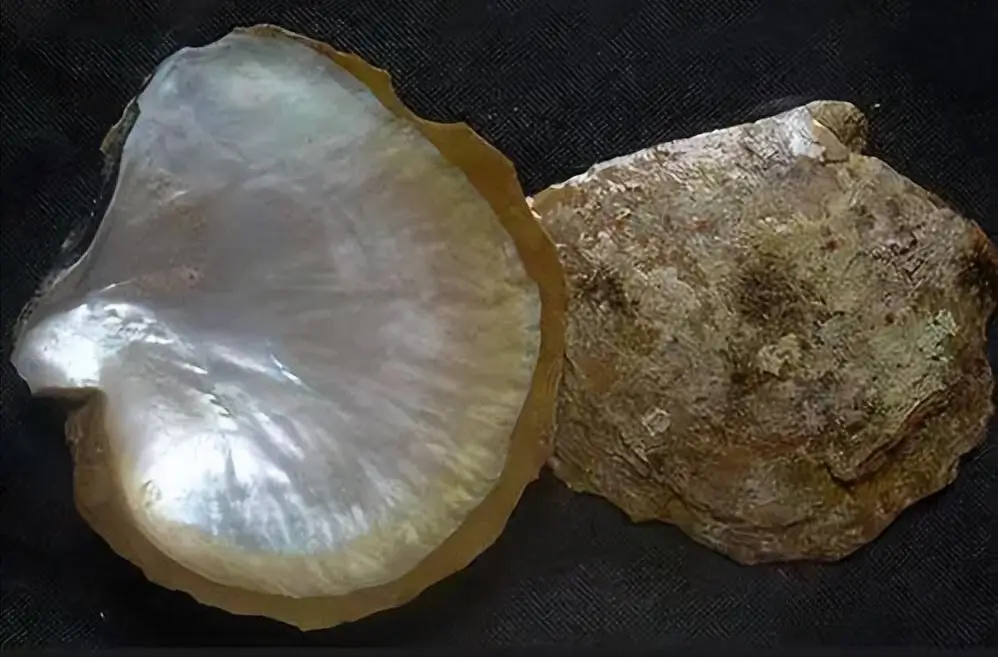
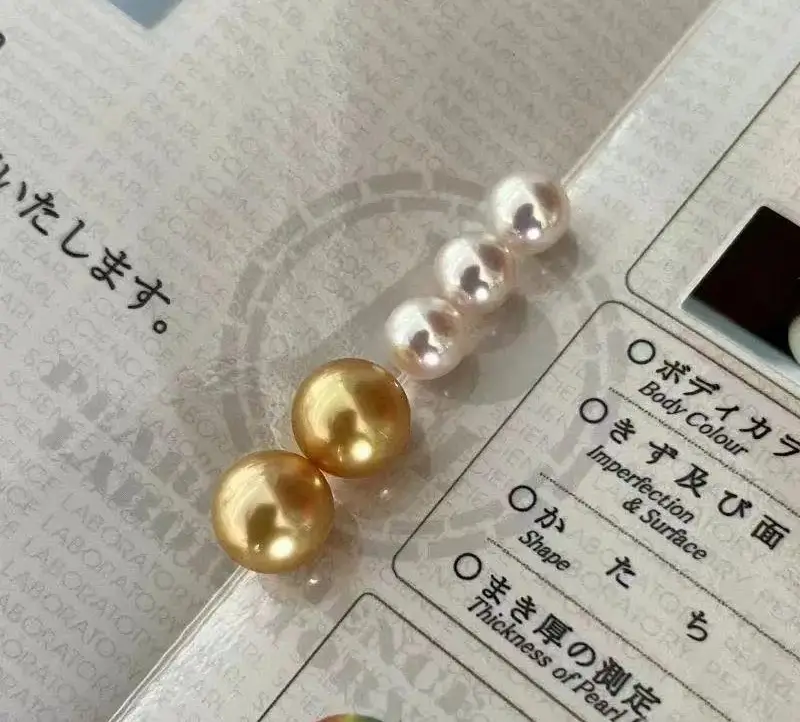
In the jewelry world, saltwater pearls are primarily classified by their host mollusk: the Akoya pearl, the Pinctada Maxima (white-lipped pearl oyster), and the Pinctada Margaritifera (black-lipped pearl oyster). Many people might confuse Australian White pearls with South Sea Golden pearls, wondering if they are different varieties.In reality, both originate from the same Pinctada Maxima mollusk.
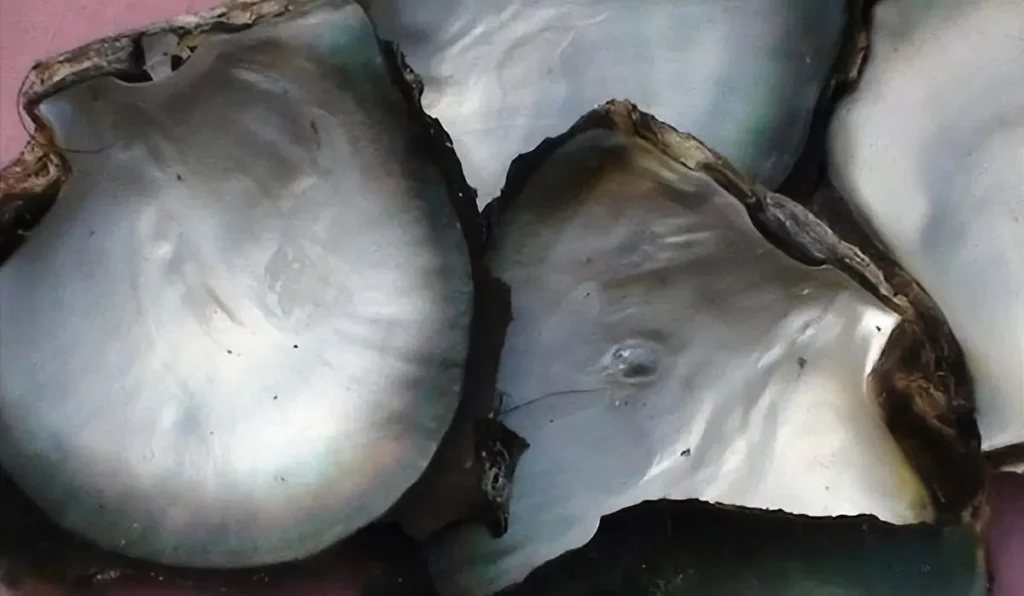
- Silver-Lipped Pinctada Maxima → Gives birth to elegant Australian White Pearls
- Gold-Lipped Pinctada Maxima → Gives birth to radiant South Sea Golden Pearls
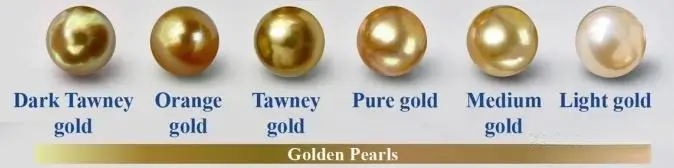
The name “South Sea Golden Pearl” comes from two aspects: the pearl’s “golden luster” and its “South Sea” origin. These regions include the Philippines, Indonesia, Myanmar, Australia, and others. However, the three “homelands” that consistently produce high-quality South Sea Golden Pearls are the Philippines, Indonesia, and Myanmar.
Philippines South Sea Golden Pearls: Rich Gold and Superior Luster
The Philippines is globally recognized for producing top-quality South Sea Golden Pearls. The pearls here have a rich color and a full luster, making them highly sought after in the market. This is thanks to the country’s long-term, refined cultivation techniques and strict mother-of-pearl selection. As early as 2000, the Philippines officially designated the South Sea pearl as its “national gem,” a testament to its importance.
Indonesia South Sea Golden Pearls: Affordable High-Quality Options
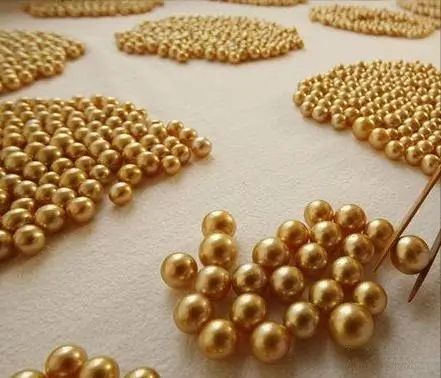
As the world’s largest producer of South Sea Golden Pearls, Indonesia’s output is astonishing. Although the overall nacre layer is slightly thinner and the color is more subdued, its more accessible price makes it an excellent, high-value option for those new to pearls.

Myanmar Pearls: Thick Nacre and Exceptional Luster
Myanmar is known for its rigorous pearl farming practices. Although its output is smaller, the pearls have a long cultivation period, resulting in a thick nacre and delicate luster with unparalleled texture. While the average color may not be as intense as those from the Philippines, their superb luster and rarity command the highest prices on the market.
Tahitian Black Pearls: The Mysterious Black of Many Colors
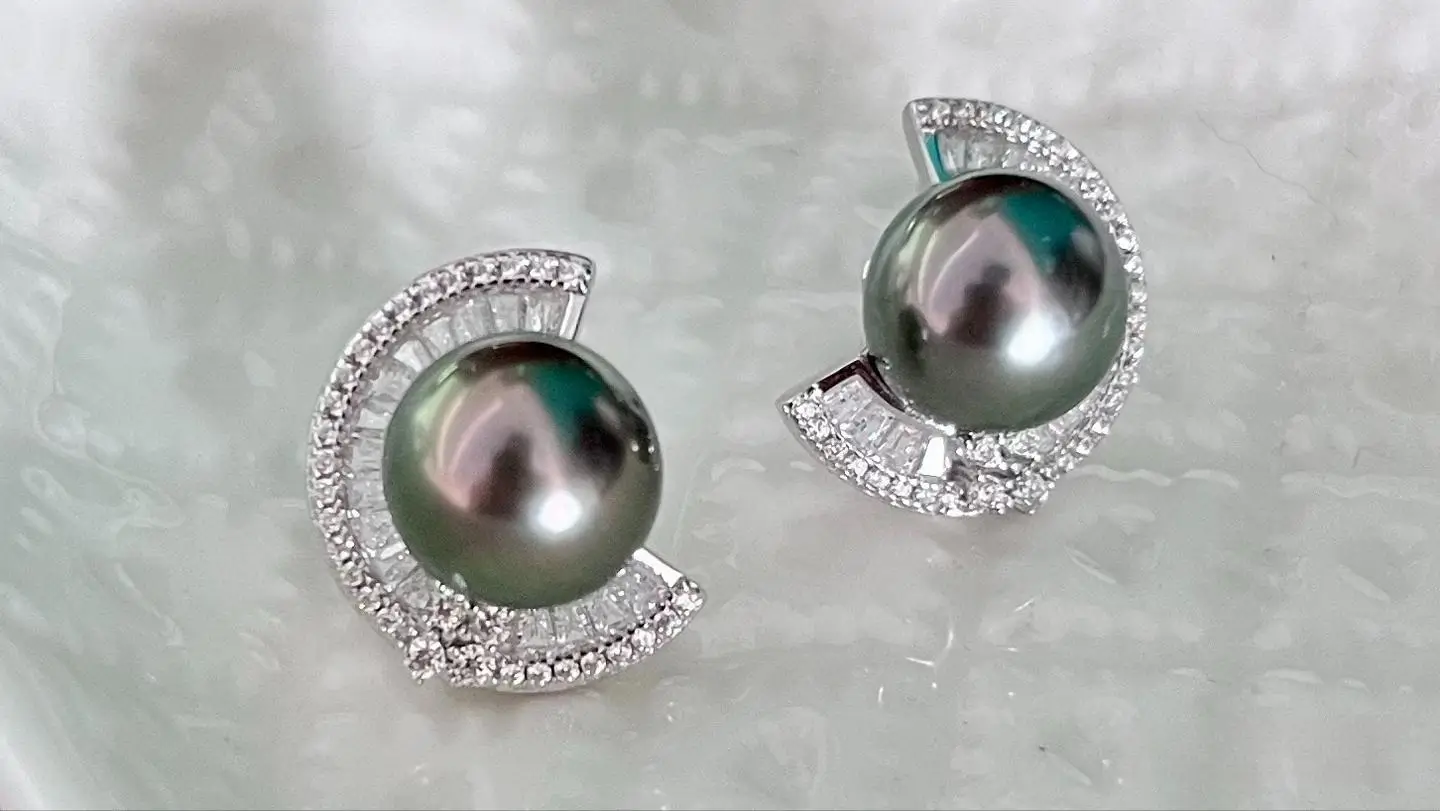
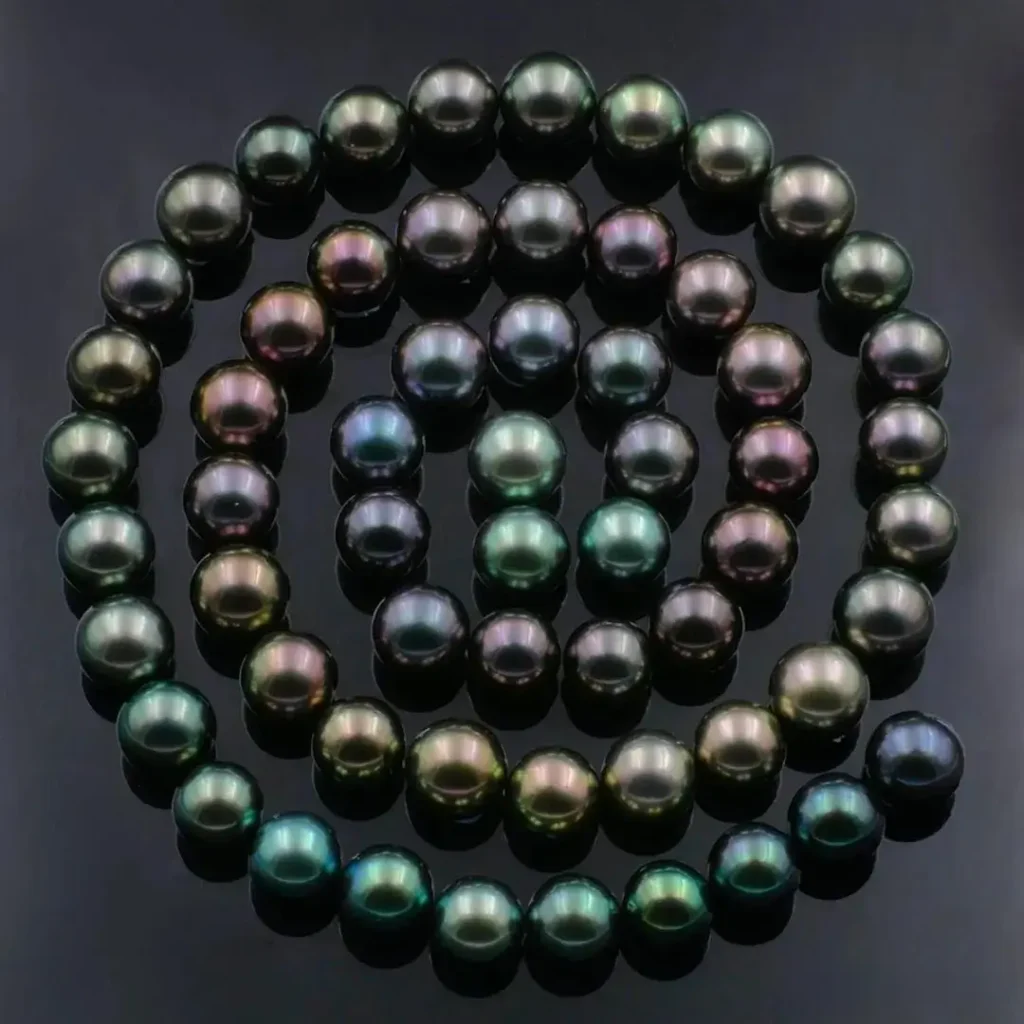
Tahitian pearls, also known as black-lipped pearl oyster pearls or simply Tahiti pearls, are uniquely charming for their deep black base with a dynamic, colorful overtone. Experts often call them the “black of many colors,” as each pearl is truly one-of-a-kind.
Yet, buyer beware: artificially colored freshwater imitations currently saturate the market. You can protect your investment by mastering the essential identification methods in our latest guide: Unveiling the Truth Behind Pearl Color Treatment: Are You Buying Dyed Pearls?
The “Homeland”: Tahiti Island (French Polynesia)
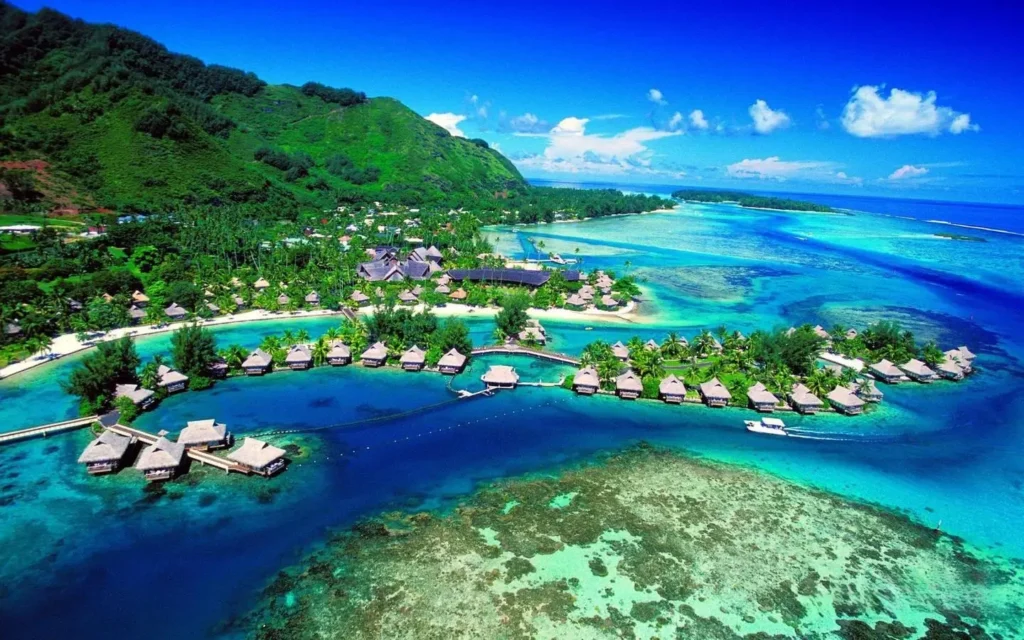
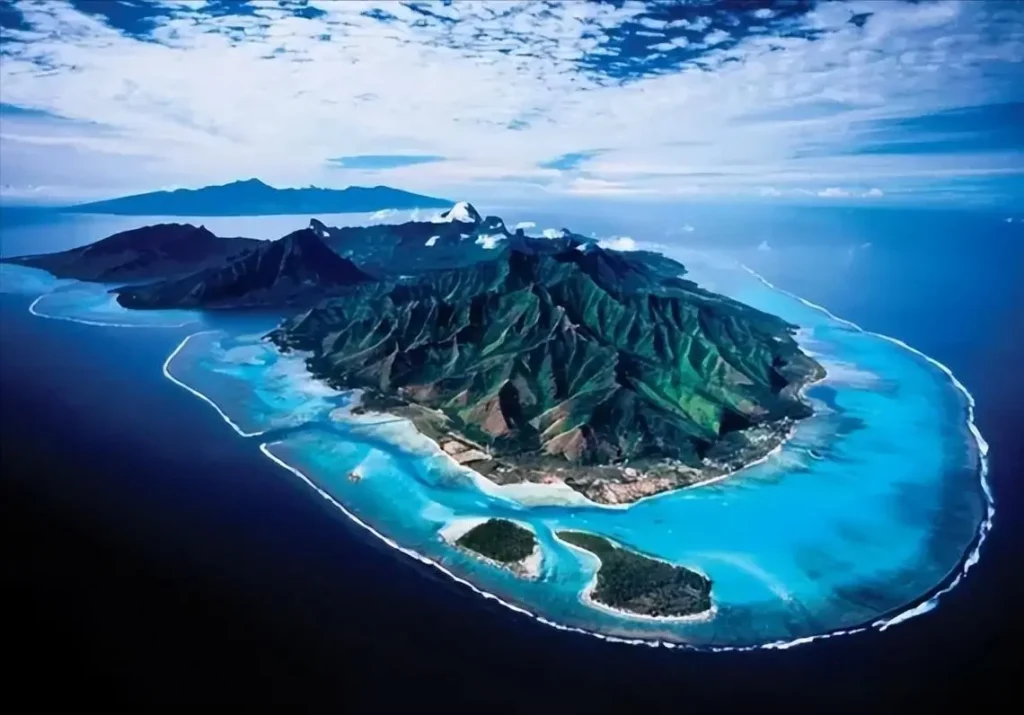
Tahiti Island alone accounts for nearly 97% of the world’s Tahitian pearl production. The warm climate, clear waters, and rich minerals of the region uniquely support black-lipped oysters. Since the introduction of Japanese grafting techniques in 1961, pearl farmers have cultivated these dreamy black pearls across more than 500 dedicated farms.
Quality and Market
Most Tahitian pearls have a size ranging from 9-10mm, while larger, top-quality pearls are extremely rare. To ensure quality, the local government mandates that exported pearls must have a nacre thickness of no less than 0.8mm. High-quality pearls are typically sold through international auctions, and their prices are extremely high.
The Jewea Perspective
South Sea Golden and Tahitian Black pearls each carry a unique allure. After all, their beauty is shaped by the specific mollusks and waters they call home. Yet, a pearl’s individual luster and character are far more vital than its origin on a map. So, choosing a reliable jeweler is much wiser than chasing a “country of origin” premium.
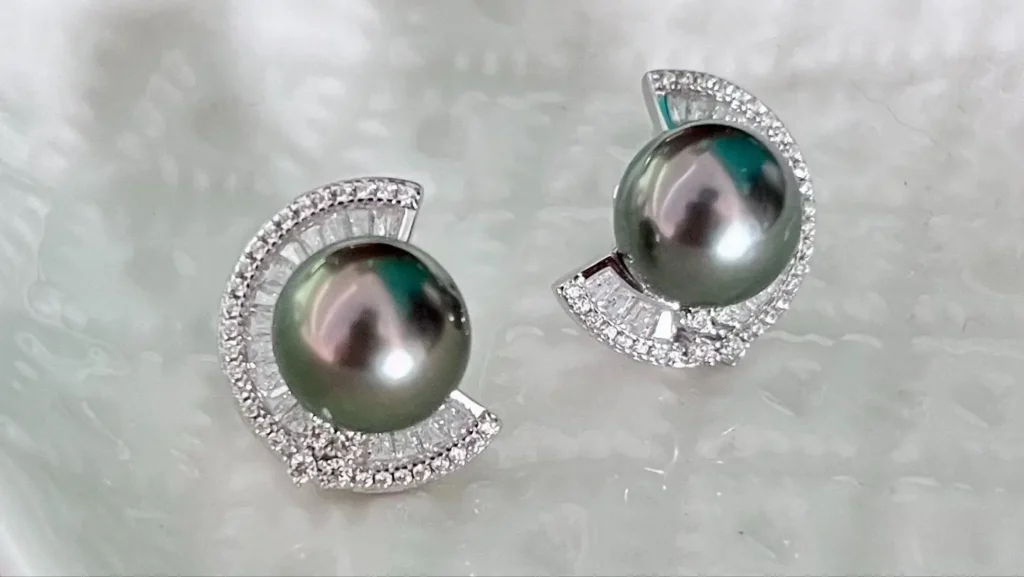
We hope this journey has brought you closer to these ocean treasures. Drawn to the mysterious allure of the sea’s dark spectrum?
If you love the deep, shadowy luster of the black-lipped oyster, you may seek a more grounded, soulful aesthetic. If so, we invite you to explore our Carved Black MOP Nomad Earrings.
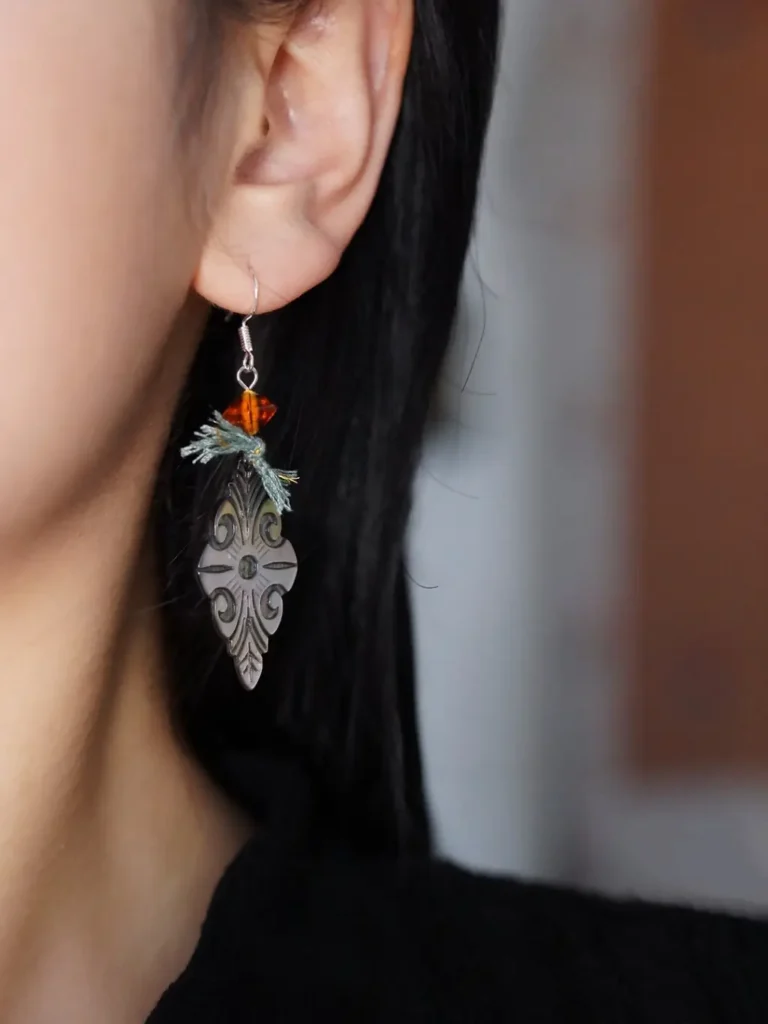
This piece creates a dialogue between ancestral shell art and modern craftsmanship. It is designed for those who find beauty in the raw and the wild.