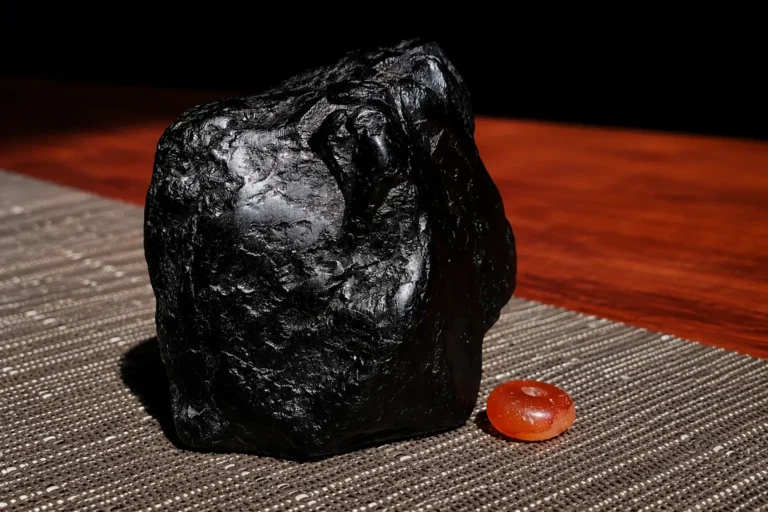
Gemstones of Yunnan: Nan Hong Agate, Huanglong Jade, Emerald, Ruby, Tourmaline & Aquamarine | Gems of China Series
In this edition of our Gemstones of China series, we journey to the southwest to uncover the treasures of Yunnan.
Among China’s many provinces, Yunnan is a category of its own. It sits on the southwestern frontier, bordering Myanmar, Laos, and Vietnam. Six major river systems, including the Yangtze and the Mekong, carve through its rugged terrain. With its stunning landscapes and mild, year-round spring climate, the region is aptly known as “South of the Clouds.”
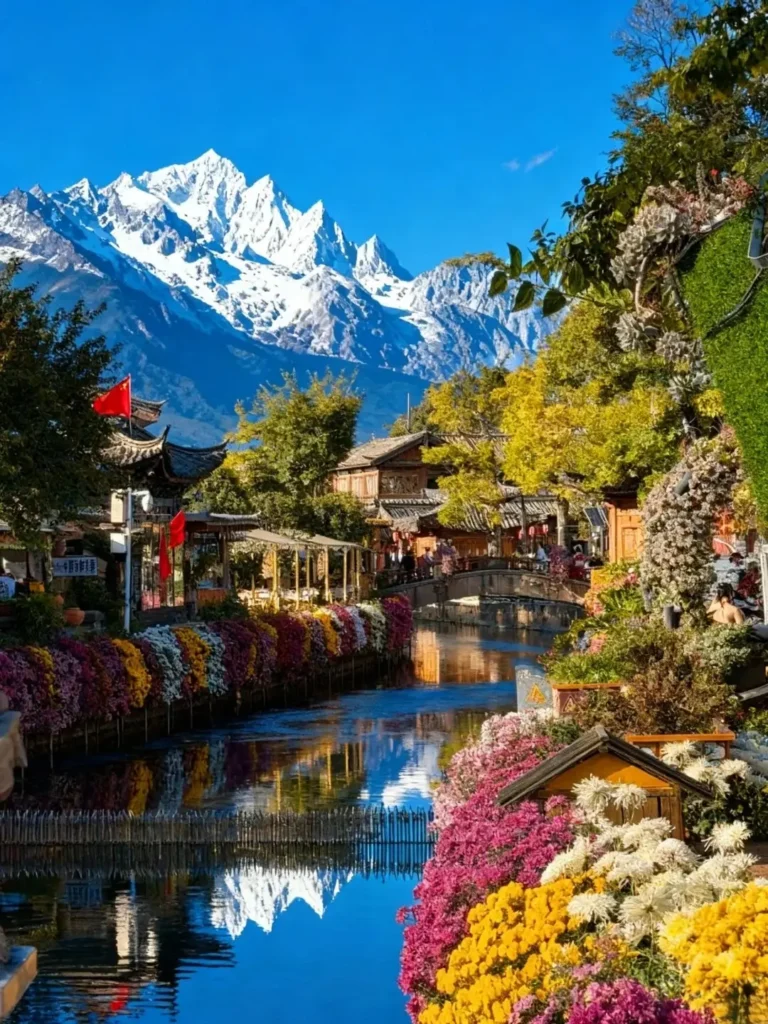
Most travelers know Yunnan for its stunning landscapes and vibrant culture. But beyond the scenery lies a staggering geological wealth. The province boasts 143 discovered minerals—86 of which have proven reserves. Impressively, 61 of these rank among China’s top ten, with 25 sitting in the top three.
Today, we dive into most significant Gemstones of Yunnan. From the storied Nan Hong Agate of Baoshan and Longling’s Huanglong Jade to the rare Malipo Emeralds and the Rubies, Tourmalines, and Aquamarines of the Ailao Mountains, join us as we explore this mineral-rich frontier.
Baoshan Nan Hong Agate: A Treasure Exclusive to China
In our previous feature, Southern Red Agate: The Complete Guide to Colors, Quality, and Authenticity, we introduced Nan Hong, a variety of agate unique to China. Known for its striking red palette, it is classified by its specific colors and patterns, including Brocade Red, Persimmon Red, Rose Red, Cherry Red, Flame Pattern, and the translucent Ice-Floating variety. The primary known sources for these agates are Baoshan in Yunnan, Liangshan in Sichuan, and Diebu in Gansu.
Agate from Yunnan’s Baoshan region is historically referred to as “Dian Nan Hong.” Baoshan material is traditionally valued for its pure, vivid red tones and delicate, fine-grained texture. However, a defining characteristic of Baoshan ore is its high frequency of natural internal fractures.
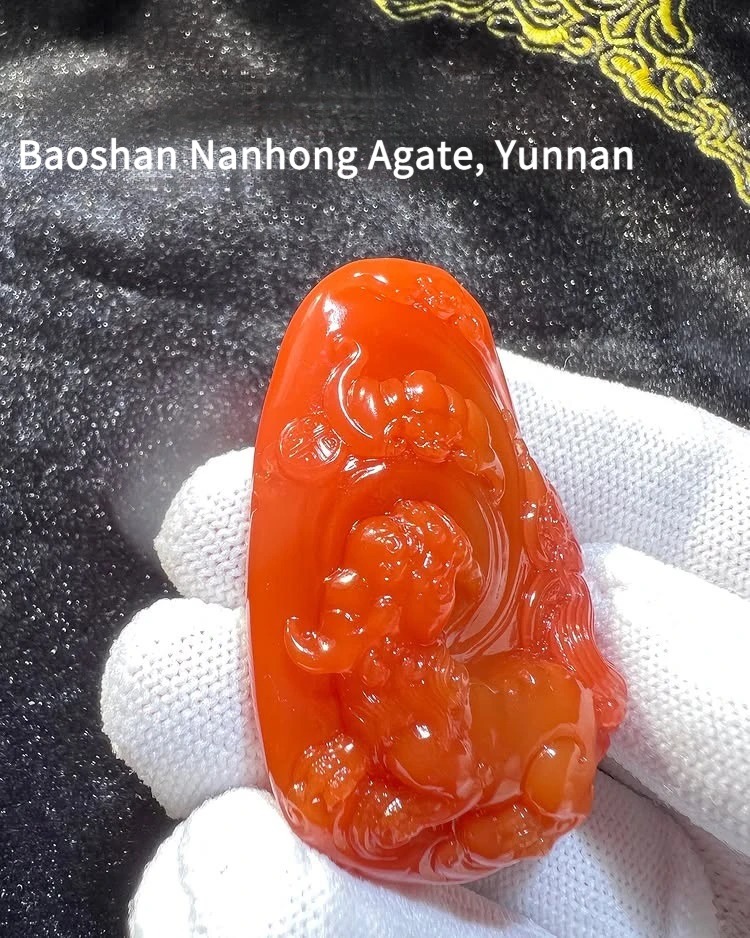
While the original Baoshan mines were nearly exhausted during the 18th-century reign of Emperor Qianlong, new veins have been discovered in recent decades. However, the quality of this modern output generally falls short of historical standards; much of the new material is heavily fractured or lacks color saturation. In today’s market, finding high-quality, “old-mine” style Baoshan Nan Hong is nearly impossible. Even as prices continue to climb, top-tier material has all but disappeared from the market, making it a rarity that remains elusive regardless of one’s budget.
Longling Huanglong Jade: A Unique Chalcedony from Yunnan
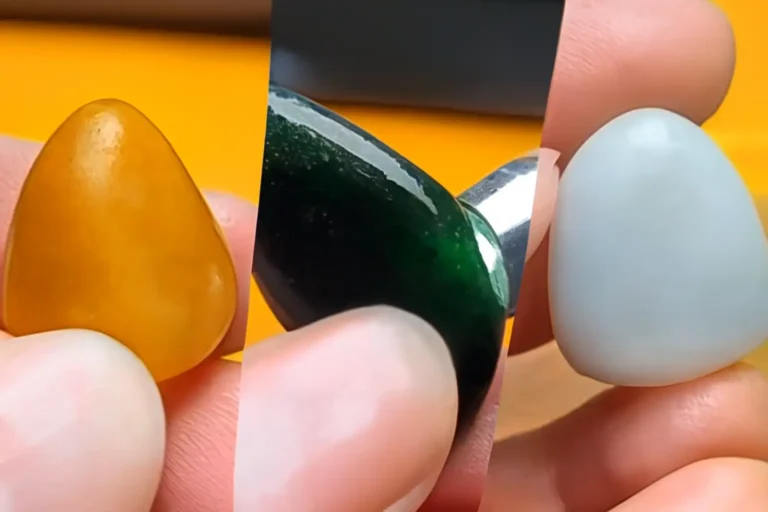
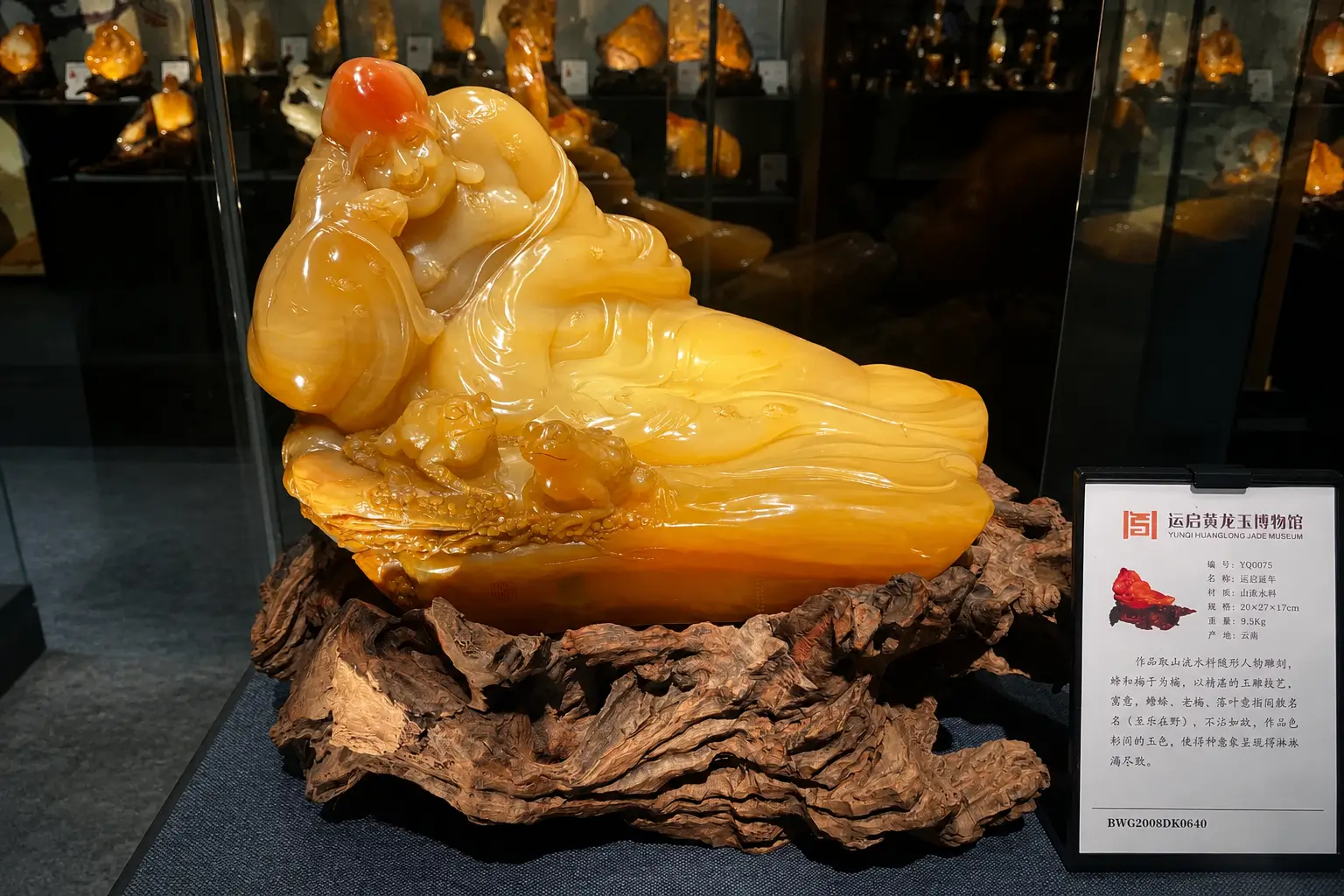
In our previous feature, Is Huanglong Jade Worth Buying? The Reality and Value of This Quartzite in a Post-Hype Market, we explored this fascinating Chinese chalcedony. First discovered in 2004 in Yunnan’s Longling County, Huanglong Jade primarily showcases vibrant shades of yellow and red. However, its palette also includes mutton-fat white, black, gray, and green. Local enthusiasts often celebrate its beauty through four vivid descriptors: “golden as gold, red as blood, white as ice, and black as ink.”
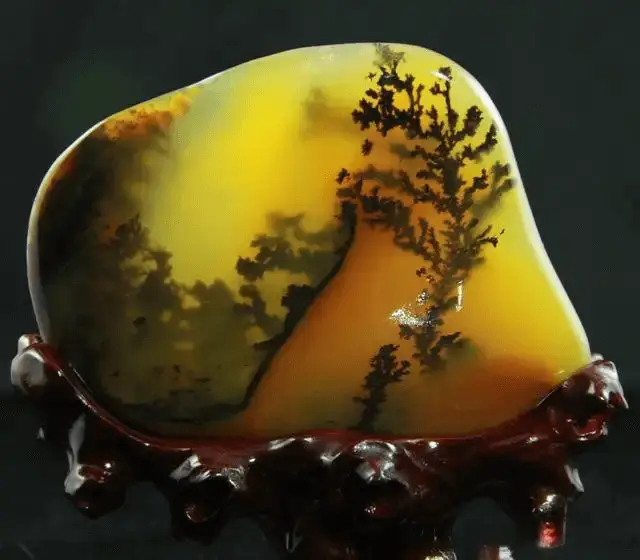
The stone gained official status in February 2011, joining the National Catalogue of Jewelry and Jade. Chemically, Huanglong Jade consists mainly of silica and muscovite, along with trace elements like iron, aluminum, and manganese. While it belongs to the quartz family, it differs significantly from single-crystal quartz. It forms as a polycrystalline composite—a structure that aligns it more closely with jadeite or nephrite than with common crystal.
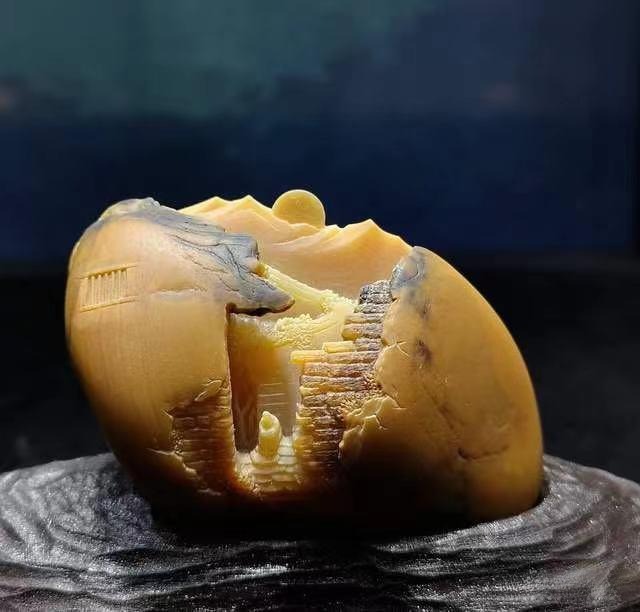
In terms of physical properties, Huanglong Jade rivals jadeite with a Mohs hardness of 6.5 to 7. It offers superior toughness to jadeite, though it remains slightly below nephrite in impact resistance. These qualities make it an exceptional medium for intricate lapidary work and artistic carving. However, we must remain realistic about its market position. Due to its abundant supply, Huanglong Jade does not currently hold significant value as a long-term investment asset.
Malipo Emeralds: Exploring China’s Sole Gem-Grade Origin
In our Emerald Buying Guide: 10 Essential Questions About Color, Origin, Cut, and Care, we explored why this “Big Five” gemstone captivates collectors worldwide. While most enthusiasts look to Colombia, Zambia, or Brazil, several lesser-known regions also yield these lush green treasures—including Afghanistan, Australia, and China.
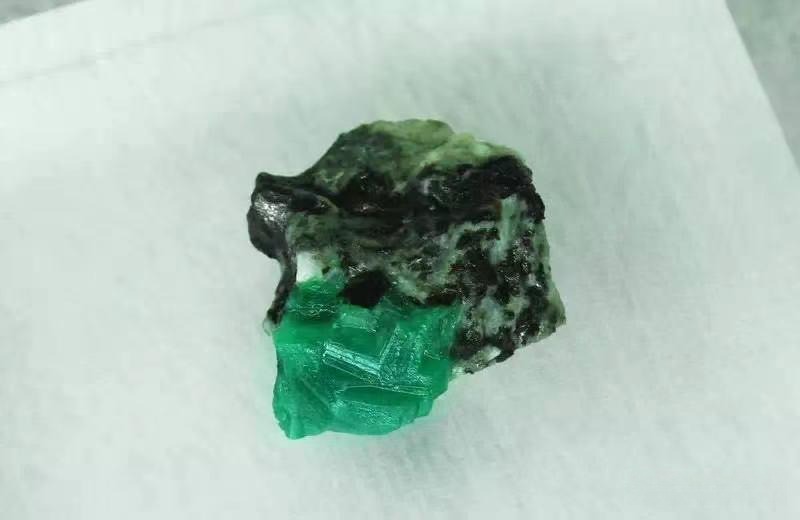
Discovered in the 1980s, the Malipo deposit in Yunnan’s Wenshan Prefecture stands as a geological rarity. It is currently China’s only known source for gem-grade emeralds. Interestingly, these emeralds often emerge as a byproduct of scheelite (tungsten) mining, forming alongside minerals like quartz, fluorite, and tourmaline.
The deposit yields two distinct types of emerald crystals:
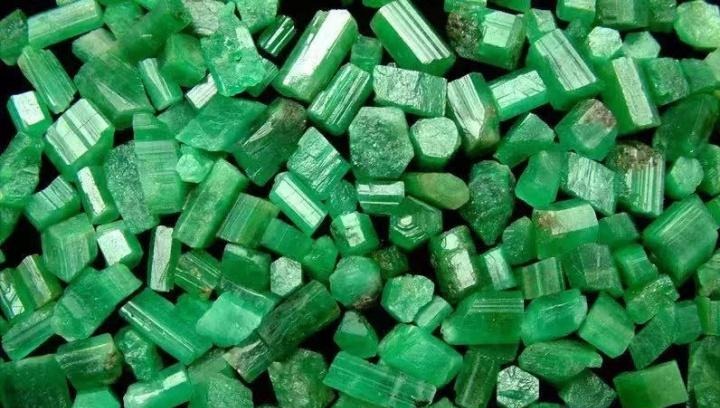
- Pegmatite-type: These crystals are often large and hexagonal. However, they typically carry heavy gas-liquid and mineral inclusions. Their colors lean toward pale or bluish-green, which generally results in lower clarity and quality.
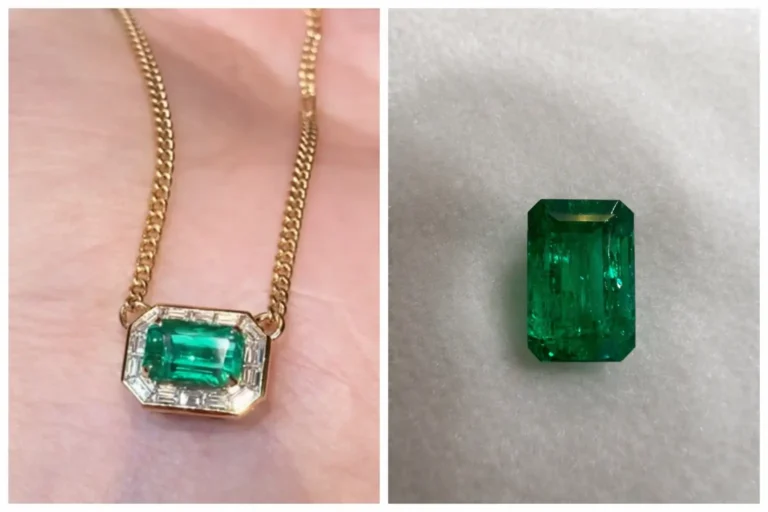
- Greisen-type: While smaller in size, these crystals offer much better transparency. Their deep bluish-green to forest-green hues make them the primary source for high-quality Chinese emeralds.
Surveys have identified over 40 veins containing beryl and emerald in the region, with reserves estimated at 8,800 kilograms. However, sourcing these stones has become increasingly difficult. Since the Malipo tungsten mines ceased operations in 2015, the extraction of raw emeralds has also remained on indefinite hold.
Yuanjiang Rubies: The Intense Reds of the Ailao Mountains
In our Ultimate Ruby Buying Guide, we detailed how color, origin, and treatments define the “King of Gemstones.” As the birthstone for July, the ruby’s fiery glow has long symbolized passion and love, earning its reputation as the “Stone of Love.”
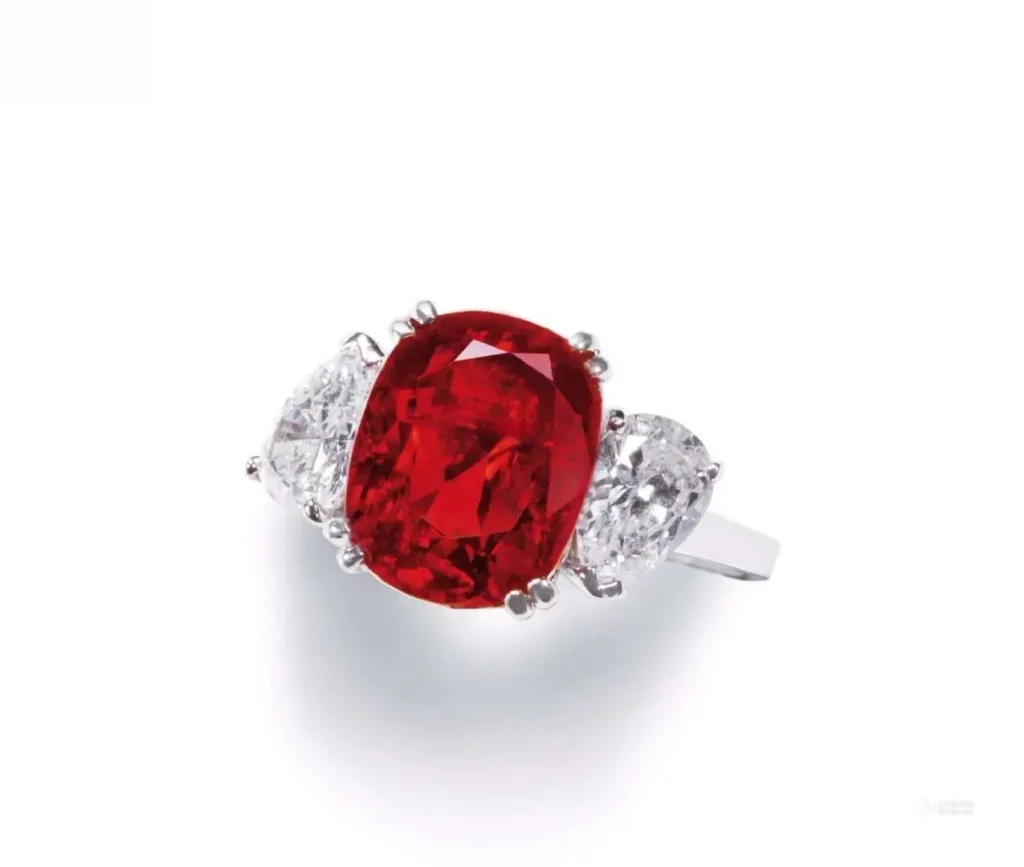
Within China, ruby deposits appear in regions like Xinjiang, Chongqing, and Qinghai. However, the most significant source remains the Yuanjiang mine in Yunnan’s Yuxi Prefecture. Discovered in the late 1990s, Yuanjiang stands as China’s premier ruby deposit, recognized for both its scale and the quality of its crystals.
Geologically, these rubies occur in both primary and secondary deposits, often forming alongside spinel and phlogopite. The crystals typically appear as irregular grains of varying sizes. While many Yuanjiang rubies contain significant inclusions that affect transparency, their color profile is remarkable.
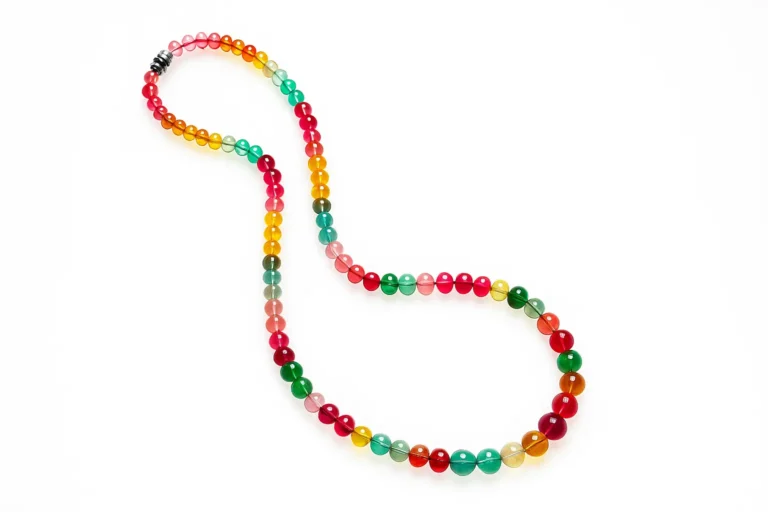
Thanks to the presence of chromium (Cr), these stones exhibit a stunning spectrum—from rose and peach pink to deep violet-red. Most notably, the rare “blood-red” specimens possess a saturation that rivals the famed rubies of Myanmar.
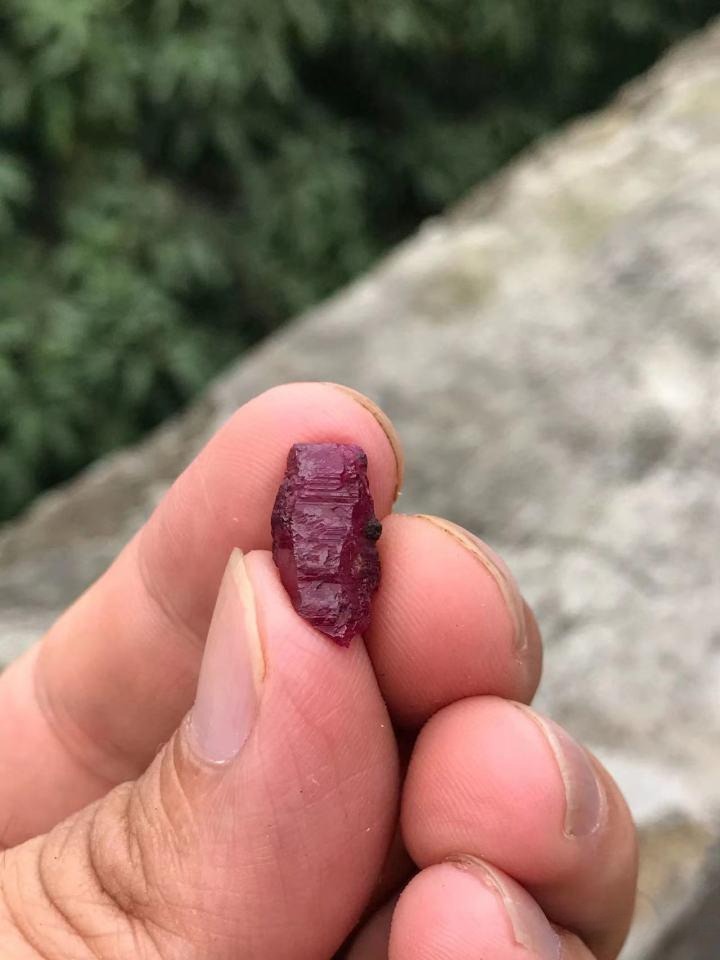
Because rubies distribute unevenly within the local marble host rock, large-scale mining remains a challenge. Currently, production focuses on eluvial and alluvial deposits (weathered material found near the surface), while the primary ore is mostly harvested as mineral specimens for collectors.
Ailao Mountains Tourmaline: Borosilicate Crystals
In our Tourmaline Gemstone Guide – Colors, Varieties, and How to Spot Fakes, we explored why collectors find this stone so fascinating. Known mineralogically as a complex borosilicate crystal, tourmaline appears in nearly every hue, from vivid reds and greens to deep blues. While it boasts a respectable Mohs hardness of around 7, these crystals typically carry natural liquid inclusions and internal tension cracks. Finding a specimen with flawless clarity is exceptionally rare.
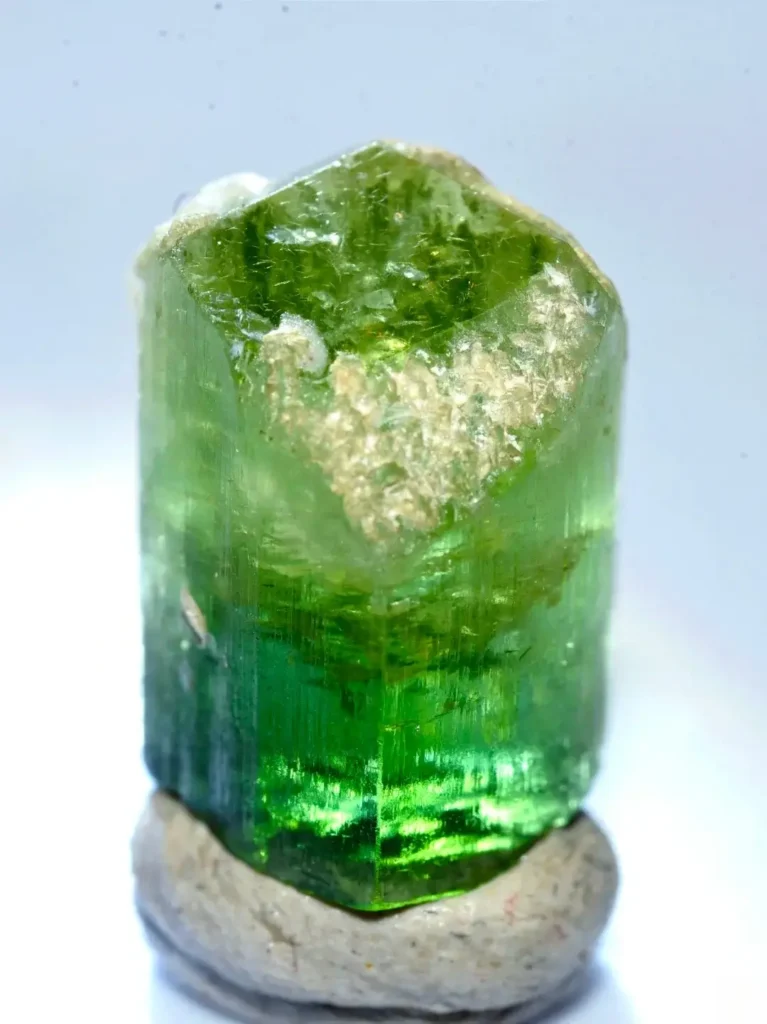
In Yunnan, gem-grade tourmaline primarily occurs along the southern section of the Ailao Mountains and the northern Nu River Metamorphic Belt. The tourmaline from the Nu River region is particularly notable for its durability; it reaches a hardness of 7 to 8 with a density of 3.06. These crystals often form in stunning geological clusters alongside rose quartz and rock crystal.
The tourmalines from this region feature a remarkably diverse color palette, including yellow-green, golden yellow, blue, and pink. Among these, the green tourmaline stands out. These specific crystals exhibit impressive transparency and can reach sizes up to 8cm. Their exceptional clarity and substantial size provide significant value for both mineral collectors and high-end jewelry design.
Ailao Mountains Aquamarine: Treasures from the Nu River
In our feature, The Allure of Aquamarine: From the Serene Seas to Your Jewelry Box, we explored the Beryl family and famous origins like Brazil, Africa, and Vietnam. However, China’s Yunnan province also yields exceptional aquamarine. These deposits primarily follow the banks of the Nu River—stretching from Yuanyang and Jinping in the Ailao range to Lushui and Gongshan—as well as the Yingjiang and Longling regions.
Yunnan aquamarine typically showcases a spectrum ranging from pale sea-blue to a medium-deep azure. These stones are prized for their pure color and high transparency, featuring relatively few internal fractures or impurities. Most crystals measure between 1cm and 10cm in length.
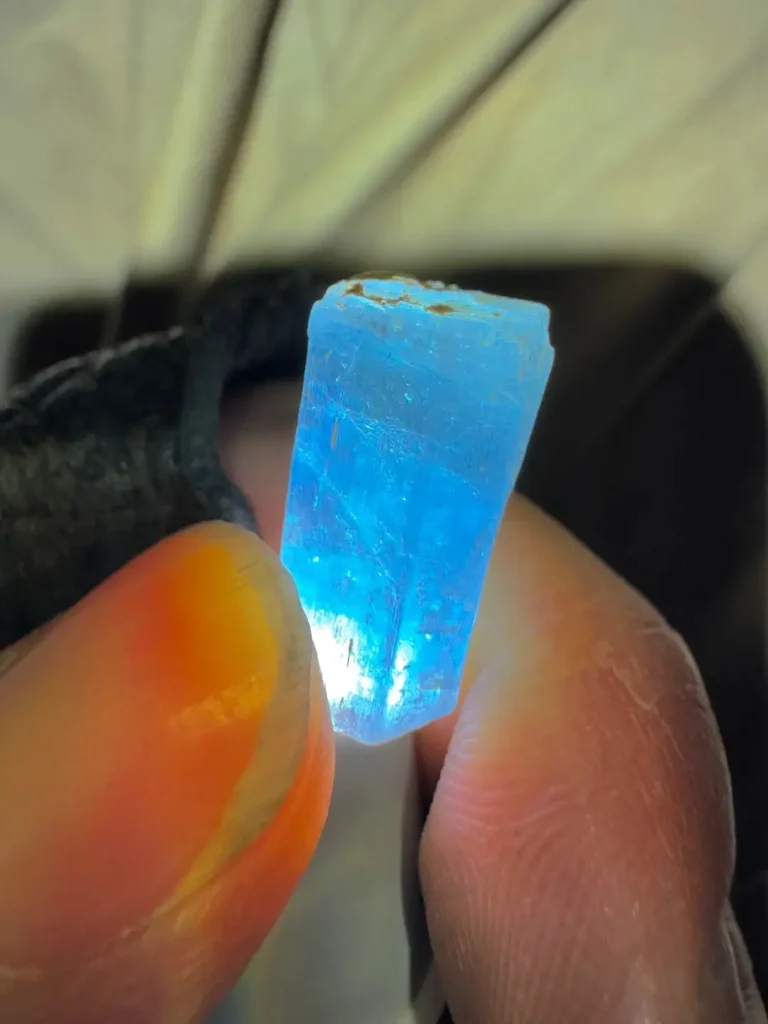
Yuanyang County stands as the most significant source in the province, leading in both volume and quality. Here, aquamarine frequently coexists with rock crystal, topaz, and muscovite. In contrast, the Yingjiang and Longling regions produce stones with a remarkably pure blue hue. While these areas yield a smaller overall output, the individual crystals are often massive, with single specimens sometimes exceeding several hundred grams. Because these large crystals often preserve their perfect natural faces and form striking clusters with other minerals, they remain a top choice for serious mineral specimen collectors.
Explore More in Our Chinese Gems Series
At Jewea, our mission is to uncover the hidden geological wonders across China. Before we dove into the Gemstones of Yunnan we explored several other regions famous for their rare and storied treasures.
Take a look back at our previous journeys:
Southwest China
- Tibet: Gemstones of Tibet: Renbu Stone, Ivory Magnesite, Moss Agate, Tourmaline, and Amethyst | Gems of China Series
- Sichuan: Gemstones of Sichuan: Agate, Longxi Jade, and Rare Tabular Beryl | Gems of China Series
- Guizhou: Gemstones of Guizhou: Guicui Quartzite, Luodian Nephrite, & Chinese Bloodstone | Gems of China Series