Gemstones of Liaoning: Unearthing Diamonds, Amber, Agate, and Jade | Chinese Gems Series
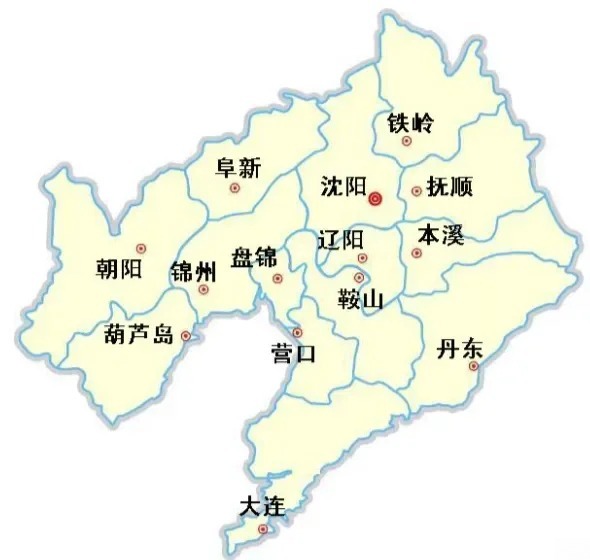
In this installment of our “Gemstones of China” series, we continue our journey through the Northeast to uncover the diverse and storied gemstones of Liaoning.
As the only province in the region that boasts both a coastline and a strategic land border, Liaoning serves as a vital gateway for trade, fueled by a robust economy. Yet, beneath its industrial strength lies a literal treasure trove of geological wealth. To date, explorers have identified 110 different types of minerals here, with 24 of them ranking among the top ten largest reserves in China.
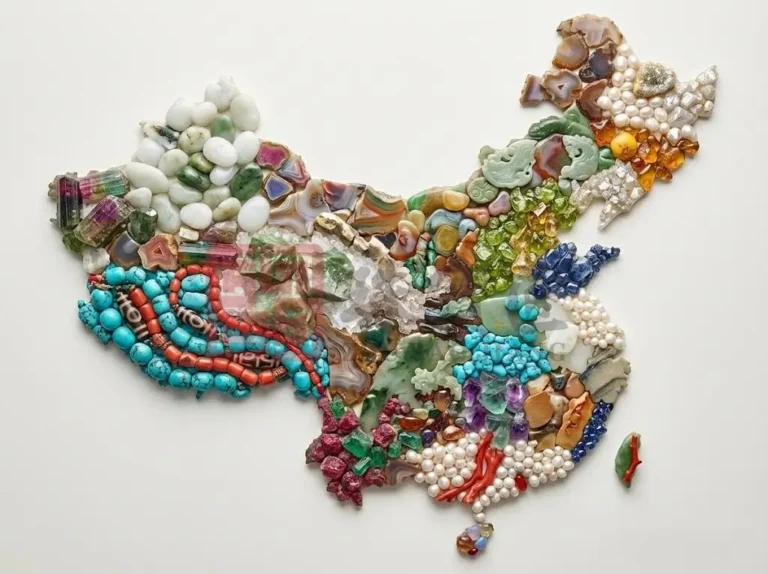
Today, I’m taking you on a deep dive into Liaoning’s four crown jewels: the “hidden” diamonds of Wafangdian, the coal-born amber of Fushun, the ancient agates of Fuxin, and the legendary Xiuyan jade.
Wafangdian Diamonds: The Sleeping Treasures of Liaoning
Located in Dalian, Wafangdian is often hailed as the “Diamond City of the East.” It is home to Asia’s largest primary diamond deposit, accounting for a staggering 54% of China’s total proven reserves.
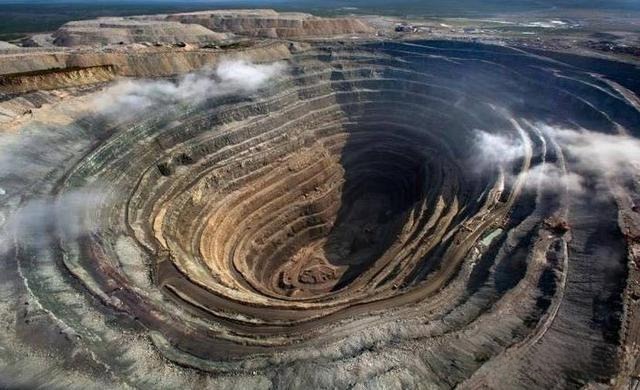
This legacy as the “Hometown of Diamonds” began in 1972, when the Liaoning Bureau of Geology and Mineral Exploration discovered the province’s first primary diamond ore body in Wafangdian. Since that initial find, the region has continued to reveal its geological wealth. In 2010, authorities identified a deposit containing 210,000 carats (roughly 42 kg). Shortly after, in early 2011, engineers drilling 860 meters underground struck a 130-meter-thick layer of kimberlite—the volcanic rock that hosts diamonds. This specific layer is estimated to hold over 1 million carats (approximately 220 kg), marking the most significant diamond discovery in Liaoning in the last three decades.
By 2016, the Liaoning No. 6 Geological Team identified the fourth mineralization belt in the Yongning area of Wafangdian. By reconstructing the local geological landscape from over 300 million years ago, scientists estimate that at least 400 million carats remain dormant and untapped. The sheer scale of Wafangdian’s reserves is, quite simply, unparalleled.
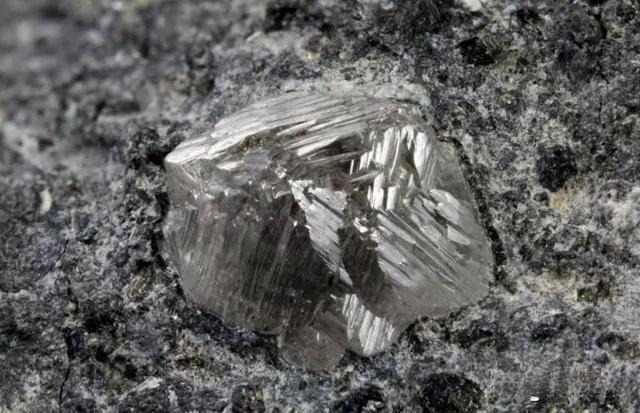
According to data from the Liaoning Bureau of Geology and Mineral Resources, these diamonds are not just abundant—they are exceptional in quality. Characterized by crystal-clear transparency and near-perfect crystal structures, they primarily occur in classic tetrahedral and octahedral shapes.
Why These Gemstones of Liaoning Remain Underground?
However, vast reserves do not always translate to immediate extraction. The journey from discovery to production is a long one. For instance, “Pipe 50″—the richest deposit discovered in the mid-1970s—was not approved for feasibility until 1987, and open-pit mining only commenced in 1990.
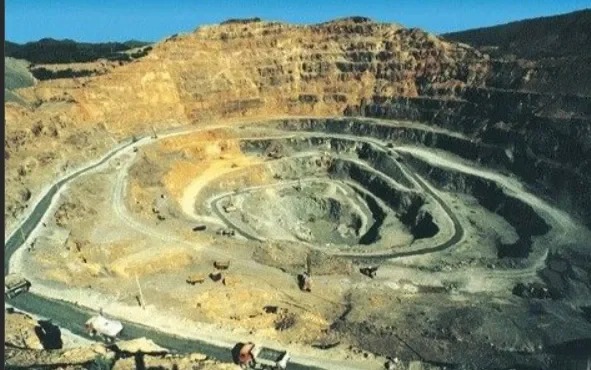
While the Wafangdian Diamond Co., Ltd. produced a total of 217,000 carats between 1990 and 1995, mining at Pipe 50 and Pipe 42 was officially halted and sealed by 2003. Even the massive million-carat deposit discovered in 2011 (located at Pipe 30) has yet to reach the threshold for commercial viability. For now, Wafangdian’s diamond riches remain deep underground, waiting for the day when advancing technology or shifting market values make their return to the surface worthwhile.
Jeweler’s Tip: In mineralogy, these stones are known as adamant or diamond. Only specimens that meet specific “gem-grade” standards earn the title of Diamond in the jewelry world; those that fall short are typically utilized for industrial purposes.
Fushun Amber: The “Gold” Hidden Within Liaoning’s Coal
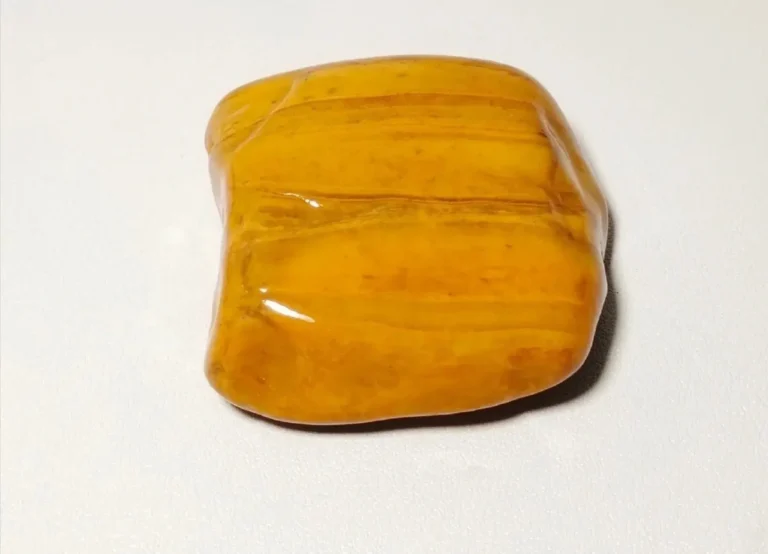
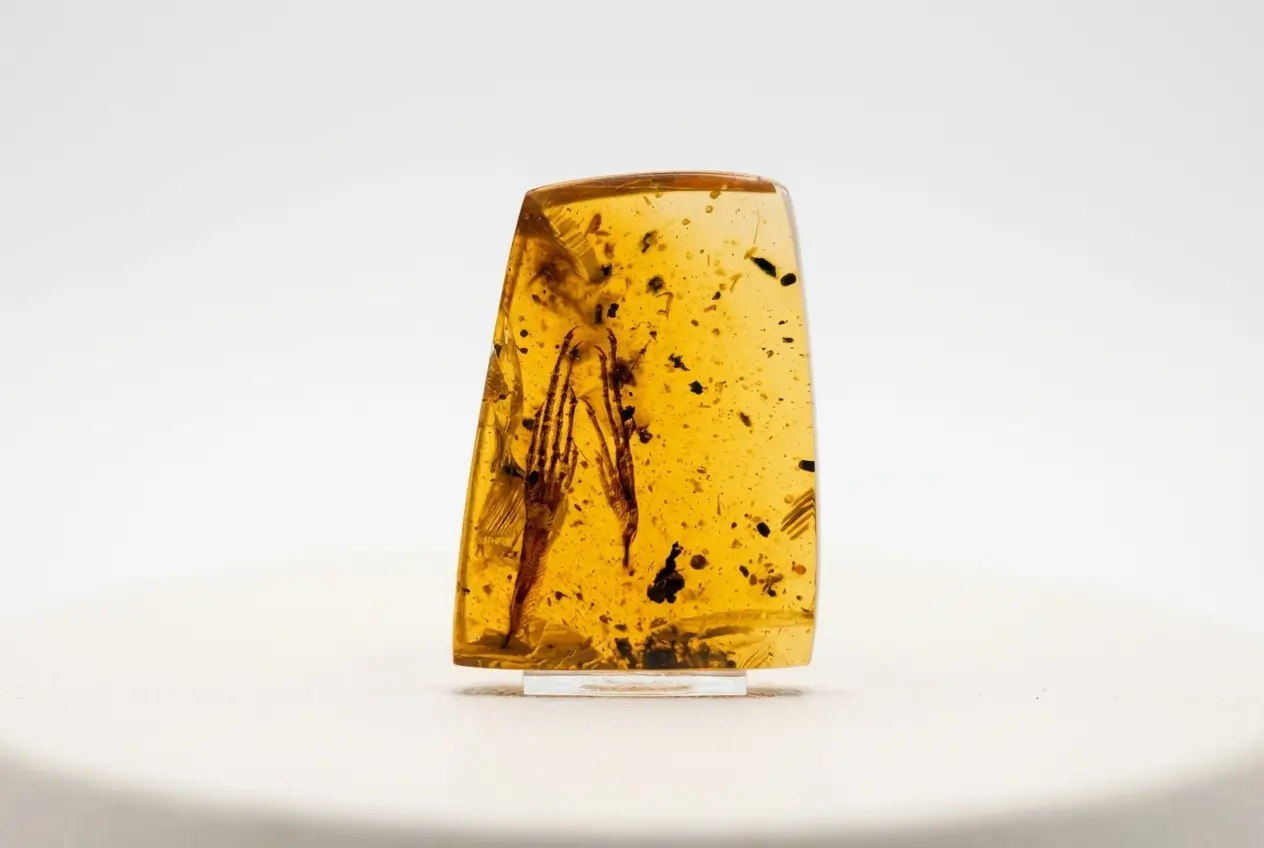
Fushun, Liaoning, is China’s only source of gem-quality and insect-bearing amber. This makes it a critical site among the world’s major amber-producing regions. These treasures originate from the famed West Open-Pit Mine. Here, amber formed in a unique symbiotic relationship within coal seams, earning it the local nickname “Coal Yellow” (Meihuang).
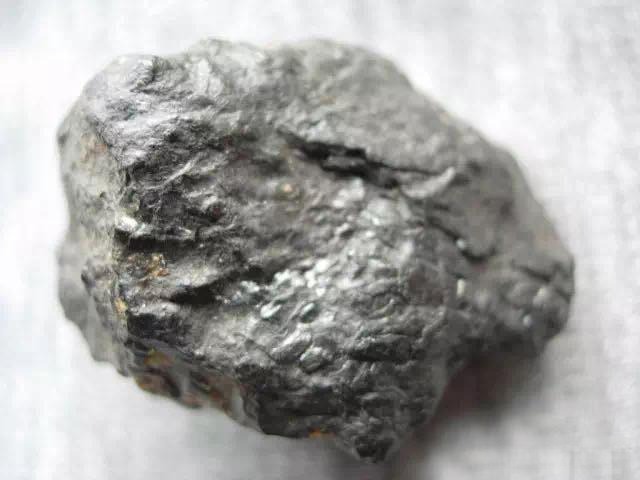
Collectors prize Fushun amber for its sophisticated, understated hues and soft, bright luster. Beyond its delicate and warm texture, its true allure lies in the prehistoric world it encapsulates. Each piece is rich with perfectly preserved ancient insects and plant life. These qualities make Fushun amber a highly coveted asset with immense collection value.
The Genesis of Fushun Amber: Nature’s Timeless Capsule
How did these golden treasures come to be? To understand their origin, we must look at the West Open-Pit Mine. As the primary source of Fushun amber, it is also one of the largest mining sites in the world. Its vast operations span eight mining layers, reaching depths of over 400 meters.
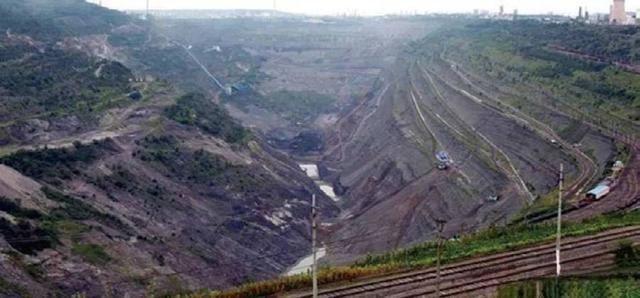
Archaeologists and geologists have traced the site’s history back over 50 million years. At that time, this mine was a lush, primeval forest. Periodic volcanic eruptions filled the uneven terrain with volcanic ash, creating a swampy basin. These specific geological conditions set the stage for the movement and preservation of resin.
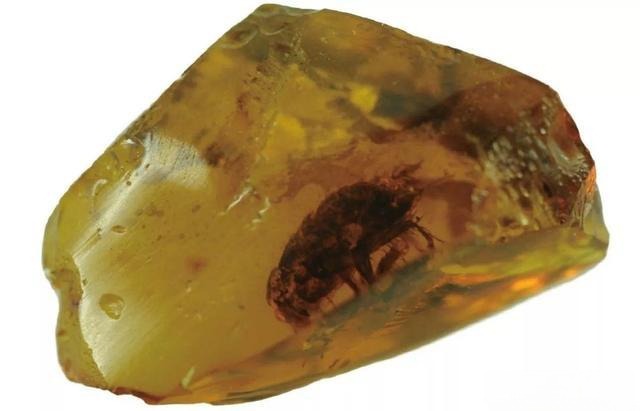
A thriving water system and a tropical climate once fueled the forest’s rapid growth. Intense, prolonged sunlight caused the trees to bleed massive amounts of resin. The scent of this resin lured various insects, which became hopelessly trapped in the sticky substance. Eventually, these resin droplets washed into the lower parts of the basin or into swamps, where they were buried by mud.
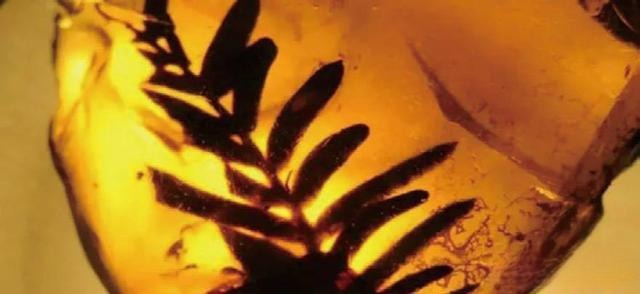
Over the eons, tectonic movements caused the basin to sink. Layers of resin-rich wood were buried deep underground. Through a rare alignment of intense pressure and shifting temperatures, the ancient forest transformed into coal. Simultaneously, the trapped resin evolved into the Fushun amber we cherish today.
From Coal to Keepsake: How Fushun Amber is Discovered
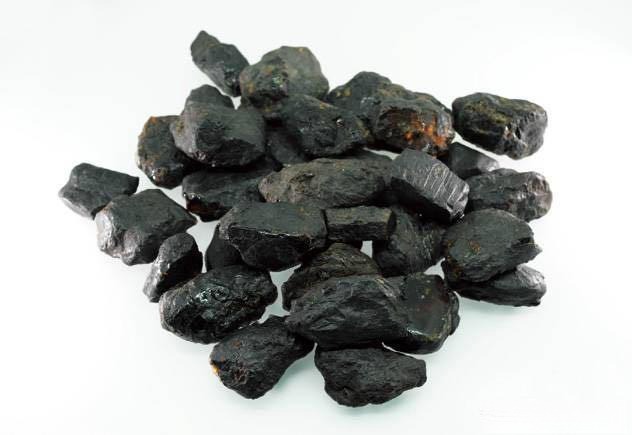
How exactly do miners find these raw, dark amber specimens hidden within deep layers of coal? The secret is surprisingly simple. To locate the amber, one only needs to find the “yellow coal lines”—distinct, ribbon-like yellow streaks running through the rock. Finding these lines is the age-old key to unearthing the amber within.
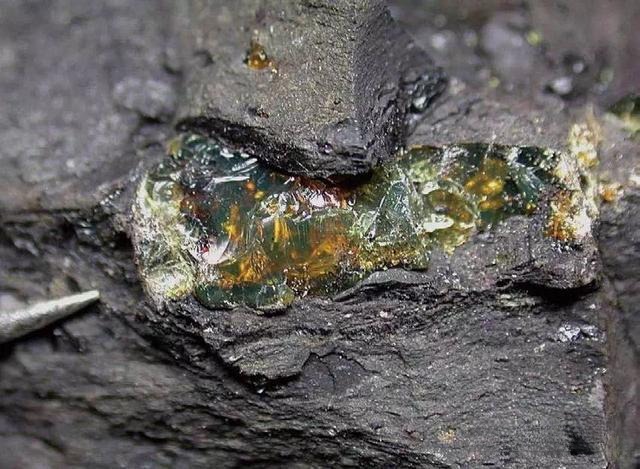
While Fushun amber found directly in coal usually consists of small fragments, most gem-quality specimens actually come from coal gangue.
Quick Fact: Coal gangue is a solid waste byproduct of coal mining and washing. It is a dark gray, carbon-poor rock that is much harder than coal and forms alongside it during the coal-making process.
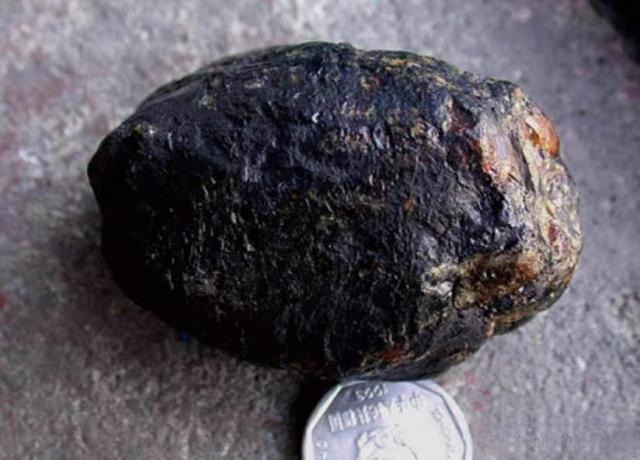
Records show that Fushun’s West Open-Pit Mine once produced a massive amber specimen weighing 1,000 grams—a legendary find for this region.
Rare Varieties and the Famed “Insect Amber”
Fushun amber is categorized into several varieties based on its color, patterns, and inclusions. These include Bloody Amber (Xuepo), Transparent Amber (Mingpo), Variegated Amber (Huapo), and the most prestigious of all: Insect Amber (Chongpo).
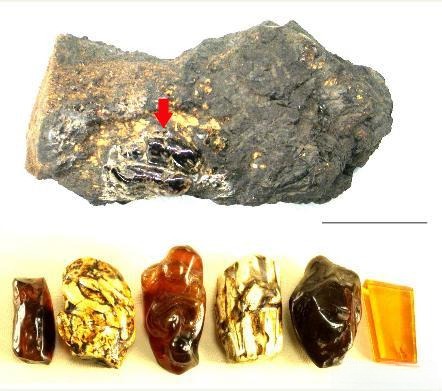
Fushun currently stands as China’s only source of insect-bearing amber. These pieces are prized for their deep, steady tones, soft luster, and warm texture. More importantly, they encapsulate rare ancient species such as gnats, aphids, and bees. These biological “time capsules” provide invaluable data for modern scientific research, making them a high-value resource for serious collectors.
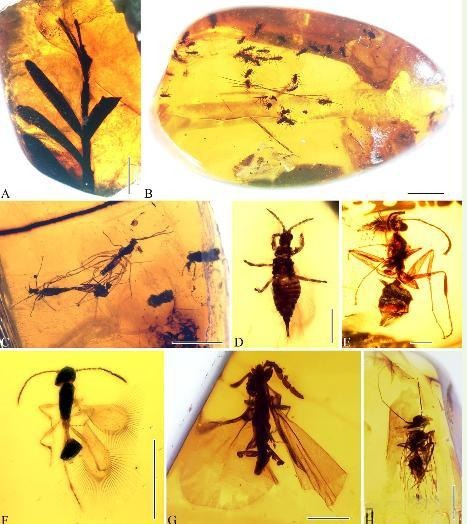
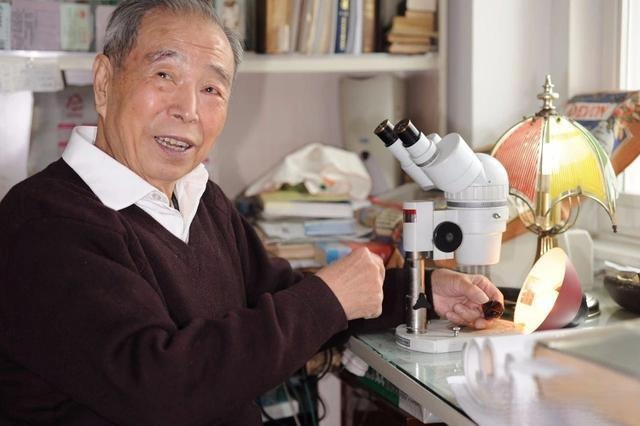
Professor Hong Youchong, the former director of the Institute of Natural History at the Beijing Museum of Natural History, cemented the scientific importance of this region.Beginning his research in 1972, Professor Hong established the stratigraphic system for the Fushun West Open-Pit Mine. He officially named the “Fushun Amber Group” and discovered numerous new insect species, contributing immensely to the field of entomology in China.
Today, coal mining in Fushun has largely concluded. The West Open-Pit Mine is officially closed, and further extraction is prohibited. As the supply of natural amber from these coal seams vanishes, Fushun amber has become increasingly rare. Authentic pieces are now difficult to find on the open market, as the majority of high-quality specimens have moved into the hands of private collectors.
Fuxin Agate: An 8,000-Year Legacy among Gemstones of Liaoning
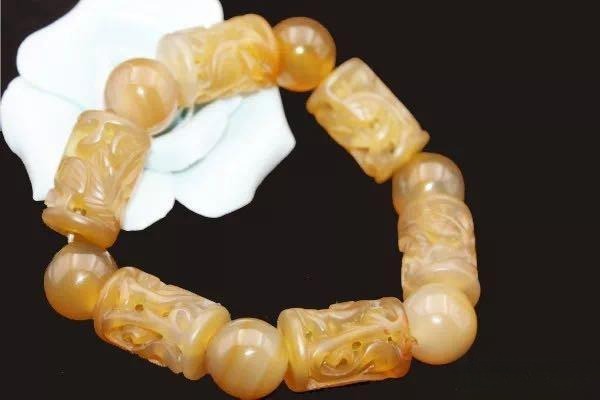
Fuxin, Liaoning, stands as one of China’s four major agate hubs. Recognized as both the “Agate Capital of China” and the “Agate Capital of the World,” it serves as a premier center for global sourcing, processing, and distribution. Fuxin agate is world-renowned for its vibrant color palette, fine texture, and remarkable variety.
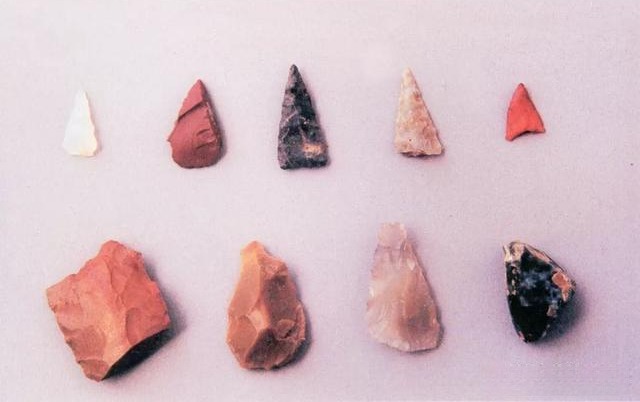
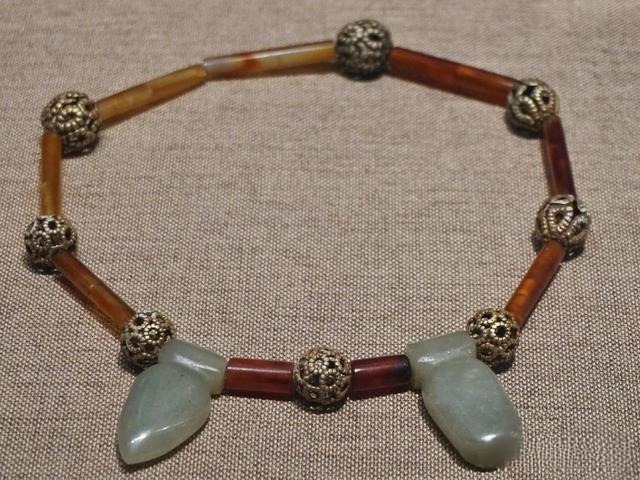
The history of this stone runs incredibly deep. Archeologists at the Chahai Site discovered agate scrapers and jade-like ornaments dating back 8,000 years. By the Liao Dynasty, local communities had already mastered large-scale mining and craftsmanship. Exquisite agate wine cups, Go pieces, and necklaces recovered from Liao-era tombs continue to stun the world today with their superior quality and refined artistry.
During the Qing Dynasty, Fuxin agate transitioned into a prestigious tribute stone reserved exclusively for the Imperial Court. From small ornaments to grand centerpieces, much of the Forbidden City’s agate collection originated here. A prime example is the national treasure Water Curtain Cave, a masterpiece carved from a rare “Water-Gall” (enhydro) agate sourced from Fuxin.
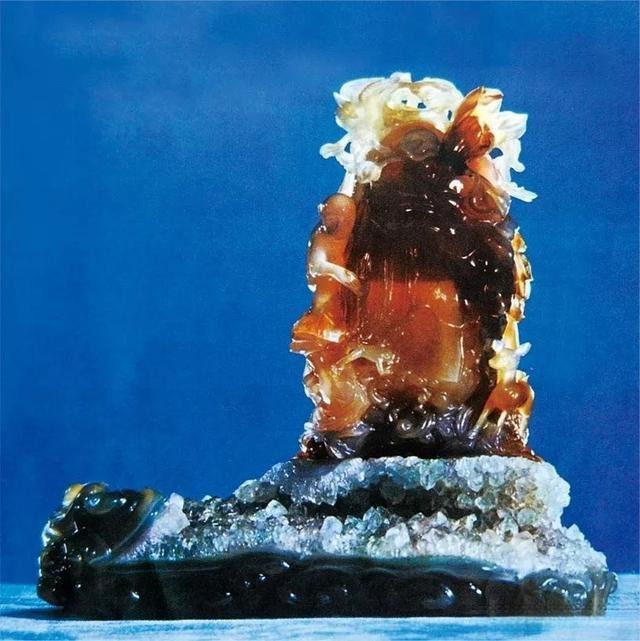
A Wealth of Untapped Resources
Fuxin holds more than 50% of China’s total agate reserves, with estimated prospective deposits ranging between 2 and 5 million tons. In fact, approximately 90% of the agate products found in China’s tourist centers and craft boutiques originate from Fuxin. Renowned gemologist Zhong Huabang once noted:
“Fuxin’s agate deposits offer diverse colors, beautiful patterns, and myriad forms. Occasionally, we even discover precious enhydro agates. With such rich resources, much of the ore body remains untouched and ready for future discovery.”
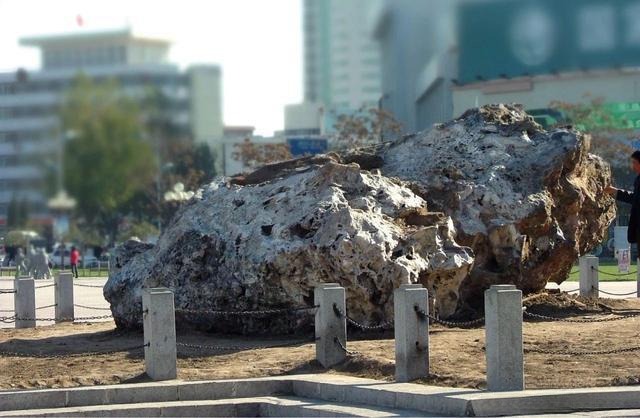
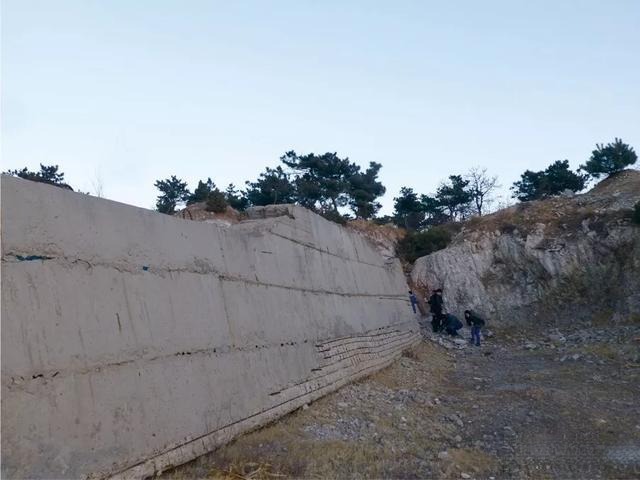
In 2004, the region made global headlines with two record-breaking finds: a 66-ton “Agate King” and an “Agate Great Wall” measuring 27 meters long. These massive specimens earned a place in the Guinness World Records as the largest agates ever discovered.
Master Craftsmanship and Global Recognition
Beyond its raw geological wealth, Fuxin is celebrated for its world-class carving techniques. On May 20, 2006, the State Council officially listed Fuxin Agate Carving as part of the first batch of National Intangible Cultural Heritage. Since then, the city has hosted the annual China Agate Festival to showcase its exceptional resources and artistry.
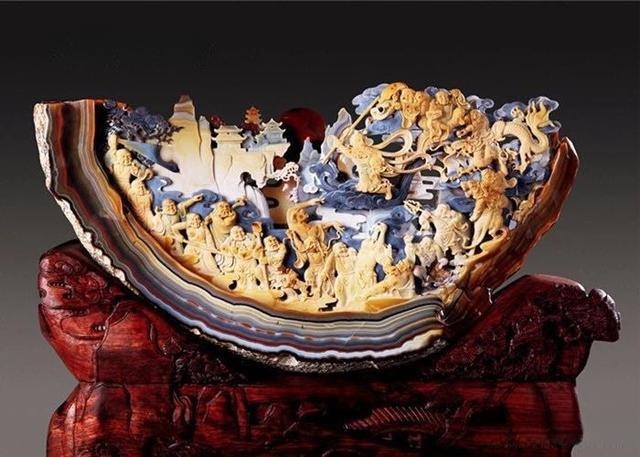
The carving process remains largely artisanal, involving a rigorous seven-step sequence:
- Material Selection
- Skinning (Removing the rough outer crust)
- Design
- Rough Carving
- Fine Carving
- Polishing
- Setting/Mounting
Master carvers meticulously adapt their designs to the stone’s unique texture, color, and shape. This “bespoke” approach results in one-of-a-kind pieces that attract collectors from across the globe.
Following China’s economic reforms, Fuxin’s agate processing industry has developed rapidly. Today, the market offers a vast price range—stretching from just a few dollars to several thousand dollars—to satisfy the diverse needs of customers at every level. If you are fortunate enough to find a specimen with vivid colors and magnificent patterns, it offers immense potential for appreciation and collection!
Xiuyan Jade: The Gemstone of Xiuyan County, Liaoning
In the world of Chinese gemstones, there is a popular saying: “The world’s beauty begins with jade, and China’s finest jade comes from Xiuyan.” This “finest jade” refers specifically to Xiuyan Jade, sourced from Xiuyan County in Anshan, Liaoning Province.
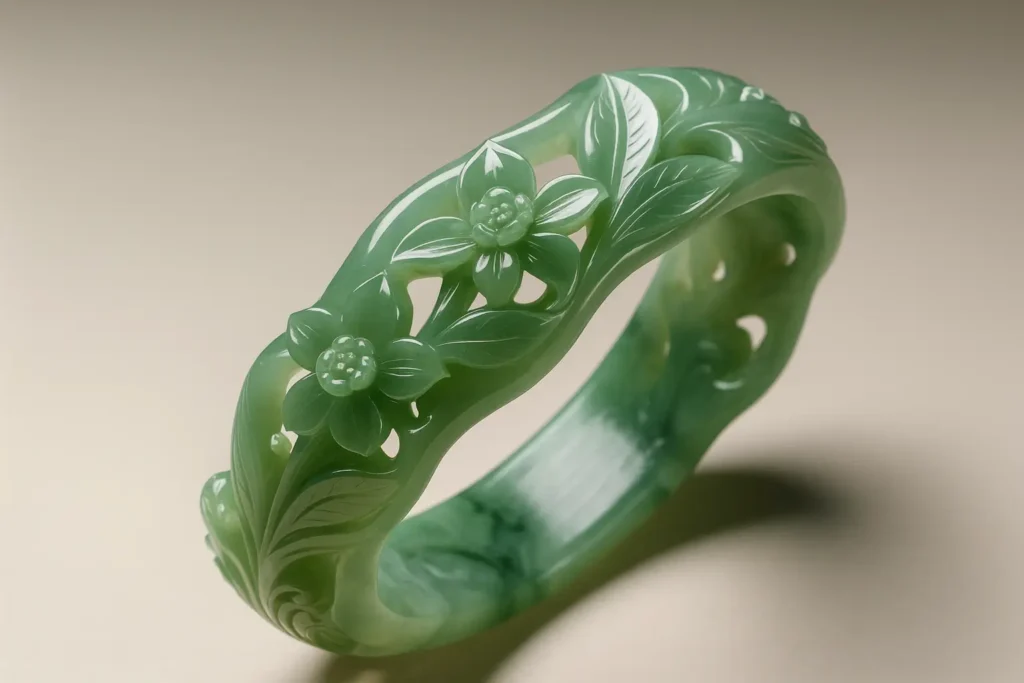
Named after the Xiushan Mountains, Xiuyan Jade is often misunderstood. Unlike Hetian jade or Jadeite, it is not a single mineral species. Instead, “Xiuyan Jade” serves as a collective umbrella term for all jade varieties produced in Xiuyan County. This includes Serpentine jade (commonly known as Xiuyu) and the prestigious Tremolite jade, best represented by the river-worn Hemoyu.
In contrast, few people recognize Hemoyu (River-worn Jade), despite sharing the same tremolite composition as the world-famous Hetian jade. Historically, Liaoning developed its tremolite resources quite early, earning these stones the title “Lao Yu” (Old Jade).
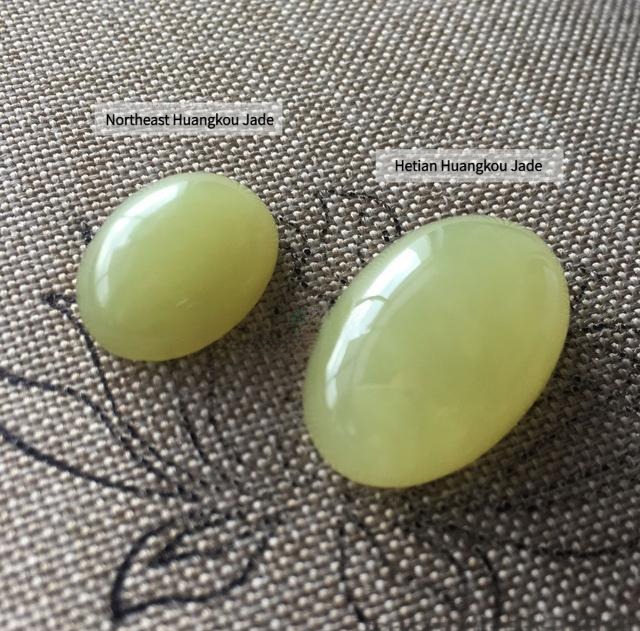
Miners primarily extract the “mountain material” from East Xiyugou in Pianling Town, often called Yellow-White Old Jade or Northeast Topaz. Meanwhile, the prized “seed material” found in riverbeds carries the name Hemoyu. Specifically, the renowned Ximu Jade serves as the primary representative of this river-worn variety, and the trade collectively refers to them as Ximu Hemoyu.
Related Reading: Ximu Nephrite Jade: A 5,000-Year Legacy from Hongshan Culture to the “Oscars” of Jade Carving
Further Reading: Xiu Jade (Xiuyan Jade) Guide: Serpentine, Tremolite, and Why This Ancient Chinese Gem is Underrated
A Heritage Spanning 12,000 Years
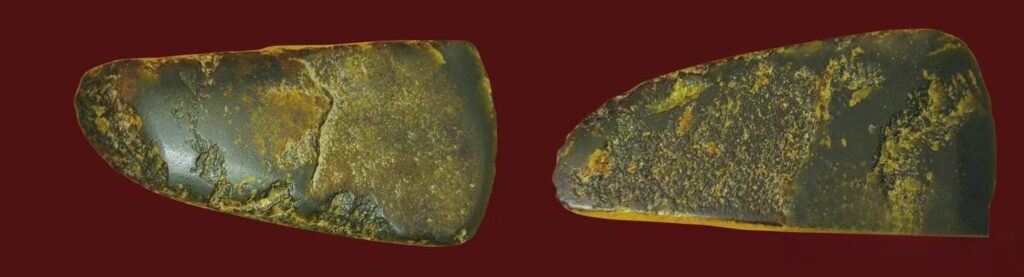
The discovery and use of Xiuyan Jade date back several millennia. In 1983, archaeologists at the Xiaogushan Cave site in Haicheng unearthed nephrite chopping tools. Experts confirmed that ancient humans crafted these from Xiuyan Jade approximately 12,000 years ago. Consequently, these artifacts represent the earliest known jade tools used by humanity.
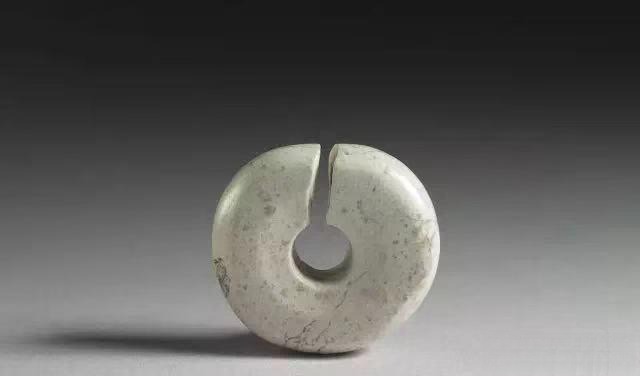
The legacy continues into the Neolithic era. At the 8,000-year-old Chahai site in Fuxin and the Xinglongwa site in Inner Mongolia, researchers discovered Xiuyan Jade ornaments—the world’s earliest known personal jewelry.
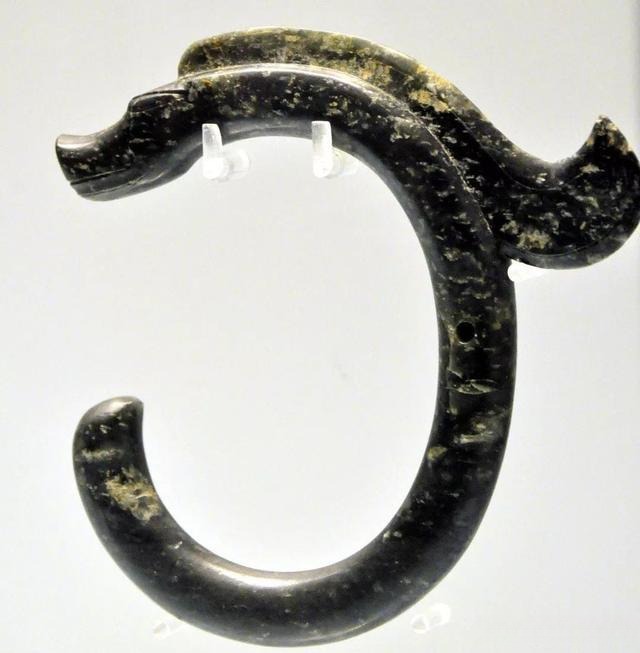
Perhaps most famously, during the Hongshan Culture (over 5,000 years ago), artisans carved Xiuyan Jade into iconic dragon shapes. One such piece, celebrated as the “First Dragon of China,” provides a vital link to the origins of the Chinese identity as “descendants of the dragon.”
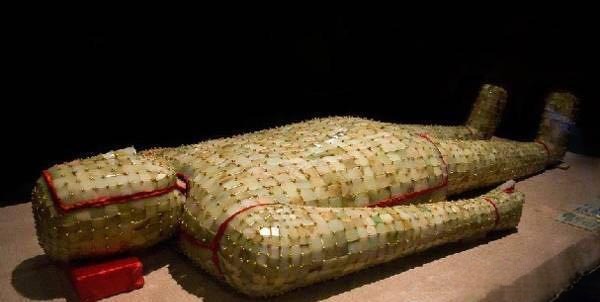
Even the legendary gold-threaded jade burial suit of Prince Liu Sheng, unearthed in 1968 in Mancheng, Hebei, showcases this mastery. Artisans meticulously wove thousands of Xiuyan jade plaques together with fine gold wire, creating a garment fit for eternity.
Giants of the Jade World
Why do many people treat “Xiuyan Jade” and “Xiuyu” as synonyms? The reason lies in the sheer abundance of the serpentine variety (Xiuyu). With total reserves exceeding 3 million tons, Liaoning leads the world in serpentine production. Because it is so ubiquitous in the market, Xiuyu has become the face of the region.
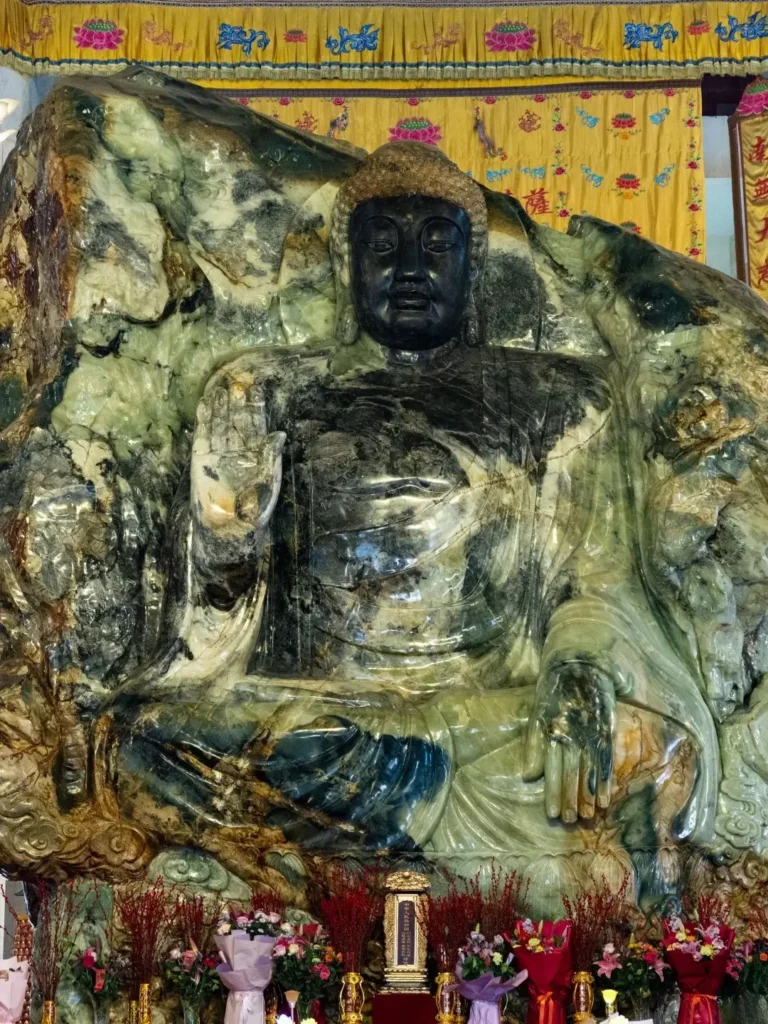
Beyond its sheer abundance, the physical scale of individual Xiuyu specimens is truly astonishing. In 1960, miners on the mountains of Huayugang in Hadabei Town discovered a colossal block of serpentine jade weighing 260.76 tons. Known as the “Jade Stone King,” this massive find showcased the region’s extraordinary geological potential.
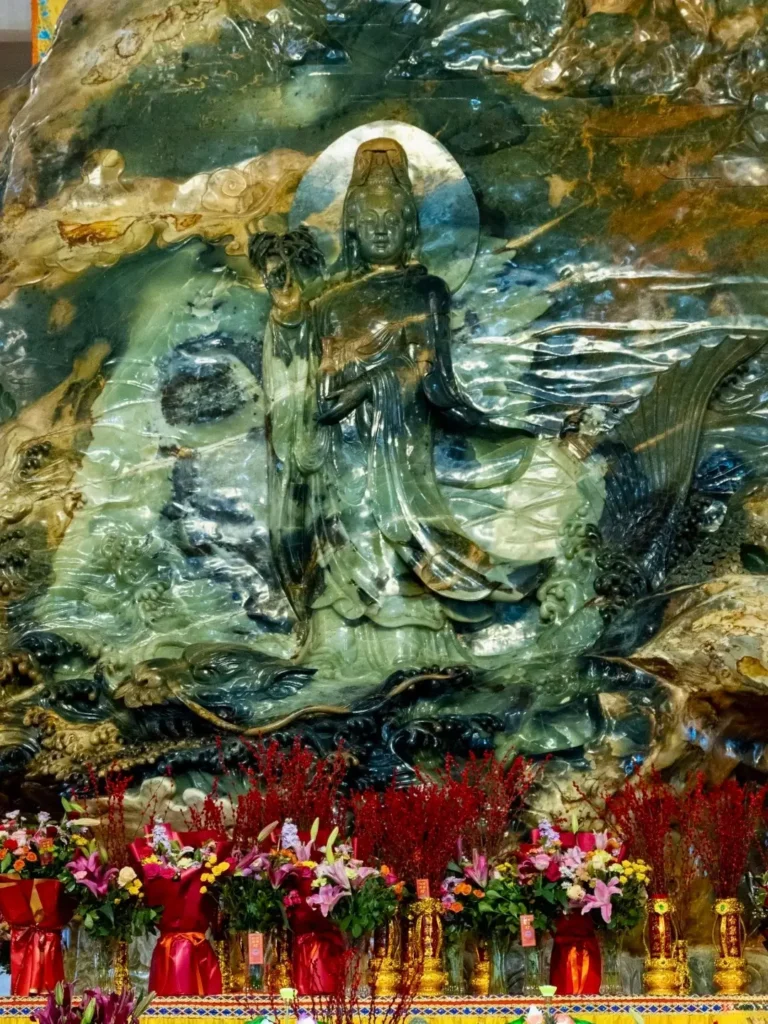
Thanks to its excellent carvability and high polish, artisans transformed this massive stone into the World’s Largest Jade Buddha in 1993. This double-sided masterpiece features a majestic Sakyamuni on one side and a serene Guanyin Crossing the Sea on the other. Now housed in Anshan’s “219” Park, it earned an official spot in the Guinness World Records in November 1997.
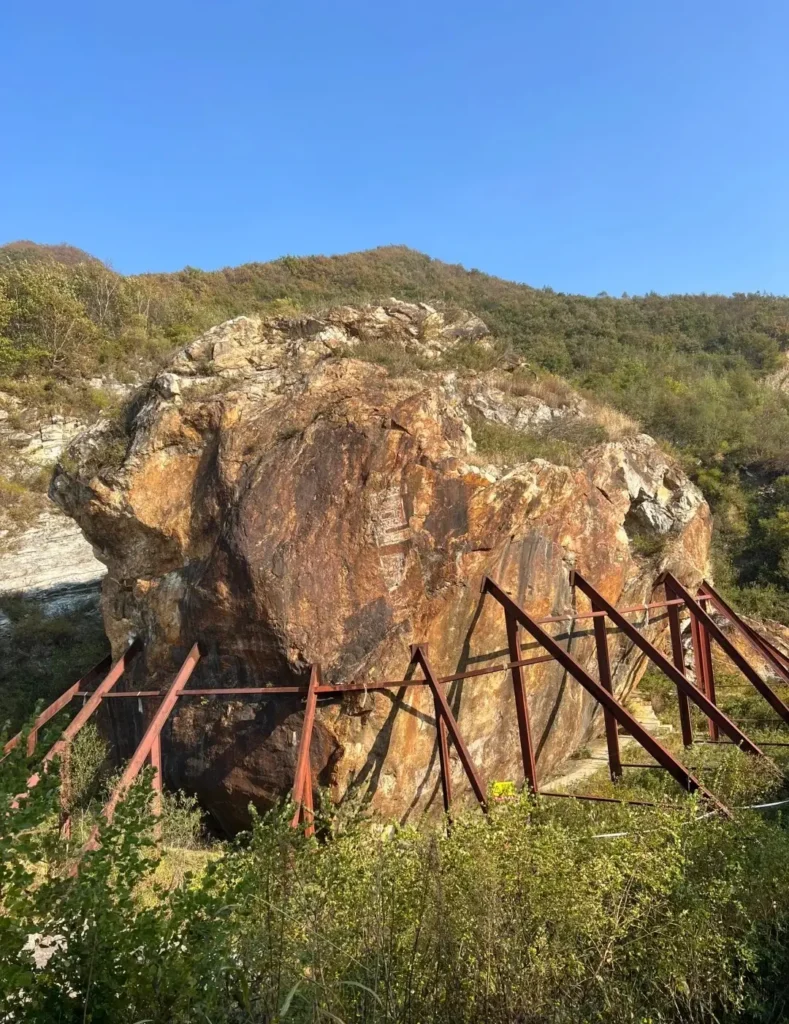
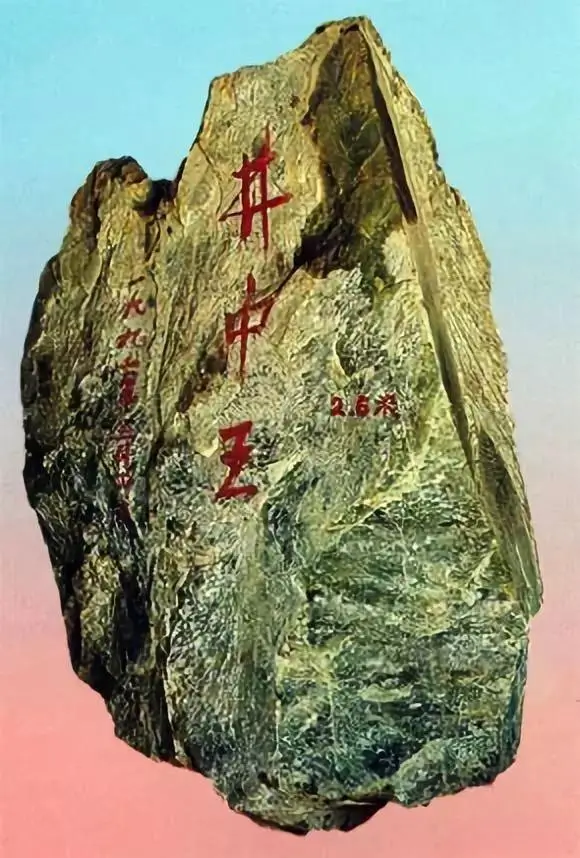
The records didn’t stop there. In 1997, a new giant was discovered at the Xiuyan Jade Mine, weighing approximately 60,000 tons—nearly 200 times heavier than the previous “Jade Stone King.” That same year, miners extracted a 12.6-ton jade body from a primary ore bed 300 meters underground, rightfully naming it the “King of the Well.”
Explore More in Our Chinese Gems Series
At Jewea, our mission is to uncover the hidden geological wonders across China. Before we dove into the gemstones of Liaoning, we explored several other regions famous for their rare and storied treasures.
Take a look back at our previous journeys:
Northeast China