Gemstones of Gansu: Gannan Agate, Wushan Yuanyang Jade, and Dunhuang Quartz | Gems of China Series
In this latest installment of our Gems of China series, we journey west to uncover the hidden treasures of Gansu gemstones. While many associate this region with the ancient Silk Road and vast desert landscapes, the true wonder of Gansu lies deep beneath its rugged terrain.
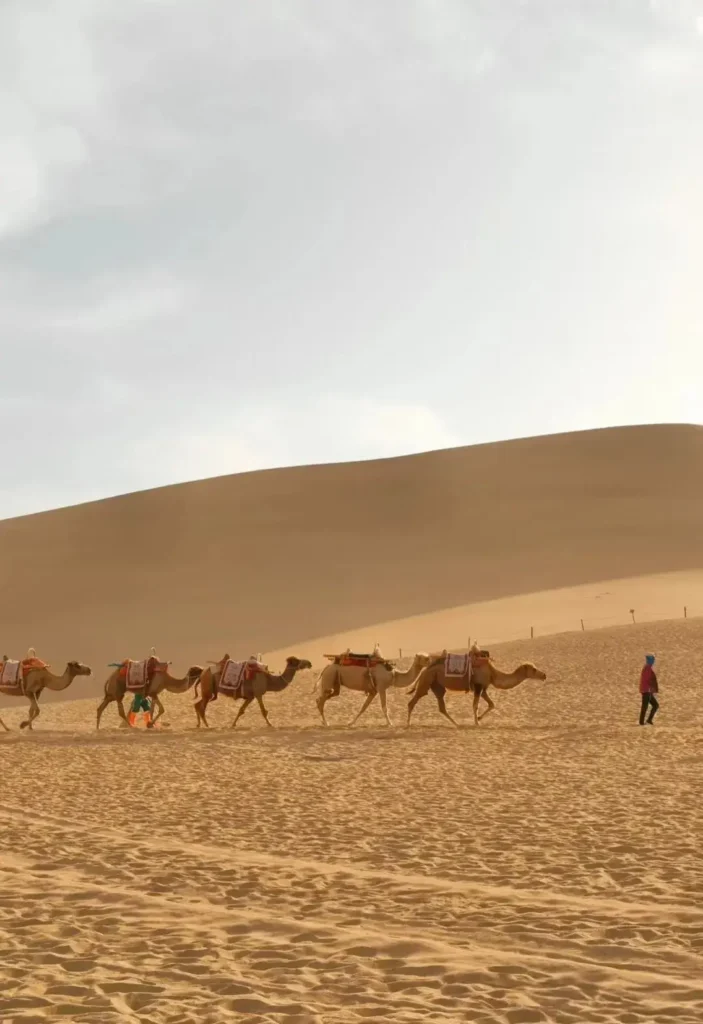
As China’s most elongated province, Gansu serves as a dramatic geological crossroads where the Loess, Tibetan, and Inner Mongolian plateaus meet. This unique convergence has created more than just diverse scenery; it has turned the province into a massive subterranean storehouse. With 119 types of minerals discovered across 1,381 sites, Gansu leads the nation in the production of critical elements like nickel, cobalt, and platinum.
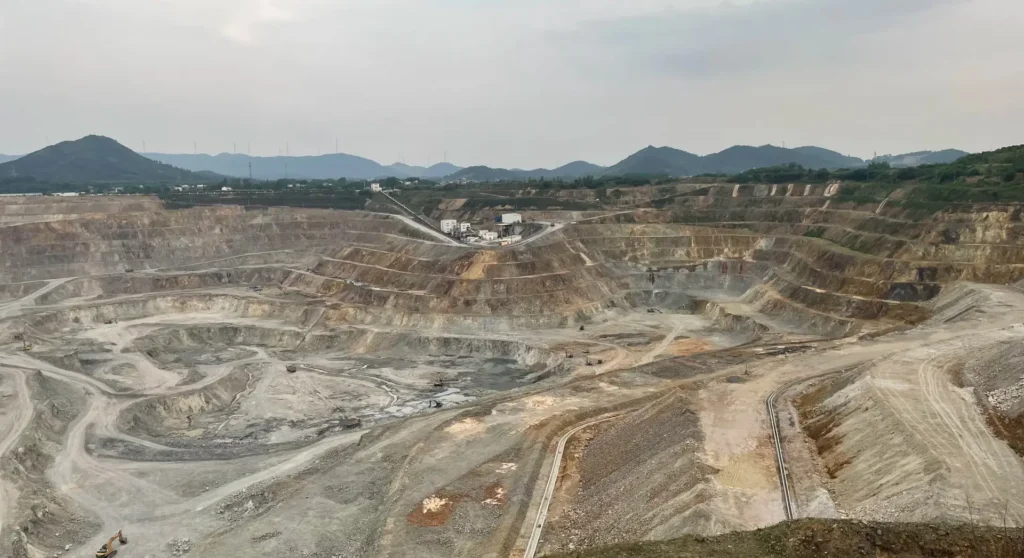
But beyond industrial metals, this geological diversity fuels a vibrant world of rare stones. From the brilliant hues of Peridot and Malachite to the crystalline beauty of Almandine Garnet and the storied Yellow River Stone, the region’s mineral wealth is staggering. The variety available here offers a unique palette for collectors and jewelry designers alike.
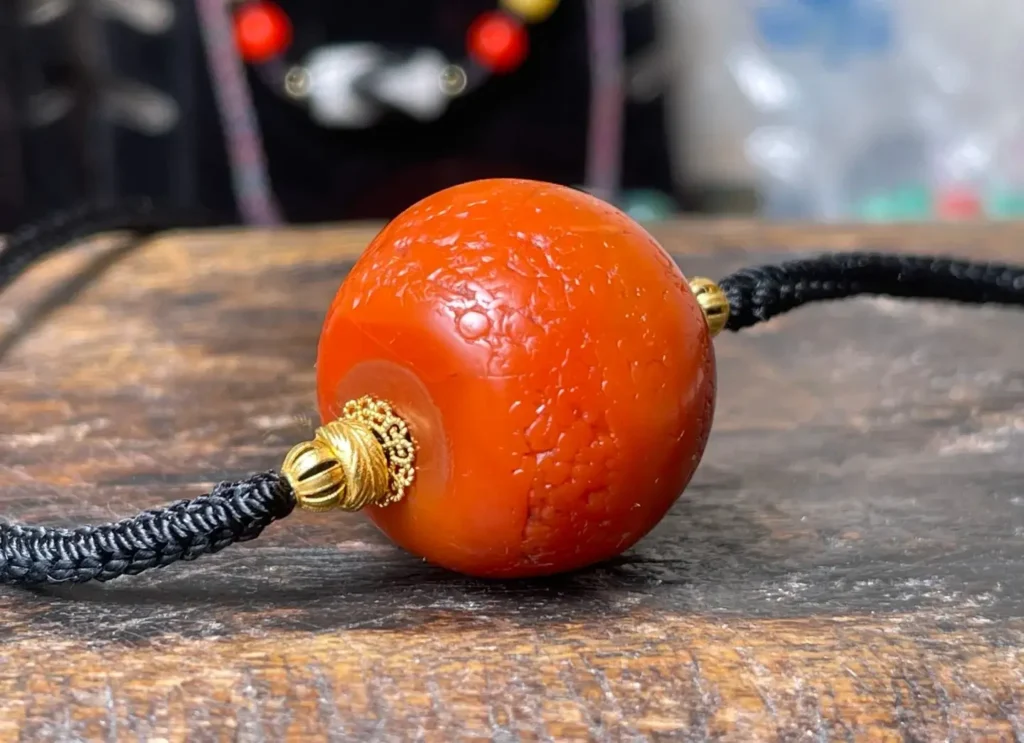
Today, we are going beyond the surface to explore the three most iconic Gansu gemstones: Gannan Agate, Wushan Yuanyang Jade, and the legendary Dunhuang Quartz. Let’s discover the history, geology, and unique allure of these Western Chinese marvels.
Gannan Red: The Unique Nan Hong Agate of Gansu
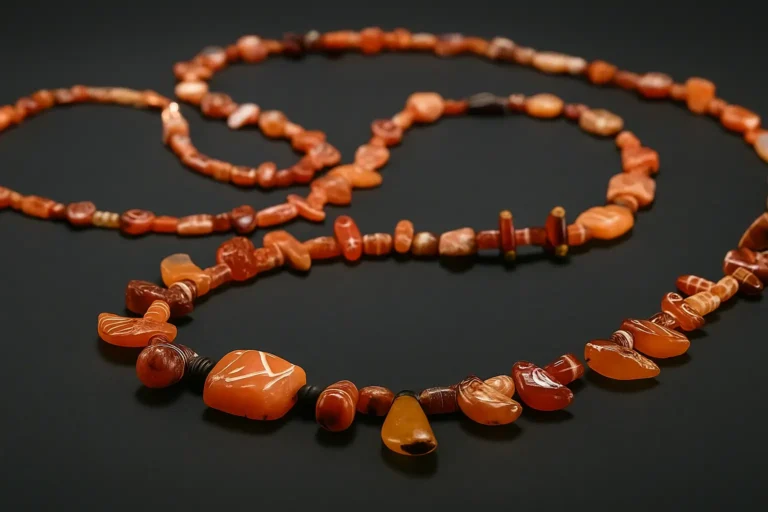
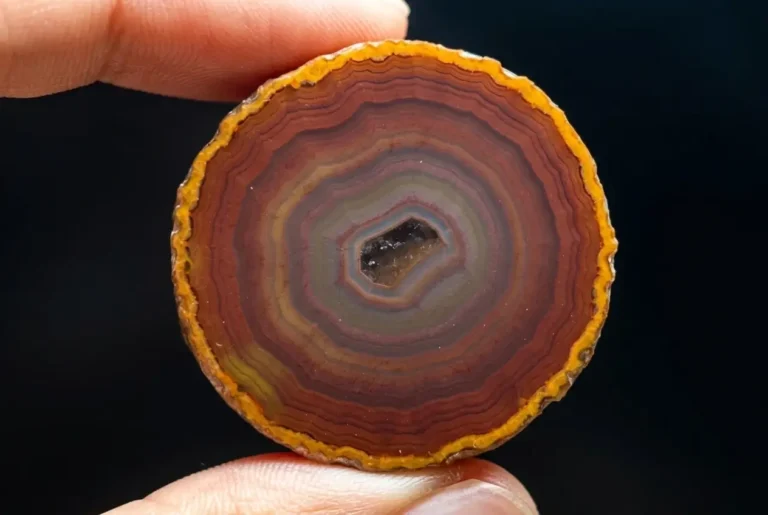
Gannan Red Nan Hong is a variety of agate unique to China. It is renowned for its vibrant and striking red hues, categorized into several highly sought-after varieties based on color and texture, including Jinhong (Brocade Red), Persimmon Red, Rose Red, Cherry Red, and the captivating Flame Pattern or Ice-Floating (Bingpiao) effects.
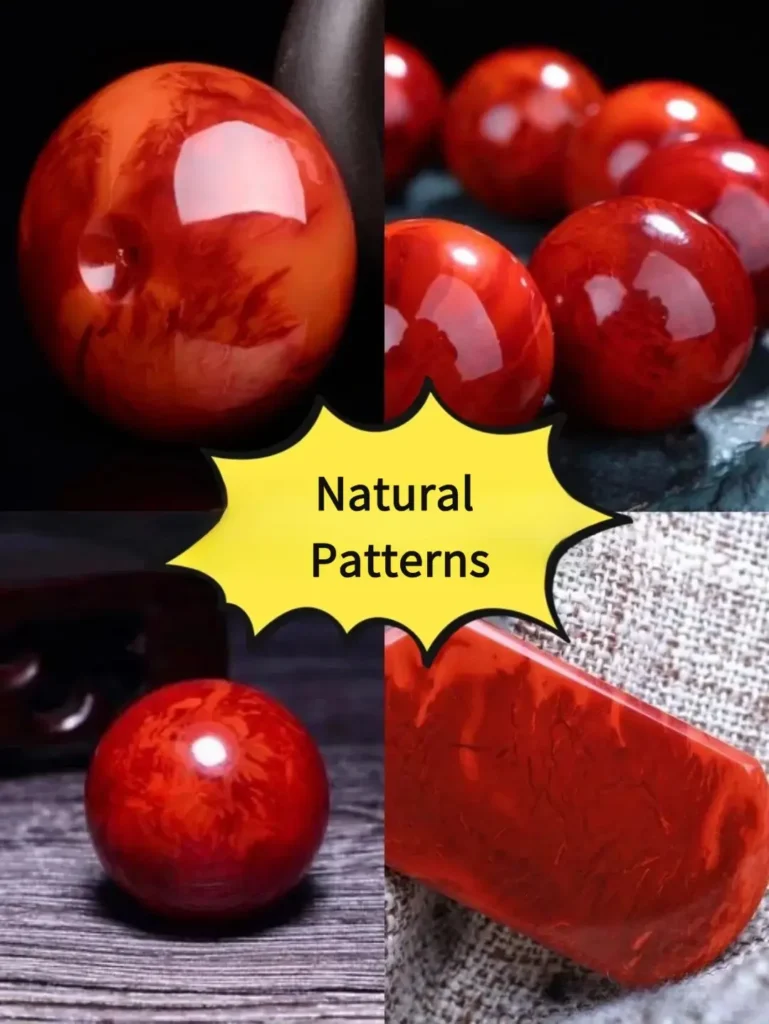
Currently, the known production areas for Nan Hong Agate in China are Baoshan in Yunnan, Liangshan in Sichuan, and Diebu in Gansu. (Related Reading: The Big Three: A Guide to Chinese Red Agate Varieties)
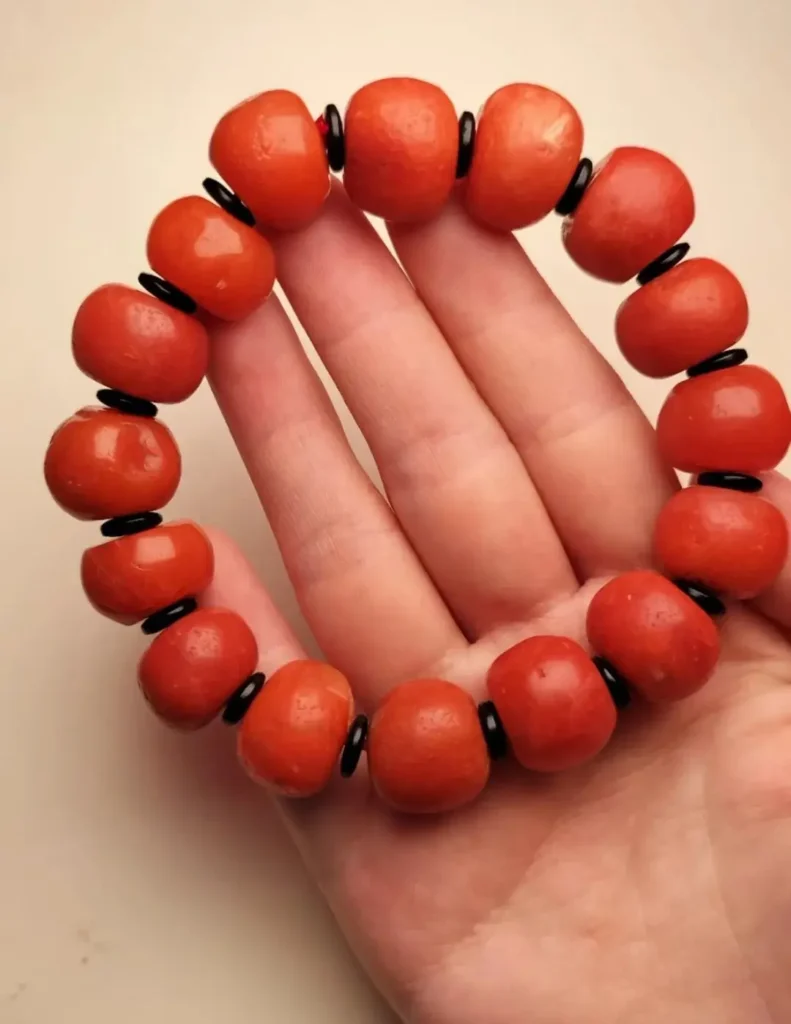
The specific variety from Diebu is known as Gannan red agate. It originates from the eastern foothills of the Qilian Mountains in southern Gansu. This region produces stones with exceptionally pure, bright coloration and high saturation. Most specimens exhibit a vivid orange-red or classic “Big Red” tone. However, a rare few possess a deep, rich crimson. Collectors prize high-quality Gannan Red for its remarkable clarity and uniform color.
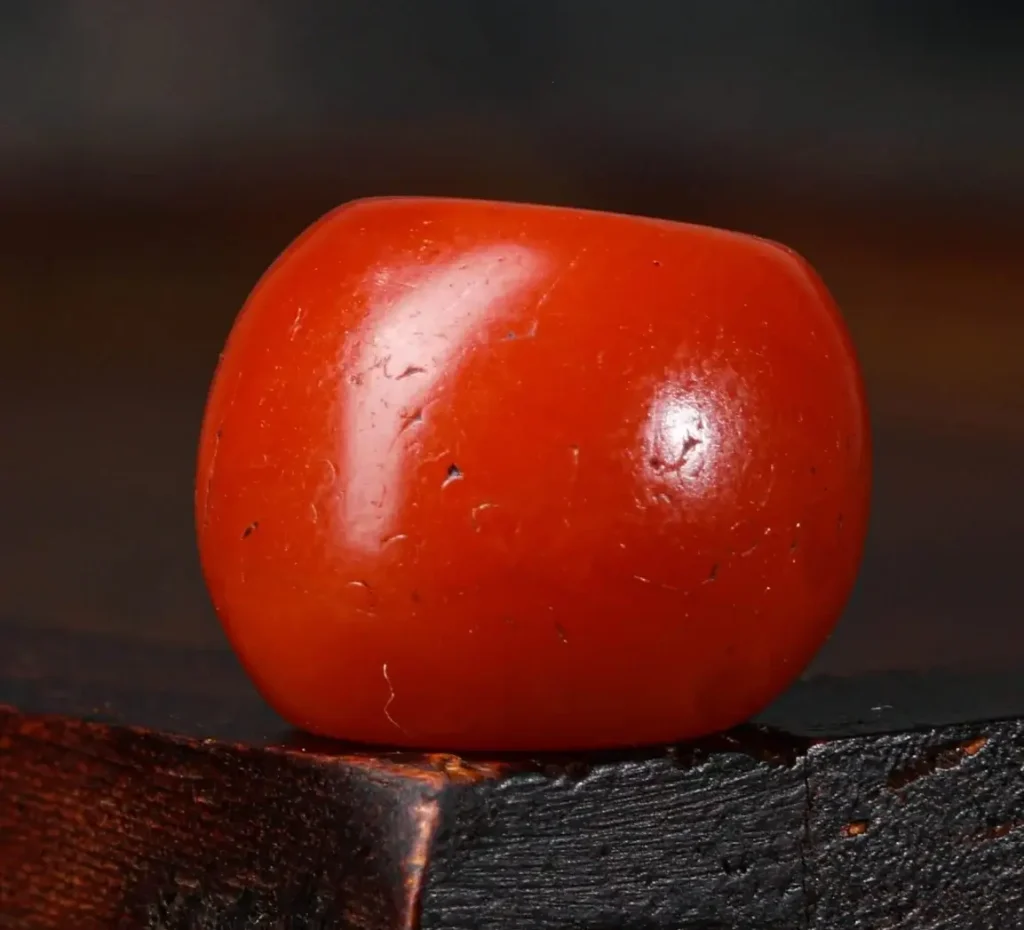
Within the Chinese market, Gannan Red remains much rarer than Dian Nan Hong or Chuan Nan Hong. Extremely limited production and exhausted mineral sources make “new” Gannan Red exceedingly scarce. Today, buyers primarily find these stones as antique “Old Gannan Red” beads. They remain a highly coveted acquisition for serious collectors of Gansu gemstones.
Wushan Yuanyang Jade: A Titan of Serpentine Resources
Yuanyang Jade is a distinguished variety of serpentine jade. It earns its name from Yuanyang Town in Wushan County, Gansu. In the gemstone trade, naming often reflects specific origins. For example, serpentine jade from Jiuquan is called Jiuquan Jade, while the Wushan variety is known as Yuanyang Jade. (Related Reading: Xiu Jade (Xiuyan Jade) Guide: Serpentine, Tremolite, and Why This Ancient Chinese Gem is Underrated)
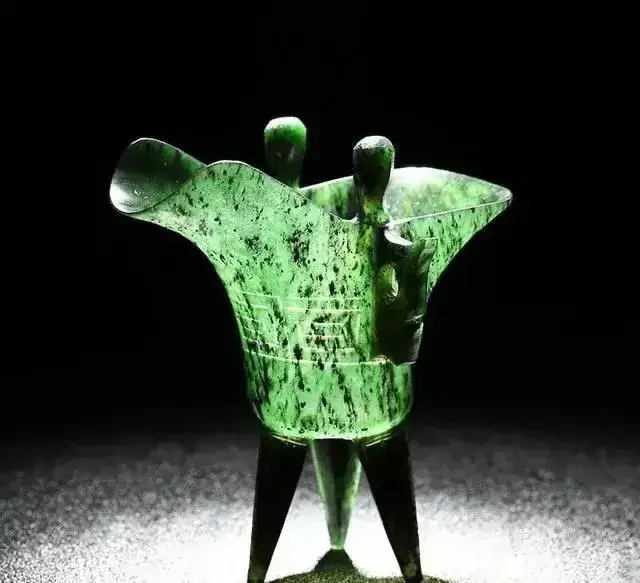
This region hosts a massive geological treasure. Wushan holds the world’s second-largest serpentine deposit, with proven reserves of 324 million cubic meters. The jade primarily consists of serpentine. It also contains traces of tremolite, talc, and dolomite. Metallic minerals like magnetite and limonite add unique character to its structure.
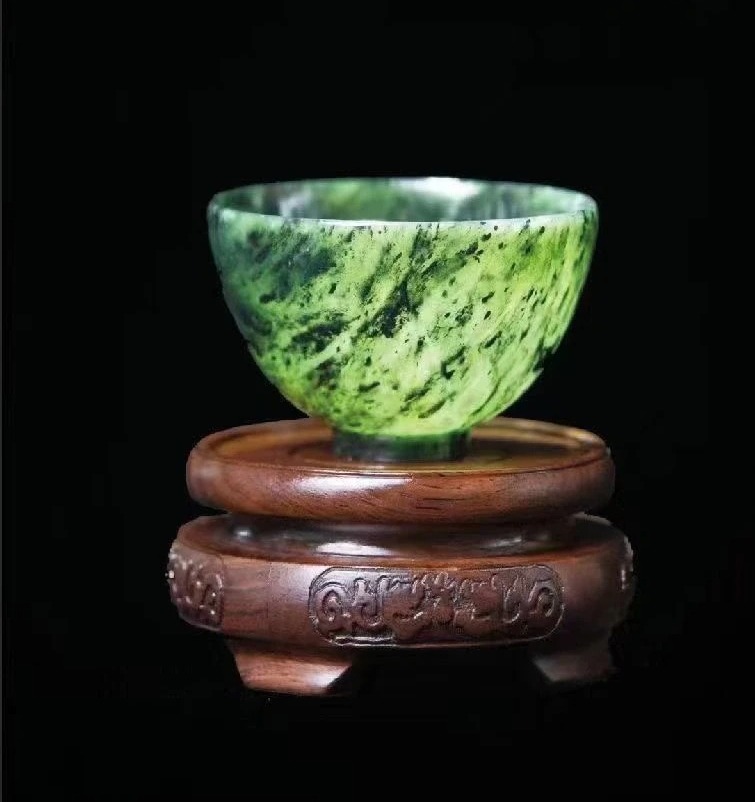
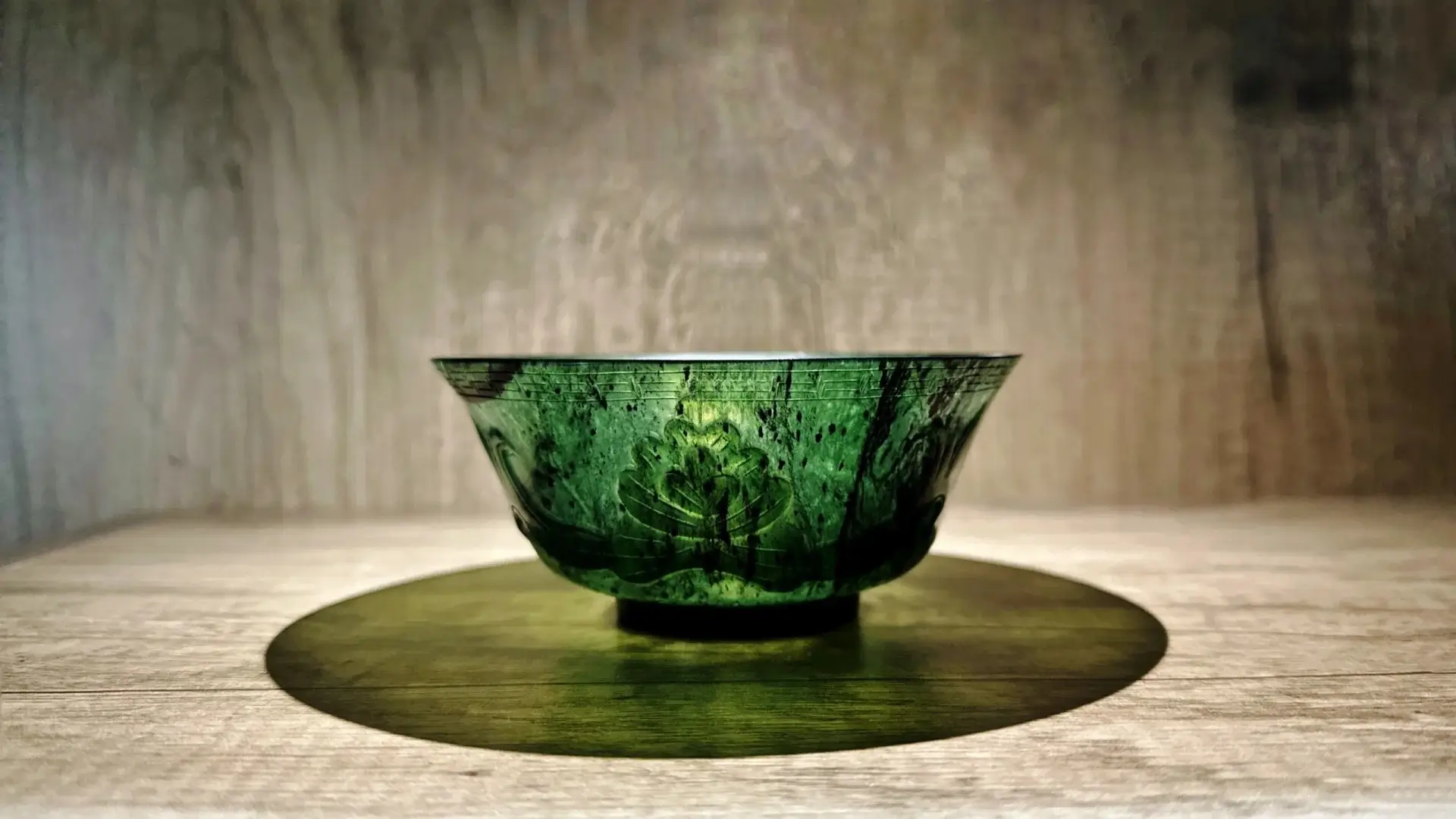
Yuanyang Jade offers a diverse color palette. Common shades include emerald, dark green, olive, and light green. Some specimens even display a unique brownish tea color. Among these, vibrant green remains the most prized. With a Mohs hardness of 4.5 and a density of 2.66 g/cm³, the stone features a fine, dense texture and elegant translucency.
Yuanyang Jade carves beautifully. Its physical properties allow for incredible detail, making it a favorite for Luminous Cups, elegant bracelets, and ornate bowls. As a cornerstone of Gansu gemstones, it perfectly blends raw natural wealth with refined Chinese artistry.
Dunhuang Jade: A Vanished Gem of the Gobi
China boasts an incredible diversity of quartzite. In our previous article, [50 Quartz Varieties: Can You Name Them All?], we explored the vast range of this mineral family. Among these, a newcomer emerged in 2007 from the rugged mountains of Gansu Province: Dunhuang Quartz (often commercially referred to as Dunhuang Jade).
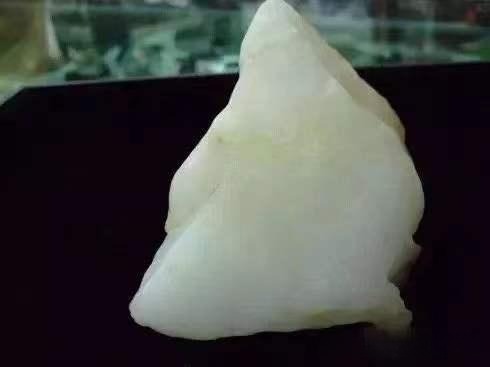
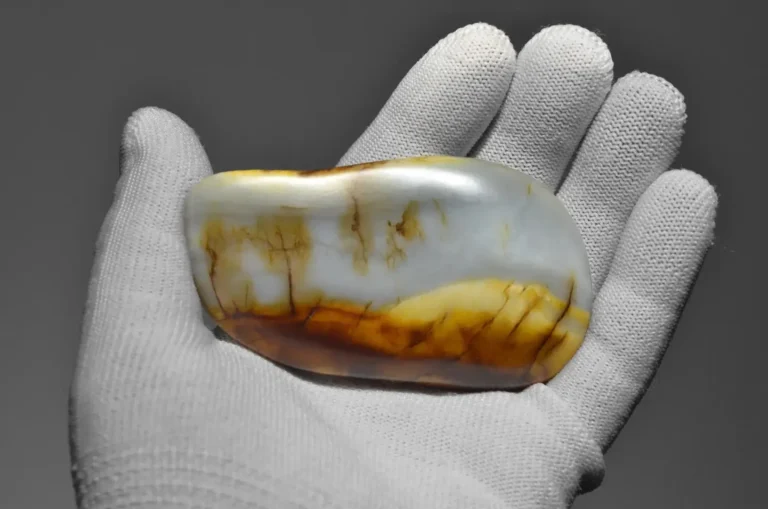
Discovered on the outskirts of the historic city of Dunhuang, this stone is a variety of quartzite, not a true nephrite. It possesses a Mohs hardness of 7 or higher, making it significantly harder than traditional soft jades. The stone features a remarkably fine texture and primarily appears in elegant, milky white tones. Thanks to its natural translucency, it once served as a favorite material for intricate carvings and decorative ornamental pieces.
However, like many niche gemstones, Dunhuang Quartz proved to be a “flash in the pan.” Despite its initial promise, its market presence was short-lived. Today, this specific variety has virtually disappeared from commercial trade, remaining only as a rare footnote in the history of Gansu gemstones.
Explore More in Our Chinese Gems Series
At Jewea, our mission is to uncover the hidden geological wonders across China. Before we dove into the Gemstones of Gansu, we explored several other regions famous for their rare and storied treasures.
Take a look back at our previous journeys:
Northwest China
- Shaanxi: Gemstones of Shaanxi: Lantian Jade, Turquoise, Ink Stone & Coral Fossil | Gems of China Series
- Ningxia: Gemstones of Ningxia: Helan Stone & Gobi Agate | Gems of China Series
- Qinghai: Gemstones of Qinghai: Hetian Jade, Turquoise, Serpentine, and Alabaster | Gems of China Series
- Xinjiang: Gemstones of Xinjiang: From Sacred Nephrite to Desert Quartz and Pegmatite Crystals | Gems of China Series