Gemstones of Shandong: Changle Sapphire, Diamond & Taishan Jade | Gems of China Series
In this installment of our “Gemstones of China” series, we journey to the eastern province of Shandong to uncover a legacy of brilliance and strength. While many are familiar with the global allure of Sri Lankan sapphires or South African diamonds, Shandong stands as an often-overlooked titan in the gemstone world. Beyond its iconic coastal landscapes and rich cultural heritage, this region hides a spectacular array of mineral treasures.
Today, we are diving deep into the Gemstones of Shandong, exploring the province’s most iconic treasures: Changle Sapphires, Mengyin Diamonds, and the ancient, serene Taishan Jade.
Changle Sapphire: China’s Volcanic Blue Treasure
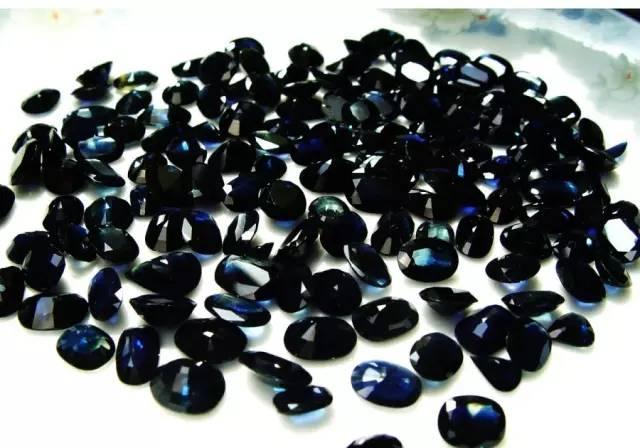
As a primary example of the Gemstones of Shandong, Changle Sapphire is a captivating yet often-underappreciated variety. These sapphires are predominantly dark blue to black when observed under natural light but reveal a deep blue hue when viewed through transmitted light. This difference highlights their strong internal color zoning and the presence of distinct hexagonal growth bands. Despite their darker tone, these sapphires possess exceptional crystal clarity and large, nearly perfect crystal formations, often displaying beautiful hexagonal column shapes.
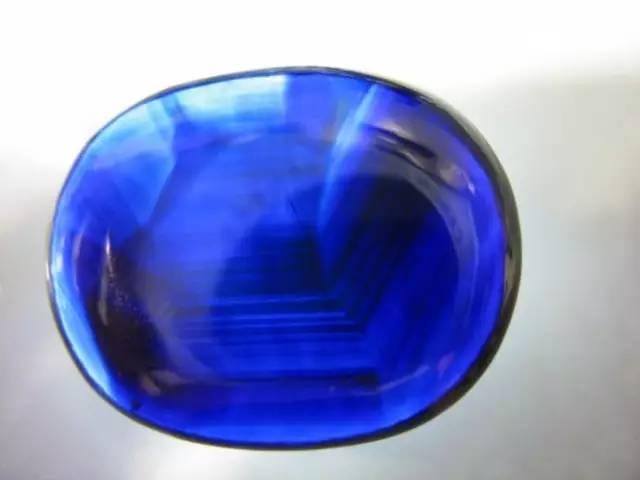
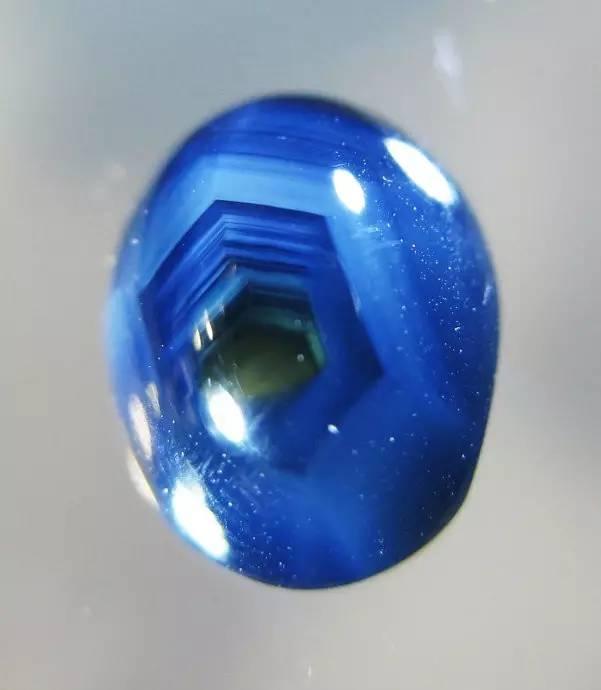
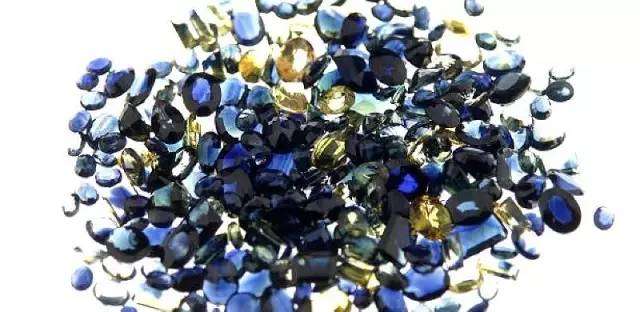
However, the darker natural color of Chang Le Sapphire can limit its market appeal. Fortunately, the stones can be heat-treated to lighten their color and enhance their brilliance—a technique perfected by Thailand’s gemologists. Interestingly, Chang Le Sapphire often occurs in tandem with yellow sapphires, creating a unique and aesthetically striking combination of blue and yellow hues.
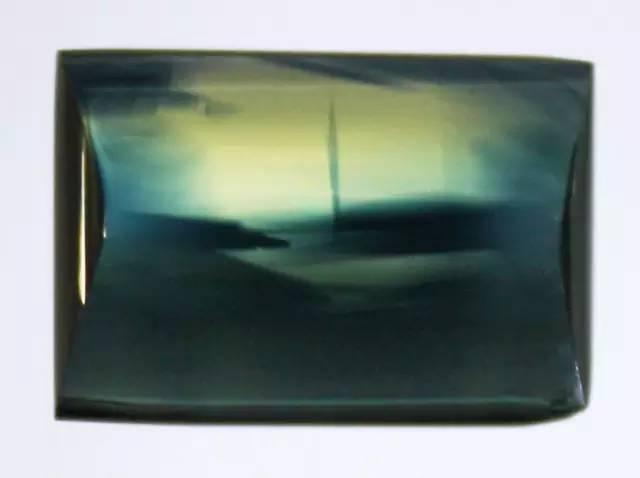
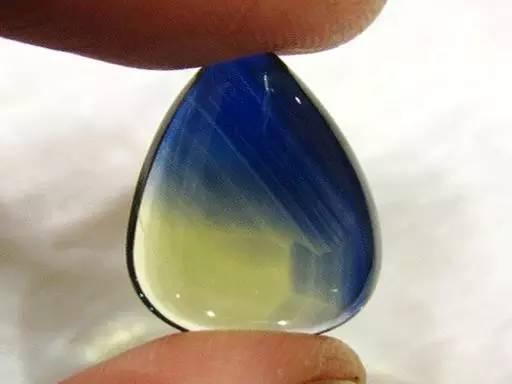
The Value and Formation of Chang Le Sapphire
Despite its deep color, the unique appearance of Chang Le Sapphire, combined with the option of heat treatment, ensures that it remains affordable compared to its more famous counterparts. While high-quality blue sapphires can fetch thousands of dollars per carat, Chang Le Sapphire is often available for just a few hundred dollars per carat. This makes it an excellent choice for those seeking quality gemstones without the hefty price tag.
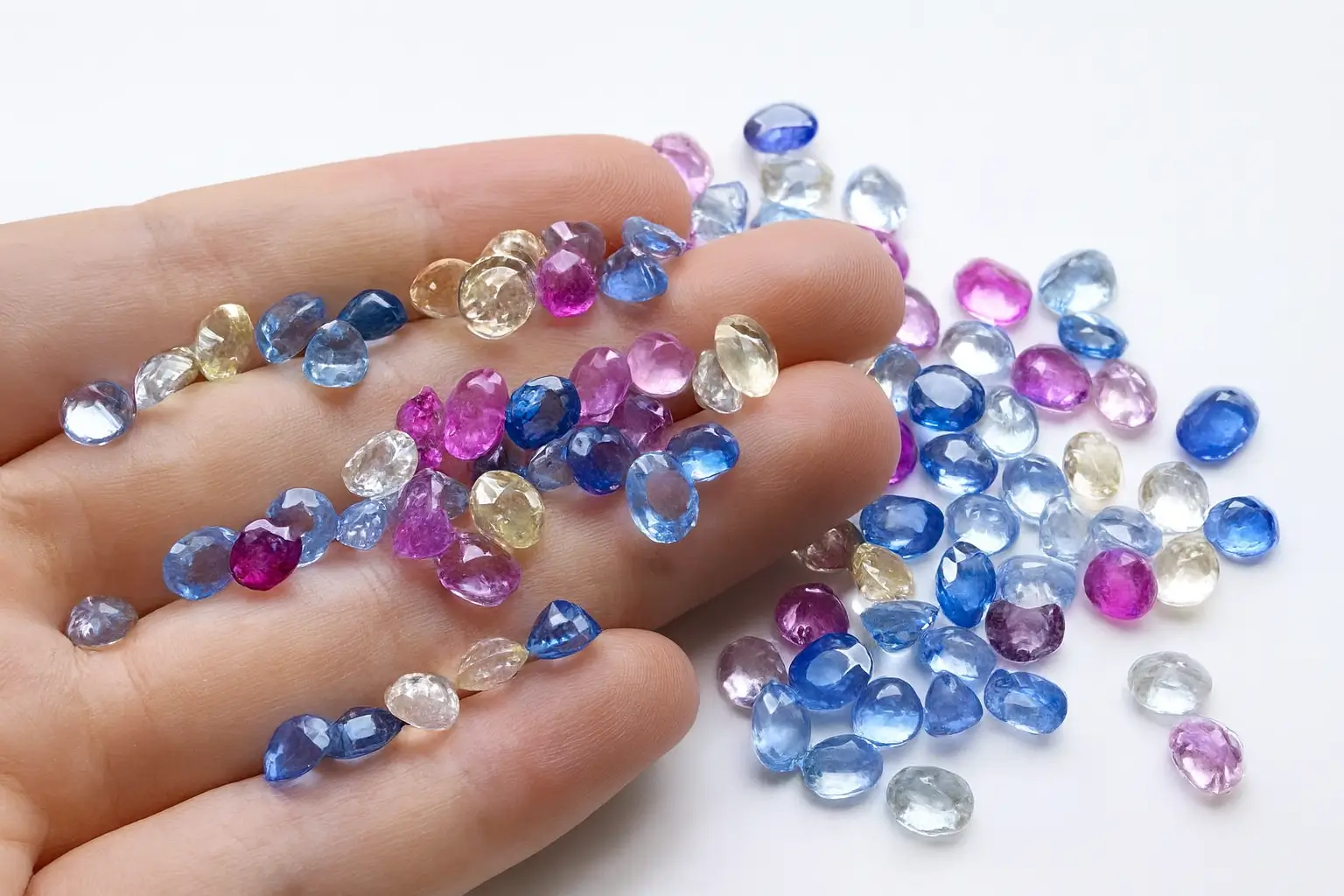
Key Gemological Data for Chang Le Sapphire (Corundum)
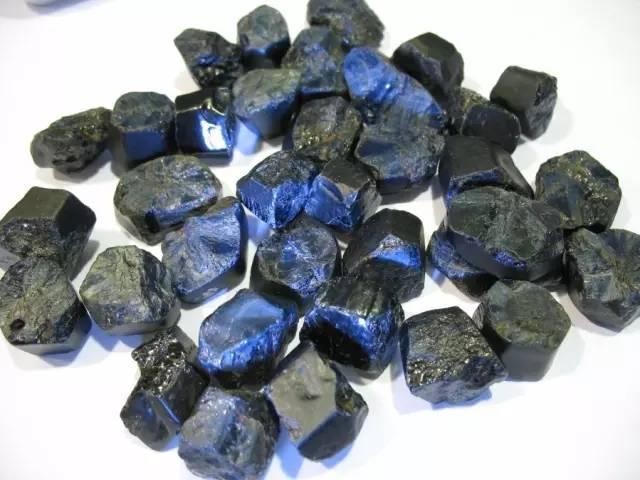
The stability and durability of sapphire make it one of the most valued gemstones. Below are the specific technical properties of this mineral:
| Property | Data | Significance |
| Mineral Name | Corundum | Aluminum Oxide mineral family |
| Chemical Formula | Al₂O₃ | Iron (Fe) and Titanium (Ti) cause the blue color. |
| Mohs Hardness | 9 | Excellent durability, second only to diamond. |
| Specific Gravity | 4.00 | Relatively dense. |
| Crystal System | Trigonal (Hexagonal) | Explains the distinct hexagonal columns and growth zones. |
How are Sapphires Formed?
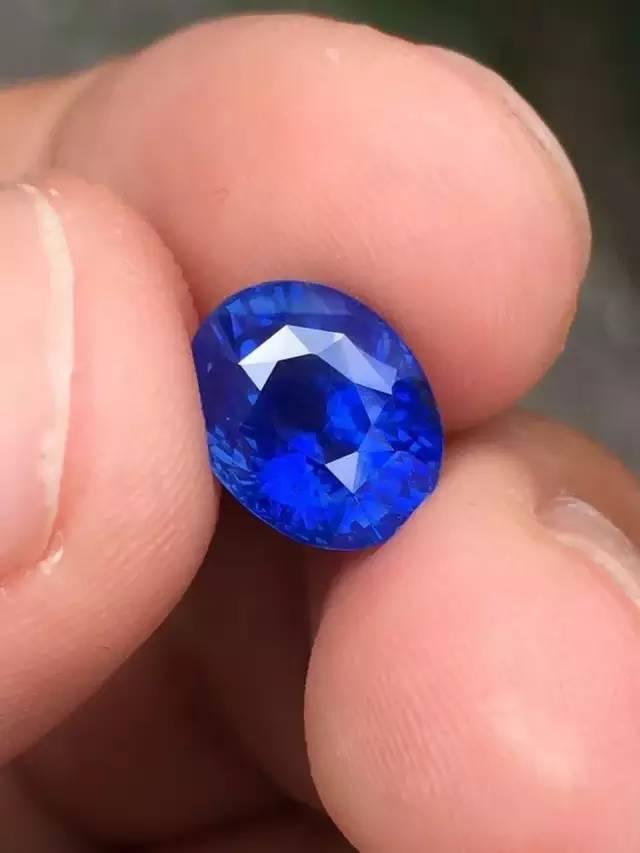
Sapphires form deep within the Earth’s mantle, where extreme heat and pressure crystallize aluminum oxide minerals into corundum. These mineral-rich formations are then brought closer to the Earth’s surface through volcanic activity, making them accessible for mining. In some cases, erosion exposes sapphire-bearing rocks near volcanoes or along riverbeds, allowing for the collection of alluvial deposits.
Mengyin Diamonds: A Monument to Chinese Gemstones History
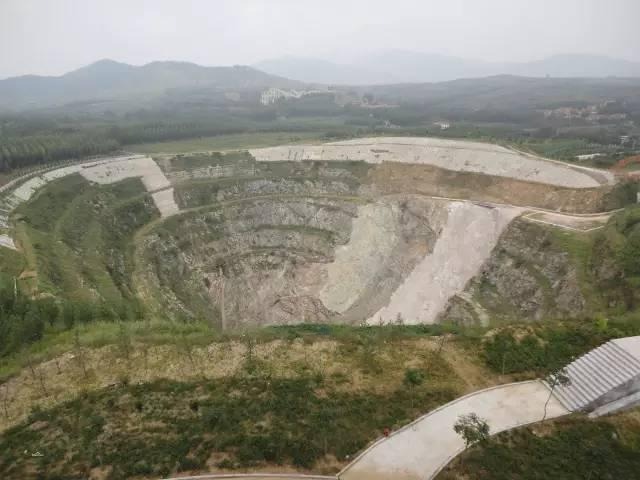
Located in the city of Linyi, Shandong Province, Mengyin Diamonds are a remarkable discovery in China’s gemstone history.In the 1960s, the discovery of the first native diamond mines in Mengyin marked the end of China’s long history without primary diamond deposits. These diamonds are mostly colorless, though some display faint yellow or brownish hues.
Shandong’s Mengyin Diamonds (Kimberlite): Unique Source of China’s Record-Breaking Gems
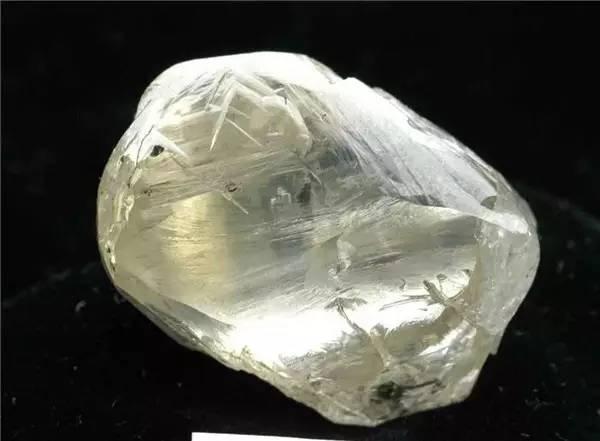
The Linyi area holds the distinction of producing some of China’s largest and most historically significant diamonds:
| Name | Discovery Year | Location | Weight (Carats) | Status |
| Jinji Diamond | 1937 | Tancheng County | 281.25 | Lost (Looted in WWII) |
| Chang Lin Diamond | 1977 | Linshu County | 158.786 | National Treasure (Largest Extant) |
How Do Diamonds Form?
Diamonds are made of pure carbon, but their unique crystalline structure sets them apart from graphite (which is also made of carbon). These diamonds form deep within the Earth’s mantle, where intense pressure and heat transform carbon atoms into the hardest natural material on Earth.
Professional Insight: Diamond Formation Parameters
The creation of a natural diamond depends on incredibly specific geological conditions within the Earth’s deep lithosphere.
- Depth: 150-200 kilometers below the surface.
- Temperature: 900-1300°C.
- Pressure: Approximately 4.5 to 6.0 Gigapascals (GPa), which is about 50,000 times the atmospheric pressure at sea level.
Volcanic eruptions, utilizing deep kimberlite pipes as conduits, often carry these precious stones rapidly to the surface, making them accessible for mining.
Taishan Jade: Serpentinite from the Foothills of Mount Tai
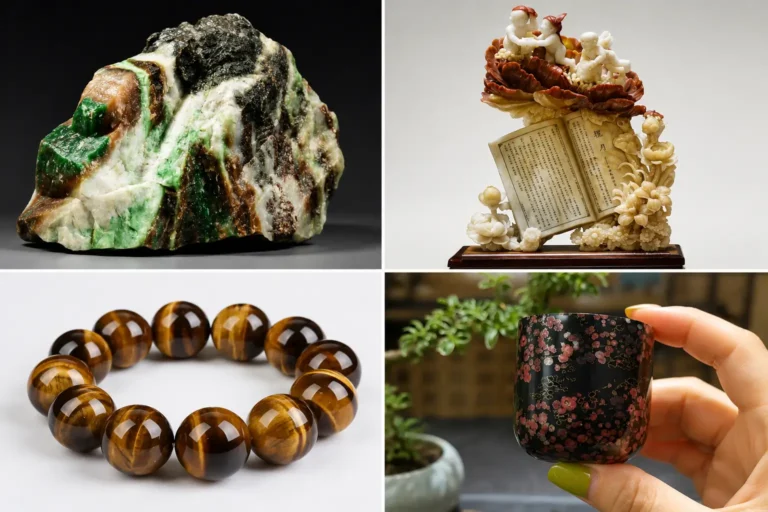
Aside from sapphire, Taishan Jade is another standout among the Gemstones of Shandong, taking its name from its origin at the foothills of Mount Tai in Tai’an. This is a serpentinite-class jade known for its dense, smooth feel. The color is primarily green—running from bright mossy tones to a near-solid black—typically broken up by irregular white or black inclusions. It ranges from opaque to semi-transparent and carries a characteristic greasy-to-waxy luster on its surface.
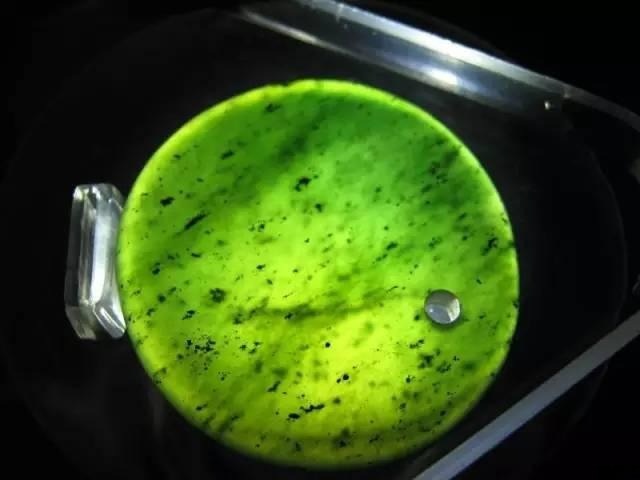
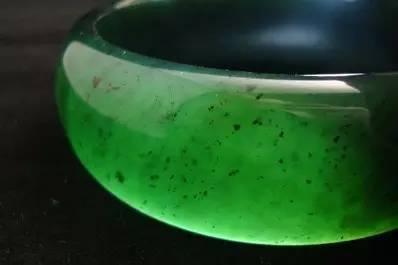
Comparing Taishan Jade to World Jades
Taishan Jade is classified as Serpentinite Jade, a beautiful and accessible material.Below is a comparison of its key properties against the two historical jade varieties, highlighting its softer nature:
| Jade Type | Mineral Group | Mohs Hardness | Specific Gravity | Relative Value |
| Taishan Jade | Serpentinite | 2.5-5.5 | 2.5-2.6 | Accessible/Mass Market |
| Nephrite Jade | Amphibole | 6.0-6.5 | 2.9-3.0 | High |
| Jadeite Jade | Pyroxene | 6.5-7.0 | 3.3-3.5 | Highest |
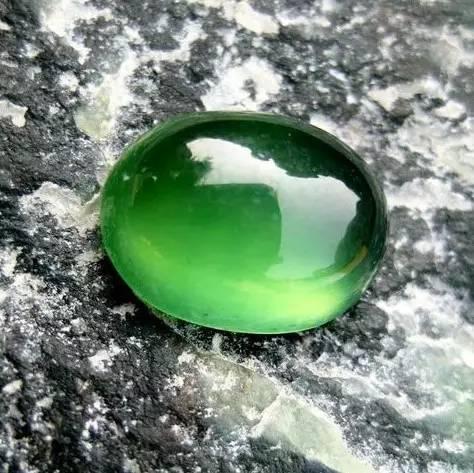
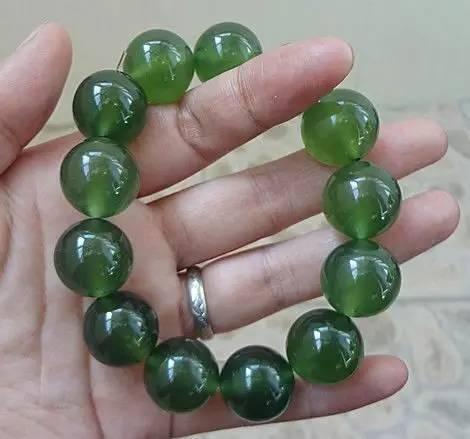
The distinct green hues of Taishan Jade have made it a symbol of tranquility and elegance in Chinese culture. Its smooth texture and radiant shine make it a sought-after material for creating finely crafted jewelry, sculptures, and ornamental pieces. Due to its relatively softer composition, however, Taishan Jade requires careful handling to prevent scratching or dulling over time.
xplore More in Our Chinese Gems Series
At Jewea, our mission is to uncover the hidden geological wonders across China. Before we dove into the Gemstones of Fujian, we explored several other regions famous for their rare and storied treasures.
Take a look back at our previous journeys:
East China
- Jiangxi: Gemstones of Jiangxi: Yingtan Yellow Wax Stone, Wannian Pearls, and Zhang River Agate | Chinese Gems Series
- Fujian: Gemstones of Fujian: Sapphire, Zircon, Garnet, and Shoushan Stone | Gems of China Series
- Anhui: Gemstones of Anhui: Huoshan Quartzite Jade, Huangshan Wax Stone & Turquoise | Gems of China Series
- Jiangsu: Gemstones of Jiangsu: Crystal, Yuhua Stone, & Taihu Stone | Gems of China Series
- Taiwan: Gemstones of Taiwan: Red Coral, Blue Chalcedony, Taiwan Nephrite & Seven-Color Jade | Gems of China Series
- Zhejiang: Gemstones of Zhejiang: Changhua Chicken-Blood Stone, Qingtian Stone, & Zhuji Pearls | Gems of China Series