Gemstones of Guangxi: Guilin Blood-Red Jasper, Dahua Jade, and Hepu Pearls | Gems of China Series
In this installment of our “Gemstones of China” series, we journey to the rugged and breathtaking landscapes of Guangxi Province in South China.
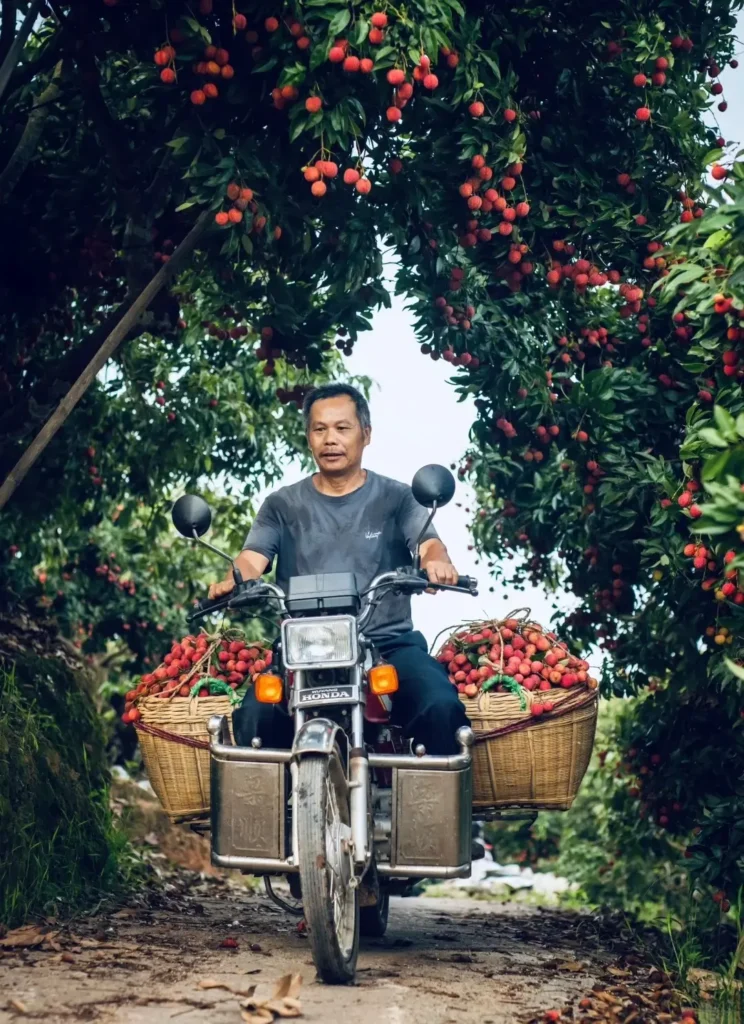
Guangxi is famously known as the “sweetest” corner of China—not just because it serves as a lush “Fruit Kingdom” for lychees and dragon fruit, but because its vast sugarcane plantations produce over 60% of the nation’s sugar. This fertile land does more than just sustain industry; it also nurtures its people, boasting the highest concentration of “longevity villages” in the country.
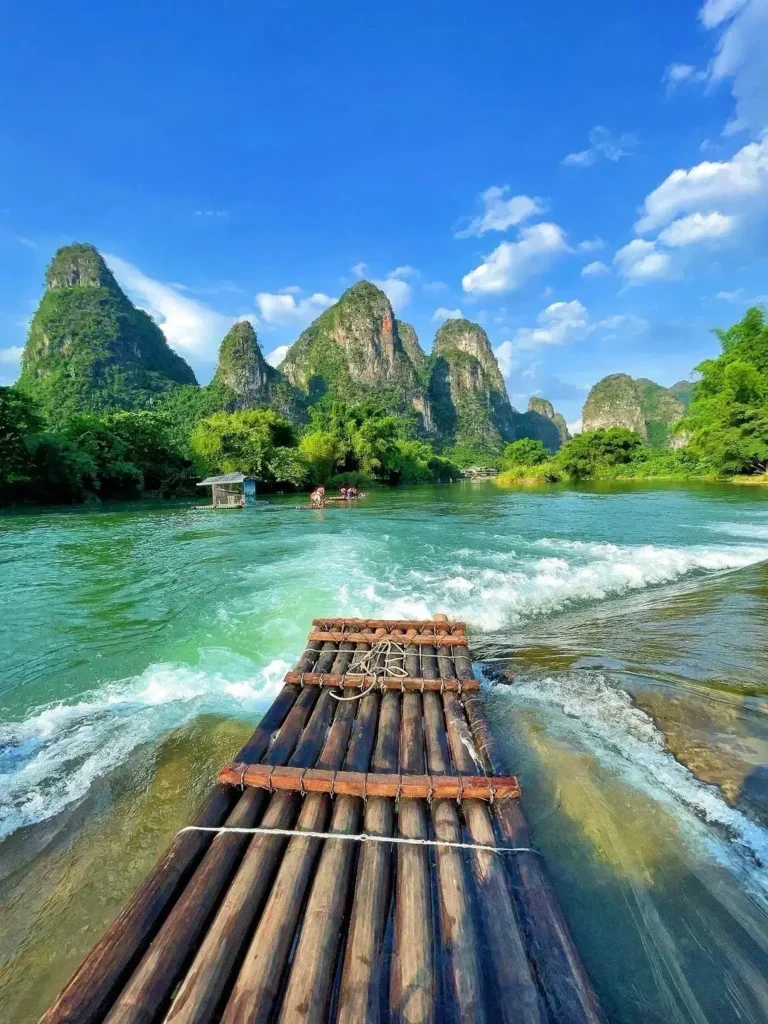
While Guilin’s world-renowned karst mountains and bold local flavors usually command the spotlight, the same ancient geology that carved those peaks also hid a wealth of mineral treasures beneath the soil. Today, we delve into the most iconic Gemstones of Guangxi: the fiery Guilin Blood-Red Jasper, the serene Dahua Nephrite, and the legendary Hepu Pearls.
Guilin Blood-Red Jasper: Named for Its Vivid Crimson Hue
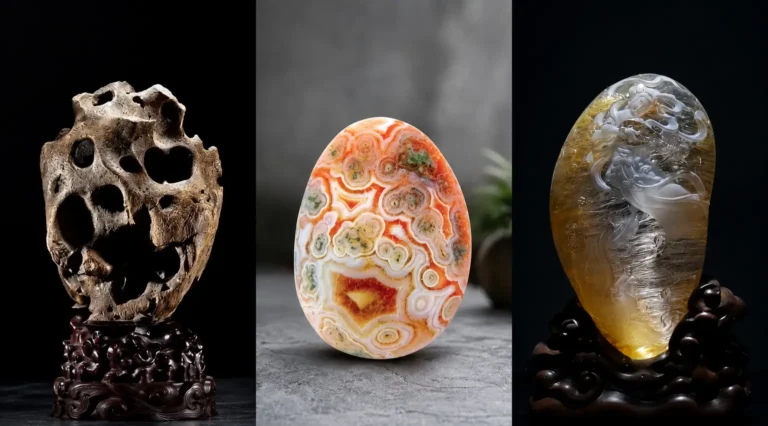
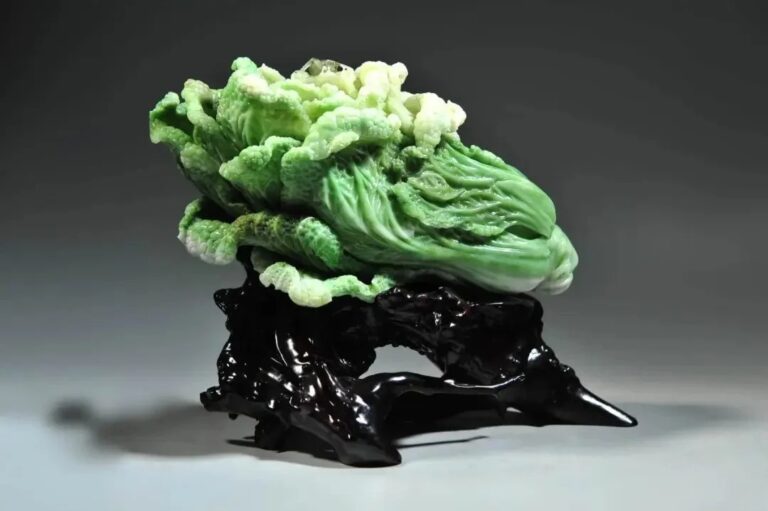
Sourced from the Longsheng Autonomous County in Guilin, Guilin Blood-Red Jasper (also known as Guilin Blood Jade) is an ancient material with a geological history dating back 800 million to a billion years. It is prized for its remarkable hardness and its vibrant, saturated crimson color, which—as the name suggests—closely resembles the intensity of fresh chicken blood.
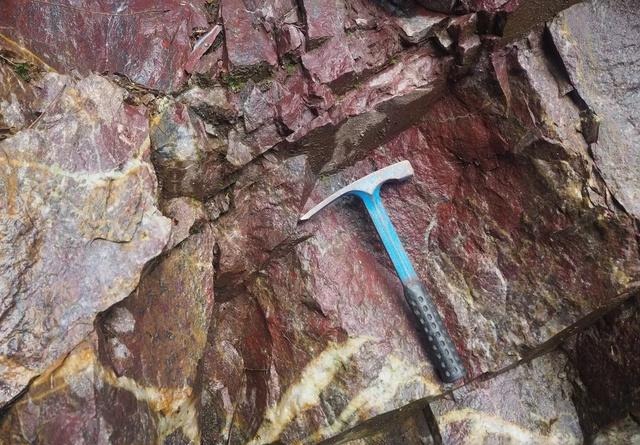
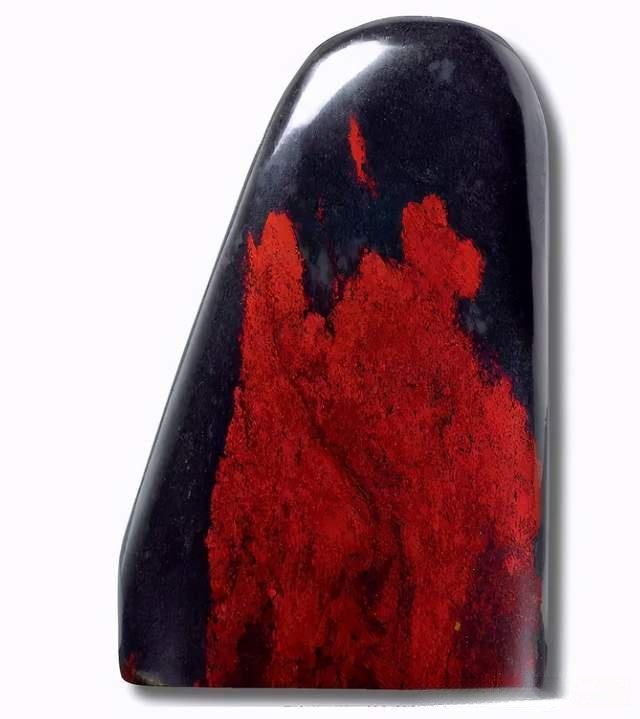
The coloration of this jasper is chemically complex. Influenced by ferric iron ions (Fe3+) and other trace elements, a single piece of Guilin Blood-Red Jasper often displays a rich spectrum of hues beyond just red, including green and yellow. Historically, the trade classifies these stones based on their color contrast into categories like Red & Yellow, Red & White, Yellow & White, and Green & White. The “Red & Black” variety is the most common and recognizable on the market; the dark background creates a sharp contrast that makes the red “blood” patterns appear significantly more prominent.
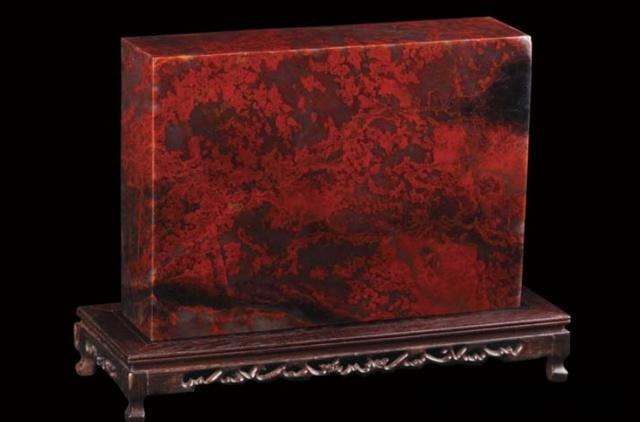
Because of this diverse palette, the stone features a variety of unique natural textures. Interlocking bands and layers of different colors weave together to form abstract, landscape-like patterns. These natural compositions give every specimen a distinct visual depth, often drawing comparisons to the ethereal beauty of traditional Chinese landscape paintings.
Guilin Blood-Red Jasper vs. Traditional Bloodstone
In our previous article on the Gemstones of Zhejiang, we discussed traditional Bloodstone. While the names “Blood-Red Jasper” and “Bloodstone” share a common theme in Chinese nomenclature (only a single character separates them), they are entirely different mineral species.
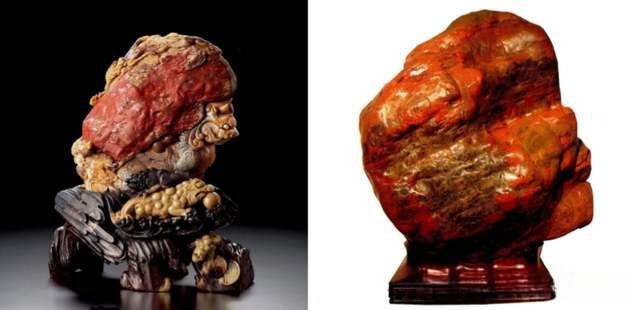
- Guilin Blood-Red Jasper: This is a quartzose jade rich in hematite, known commercially as a type of jasper or “siliceous rock.” With a Mohs hardness of 6.5 to 7, it is a durable and resilient material perfectly suited for intricate carving and jewelry, offering exceptional ornamental value.
- Traditional Bloodstone (Changhua/Balinyou): In contrast, this stone is primarily composed of dickite or other clay minerals. Its characteristic “blood” color comes from cinnabar (mercury sulfide). Because it is much softer, it has historically served as the premier choice for carved seals.
For a deeper look into the mineralogical differences between quartz-based stones and nephrite, refer to our detailed guide: Jasper vs. Nephrite Jade: The Confusing World of Red “Jade” Explained.
Accolades and Industry Recognition
Guilin Blood-Red Jasper has earned significant prestige within the arts and crafts community, solidified by several high-profile honors:
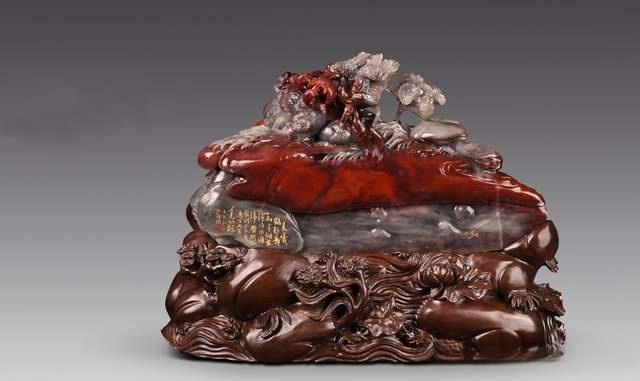
- 2012: Guilin Blood-Red Jasper carvings reached international prominence when they were designated as the official National Gift for the 9th China-ASEAN Expo.
- 2014: Master carver Chen Shaode’s piece, Fairies in the Green Wilderness, took home the Silver Medal at the prestigious “Shengong” (Divine Workmanship) Awards in Shanghai.
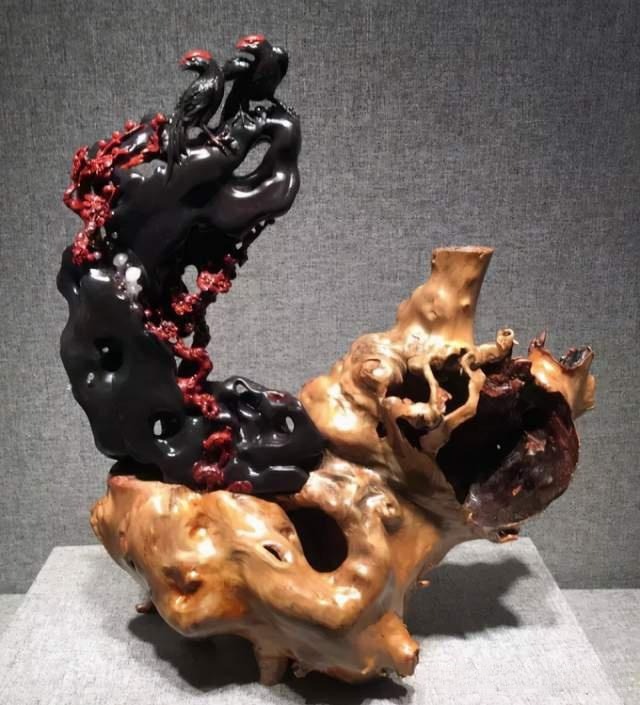
- 2015: The intricate carving Happiness on the Brows (Xi Shang Mei Shao) secured the Gold Medal at the “Baihua” (Hundred Flowers) Awards, China’s top honor for excellence in jade and stone sculpting.
Dahua Nephrite: The Hidden Gem of Guangxi
If you follow our blog, you might recognize Dahua Nephrite (Dahua Jade). We previously explored this unique variety in our article: Guangxi Nephrite: Discovering the Hidden Potential of Chinese “Seed” Jade.
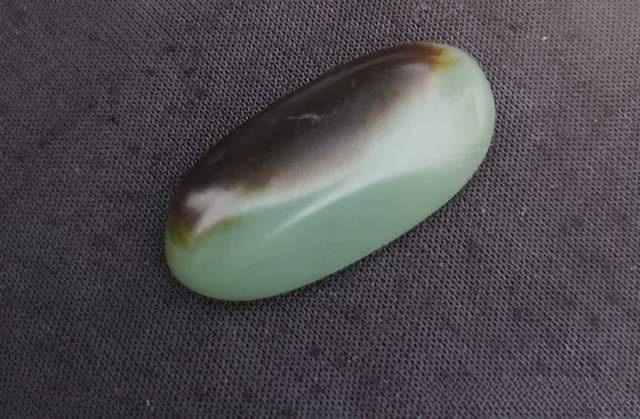
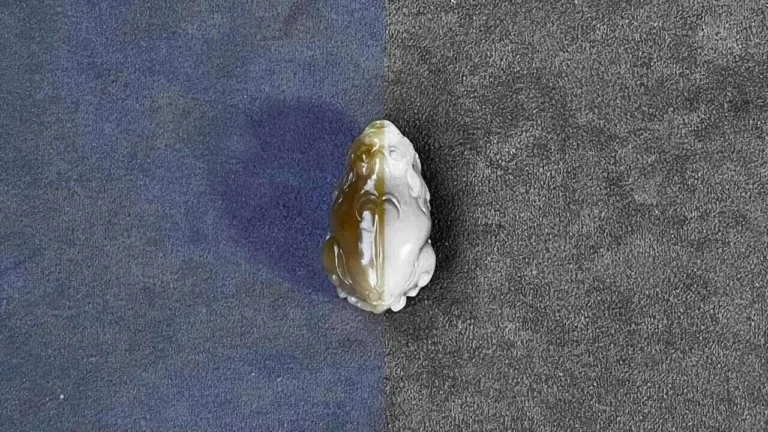
Discovered around 2008, Dahua Jade comes from the tremolite mines in the Dahua Yao Autonomous County of Guangxi. It falls under the broader classification of Hetian Jade. Much like its famous counterparts, Dahua Jade boasts a diverse color palette, ranging from classic whites and greens to blacks, “sugar” browns, and celadon hues.
The Distinction Between Mountain and Seed Materials
Most people assume that only Hetian Jade from Xinjiang distinguishes between “Mountain Material” (Shan Liao) and “Seed Material” (Zi Liao). However, Dahua Jade is a rare exception that features both types.
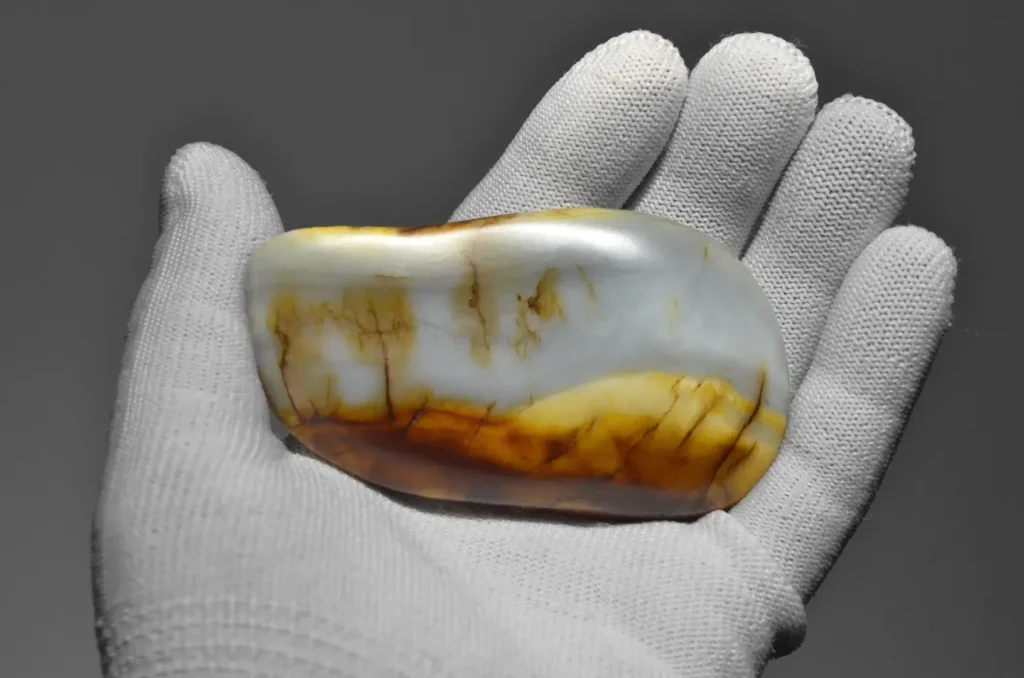
- Mountain Material: Generally, the Mountain Material from Dahua lacks the desirable “oily” luster of high-end jade. It often feels “dry” or “stony,” with a dense, porcelain-like texture. Because it lacks a distinct reputation of its own, merchants frequently sell high-grade Dahua Mountain Material as substitutes for Tagem (Ta Qing) or Qinghai jade.
- Seed Material: In contrast, Dahua Seed Material offers a much finer texture. These stones bear the natural smooth marks of river erosion and carry significant market value.
Despite its quality, a gap in consumer awareness persists. Because few people recognize Dahua as a source for authentic Seed Material, unscrupulous sellers often mislabel premium Dahua specimens and sell them as authentic Xinjiang Hetian Seed Jade.
Hepu Pearls: The Legendary “South Pearls” of China
An ancient Chinese proverb states: “Western pearls are inferior to Eastern pearls, and Eastern pearls are inferior to South pearls.”
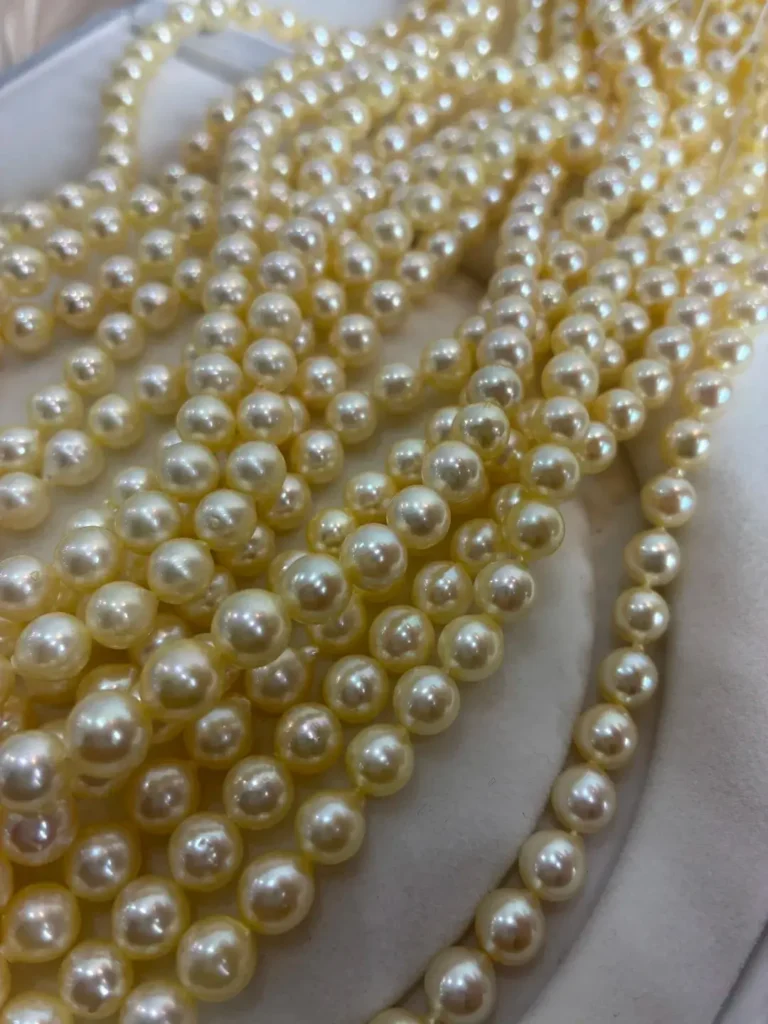
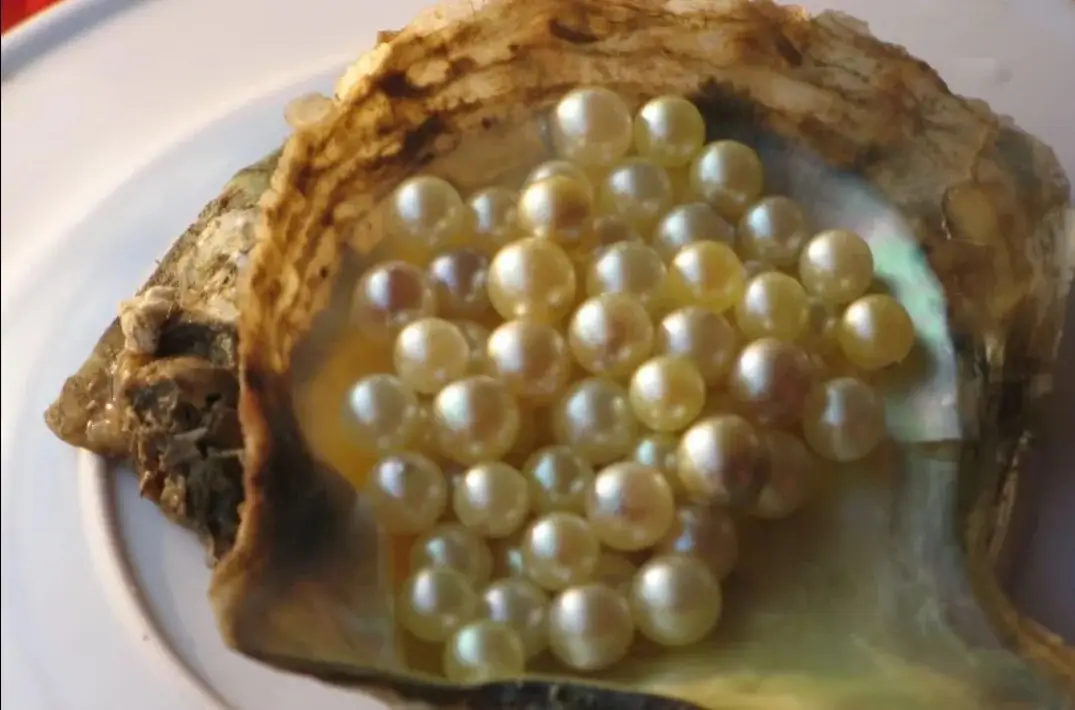
This “South Pearl” refers to a specific caliber of gemstone. These pearls are famous for their perfectly round shape, substantial weight, and a deep, enduring luster. Historically, they served as prized tributes for the imperial court. Most originate from the coastal waters of Guangxi and the Leizhou Peninsula in Guangdong.
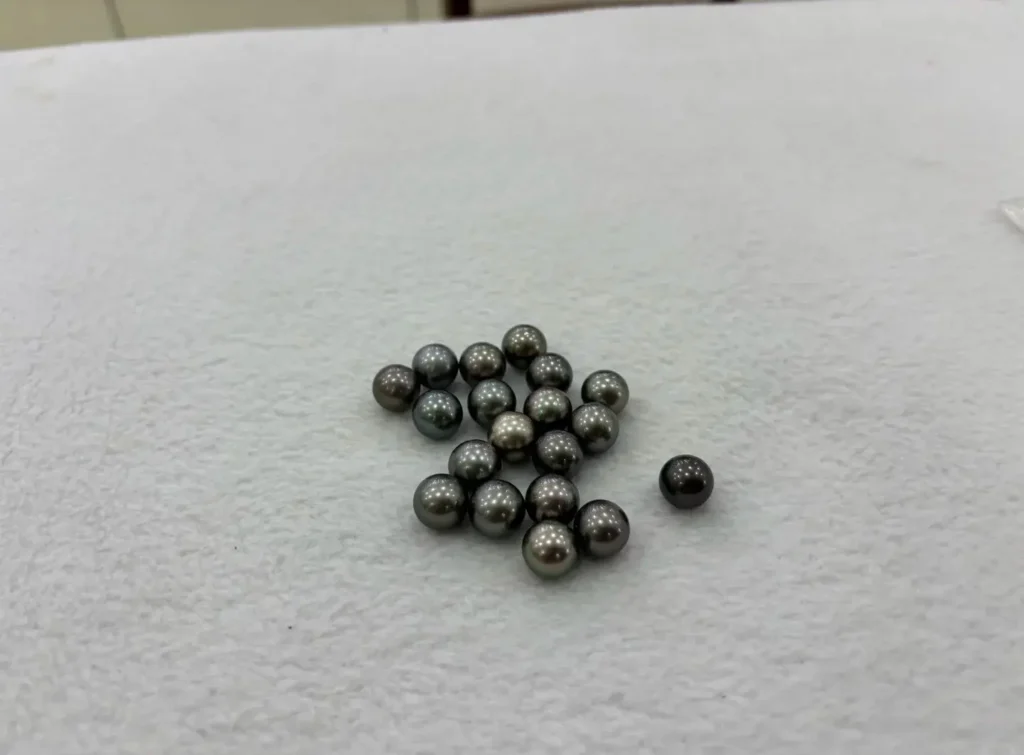
In our previous article, Gemstones of Guangzhou, we explored the pearls of Leizhou. Today, we turn our attention to the Hepu Pearl from Guangxi. Modern-day Hepu County produces pearls renowned for their vibrant colors and crystalline transparency. While local harvesters occasionally find pearls in red conchs or sea clams, these rarely match the exquisite quality of those found in traditional pearl oysters.
Exceptional Natural Endowments and Harvesting History
The superb quality of Hepu pearls stems directly from the region’s unique natural conditions and geography. Situated along the shores of the Beibu Gulf, Hepu features expansive, well-protected bays that shield the waters from harsh cold spells. The seabed consists primarily of clean sand, while the seawater maintains a remarkably stable salinity level. Furthermore, the subtropical monsoon climate fosters an abundance of plankton. This provides an ideal, nutrient-rich environment for pearl oysters to thrive.
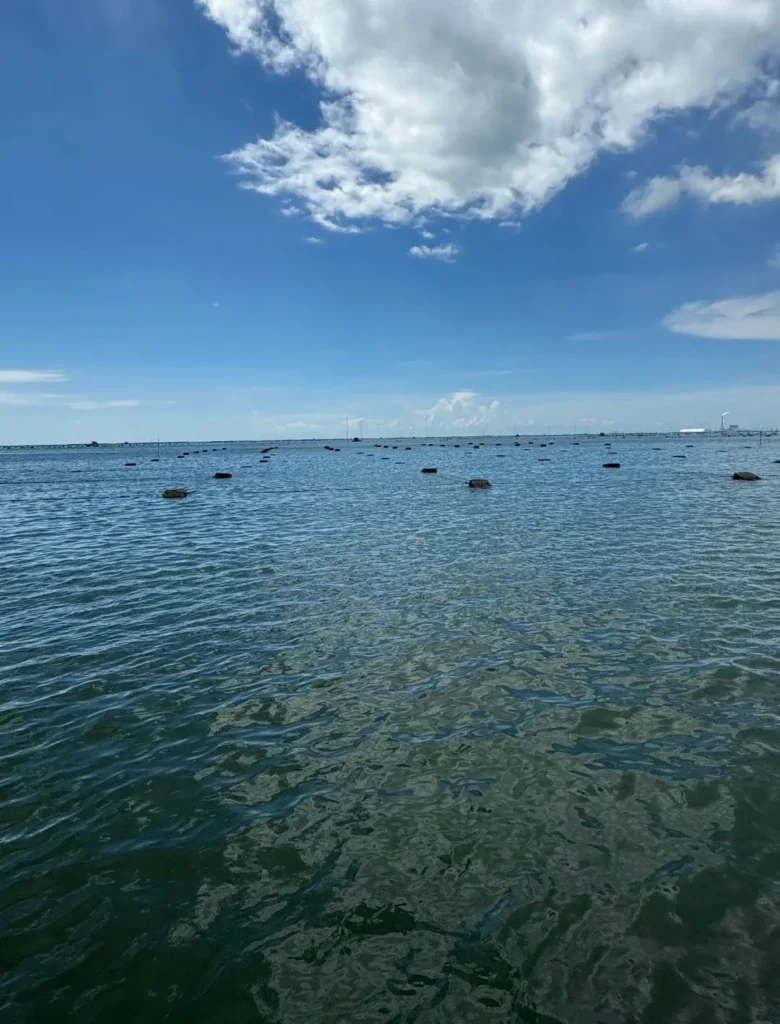
The local pearl industry has deep roots, with records of harvesters working these waters over 2,000 years ago. However, early technical limitations made the work grueling and dangerous. Yields remained incredibly low during this period. Pearl divers frequently returned empty-handed.
From Wild Harvesting to Modern Cultivation
The Hepu pearl industry only officially shifted from wild harvesting to systematic pearl farming after 1949. Under government guidance, the region began developing large-scale cultivation bases. Local authorities promoted new scientific techniques and bred improved oyster varieties. They also established integrated processing plants to manufacture finished pearl jewelry.
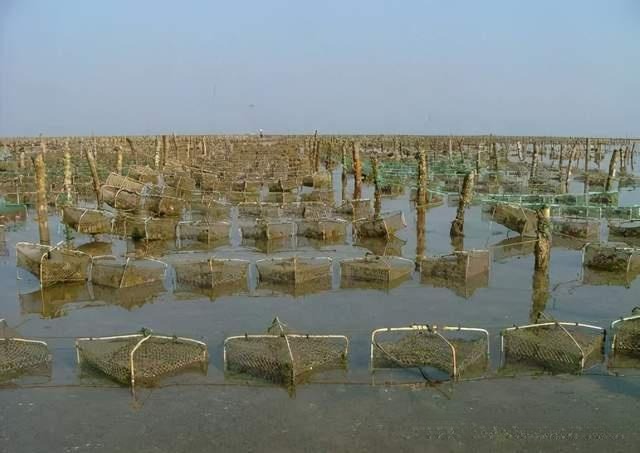
By 1995, the scale of production had grown exponentially. Cultivation areas expanded from just a few hectares in the 1960s and ’70s to over 1,300 hectares. Pearl yields increased dozens of times over. Consequently, the pearl trade evolved into a cornerstone of the local economy.
Today, many of the Akoya pearls you see on the market actually originate from Beihai. These Chinese Akoya pearls represent the modern legacy of Hepu’s ancient pearl-making tradition.
Explore More in Our Chinese Gems Series
At Jewea, our mission is to uncover the hidden geological wonders across China. Before we dove into the Gemstones of Guangxi we explored several other regions famous for their rare and storied treasures.
Take a look back at our previous journeys:
South China