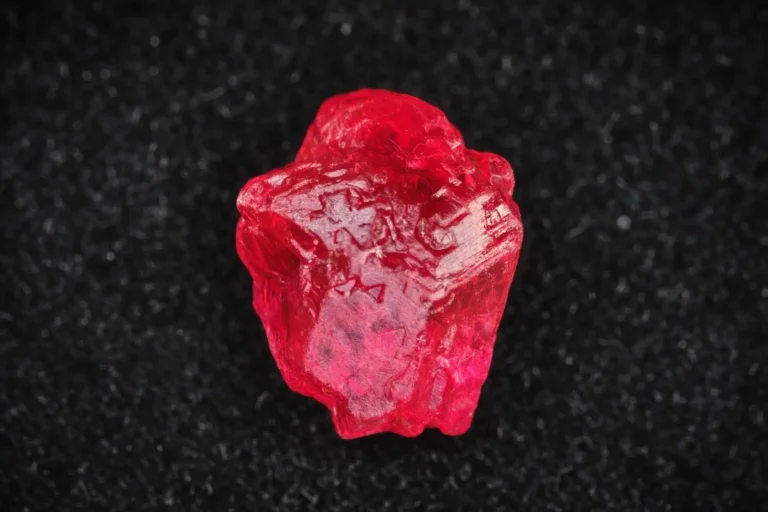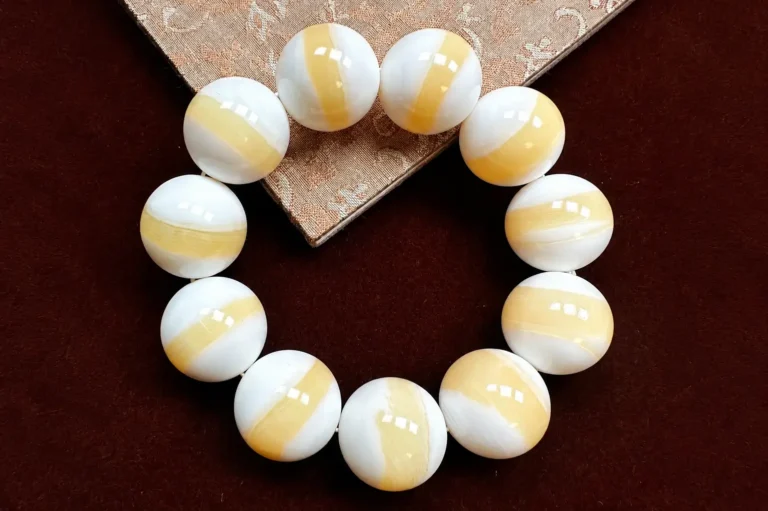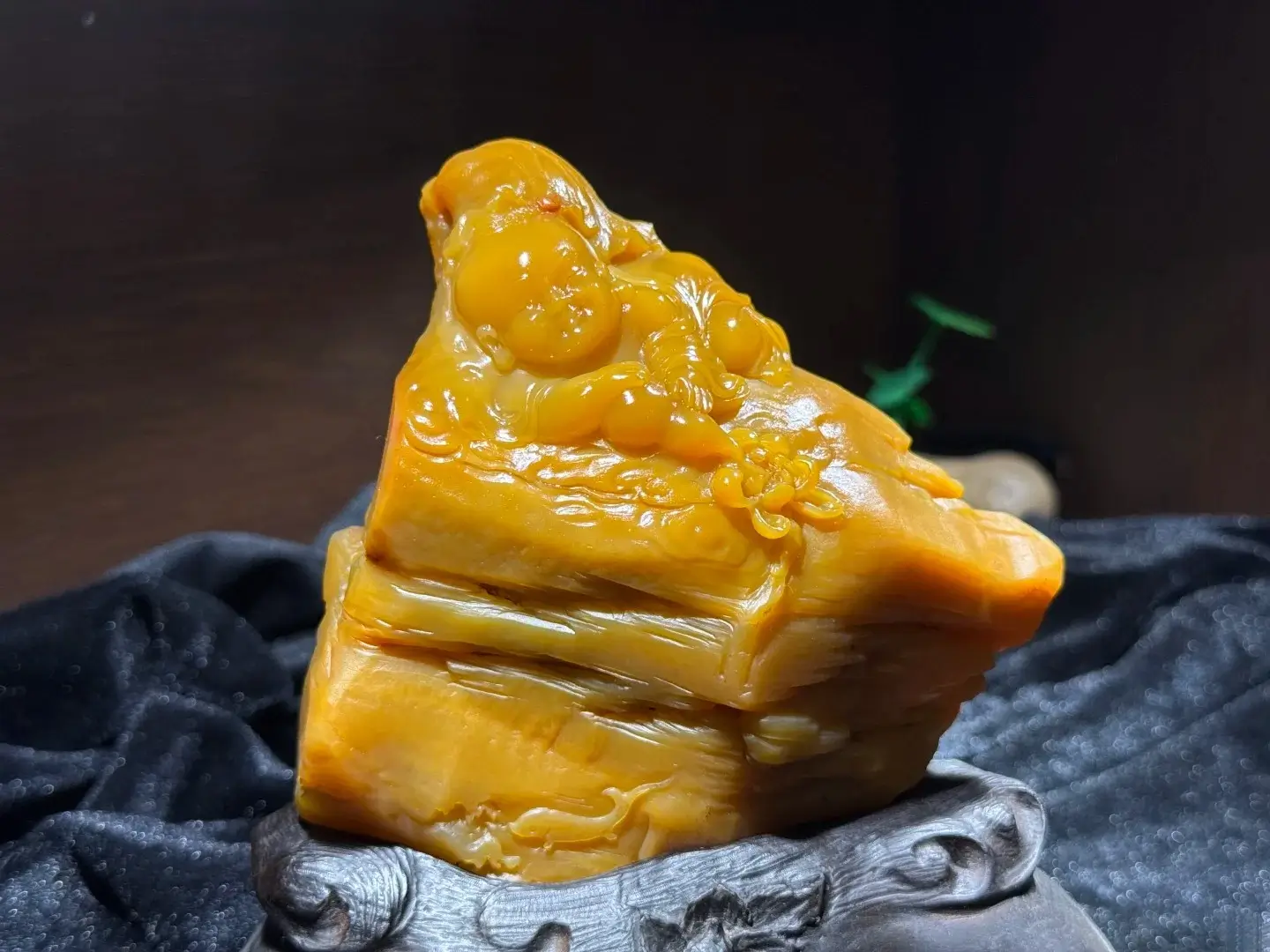
Gemstones of Guangdong: Yangchun Malachite, Leizhou Southern Pearls, and Taishan Jade | Chinese Gems Series
In this installment of our “Gemstones of China” series, we shift our focus to the south to explore the vibrant and storied gemstones of Guangdong.
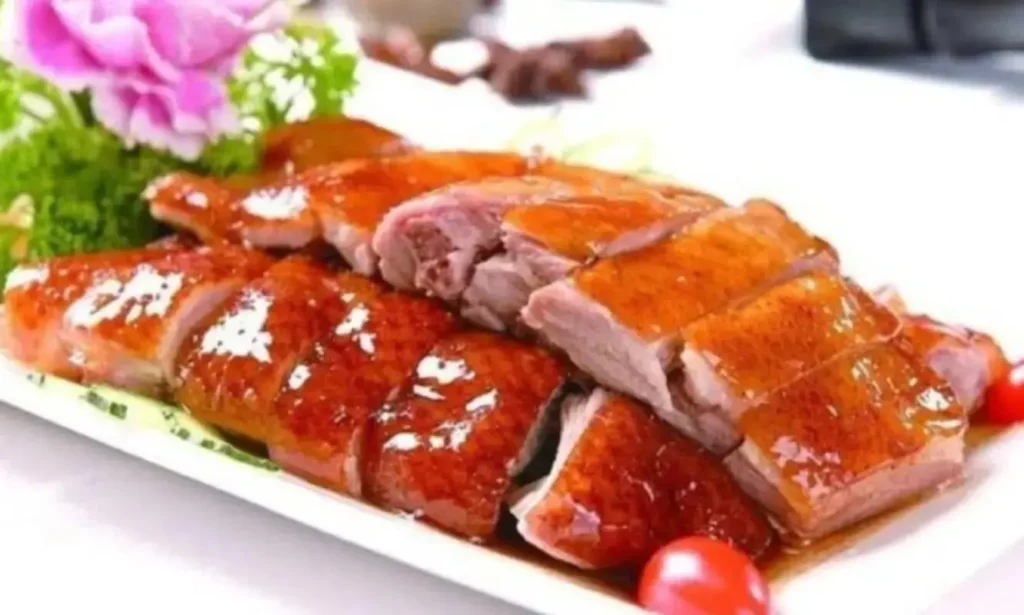
When people mention Guangdong, the first thing that usually comes to mind is its legendary culinary scene. From the delicate rituals of Yum Cha (Cantonese morning tea) and succulent roasted goose to nourishing slow-cooked soups and silky desserts, the local flavors are enough to make anyone’s mouth water.
However, as China’s leading economic powerhouse, Guangdong offers far more than just world-class cuisine. The province is also home to a hidden wealth of mineral treasures. Today, I’m taking you on a journey to explore the most prestigious Gemstones of Guangdong: Yangchun Malachite, Leizhou Southern Pearls, and Taishan Quartzite Jade (locally known as Taishan Yu). Each of these treasures tells a unique story of South China’s rich mineral heritage.
Yangchun Malachite: An Ancient Legacy Among the Gemstones of Guangdong
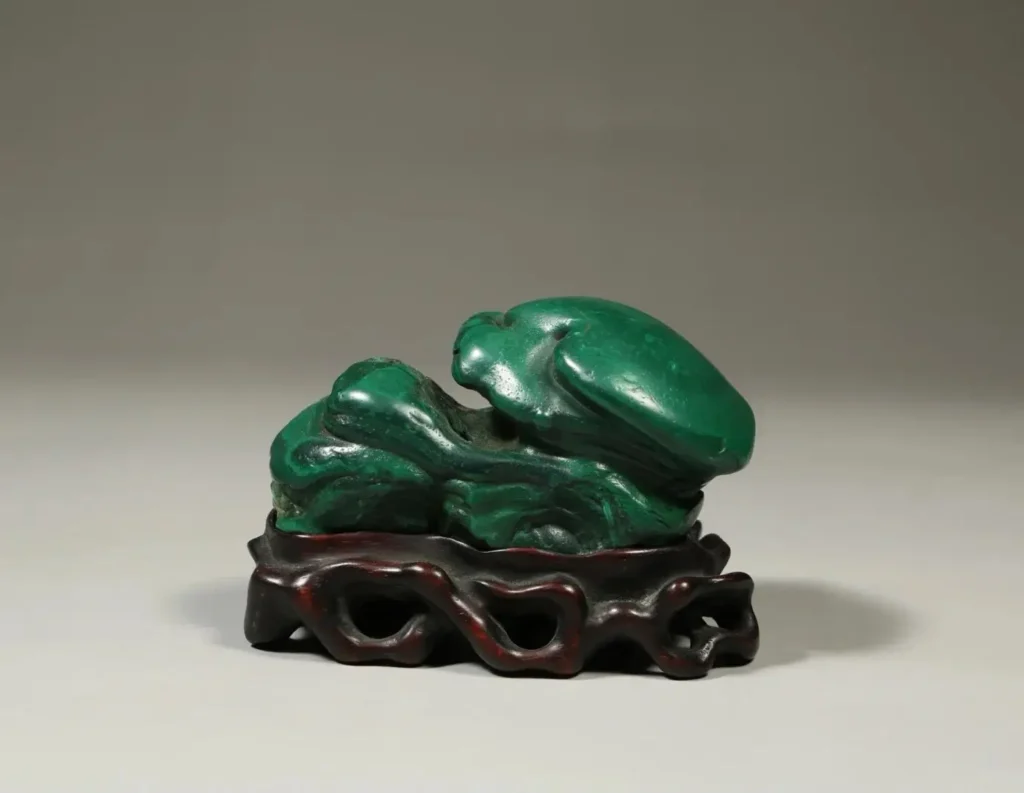
Yangchun officially designates Malachite as its “City Stone,” honoring it as one of the region’s “Three Treasures.”
Sourced primarily from the Mashui and Shilu deposits, this area boasts the largest malachite reserves in China. Its Chinese name, Kongqueshi (Peacock Stone), perfectly captures its essence: vibrant emerald hues with swirling patterns that mirror the regal feathers of a peacock.
Production surged in the mid-1960s at the Shilu mine, sparking a sensation that resonated far beyond China’s borders. During this peak, collectors and gem merchants from across the globe descended upon Yangchun to acquire these exceptional specimens.
The Versatile Uses of Malachite
Malachite is a remarkably versatile mineral with a history of use that extends far beyond simple adornment. Throughout history, it has served several critical roles across art, industry, and architecture:
- Jewelry and Accessories: While beautiful, malachite is relatively soft, with a Mohs hardness of only 3.5 to 4. Because it can lose its luster with prolonged wear, it is most commonly used for beads, pendants, and brooches rather than rings.
- Industrial and Scientific Applications: It serves as a traditional source for copper smelting and is utilized in specialized medical research.
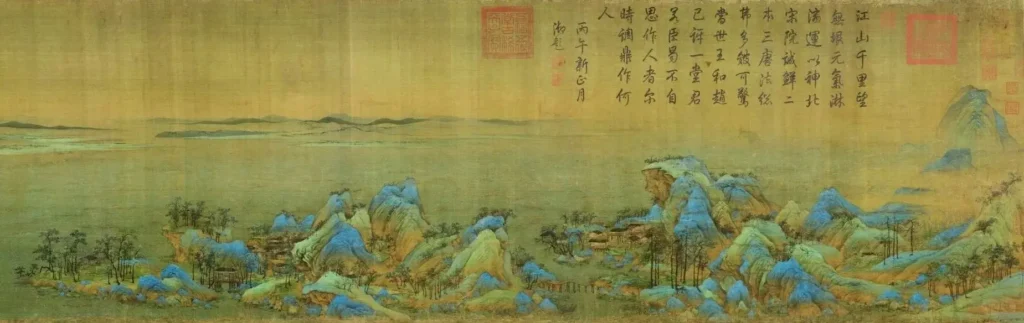
- Production of Fine Pigments: Malachite is the source of the legendary pigment “Mineral Green” (Shi Lu).
- Its most iconic application is found in the Song Dynasty masterpiece, A Thousand Li of Rivers and Mountains. The artist used finely ground malachite powder as the primary pigment to capture the majestic, rolling landscapes. Thanks to the mineral’s exceptional stability, these brilliant greens have remained vivid for over a thousand years.
- Ornamental and Collector Specimens: Beyond its functional uses, malachite is a highly prized ornamental stone.
- Its value stems from a rich color palette—ranging from lush emerald and deep forest green to pale seafoam green—and its fascinating crystal habits. It naturally occurs in several striking forms, including acicular sprays (needle-like), botryoidal clusters (grape-like), and stalactites.
- Architectural Material: In certain regions, malachite has even been used on a grand architectural scale.
- A prime example is the Malachite Room in Russia’s Winter Palace. The Romanov dynasty used over 1,100 kilograms of top-grade malachite as a decorative building material for fireplaces, vases, and tabletops. The intoxicating “Peacock Green” set against shimmering gold remains a testament to imperial luxury.
With its combination of vibrant color and structural diversity, malachite remains a unique treasure, equally valued by industrial historians, fine artists, and serious mineral collectors.
The Formation of Yangchun Malachite
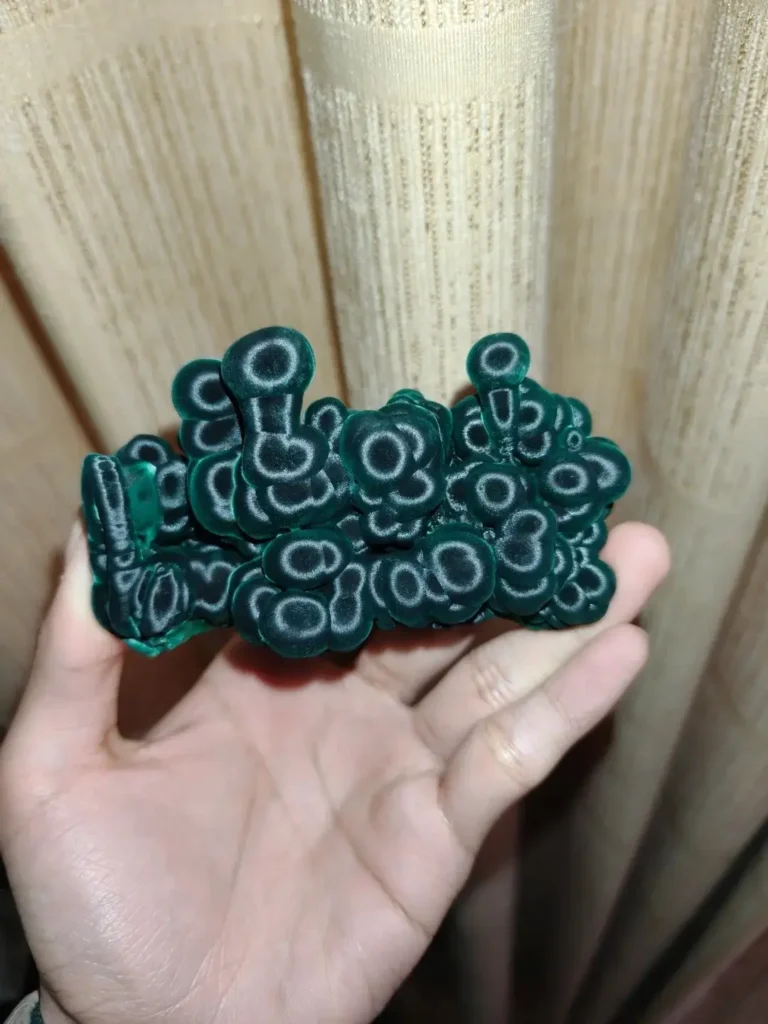
The vast reserves of malachite found in Yangchun are the direct result of a unique and powerful geological environment.
Hundreds of millions of years ago, intense tectonic activity led to the formation of numerous small-to-medium-sized copper and iron deposits in areas like Shilu. This geological foundation, combined with Yangchun’s exceptionally rich groundwater resources, created the perfect “recipe” for malachite to grow.
The actual transformation occurs when copper-rich solutions interact with local limestone. As carbonic acid within the water erodes the copper minerals, they are redeposited into rock fissures and veins. Over eons, this chemical reaction crystallizes into the stunning, diverse forms of malachite we admire today.
Leizhou Nan Zhu: The Definitive Southern Pearl of Guangdong
In the lexicon of Chinese heritage, one adage has stood the test of centuries: “Western pearls are fine, but Southern pearls are peerless.” Traditionally, the Chinese used the term “Western pearls” for imports from the West, while “Eastern pearls” described wild specimens harvested from the Heilongjiang River basin. The legendary Southern Pearls (Nan Zhu), however, hail from the coastal waters of Hepu and the Leizhou Peninsula in Guangdong.
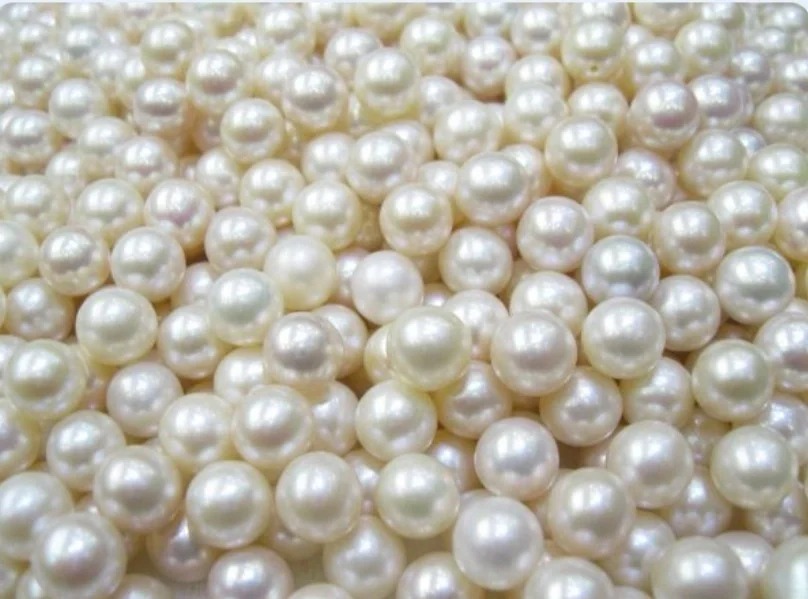
These pearls earned their reputation through their perfectly round shape, substantial size, and a deep, enduring luster that resists fading. Throughout history, they were prized as imperial tributes. However, centuries of over-harvesting eventually depleted the wild oyster beds, causing the industry to decline for a period.
The Evolution of Leizhou Southern Pearl Cultivation
The modern revival of the Southern Pearl began in 1957. Following a directive from Premier Zhou Enlai, the regions of Hepu and Leizhou pioneered artificial pearl cultivation. Leizhou quickly emerged as the primary production hub, with Liusha Village earning the prestigious title: “China’s Number One Pearl Village.”
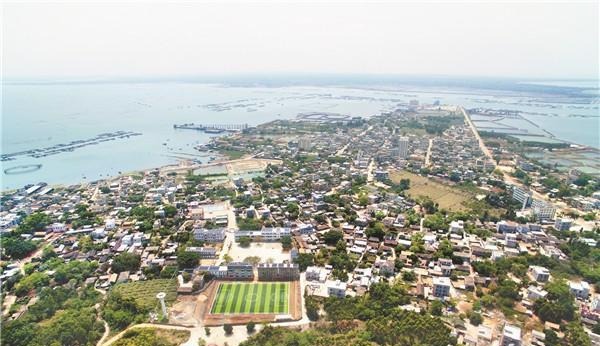
By the early 1960s, pearl farming had become the lifeblood of the local community, with nearly every household involved in the trade. This industrious spirit fueled a massive expansion; by the 1990s, Leizhou’s annual output surged past 30 tons, solidifying its position as the largest Southern Pearl production base in China.
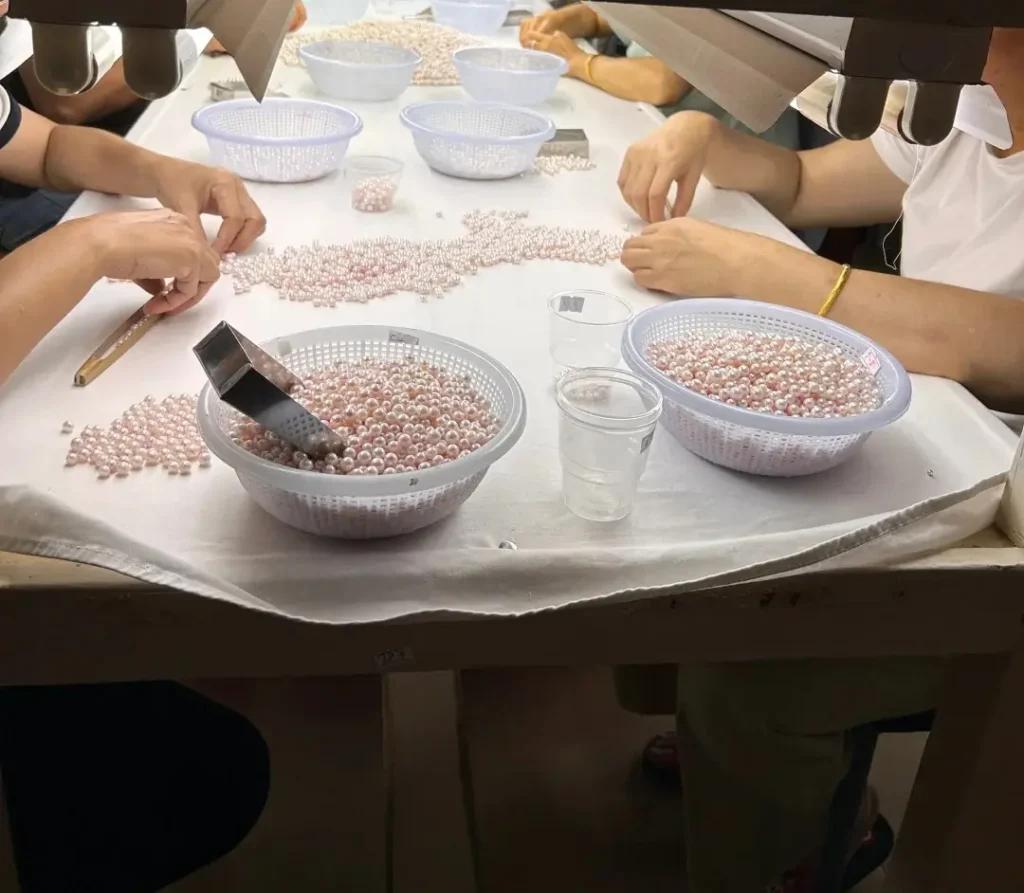
The success of these pearls stems from the region’s unique marine environment. Pearl oysters are notoriously sensitive, but the waters of Liusha Bay provide a flawless sanctuary. The bay combines a temperate climate with pristine water quality and a vast abundance of plankton—the essential nutrients required for oysters to produce high-quality nacre.
However, the industry faced a difficult turning point at the start of the millennium. Driven by short-term profits, some cultivators compromised quality, causing the trade to falter. Nature then struck a devastating blow in 2007, when a tropical storm triggered catastrophic flooding that wiped out nearly the entire year’s harvest. Shortly after, the 2008 global financial crisis delivered a final blow, forcing many seasoned farmers to abandon the trade entirely.
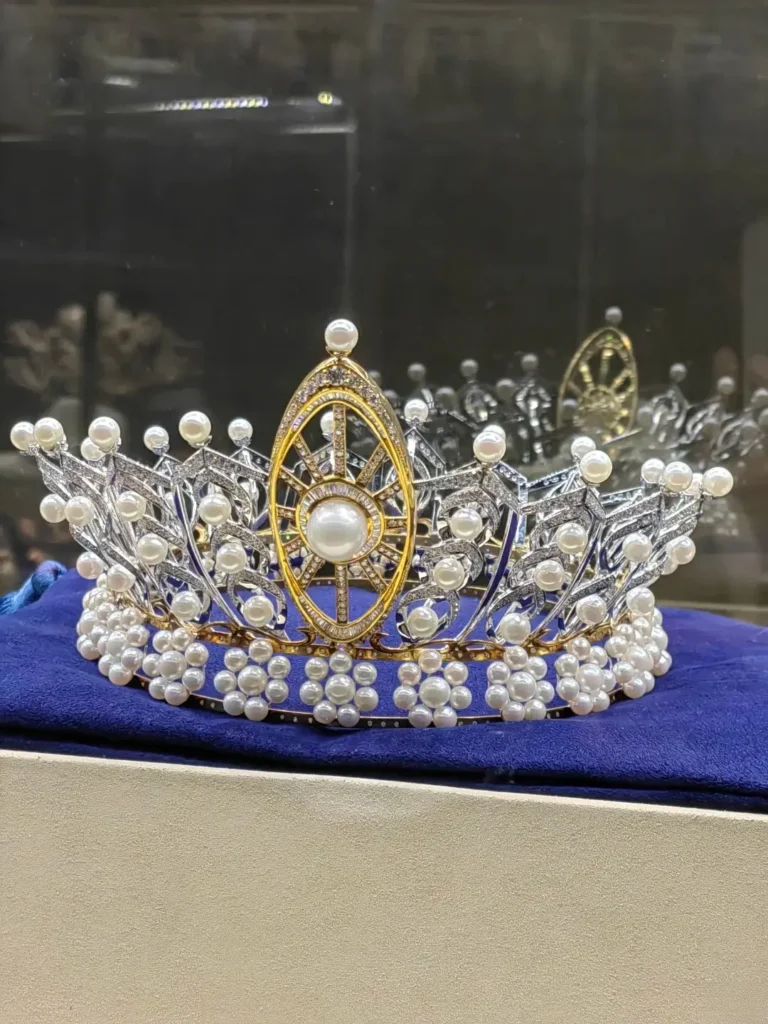
Today, a new chapter is unfolding. To revitalize this heritage, the government has implemented strategic industrial plans and support policies aimed at restoring the Liusha Southern Pearl brand. With this renewed focus on quality and tradition, the industry is poised to reclaim its former glory and see the Southern Pearl rise once again.
Taishan Jade: The Signature Quartzite Gemstones of Guangdong
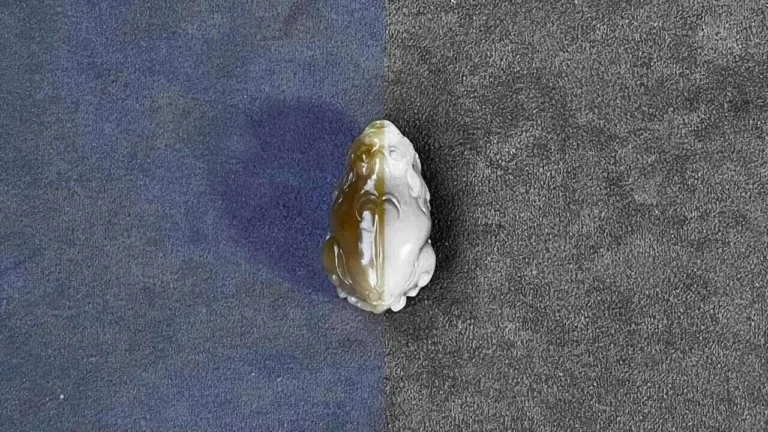
Taishan Jade, one of the signature quartzite gemstones of Guangdong, originates from the Naqin Bay area of Taishan. Known originally as “Yellow Wax Stone” (Huang La Shi), it underwent a branding transformation to “Taishan Jade” as it gained recognition in the gem market.
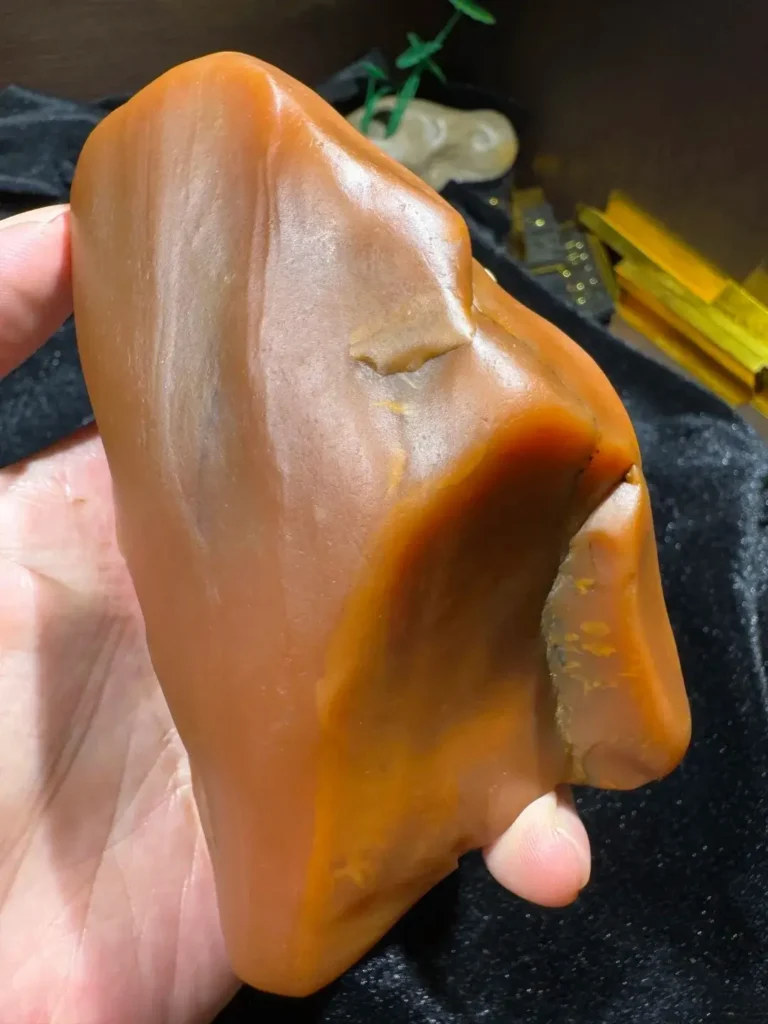
Mineralogically, Taishan Jade consists primarily of cryptocrystalline quartz, boasting a Mohs hardness of 6.5 to 7 and a luster that transitions from waxy to greasy. To the touch, it is exceptionally fine and “oily,” with a high degree of toughness.
Taishan Quartzite Jade displays a vibrant palette, featuring unique varieties like “Crow Skin,” “Ice Skin,” “Sugar-Core Jelly,” and “Red Jelly.” While the internal structure is slightly loose, this characteristic does not hinder its “playability.” While its internal structure is slightly loose compared to nephrite, this characteristic does not hinder its ‘playability.’ Gemstone enthusiasts still favor the stone for the tactile process of ‘seasoning’ the material through handling.
The Rise, Speculation, and Market Correction
In its early years, locals saw no inherent value in these stones. They frequently using them as common road-paving material. This changed in the 1990s when a merchant from Chaozhou recognized their potential and began large-scale acquisitions. At the time, local residents often mocked these “outsiders” for purchasing what they considered worthless rocks.
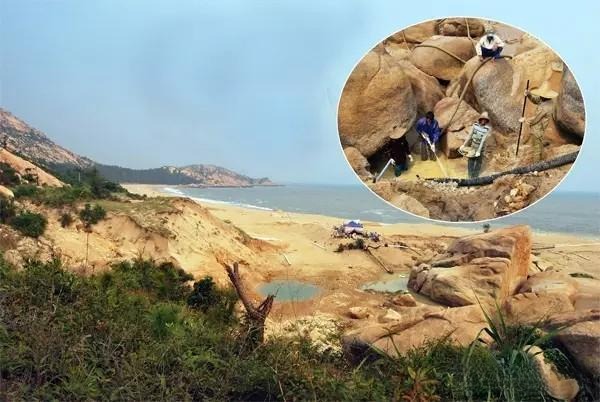
Taishan Jade closely resembles prestigious Tianhuang and Shoushan stones. Leveraging this similarity, unscrupulous dealers once sold it as Tianhuang imitations. Around 2008, savvy merchants from Zhejiang, Fujian, and Guangdong orchestrated a marketing push, positioning Taishan Jade as the next “Huanglong Jade” investment. This sparked a massive “Jade Rush” that transformed the fortunes of local farmers and stone traders. Prices skyrocketed from a few hundred dollars per truckload to several thousand dollars per kilogram.
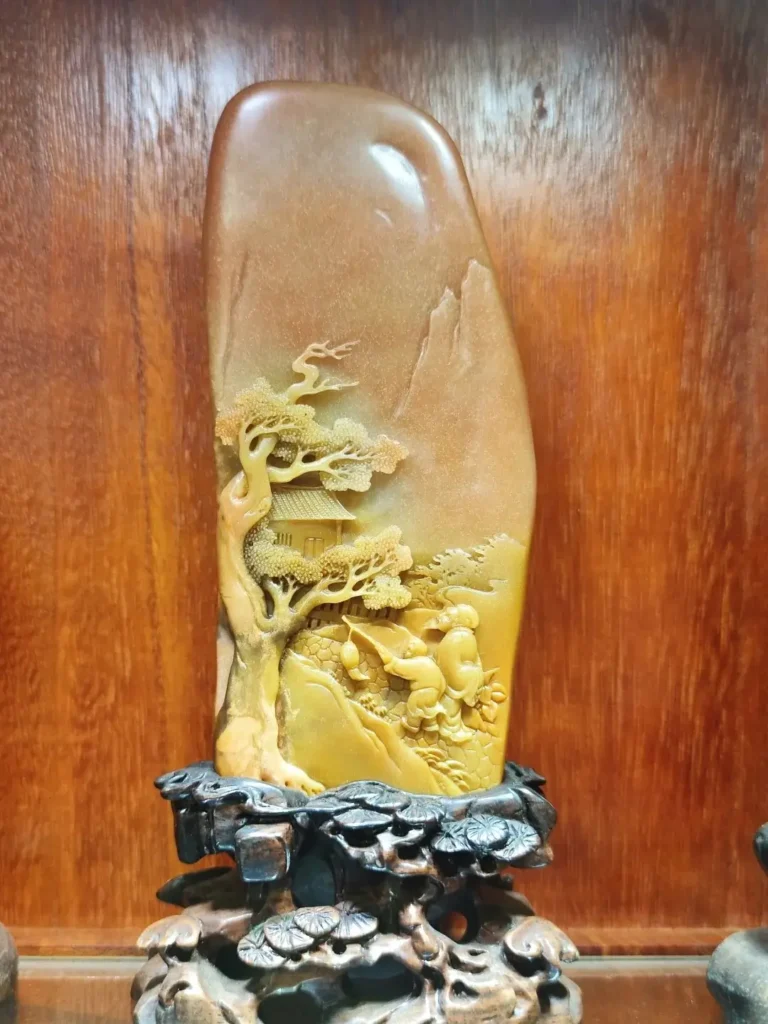
At the height of the market, prices inflated by thousands of times, distancing the stone from most collectors. Structurally, Taishan Jade remains a quartz-based mineral. Recent economic shifts have triggered a sharp price correction, bringing costs down significantly from their peak. While the speculative era has passed, the material still holds its aesthetic appeal. At today’s more realistic price points, it remains a practical option for ornamental carvings and interior displays.
Explore More in Our Chinese Gems Series
At Jewea, our mission is to uncover the hidden geological wonders across China. Before we dove into the Gemstones of Guangdong, we explored several other regions famous for their rare and storied treasures.
Take a look back at our previous journeys:
South China