Gemstones of Hebei: Peridot and “Warring States Red” Agate | Chinese Gems Series
After exploring world-class gems from across the globe, Jewea is turning its lens inward. Our “Gemstones of China” series continues as we head to the heart of the North China Plain to explore the diverse and historic Gemstones of Hebei.
When we discuss China’s cultural heavyweights, Hebei inevitably commands the conversation. As a primary cradle of Chinese civilization, this region boasts over 5,000 years of documented history. Today, it serves as a massive open-air museum, home to over 34,000 immovable cultural relics and hundreds of national-level intangible heritage projects.

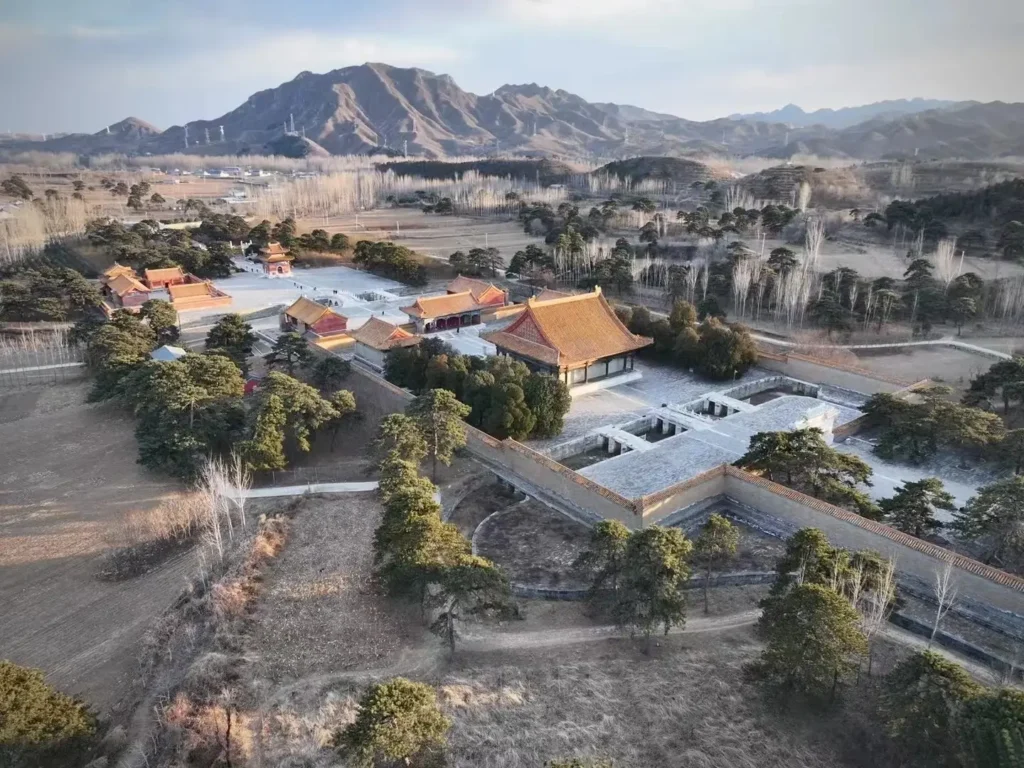
From the rugged silhouette of the Great Wall to the imperial grandeur of the Chengde Mountain Resort and the solemn Eastern and Western Qing Tombs, Hebei hosts three distinct UNESCO World Heritage sites. Historic cities like Handan, Baoding, and Shanhaiguan further anchor the province as a cornerstone of Chinese identity.
However, Hebei’s wealth extends far beneath its historic soil. Beyond its cultural legacy lies a staggering geological bounty: 156 different minerals have been discovered here to date, with 39 of them ranking among the top five largest reserves in China.
Today, I’m taking you on a deep dive into two of Hebei’s most prestigious treasures: the world-renowned Maping Peridot and the legendary “Warring States Red” Agate.
Maping Peridot: The Vibrant Green Gemstones of Hebei
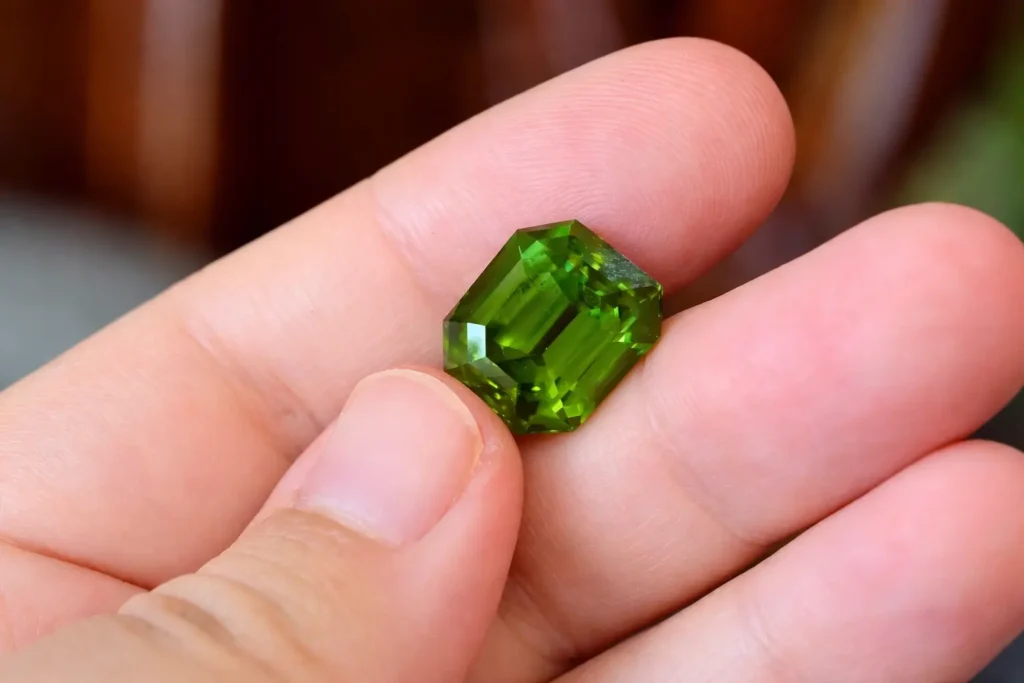
For those born in August, peridot is a familiar friend. Known for its vibrant green hue, this cherished birthstone has recently reclaimed the global spotlight.
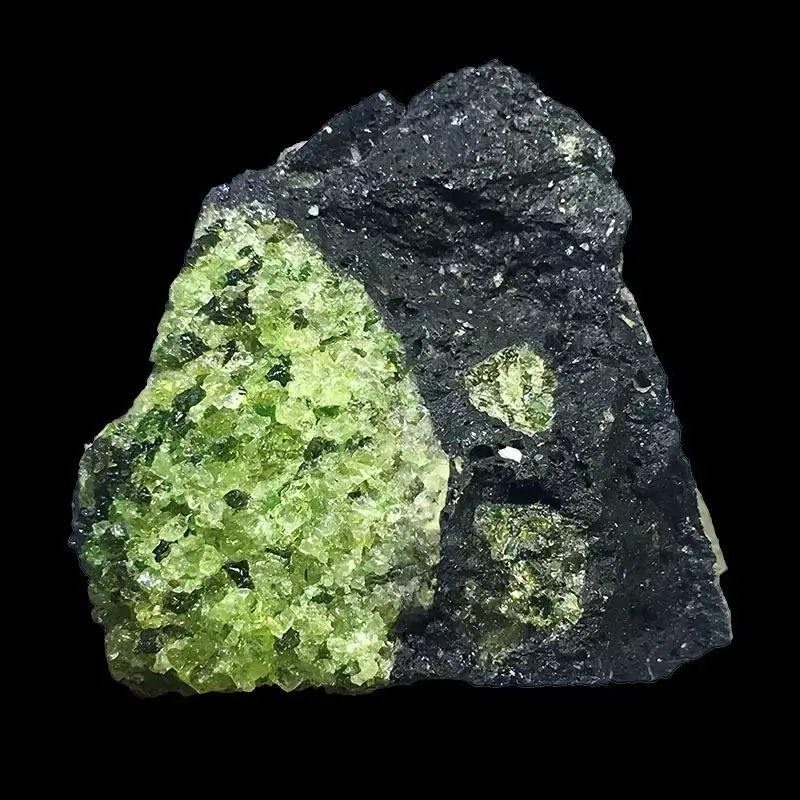
In May 2019, the prestigious journal Nature made waves by reporting that the Moon’s mantle contains significant amounts of peridot. While finding [Peridot: The “Gem of the Sun” from the Lunar Mantle to Earth’s Depths] is a rarity in space, the “mother rock” of this gem—a magnesium-iron silicate—is a remarkably terrestrial treasure found deep within our own planet.
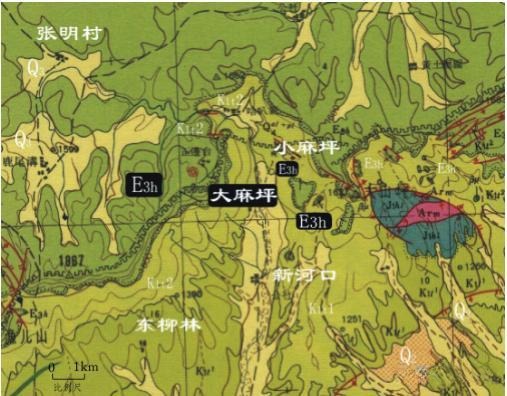
The history of peridot mining stretches back 3,000 years to Ancient Egypt, with later major deposits found in Mogok (Myanmar) and Arizona (USA). However, a major turning point for Chinese gemology occurred in 1979 with the discovery of a massive deposit in Maping, located in Hebei’s Zhangjiakou region. This site has since become China’s premier source for the gem.
Unmatched Quality: The “Evening Emerald” Gemstones of Hebei
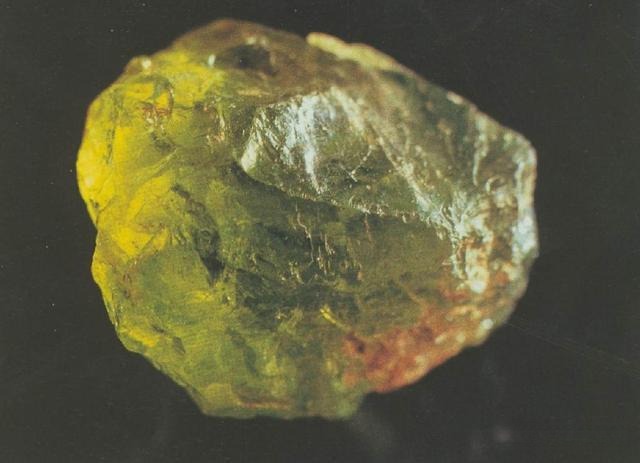
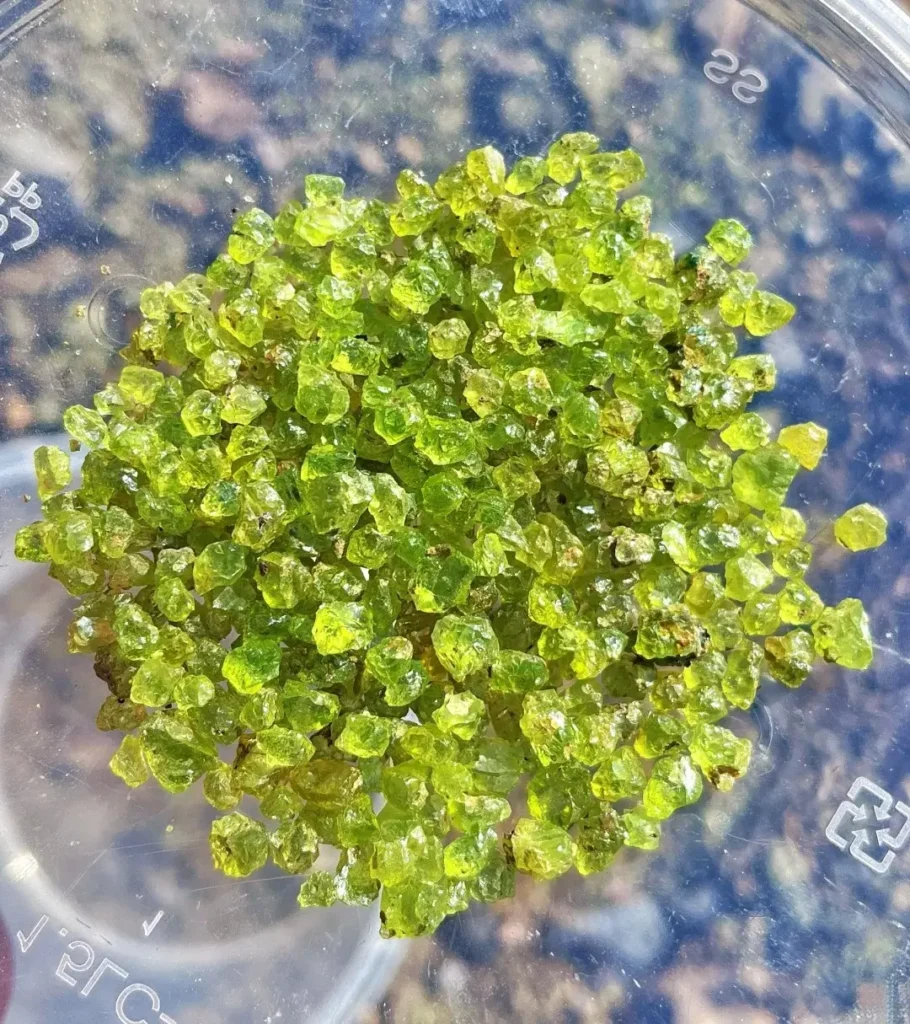
Hebei peridot is world-class, standing at the pinnacle of Chinese production in both quantity and quality. These stones are celebrated for their large crystal sizes, intense saturation, and exceptional clarity.
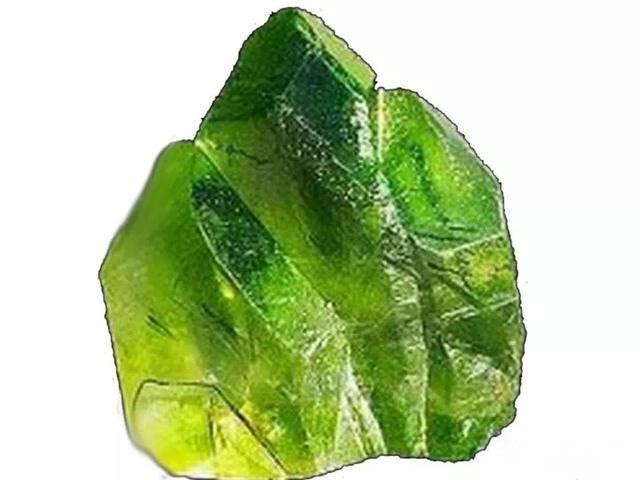
- Color Palette: Maping peridot typically ranges from classic olive to vibrant yellow-green.
- The “Star of North China”: The most legendary specimen found here is a breathtaking 236.5-carat gem. Aptly named the “Star of North China,” it remains the largest peridot ever discovered in the country.
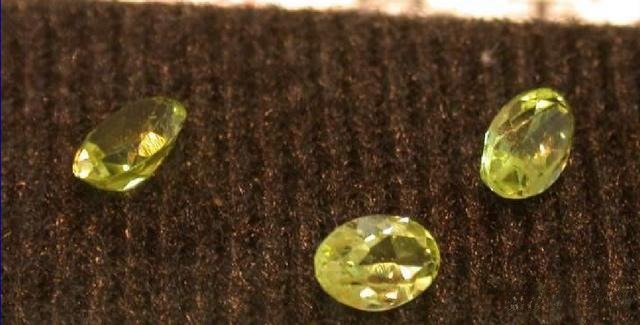
While provinces like Jilin also produce peridot, their output often leans heavily toward a pale yellow-green. In contrast, Hebei is one of the few places capable of producing the deep, vivid green that international markets demand, establishing a prestigious reputation for the Gemstones of Hebei.
The Challenge of the Craft: From Basalt to Brilliant
In the early days, mining in the Maping district was a labor-intensive operation. Even with rudimentary hand tools, the sheer abundance of the deposit allowed for a substantial and steady output.
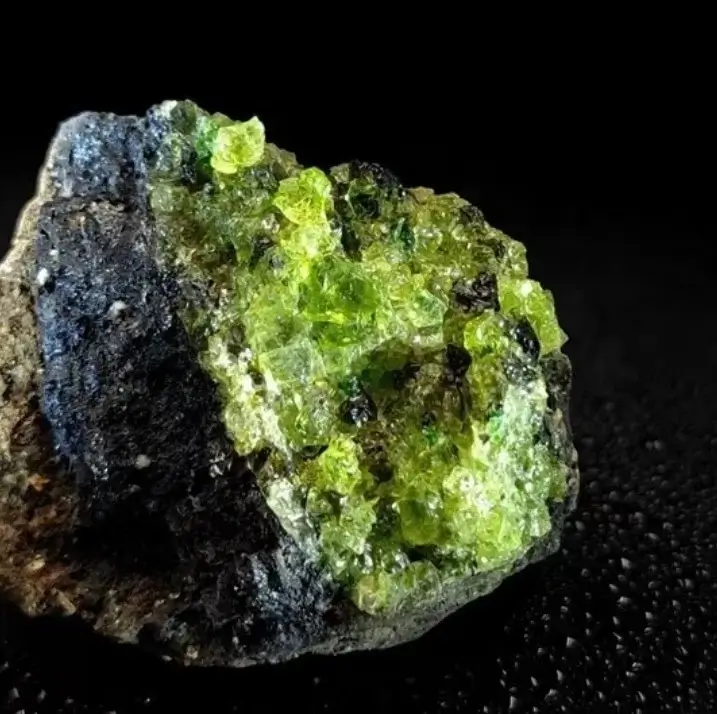
Most Maping peridot grows as inclusions within massive basalt rocks rather than as independent crystals. This makes the cutting process incredibly demanding. Much of the raw material’s weight is lost during faceting, and only a tiny fraction survives to become true gem-quality specimens.
Jewea’s Quick Guide: What defines “Gem-Quality” Peridot?
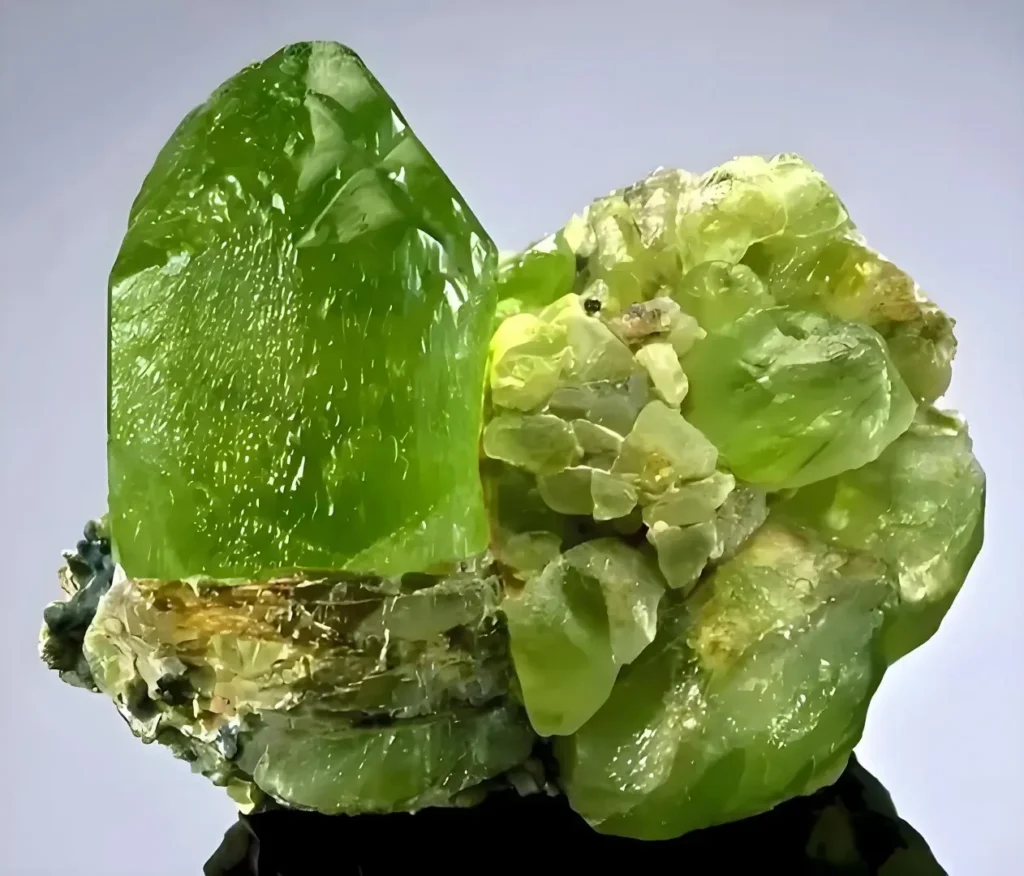
- Size: The rough must be large enough to yield significant faceted stones.
- Color: Depth is key. The greener the stone, the higher the value; excessive yellow tones generally lower the grade.
- Clarity: High transparency and an absence of internal fractures are the gold standards.
A Market Resurgence
The Maping mining district was relatively late to the game, gaining traction in the 1980s. Due to its high quality, early large-scale specimens were primarily exported, becoming highly sought after by international collectors. By the 1990s, however, as the domestic market shifted its focus toward traditional jade culture and other colored stones, peridot temporarily faded from the spotlight.
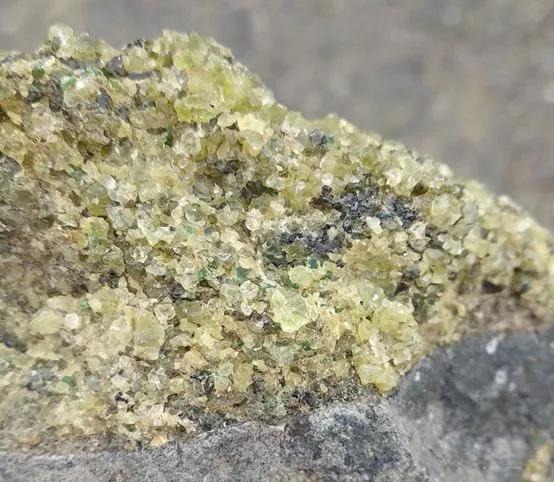
Recently, the tide has turned. As the demand for unique colored gemstones grows, this once “niche” gem is experiencing a powerful resurgence. With traditional mines in Arizona and Hawaii facing depletion, the high-quality peridot from Hebei has become more precious—and more relevant—than ever.
Xuanhua Agate: The “Warring States Red” Gemstones of Hebei
In our previous guide, 8,000-Year-Old Agate, Underground Diamonds, and Amber in Coal—Exploring the Treasures of Liaoning, we introduced Fuxin as China’s “Agate Capital.” Fuxin remains a global hub for mining, processing, and distribution.
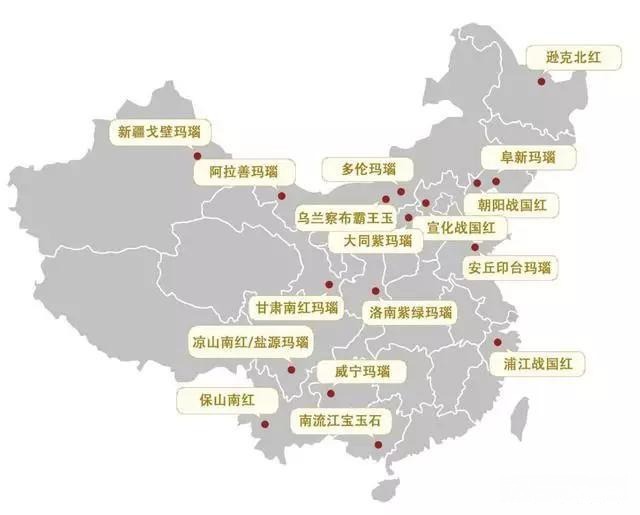
However, China’s agate landscape is incredibly vast, spanning at least 22 provinces. Each region yields stones with distinct textures and palettes. Recently, the colorful sardonyx from Xuanhua, Zhangjiakou, has emerged as a true “dark horse.” Known in the trade as “Warring States Red” (Zhan Guo Hong), this stone has captured the attention of high-end collectors worldwide.
A Spectrum of Seven Colors
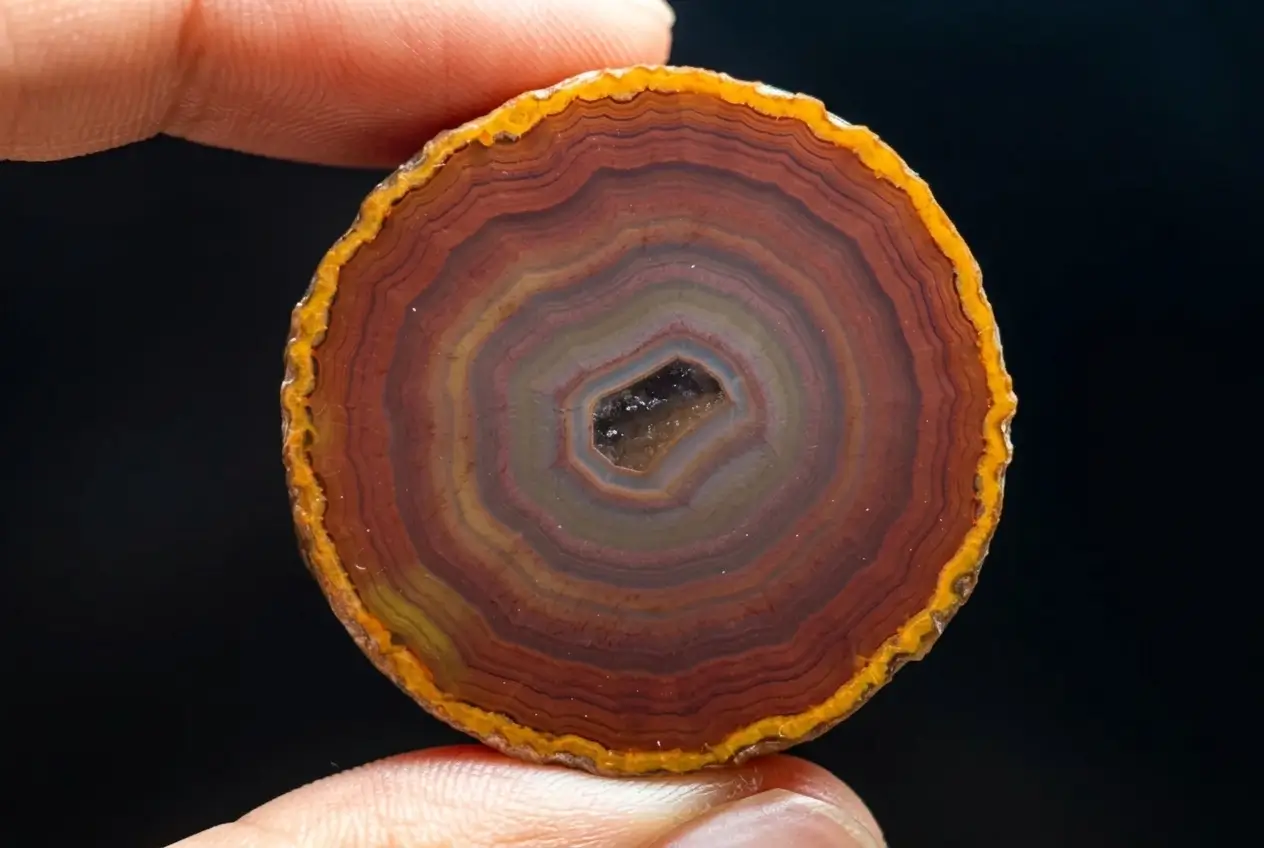
Despite its grand title, “Warring States Red” is not a formal mineralogical classification. Instead, it is a descriptive trade name. The agate’s vibrant reds and saturated yellows closely mirror the aesthetic of unearthed artifacts from the Spring and Autumn and Warring States periods (approx. 770–221 BC). To meet market demand for stones with a “royal” pedigree, collectors adopted this evocative name to celebrate its historical resonance.
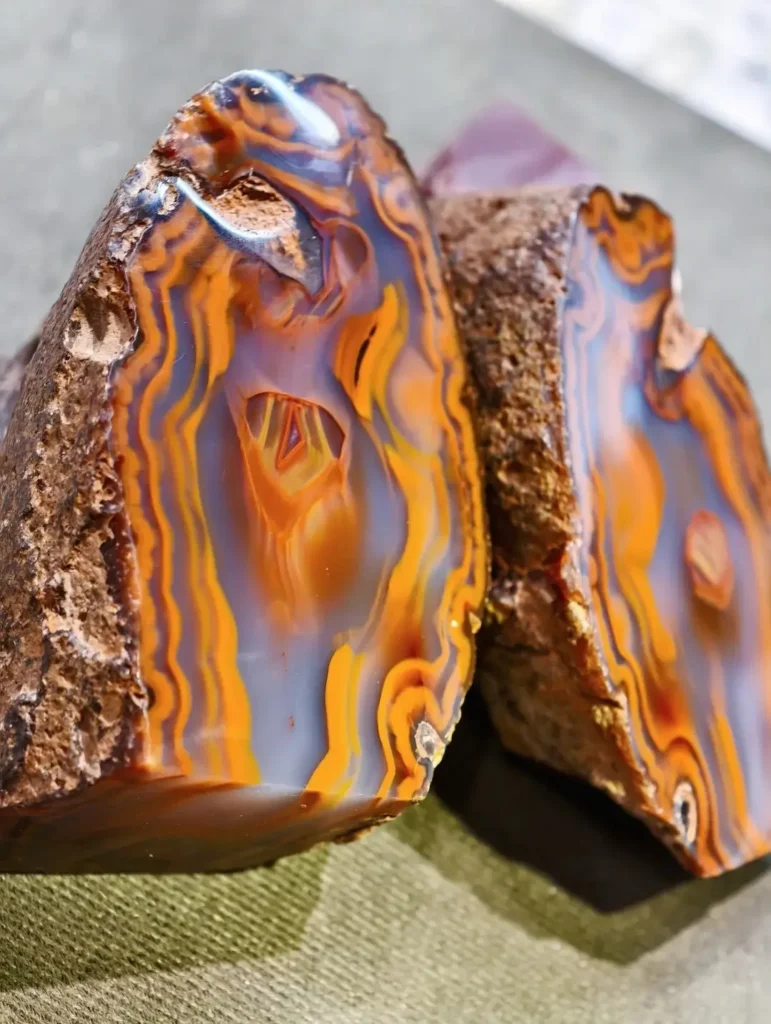
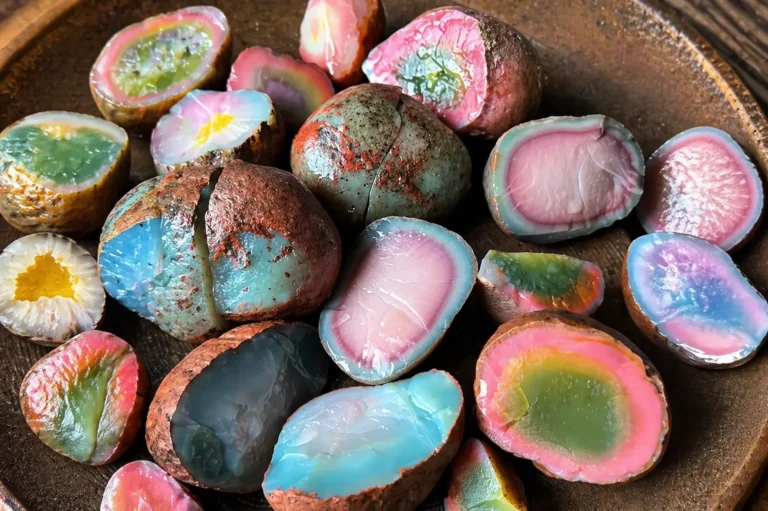
The visual appeal of Xuanhua “Warring States Red” lies in its extraordinary diversity. While deep reds and creamy yellows dominate, a single stone can display a kaleidoscope of up to seven colors, including orange, pink, purple, black, and even rare greens.
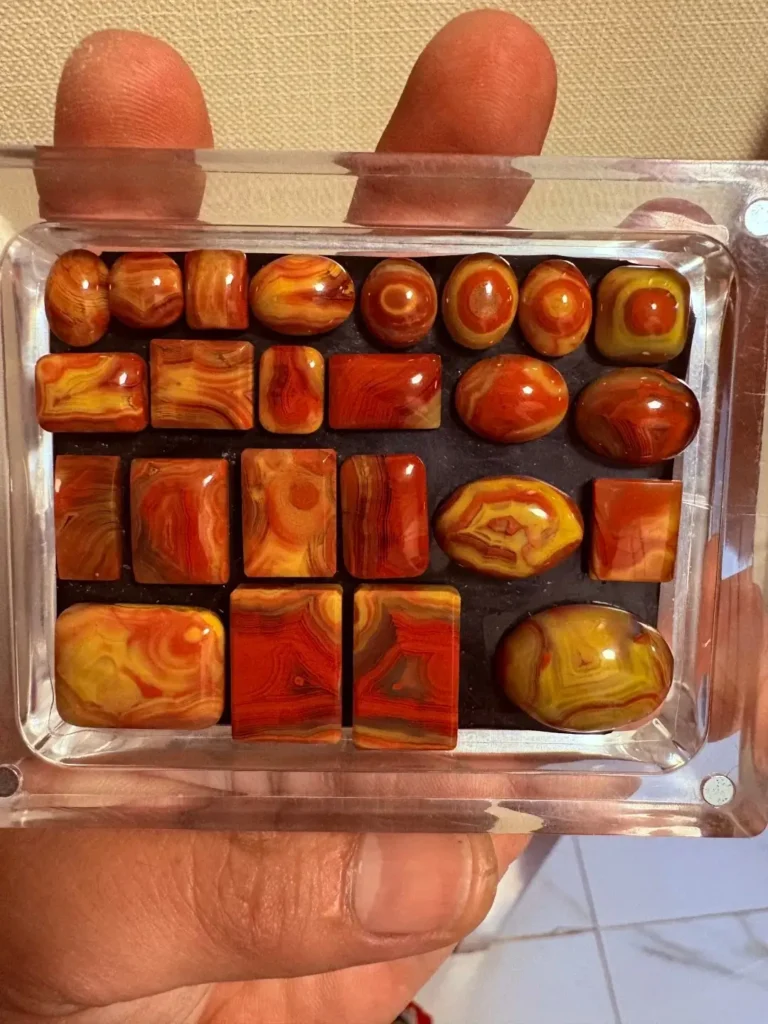
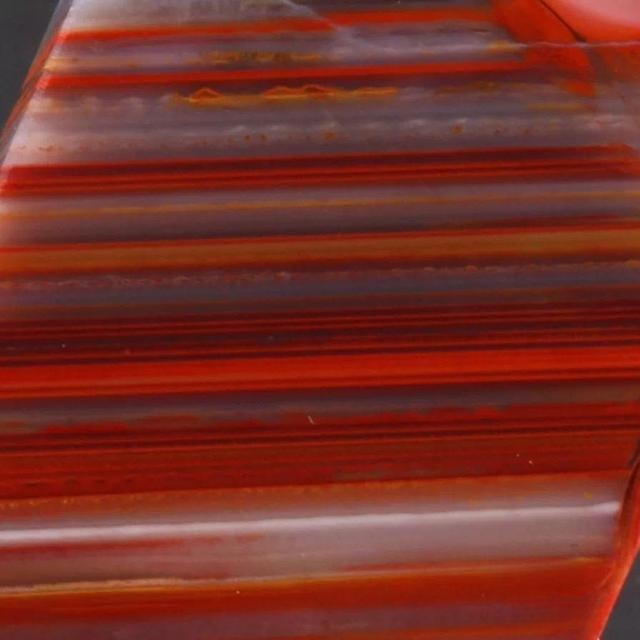
- Ribbon Structure: This agate typically displays intricate, silk-like banding. Some specimens also feature subtle black stripes within the colorful layers.
- The Gold Standard: Collectors prize intense, pure red and warm, delicate yellow. Stones featuring both colors in harmony—or pure, high-grade yellow—remain the most valuable.
North China’s Agate Rivals: Beipiao vs. Xuanhua
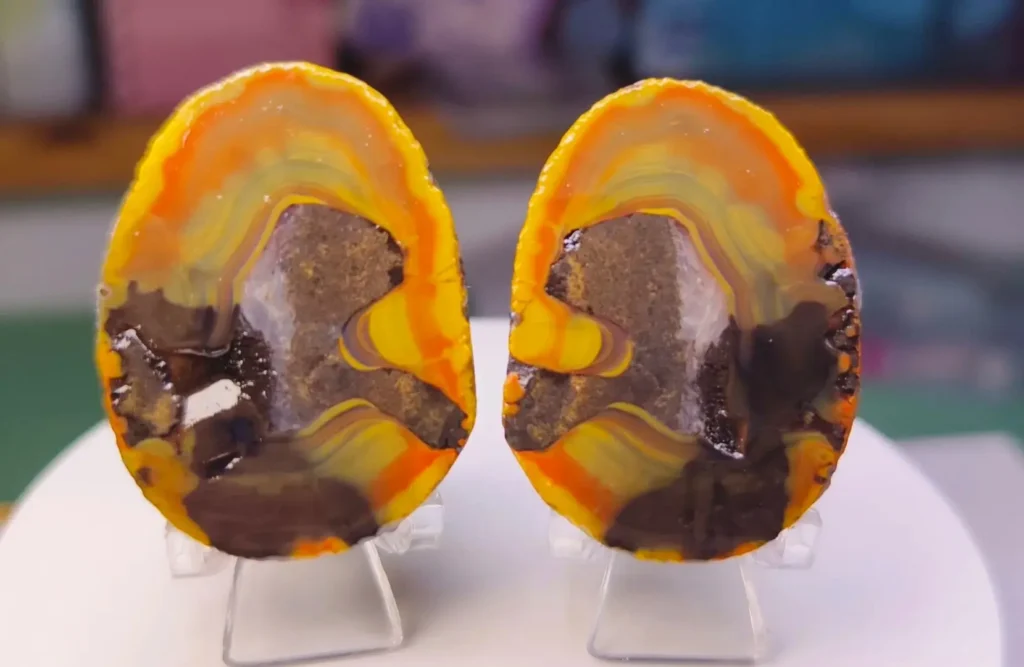
Currently, “Warring States Red” agate currently comes from two primary hubs. These include Beipiao in Liaoning Province and Xuanhua in Hebei Province.
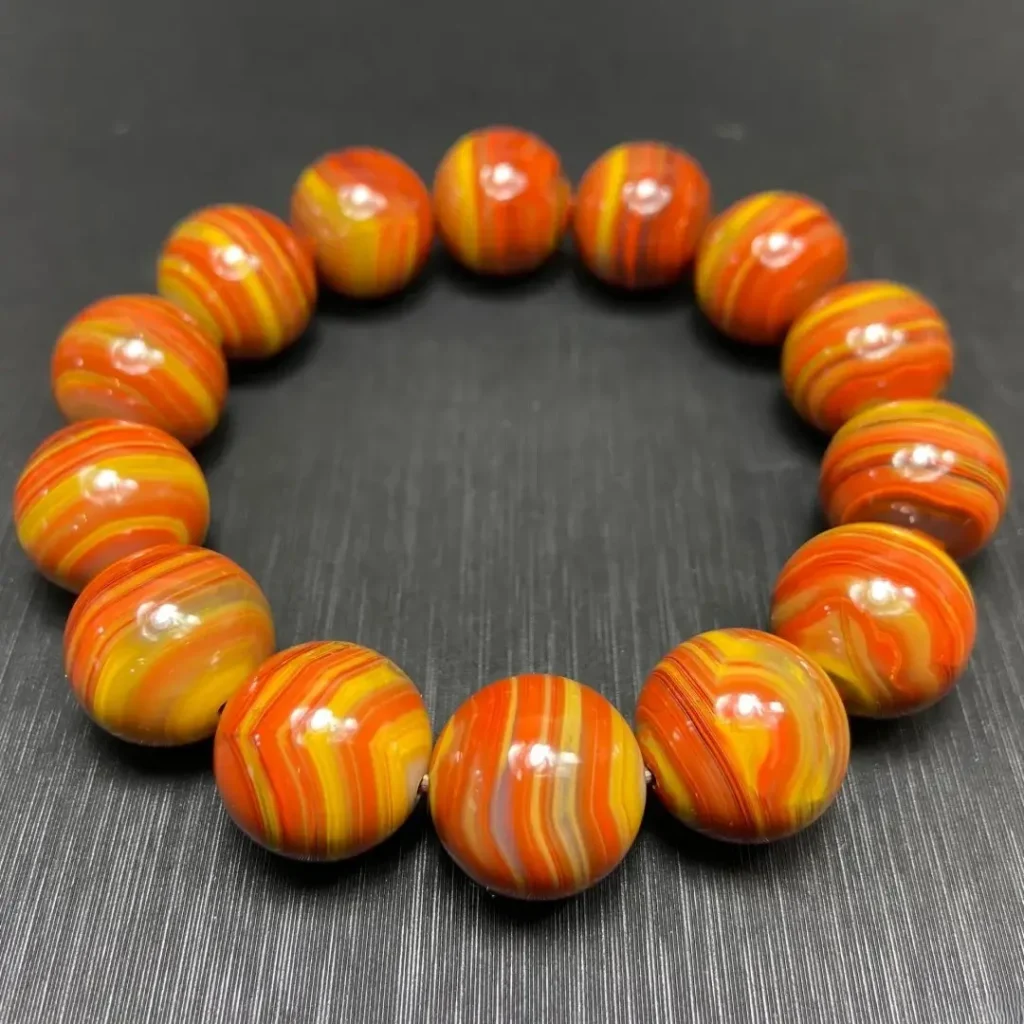
- Beipiao Agate: Mining for this variety began around the year 2000 in Liaoning. It typically appears as “mountain material” in blocky or plate-like forms with high purity. However, low output and a developing collectibles market limited its reach. For years, these high-quality gems circulated only within local collector circles.
- Xuanhua Agate: Mining in Hebei began later in 2008 following its discovery. These stones typically form as spherical nodules or nodules. Rough specimens feature thin skins and few internal fractures. This high structural integrity ensures a superior yield for carvers.
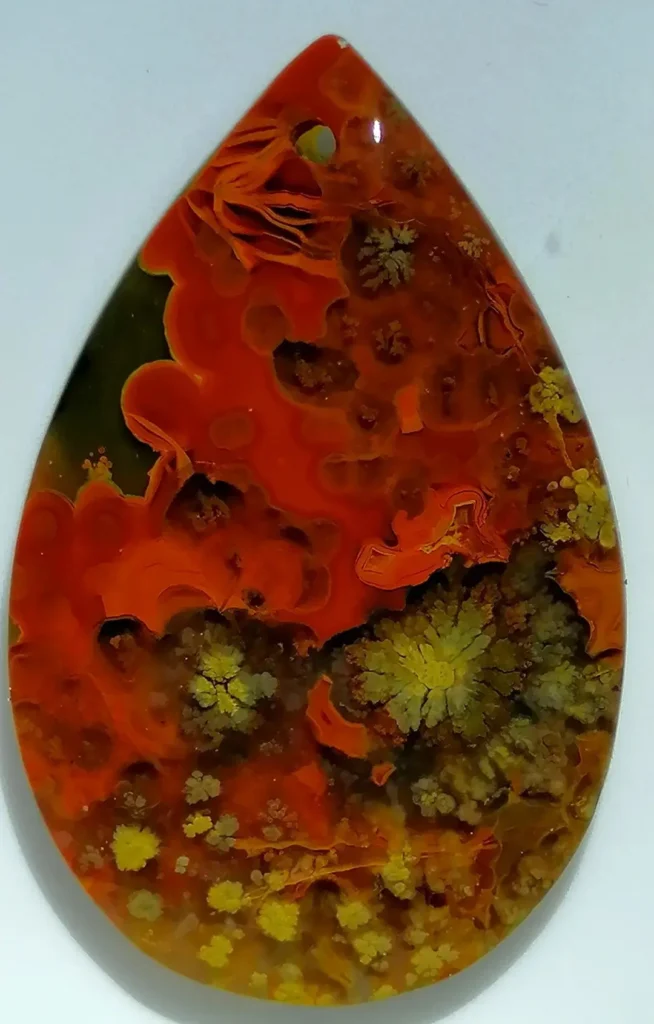
Notably, a unique signature of Xuanhua is the “Water Grass” (Dendritic) pattern. These organic, plant-like inclusions offer rich colors and ever-changing shapes—a level of complexity that artisanal carvers highly value.
Market Evolution: From “Rising Star” to Stable Classic
Xuanhua Agate entered the market during a massive collectibles boom. Intense interest drove prices to record highs. At the height of the craze, a high-quality rough ‘Warring States Red’ stone could fetch tens of thousands of dollars.
However, rarity ultimately dictates a gemstone’s long-term value. Despite heavy promotion, the large reserves of this variety weakened its market competitiveness. Prices eventually returned to a normal, sustainable range.
Explore More from the Gemstones of China Series
At Jewea, our mission is to uncover the hidden geological wonders across China. Before our deep dive into the Gemstones of Hebei, we explored several other regions known for their exceptional treasures.
Catch up on our previous journeys through these provinces:
North China