Gemstones of Qinghai: Hetian Jade, Turquoise, Serpentine, and Alabaster | Gems of China Series
In this installment of our “Gemstones of China” series, we venture to the rugged west to uncover the hidden treasures of Qinghai. Often referred to as the “Roof of the World,” Qinghai occupies a majestic expanse of the northeastern Qinghai-Tibet Plateau.
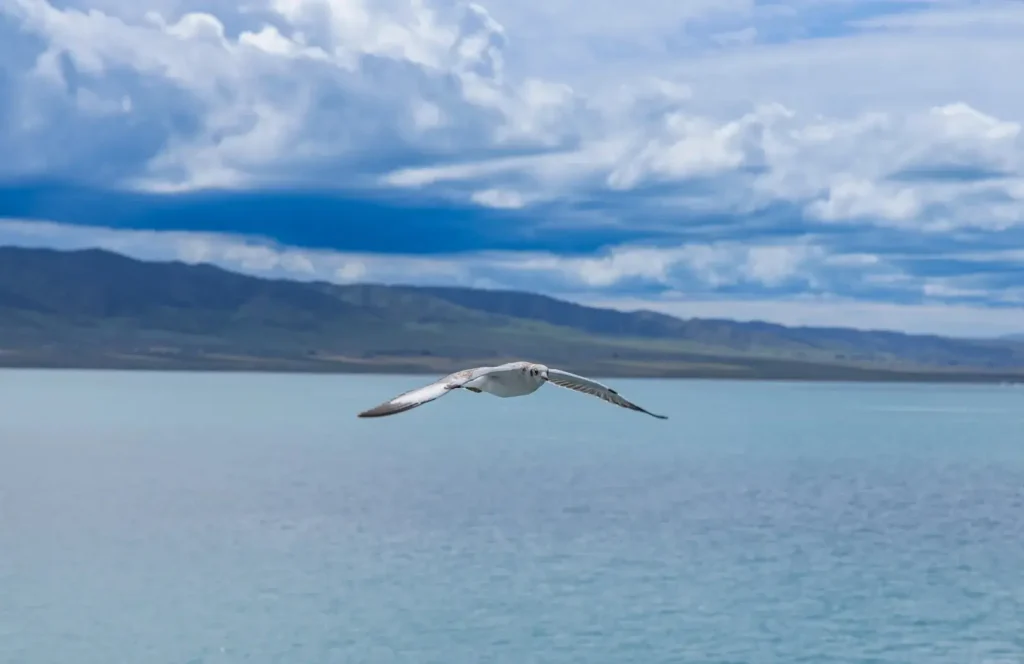
With an average elevation exceeding 3,000 meters, this is a land of ethereal beauty. From the sprawling azure waters of Qinghai Lake to the towering peaks of the Tanggula Mountains and the spiritual echoes of the Ta’er Monastery, Qinghai’s landscapes feel like something out of a dream.
Beyond its breathtaking scenery, Qinghai is a geological powerhouse. It boasts a staggering 139 types of discovered minerals; 11 of these reserves rank first in China, with another 25 ranking among the nation’s top three.
Today, we invite you to explore the rugged elegance of this high-altitude province as we delve into the unique Gemstones of Qinghai: Hetian Jade, Turquoise, Serpentine Jade, and the elusive Xining Alabaster.
Qinghai Hetian Jade: A Cornerstone of the Modern Market
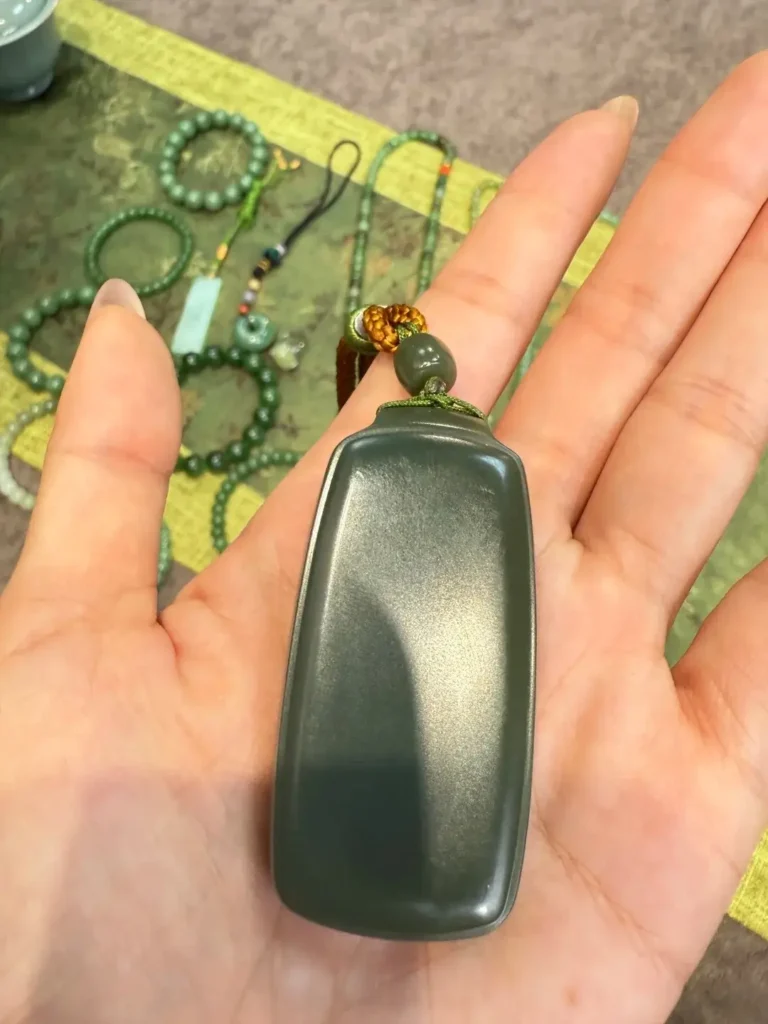
Named after its origin, Qinghai Nephrite (Hetian Jade) has become one of the most prevalent raw materials in today’s gemstone market. Favored by jewelers for its significant output, competitive pricing, and consistent quality, it reached a historic turning point in 2008. Selected as the official material for the Beijing Olympic medals, Qinghai Hetian Jade’s reputation skyrocketed overnight, followed by a surge in market value that has remained robust ever since.
Varieties and Characteristics of Qinghai Hetian Jade
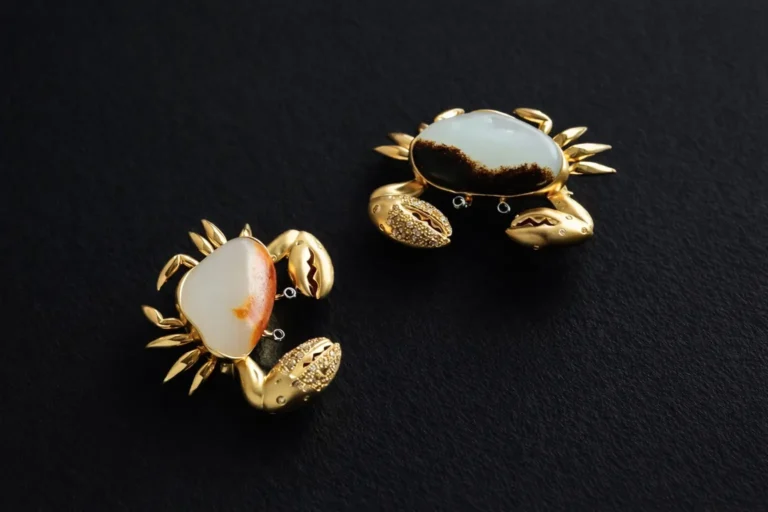
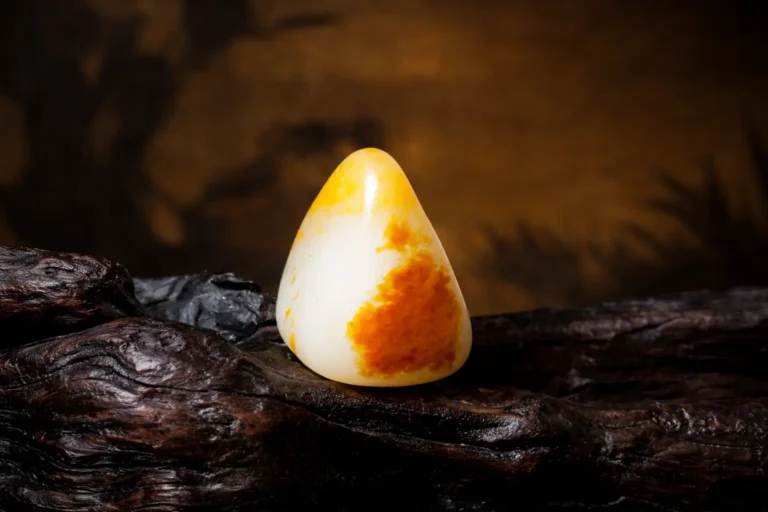
In our previous guide, Hetian Jade Basics, we explored the formation of nephrite across Xinjiang, Russia, Qinghai, and Korea. Qinghai Nephrite occurs primarily as “Mountain Material” (Shan Liao). These stones typically form large, irregular blocks with a coarse, unrefined outer crust. Visually, they range from a soft grayish-white to a waxy “candle-white” and possess a distinctive semi-translucency.
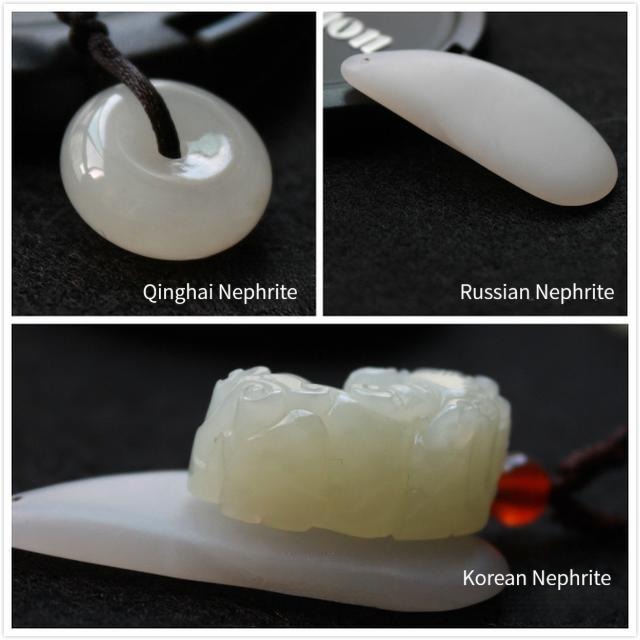
Geologically, Qinghai material shares the same metallogenic belt as Xinjiang’s deposits, with primary mining concentrated in three major regions: Nachitai, Dazaohuo, and the Qilian Mountains (specifically within Menyuan County).
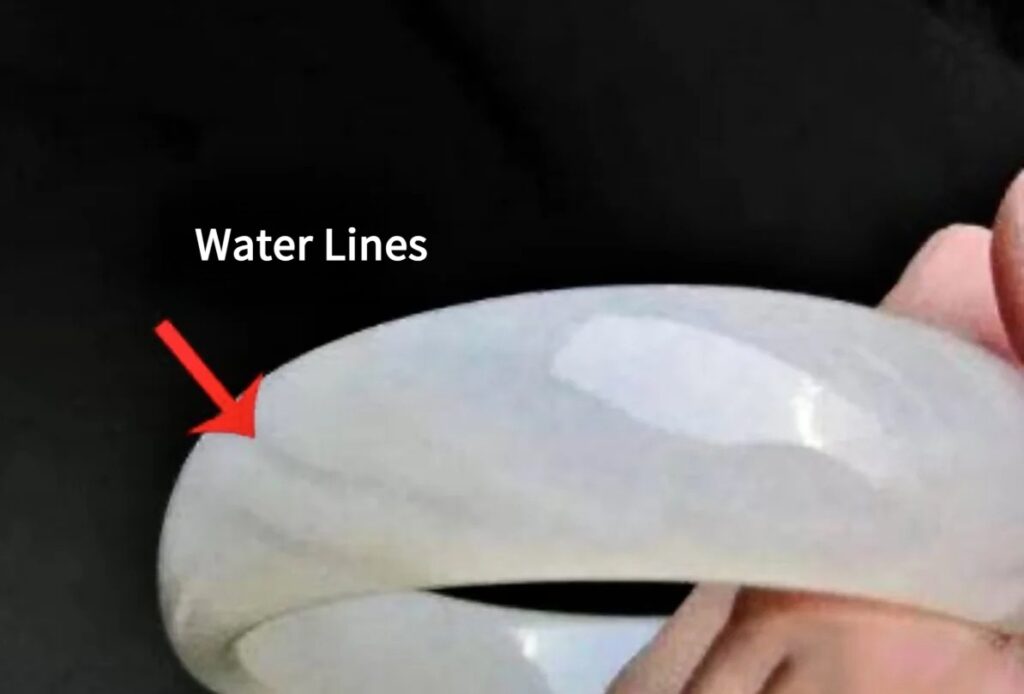
A particularly unique phenomenon within the structure of Qinghai nephrite—especially when compared to Xinjiang jade—is the presence of “Water Lines” (Shui Xian). These transparent, linear inclusions typically run through the more translucent sections of the stone. Once a piece is carved and polished, these lines become even more pronounced, serving as a reliable identifier of its Qinghai origin.
A Diverse Color Palette: From Classics to “Lake Green”
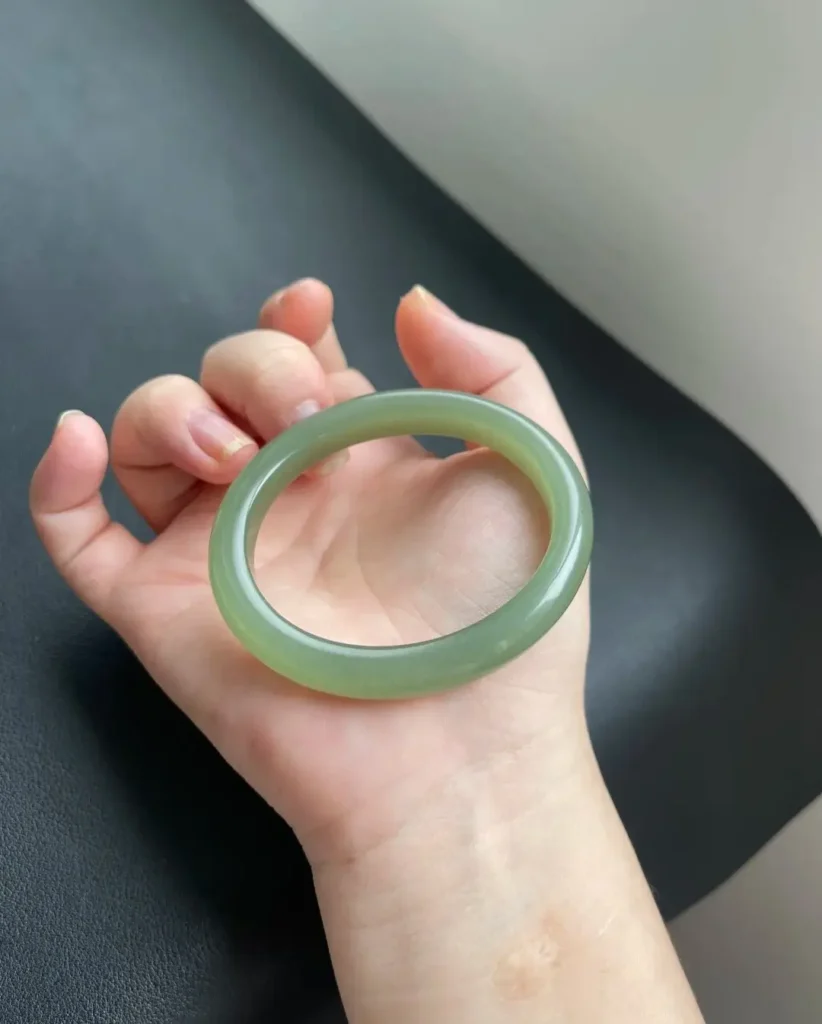
Qinghai nephrite spans a wide spectrum, categorized into White, Yellow, Qing (Celadon), Jasper, Ink, and Sugar Jade. Currently, Qinghai Qing Nephrite Jade dominates the market share. Its popularity stems from its high yield, exceptionally uniform color, and dense, fine-grained texture. The trendy “Lake Green” (Hu Shui Lü) jade currently captivating collectors is actually a premium, highly translucent variety of this Qing Jade.
Beyond these staples, Qinghai produces several high-quality specialty varieties. I have analyzed these “rising stars” in detail in previous articles:
- Smoky Purple Nephrite: A Rising Star Among Niche Hetian Jade Varieties – Exploring the romantic violet hues unique to this region.
- Cui Qing Nephrite Jade: The “Dark Horse” Dominating the New National Standard – Discover how this stunning bicolor variety, prized for its vibrant green splashes on a pristine white base, became a modern favorite among collectors.
The Expert Verdict: Why Origin Isn’t Everything
In general, Qinghai jade boasts impressive translucency, though it may not always match the dense, buttery “oiliness” typical of top-tier Xinjiang suet jade. However, my philosophy remains constant: never judge a stone solely by its birthplace.
While it offers high-volume production, Qinghai also yields exceptional, collector-grade nephrite and several truly distinctive varieties that stand apart in the market. If a merchant dogmatically insists that “all Qinghai material is inferior” while claiming to sell only Xinjiang jade, consider it a serious red flag. My advice is simple: walk away—immediately. True quality in jade is defined by its internal structure and intrinsic beauty, not merely the mountain from which it was carved.
Turquoise: December’s Birthstone
In our previous feature, Turquoise: From December Birthstone to High Jewelry Masterpieces, we explored the rich history of this gem. Often called “Turkish Stone,” it serves as the national gemstone of Turkey and has long earned the poetic title “Emerald of the East.”
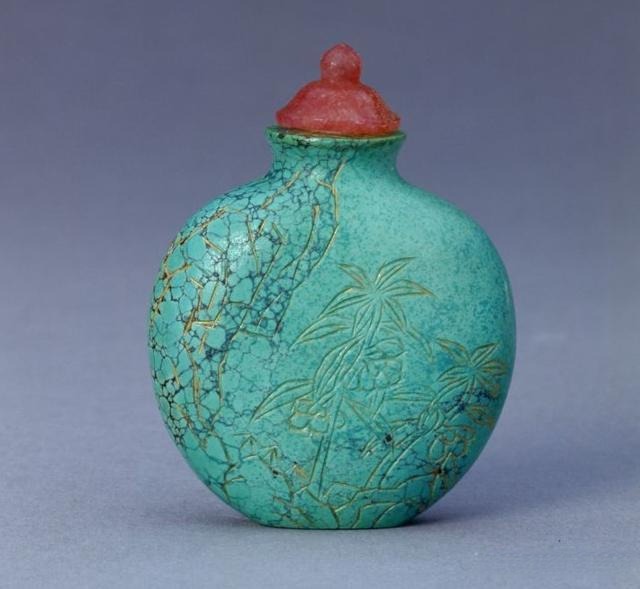
Geologically, turquoise is a hydrated copper and aluminum phosphate mineral. In mid-to-low-grade specimens, you will often find associated minerals such as kaolinite, quartz, mica, and limonite. In China, the most significant deposits span several provinces, including Yunxian in Hubei, Baihe in Shaanxi, Ma’anshan in Anhui, Xichuan in Henan, Hami in Xinjiang, and Ulan in Qinghai.
Qinghai Turquoise: Porcelain vs. Chalky Varieties
Throughout our Gems of China series, we have covered the famous turquoise mines of Hubei, Anhui, and Shaanxi. Today, we turn our attention to the unique output of Qinghai.
Primarily sourced from Ulan County, Qinghai turquoise occurs in smaller, scattered ore bodies. We generally classify these finds into two distinct categories based on their quality and texture:
1. Porcelain Turquoise (Ci Song)
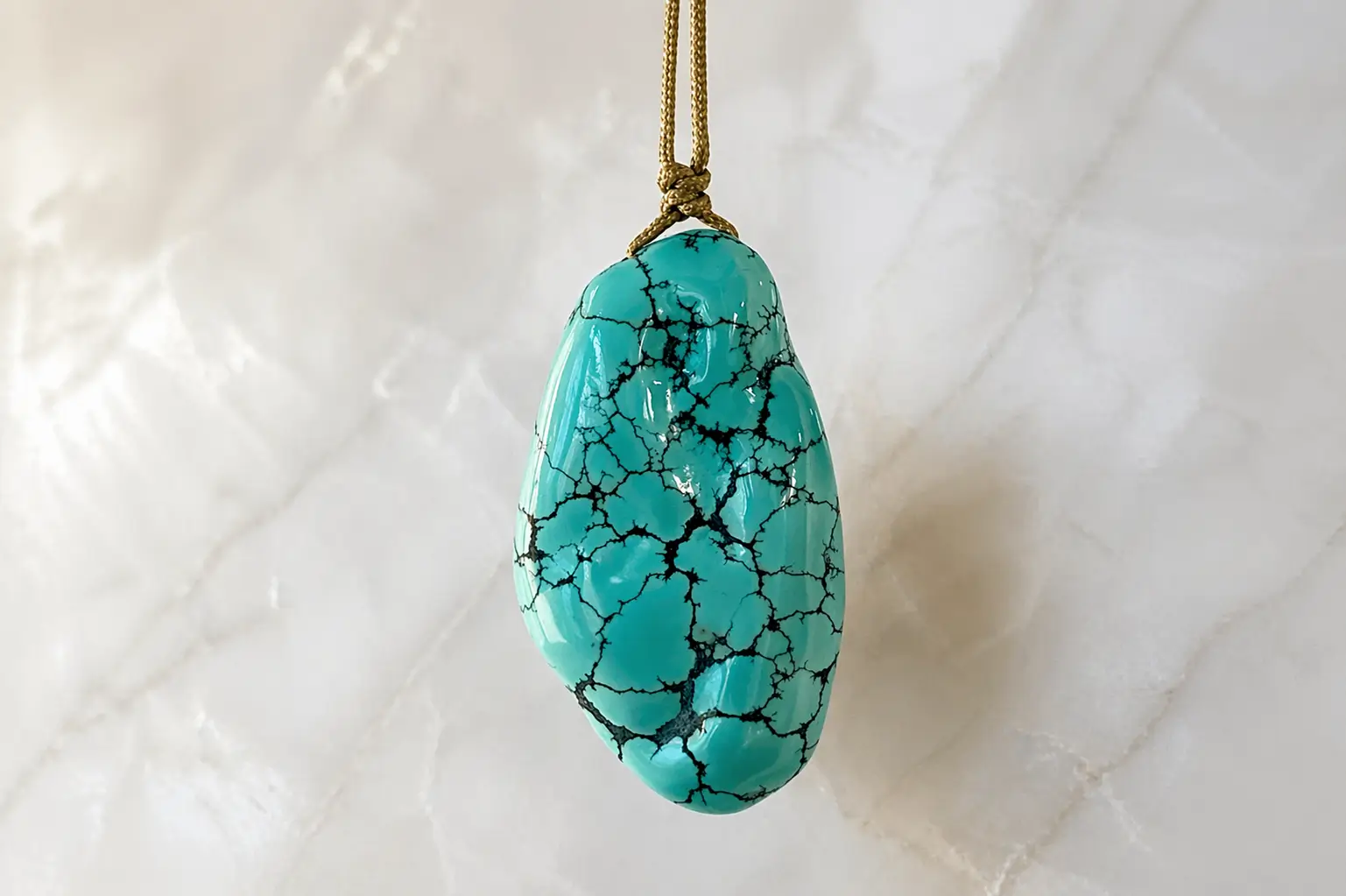
This is the premium variety. With a fine, dense texture and a Mohs hardness between 4 and 6, this material feels solid and substantial. Once polished, it achieves a smooth, glass-like finish reminiscent of fine porcelain, displaying a greasy or waxy luster. Its cryptocrystalline structure yields beautiful shades of sky blue, light blue, and vibrant emerald green, making it highly valuable for high-end craftsmanship.
2. Chalky Turquoise (Mian Song)
Also known as “Porous” or “Soapy” turquoise, this variety is significantly softer, with a hardness below 4.5. Due to its weathered nature, it typically presents in muted tones like moonlight white, yellowish-brown, or pale green. Because it lacks the structural integrity of its “porcelain” counterpart, its artisanal and commercial value is considerably lower.
Serpentine Jade: The Heritage of the Qilian Mountains
In my previous post, Xiu Jade (Xiuyan Jade) Guide: Serpentine, Tremolite, and Why This Ancient Chinese Gem is Underrated, I introduced Serpentine Jade. While the scientific name sounds unfamiliar, most recognize it instantly as Xiu Jade.
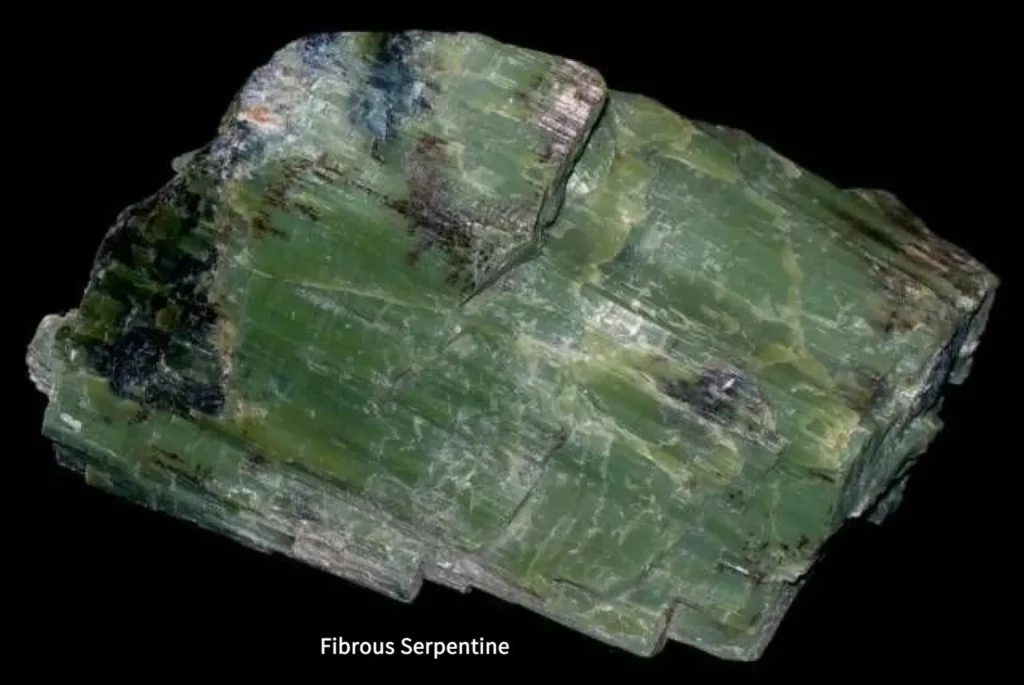
As one of China’s legendary jades, serpentine is a hydrous magnesium silicate found across the country. Beyond Liaoning, beautiful varieties also emerge from Shandong, Gansu, Henan, Xinjiang, and Qinghai.
Qinghai’s Unique Serpentine Varieties
Qinghai produces several distinctive types of serpentine. These include Dark Green Jade, Bamboo Leaf Jade, and Zhongba Jade.
Dulan Dark Green Jade (Mo Lü Yu)
Sourced from the Wutuogou region, this stone features a deep, forest-green hue. It consists of serpentine, magnetite, calcite, and tremolite. The texture is notably fine, with a Mohs hardness of 5–6 and a greasy-to-glassy luster.
Harihade Mountain Bamboo Leaf Jade
Qinghai also yields the unique Bamboo Leaf Jade from the Harihade Mountain region. This variety is prized for its organic, leaf-like patterns.
Ledu Zhongba Jade
The mines in Ledu County yield two fascinating varieties:
- Heba Jade: This variety is celebrated for its kaleidoscopic colors. However, its brittleness makes it best suited for delicate inlay work.
- Zhongba Stone: This material offers a fine texture and moderate hardness. Typically appearing in muted greens, artisans use it for “Night-Luminous Cups,” bowls, and seals.
Xining Alabaster: A Hidden Gem for the Refined Scholar
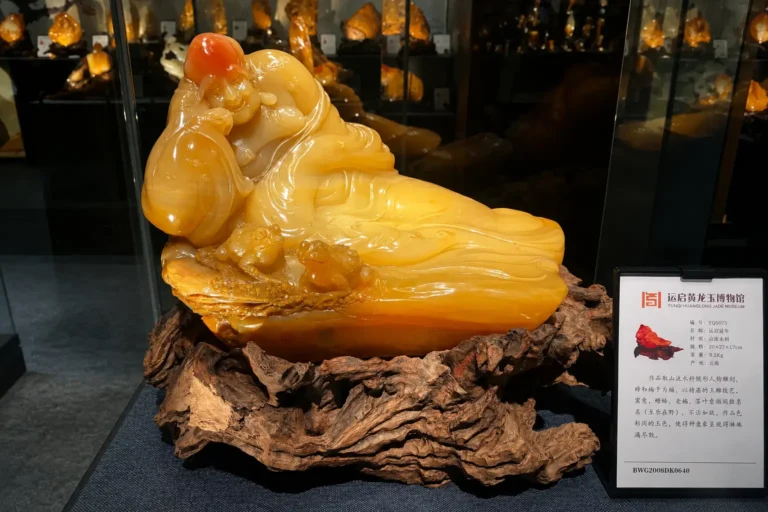
Finally, we look at Xining Alabaster. As traditional seal stones become scarce, these niche Gemstones of Qinghai have gained significant momentum among contemporary scholars. This semi-translucent stone consists of 99% high-purity gypsum. With a Mohs hardness of approximately 2, it offers a perfect texture for delicate hand-carving.
Natural impurities create a mesmerizing array of colors and unique patterns within the stone. Collectors categorize these by their visual “moods,” including Crystal, Snowflake, and Tea varieties. While Red Flower and Yellow Alabaster are common, the vibrant Green Alabaster remains the rarest.
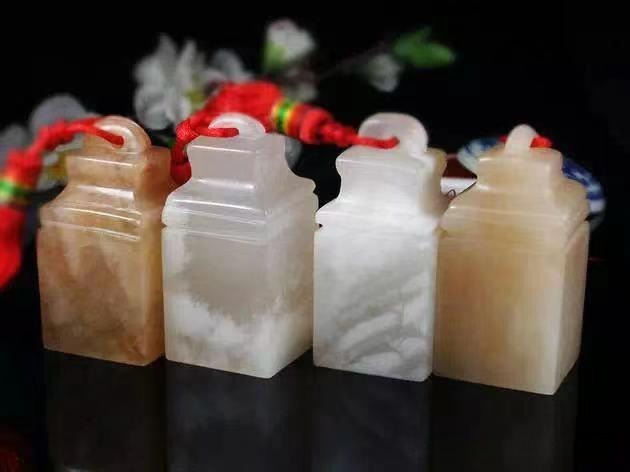
Because of this diverse palette and ideal carving resistance, the stone has become a favorite for custom seals. As traditional Shoushan and Qingtian stones become scarce and expensive, Xining Alabaster has gained significant momentum. As a result, it now stands as a “rising star,” earning deep appreciation from contemporary scholars and stone enthusiasts.
Explore More in Our Chinese Gems Series
At Jewea, our mission is to uncover the hidden geological wonders across China. Before we dove into the Gemstones of Qinghai we explored several other regions famous for their rare and storied treasures.
Take a look back at our previous journeys:
Northwest China
- Gansu: Gemstones of Gansu: Gannan Agate, Wushan Yuanyang Jade, and Dunhuang Quartz | Gems of China Series
- Shaanxi: Gemstones of Shaanxi: Lantian Jade, Turquoise, Ink Stone & Coral Fossil | Gems of China Series
- Ningxia: Gemstones of Ningxia: Helan Stone & Gobi Agate | Gems of China Series
- Xinjiang: Gemstones of Xinjiang: From Sacred Nephrite to Desert Quartz and Pegmatite Crystals | Gems of China Series