Gemstones of Fujian: Sapphire, Zircon, Garnet, and Shoushan Stone | Gems of China Series
In this installment of our “Gemstones of China” series, we venture to the southeastern coast to uncover the hidden treasures of Fujian. Among China’s southeastern coastal provinces, Fujian is perhaps the most understated. While its total economic output might not always grab the headlines, its per capita GDP tells a different story—ranking sixth nationwide, trailing only the heavyweights like Beijing, Shanghai, and Jiangsu. This makes Fujian one of the fastest-growing and most dynamic economic engines in the country.
But there is more to Fujian than just impressive balance sheets. From its sophisticated tea culture and aromatic local cuisine to its vast mineral wealth, the province is a magnet for those seeking both cultural depth and natural beauty.
Today, we are diving deep into the Gemstones of Fujian, exploring the province’s most iconic natural treasures: Sapphire, Zircon, Garnet, and the legendary Shoushan Stone.
Mingxi Sapphire: The “September Birthstone” of the East
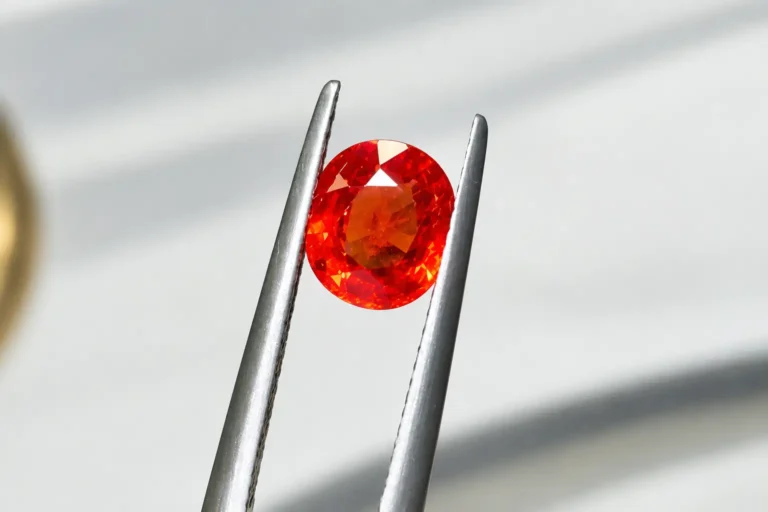
As one of the world’s four most precious gemstones, sapphire stands as the hardest natural mineral on Earth, second only to the diamond. Renowned for symbolizing loyalty and steadfastness, this beloved gem holds the distinction of being the official September birthstone.
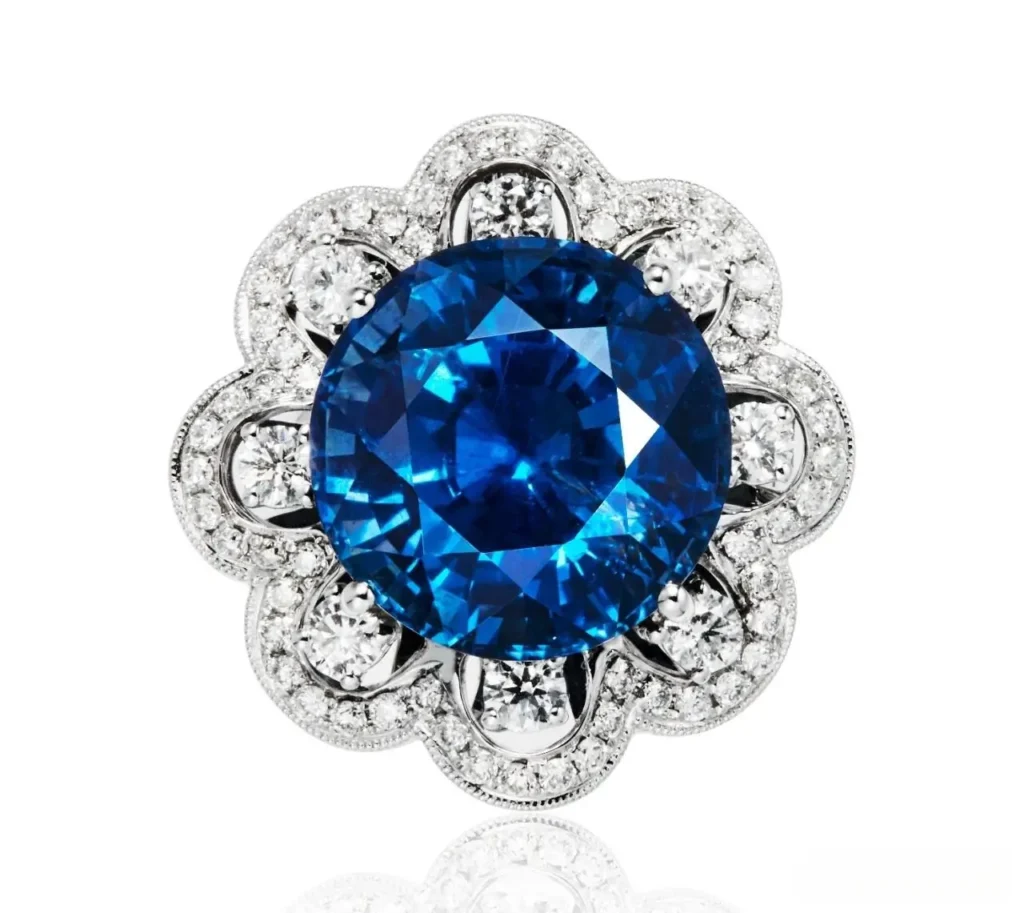
In our previous feature, The Hidden Secrets of Sapphire Origins: Discover the Lesser-Known Sources of September’s Birthstone, we explored the sapphire deposits of Madagascar and other obscure global locales. However, beyond these famous international sources, China also boasts significant deposits across provinces like Hainan, Jiangsu, Qinghai, Shandong, and Fujian.
Among these, Mingxi, Fujian, stands out as one of China’s four major sapphire-producing regions. With estimated reserves exceeding 100 million carats, its output ranks second only to Changle in Shandong.
Characteristics of Mingxi Sapphires
While the scale of the deposit is immense, most specimens from this region do not reach “gem-grade” quality. These stones typically display a vitreous to adamantine luster and range from opaque to translucent. Their morphology is highly varied, appearing in columnar, barrel-like, or irregular shapes. While sizes fluctuate, they most commonly fall between 4–12 mm, though the largest crystals can reach an impressive 2–3 cm.
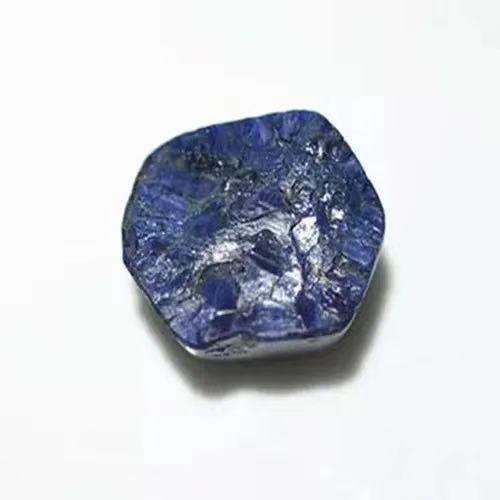
The color palette here is largely dictated by the presence of iron, titanium, and other trace elements. Consequently, Mingxi sapphires predominantly lean toward blue-green and yellow-green hues. You will also find deeper shades of navy, greenish-blue, grayish-blue, and even blue-black, while “pure blue” remains exceptionally rare.
Furthermore, these crystals often feature significant internal fracturing. Inclusions and impurities are common, and the sapphires are frequently found in geological association with pyrope garnet and zircon.
Mingxi Zircon: Ancient Minerals with Diverse Hues
Zircon, also known as hyacinth or by its chemical name zirconium silicate, holds the title of one of the oldest minerals on Earth. We have previously explored the fascinating history of this ancient mineral in our dedicated deep dive: Zircon: Is This Ancient Gem a Fake Diamond or a Precious Treasure?.
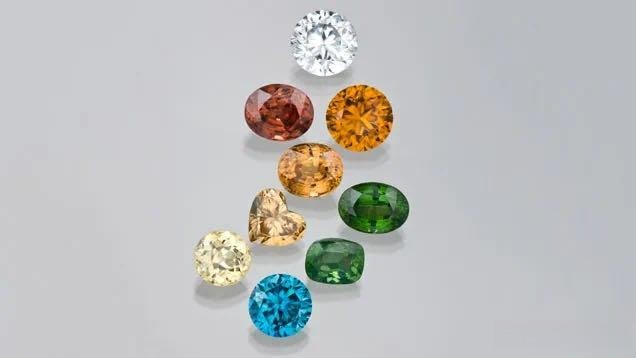
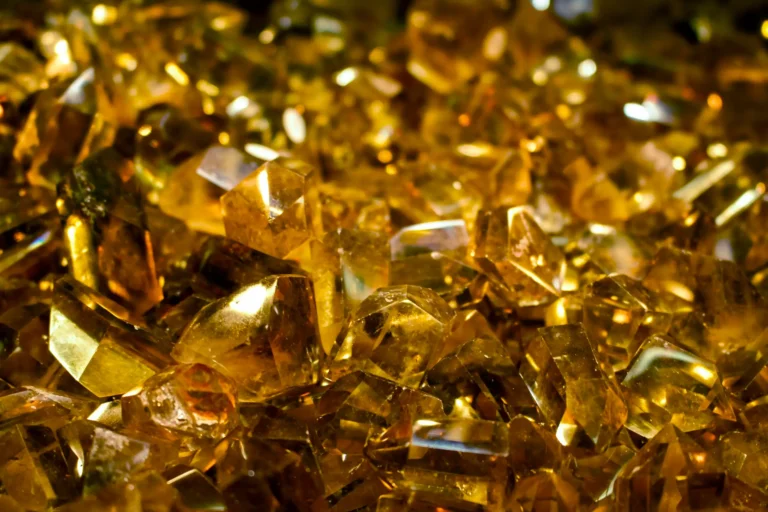
In China, zircon deposits are primarily concentrated in Wenchang (Hainan), Mingxi (Fujian), Muling (Heilongjiang), and Changle (Shandong). Following our previous discussion on the zircons of Penglai, Wenchang, we now turn our focus to the deposits in Mingxi. Here, zircon typically appears as an associated mineral within sapphire deposits. These crystals boast an adamantine luster and high transparency, often forming in irregular grains or short columnar shapes, with most specimens measuring between 4–8 mm.
The color palette of Mingxi zircon is remarkably varied, ranging from colorless and pale yellow to vibrant yellow, grayish-brown, and brownish-red. However, grayish-brown and brownish-red tones dominate the production, and the overall color quality is generally considered modest.
Due to ages of natural erosion, these zircons often feature rough surfaces and uneven fractures, giving these specific Gemstones of Fujian a characteristic frosted or “ground glass” appearance.
Garnet: From Mingxi Gems to Yunxiao Specimens
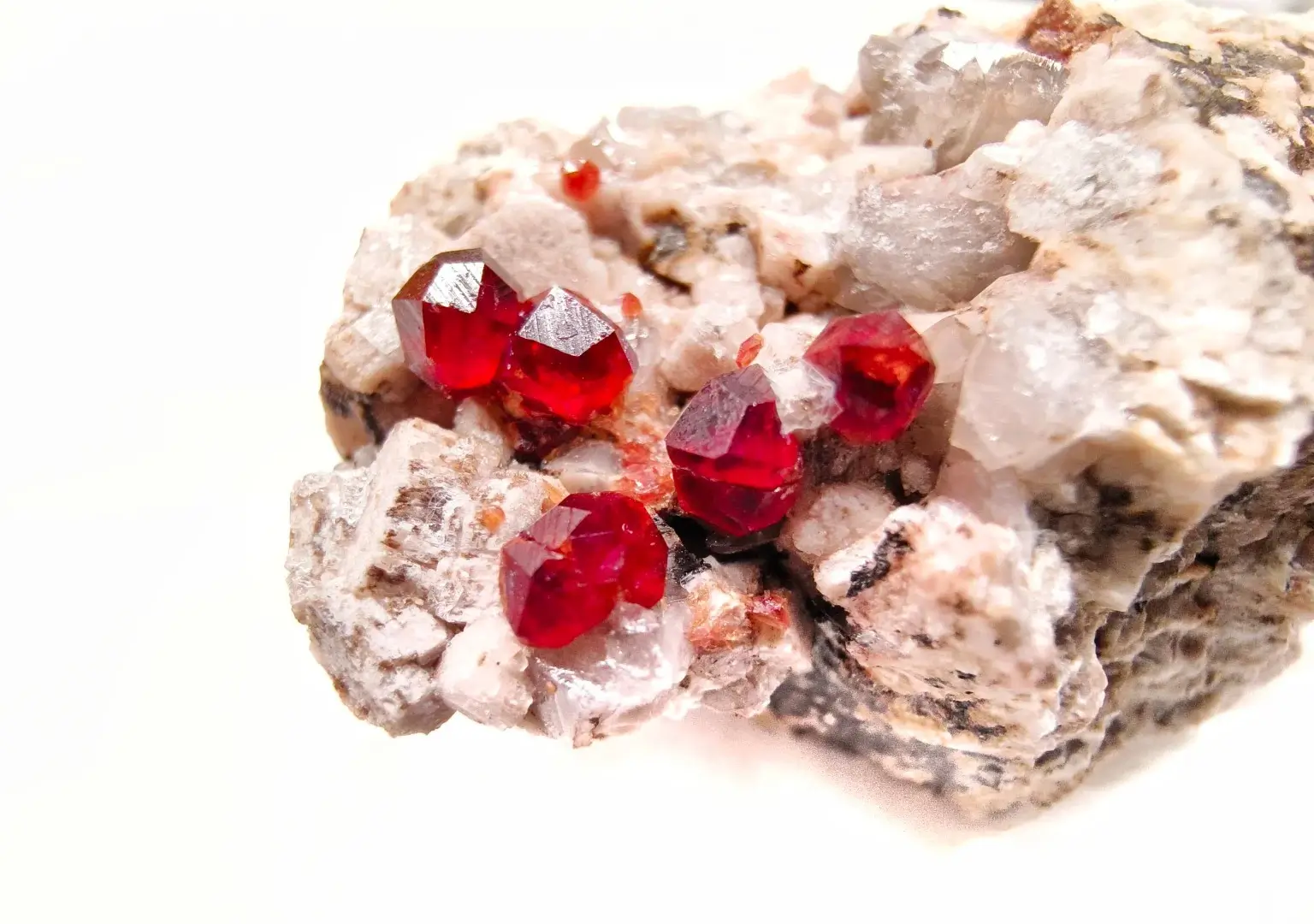
Alongside zircon, garnet serves as another key associated mineral found within the Mingxi sapphire mines. This region boasts not only abundant reserves but also high-quality specimens, making garnet one of the primary gemstones actively harvested and utilized from the site.
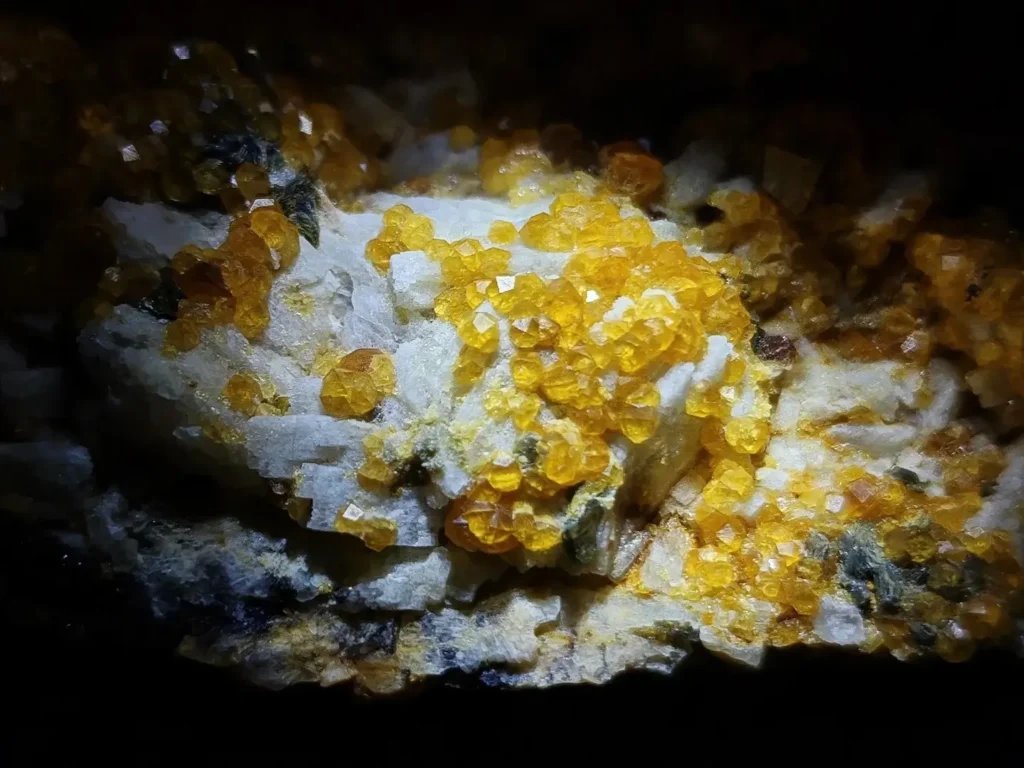
As we explored in our previous guide, The Ultimate Guide to the Garnet Family – Types, Colors, and Buying Tips, the garnet family encompasses a vast spectrum of colors and varieties. In Mingxi, these garnets typically manifest as rounded or irregular masses, with well-formed crystals being a rarer find. The color palette leans heavily toward purplish-red and orange-red. Notably, the orange-red varieties often reach impressive sizes, with the largest crystals measuring up to 24mm x 17mm.
The transparency of Mingxi garnet is generally excellent, offering a window into a fascinating internal world. Under magnification, you will frequently encounter needle-like and nail-like inclusions, alongside the occasional opaque black solid inclusion.
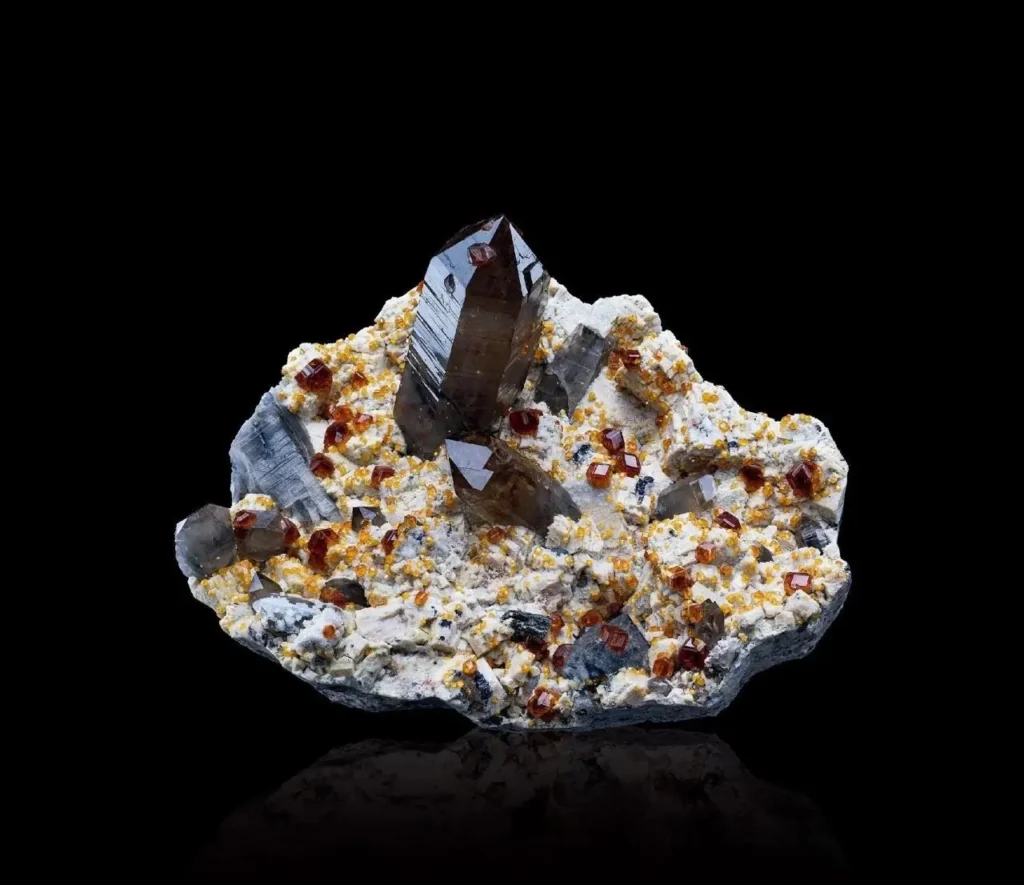
Venturing further south, Yunxiao County is one of the world’s significant sources for garnet specimens. This region is famous for its symbiotic combinations of smoky quartz and spessartine. These distinct minerals were among the first from China to gain international recognition. For collectors, a Yunxiao cluster is a classic example of the diverse Gemstones of Fujian.
Shoushan Stone: The Imperial Choice for Seals
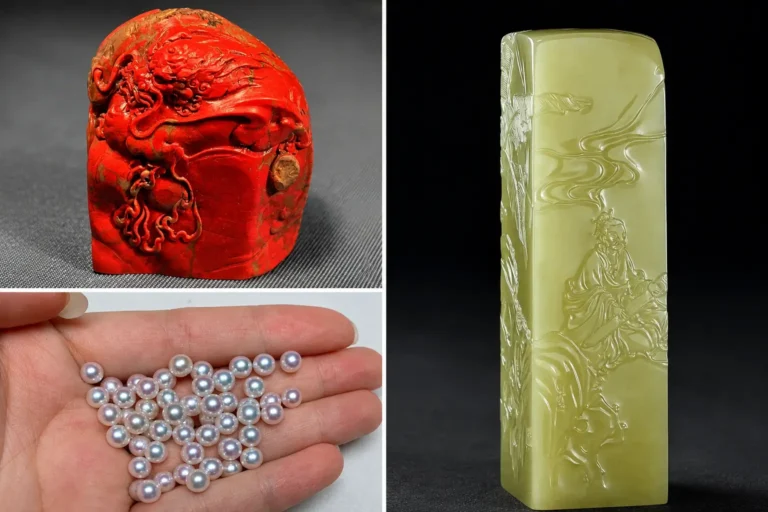
China celebrates four “Great Seal Stones”: Changhua Chicken-Blood Stone, Balin Stone, Qingtian Stone, and the pride of the Gemstones of Fujian—Shoushan Stone. Sourced from Shoushan Village near Fuzhou, this natural polycrystalline gemstone consists primarily of kaolinite, pyrophyllite, or illite. With over 1,500 years of history, its varieties have blossomed into over a hundred distinct types.
Shoushan Stone is also called Furong Stone, an ancient seal stone we explored in detail in our previous feature: Furong Stone Explained: Rose Quartz vs. Shoushan Stone — Two Gems, One Name. From a visual perspective, the color palette of Shoushan stone is incredibly rich, spanning a vast spectrum of white, red, yellow, green, purple, and black.
Among these many hues, yellow Shoushan stone commands the highest value. Specifically, Tianhuang Stone, harvested from the “paddy fields” (Tiankeng) of the Shoushan region, reigns as the most precious variety of all, earning the revered title of “The King of Stones.”
A Masterpiece of Texture and Craftsmanship
With a moderate hardness of 2.32 to 3.05, Shoushan stone offers a delicate, jade-like texture and a pleasing translucency. As early as the Southern and Northern Dynasties, skilled artisans were already carving it into intricate ornaments. By the Southern Song Dynasty, it began to replace traditional jade in palace rituals, becoming deeply integrated into imperial life.
The Yuan Dynasty marked the true rise of the Shoushan seal. The smooth, fine-grained nature of the Tianhuang and Furong varieties made them the perfect medium for intricate carving, winning the hearts of both royalty and the literati alike.
Imperial Legacy and National Treasures
The Qing Dynasty further cemented the stone’s prestige. Emperor Yongzheng’s famous “Diligence and Vigilance” seal was crafted from Shoushan stone, featuring an ornate carving of two chi (hornless dragons) on its crown. The Emperor kept this piece close as a constant reminder of his responsibilities to the throne.
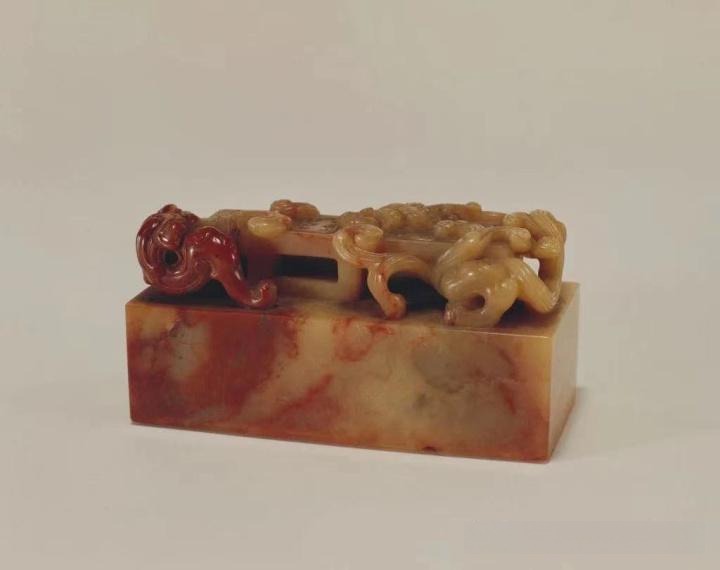
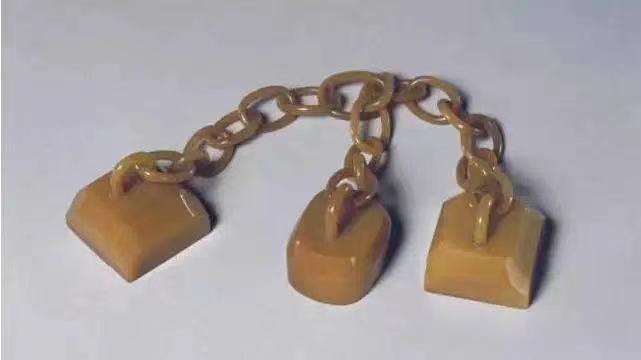
Perhaps the most legendary example is the “Tianhuang Three-Link Seals” housed in the Palace Museum in Beijing. Carved from a single piece of Shoushan stone, it was a prized possession of the Qianlong Emperor and remains a top-tier national treasure today. Even among the Gemstones of Fujian today, Shoushan stone remains the premier choice for master seal carvers worldwide.
Explore More in Our Chinese Gems Series
At Jewea, our mission is to uncover the hidden geological wonders across China. Before we dove into the Gemstones of Fujian, we explored several other regions famous for their rare and storied treasures.
Take a look back at our previous journeys:
East China
- Jiangxi: Gemstones of Jiangxi: Yingtan Yellow Wax Stone, Wannian Pearls, and Zhang River Agate | Chinese Gems Series
- Shandong: Gemstones of Shandong: Changle Sapphire, Diamond & Taishan Jade | Gems of China Series
- Anhui: Gemstones of Anhui: Huoshan Quartzite Jade, Huangshan Wax Stone & Turquoise | Gems of China Series
- Jiangsu: Gemstones of Jiangsu: Crystal, Yuhua Stone, & Taihu Stone | Gems of China Series
- Taiwan: Gemstones of Taiwan: Red Coral, Blue Chalcedony, Taiwan Nephrite & Seven-Color Jade | Gems of China Series
- Zhejiang: Gemstones of Zhejiang: Changhua Chicken-Blood Stone, Qingtian Stone, & Zhuji Pearls | Gems of China Series