Gemstones of Hubei: Turquoise, Malachite, Apophyllite, and Agate | Gems of China Series
In this edition of the “Gemstones of China” series, we travel south to discover the hidden treasures of Hubei Province. Known as the “Province of a Thousand Lakes,” Hubei is situated in South-Central China along the middle reaches of the Yangtze River. It serves as a vital transportation hub connecting east to west and north to south. This land is not only home to the magnificent Chu Culture and unique cuisine but also boasts incredibly rich mineral resources.
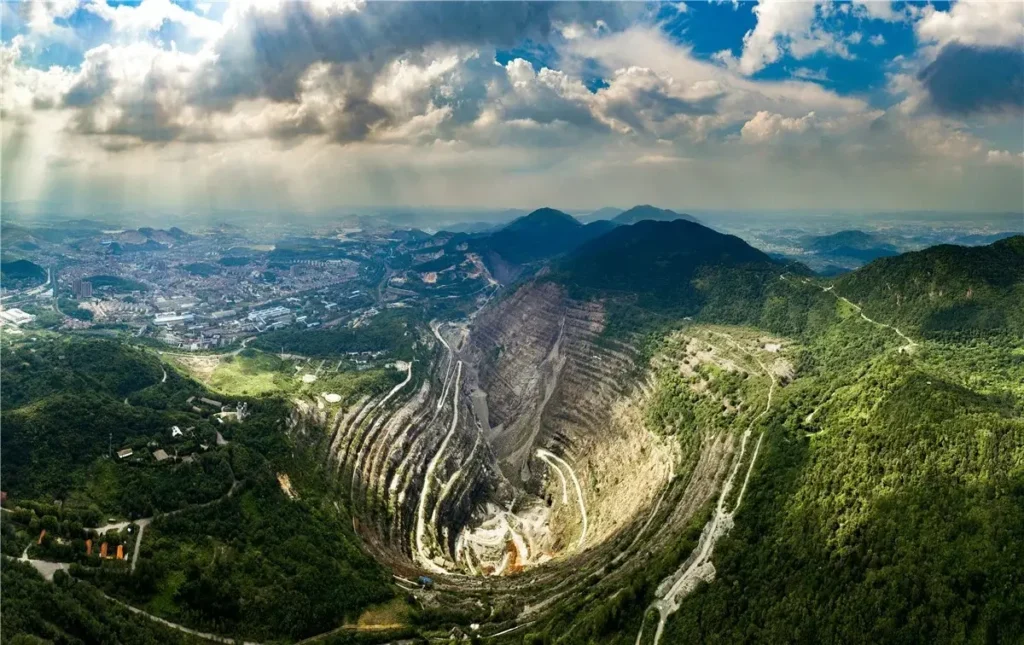
As early as the Shang Dynasty (3,500 years ago), the Shang kings established cities in present-day Wuhan specifically to control the copper mines in Ezhou and Daye. In the late Qing Dynasty, iron ore from this region flowed steadily into the Hanyang Iron Works, with cumulative production reaching a staggering 140 million tons.
To date, 136 types of minerals have been discovered in Hubei, accounting for 81% of all mineral types found in China. Furthermore, 57 of these minerals rank among the top 10 in national reserves. In this chapter, we invite you to explore the signature gemstones of Hubei: Zhushan Turquoise, Daye Malachite, Apophyllite, and Yichang Agate.
Zhushan Turquoise: 70% of the World’s Reserves
You cannot discuss Hubei without highlighting its Turquoise. As we previously explored in our feature, Turquoise: From December Birthstone to High Jewelry Masterpieces, this gemstone—often called “Turkish Stone”—holds the prestigious title of Turkey’s national stone. Revered globally as the “Emerald of the East,” it has remained a favorite among collectors and connoisseurs for millennia.
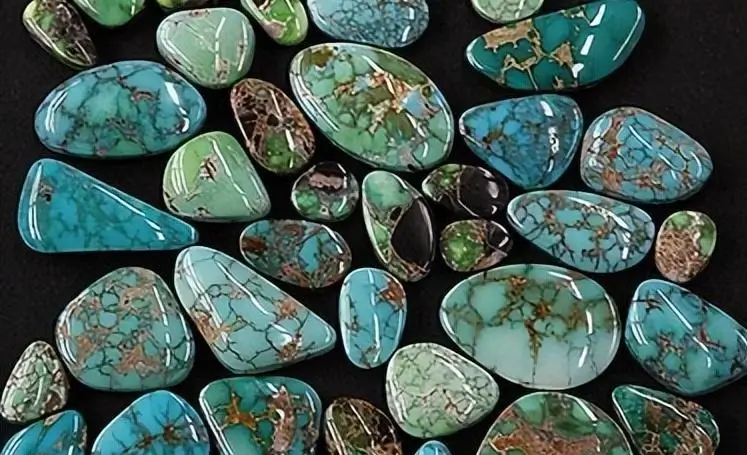
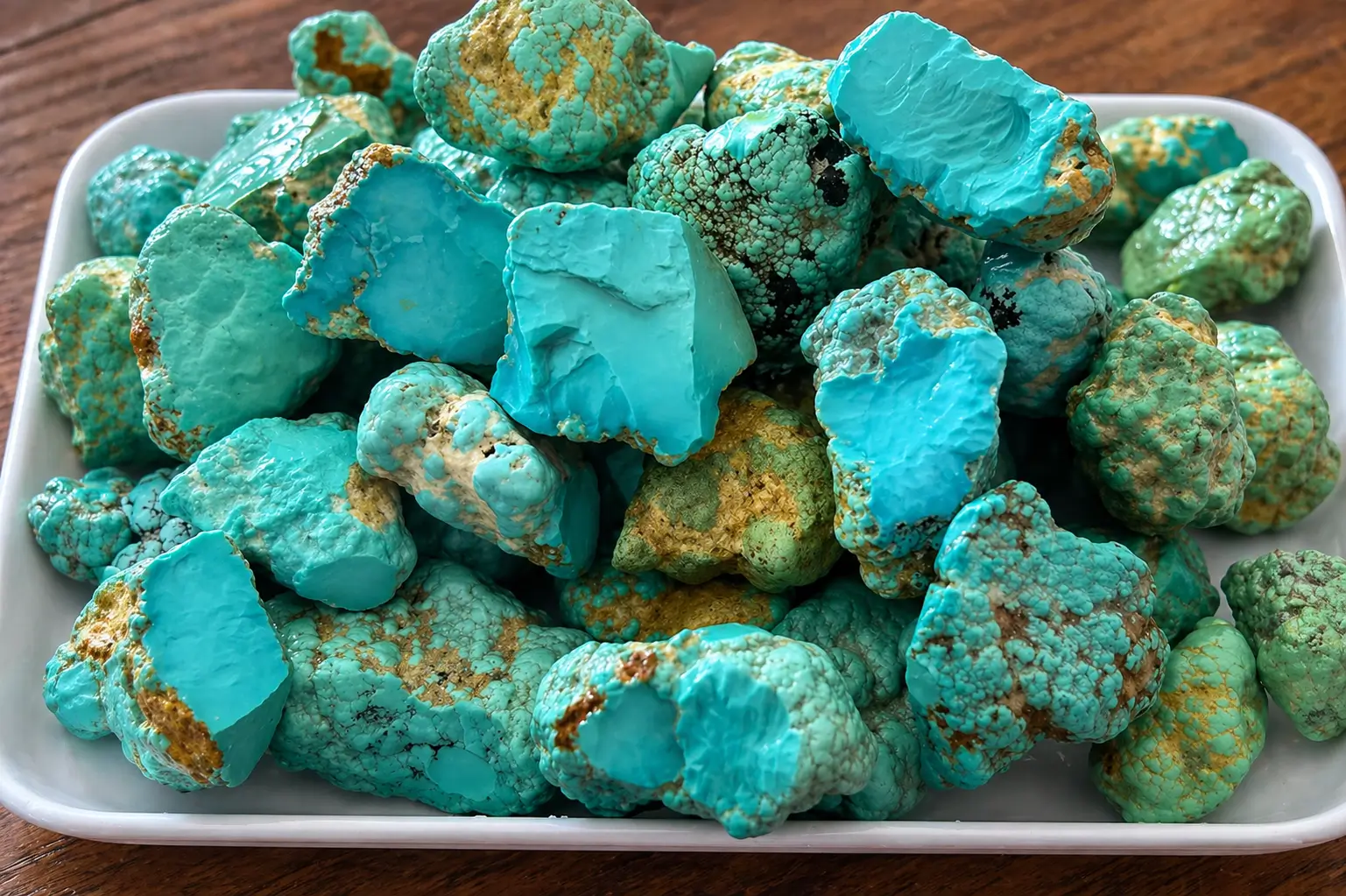
While we have previously explored the ancient Egyptian turquoise trade, China stands as a global powerhouse in its own right. Remarkably, the country accounts for 70% of the world’s turquoise resources. While deposits are scattered across Shaanxi, Anhui, and beyond, the true heart of this industry lies in Hubei.
The corridor encompassing Yunxian, Yunxi, and Zhushan is a world-class turquoise mining hub. Hubei material is globally recognized for several defining characteristics:
- Vibrant Saturation: A wide spectrum of vivid colors paired with a refined, jade-like texture.
- Optimal Hardness: Typically ranging between 5–6 on the Mohs scale, providing excellent durability.
- Superior Finish: A natural waxy luster when polished, making it the premier choice for intricate carvings and high-end jewelry.
Distribution Across Three Primary Mineral Belts
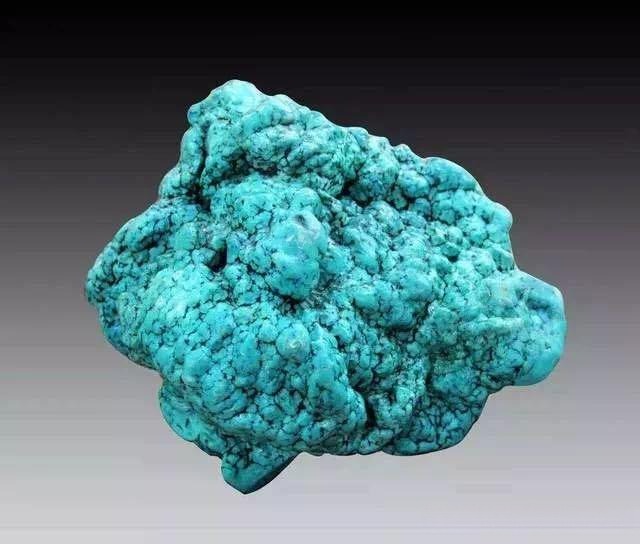
The turquoise deposits in this region follow a distinct geological layout, organized into three primary belts:
- The North Belt: Centered around Yungai Temple in Yunxian and Majiagou in Yunxi. The ore here consists primarily of turquoise, supplemented by halloysite and limonite. These specimens are typically opaque, exhibiting deep shades of blue and green.
- The Middle Belt: Spans across Guanyin Temple and Meitangou in Yunxi.
- The South Belt: This is the most significant belt, boasting the largest reserves and the highest density of mining points. Concentrated around Yujia’ai in Zhushan, these deposits yield high-purity turquoise alongside minerals like kaolin, quartz, and mica. The ore often forms in dense, massive, or stalactitic aggregates, prized for its pure sky-blue and yellow-green hues.
A Legacy in Stone: Ancient Artifacts and Historic Mines
Hubei is more than a resource hub; it is a vital archaeological site where some of China’s most prestigious ancient turquoise artifacts have come to light.
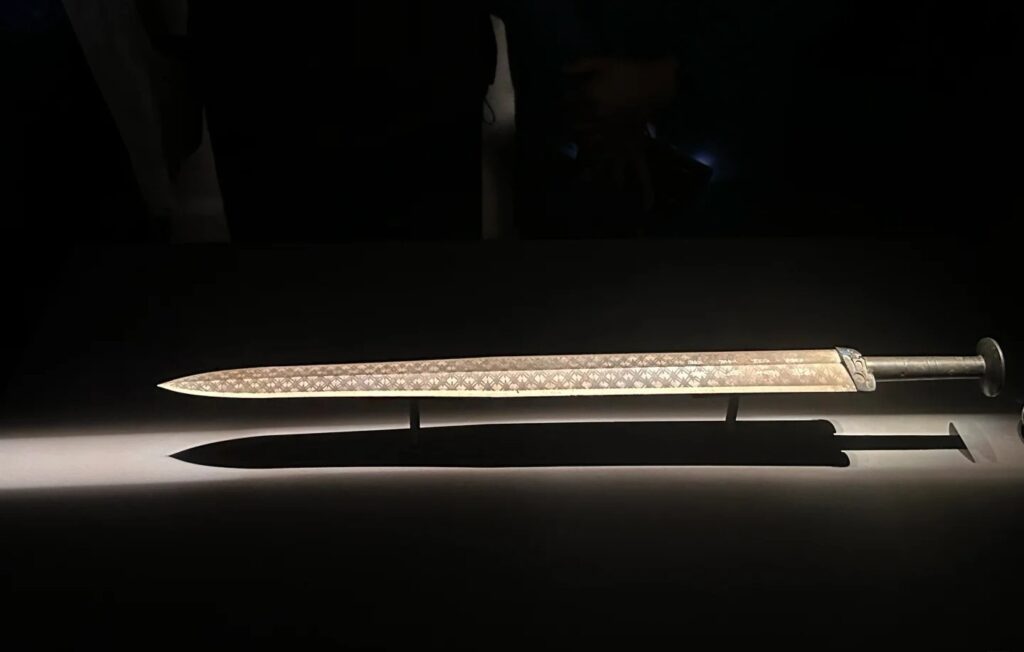
- The Sword of Goujian: Unearthed in Jiangling in 1965, this legendary blade dates back to the Spring and Autumn period. While the sword is famous for its intricate black rhombic patterns, its hilt is adorned with exquisite turquoise inlays—a true masterpiece among ancient bronze weaponry.
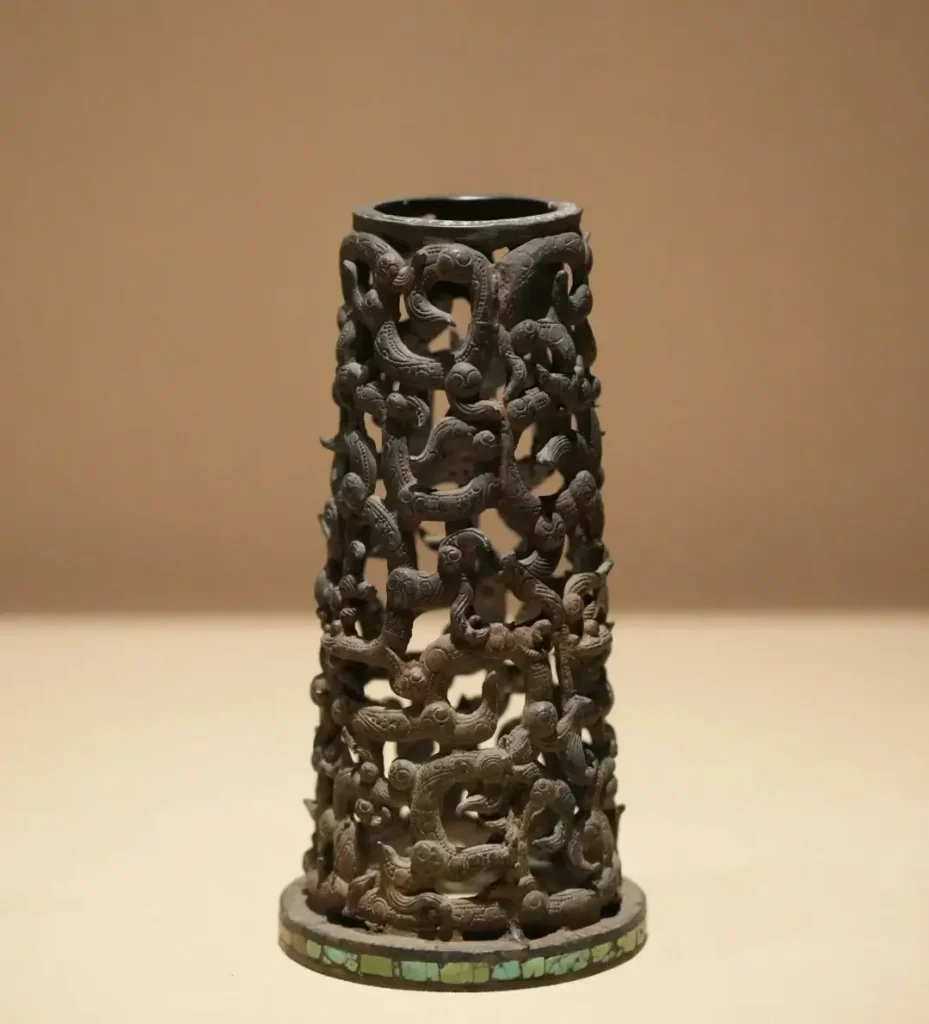
- The Openwork Bronze Censer of Marquis Yi of Zeng: Discovered in Suizhou in 1978, this Warring States-era treasure features a complex design of intertwined dragons (Panchi patterns). A delicate ring of turquoise encircles the base, showcasing the exceptional craftsmanship of the era.
Daye Malachite: The “Peacock Stone”
Malachite, a copper carbonate hydroxide mineral, takes its name from its striking resemblance to peacock feathers. While Zambia, Australia, and Russia supply much of the world’s malachite, China produces its primary yield in Yangchun (Guangdong), Daye (Hubei), and Northwestern Jiangxi.
Having previously covered Yangchun malachite in our “Guangdong Gems” edition, we now turn our focus to Hubei. The malachite produced here typically forms through the oxidation of copper and iron, often occurring alongside azurite in various forms, such as fibrous, encrusted, and cloud-like structures.
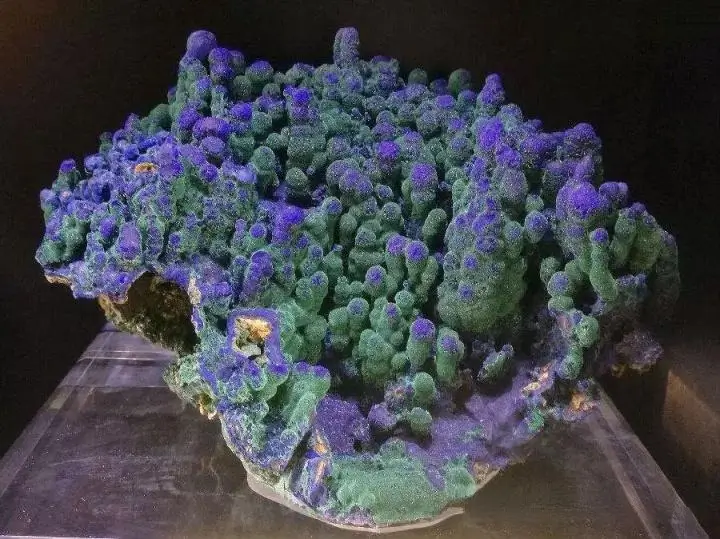
Characterized by its fine texture and saturated deep-green or forest-green hues, the region frequently yields large-scale specimens. Beyond its use in jewelry, this malachite remains a premier choice for intricate ornamental carvings.
The Evolution of Daye Malachite
Hubei’s malachite primarily comes from Tonglushan in Daye. Modern copper mining operations rediscovered the mineral in the 1970s. However, its true value remained unrecognized for years. Initially, locals treated the mineral as common industrial ore. They often tossed specimens into smelting furnaces or processed them into copper sulfate.
A major turning point occurred in the 1980s when international experts evaluated the material. They confirmed that the hardness and luster of Tonglushan malachite met gem-grade standards, causing market prices to skyrocket almost overnight.
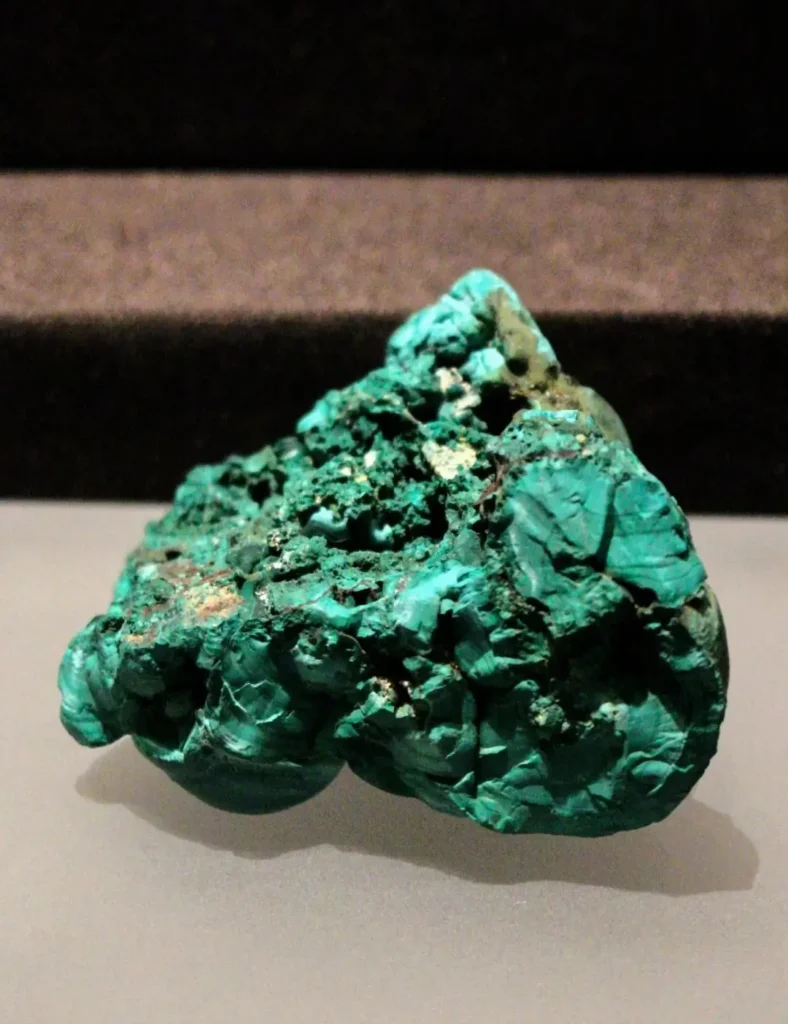
Today, however, the landscape has changed. Due to early unscientific mining practices, the malachite resources in Daye are nearing exhaustion. As a result, authentic Daye malachite has become a rare find in the current gemstone market.
Apophyllite: The “Fish-Eye” Stone
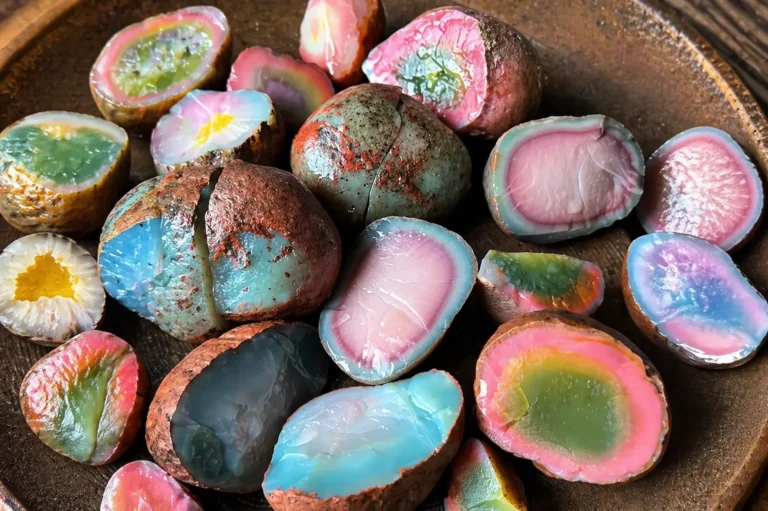
Apophyllite is a hydrated potassium calcium silicate mineral, distinguished by the pearly luster of light scattered from its cleavage planes—a visual effect so reminiscent of a fish’s eye that it inspired the mineral’s name. Depending on its chemical composition, it typically occurs as either Fluorapophyllite or Hydroxyapophyllite.
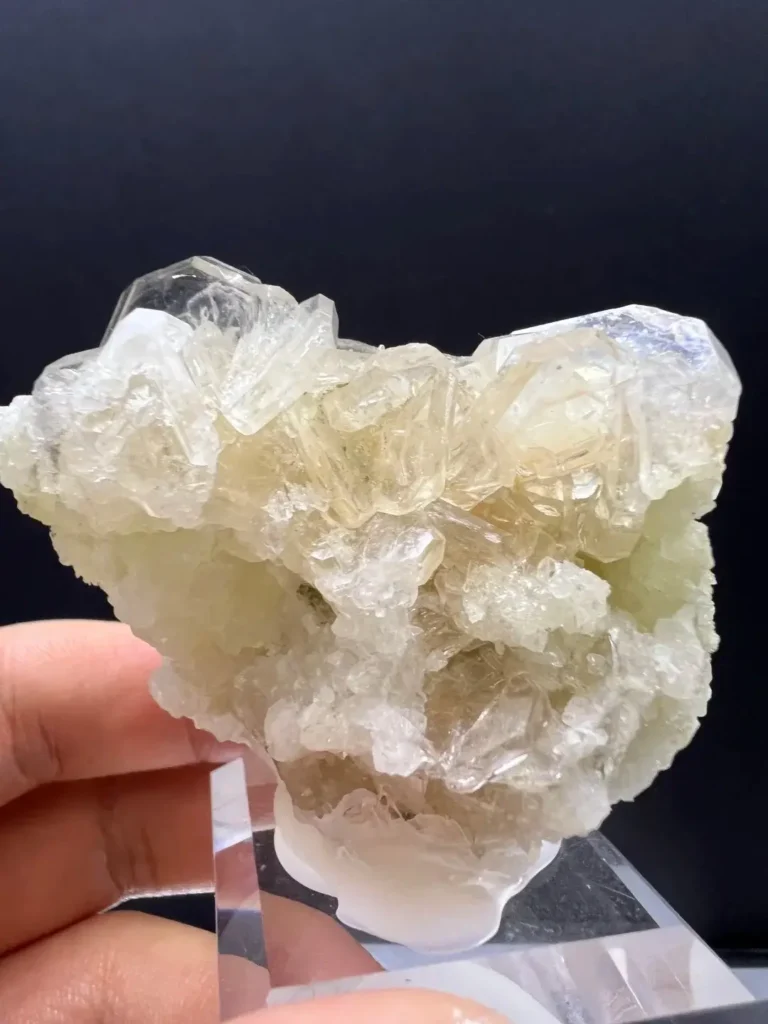
While gem-grade apophyllite was first identified by gemologists in Jiangsu Province during the 1980s, subsequent discoveries in Hubei and Qinghai brought stunning crystal clusters to the forefront of the collector market. In Hubei, production centers on Daye and Yangxin, where Hydroxyapophyllite is the dominant variety.
Hubei apophyllite is highly prized for several defining characteristics:
- Physical Form: Specimens primarily exhibit a tabular habit, with a Mohs hardness ranging between 4 and 5.
- Color Palette: The color spectrum is remarkably broad, spanning from pure white and soft pinks to pale greens and earthy browns.
- Mineral Symbiosis: These crystals frequently coexist with over ten different minerals, including witherite, zeolites, and amethyst. It is not uncommon for a single specimen to host eight or nine distinct mineral species, creating a diverse, multifaceted display that holds immense value for serious collectors.
Yichang Agate: The “Jing Hong” Beauty
If you have been following our series, you are likely already familiar with the incredible diversity of Chinese agate. As we explored in our guide, Types of Agate: Exploring Rare and Unique Varieties from China, this mineral spans 22 provinces across the country, each offering a distinct aesthetic.
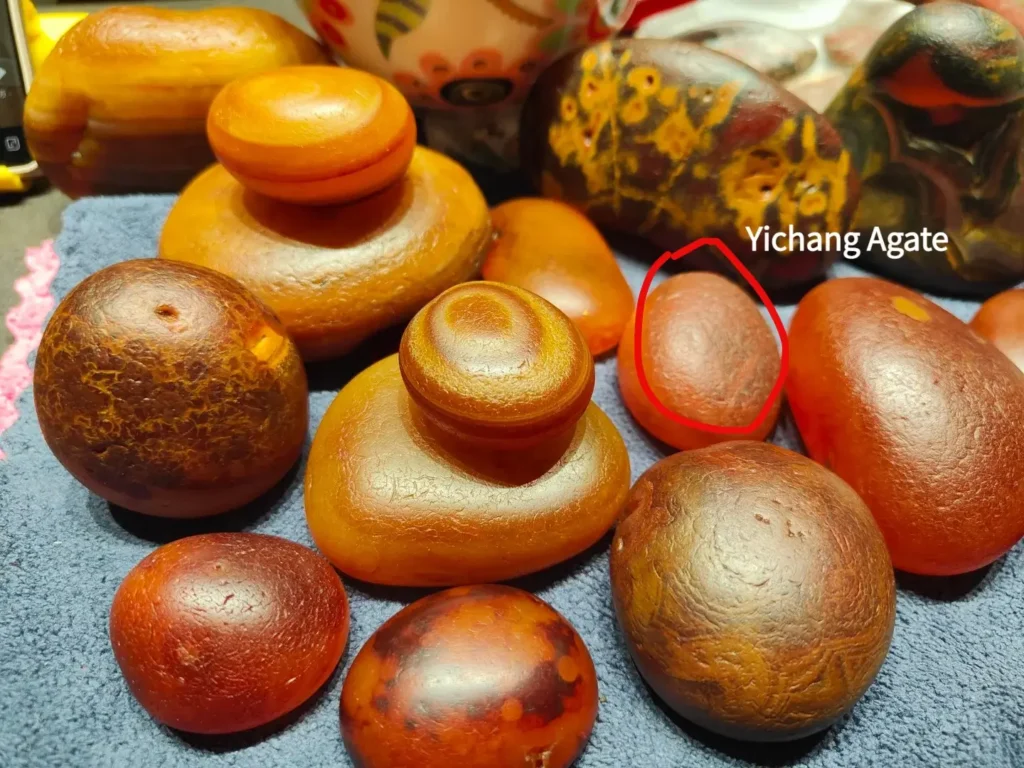
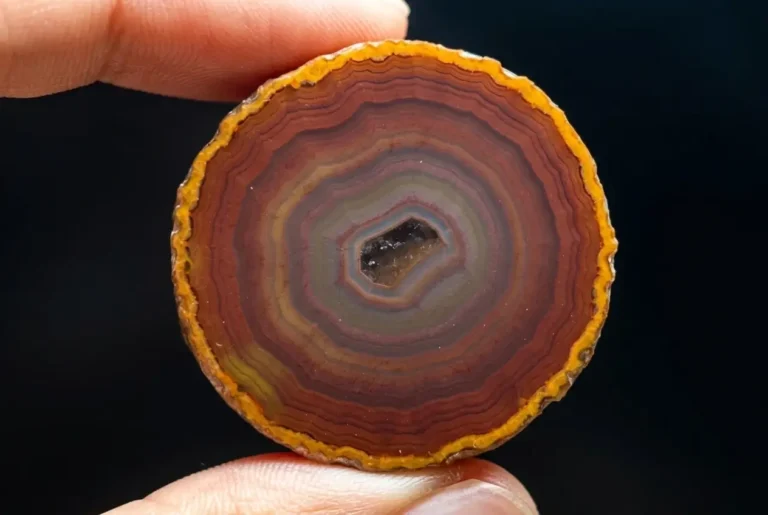
Locals call the variety from Yichang “Jing Hong,” a name that marries the historic Jingting area with the vibrant “Hong” (red) hues that characterize the stone.
While it may not yet share the same mainstream fame as the The Big Three: A Guide to Chinese Red Agate Varieties—such as Liaoning’s Xuanhua (Warring States) Red or Southern Sichuan’s Nanhong—Jing Hong stands its ground with an exceptionally fine texture and superior hardness.
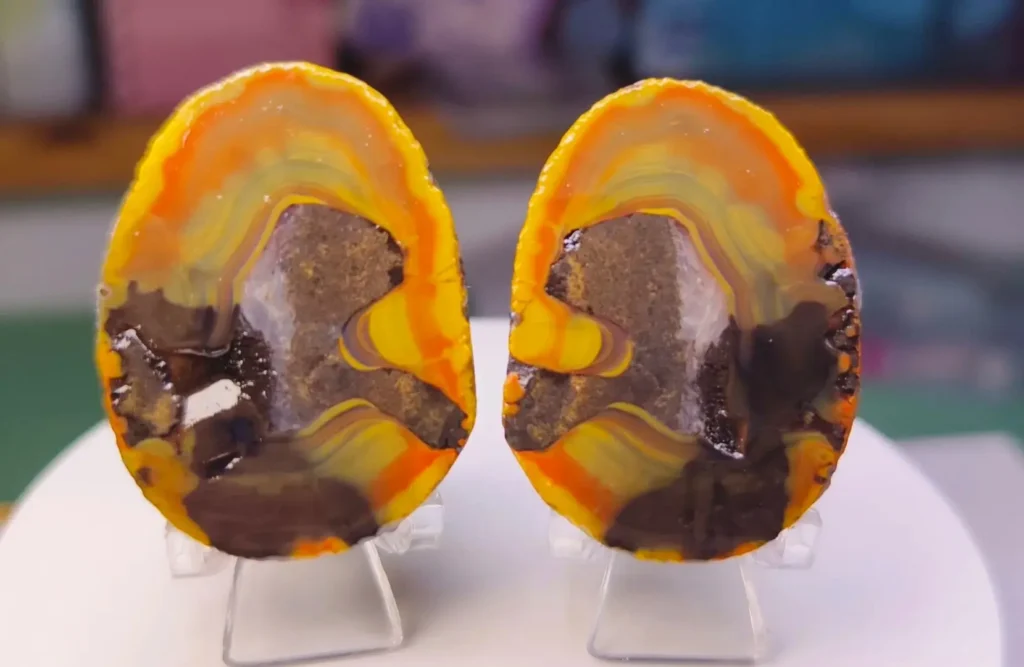
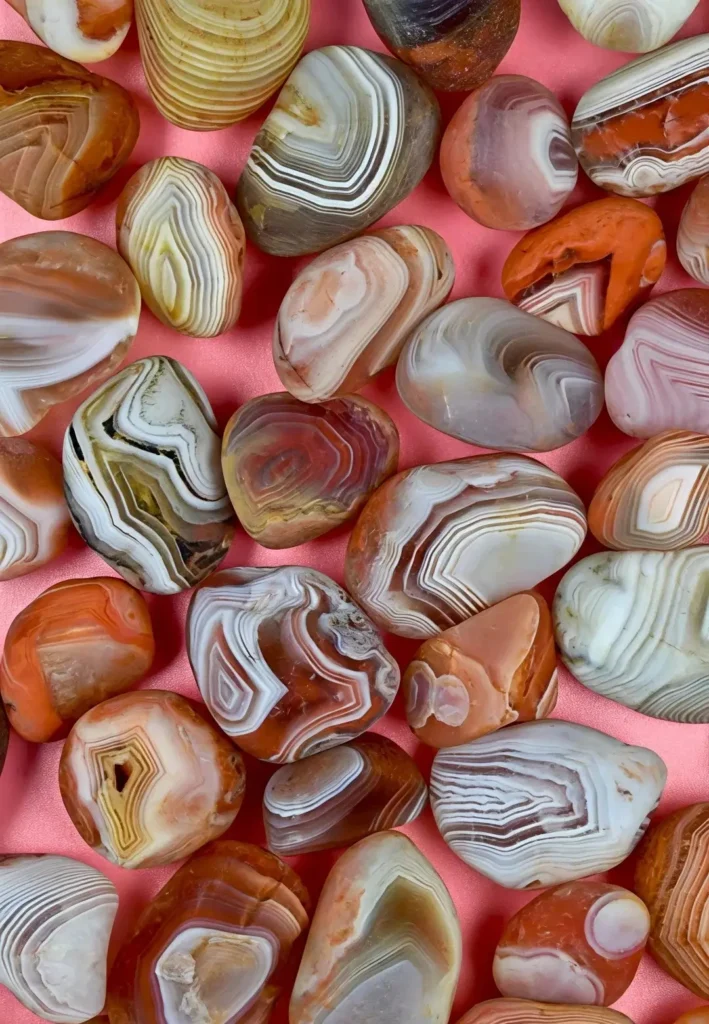
The true allure of Yichang Agate lies in its color palette and structural depth. It features a rich spectrum of reds, including true crimson, vibrant orange-red, and deep vermilion, often accented by unique silk-banded (Sardonyx) patterns. Once polished, these stones reveal a brilliant luster and excellent transparency, making them a premier choice for high-quality jewelry and intricate small-scale carvings.
Explore More in Our Chinese Gems Series
At Jewea, our mission is to uncover the hidden geological wonders across China. Before we dove into the Gemstones of Hubei we explored several other regions famous for their rare and storied treasures.
Take a look back at our previous journeys:
Central China