Gemstones of Tibet: Renbu Stone, Ivory Magnesite, Moss Agate, Tourmaline, and Amethyst | Gems of China Series
In this installment of our “Gemstones of China” series, we journey to the southwestern frontier to explore the legendary treasures of Tibet. If there is one place on Earth that demands a visit in a lifetime, it is this. From the sacred majesty of the Potala Palace to the cloud-piercing heights of Mount Everest and the dizzying depths of the Yarlung Tsangpo Grand Canyon, Tibet is a land of breathless beauty—a place where every snapshot captures a masterpiece.
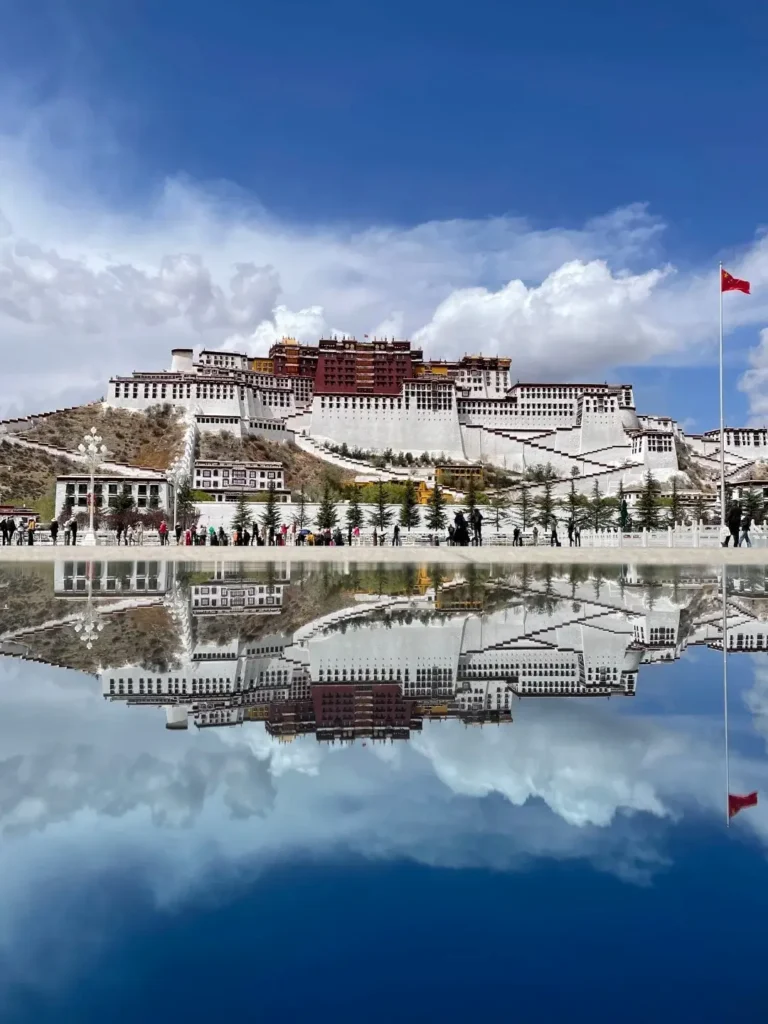
Beyond its awe-inspiring vistas, Tibet is a geological powerhouse. The region sits atop a wealth of natural resources; of the 101 minerals discovered here, 12 rank in the top five for national reserves, playing a pivotal role in the global mineral landscape.
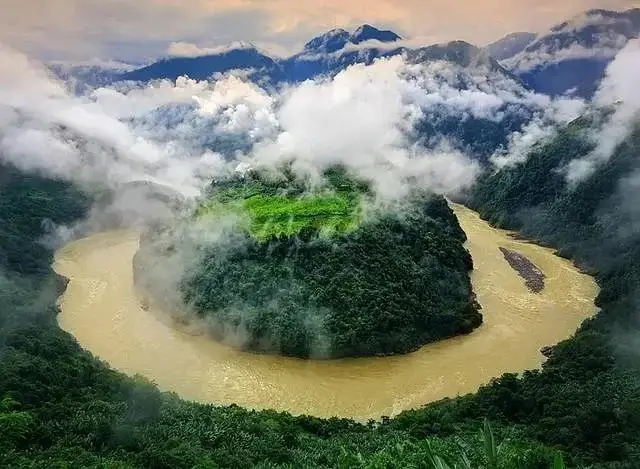
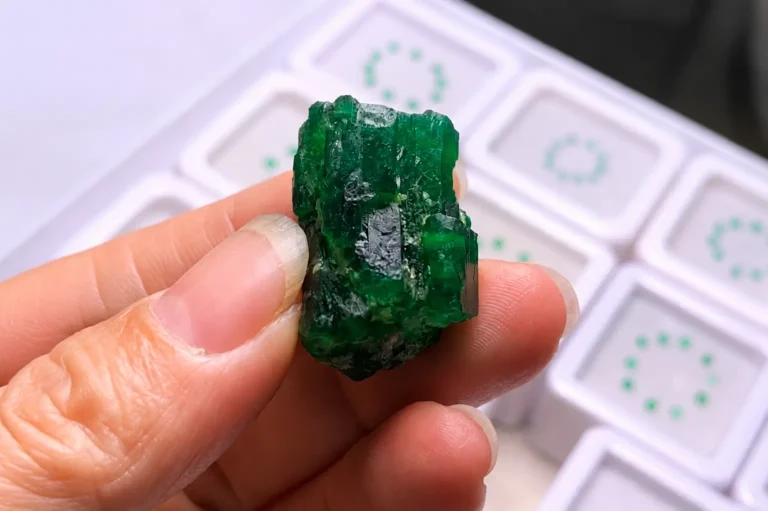
There is a common misconception among enthusiasts that “Tibetan jewelry” begins and ends with the “Seven Treasures of Buddhism”—the aged amber, coral, and turquoise so often worn by the local people. However, none of these are actually mined in Tibet. Today, we go beyond the market stalls to uncover the authentic, locally sourced treasures of the plateau: Renbu Stone, Ivory Magnesite, Moss Agate, Tourmaline, and Amethyst.
Renbu Stone: The Artisan’s Heritage of Rinbung County
Renbu Stone (locally known as Renbu Jade) draws its name from Rinbung County, situated on the southern banks of the middle Yarlung Tsangpo River in Shigatse. While referred to as “jade” in local tradition, scientists identify the mineral as Clinochlore—a magnesium-rich chlorite rock. Its mineral structure often includes traces of epidote and apatite, resulting in a distinct color palette of misty white and pale greens. When polished, the stone exhibits a signature oily luster and a delicate, translucent quality.
With a Mohs hardness of approximately 3, Renbu Stone remains remarkably workable despite its dense, compact texture. This unique physical profile makes it a prized medium for intricate carvings. As early as the 1420s, Tibetan craftsmen were already transforming the raw stone into specialized, small-scale wares.
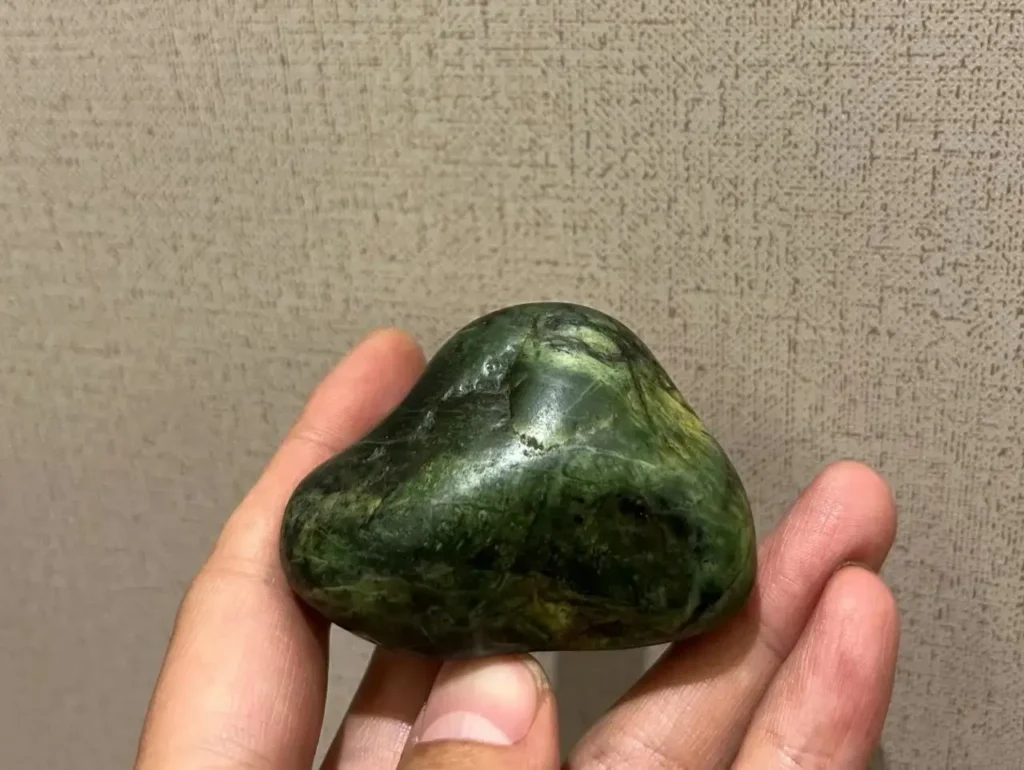
Historical artifacts, such as traditional tea bowls, wine decanters, and fine inkstones, highlight the stone’s incredible versatility. These finished pieces earn praise for their sophisticated craftsmanship and refined silhouettes. Today, Renbu Stone remains a definitive symbol of Tibetan artisanal skill, blending natural geological beauty with a deep-rooted cultural legacy.
Ivory Magnesite: The “Ivory” of the Highlands
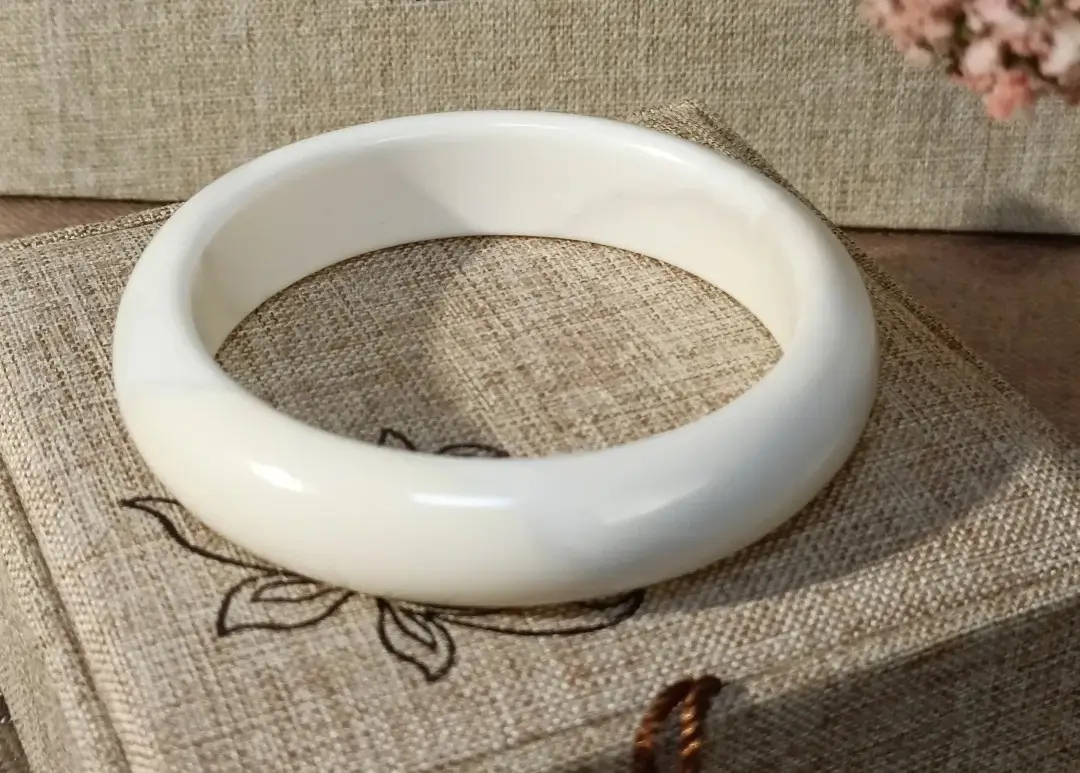
Beyond Renbu Stone, the southern foothills of the East Kunlun Mountains in Tengchen County produce another remarkable material: Ivory Magnesite (locally called Ivory Jade). Its name stems from its striking resemblance to natural elephant ivory in both color and luster.
The stone consists primarily of siliceous magnesium carbonate, accompanied by traces of quartz and various metallic minerals. Its cryptocrystalline structure gives it a dense, uniform appearance. The color palette typically features pure white, porcelain cream, and soft, pale yellows.
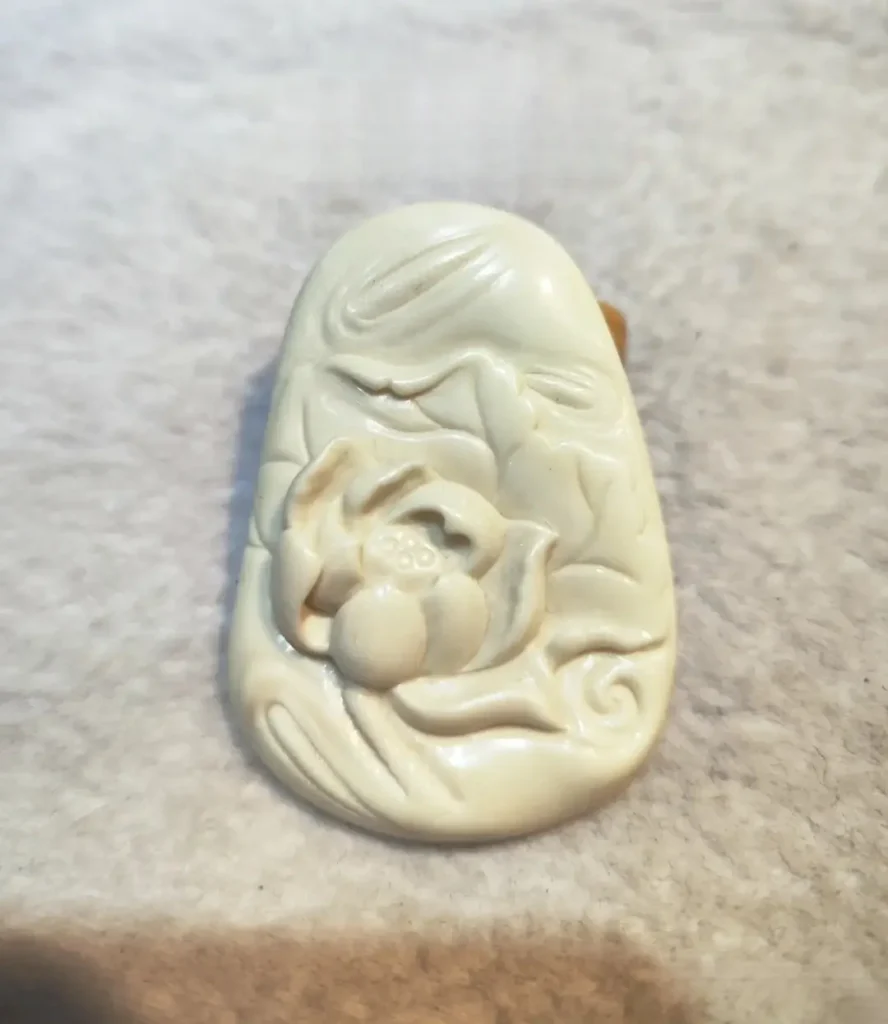
Artisans value Ivory Magnesite for its fine-grained texture and slight translucency. It possesses excellent toughness and takes a high polish, making it an ideal medium for prayer beads (malas), figurines, and other intricate carvings.
Currently, geological surveys have identified substantial reserves across six Tibetan counties, including Riwoqe, Gêrzê, and Gar. Given its abundance and aesthetic appeal, this stone holds significant potential for the regional gemstone industry.
Moss Agate: Nature’s Underwater Garden
Beyond the more common varieties lies a captivating gemstone known as Moss Agate. It earned its name from the intricate, moss-like patterns trapped within. These internal textures mirror the look of drifting water plants in a pond.
Moss Agate typically ranges from transparent to translucent. While it appears in a vibrant spectrum of reds, greens, and purples, the green variety remains the most iconic. In Tibet, these stones primarily come from the Shannan (Lhoka) region.
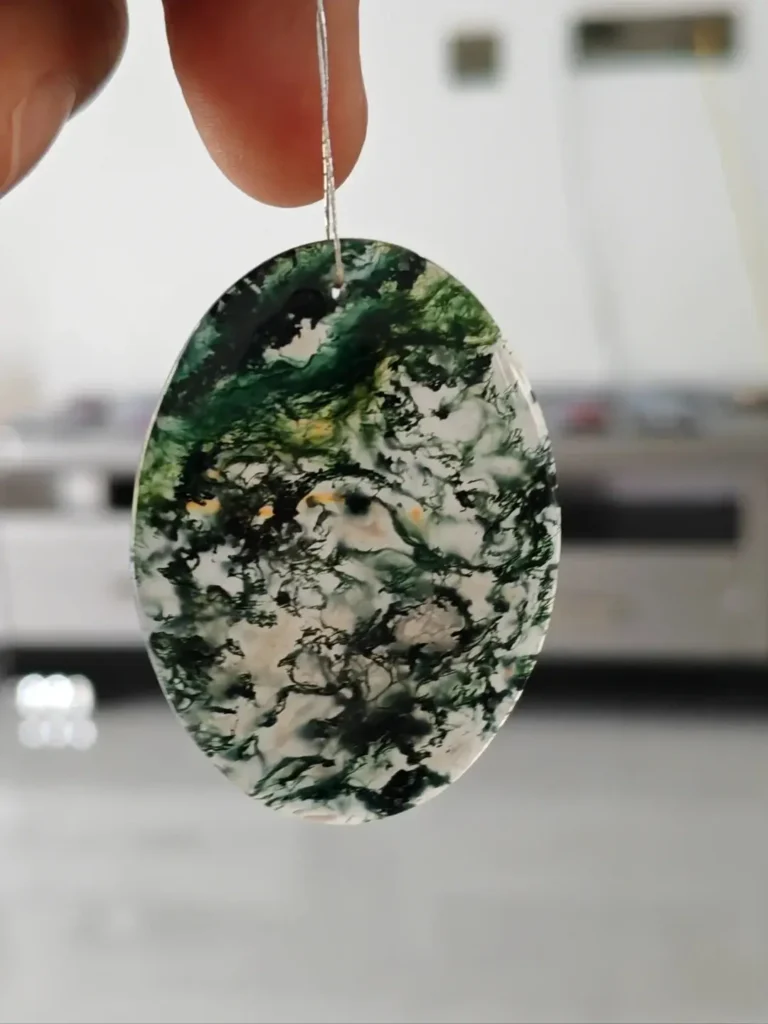
The “aquatic plants” visible inside are actually natural mineral inclusions. Their vivid colors and organic shapes create a striking visual depth. Because of this unique natural artistry, collectors highly prize Tibetan Moss Agate for its ornamental and decorative value.
Tourmaline: The Vivid Crystals of Cona
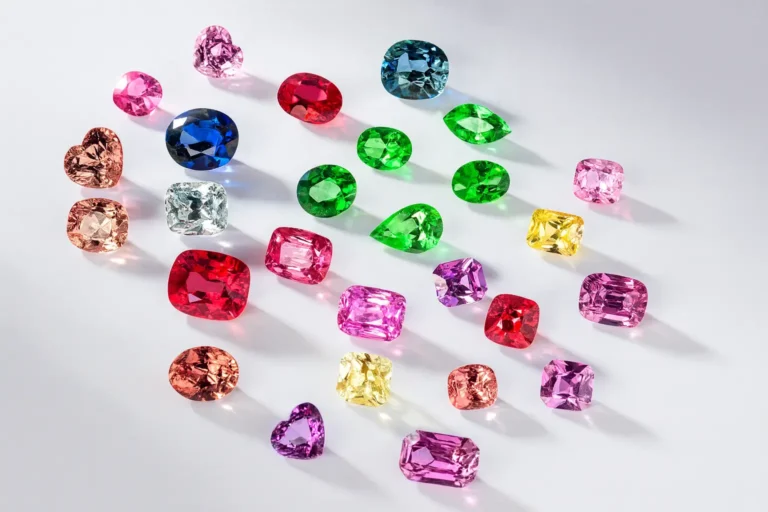
In our previous guide, Tourmaline Gemstone Guide – Colors, Varieties, and How to Spot Fakes, we explored the mineralogy of this vibrant stone. Scientifically known as schorl or elbaite (borosilicate crystals), tourmaline spans a vast spectrum of reds, greens, and blues. It holds a respectable Mohs hardness of 7. However, naturally flawless specimens are rare; most crystals contain characteristic fluid inclusions or internal fractures.
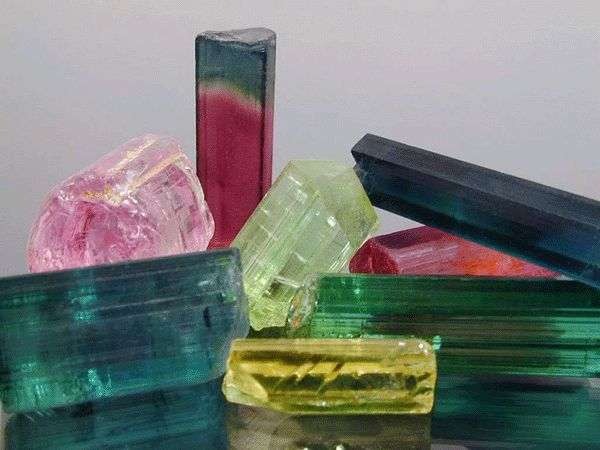
While world-renowned deposits exist in Minas Gerais (Brazil), the Ural Mountains (Russia), and the United States, China also hosts significant reserves. Domestic production primarily centers on Xinjiang’s Altai Mountains, Yunnan’s Ailao Mountains, and the rugged highlands of Tibet.
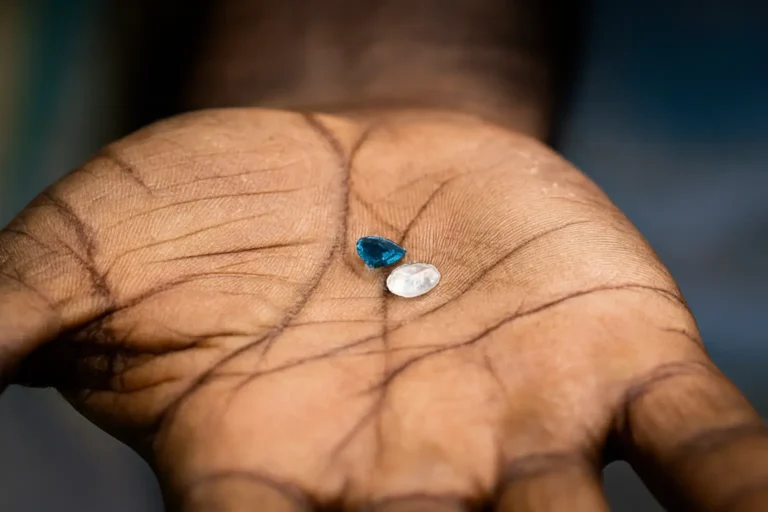
Tibetan tourmaline originates mainly from Cona County within the Lhoka (Shannan) Prefecture. The deposits here yield a diverse array of hues, including dusty pinks, yellowish-greens, and deep sea-blues. Most crystals range from 1 to 2 cm in size, though rare finds can reach up to 4 cm. These transparent to translucent crystals often boast remarkable clarity with fewer fractures than average, making them a high-value resource for gemstone development.
Amethyst: The Royal Treasure of Northern Tibet
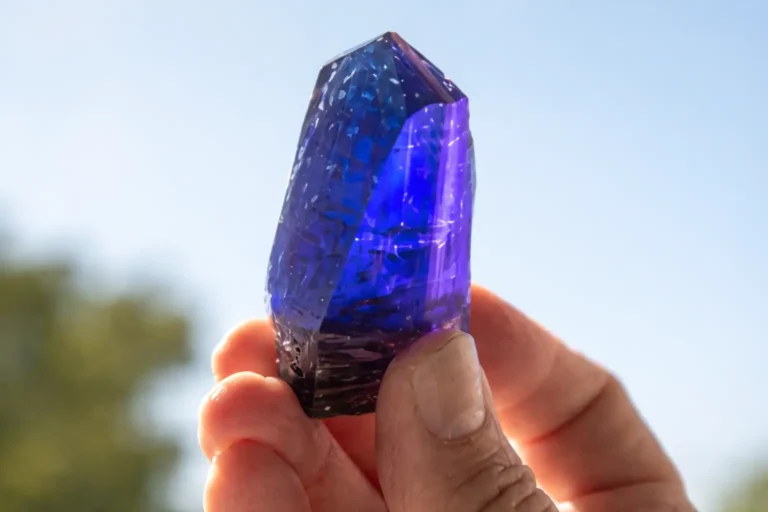
In our feature, Amethyst—The Aristocratic Beauty in Everyday Life, we discussed how the rich hues of this stone have captivated royalty for centuries. Among the vast quartz family, amethyst holds the highest status as a true gemstone. While famous deposits span the globe—from Brazil and Zambia to Madagascar—China also possesses notable reserves in Xinjiang, Shandong, Yunnan, and Tibet.
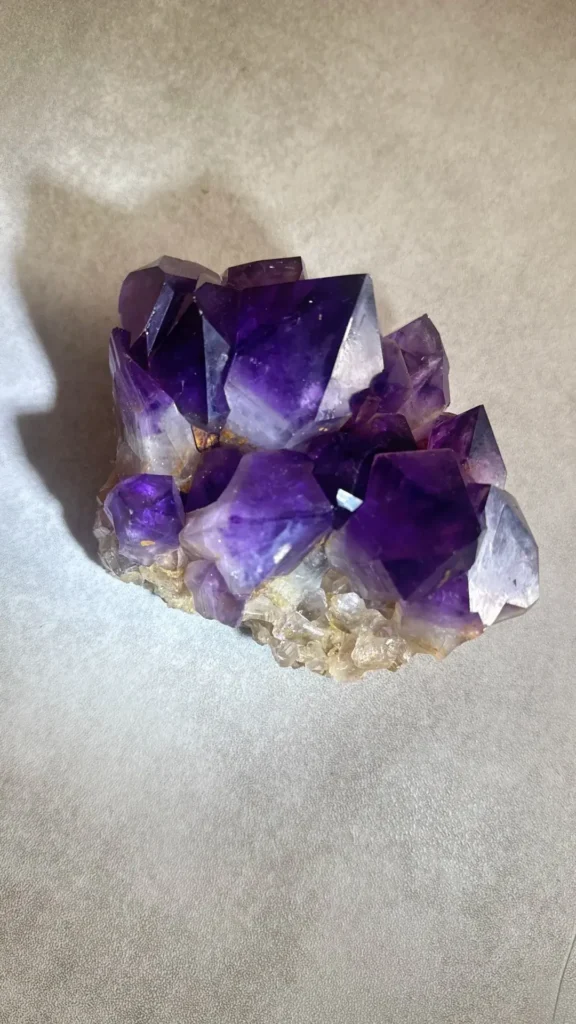
Tibet’s amethyst deposits concentrate primarily in Baingoin County, within the Nagqu region. The crystals here range from translucent to transparent and often form in large, impressive clusters. The color palette is exceptionally broad, featuring shades of lilac, deep violet, and blue-purple. Collectors particularly prize the deep crimson-purples and rich “wine-red” hues found in this area.
Geological surveys indicate that gem-grade crystals account for approximately 10% of the total reserves in this region. While much of the material serves as mid-to-low-tier gemstone stock, the scale and quality of these deposits represent significant untapped potential for the industry.
Explore More in Our Chinese Gems Series
At Jewea, our mission is to uncover the hidden geological wonders across China. Before we dove into the Gemstones of Tibet we explored several other regions famous for their rare and storied treasures.
Take a look back at our previous journeys:
Southwest China
- Sichuan: Gemstones of Sichuan: Agate, Longxi Jade, and Rare Tabular Beryl | Gems of China Series
- Yunnan: Gemstones of Yunnan: Nan Hong Agate, Huanglong Jade, Emerald, Ruby, Tourmaline & Aquamarine | Gems of China Series
- Guizhou: Gemstones of Guizhou: Guicui Quartzite, Luodian Nephrite, & Chinese Bloodstone | Gems of China Series