Unmasking “Golden Jadeite’s” Twin: The Mystery of High-Grade Vesuvianite Jade
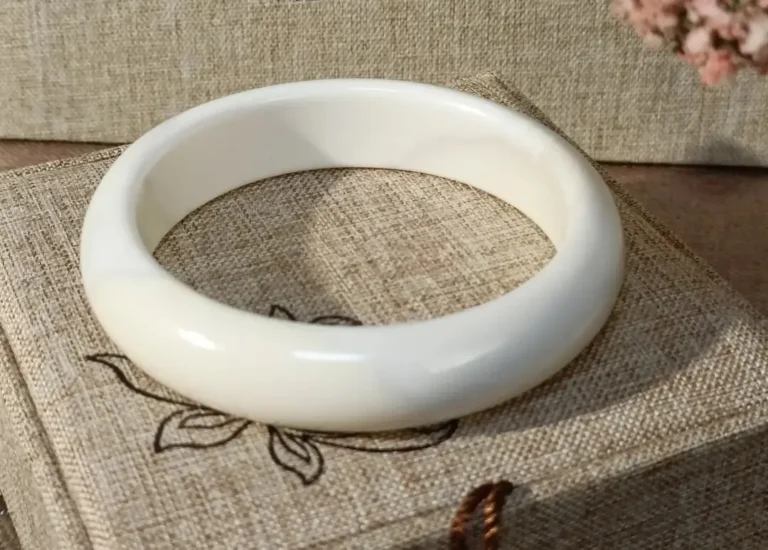
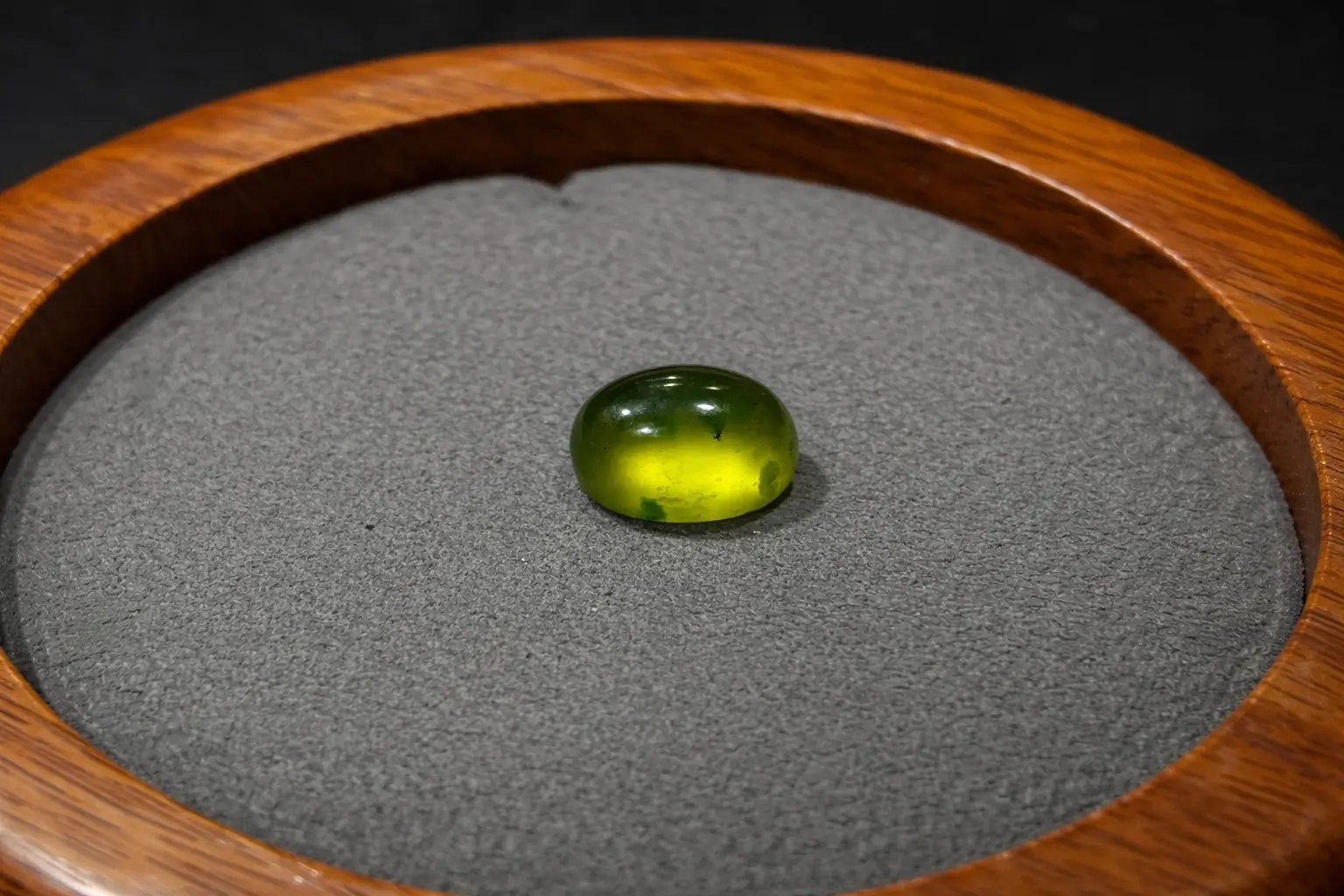
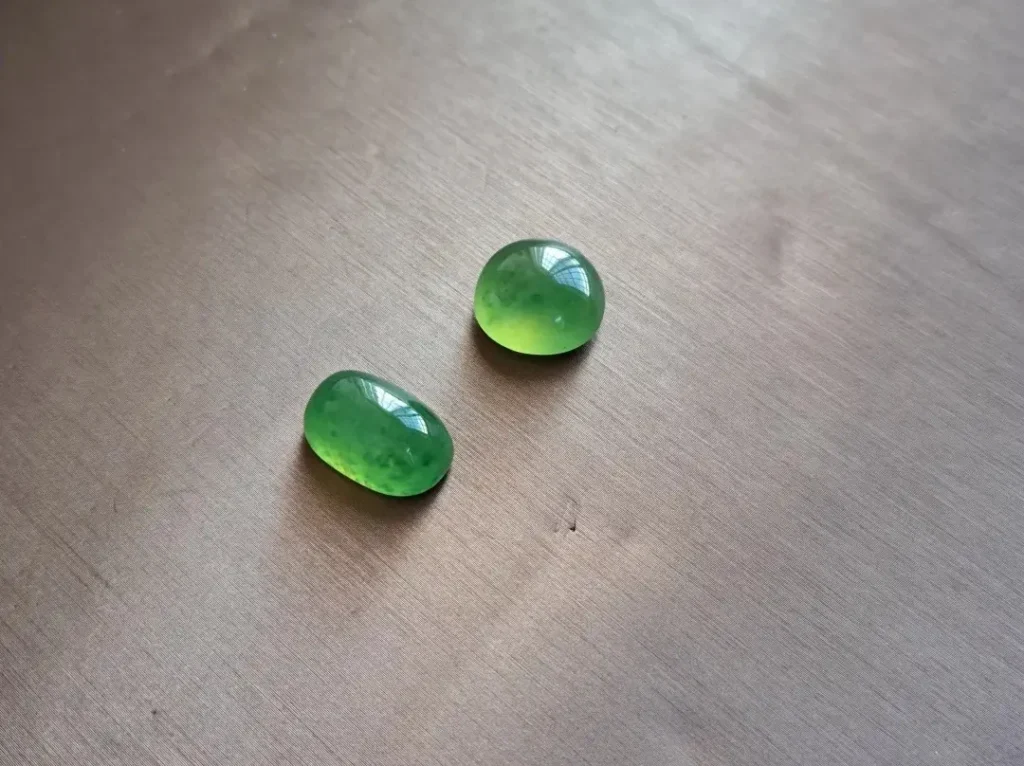
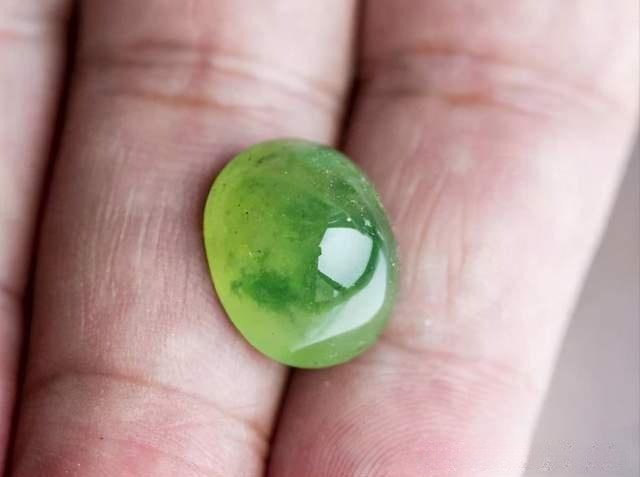
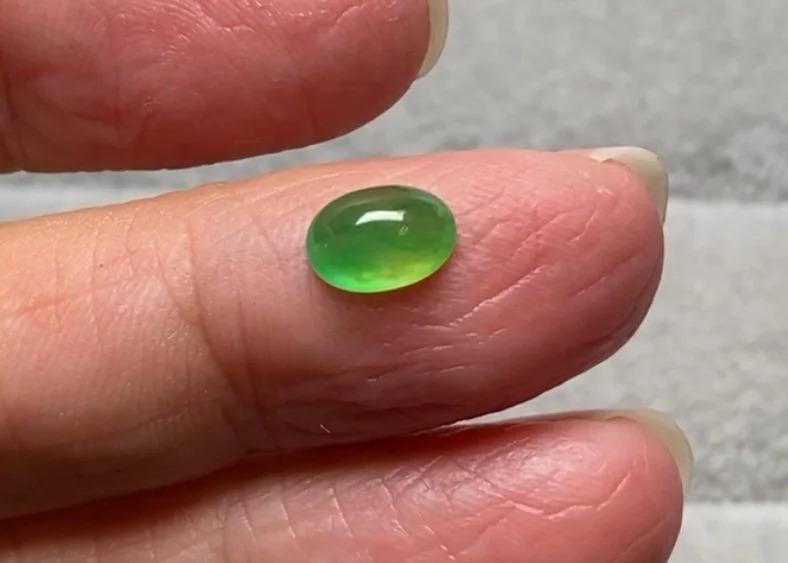
In the competitive world of high-end jewelry, even seasoned collectors occasionally find themselves doing a double-take. Take a look at the stones below: with their vibrant yellow-green hues, buttery-fine texture, and that unmistakable vitreous luster, they are the spitting image of premium “Yellow-meets-Green” Jadeite cabochons.
But don’t let your eyes deceive you. This isn’t Jadeite—it is Vesuvianite Jade, a rare and sophisticated gemstone known in the Chinese market as “Golden Jadeite” (Jin Cui Yu).
In our previous deep-dive, [Stop the Scam: The Ultimate Guide to Spotting Fake Ice Jadeite], we identified several common look-alikes. However, Vesuvianite Jade remains the most elusive and mysterious of them all. Today, we’re pulling back the curtain on this “hidden master” to see what truly defines this remarkable stone.
What Exactly is Vesuvianite Jade?
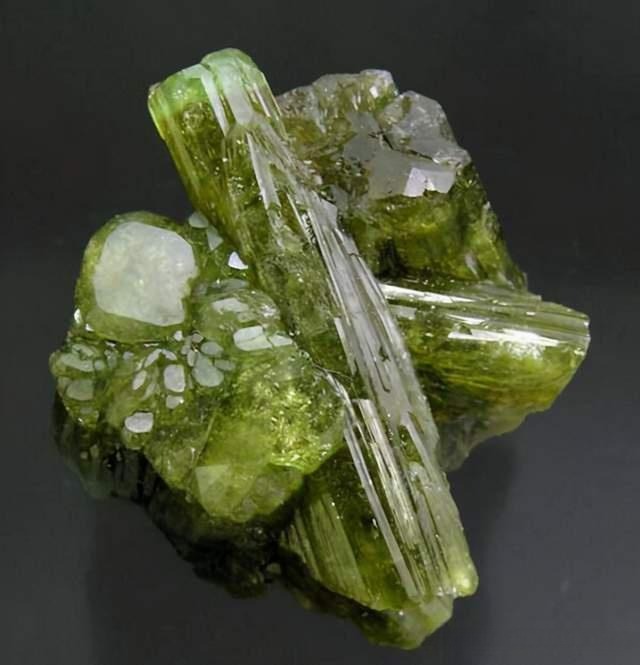
Technically known as Vesuvianite Jade, this stone is the massive, aggregate form of the mineral Vesuvianite—a complex silicate. Its alternative name, Idocrase, stems from the Greek words idos (form) and krasis (mixture), a subtle nod to its notorious ability to “blend in” and be mistaken for other minerals.
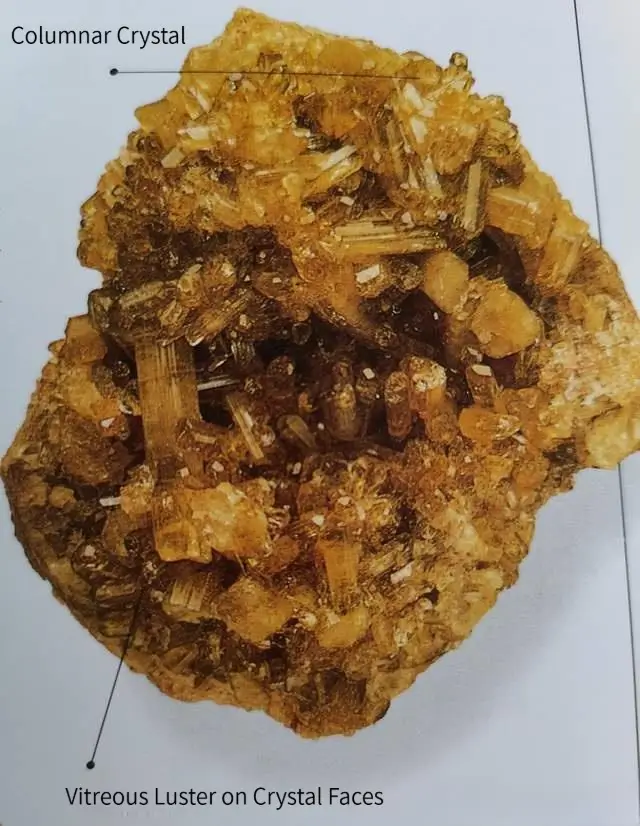
The name “Vesuvianite” itself carries a sense of history; it was named in 1795 after fine crystals were discovered on the slopes of Italy’s Mount Vesuvius.
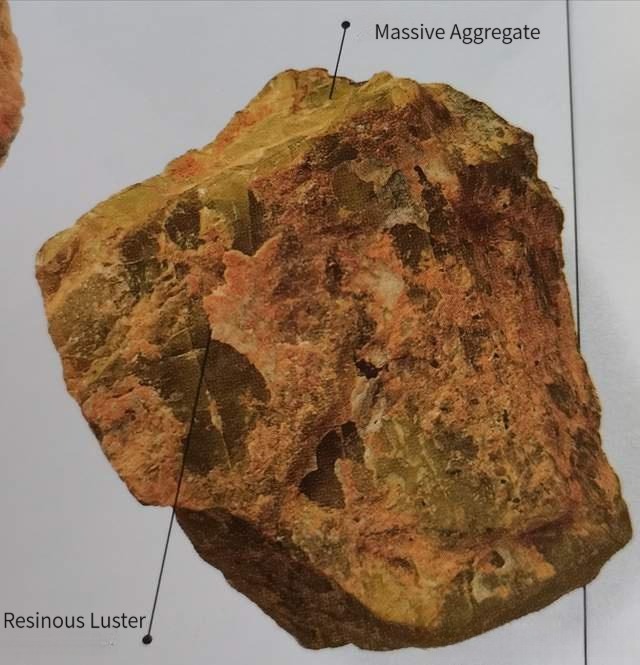
In the world of gemology, Vesuvianite generally appears in two distinct forms:
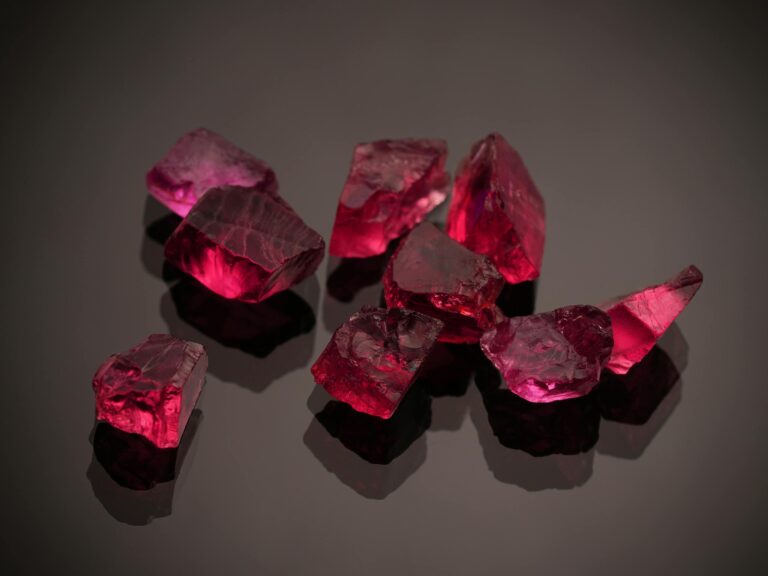
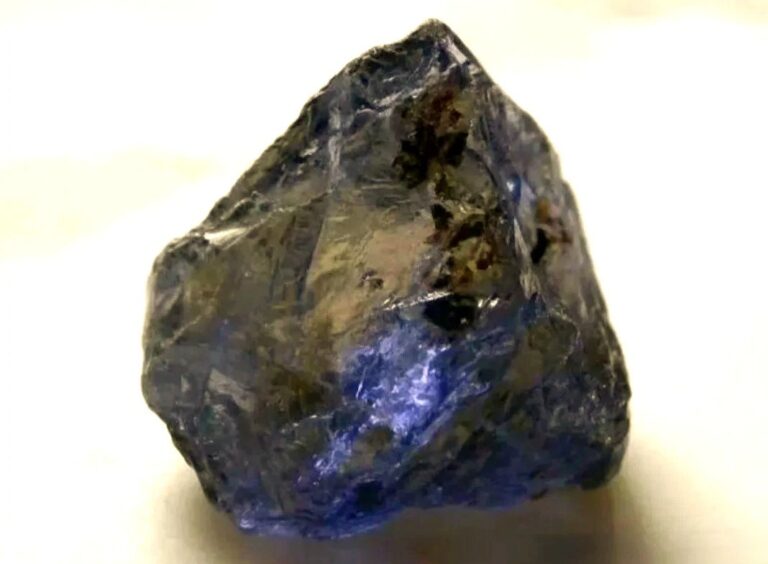
- The Crystal Form: Transparent, well-defined Vesuvianite crystals are exceptionally rare. These are primarily sought after as high-end “specimen grade” minerals, with only a tiny fraction ever being faceted into collector-grade gemstones.
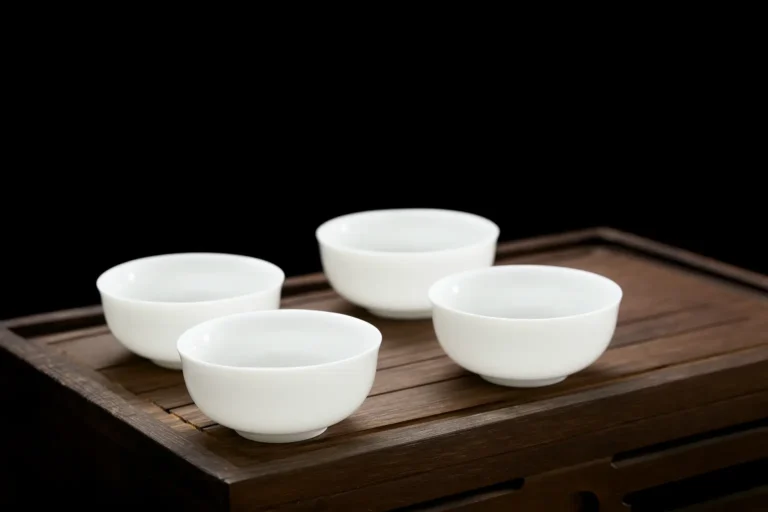
- The Aggregate Form (Vesuvianite Jade): This is the dense, “massive” state of the mineral. Because its texture and luster so closely mirror traditional jade, it is frequently confused with both Xiuyan Jade and premium Jadeite.
Global Origins and the “Golden” Trade Name
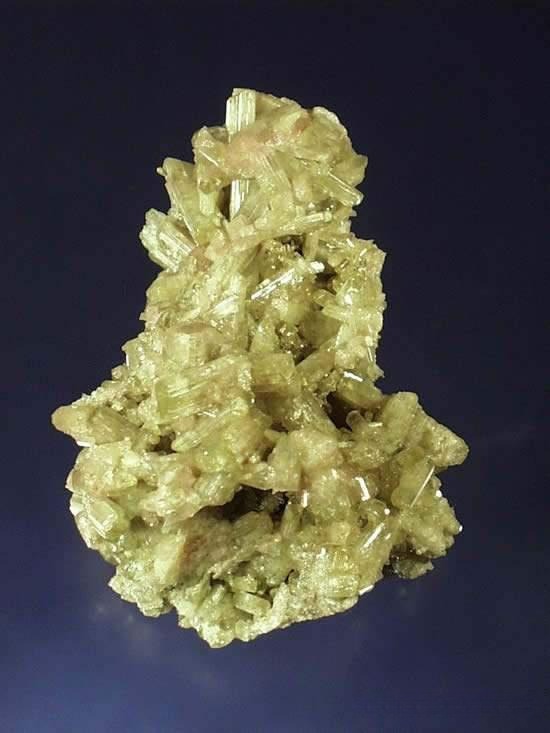
Vesuvianite is a true world traveler, with significant deposits spanning the globe—from the classic Alpine sites in Italy to the gem-rich terrains of Kenya, Afghanistan, Pakistan, and Myanmar, as well as notable sources in the United States and Canada.
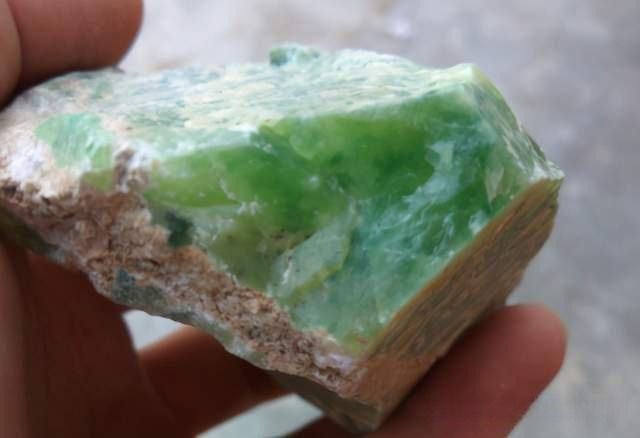
The Chinese Sources China also boasts exceptional deposits of this elusive stone. Key regions include Tongbai, Henan, home to the “Huilong Jade” (a skarn-type Vesuvianite), and the Manas region in Xinjiang, famous for its rugged, high-quality material.
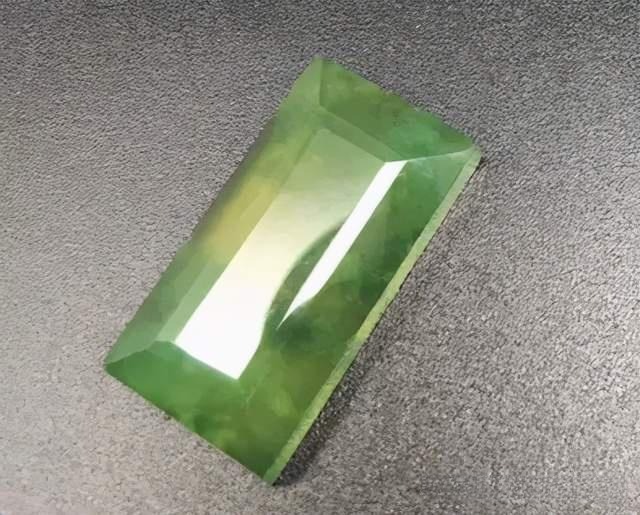
“Jin Cui Yu”: A Name of Elegance In the competitive Chinese marketplace, high-grade yellow-green Vesuvianite Jade is marketed under the evocative trade name “Jin Cui Yu”—literally translated as Golden Green Jade.
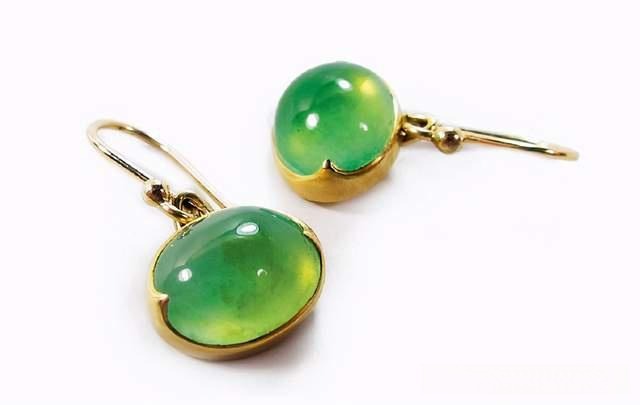
The name isn’t just marketing fluff; it describes the stone’s unique color palette:
- “Jin” (Gold) captures the warm, honey-to-amber undertones found in the material.
- “Cui” (Green) celebrates the vibrant, emerald-like hues that allow it to rival fine jadeite.
Together, these terms highlight the stone’s most desirable trait: a “glowing” internal light that shifts beautifully between sunny gold and lush forest green.
The Ultimate Doppelgänger: Why Vesuvianite Jade Fools the Eye
In a previous post, [Tianqingdong vs. Blue Water Jadeite: 5 Key Differences You Should Know], we explored stones that mimic blue-green jade. However, high-grade Vesuvianite Jade takes deception to a new level. It shares an uncanny “spiritual resemblance” with the coveted yellow-green Jadeite.
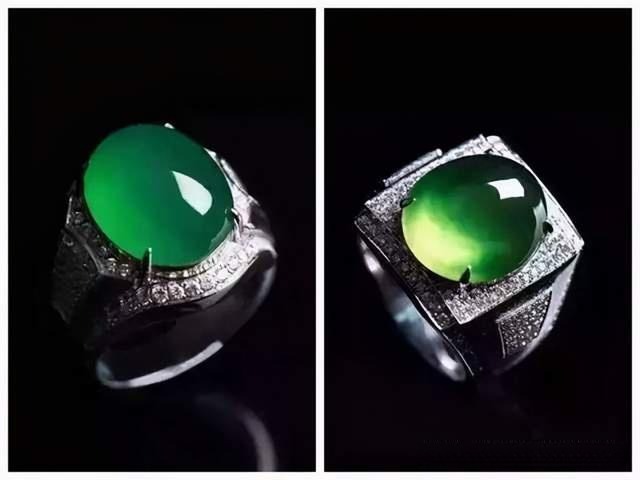
The mimicry goes beyond simple color. Vesuvianite Jade matches Jadeite in texture, luster, and even technical specifications.
Visual Traits: The stone appears translucent with a bright, vitreous luster after polishing. Its texture remains exceptionally fine and smooth to the touch.
Physical Parameters:
- Hardness: Vesuvianite scores a 6.5 on the Mohs scale. This puts it neck-and-neck with Jadeite’s 6.5–7.0.
- Density: It has a specific gravity of roughly 3.35. This sits incredibly close to Jadeite’s common 3.33 rating.
These physical properties are nearly identical. Because of this, “old-school” methods fail completely. You cannot rely on hand-testing the weight or scratching glass to tell them apart. Visual inspection alone simply isn’t enough to separate these two “twins.”
Science Over Guesswork: How to Identify Vesuvianite Jade
Despite their outward similarities, Vesuvianite Jade and Jadeite are worlds apart. A professional gemological lab acts as the ultimate “truth-teller” here. Experts use specific tools to unmask the stone’s true identity:
- Refractive Index (RI): Vesuvianite Jade consistently shows a higher refractive index than Jadeite. This measurement provides the first clear sign of its mineral origin.
- Advanced Spectroscopy: Scientists use infrared spectroscopy to examine molecular absorption lines. This process tears through the “disguise” by analyzing the stone’s unique chemical structure.
Vesuvianite Jade holds legitimate collection value, with top-tier specimens sometimes fetching higher prices than ordinary Jadeite. However, Jadeite maintains an immovable status in the jewelry world. Its deep cultural heritage and widespread market recognition ensure it remains the unrivaled leader of the industry.
Jewea Consumer Advice
For gem enthusiasts, Vesuvianite Jade makes a fascinating addition to any collection. However, average consumers face a real financial risk if they mistake it for Jadeite and pay a massive premium.
The Golden Rule: Never rely on blind confidence when buying. The most effective way to protect your wallet is to verify the authoritative gem certificate. Always double-check the mineral name on the report before you commit to a purchase.