Gemstones of Shanxi: Datong Jade, Peridot, & Jet Stone | Gems of China Series
In this installment of our “Gemstones of China” series, we journey to North China to uncover the hidden treasures of Shanxi Province.
There is a famous saying in China: “Look to Shenzhen for the last 20 years of history, Shanghai for the last 100, Shaanxi for 3,000—but for 5,000 years of civilization, you must look to Shanxi.” As one of the birthplaces of the Chinese nation, Shanxi remains one of the most historically intact provinces in the country. With a legacy spanning five millennia—stretching back to the legendary eras of Yao, Shun, and Yu—it is rightfully celebrated as the “Cradle of Chinese Civilization” and a living museum of ancient culture.
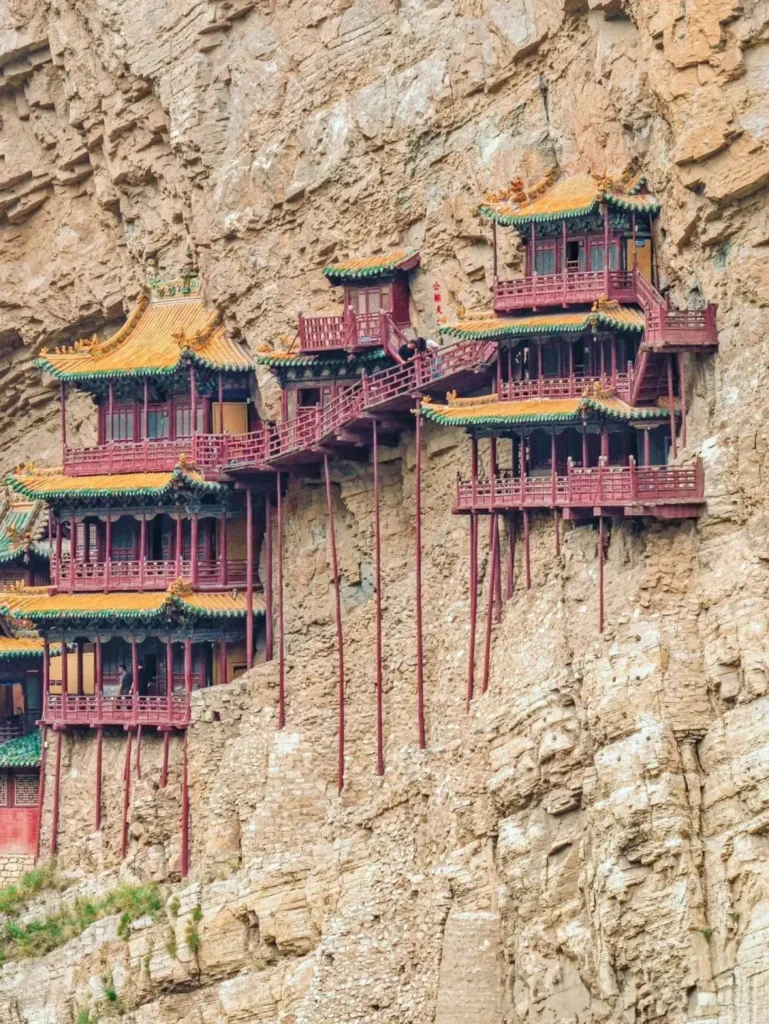
While many associate Shanxi with its vast coal reserves, world-renowned aged vinegar, and endless varieties of traditional noodles, the province’s geological wealth runs far deeper. Known as the “backbone of China’s heavy industry,” Shanxi boasts 120 discovered minerals. Among these, 29 varieties—including feldspar, mica, and graphite—rank among the top in the nation for their proven reserves.
Beyond the industrial ores, however, lies a more delicate beauty. Today, we dive deep into the signature Gemstones of Shanxi: Datong Jade (Quartzite Jade), Peridot, and Jet Stone.
Datong Jade: Rare Quartzite Chalcedony
Datong Jade refers to the premium chalcedony sourced from Louzigou in Yuanqu County and Zhaojiagou in Tianzhen County. Much like the agates and crystals we have discussed previously, Datong Jade belongs to the quartzite jade family.
With a Mohs hardness of approximately 7, this chalcedony typically forms in irregular nodules. Its fine, dense texture allows it to take an exceptional polish, resulting in a brilliant vitreous luster. The material boasts a diverse color palette, including crisp whites, warm oranges, earthy greens, and deep purples.
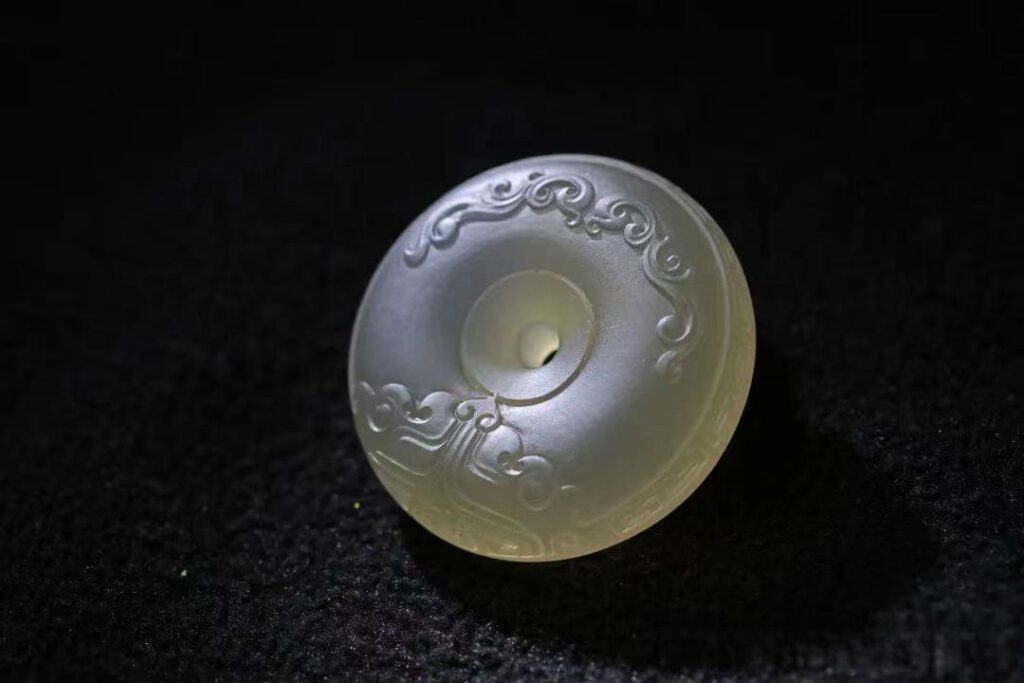
Among these, the most coveted is Datong Purple Jade. This rare variety features high color saturation and a rich, velvety tone. Found exclusively within a narrow perimeter of Zhaojiagou, it remains a rare gem in the world of chalcedony. When fashioned into fine jewelry, Datong Purple Jade exhibits a vibrant, sophisticated brilliance that radiates an air of “silent luxury.”
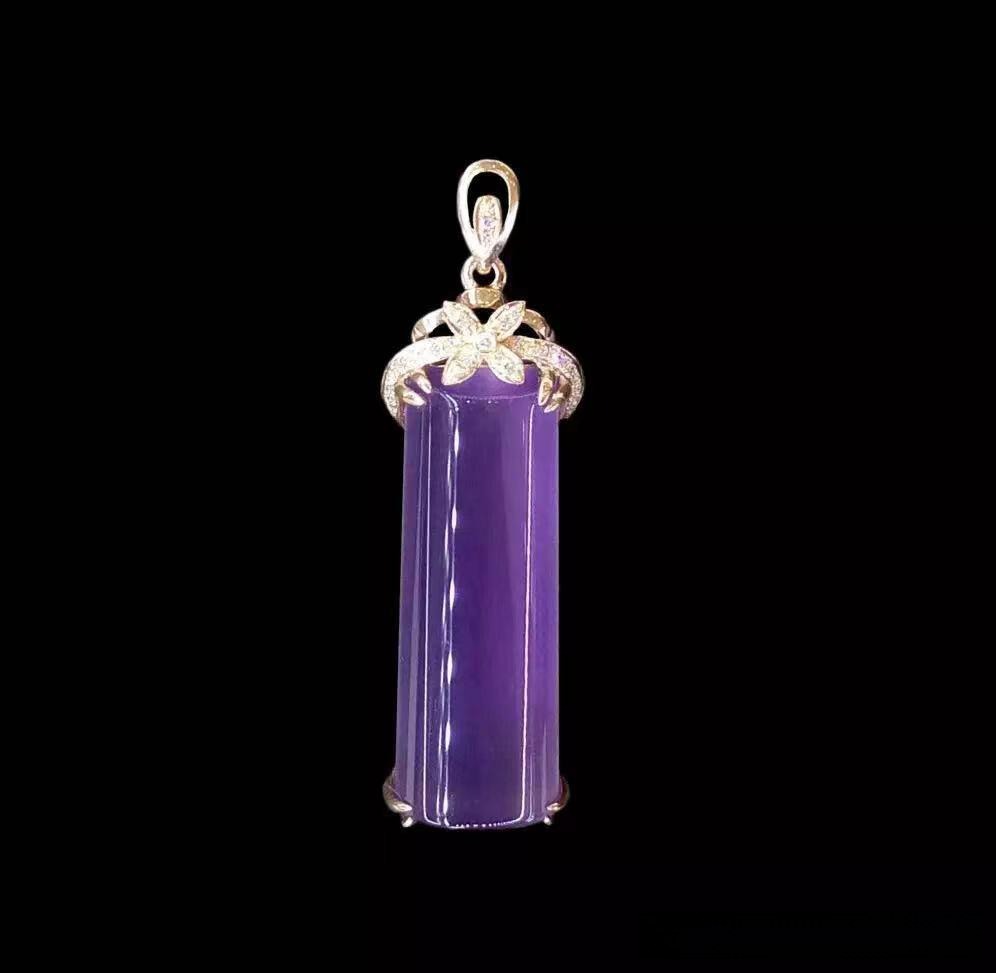
However, decades of unmanaged extraction took a toll on the local environment. To protect these geological treasures, local authorities recently implemented strict mining regulations across the Datong production zones. As a result, the market supply has tightened significantly, making high-quality Datong Jade—especially the signature purple variety—an exceptionally rare find for collectors.
Peridot: The Magnesium-Iron Silicate
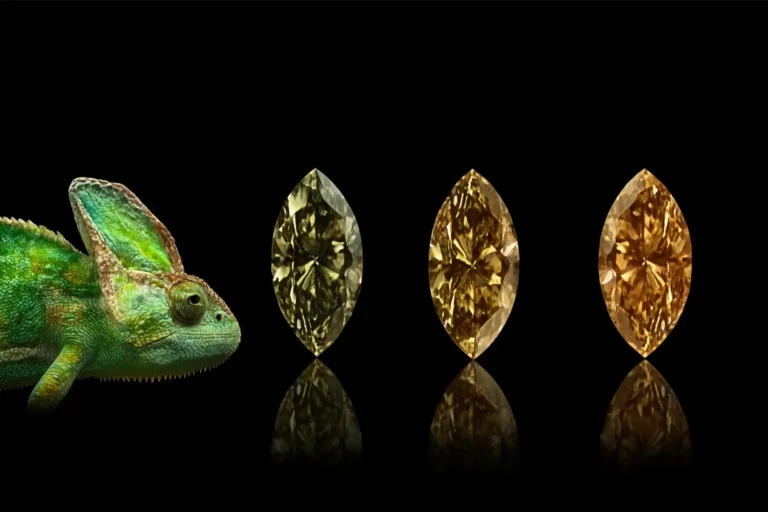
As we explored in our previous feature,Peridot: The “Gem of the Sun” from the Lunar Mantle to Earth’s Depths, this gemstone is a magnesium-iron silicate. While it is one of the most common minerals on Earth, its history dates back over 3,500 years to Ancient Egypt. Since then, deposits have been discovered worldwide, including Mogok in Myanmar and Arizona in the United States.
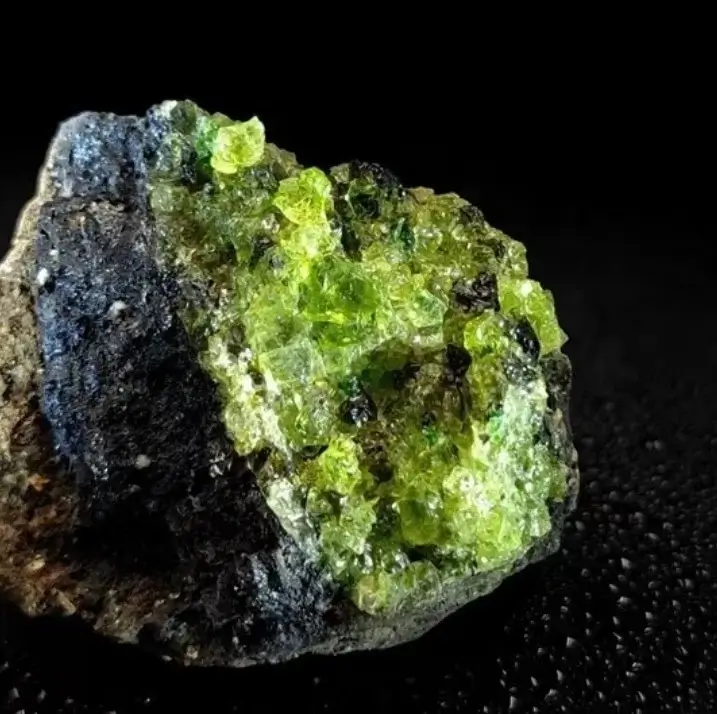
In our earlier guide on the gemstones of Hebei, we introduced the peridot deposits found in Damaping and Xiaomaping. Known for their large grain size, intense color, and high transparency, these deposits make Hebei an important peridot locality in China.
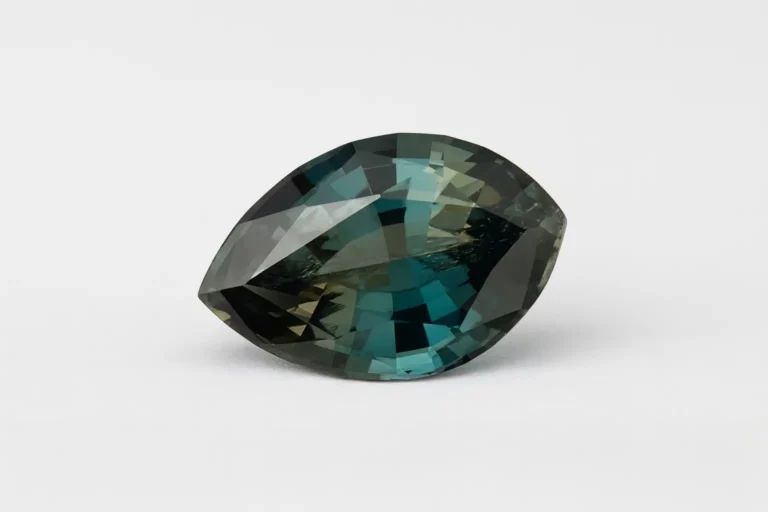
Just across the mountain range in Shanxi Province, peridot deposits also appear in the regions of Tianzhen and Datong. Some scholars believe these veins extend directly from the Damaping deposits in Hebei.
Compared to the high-quality peridot of Hebei, however, Shanxi peridot typically presents a yellowish-green hue with smaller grain sizes. Specimens reaching a deep green color are exceptionally rare. Consequently, the low extraction rate and limited utility mean that large-scale mining has not been established in this region.
Jet Stone: An Organic Gemstone (A Variety of Lignite)
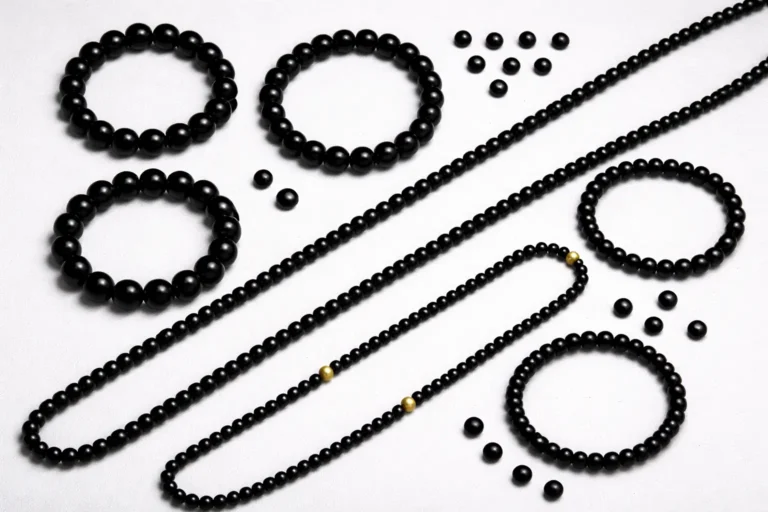
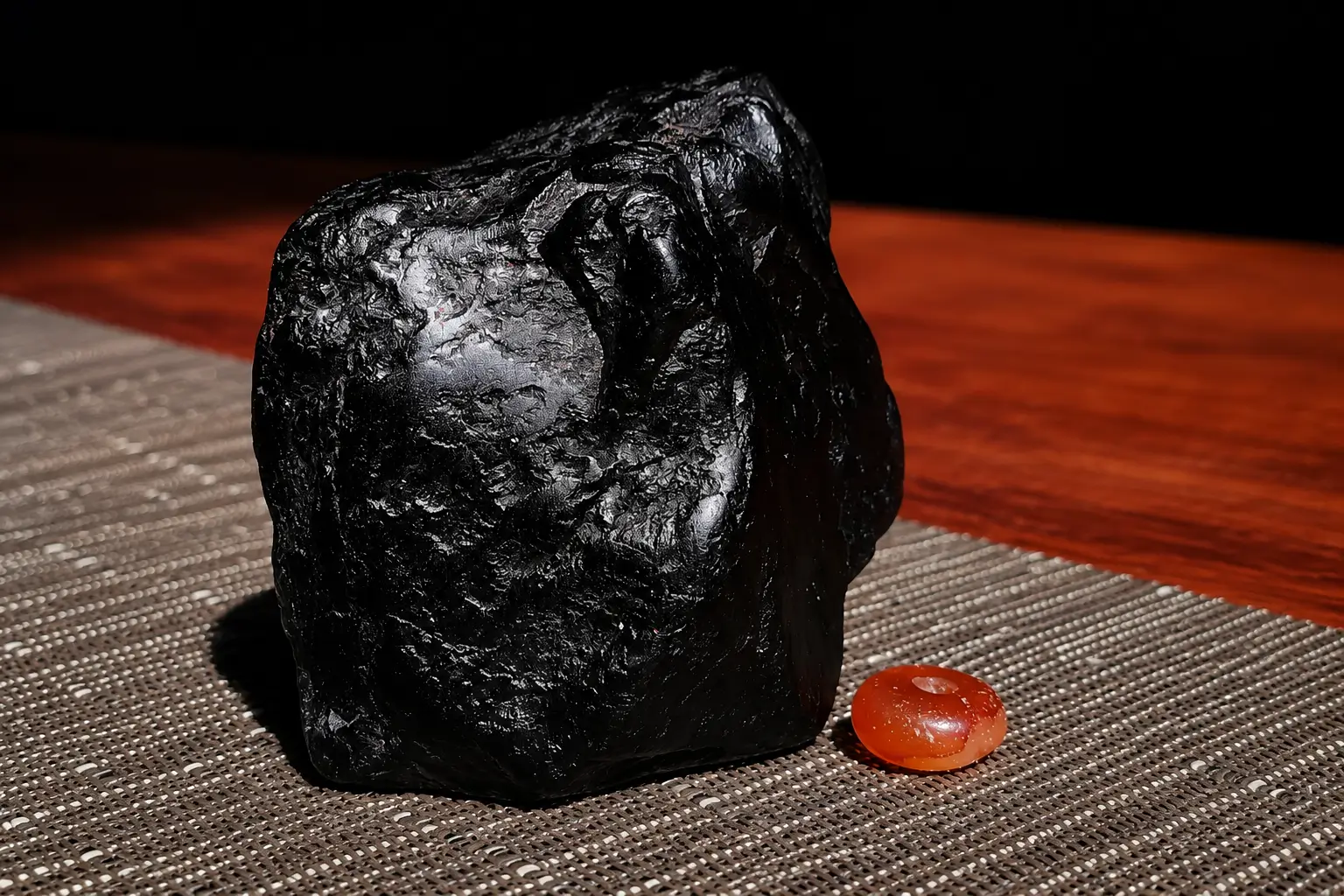
In our feature, What is Jet Stone? The Secret Gemstone of Victorian Royalty , we introduced Jet Stone——historically referred to in China as ‘Coal Jade’ (Mei Jing). A rare variety of lignite coal, jet consists primarily of carbon (approximately 80%).
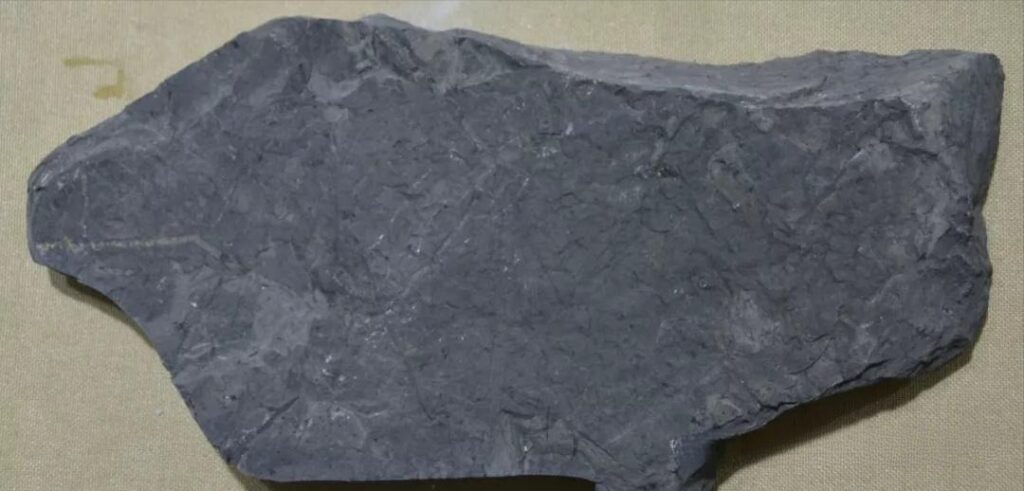
Its journey began roughly 180 million years ago when ancient forests were buried underground. Under specific conditions of temperature and pressure, these organic materials transformed into the gemstone we recognize today. While coal exists in over 80 countries, sources of high-quality jet are limited. The most notable localities include China, the United Kingdom, France, and Spain. Within China, the primary source of jet is Fushun in Liaoning Province.
However, Shanxi Province—famously dubbed the “Sea of Coal”—also yields jet in regions like Datong and Yangquan. Although these deposits have not yet reached a large-scale commercial output, the material remains significant. With a Mohs hardness of 2.5 to 4 and a specific gravity of 1.3 to 1.34, jet is a remarkably dense yet lightweight organic gemstone. Once polished, it exhibits a characteristic resinous luster, making it an ideal medium for intricate carvings and jewelry.
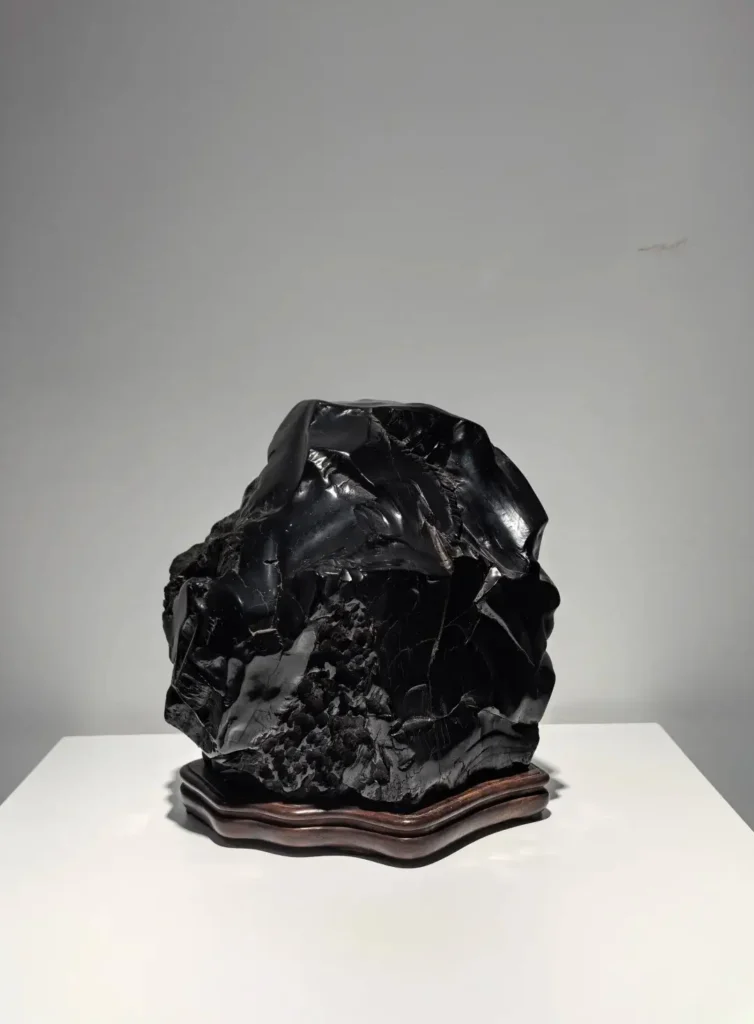
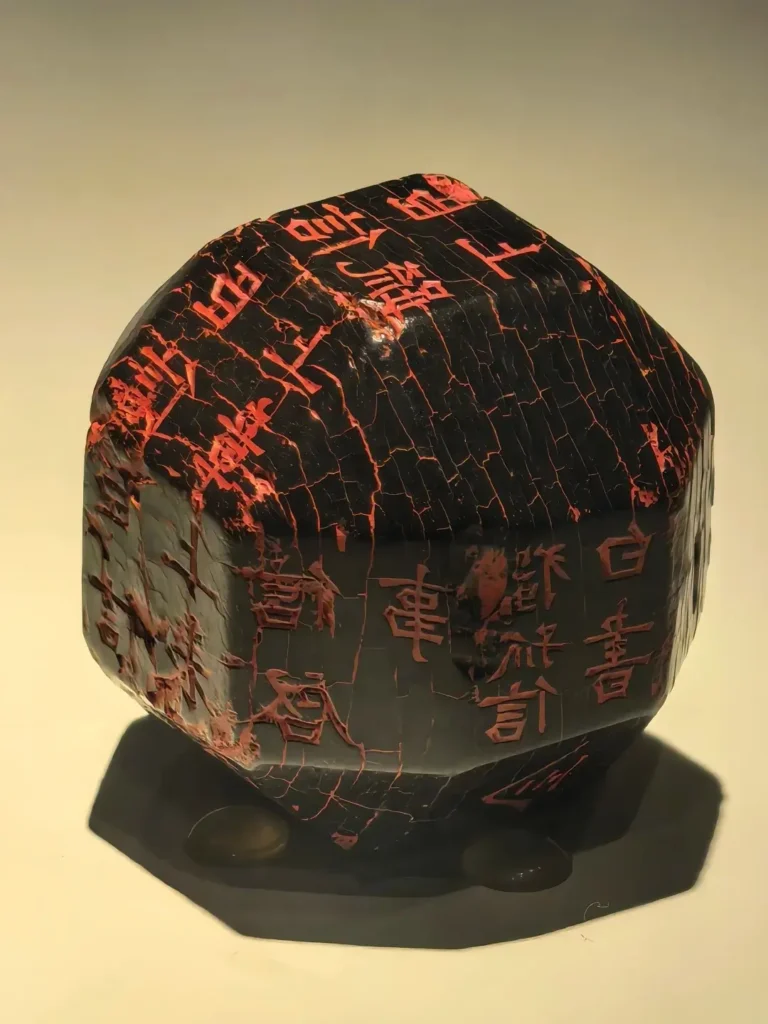
Perhaps the most iconic jet artifact in Chinese history is the “Seal of Dugu Xin,” often hailed as the pinnacle of ancient seals. This complex masterpiece features 24 faces—comprising 16 squares and 8 triangles. Historical records identify the owner as Dugu Xin, a man celebrated for his “brilliant strategies” and famously remembered as the “most powerful father-in-law in history” (having three daughters who became Empresses).
Because jet is a non-renewable resource, years of unmanaged extraction have led to dwindling reserves. As these deposits reach depletion, the value of fine jet continues to rise steadily.
Explore More in Our Chinese Gems Series
At Jewea, our mission is to uncover the hidden geological wonders across China. Before we dove into the Gemstones of Shanxi we explored several other regions famous for their rare and storied treasures.
Take a look back at our previous journeys:
North China