
Natural Mineral Pigments: The Ancient Colors of Dunhuang
Jewea’s handmade jewelry often draws inspiration from traditional Chinese art. Among its many sources, the thousand-year-old murals of Dunhuang Mogao Caves hold…
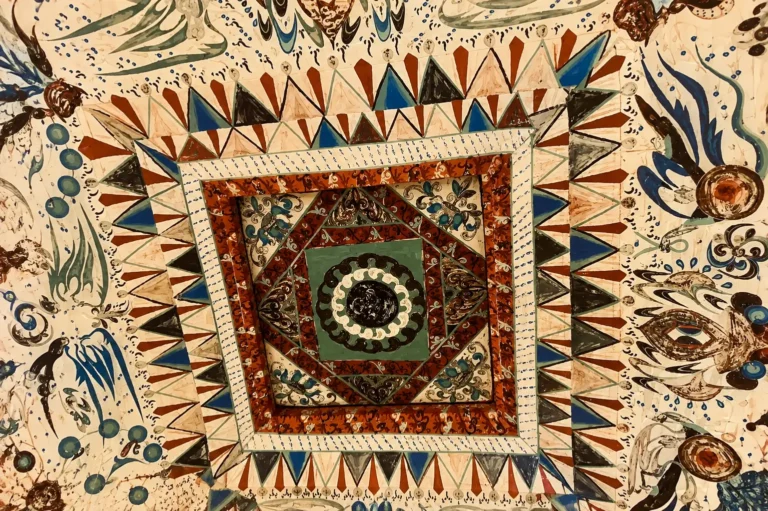
Jewea’s handmade jewelry often draws inspiration from traditional Chinese art. Among its many sources, the thousand-year-old murals of Dunhuang Mogao Caves hold…
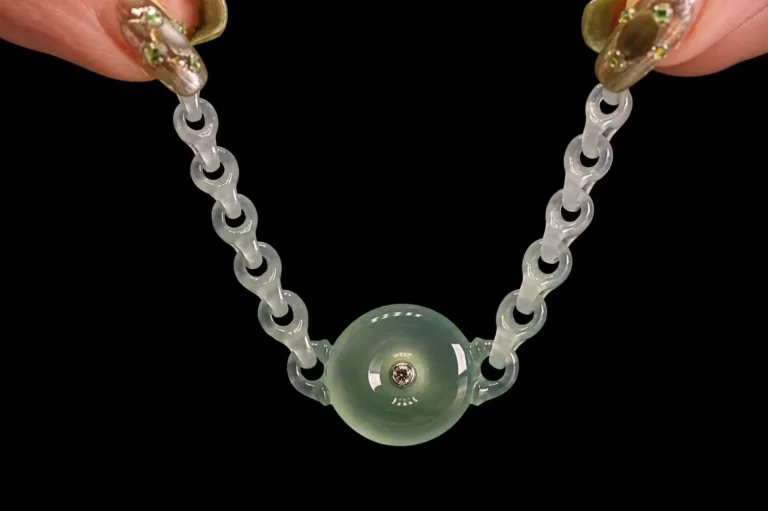
In our previous article, The Art of Jade Carving: Understanding Machine-Carved and Hand-Carved Jade Types, we explored the differences between machine-carved and…
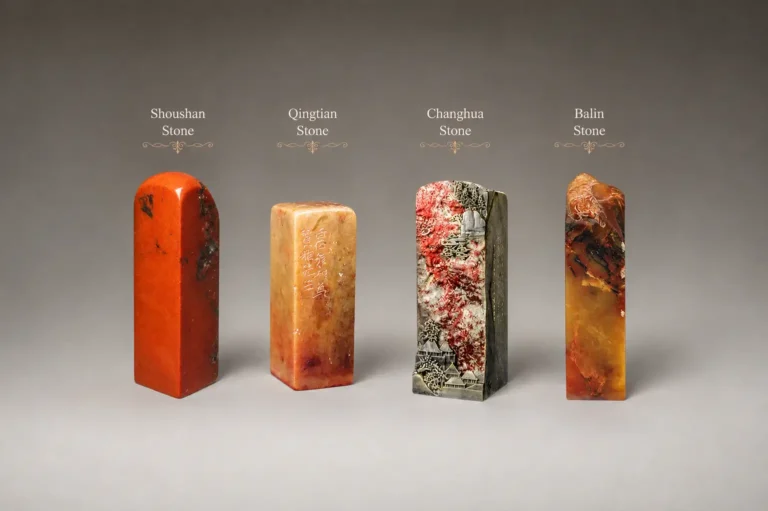
Chinese seal stones occupy a unique place in gemology, lapidary art, and Chinese cultural heritage. Unlike gemstones mainly used for jewelry, these…
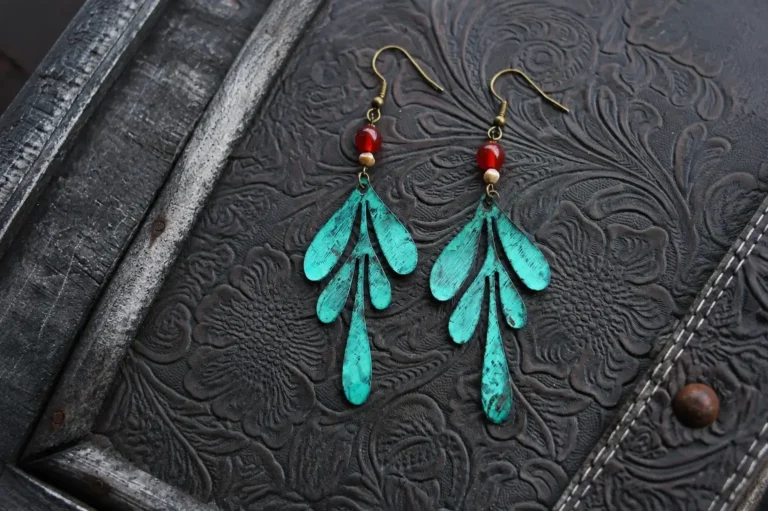
At JEWEA, we draw inspiration from natural materials, traditional craftsmanship, and the artistic heritage passed down through generations. These elements guide our…
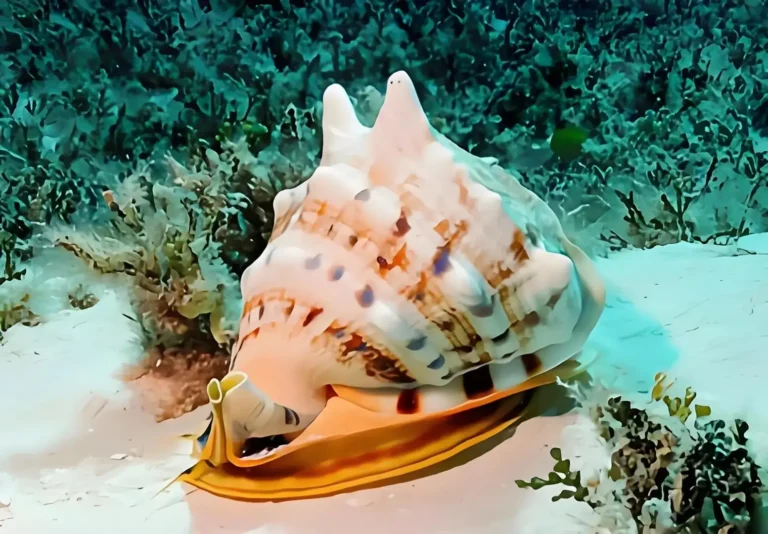
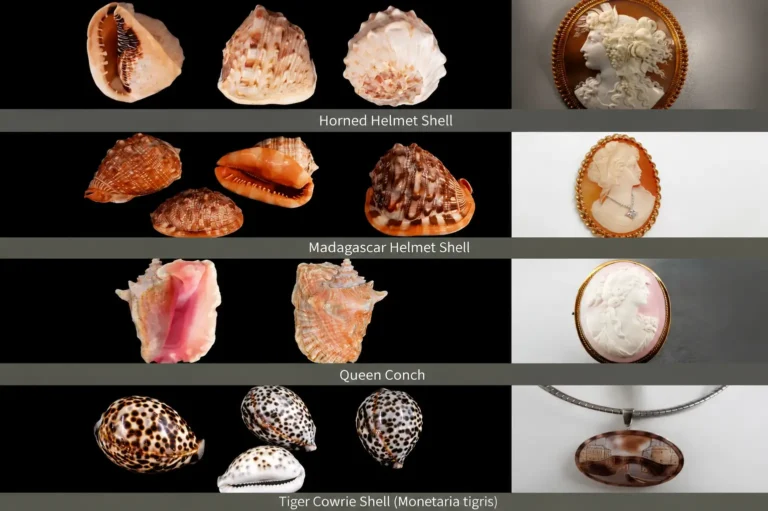
In our article Shell Jewelry: Natural Treasures from the Ocean, we introduced several natural shell materials widely used in modern jewelry design,…
At JEWEA, we love incorporating natural shells into our jewelry designs. Unlike mineral gemstones, shells are created by living organisms from the…
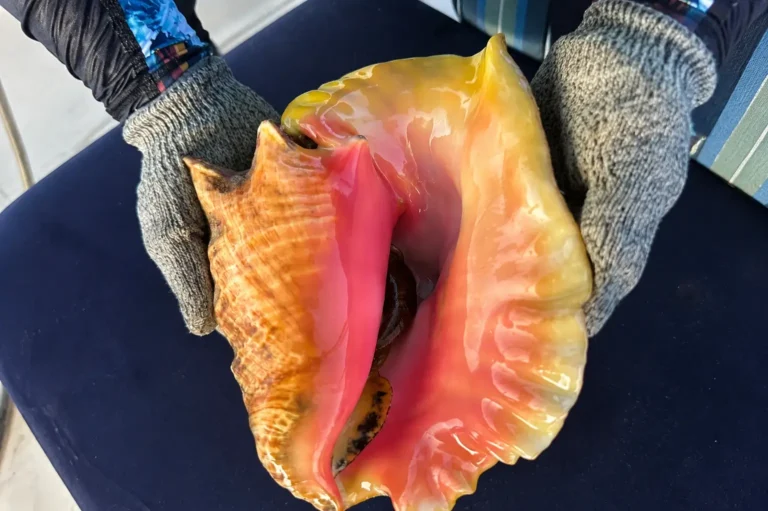
At JEWEA, we often incorporate natural shells into our jewelry designs. Formed through the natural growth of marine organisms, shells develop unique…
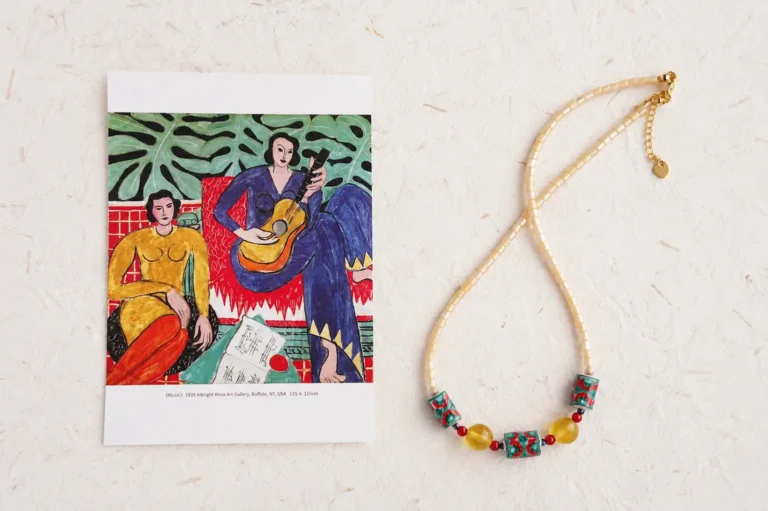
In JEWEA ceramic bead jewelry, we work with Jingdezhen clay—one of the core materials in traditional Chinese ceramics. Each bead begins as…
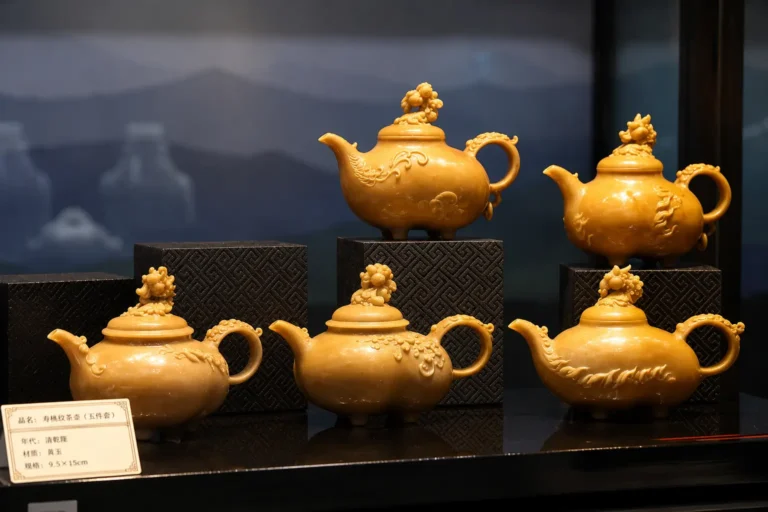
In the world of Chinese lapidary art, household names like nephrite jade, jadeite, turquoise, and agate usually steal the spotlight. However, recent…
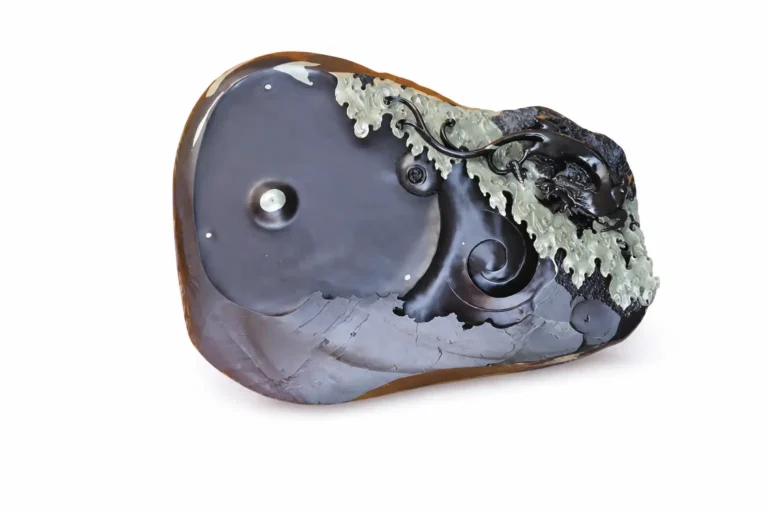
In this edition of our Gemstones of China series, we head west to Ningxia. Exploring the region is like opening a “treasure chest” of…
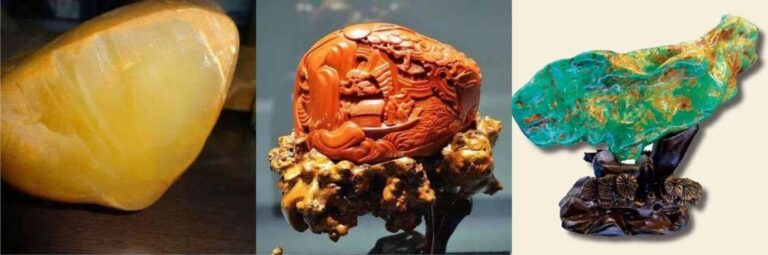
In this edition of our Gemstones of China series, we travel to Anhui Province in East China. To many, Anhui is a…
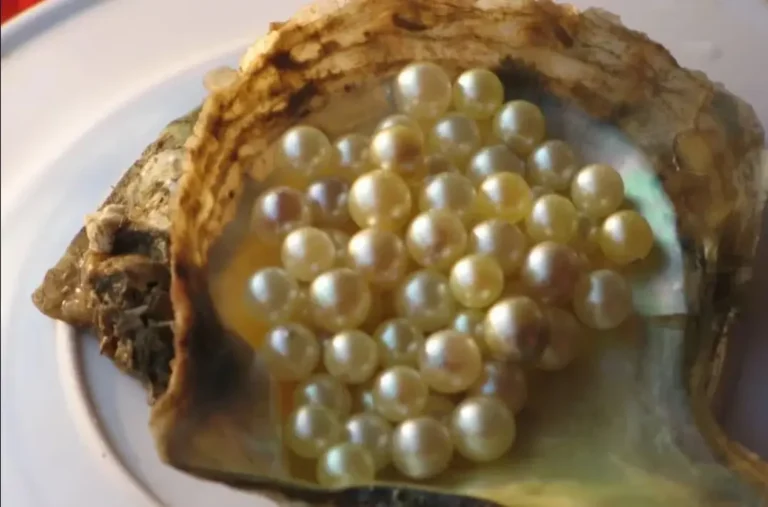
In this installment of our “Gemstones of China” series, we journey to the rugged and breathtaking landscapes of Guangxi Province in South China. Guangxi…