Shell Jewelry: Natural Treasures from the Ocean
At JEWEA, we love incorporating natural shells into our jewelry designs.
Unlike mineral gemstones, shells are created by living organisms from the ocean. Over years of growth, each shell develops its own patterns, soft nacreous glow, and natural texture. Every piece carries traces of the environment where it formed.
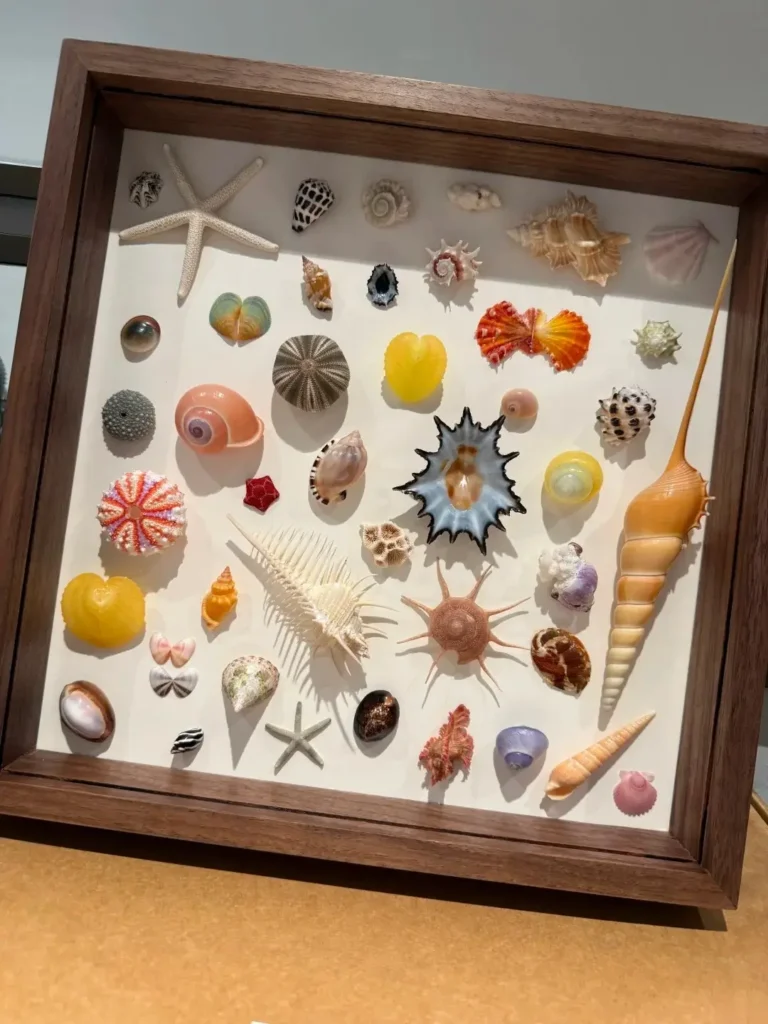
From ancient ornaments to modern fine jewelry designs, shells have remained an important material in humanity’s pursuit of beauty.
So, which shells are suitable for handmade jewelry? And what makes each one unique?
Shells: One of Humanity’s Earliest Decorative Materials
Shells are the hard outer structures created by mollusks, including bivalves, gastropods such as sea snails, and other marine shellfish.
Most shells are composed primarily of calcium carbonate, along with a small amount of organic material. Depending on the species, their crystal structure may consist mainly of aragonite or calcite. This unique structure gives shells their natural strength while creating their distinctive textures and subtle luster.
Long before modern jewelry existed, humans used shells for decoration, personal expression, and exchange.
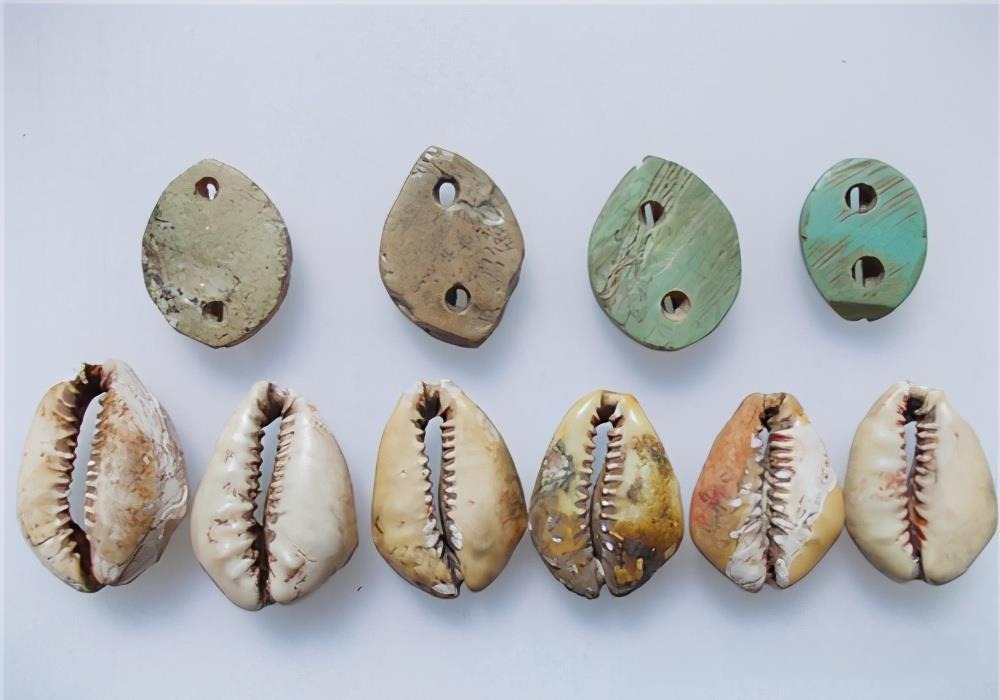
In ancient China, shells also played an important role in early trade. During the Shang and Zhou dynasties, certain natural shells were valued for their rarity, durability, and portability. They were shaped into cowrie shell currency, which became an important form of early exchange.
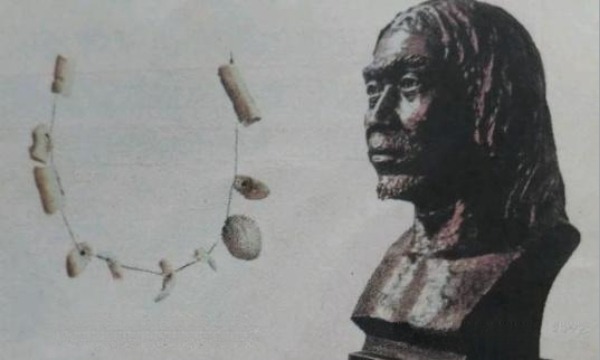
Archaeological discoveries show that humans were using processed shells as ornaments as early as the Late Paleolithic period. For example, researchers found pierced and modified shell ornaments at the Zhoukoudian Upper Cave site in Beijing. These discoveries reveal that shells were not only natural materials but also an important medium for early human artistic expression.
As craftsmanship evolved, shell jewelry developed into many different forms:
Shell Cutting and Carving
Artisans can transform shells into cabochons, natural shell slices, carved decorative pieces, and three-dimensional jewelry designs. Each technique highlights the unique patterns and textures formed by nature.
Cameo: The Art of Shell Carving
Cameo is a traditional carving technique that uses shells with natural color layers. By carefully carving through different layers, artisans create raised portraits, floral motifs, and decorative scenes with a beautiful relief effect.
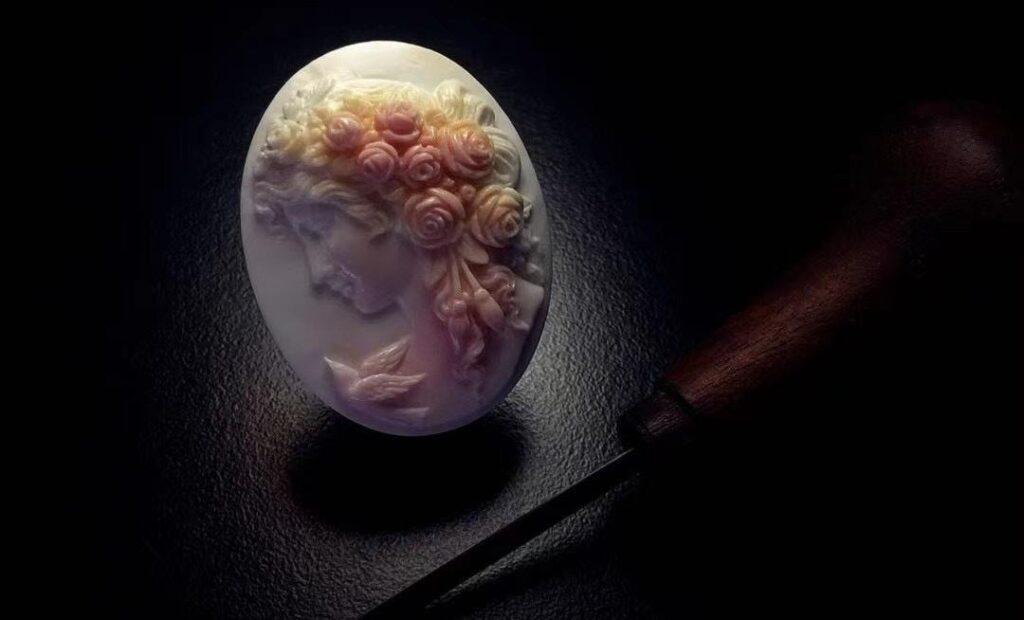
This historic art form has played an important role in European jewelry traditions for centuries.
Nacre Inlay and Shell Marquetry
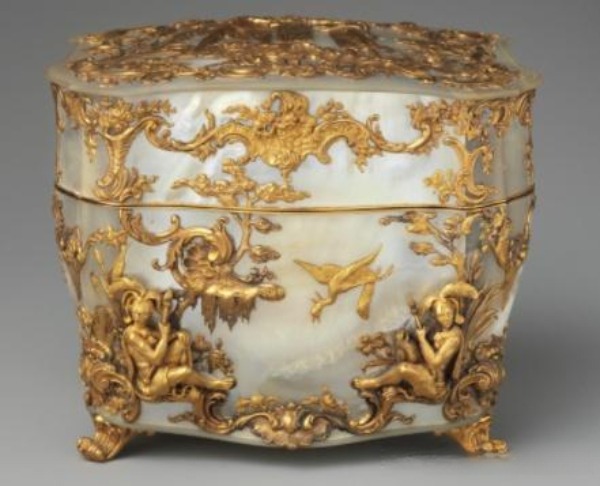
Artisans carefully cut and polish the iridescent inner layer of certain shells, known as nacre or mother of pearl, for decorative applications. Designers and craftsmen have used this luminous material for centuries in lacquerware, furniture, jewelry, and artistic objects, where it creates a soft glow with natural rainbow-like reflections.
JEWEA’s Design Exploration
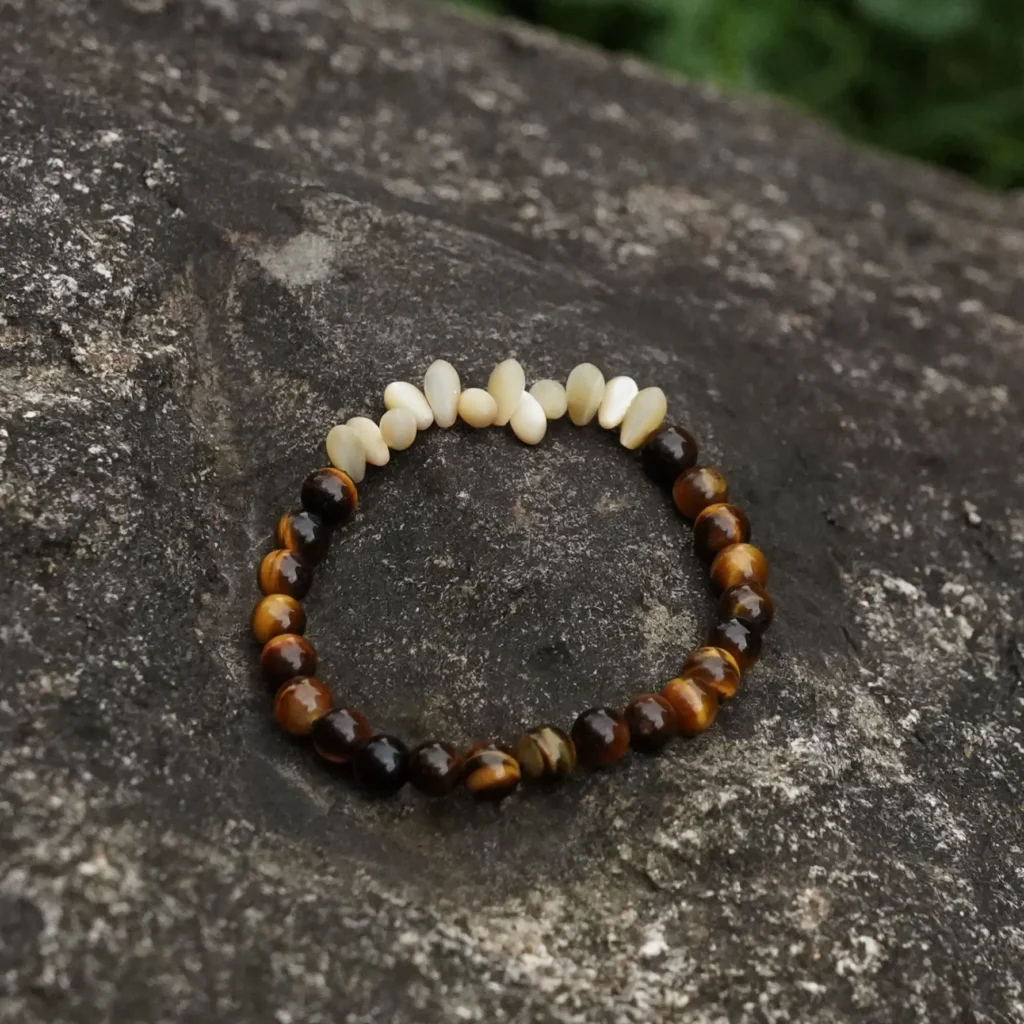
At JEWEA, we transform natural Trochus Shell into carefully polished teardrop-shaped pieces and pair them with natural Tiger Eye gemstones. The Trochus Shell and Tiger Eye Bracelet combines the earthy tones of Tiger Eye with the soft organic texture of Trochus Shell, creating a balanced handmade design suitable for everyday wear.
Learn more about the material story: Trochus Shell Jewelry: Natural Ocean Materials in JEWEA Handmade Designs
Popular Types of Shell Jewelry
With so many varieties of shell jewelry available, each material has its own story. Explore 4 Shell Jewelry Materials from the Ocean: Natural Beauty in Handmade Design to learn about Tridacna shell, Helmet Shell, Abalone shell, and Queen Conch shell.
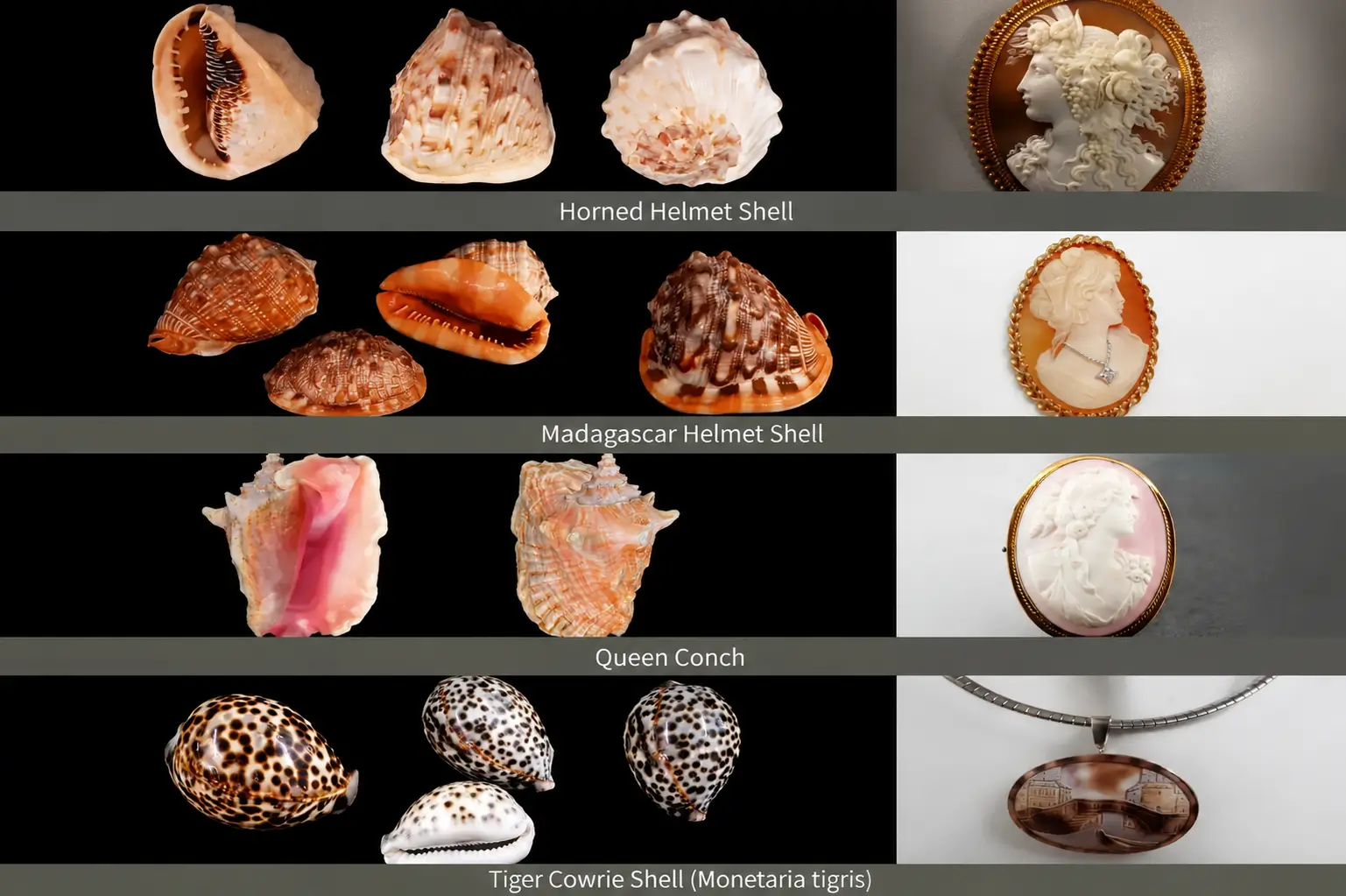
Horned Helmet Shell: The Traditional Material Behind Cameo Jewelry
Many people may not be familiar with the Horned Helmet Shell (Cassis cornuta), but the word Cameo often brings to mind the elegant carved jewelry that has played an important role in European jewelry history.
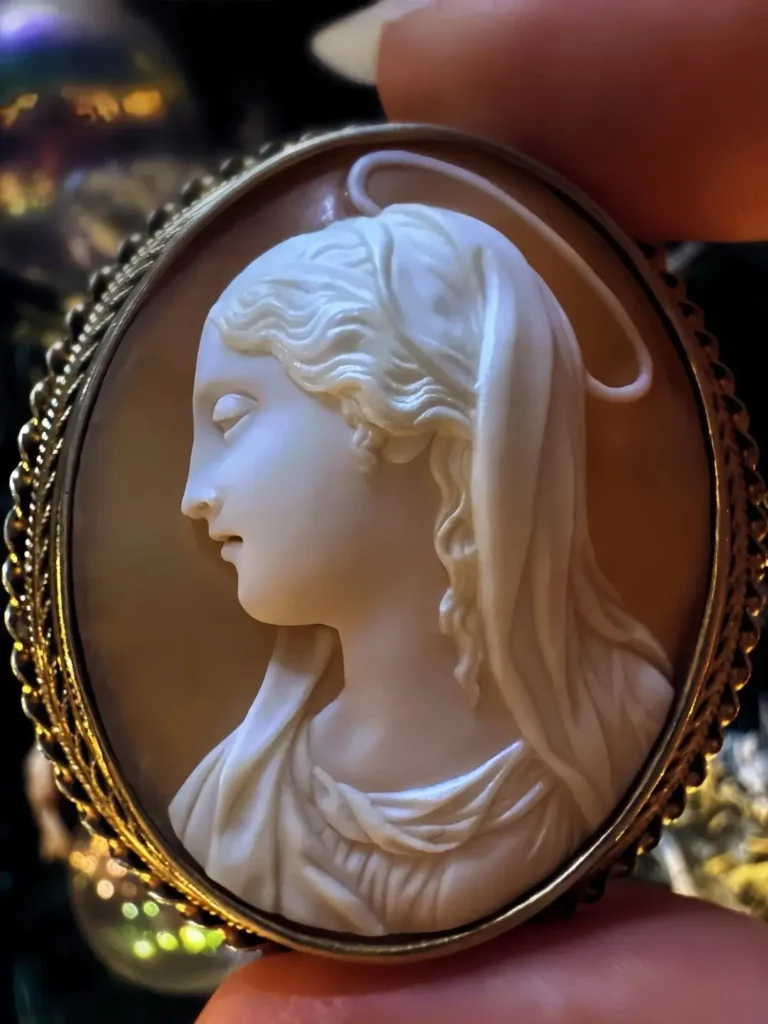
Cameo is a traditional carving technique that uses shells with natural color layers. Artisans carefully carve through these layers to create raised portraits, floral patterns, mythological scenes, and other decorative designs.
The history of Cameo carving dates back to ancient Greece and Rome. During the 18th and 19th centuries, as European aristocratic culture flourished, craftsmen began creating elaborate Cameo pieces from shells with naturally contrasting color layers. These carved jewels became especially popular during the Victorian era and were widely worn as symbols of elegance and status.
Today, Cameo jewelry remains a beloved part of antique jewelry collections and continues to inspire modern designers. Contemporary Cameo creations still appear in jewelry exhibitions around the world, showcasing the skill and artistry behind this traditional craft.
Not every shell is suitable for Cameo carving. Traditional high-quality Cameo pieces require shells with specific color layers, thickness, and structural stability. Among the most classic choices, the Horned Helmet Shell (Cassis cornuta) stands out as one of the most valued carving materials.
Carvers use the natural contrast between the shell’s layers to create a strong three-dimensional effect, bringing portraits, mythological figures, and botanical patterns to life.
Natural Color Contrast
The Horned Helmet Shell features natural layered colors. Its outer layer usually appears in lighter tones, while the inner layers reveal shades ranging from reddish brown to orange-brown.
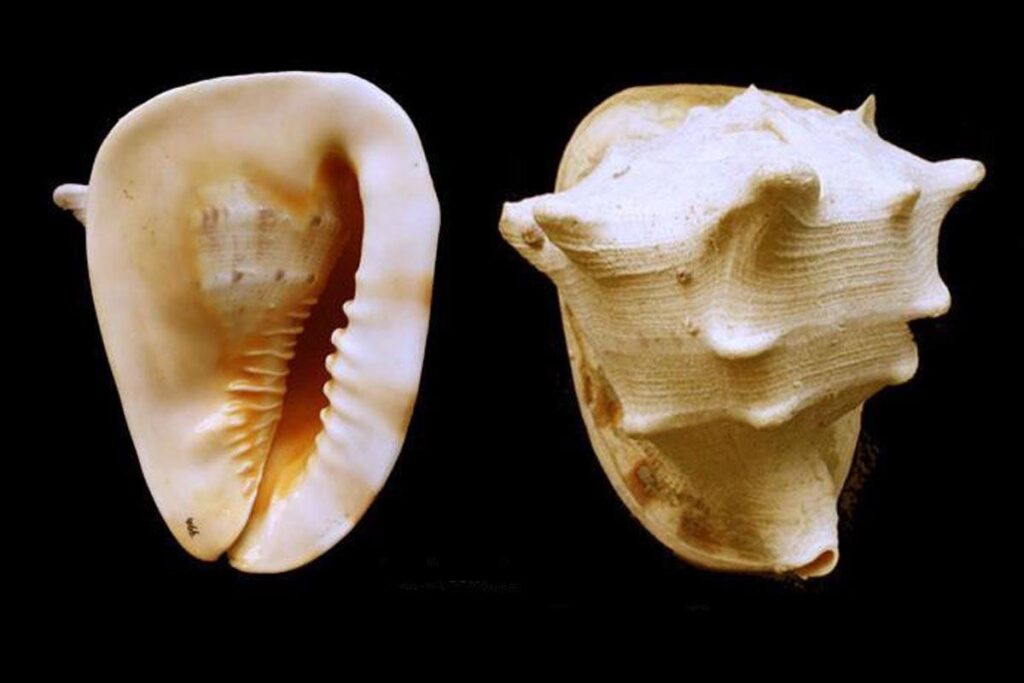
Artists take advantage of this natural contrast to create detailed relief carvings. The difference between the raised design and the background gives Cameo jewelry its distinctive depth and visual impact.
Durable Shell Structure
The Horned Helmet Shell has a thick shell wall and a stable structure, making it suitable for detailed carving and long-lasting jewelry designs.
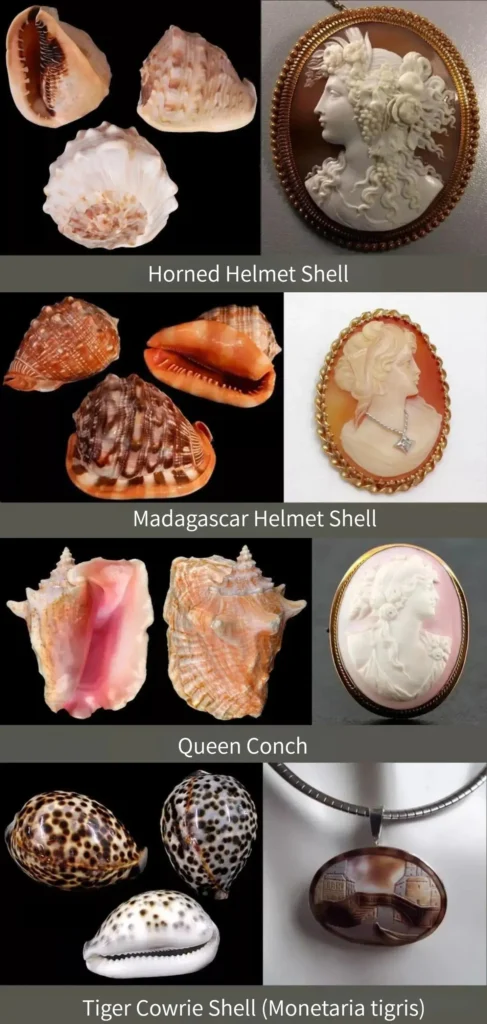
Beyond the Horned Helmet Shell, artisans also work with other large shells that feature natural color layers for jewelry carving and artistic designs. For example, craftsmen often choose the Madagascar Helmet Shell (Cassis madagascariensis) for traditional Cameo carving, while designers appreciate the Caribbean Queen Conch (Aliger gigas) for its unique pink inner layer and soft, warm tones, making it a popular choice in modern shell jewelry design.
In recent years, artisans have also created Cameo pieces from mother of pearl. Compared with traditional carved shells like the Horned Helmet Shell, mother of pearl Cameo designs usually have less dramatic color contrast and a softer relief effect.
However, their greatest appeal lies in their natural iridescence. Under different lighting conditions, mother of pearl Cameo can reveal a delicate rainbow-like glow, creating a softer and more luminous expression.
Mother of Pearl: Natural Luster from the Heart of the Shell
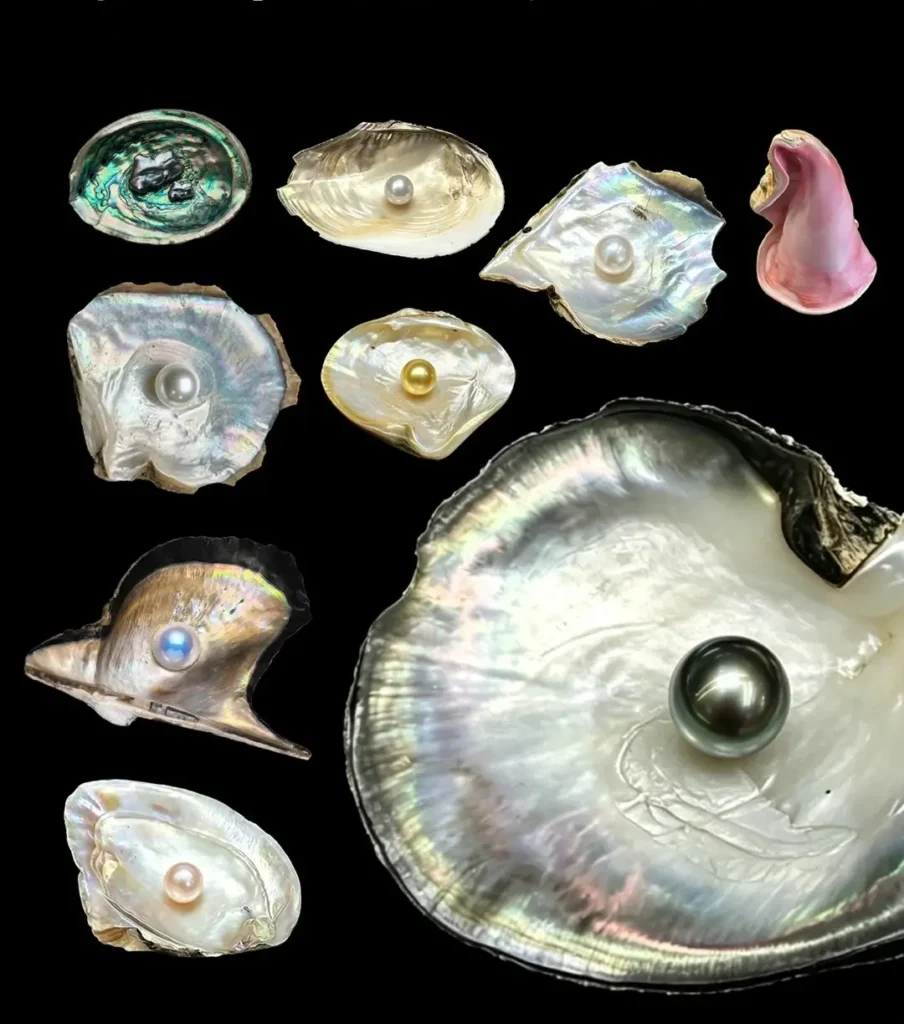
Mother of pearl refers to the inner layer of certain shells that contains a structure known as nacre.
Nacre is a unique layer formed on the inside of a shell. It consists of neatly arranged calcium carbonate crystals combined with organic materials. This same structure also plays an essential role in the formation of natural pearls.
Because of its layered structure, mother of pearl displays a soft glow and natural iridescence. Its delicate sheen has made it a popular material in jewelry, decorative arts, and fine craftsmanship for centuries.
White Mother of Pearl
White mother of pearl usually comes from the silver-lipped oyster (Pinctada maxima), the same species that produces the famous South Sea white pearls.
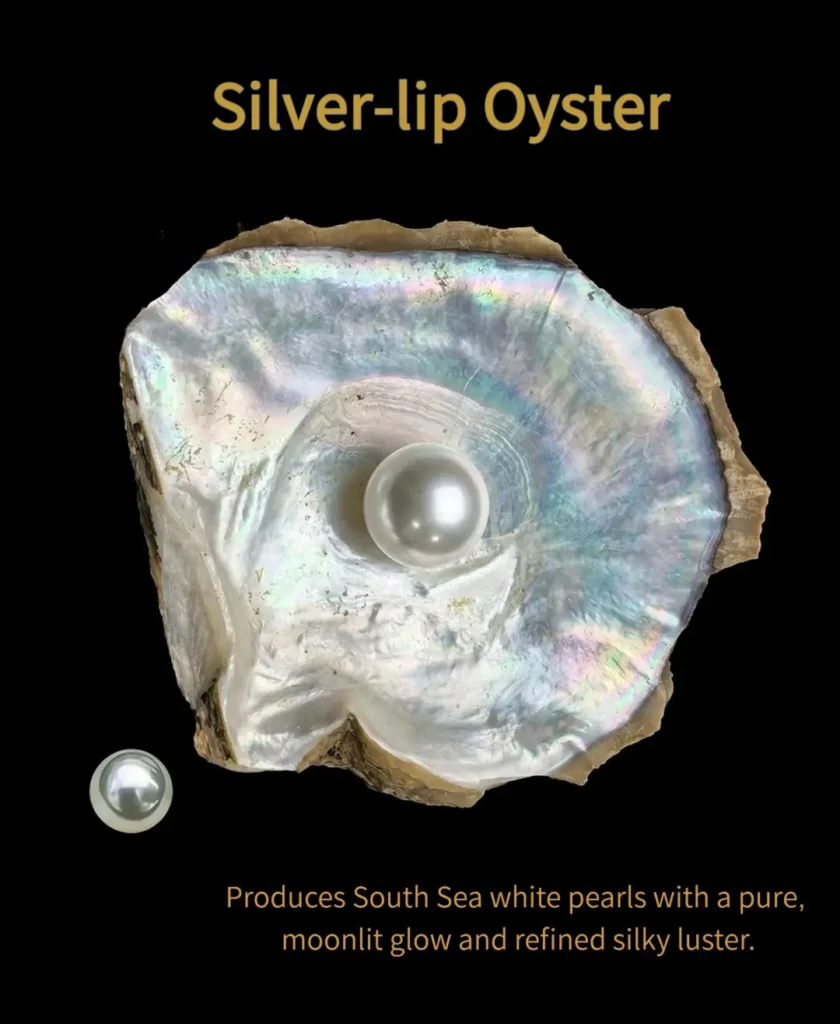
It is admired for its:
- Soft silvery-white color;
- Smooth, porcelain-like appearance;
- Fine and even nacreous luster.
Beyond pearl cultivation, white mother of pearl has also become a favored material in fine jewelry design. Designers appreciate its clean tone and subtle glow, which create an elegant and refined look.
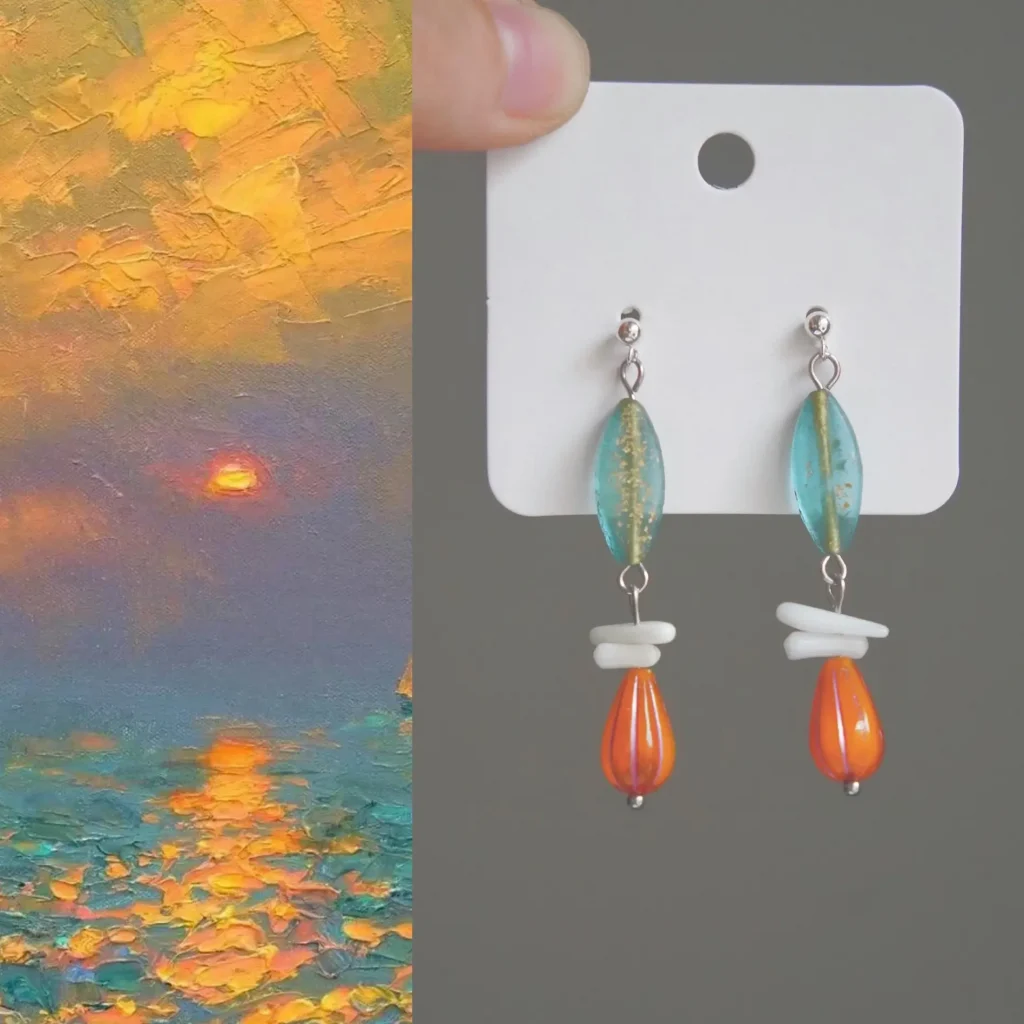
White mother of pearl continues to inspire JEWEA designs. Our 925 Silver Post Earrings pair natural white shell fragments with blue and orange Czech glass beads, blending the soft glow of nacre with colors inspired by ocean waves and sunset skies.
Black Mother of Pearl
Black mother of pearl mainly comes from the black-lipped oyster (Pinctada margaritifera), the same shell species that produces the renowned Tahitian black pearls.
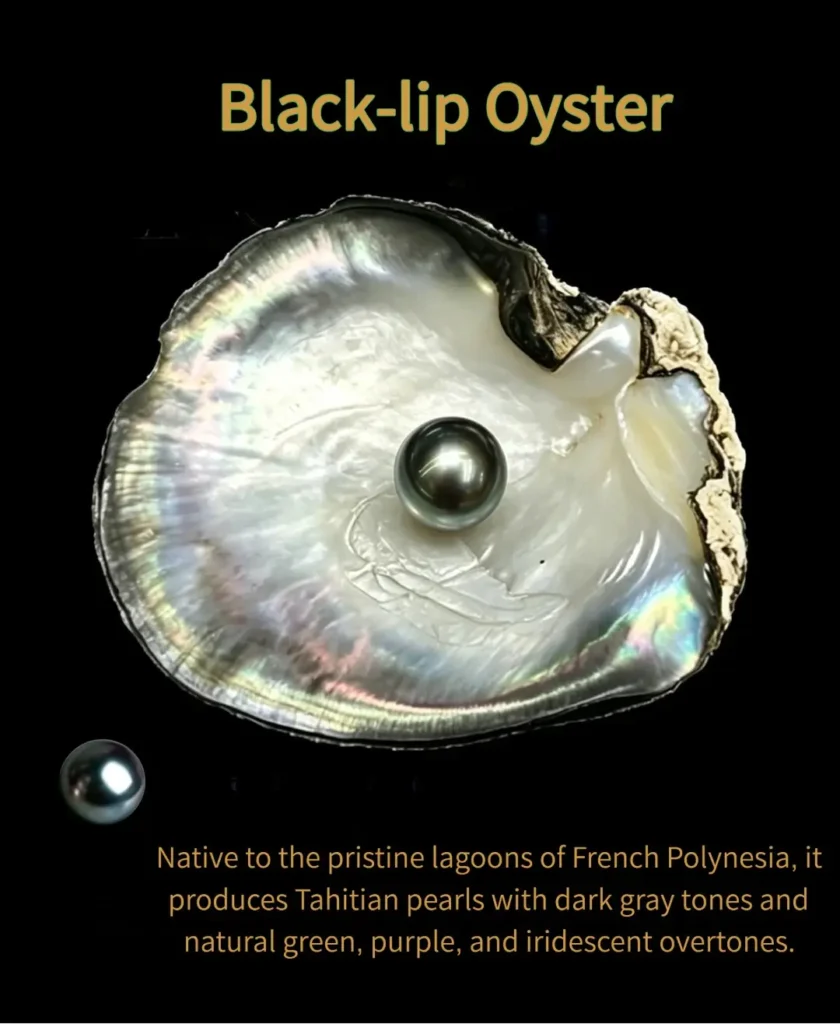
Compared with white mother of pearl, black mother of pearl features a deeper and more mysterious base tone.
When light moves across its surface, it can reveal a range of natural colors, including:
- Peacock green;
- Purple;
- Silver gray;
- Blue-green iridescence.
These natural color variations make every piece of black mother of pearl visually unique.
With its modern character, sophisticated depth, and neutral appeal, black mother of pearl is widely used in fine jewelry, carved ornaments, and contemporary geometric designs.
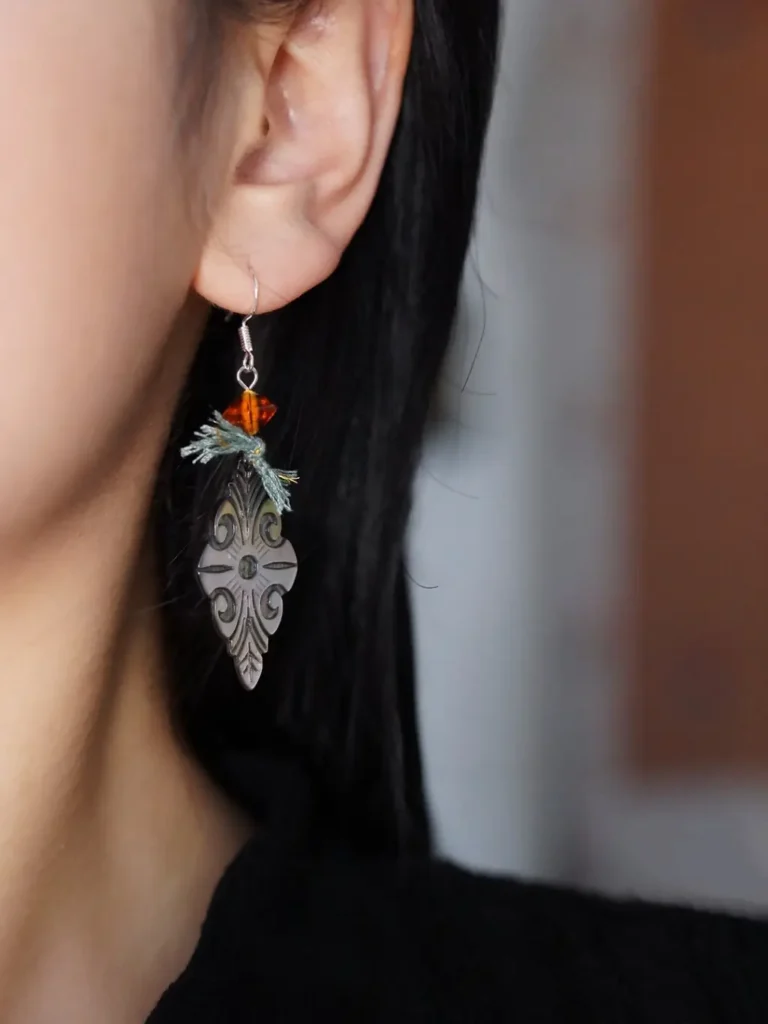
Our Black Mother of Pearl Earrings feature hand-carved black mother of pearl with double-sided detailing, paired with orange glass beads and handmade cotton cord. The design blends ocean-inspired elements with traditional carving techniques, creating a free-spirited style with a natural, rustic, and artistic character.
Learn more: Black Mother of Pearl Jewelry: Natural Iridescent Beauty
How to Care for Shell Jewelry
Natural shells have a unique structure and delicate luster. Compared with metals or some mineral gemstones, shell jewelry requires more gentle care to preserve its beauty over time.
To maintain the natural shine of your shell jewelry:
- Avoid strong impacts with hard objects, as they may chip or damage the edges of the shell;
- Keep your jewelry away from prolonged contact with perfume, cosmetics, sweat, and harsh acidic or alkaline cleaners;
- Avoid exposing shell jewelry to high temperatures or extremely dry environments for extended periods;
- After wearing, gently wipe the surface with a soft, clean cloth to remove oils or residue;
- When cleaning is necessary, rinse briefly with a small amount of clean water and dry it immediately. Avoid soaking shell jewelry for long periods.
With proper care, shell jewelry can maintain its natural luster and continue to accompany you for years to come.
JEWEA: Exploring the Beauty of Natural Ocean Materials
From ancient shell currency and early human ornaments to the Cameo carvings once cherished by European aristocracy and modern mother of pearl jewelry, shells have witnessed humanity’s appreciation of natural beauty
White mother of pearl reveals a soft and pure glow. Black mother of pearl displays deep, shifting colors. The Horned Helmet Shell carries the tradition of European shell carving, while Trochus Shell showcases the unique textures created by the ocean.
Every shell has its own story of formation and its own visual language shaped by nature.
At JEWEA, we transform natural ocean materials into handmade jewelry through thoughtful design and craftsmanship. We hope each piece brings together nature, culture, and personal style, allowing each piece to become a personal expression of nature, culture, and individuality.