Queen Conch Shell Jewelry: A Pink Organic Gemstone from the Caribbean Sea
At JEWEA, we often incorporate natural shells into our jewelry designs. Formed through the natural growth of marine organisms, shells develop unique patterns, delicate luster, and organic textures that reflect their natural origins.
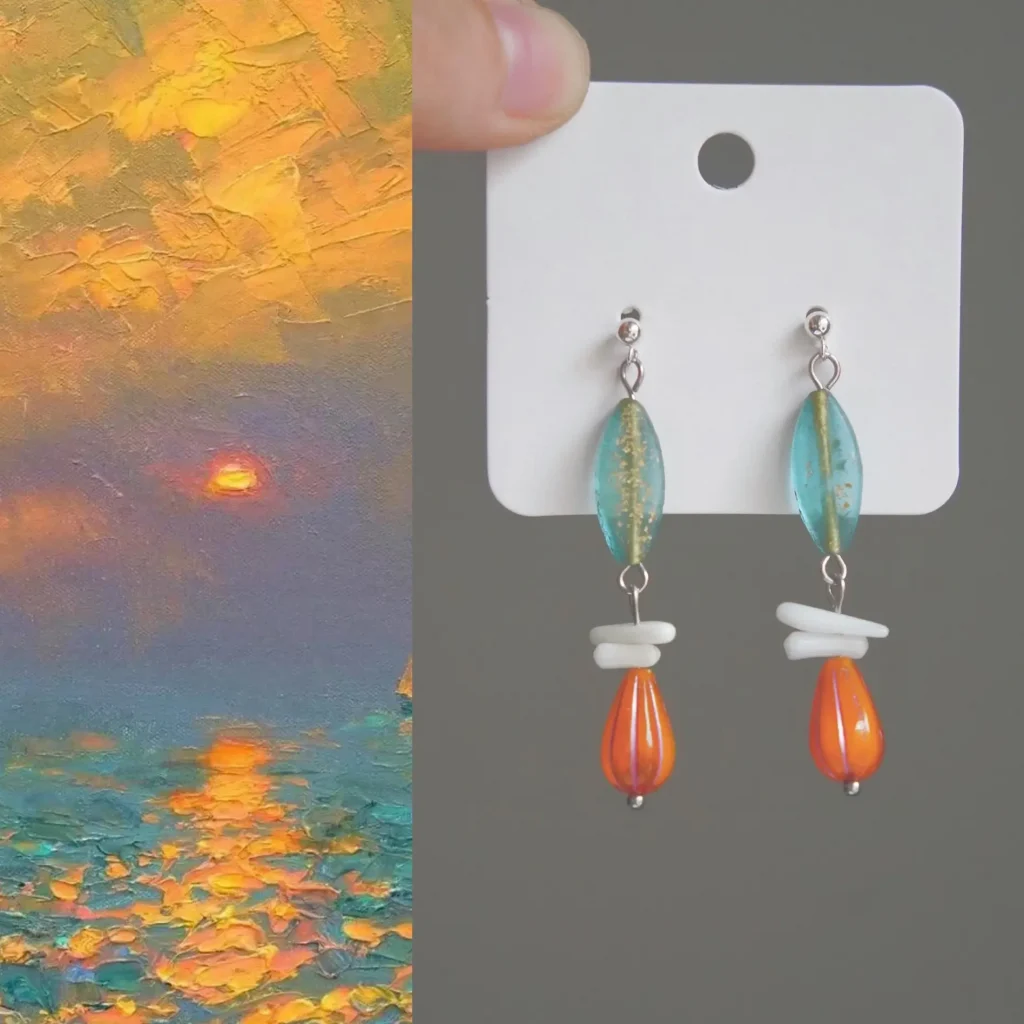
For example, our 925 Silver Post Earrings combine natural white shell fragments with blue and orange Czech glass beads, creating a color palette inspired by coastal landscapes, sunset skies, and ocean waves.
Among the natural shell materials introduced in 4 Shell Jewelry Materials from the Ocean: Natural Beauty in Handmade Design, Queen Conch (Aliger gigas) stands apart. Unlike Mother of Pearl, which is prized for its iridescent glow, Queen Conch displays a soft porcelain-like luster and a naturally thick shell structure, making it an exceptional material for intricate carvings and handcrafted jewelry designs.
What Is Queen Conch?
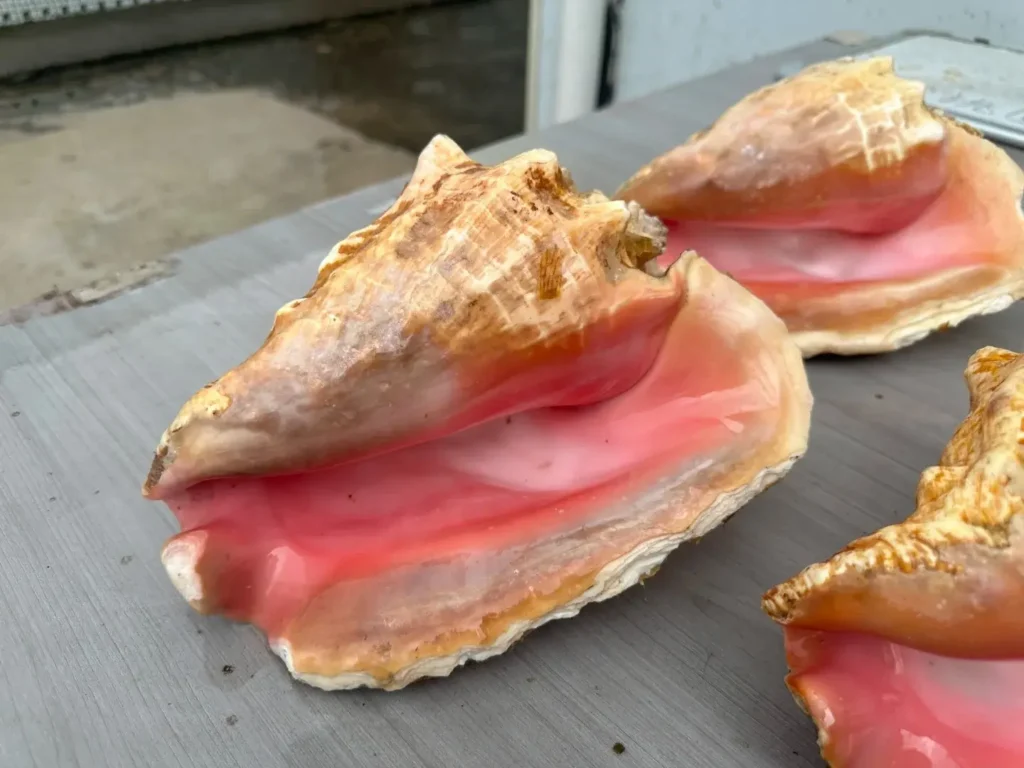
The Queen Conch (Aliger gigas) is a large marine gastropod mollusk in the family Strombidae. Scientists previously classified this species as Strombus gigas, a name that still appears in some references.
In some markets, Queen Conch may also be referred to as Pink Conch or simply Conch Shell, although Queen Conch remains the most widely recognized name.
With its naturally pink shell and suitability for carving, Queen Conch has been used for centuries in shell carving and jewelry craftsmanship.
1. Natural Pink Color and Porcelain-Like Luster
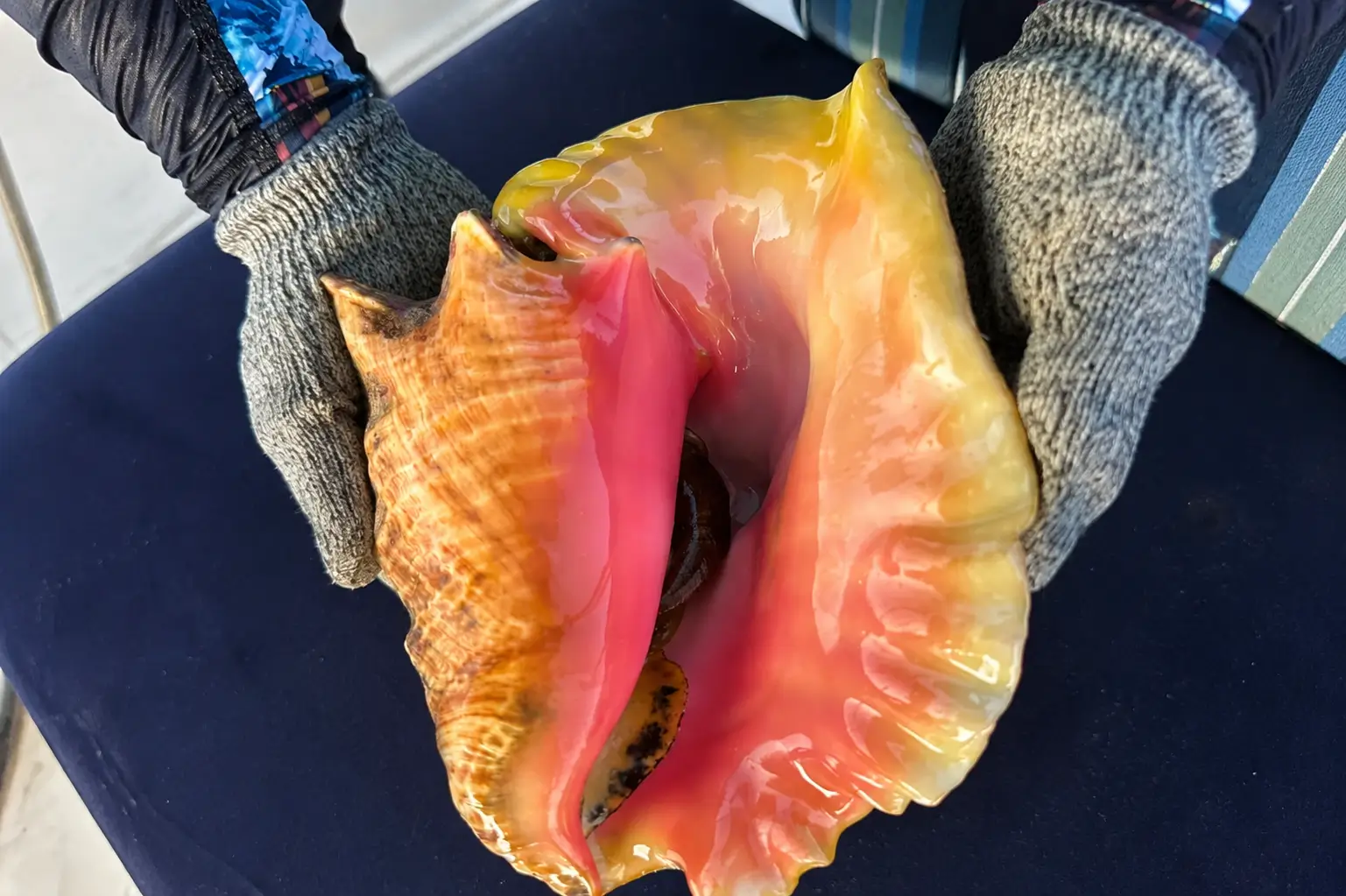
The most distinctive feature of Queen Conch is its naturally soft pink appearance.
Its shell can show a range of shades, from delicate blush tones to deeper rose pink, often with natural layers of pink and white that create beautiful color variation.
Unlike Mother of Pearl, which is known for its rainbow-like iridescence, Queen Conch has a smooth porcelain-like luster (porcellaneous luster) rather than a shimmering surface.
This refined texture and natural color variation make Queen Conch a popular material for shell carving and jewelry design.
2. A Thick Shell Structure Ideal for Carving
Queen Conch is one of the largest marine gastropods found in the western Atlantic Ocean. Adult shells typically reach around 15–35 cm in length.
Compared with many colorful shells that have thinner structures, Queen Conch develops a much thicker shell wall. This natural strength allows artisans to create a variety of jewelry and decorative forms, including:
- Shell Cameo carvings
- Three-dimensional sculptures
- Beads
- Cabochon cuts
Because of its combination of color, durability, and carving potential, Queen Conch remains one of the few shell materials suitable for skilled jewelry craftsmanship.
Where Does Queen Conch Come From? CITES Protection and Ethical Sourcing
The Queen Conch (Aliger gigas) lives mainly in the western Atlantic Ocean and the Caribbean Sea. Its natural habitat includes regions such as:
- The Bahamas
- The Caribbean coast of Mexico
- Belize
- Honduras
- Cuba
Due to decades of fishing pressure and population decline in some areas, Queen Conch is now listed under CITES Appendix II (the Convention on International Trade in Endangered Species of Wild Fauna and Flora).
This listing does not ban all trade. Instead, it regulates international commercial trade and requires proper permits and documentation to ensure that sourcing follows conservation guidelines.
At JEWEA, we believe natural materials carry a responsibility beyond their beauty. We pay close attention to ethical sourcing and responsible practices, ensuring that our natural material jewelry respects both craftsmanship and the natural world.
Queen Conch: The Shell Behind Conch Pearl
Queen Conch is the natural source of Conch Pearl, a rare organic gemstone formed inside the shell.
Unlike traditional cultured pearls, Conch Pearls cannot currently be produced through commercial pearl farming. Each pearl develops naturally within the Queen Conch, which makes every specimen different.
One of the most distinctive features of Conch Pearl is its flame structure, a delicate pattern that appears on the pearl’s surface. These natural patterns often reveal soft shades of pink, orange, and salmon.
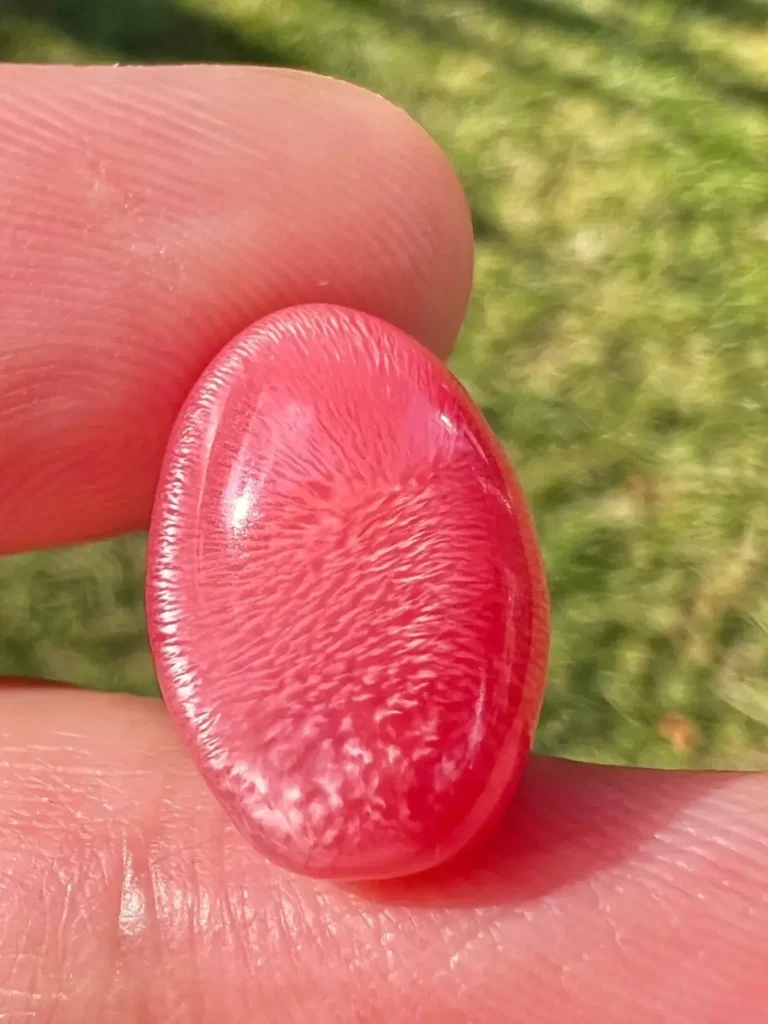
With their natural flame patterns and warm colors, Conch Pearls remain a fascinating material in organic gemstone jewelry. Learn more about Conch Pearl and its unique characteristics in our detailed guide.
What Pink Shells Are Used in Jewelry?
Many shells in nature show beautiful pink tones, but only a small number have the thickness, durability, and visual appeal required for jewelry making.
Some pink shell materials used in jewelry include:
| Shell Material | Characteristics | Jewelry Applications |
|---|---|---|
| Pink freshwater shells | Soft colors with natural nacre-like patterns and a delicate surface | Mainly used for thin inlays and decorative accents |
| Pink river shells | Known for subtle nacre luster but limited shell thickness | Suitable for simple jewelry elements rather than deep carving |
| Queen Conch (Aliger gigas) | Natural pink tones, thick shell structure, and porcelain-like luster | Used for Cameo carving, beads, cabochons, and sculptural designs |
Among these materials, Queen Conch stands out because it combines natural color, structural strength, and carving potential.
Unlike thinner pink shells that mainly show nacre-like luster, Queen Conch offers a smooth porcelain-like appearance and enough thickness for more dimensional jewelry designs.
Its combination of:
Its combination of natural pink tones, durable shell structure, refined luster, and artistic versatility makes Queen Conch one of the most distinctive organic materials in shell jewelry craftsmanship.
To explore more ocean-derived materials and their role in jewelry design, discover our complete guide: Shell Jewelry: Natural Treasures from the Ocean.
Common Crafting Techniques in Queen Conch Jewelry
Queen Conch can be transformed into various jewelry forms, from traditional shell carving to contemporary designs. Different techniques highlight the shell’s natural color layers, smooth texture, and structural qualities.
1. Cameo Carving: A Traditional European Art Form
Cameo has a long history in European jewelry craftsmanship. Shell Cameo is one of the most recognized forms of this traditional raised carving technique.
Early Cameo jewelry mainly used helmet shells because of their natural color layers. Over time, other layered shells, including Queen Conch, were also used for Cameo carving due to their contrasting colors and carving potential.
During the 19th century, Cameo jewelry became especially popular among European aristocrats and collectors. This classical carving tradition continues to be appreciated today.
Queen Conch has a distinctive appearance among Cameo materials. Its soft pink and white layers create gentle contrast, giving carved designs a unique visual character.
A high-quality Queen Conch Cameo usually requires:
- A thick shell section with sufficient carving depth
- Clear and well-defined natural color layers
- An appropriate size for detailed designs
- Skilled hand carving techniques
The finest examples combine carefully selected materials with experienced craftsmanship, creating detailed portraits, mythological figures, and nature-inspired designs with depth and dimension.
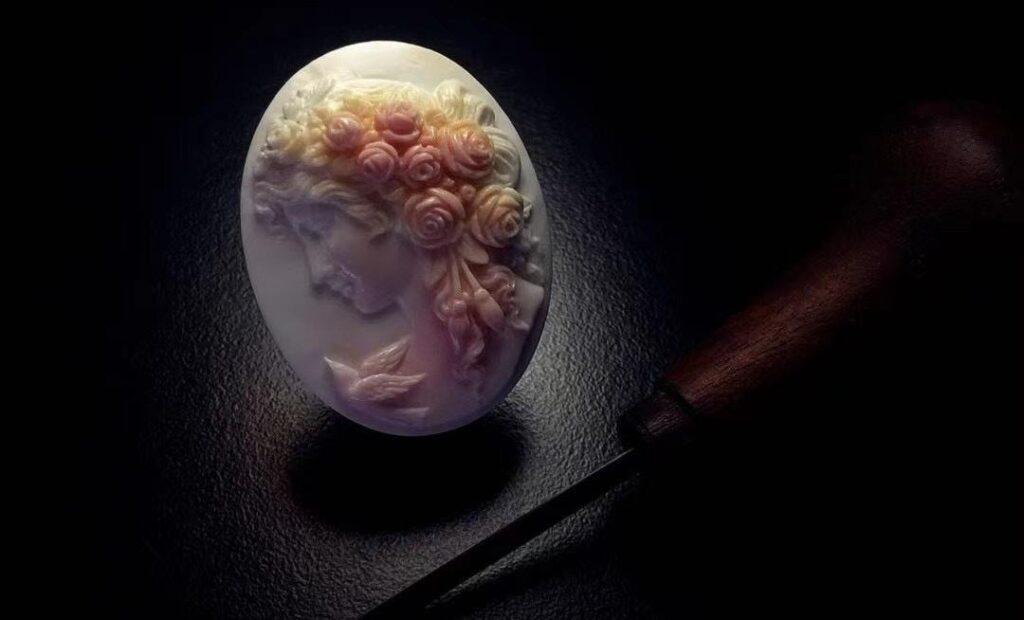
Classic Cameo themes include:
- Female portraits
- Mythological figures
- Floral and nature-inspired designs
2. Three-Dimensional Carving: Machine Work vs. Handcrafted Art
Beyond Cameo, Queen Conch is also used for various three-dimensional carvings.
The quality of Queen Conch carvings depends greatly on the production method and craftsmanship involved.
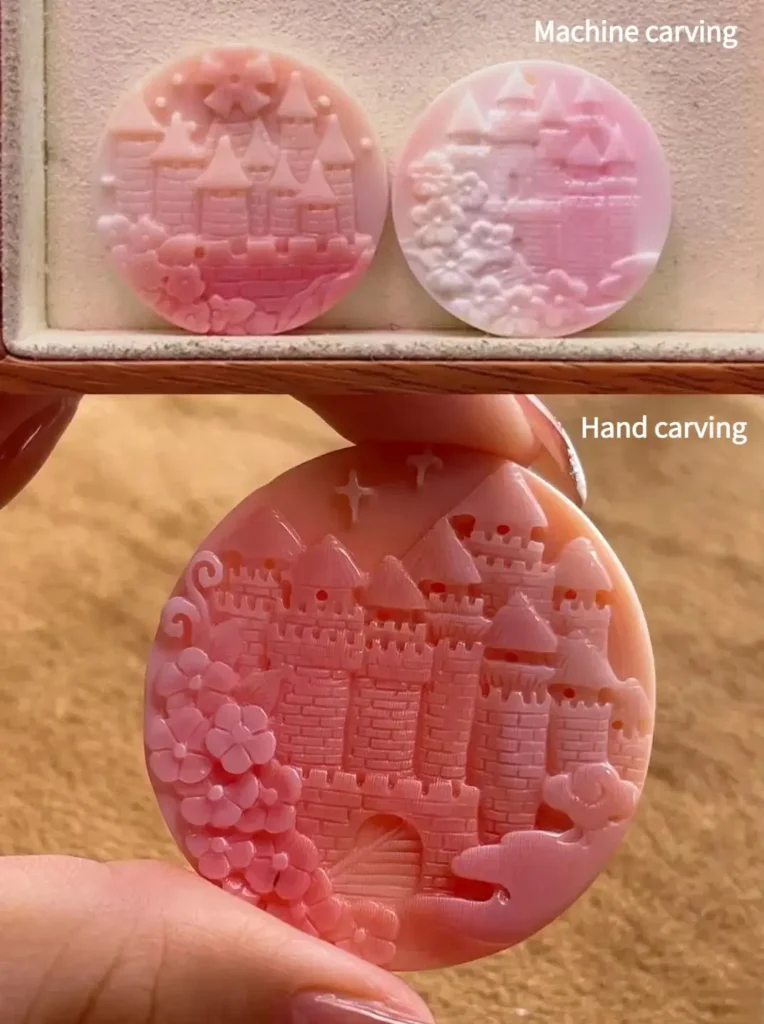
Machine carving:
- Suitable for simple and repeated designs
- Offers more affordable options
- Usually provides less detail in complex areas
Hand carving:
- Follows the shell’s natural color patterns
- Allows greater control over details and proportions
- Creates pieces with stronger artistic expression
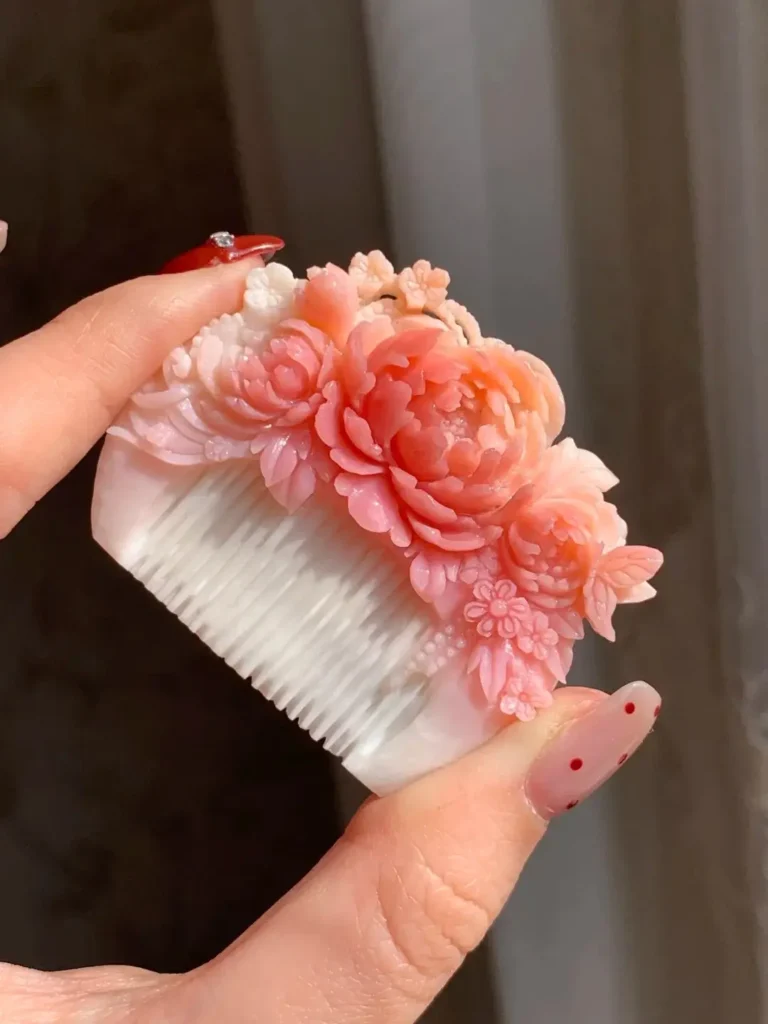
Many Queen Conch carvings feature flowers, animals, and decorative motifs. More complex portrait carvings require advanced skills and careful attention to detail.
3. Queen Conch Beads
When Queen Conch is cut into beads, its surface reveals natural spiral patterns created by the shell’s internal structure.
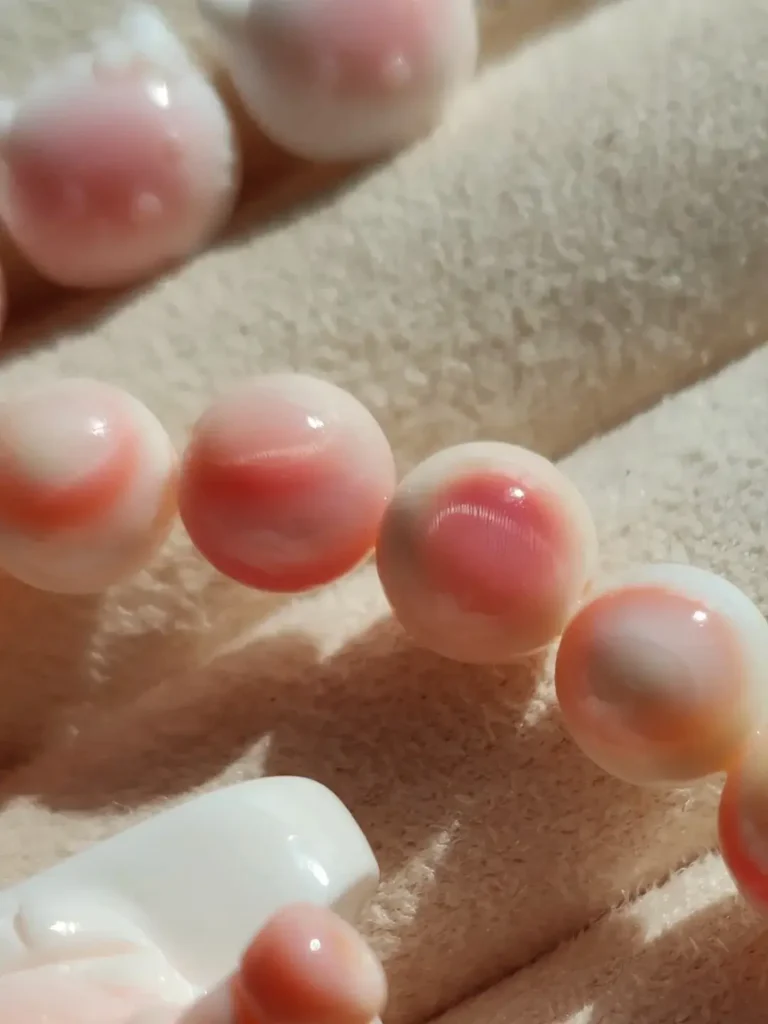
Larger beads often display these patterns more clearly.
The quality of Queen Conch beads is usually considered through:
- Bead size
- Color intensity
- Surface condition
- Natural pattern appearance
Beads with balanced colors, smooth surfaces, and clear patterns are often preferred in jewelry designs.
4. Cabochon Cuts: Soft Pink Tones in Jewelry Design
When Queen Conch is shaped into cabochons, it reveals a smooth surface, gentle pink tones, and a soft appearance similar to fine pink coral.
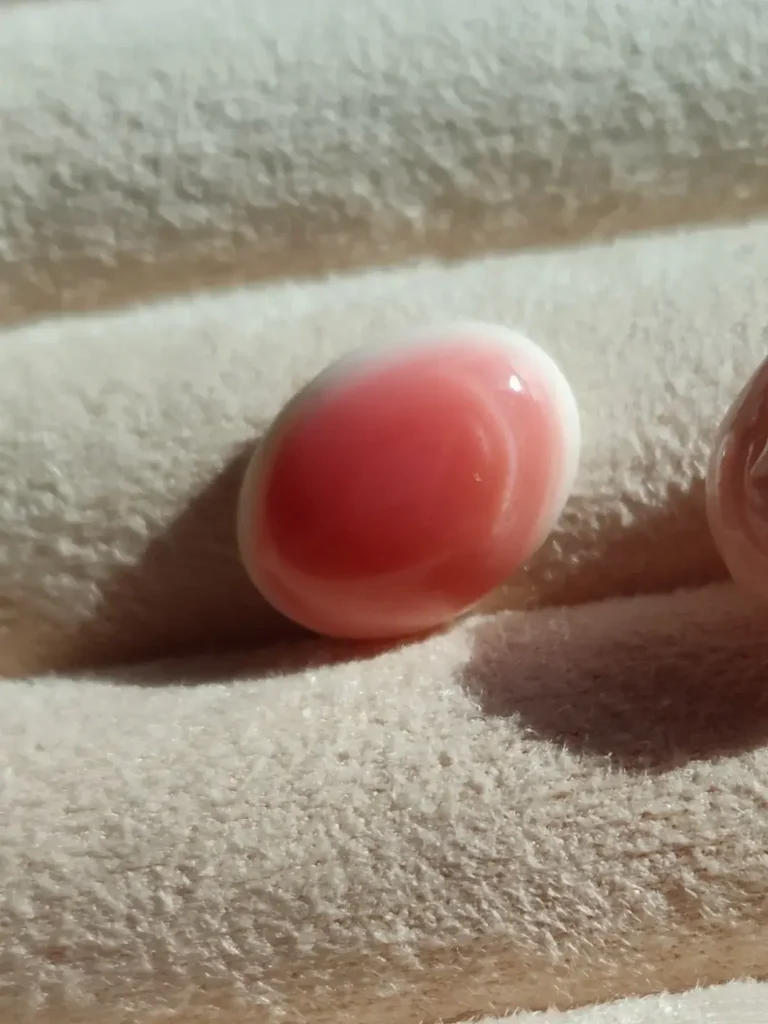
Some cabochons display pink surfaces with natural white areas on the back, reflecting the shell’s layered structure.
Compared with carved pieces and beads, Queen Conch cabochons are usually smaller and offer a more accessible way to enjoy this organic material in rings, pendants, and earrings.
How to Choose Quality Queen Conch Shell Jewelry
When choosing Queen Conch Shell Jewelry, you can focus on several factors that highlight its natural beauty and craftsmanship.
Unlike traditional gemstones, shell materials do not follow the same grading standards as diamonds or colored stones. Instead, collectors and jewelry enthusiasts often consider the natural color, craftsmanship, size, and surface quality of each piece.
1. Color
Color plays an important role in the appeal of Queen Conch.
Generally:
- Rich, saturated pink tones are more desirable
- Strong contrast between pink and white layers adds artistic value
- Softer pastel shades create a more delicate and natural look
Each Queen Conch shell develops its own unique color patterns, making every piece naturally different.
2. Craftsmanship
The craftsmanship behind a piece of Queen Conch Jewelry greatly influences its value.
In general:
Hand-carved Cameo
> Finely crafted beads
> Basic cabochon or decorative cuts
Skilled artisans can highlight the natural color layers and structure of Queen Conch, transforming the shell into a piece with artistic character.
3. Size and Thickness
A thicker and more complete shell section provides greater possibilities for detailed carving and larger designs.
Because artisans have access to only limited high-quality raw materials, they often consider pieces with greater thickness, better structure, and larger usable areas more valuable for artistic and collectible purposes.
4. Surface Quality
High-quality Queen Conch materials usually show:
- Even porcelain-like luster
- Minimal natural cracks or surface imperfections
- Good overall integrity and smoothness
A well-preserved surface allows the natural beauty of the shell to remain visible while enhancing the finished jewelry design.
JEWEA’s Perspective
Queen Conch is more than a beautiful natural material. As an organic gemstone, it connects the ocean, nature, and the long tradition of jewelry craftsmanship.
Its soft pink tones come from the natural growth of marine life, while the timeless art of European Cameo carving adds cultural depth and artistic value to this unique shell material.
At JEWEA, we explore the balance between natural materials and modern design. We bring together organic textures, natural colors, and cultural stories to create jewelry with a meaningful connection to nature.
Every piece of organic gemstone jewelry carries a unique story — one shaped by nature and completed by human craftsmanship.