Natural Mineral Pigments: The Ancient Colors of Dunhuang
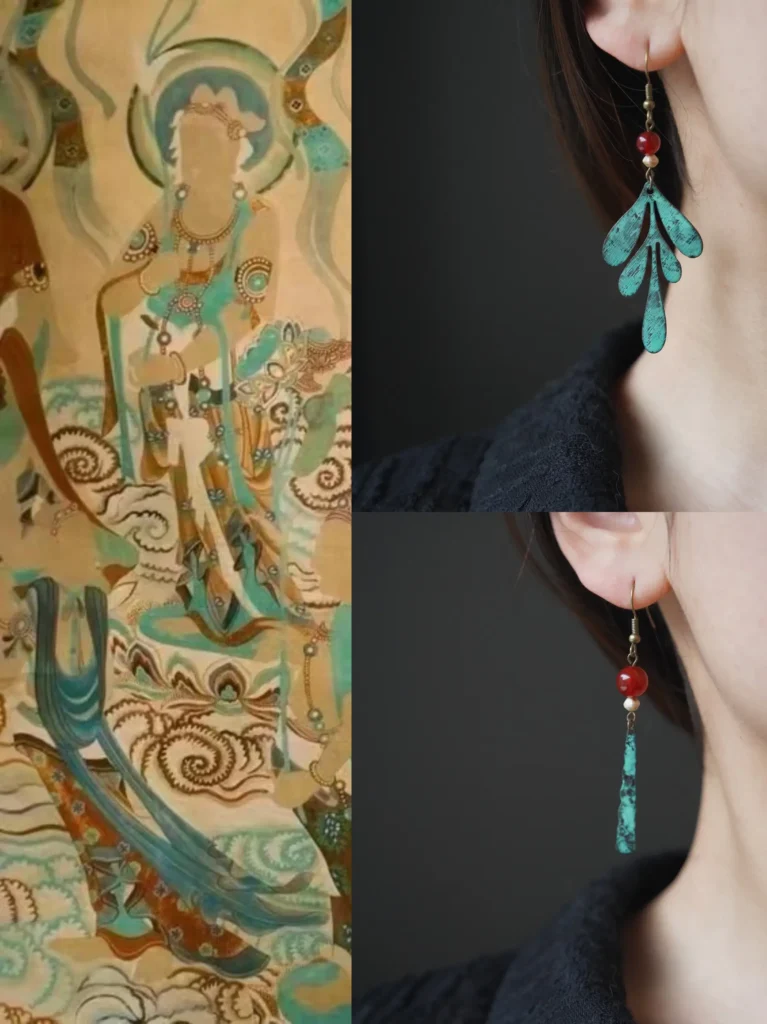
Jewea’s handmade jewelry often draws inspiration from traditional Chinese art. Among its many sources, the thousand-year-old murals of Dunhuang Mogao Caves hold a special place.
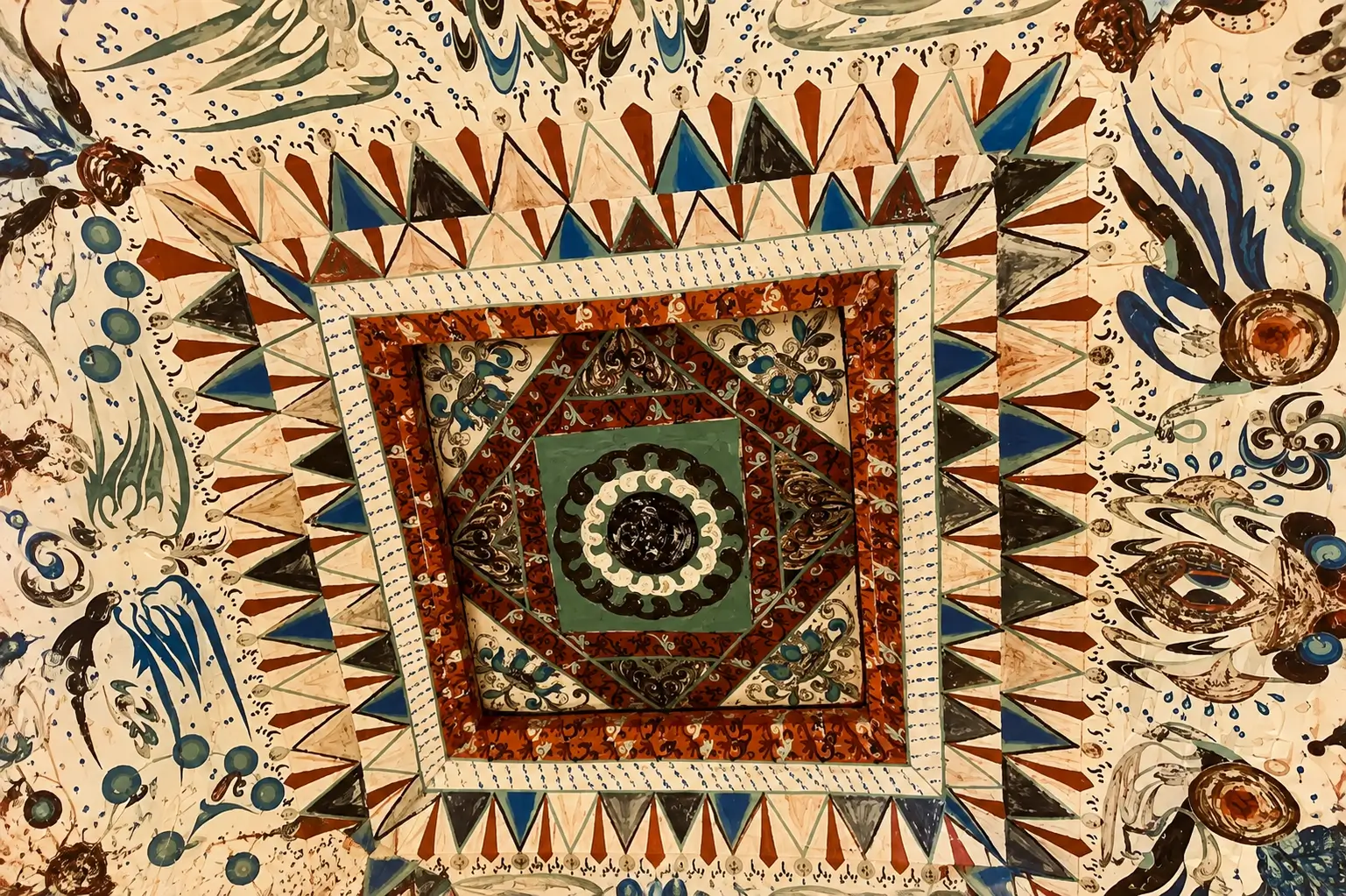
Work on the Mogao Caves began in AD 366. Over the centuries, the caves and their murals have endured a harsh desert environment, including intense dryness, blowing sand, and constant changes in temperature. Yet many of their colors remain remarkably vivid and expressive.
Much of this lasting beauty comes from the skillful use of Natural Mineral Pigments. Ancient artists turned minerals from the earth into durable colors, using them to bring figures, landscapes, clothing, and decorative details to life.
Natural mineral pigments come from minerals and other naturally occurring mineral-rich materials. Each one has its own chemical composition, crystal structure, and characteristic color. Ancient artists selected, crushed, ground, and processed these materials into fine pigments for paintings, painted pottery, murals, sculptures, and decorative objects.
Some mineral pigments also have greater chemical and physical stability than many organic colorants. Under suitable conditions, they can retain their color for centuries. Cinnabar produces a vivid red. Hematite and other iron-bearing minerals create earthy reds and reddish browns. Realgar brings a warm orange-red, while orpiment produces a bright yellow. Goethite and limonite add softer yellow-brown and earth tones.
Together, these minerals formed a rich and remarkably durable palette for ancient art.
This article begins with the murals of Dunhuang and follows the minerals behind their colors. We will explore several classic mineral pigments that helped shape the visual language of traditional Chinese art and left a lasting mark on East Asian aesthetics.
Brilliant Red — Cinnabar
In our guide, Cinnabar Jewelry: The Mineral Truth Behind Natural Cinnabar and Market Imitations, we explored the natural forms of cinnabar, common treatments, and the imitations found in the market. Cinnabar is also one of the most iconic red mineral pigments in ancient Chinese art.
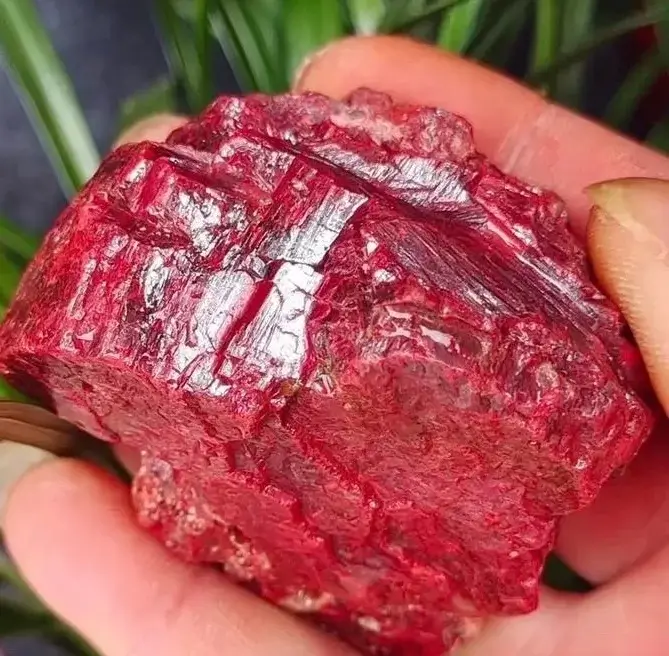
Its official mineral name is cinnabar. Historical Chinese names include dansha, chidan, and gongsha. Cinnabar is composed mainly of mercury sulfide (HgS). Natural crystals can range from dark red and bright red to lighter red and vermilion.
Cinnabar was more than a red pigment. It was also an important source of mercury in ancient times, giving the mineral a distinctive place in the history of Chinese culture and craftsmanship.
Cinnabar has a rich, intense color and good durability. Ancient artists ground the ore into a fine powder, then used it for painting, decorative work, and coloring objects.
The History of Cinnabar as a Pigment
Cinnabar has a very long history as a red pigment in China. Archaeological evidence shows that people were using it as early as around 6,000 years ago. At the Hemudu culture site, researchers found traces of cinnabar on a lacquer bowl.
By the Qin and Han periods, artists used cinnabar widely on lacquerware, pottery, silk textiles, and other objects. In 1972, archaeologists excavated the Mawangdui Han tombs in Changsha and found numerous artifacts, including silk textiles colored or painted with cinnabar. More than 2,000 years later, some of the red color on these artifacts still retains strong visual impact.
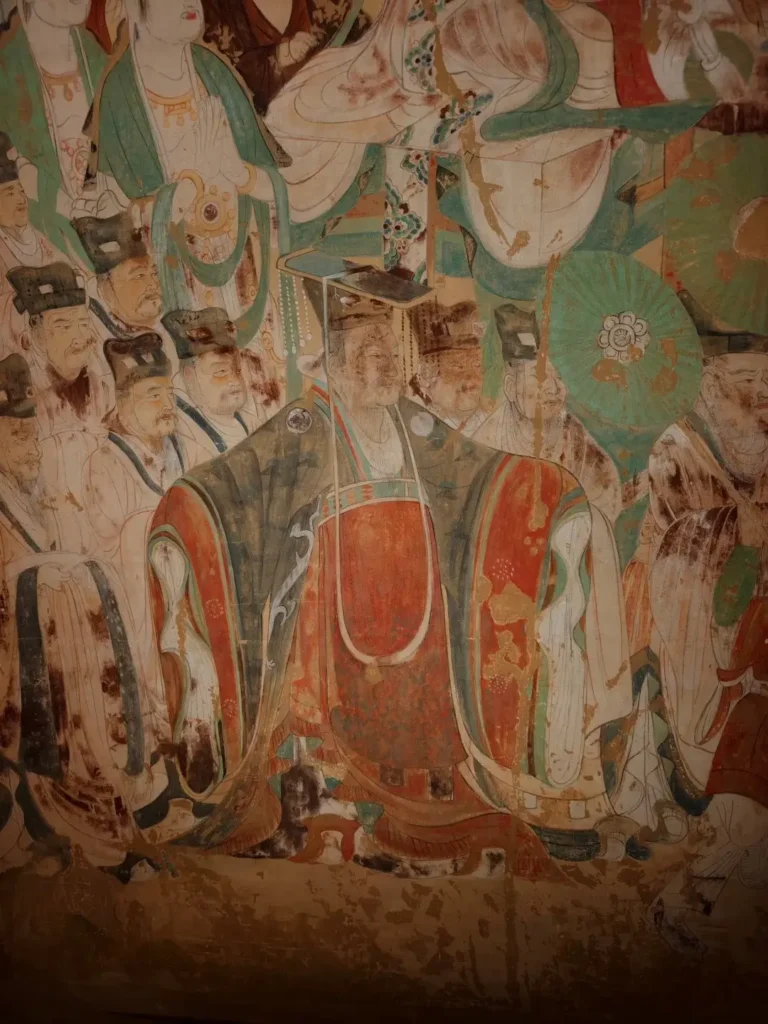
During this period, mural art also began to develop. The Dunhuang caves became an important record of the development of mural art in China. Because cinnabar produced such a vivid red, artists ground it into a pigment and used it on murals. Even today, the color remains visible on some of these ancient walls.
Cinnabar became widely used in painting during the Jin and Tang periods. The Tang dynasty saw remarkable growth in art and culture, with many painters emerging during this prosperous period.
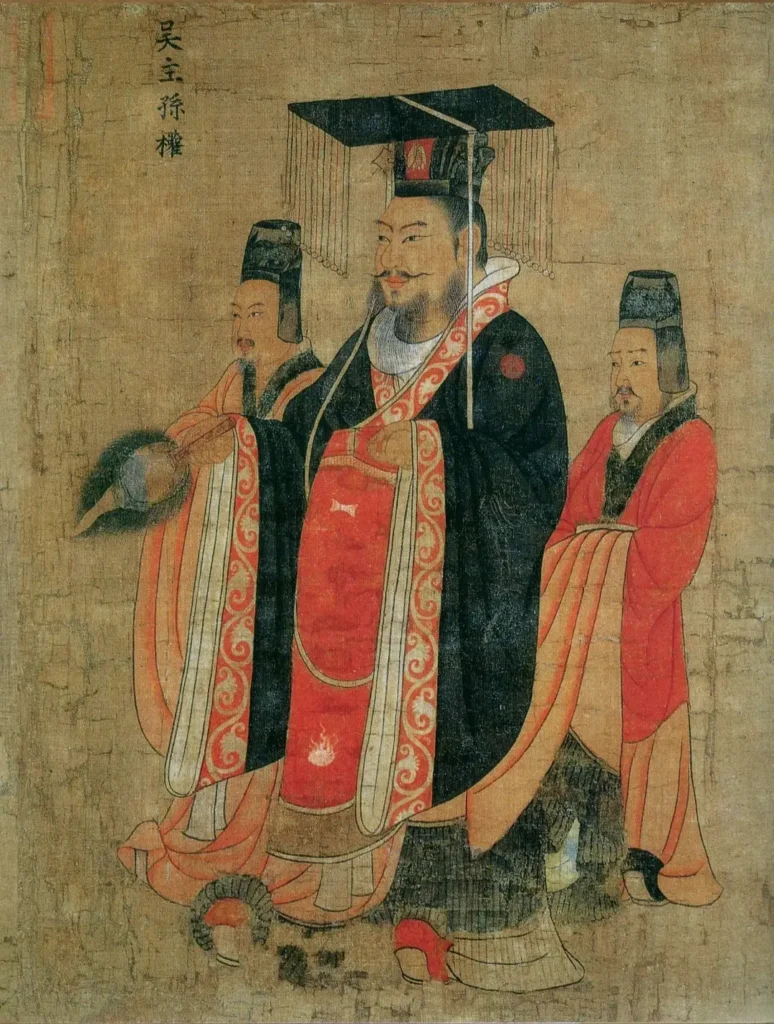
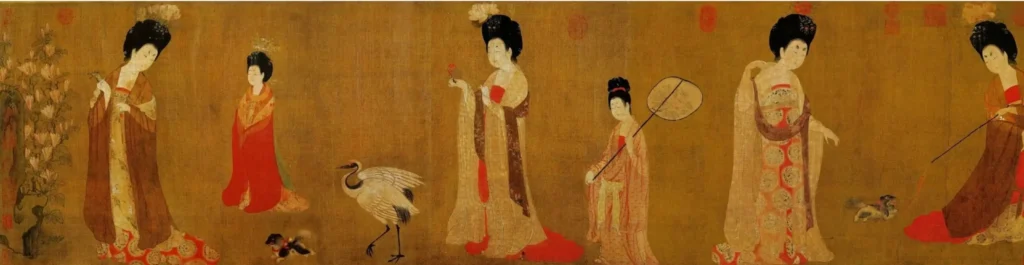
The Tang painter Yan Liben, for example, used cinnabar in Emperors in Successive Dynasties. Works by Zhou Fang, including Ladies Wearing Flowers in Their Hair, also feature cinnabar in the figures’ clothing.
During the Song dynasty, artists used cinnabar beyond figures and clothing. The vivid red also appeared in landscapes, bird-and-flower paintings, and other subjects.
By the Ming and Qing dynasties, artists also made cinnabar into cinnabar ink sticks, making the traditional pigment more convenient for painters and calligraphers to use.
From prehistoric painted pottery to Qin and Han artifacts, Dunhuang murals, and later Chinese paintings, cinnabar’s vivid red remained an important color in traditional Chinese art.
Dark Red — Hematite
Hematite is a common iron oxide mineral, with iron(III) oxide (Fe₂O₃) as its main chemical component. Its color varies widely, ranging from reddish brown and steel gray to iron black.
Hematite is found on every continent and is widely distributed around the world. The United States is among the major producers, followed by France, Canada, and China.
In China, major hematite deposits occur in places such as Daye in Hubei, Xuanhua in Hebei, and Anshan in Liaoning. Hematite is often found in complex ores associated with other elements.
Unlike the vivid, intense red of cinnabar, hematite usually produces deeper and more subdued colors. When processed into a fine powder, it can be used to make reddish-brown and dark red pigments.
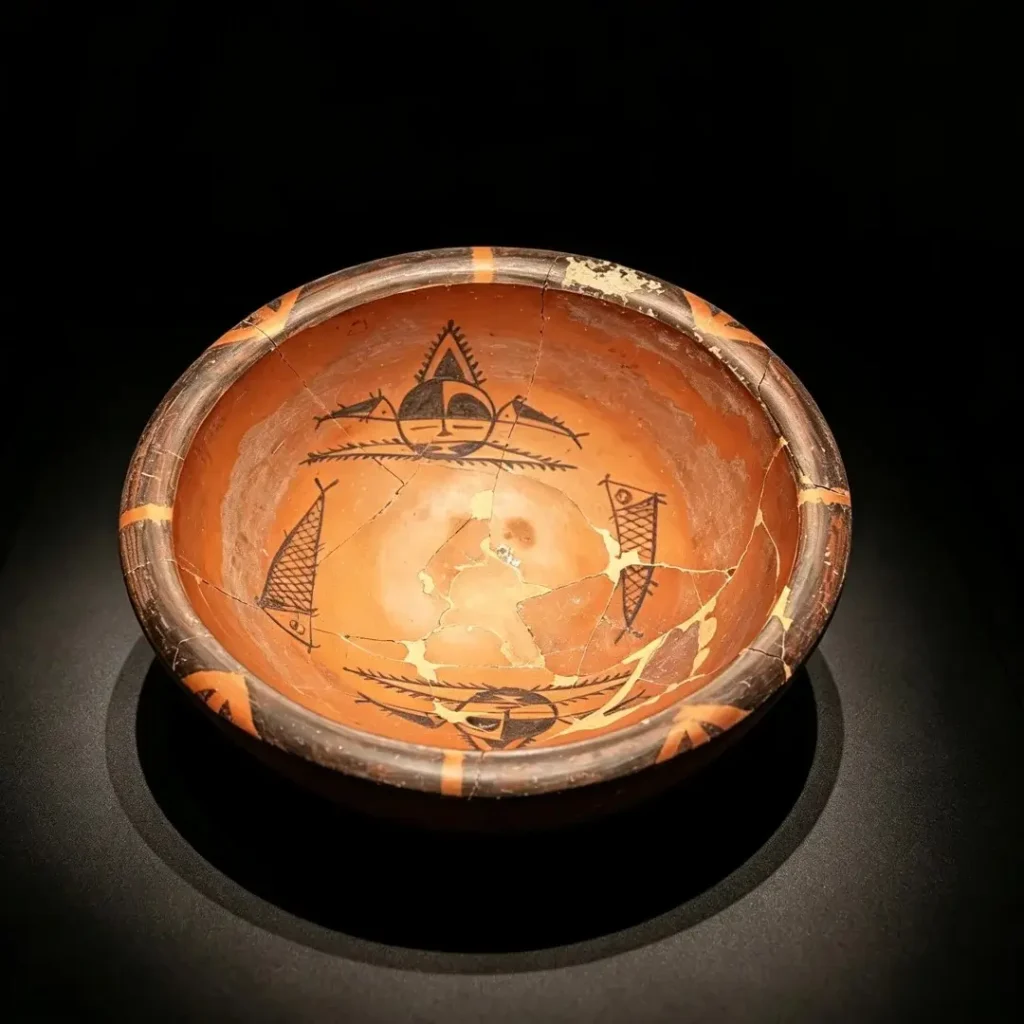
The use of hematite pigments dates back thousands of years. Painted pottery from the Yangshao culture already featured decorative and totem-like patterns made with hematite pigments.
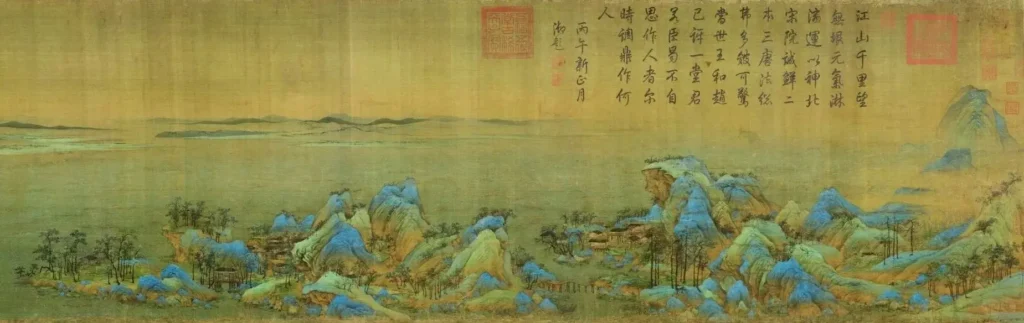
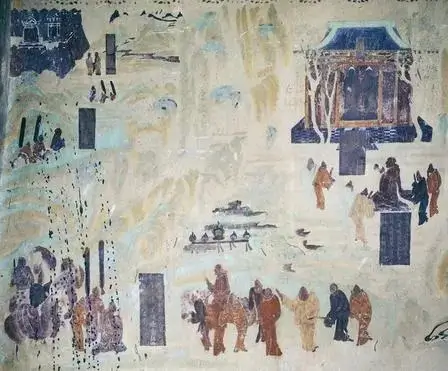
Hematite also appears in later Chinese art. In A Thousand Li of Rivers and Mountains by the Song dynasty painter Wang Ximeng, now held by the Palace Museum, the red pigment used in the painting has been identified as hematite. Hematite was also used extensively as an underlayer in the early Tang dynasty mural depicting Zhang Qian’s mission to the Western Regions in Cave 323 at the Mogao Caves.
Hematite has uses beyond pigments. It has also appeared in traditional medicine, jewelry, and as a filler in plastic products.
Orange-Red — Realgar
Realgar is another mineral pigment in the red color family. Compared with the vivid red of cinnabar and the darker red of hematite, realgar has a striking orange-red color.
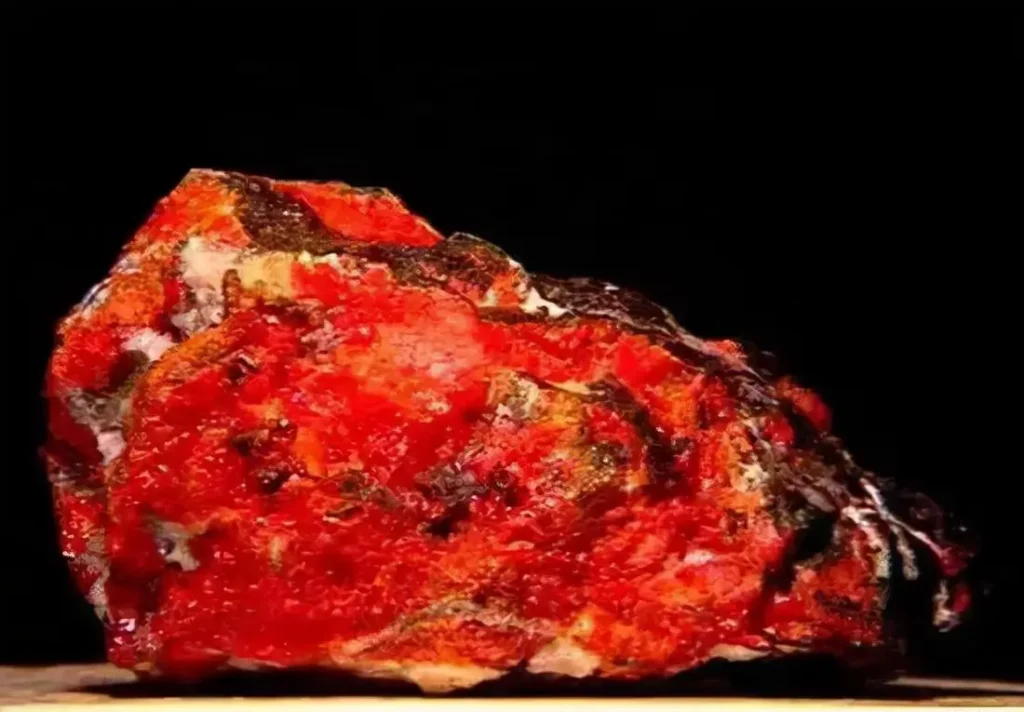
Realgar is composed mainly of arsenic tetrasulfide (As₄S₄) and is an arsenic sulfide mineral. Its color ranges from bright orange-red to red. Good-quality realgar can appear vivid, translucent, and lustrous.
Its color and appearance resemble a rooster’s comb, which is why Chinese tradition gave realgar the name “chicken-comb stone.” Historical sources also used names such as xiongjing, mingxionghuang, and xunhuang to distinguish different forms and grades based on quality. Among these, people valued material with a vivid color, translucency, and a lustrous surface most highly.
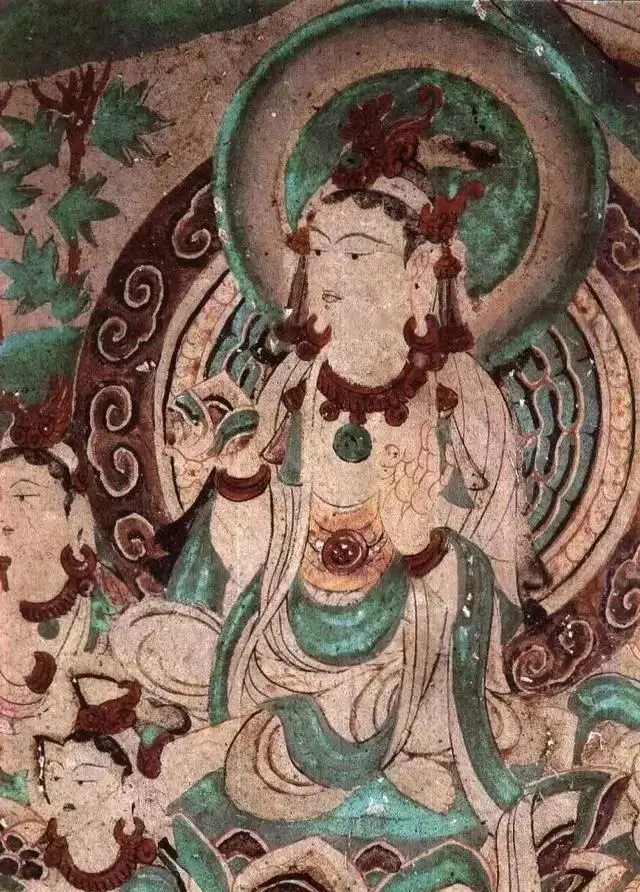
Realgar was widely used as a pigment in the Tang dynasty murals at the Mogao Caves. Its warm orange-red tone added another distinctive color to the mineral palette used by ancient artists.
However, realgar contains arsenic and is toxic. It therefore requires careful handling. Today, its historical use as a natural mineral pigment is of particular interest in the study, conservation, and restoration of ancient artworks.
Lemon Yellow — Orpiment
Like realgar, orpiment is an important arsenic sulfide mineral.
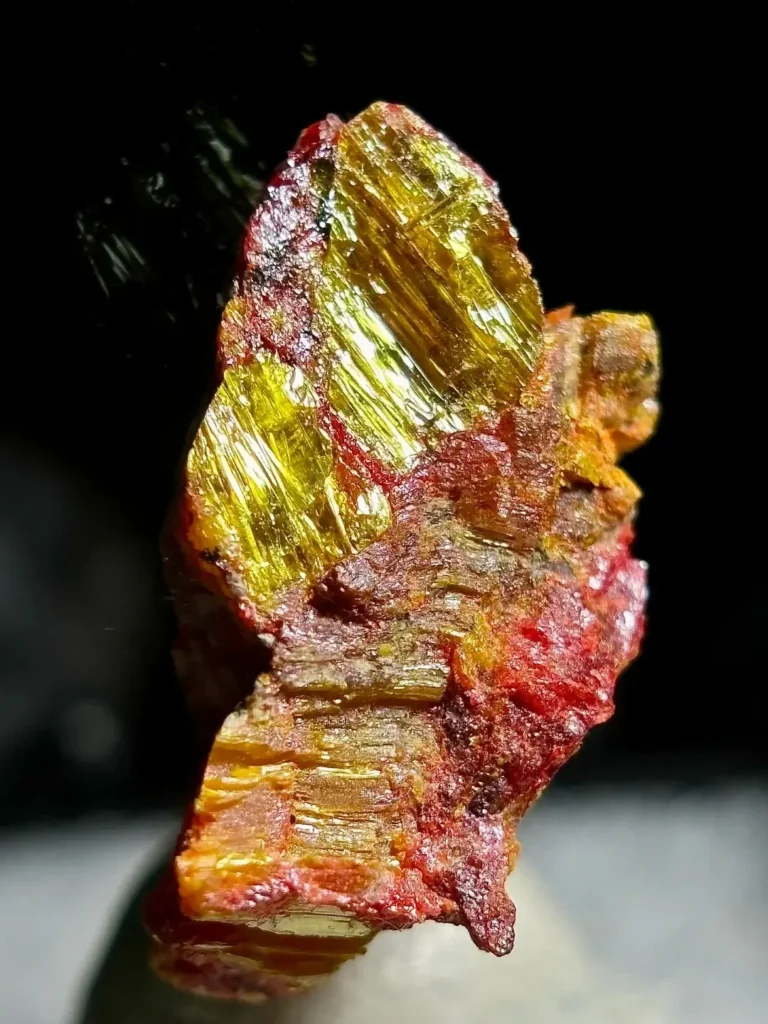
Orpiment is composed mainly of arsenic trisulfide (As₂S₃). It usually ranges from bright lemon yellow to golden yellow. Orpiment often occurs alongside realgar and can produce a vivid yellow mineral pigment.
Orpiment forms in low-temperature hydrothermal environments, in areas associated with volcanic fumaroles, and in some hot-spring deposits. Its bright color made it a useful material for painting and decoration in ancient times.
Why Did Ancient Chinese Use Orpiment to Correct Writing?
Orpiment had another unusual use in ancient China: people used it to correct written text.
Ancient writing materials included bamboo slips, wooden tablets, and later paper. As paper became more widely used, people sometimes treated it with materials such as huangbo, or cork-tree bark, to help protect it from insects. This treatment could give the paper a yellowish color.
Orpiment itself has a bright yellow color and a fine texture. Because its color could closely match that of yellowed paper, people could grind orpiment into a fine powder and apply it over unwanted characters. It covered the original ink without damaging the paper, allowing the writer to write over the corrected area.
This practice gave rise to the Chinese idiom “xinkou ci huang” (信口雌黄), which refers to making careless or unfounded statements. The expression comes from the traditional use of orpiment to alter written words.
Beyond this unusual application, orpiment was also an important yellow mineral pigment.
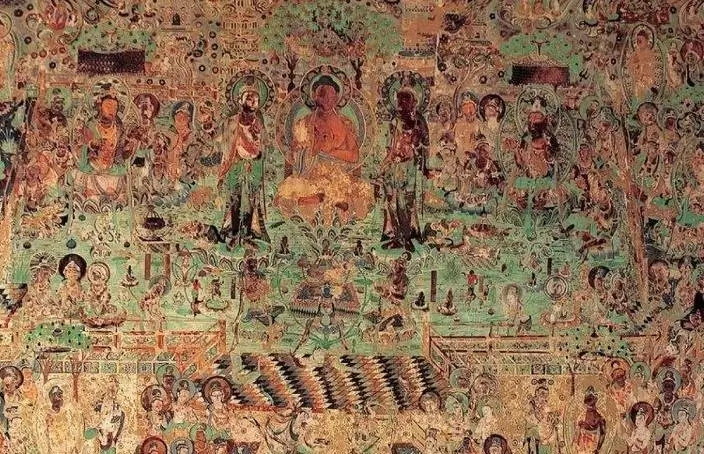
Arsenic-containing yellow pigments have been found in the murals of the Dunhuang caves and other ancient artworks. Orpiment’s bright, warm yellow created a striking contrast with reds, blues, and greens, adding another layer of color to the murals and contributing to the distinctive visual character of Dunhuang art.
Like realgar, orpiment contains arsenic and is toxic. Modern research, conservation, and restoration work therefore requires appropriate safety precautions when handling it.
Yellow-Brown — Goethite
Goethite is a common iron-bearing mineral. Its chemical formula is FeO(OH), and it belongs to the iron oxyhydroxide group.
Goethite often forms as iron-bearing minerals weather and oxidize. This makes it widely distributed in natural environments.
Its color can range from yellow and yellow-brown to brown and reddish brown. When ground and processed, goethite can produce pigments in different shades of yellow, brown, and reddish brown. These earthy colors made goethite an important source of natural yellow pigments in ancient art.
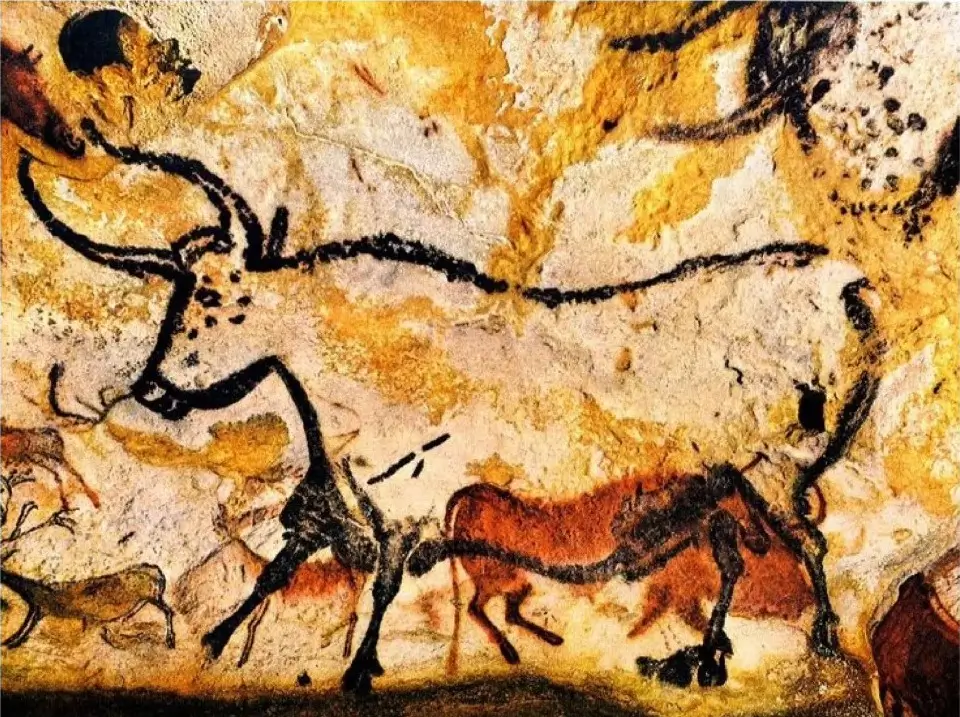
The famous Lascaux Cave paintings in France contain traces of natural pigments made from iron oxides and iron oxyhydroxides, including yellow and brown pigments associated with goethite.
From prehistoric cave paintings to traditional Chinese art, iron-bearing minerals have provided some of the earliest and most enduring natural shades of yellow, brown, and reddish brown used by humans.
Earth Yellow — Limonite
Limonite is a natural mixture of several iron-bearing minerals. It mainly contains hydrated iron oxides and iron oxyhydroxides. Because its mineral particles are extremely fine and difficult to separate, people have traditionally grouped these earthy iron-rich materials under the name limonite.
Limonite usually appears in shades of yellow, brown, and reddish brown. Material with a relatively pure composition and fewer impurities often has an earthy yellow color. People have long ground and processed it into pigments for painting.
Limonite has a very long history as a natural pigment. Long before the rise of written civilizations, people were already using iron-rich minerals to create yellow pigments for cave paintings.
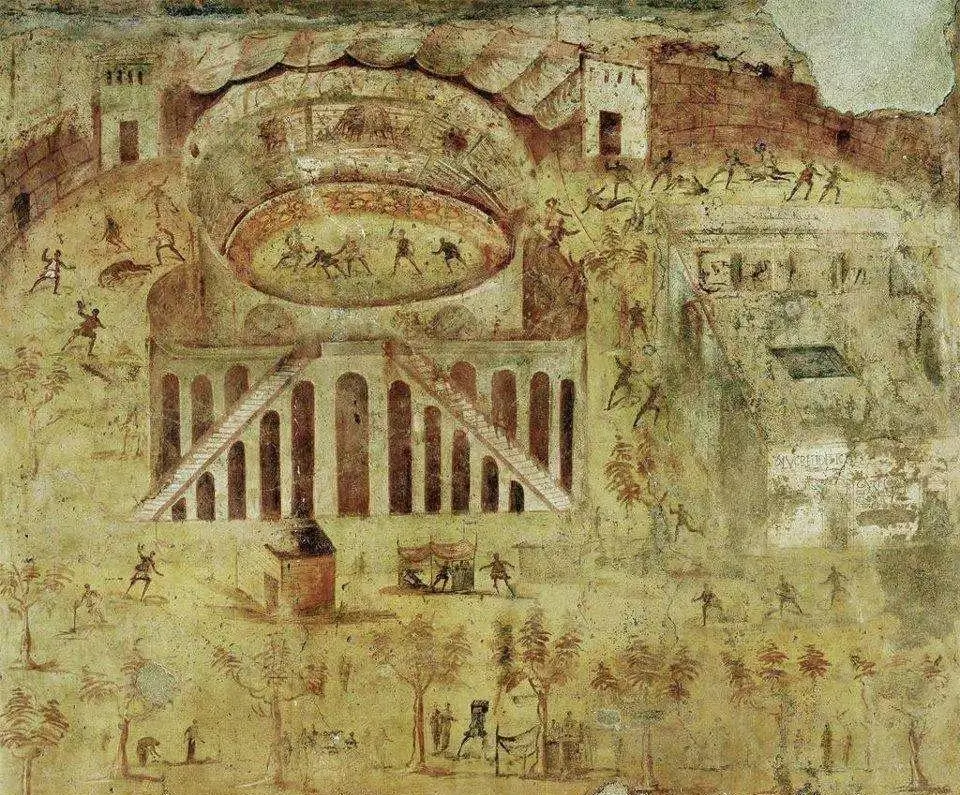
Later, these natural iron pigments appeared in the art of many ancient civilizations. Yellow and reddish-brown iron-based pigments can be found in ancient Egyptian tomb paintings and in the interior wall paintings of Pompeii.
From Minerals to Color
Looking back at the murals of Dunhuang, we see more than beautiful colors. We see how minerals from the earth became an essential part of ancient art. Cinnabar brought vivid red, hematite deep reddish brown, realgar and orpiment bright orange-red and yellow, while goethite and limonite added warm earth tones.
Ancient artists selected, ground, and processed these natural minerals, turning them into pigments that have endured for centuries. The colors they created became an important part of the visual character of Dunhuang and traditional Chinese art.
This connection between minerals, color, and art continues to inspire Jewea. Many of our handmade jewelry designs draw inspiration from the colors of the Dunhuang murals, reinterpreting their vivid reds, warm yellows, and earthy tones through natural gemstones and contemporary jewelry design.