Gemstones of Xinjiang: From Sacred Nephrite to Desert Quartz and Pegmatite Crystals | Gems of China Series
In this chapter of our “Gemstones of China” series, we journey to Xinjiang, China’s largest province. Xinjiang is far more than a geological treasure trove. For centuries, it served as the beating heart of the ancient Silk Road and the legendary Jade Road. Countless camel caravans crossed this rugged terrain. They carried glittering treasures, weaving the romance of the Western Regions into the very fabric of Chinese civilization.
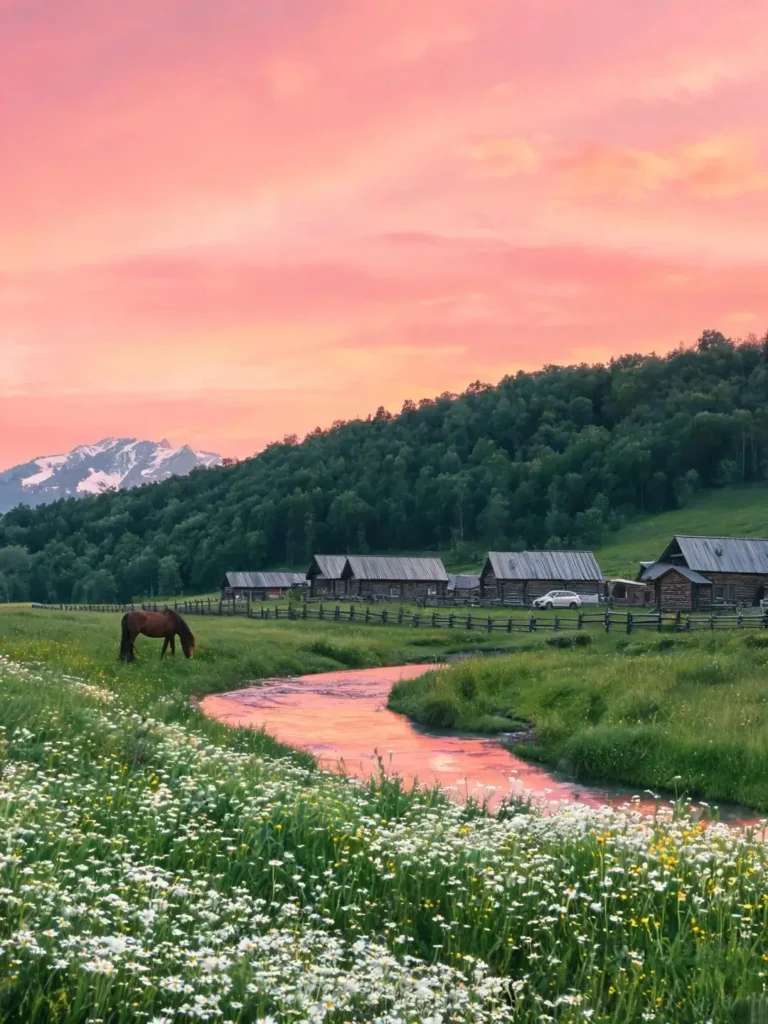
The sheer scale of Xinjiang’s landscape is breathtaking. Three colossal mountain ranges shape the region: the Kunlun Mountains in the south, the Altai Mountains in the north, and the Tianshan Mountains cutting right through the center. Together, they cradle two of China’s largest desert basins, the Tarim and the Junggar.
This dramatic geography makes Xinjiang a land of vibrant abundance. It is globally famous for its sweet harvests, from Turpan grapes to Aksu apples. It is also a powerhouse for the textile industry, producing some of the world’s finest, premium-grade cotton.
Yet, the true magic of this vast land lies beneath the surface. Below the fertile soil and endless desert sands lies an unparalleled wealth of precious stones. Today, we trace the footsteps of ancient merchants to uncover Gemstones of Xinjiang. From sacred nephrite and desert quartz to the rare crystals of the pegmatite mines, let’s discover the geological legends buried beneath the desert sands.
Xinjiang Hetian Jade: The Legendary Source of Chinese Nephrite
When it comes to the treasures of Xinjiang, the undisputed crown jewel is the legendary Hetian jade.
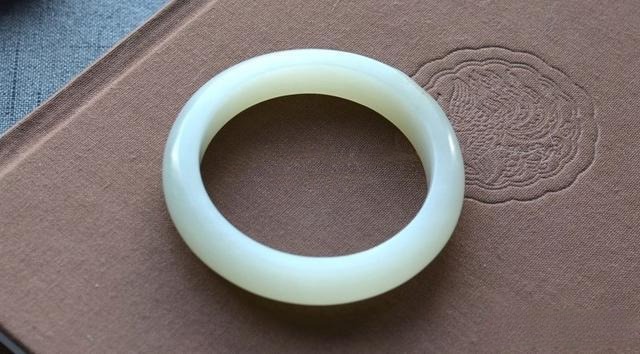
Historically, true Hetian jade refers specifically to the nephrite deposits nestled within the Kunlun and Altyn-Tagh mountain ranges. For millennia, these rugged, sweeping peaks have birthed countless legends of smooth, lustrous stone.
The Kunlun Mountains: The Heart of Nephrite Production
The nephrite jade belt of the Kunlun Mountains stretches for over 1,000 kilometers. It spans historic regions like Taxkorgan, Yecheng, Pishan, Hetian, Cele, and Yutian. Within these towering peaks and rushing rivers lies nature’s finest craftsmanship.
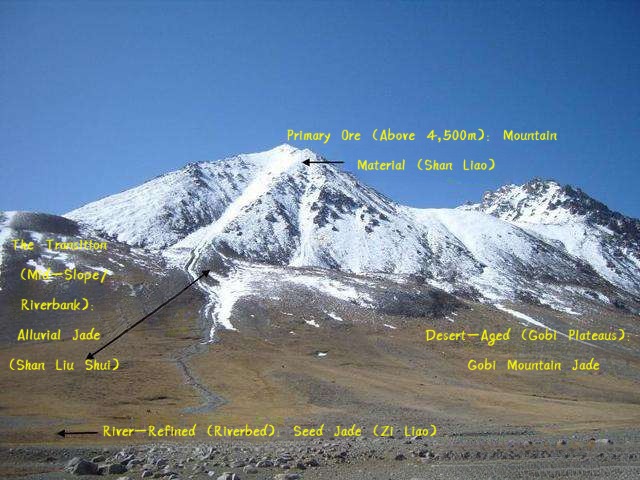
Here, nephrite occurs in two distinct forms:
- Zi Liao (Seed Jade): This is the highly coveted, water-tumbled river jade washed down by raging mountain torrents. It is primarily sourced from the famous Yurungkash (White Jade River) and Karakash (Black Jade River).
- Shan Liao (Mountain Jade): Beyond the riverbeds, over a dozen primary deposits hide high in the crags. This is the raw quarry jade hewn directly from the host rock.
The Altyn-Tagh Mountains: Home of Qiemo Blue and Huangkou Jade
The Altyn-Tagh Mountains form the eastern extension of the Kunlun range. Rising between the southeastern Tarim Basin and the northwestern Qaidam Basin, this massive range bridges Xinjiang, Qinghai, and Gansu provinces before merging into the Qilian Mountains.
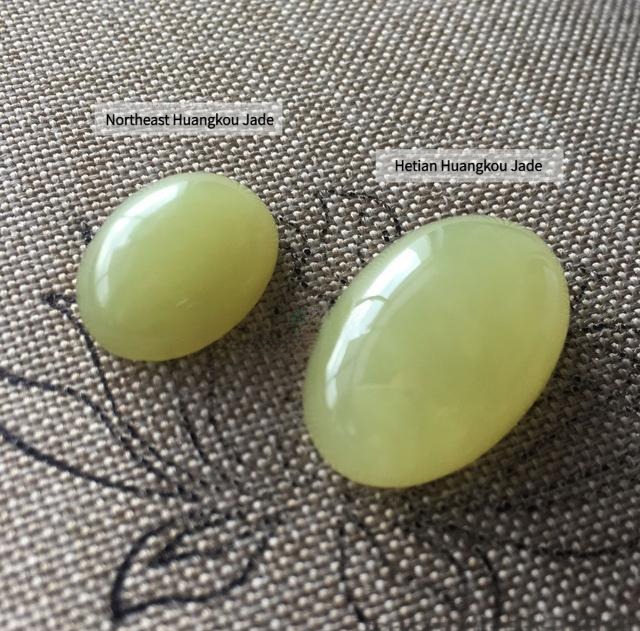
Within the Altyn-Tagh range, two historic mining regions stand out for their unique nephrite varieties:
- Qiemo District: Famous for its incredibly fine-textured Qiemo jade. This region yields the renowned sugar jade (brown nephrite), highly sought-after Qiemo Blue.
- Ruoqiang District: The premier source of premium Huangkou jade—a distinct, captivating nephrite prized for its rich, greenish-yellow tones.
The Tianshan Mountains: Vibrant Manas Green Jasper
Beyond the traditional nephrite routes of the Kunlun and Altyn-Tagh ranges, Xinjiang’s jasper (green nephrite) deposits lie primarily along the northern slopes of the Tianshan Mountains.
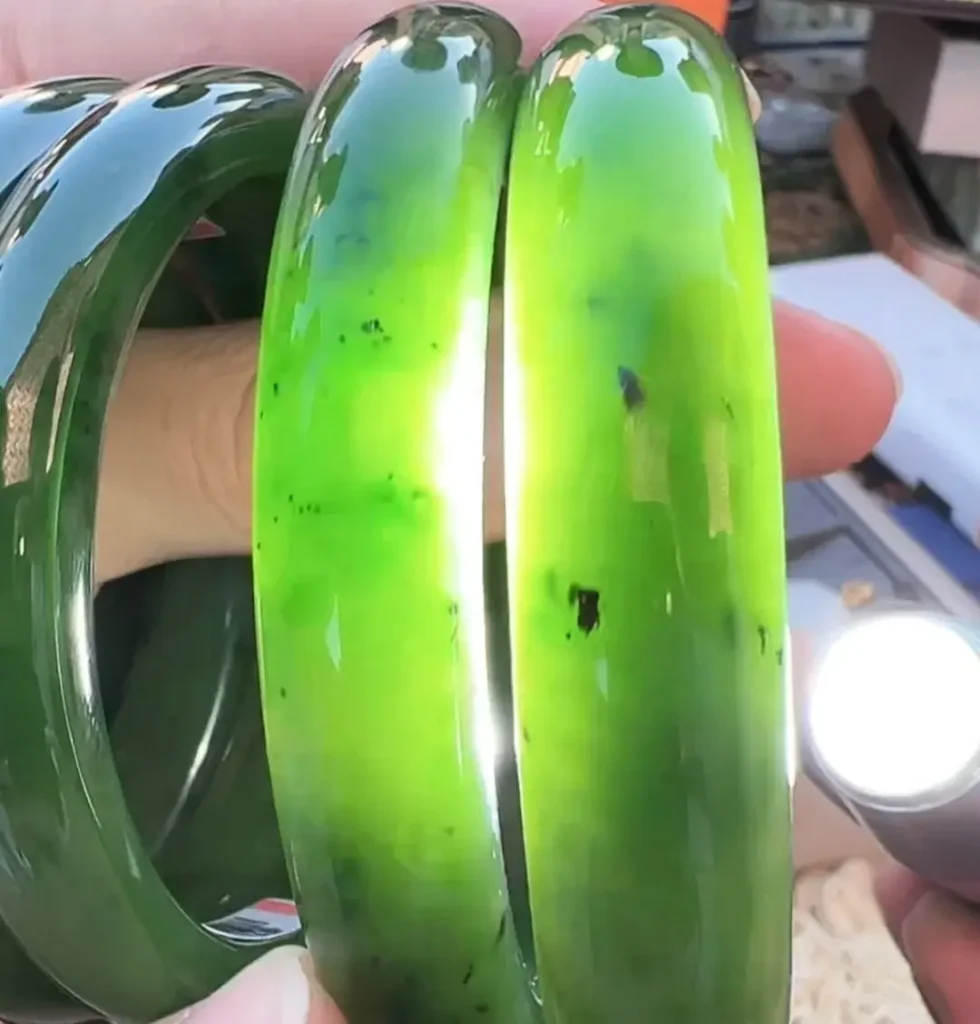
The most celebrated stones come from the Manas River basin, earning them the historic name Manas Jasper. Unlike the white jade rivers of the south, this northern green jade occurs almost exclusively as Shan Liao (mountain jade). Water-tumbled jasper seeds (Zi Liao) remain exceptionally rare here.
A Modern Shift: The Changing Definition of Hetian Jade
While Xinjiang remains the spiritual heartland of authentic Hetian jade, the term “Hetian Jade” has outgrown its geographic origin in modern gemology.
According to current national and international grading standards, “Hetian Jade” is no longer a country-of-origin certificate. Instead, it serves as a mineralogical classification for jade composed primarily of tremolite and actinolite. Any gemstone meeting these strict mineral and physical specifications qualifies as Hetian jade, regardless of where it was mined.
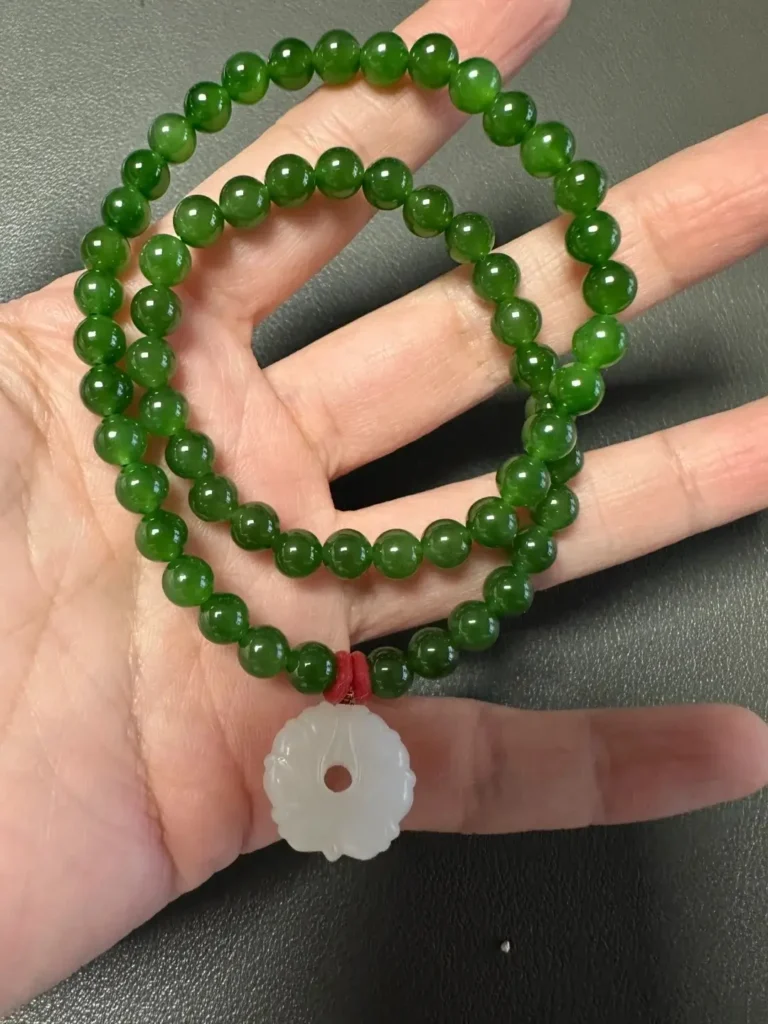
Today, primary deposits of this soft jade span more than 20 countries, including Russia, Canada, Australia, and New Zealand. Yet, for true connoisseurs, Xinjiang’s material remains unmatched. Its exquisite texture, signature buttery oiliness, and deep cultural heritage ensure its place at the pinnacle of the gemstone world.
📖 Related Reading: The Soul Within White Hetian Nephrite Jade: Understanding the Four Pillars of Quality
Xinjiang Jinsi Jade: The Silk Road Quartzite
Beyond legendary nephrite, another prominent stone captures the attention of many luxury travelers and collectors exploring the region: Jinsi Jade (literally translated as “Golden Silk Jade”).
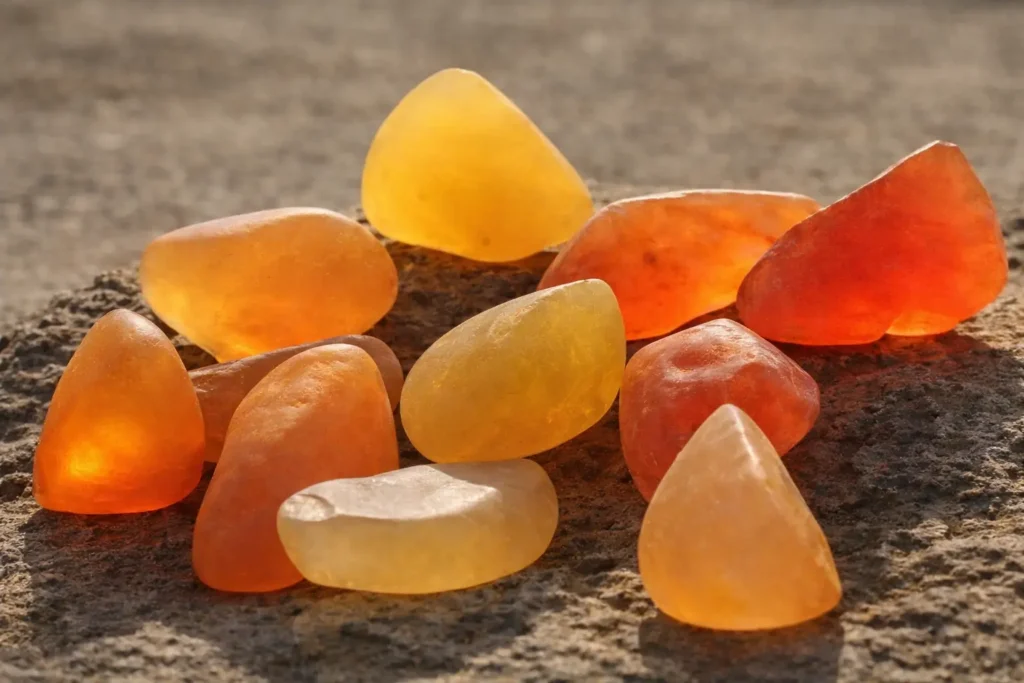
As we explored deeply in our featured article, Unveiling Jinsi Jade: The Silk Road Quartzite from China, this intriguing gemstone originates primarily from Xinjiang’s Hetian region and the slopes of the Western Kunlun Mountains. Characterized by its warm, golden-yellow hues and unique, silk-like fibrous structures visible beneath the surface, it beautifully earns its poetic name.
In today’s market, many gemstone vendors frequently compare top-tier Jinsi Jade to investment-grade white nephrite or the ultra-rare Tianhuang stone. While there is no denying its striking visual appeal and vibrant energy, a discerning collector should understand its true mineralogical nature.
At its core, Jinsi Jade is a high-grade quartzite-based chalcedony. Because its geological abundance is significantly higher than that of rare nephrite, it occupies a very different tier of market value. It serves as a beautiful, accessible piece of the Silk Road’s geological history—but it does not stand on the same investment footing as historic Hetian nephrite.
Other Desert Quartz Varieties of Xinjiang
Beyond Jinsi Jade, the sweeping sands of Xinjiang hide a diverse family of distinctive chalcedony and quartz-based minerals. Shaped by extreme geothermal shifts and relentless desert winds, these stones offer unique textures and personalities.
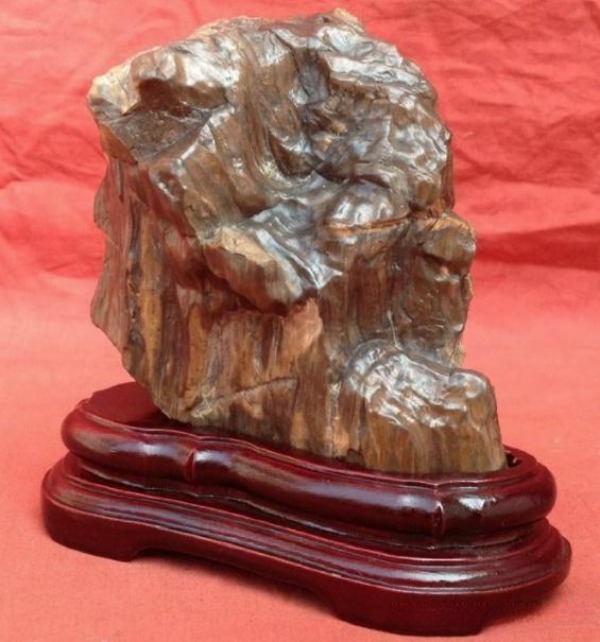
The table below outlines the most notable varieties discovered across the region’s wilderness:
| Gemstone | Genesis & Visual Characteristics | Primary Source & Usage |
| Desert Agate | Harsh wind-erosion and extreme desert temperatures grant each stone a weathered, individual texture and a unique skin-like patina. | Found across the remote gravel plains and Gobi deserts of Xinjiang. |
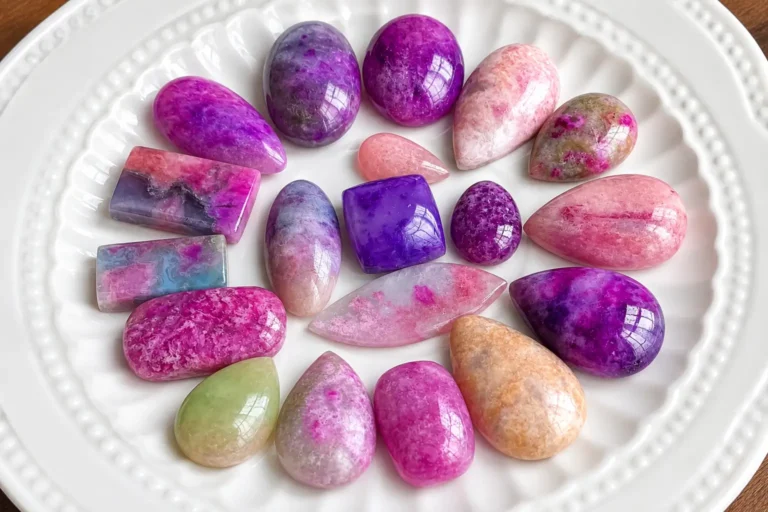
| Lilac Jade (Ding Xiang Zi Yu) | Discovered in the late 1970s, this rare variety is composed primarily of lepidolite. It displays a romantic, delicate lilac-purple hue. | Primarily sourced from the legendary, wind-eroded yardang landforms of the Wuerhe Ghost City. |
| Petrified Wood | Ancient trees preserved through millions of years of silicification, perfectly capturing the organic grain of prehistoric timber. | Discovered across various basins; highly prized as monumental ornamental stones and collector specimens. |
| Desert Quartz Crystals | Naturally formed quartz points and clusters; while often lacking the pristine clarity of Brazilian deposits, they carry a rugged, earthly charm. | Distributed across multiple geographic pockets throughout Xinjiang. |
The Pegmatite Treasure Trove of the Altai Mountains
Beyond the desert basins, the rugged valleys of northern Xinjiang hide another geological marvel. The Altai Mountains boast a massive granitic pegmatite belt stretching for hundreds of kilometers. This unique geological formation serves as a natural incubator for some of the world’s most spectacular, coarse-grained crystals.
Aquamarine: The Shimmering Pride of Altai
Known locally in Xinjiang simply as “the blue stone,” aquamarine is the crown jewel of the Altai pegmatite mines. This region yields an incredible abundance of these icy-blue beryl crystals.
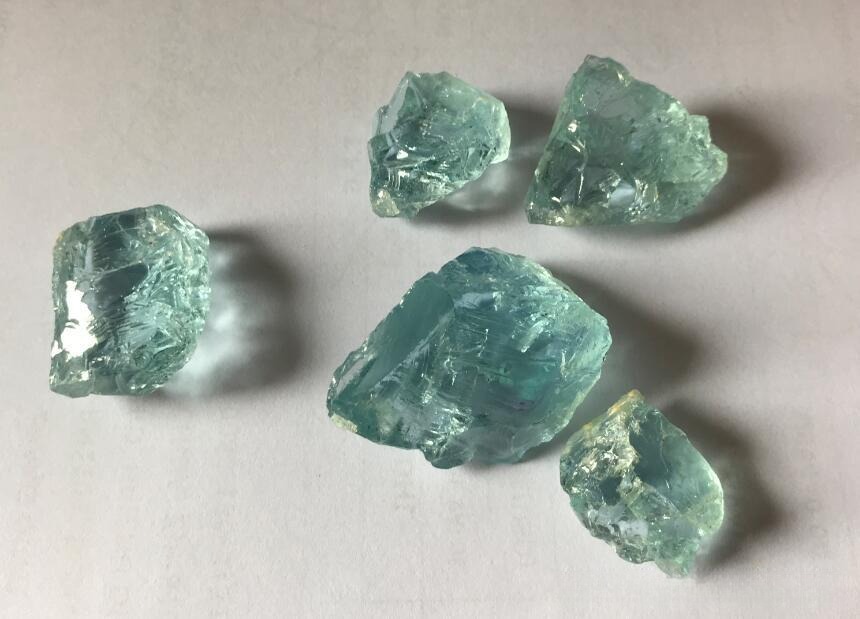
In earlier decades, miners even discovered rare collector anomalies here, including aquamarine cat’s eyes and unique enhydro aquamarines (crystals containing trapped, prehistoric water bubbles). While most Altai material features a very pale, pastel-blue tint—meaning it occupies a niche collector’s market rather than competing with the deep, saturated blues of Brazilian or African stones—its historical significance and sheer crystal volume remain legendary.
Tourmaline: The Legend of the Altai Tourmaline King
The granitic pegmatites of the Altai range also breed vibrant, multi-colored tourmaline crystals of exceptional size. The mineralized pockets here have fueled decades of gemstone lore.
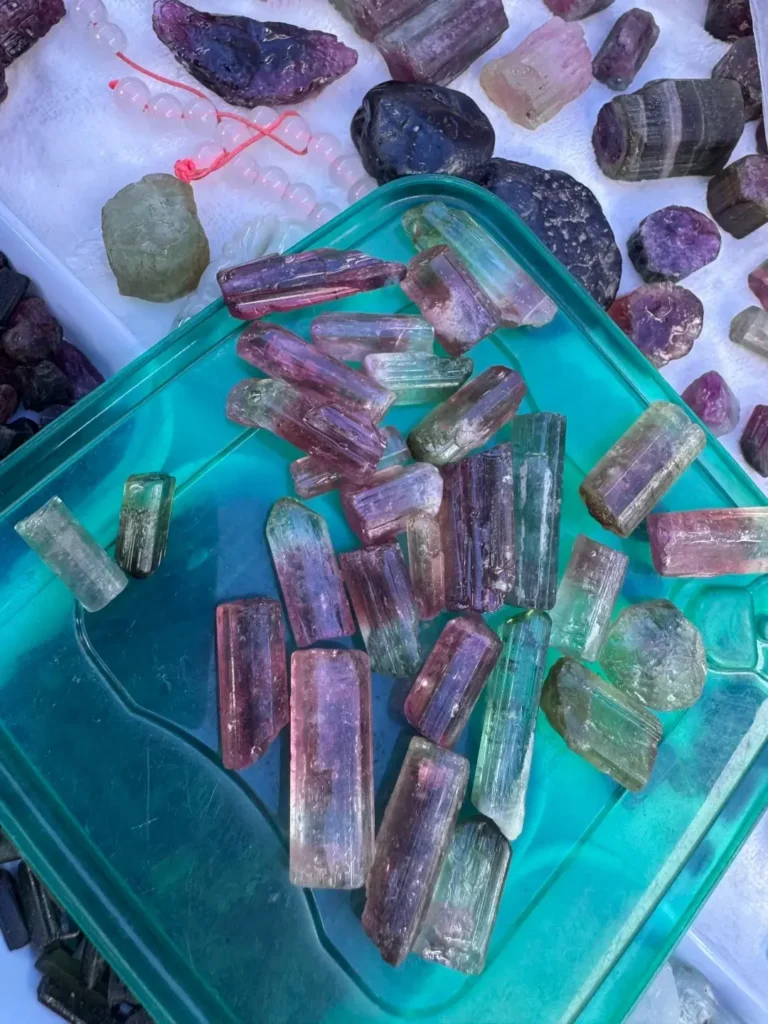
Most famously, in August 1994, miners in the Kururte mining district unearthed a monumental green tourmaline crystal. Weighing a staggering 11 kilograms, this museum-grade giant was instantly crowned the “Altai Tourmaline King.” While facet-grade, gem-quality cutting rough is limited, the raw, prismatic crystals from these mines are highly sought after by global connoisseurs.
Rare Minor Crystals and Modern “Alternatives”
Beyond these two celebrated giants, the sweeping pegmatite veins and wind-scoured Gobi plains of Xinjiang produce an eclectic array of fascinating mineral varieties:
- Gobi Topaz: Sourced primarily as surface-gathered stones directly from the desert floor. Unlike the pristine, precision-cut topaz found in modern jewelry showcases, these Gobi specimens feature a weathered, wind-etched “skin.” They carry a beautifully rugged, wabi-sabi charm shaped by millennia of desert sandstorms.
- Diopside: Frequently dubbed by gemstone insiders as the “emerald alternative” or “chrome diopside” due to its rich, vivid green hues. However, despite its striking appearance, collectors should note its structural delicate nature—its Mohs hardness is only around 5, making it far softer than true emerald.
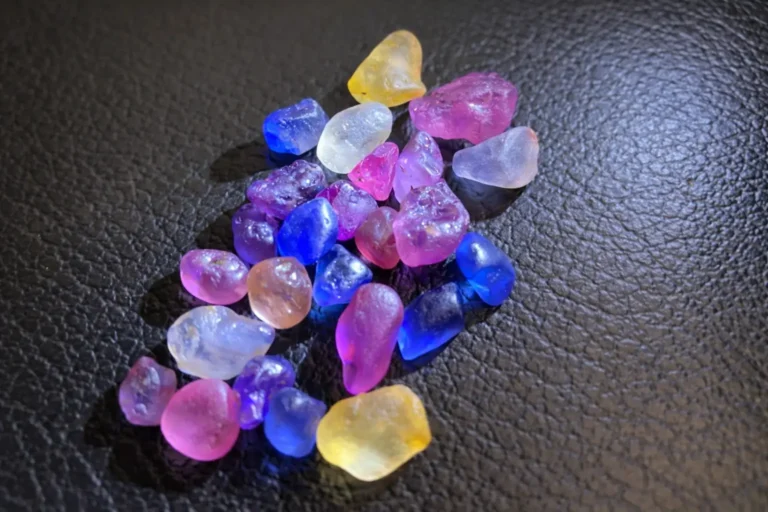
- Corundum (Ruby & Sapphire): While deposits exist in areas like Akto and Baicheng (within the Aksu region), these sites generally produce lower-grade, heavily included crystals. They are deeply appreciated as mineral specimens but rarely reach the transparency required for fine jewelry faceting.
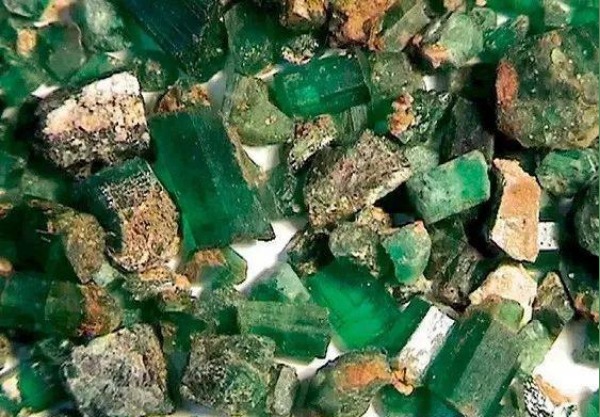
- Emerald: As a fellow member of the beryl family, emerald does occur alongside aquamarine in the Altai veins. However, the deposits are tiny, and facet-grade crystals are exceptionally rare.
- Amazonite, Garnet, and Apatite: Primarily mined in the world-renowned mineral pockets of Koktokay. Due to extensive internal fractures and mineral inclusions, these stones rarely make it to the lapidary wheel for faceting. Instead, they are preserved in their raw forms, serving as prized mineral specimens for collectors who appreciate natural crystal geometry.
From Desert Minerals to Eastern Aesthetics: The Echoes of the Silk Road
The ancient Jade Road and Silk Road did more than transport Kunlun nephrite and Altai crystals; they served as conduits for a millennia-old aesthetic exchange. The vibrant mineral pigments and alluring textures of the Western Regions traveled eastward, eventually flowing through Dunhuang—the strategic throat of the Silk Road. There, these desert colors were permanently captured in the historic grotto frescoes.
At Jewea, while we do not directly source our raw gemstones from Xinjiang’s modern mines, our design philosophy is deeply rooted in the rich visual heritage of this ancient trade route. This cultural intersection inspired our Jewea Dunhuang-Inspired Vintage Collection.
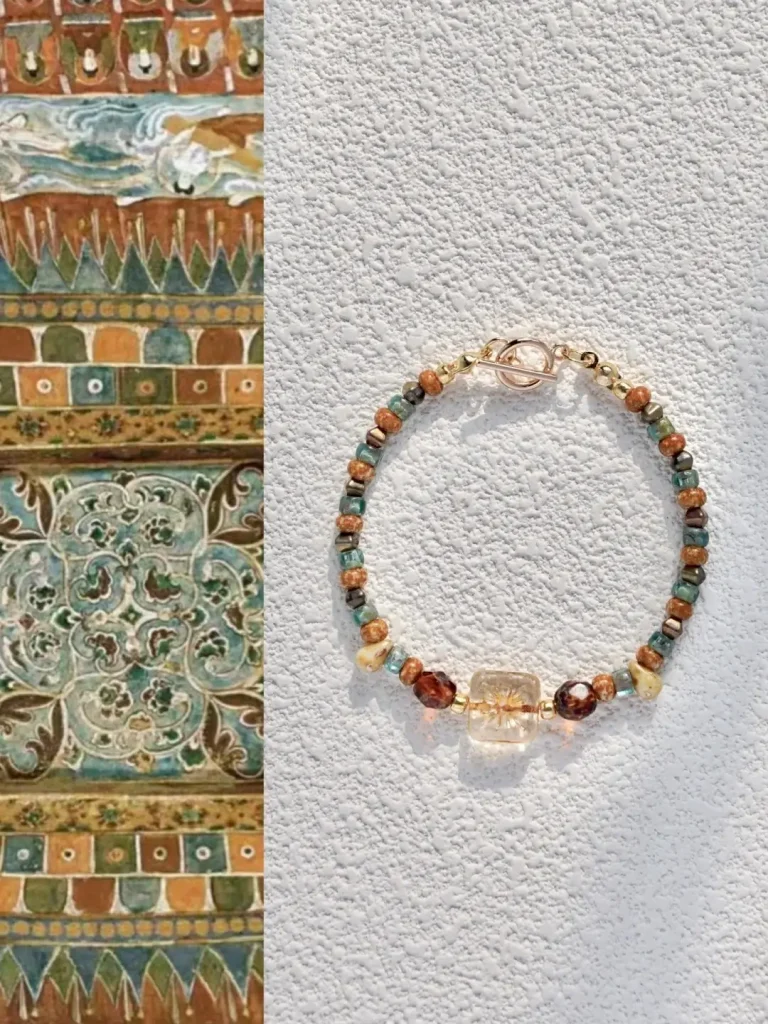
To honor this legacy, we translate the timeless aesthetics of the murals into wearable art. Our designs focus heavily on a curated palette of historical mineral tones—vibrant turquoise blues, rich cinnabar reds, and warm amber yellows. By pairing natural gemstones with artisan glass beads and intricate, hand-knotted beadwork, we replicate the exact color harmony and organic rhythm found in ancient Buddhist art. Through thoughtful storytelling, we bring the enduring beauty of Silk Road frescoes into the modern wardrobe.
Explore More in Our Chinese Gems Series
At Jewea, our mission is to uncover the hidden geological wonders across China. Before we dove into the Gemstones of Xinjiang, we explored several other regions famous for their rare and storied treasures.
Take a look back at our previous journeys:
Northwest China
- Shaanxi: Gemstones of Shaanxi: Lantian Jade, Turquoise, Ink Stone & Coral Fossil | Gems of China Series
- Ningxia: Gemstones of Ningxia: Helan Stone & Gobi Agate | Gems of China Series
- Qinghai: Gemstones of Qinghai: Hetian Jade, Turquoise, Serpentine, and Alabaster | Gems of China Series
- Gansu: Gemstones of Gansu: Gannan Agate, Wushan Yuanyang Jade, and Dunhuang Quartz | Gems of China Series