Gemstones of Jilin: Peridot, Panlong Jade & Anlu Serpentine Jade | Chinese Gems Series
In this episode of our “Gemstones of China” series, we head back to Northeast China. Join us as we explore the rich history and vibrant gemstones of Jilin Province.
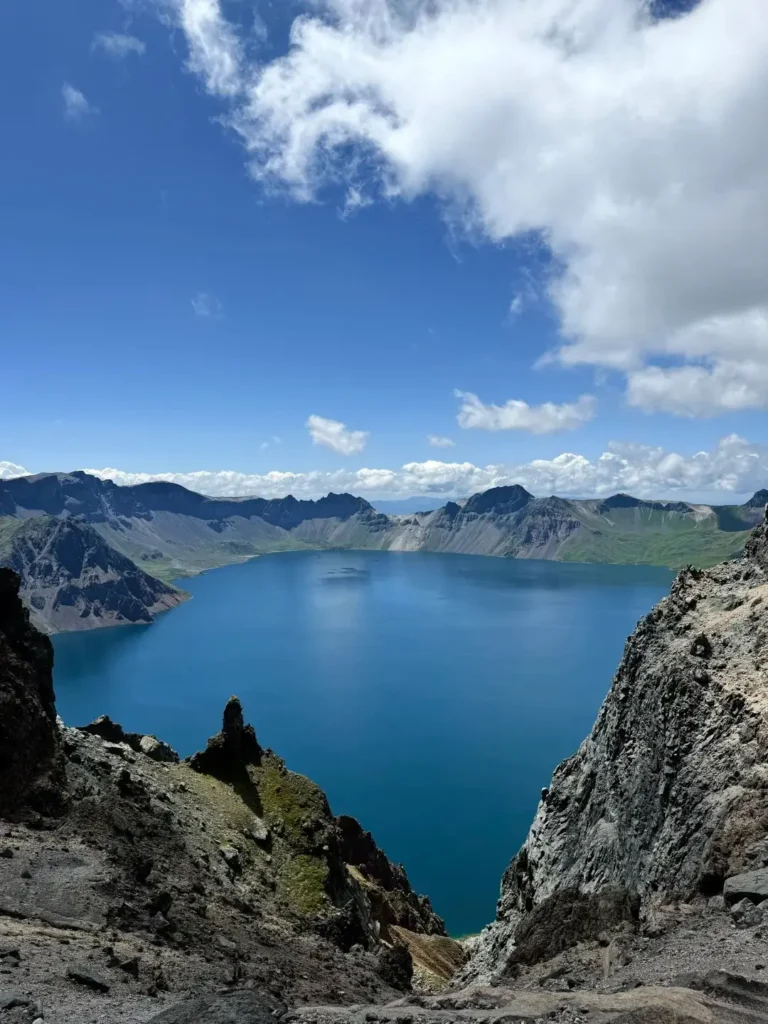
Jilin sits in the heart of Northeast China, blending breathtaking natural wonders with deep cultural roots. Visitors flock here to experience the stunning Jilin Rime—one of China’s four great natural wonders—and the majestic Heaven Lake atop Mount Changbai, a volcanic marvel. Yet, beyond its spectacular landscapes, Jilin holds immense geological significance. The province hides some of China’s most vital gemstone deposits, including the country’s second-largest premium peridot mining area.
Today, we take a deep dive into Jilin Gemstones: Jiaohe Peridot, Panlong Jade (including both its quartzite jade and chlorite-sericite jade varieties), and Anlu Serpentine Jade.
Jiaohe Peridot: A Renowned Source for China’s Vibrant Green Gems
In our previous article, Peridot: The “Gem of the Sun” from the Lunar Mantle to Earth’s Depths, we introduced this stunning yellowish-green gemstone. It even holds two enchanting nicknames: the “Evening Emerald” and the “Evening Primrose Emerald.”
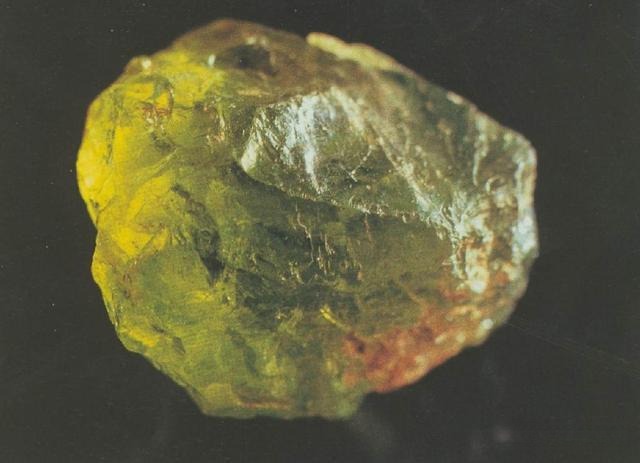
Ancient Egyptians first discovered peridot over 3,500 years ago. Since then, famed deposits have emerged in Mogok, Myanmar, and Arizona, USA. We previously explored China’s own local sources in our guides on Hebei Gemstones and Shanxi Gemstones. Today, we turn our spotlight to a remarkable region in Jilin Province: Jiaohe peridot.
Gemological and Physical Properties
On China’s gemstone map, Jiaohe in Jilin Province and Damaping in Zhangjiakou, Hebei Province, are recognized as the country’s two premier peridot-producing regions.
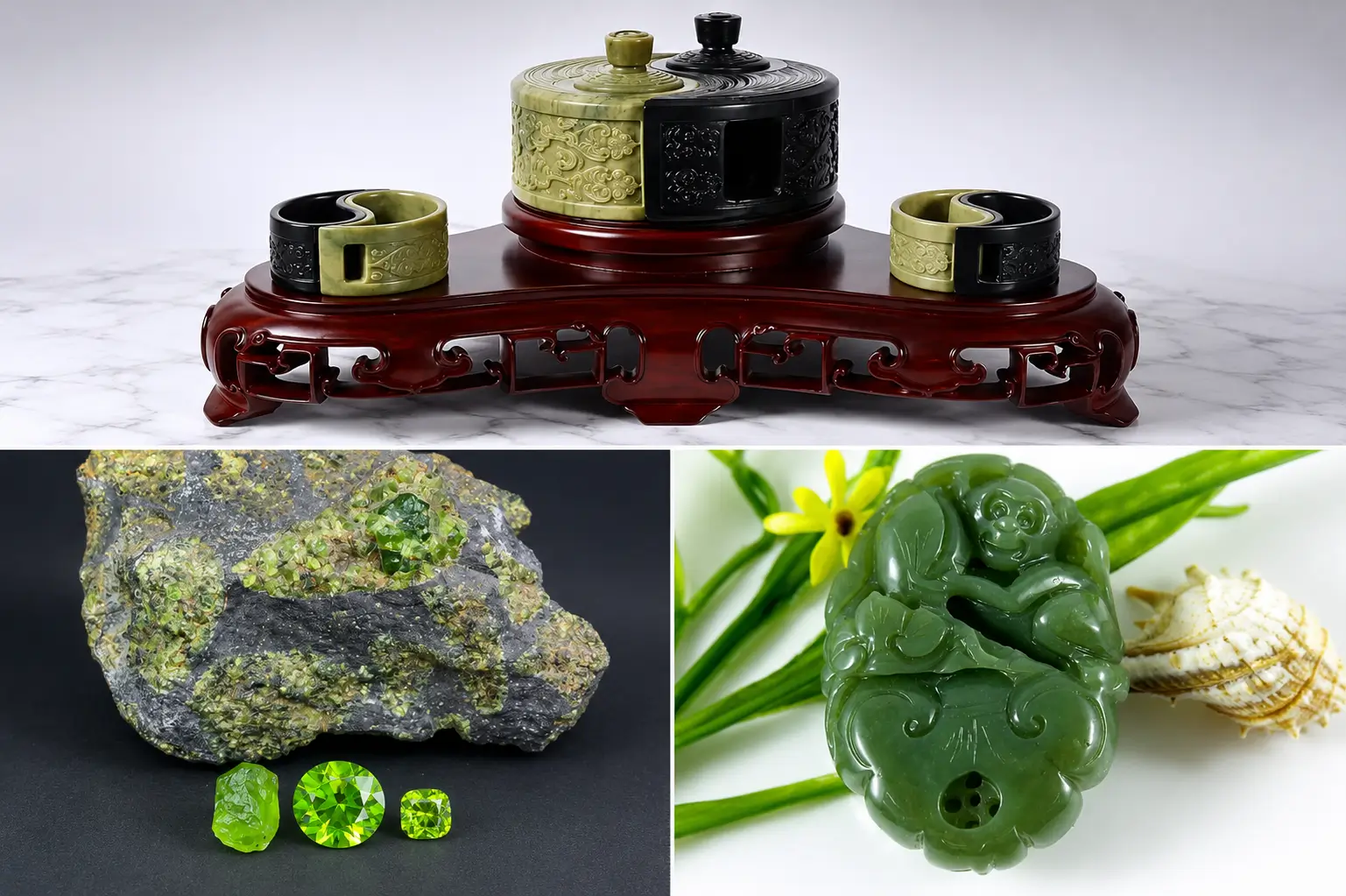
Geologically, Jiaohe peridot occurs primarily as mantle-derived xenoliths embedded within basalt rock. The rough material typically forms sub-rounded, oval, or nodular aggregates locally known as “sand pods.” Cracking open the rough basalt crust reveals densely packed, crystal-clear peridot grains inside.
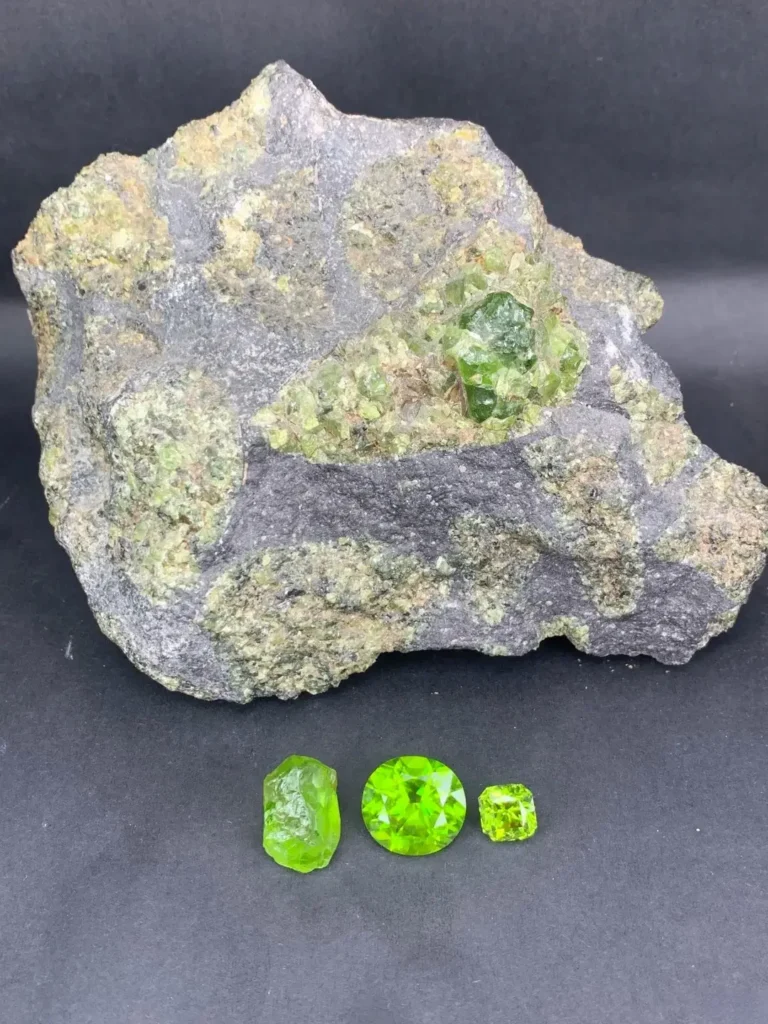
- Mineral Composition & Transparency: Jiaohe peridot belongs to the magnesium-iron silicate solid solution series. It is heavily dominated by the high-grade forsterite end-member, giving the material its exceptional, gem-grade transparency.
- Physical Constants & Birefringence: With a Mohs hardness of 6.5 to 7.0 and a refractive index (RI) of roughly 1.65 to 1.69, this stone is highly durable. It exhibits incredibly strong birefringence (double refraction). Looking through the table of a faceted stone with a loupe easily reveals the doubling of the pavilion facet junctions—a critical diagnostic feature for identification.
- Exceptional Clarity & Inclusions: Gem-quality rough from Jiaohe is incredibly clean with minimal fracturing and a strong vitreous luster. Once polished, it displays a striking, radiant glow. Under magnification, it reveals classic internal characteristics, including misty formations, “lily pad” inclusions, and delicate liquid-filled discs.
- Distinctive Color Profile: The Jiaohe region is instantly recognizable for its highly saturated yellowish-greens, crisp apple greens, and rich vibrant greens. This beautiful hue comes from the perfect amount of trace iron within the crystal structure. Unlike some overseas deposits where excessive iron causes a dull, brownish undertone, Jiaohe peridot remains exceptionally bright, vivid, and full of life.
Market Value & Industry Outlook
Historically, international luxury houses like Tiffany & Co. and Cartier relied almost exclusively on peridot from Arizona or Pakistan. While China produced vast quantities of rough stone, the global market overlooked its origin.
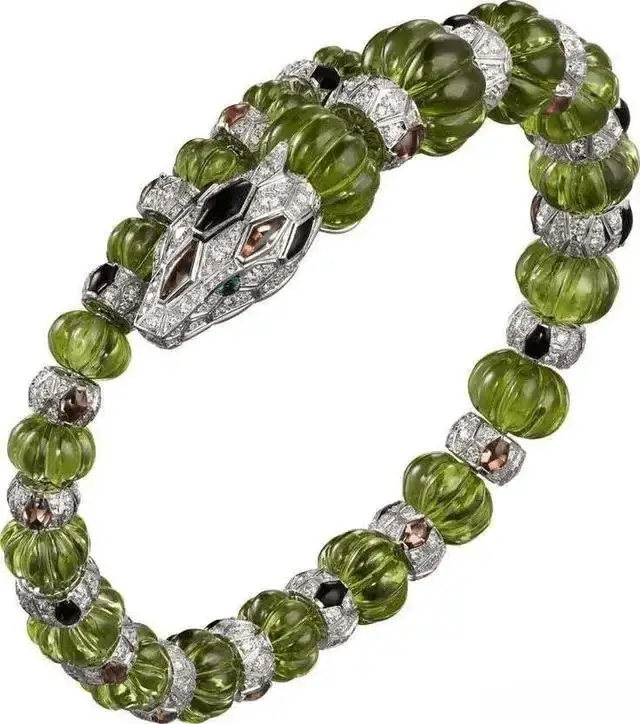
Today, this landscape is shifting. With the modernization of Jilin’s scaled, eco-conscious “green mining” operations, Jiaohe peridot is rapidly capturing the fine jewelry market. It stands as a premium ambassador for Chinese colored gemstones due to two massive competitive advantages:
- 100% Natural & Untreated: Jiaohe peridot enters the market entirely in its natural state. It requires no heat treatment, clarity enhancement, or artificial color optimization. This absolute transparency meets the strict ethical standards of today’s luxury consumers.
- Massive, Sustainable Supply: According to recent exploration reports by SRK Consulting, the Jilin gemstone belt (specifically the extension into the Yiqisong Nanshan section of Dunhua) holds an estimated 60% of the world’s known gem-grade rough peridot reserves. This makes it the single largest primary peridot deposit on Earth, guaranteeing a stable, sustainable supply for international brands.
Panlong Jade: High-Hardness Chinese Jade Variety
Panlong Jade originates from the Longgang Mountain Range in Futai Town, located within Panshi City, Jilin Province. Its name carries deep cultural symbolism: “Pan” comes from its birthplace, Panshi, signifying a stone as solid as bedrock, while “Long” pays homage to the Longgang Mountains.
The site originally operated as a lead-zinc mining district. During deep geological surveys and resource evaluations, exploration teams discovered this precious jade deposit—forged over hundreds of millions of years by tectonic shifts, intense friction, and crustal pressure.
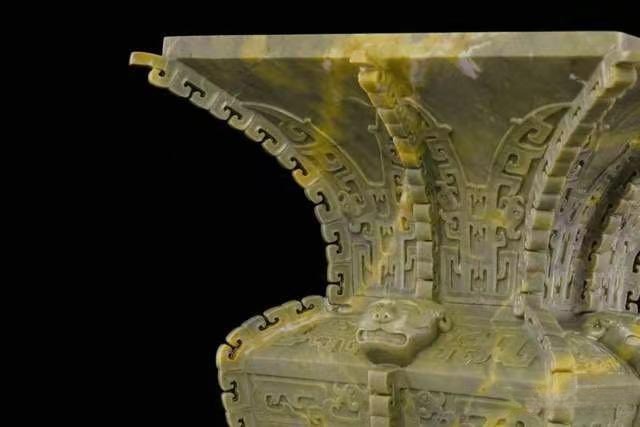
First officially recognized in 2016, Panlong Jade successfully filled Jilin Province’s historical vacancy for a high-hardness jade resource. Today, its exceptional physical properties, rich color palette, and potential health applications continue to spark widespread interest across the fields of master jade carving, gemstone collecting, and medical mineral research.
Mineral Composition & Physical Properties
Unlike common serpentine-based jades (such as Xiuyan Jade, which typically scores a soft 2.5 to 5.5 on the hardness scale), Panlong Jade stands out for its remarkable hardness and entirely unique mineral composition.
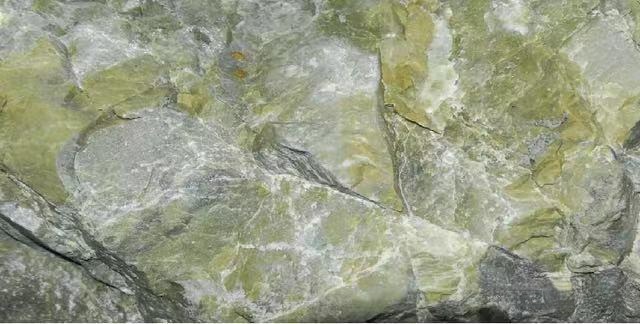
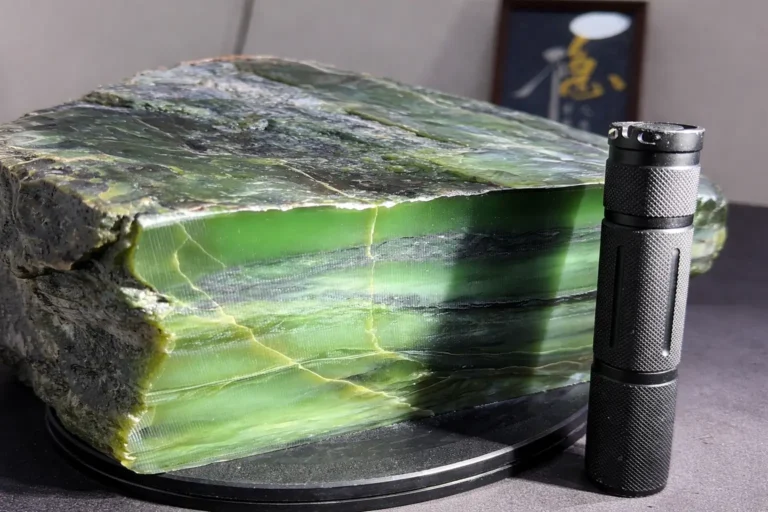
- Dual Mineral Phases: Authoritative geological and gemological institutions, including the China University of Geosciences (CUG), have identified that the Panlong Jade ore body consists primarily of two distinct gemstone varieties: quartzite jade and chlorite-sericite jade.
- Exceptional Hardness (Rivaling Feicui): Registering an impressive 6.5 to 7.0 on the Mohs scale, its hardness far exceeds standard nephrite or serpentine jades and directly rivals Burmese Feicui (jadeite). This exceptional durability gives the stone an incredibly solid texture. It beautifully blends vitreous (glassy) and greasy lusters, achieving a high-gloss polish and a striking, radiant glow (the coveted “qi-ying” or luminescent effect).
- Ultra-Dense Structure: The jade possess an ultra-fine, harmonious texture with virtually no visible graininess. Its high density and superb toughness make Panlong Jade an exceptional canvas for master carvers, easily enduring intricate, complex openwork and delicate, paper-thin hollow carvings.
Primary Varieties & Color Profiles
Based on variations in color and mineral composition, the gemstone market classifies Panlong Jade into two signature commercial varieties:
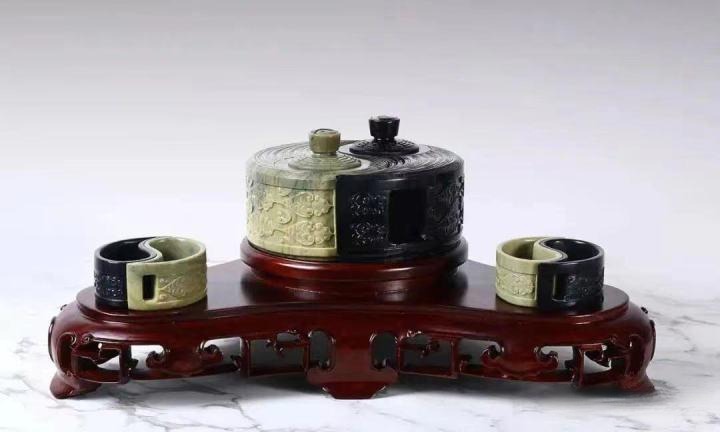
- Classic Panlong Jade (Yellow-Green Hues): This variety consists primarily of quartzite jade. It displays a beautiful spectrum of yellowish-greens, bluish-greens, and rich imperial yellows. The material has a warm, smooth texture, seamless natural color transitions, and an air of ancient nobility. Mineralogically, quartz dominates the structure. Secondary minerals include a high content of mica, followed by calcite, feldspar, and pyrite. It features a massive structure and ranges from translucent to opaque.
- Panlong Ink Jade (Pure Jet-Black): Composed of chlorite-sericite jade, the rough material often sports a naturally sleek, ink-black surface formed by geological pressure and natural weathering. It possesses an exceptionally fine texture and a deep, solemn black hue. Its mineral makeup consists mostly of mica and quartz, with trace amounts of chlorite, feldspar, and calcite, presenting a translucent to opaque appearance. Notably, Panlong Ink Jade contains unusually high levels of trace elements like selenium Se and strontium Sr. In terms of pure blackness and oiliness, it even outperforms traditional Xinjiang Ink Nephrite on several key gemological indicators.
Artistic Value & Medicinal Mineral Research
In our previous article on Beyond Traditional Jade: Discovering the Next Wave of China’s Emerging Carving Materials, we highlighted how Panlong Jade’s high hardness, superb toughness, and historical color palette make it an ideal medium for master carvers. Its unique aesthetic perfectly suits antiquarian bronze replicas, large-scale landscapes, and historical commemorative themes.
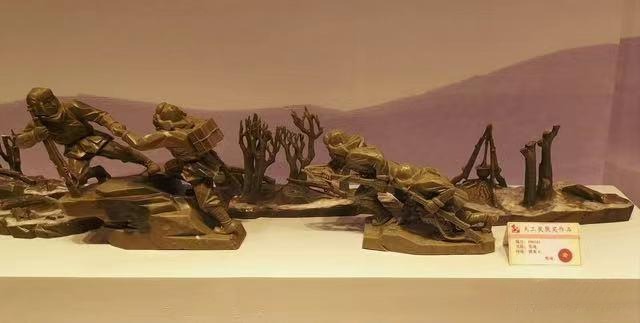
Panlong Jade has repeatedly stolen the spotlight at China’s most prestigious national jade carving exhibitions:
- The Yulong Awards: It took Shanghai’s Haipai carving community by storm, sweeping multiple Gold, Silver, and Bronze awards.
- The Tiangong Awards: At China’s ultimate jewelry and jade gemstone competition, a Panlong Jade masterpiece captured the highest honor—the Tiangong Gold Award. This victory officially solidified its artistic status among premium Chinese jade varieties.
Beyond craftsmanship and collectibility, Panlong Jade offers a rare, fascinating utility: traditional medicinal research.
Because its geological makeup is rich in quartz, mica, and calcite, the stone contains abundant trace elements vital to human health. In fact, ancient medical texts have long documented the therapeutic benefits of these specific minerals.
To explore this further, the Shanghai University of Traditional Chinese Medicine partnered with enterprise leaders to establish the International Research Institute of Panlong Jade Mineral Medicine. This institution actively conducts scientific research into wellness applications, trace-element health benefits, and the medical transformation of these unique minerals.
Anlu Jade: A Unique Chinese Serpentine Jade Variety
Beyond Panlong Jade, Jilin Province harbors another regional treasure along the banks of the Lvshui River in Ji’an County: Anlu Jade. Geologists and gemologists often refer to it as Anlu Stone or Ji’an Jade.
Under the Chinese National Standard (GB/T 16552 Names of Gems and Jades), labs officially classify Anlu Jade as serpentine jade or Xiuyan jade. However, “Anlu Jade” remains a highly sought-after regional trade name.
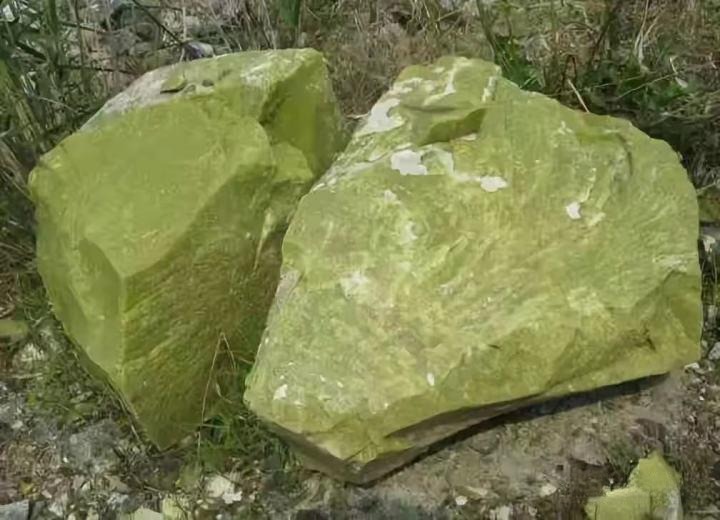
Thanks to its unique geographic origin and beautiful face color, this stone stands out within China’s serpentine jade family. Chemically, it consists of hydrous magnesium silicate, a mineral group found in premium deposits throughout the region.
Mineral Composition & Physical Properties
While marketed as a “jade” or “stone,” this material is chemically a high-quality serpentine aggregate. Its specific physical profile breaks down as follows:
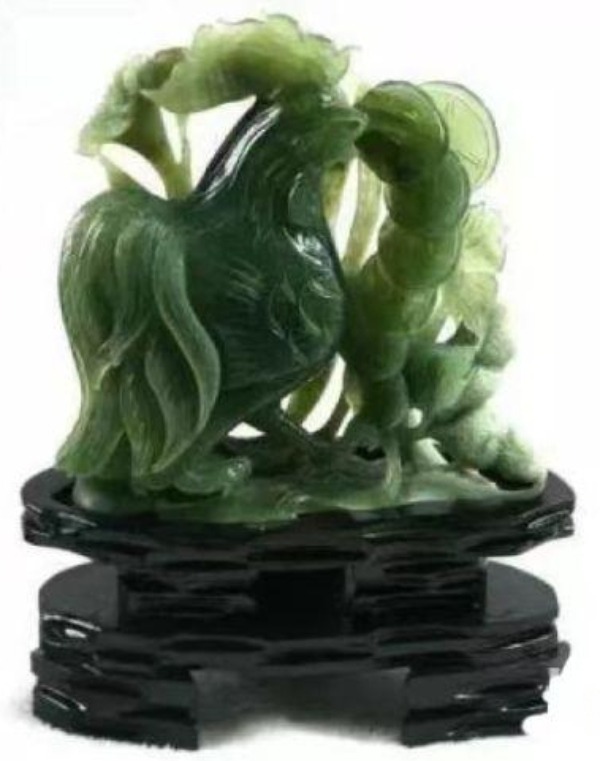
- Primary Composition: Ultra-fine antigorite forms the backbone of Anlu Jade. It frequently contains trace amounts of secondary minerals like calcite, tremolite, or magnetite.
- Texture: Anlu Jade features a cryptocrystalline to microcrystalline structure. You cannot see any graininess with the naked eye. This uniform, dense composition feels remarkably smooth, offering a rich greasy luster and a delicate, gelatinous texture to the touch.
- Hardness: It registers between 2.5 and 5.5 on the Mohs hardness scale. This moderate hardness makes it exceptionally easy to carve. It responds beautifully to intricate detailing and takes a high polish.
- Transparency: The material ranges from translucent to semi-transparent. High-grade specimens reveal a soft, watery glow when exposed to light.
Color Profile & Craftsmanship Value
Green defines the very essence of Anlu Jade. Driven by trace metallic elements like iron (Fe) and chromium (Cr), its vibrant palette spans several signature shades:
- Apple Green & Bright Teal: These represent the most coveted hues. They offer a vivid yet warm appearance.
- Ink Green & Deep Forest Green: These deliver a serene, solemn tone. They frequently feature beautiful natural color bands and fluid transitions.
Thanks to this striking color range, coupled with its carvable hardness and high transparency, artisans utilize Anlu Jade in diverse ways. Large boulders transform into striking mid-to-large sculptures. Meanwhile, smaller select rough provides the perfect medium for intricate signature seals and fine pendants.
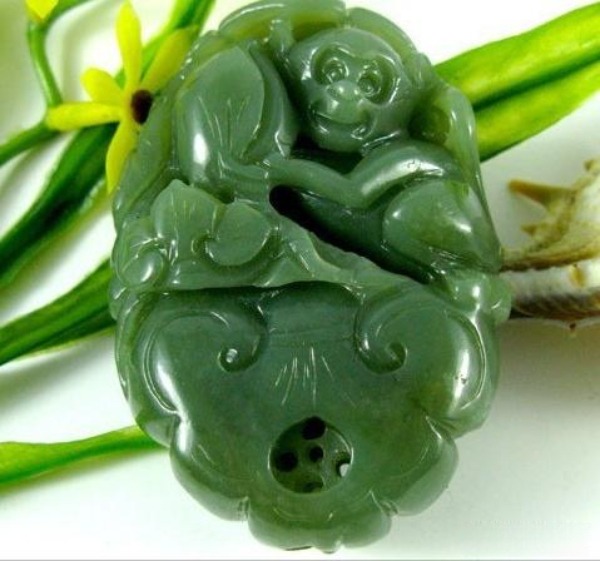
Because Anlu Jade comes from a highly localized source, large pieces of top-tier rough remain scarce. It does not match the massive commercial volume of Liaoning’s Xiuyan Jade. However, it commands immense respect among Northern Chinese carvers and niche stone collectors. Master carvers frequently leverage its fine, green-rich texture to create desktop ornaments, tactile pocket pieces (hand-toys), and scholarly studio objects packed with classic literary charm.
Explore More in Our Chinese Gems Series
At Jewea, our mission is to uncover the hidden geological wonders across China. Before we dove into the Gemstones of Jilin, we explored several other regions famous for their rare and storied treasures.
Take a look back at our previous journeys:
Northeast China