Gemstones of Heilongjiang: Garnet, Sapphires, Rubies & Xunke Agate | Chinese Gems Series
In this installment of our Gemstones of China, we return to Northeast China to uncover the hidden geological treasures of Heilongjiang Province.
Flanked by the Greater and Lesser Khingan ranges to the north and the Changbai mountain system to the south, this sprawling plain houses one of the world’s three major black soil belts. This rare, fertile agricultural plain is shared only with the Mississippi River basin in the US and the Ukrainian plains.
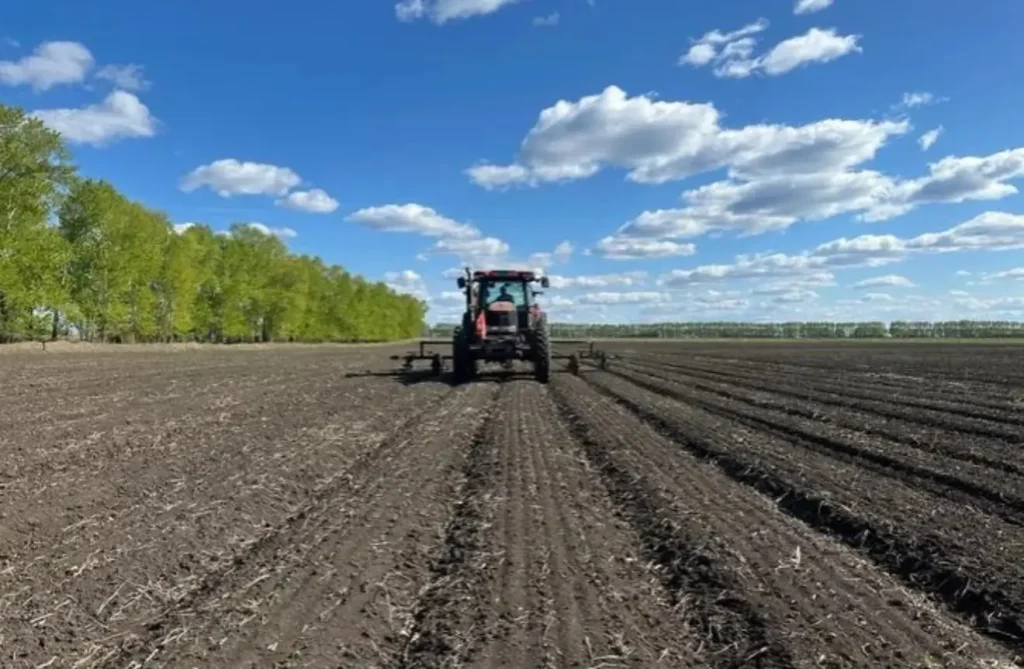
Beyond its vast agricultural and timber wealth, Heilongjiang pairs a solid industrial foundation with highly diverse mineral resources, including several key commodities that rank among the top nationwide in volume.
Today, we take you on our final stop in Northeast China. Let’s venture deep into the region to explore the unique Gemstones of Heilongjiang: indigenous garnets, rare sapphires and rubies, and the legendary Xunke agate.
Heilongjiang Garnets: The Muling Megacrysts
The garnet family is one of the most diverse groups in the gemstone world. We previously explored their complex mineralogy in our guide, The Ultimate Guide to the Garnet Family – Types, Colors, and Buying Tips. Globally, garnets occur in wide-ranging geological environments. Within China, the primary deposits span Inner Mongolia, Shandong, Xinjiang, and Heilongjiang provinces.
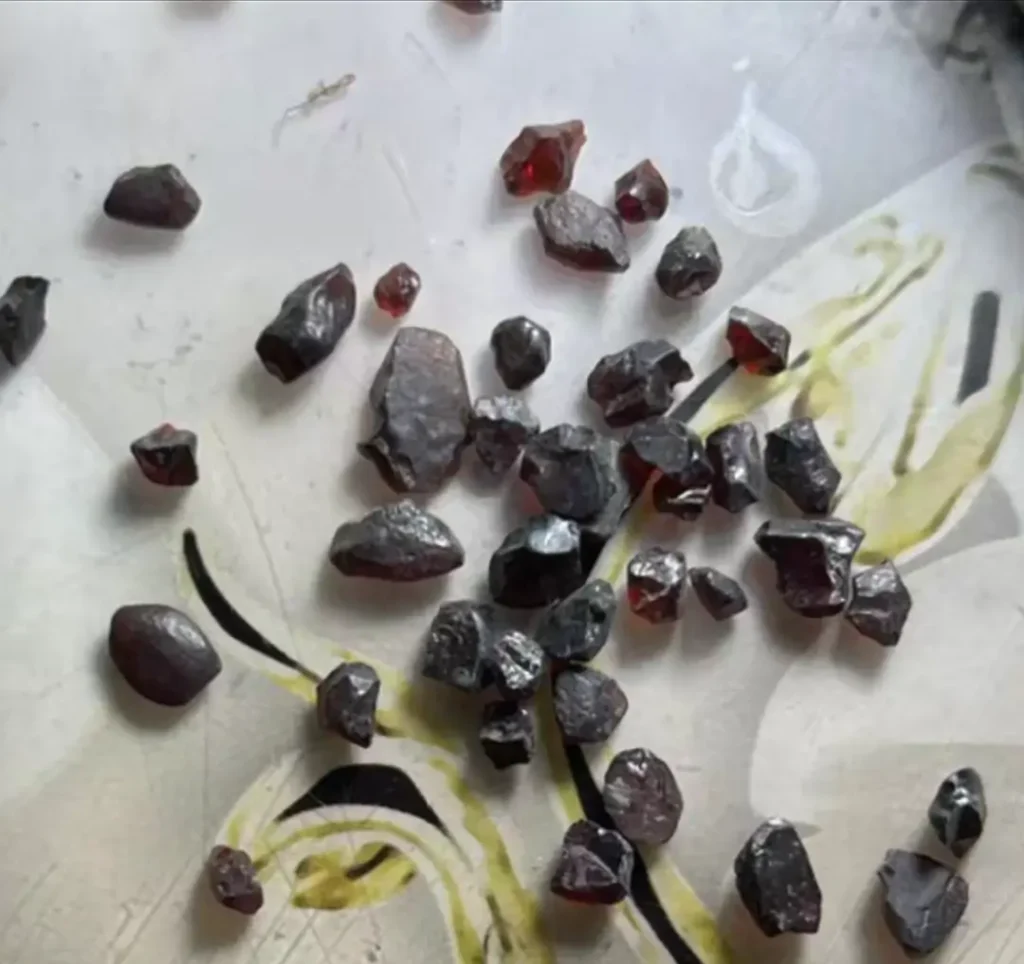
In Heilongjiang, gem-grade garnets concentrate primarily around the Muling area in the southeastern part of the province. Geologically, Muling sits on the eastern branch of the prominent Tan-Lu Fault Zone. During the Cenozoic era, intense volcanic activity shook this region, unleashing vast flows of alkaline basalt.
These basaltic lavas carried abundant mantle-derived inclusions from deep within the Earth. Consequently, garnets here do not appear as typical tiny rock grains. Instead, they surfaced as impressive megacrysts (large, distinct crystals). Transported by rising magma, they emerged alongside corundum (sapphire and ruby), spinel, orthopyroxene, and zircon. Today, these unique specimens provide scientists with an invaluable window into the physical and chemical evolution of the Earth’s upper mantle.
Mineralogical and Chemical Characteristics
Research institutions, including the Gemmological Institute of China University of Geosciences (Wuhan), have conducted extensive gemmological and spectroscopic analyses on these Muling garnet megacrysts. Their findings reveal several defining traits:
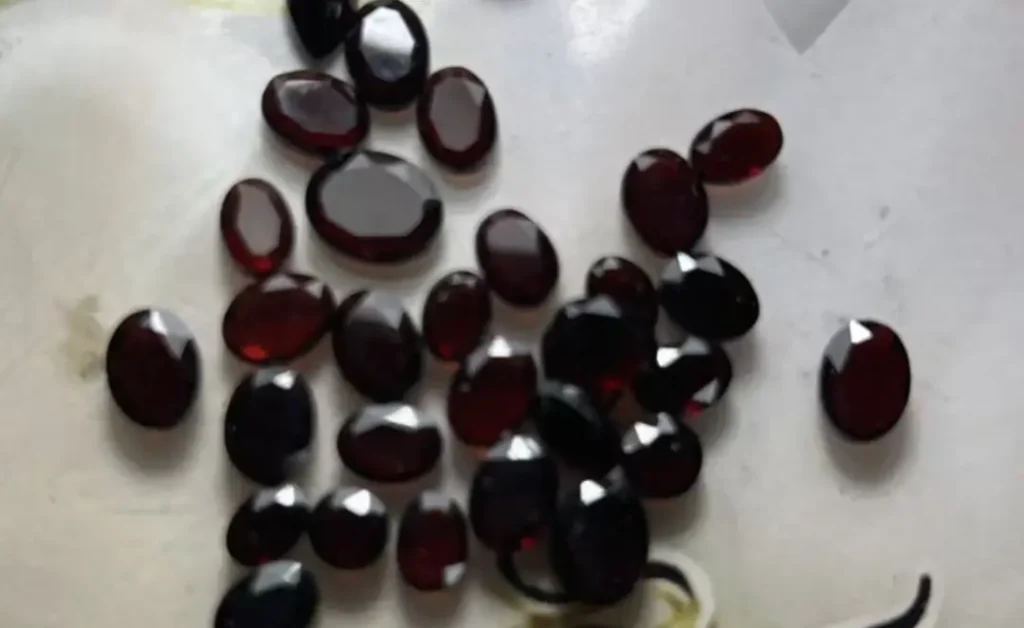
- Composition & Variety: These megacrysts belong to the pyrope-almandine solid solution series, exhibiting high concentrations of both magnesium (Mg) and iron (Fe).
- External Appearance: Because they formed under extreme mantle pressures and were swept up by volcanic magma, these garnets rarely display perfect isometric crystal habits, such as the classic rhombic dodecahedron. Instead, they typically appear as rounded grains, irregular chunks, or cleaved fragments.
- Size, Luster & Color: Individual crystals generally measure between 3 mm and 8 mm. They exhibit a vitreous to sub-adamantine luster. While brownish-red remains the dominant color, rare specimens also surface in brownish-yellow and light brown hues.
Market Pitfalls and Fact-Checking
When sourcing Heilongjiang garnets, buyers must stay vigilant against deceptive marketing. Keep these two critical realities in mind:
1. Industrial-Grade vs. Gem-Grade Materials
Heilongjiang holds massive reserves of garnet hosted in schist and gneiss. However, these geological rock-forming minerals are completely unsuitable for fine jewelry. Because the crystals are tiny, heavily fractured, included, and dull in color, they cannot be faceted into gemstones or strung into high-clarity, top-grade “ziyawu” (vibrant purple-red) bracelets.
Instead, their physical properties make them ideal for industrial applications, such as abrasives, sandblasting media, or waterjet cutting profiles. (Note that while Heilongjiang produces industrial material, China’s dominant industrial garnet hubs actually center in Shandong, Jiangsu, Inner Mongolia, and Xinjiang).
2. The Extreme Scarcity of True Muling Megacrysts
True gem-grade crystals do surface among Muling’s basaltic megacrysts. These rare specimens boast exceptional transparency and a rich, pigeon-blood red hue. However, they remain geological rarities. They occur only sporadically within the host volcanic rock, yielding a very low volume. Furthermore, internal stress fractures frequently plague these crystals.
Consequently, almost all mass-produced, high-clarity garnets on the market are imported. Popular commercial choices include Mozambique reds or Brazilian purples. If a seller promises bulk quantities of top-tier, eye-clean Heilongjiang garnet bracelets, exercise extreme caution. You are almost certainly looking at a mislabeled origin or outright misrepresentation.
A Closer Look: Jewea’s Garnet Beaded Necklace
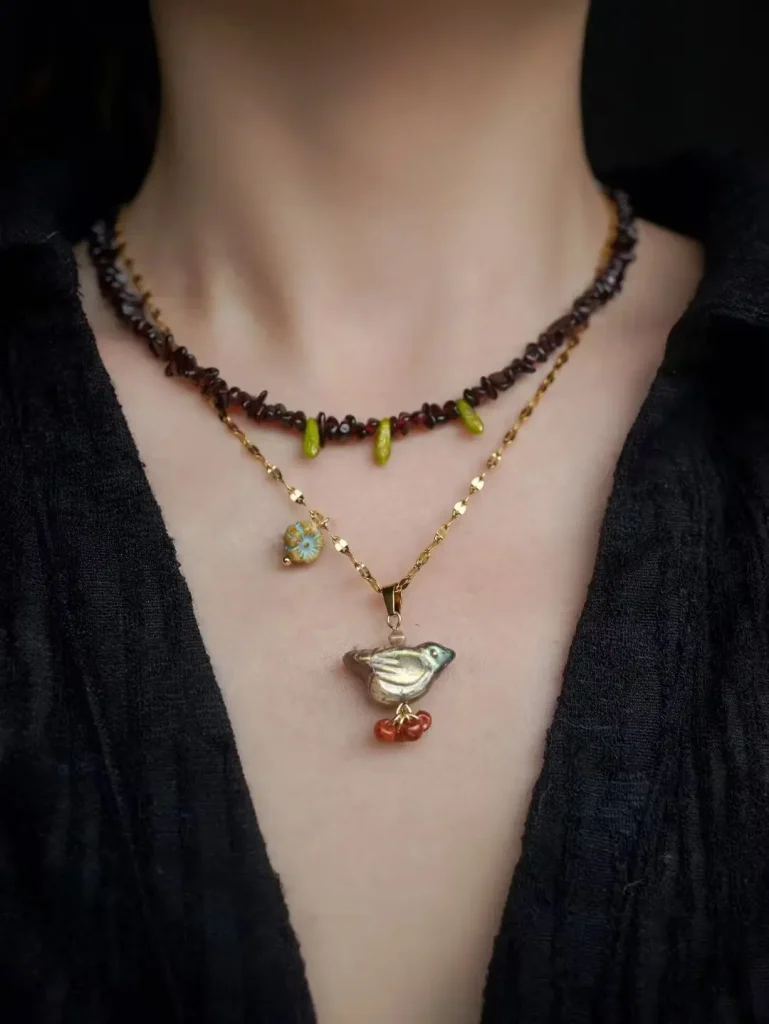
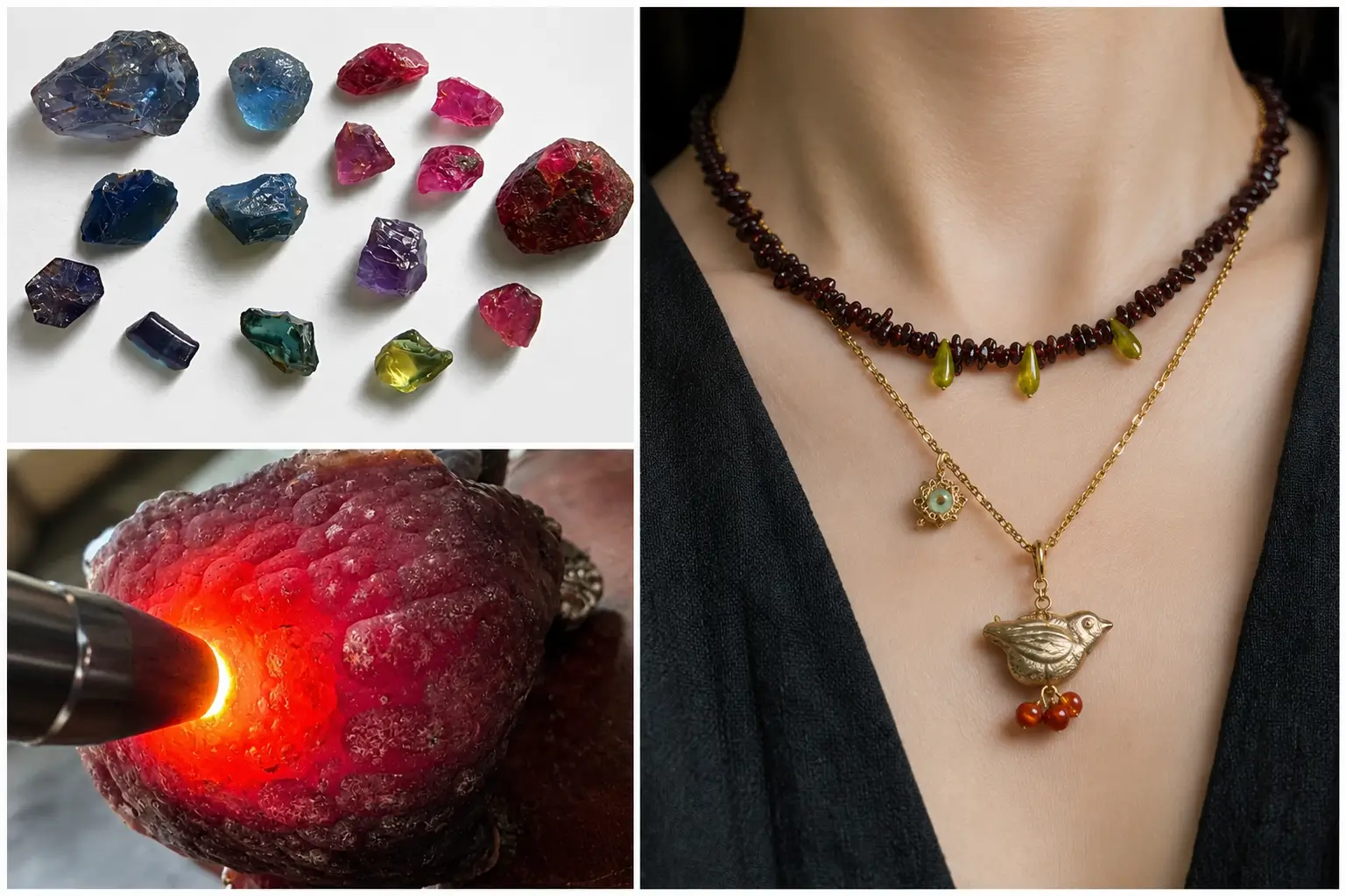
While our signature Jewea Garnet Beaded Necklace does not feature Heilongjiang materials, it beautifully showcases the classic, hypnotic deep red brilliance of the garnet family. For this series, we handpick natural, deeply saturated garnets with exceptional structural integrity. Layer this beaded piece with our Thorn Birds pendant necklace to instantly create an effortless, high-end bohemian aesthetic for your everyday wear.
Heilongjiang Sapphires and Rubies: A Geological Specialty
While China is not traditionally celebrated as a global powerhouse for corundum, Cenozoic alkaline basalts span extensively across its eastern coastline and deep fault zones. These volcanic networks run through famous deposits like Changle in Shandong, Wenchang in Hainan, Mingxi in Fujian, and Liuhe in Jiangsu—culminating in eastern Heilongjiang around Muling (specifically Mount Ma’anshan) and Linkou County.
Much like the region’s garnets, these sapphires and rubies occur here as deep-seated megacrysts. Born under extreme temperatures and pressures within the upper mantle millions of years ago, they rode to the surface as xenoliths (captured mineral crystals) during Cenozoic alkali olivine basalt eruptions.
Over millennia, weathering and erosion broke down the host basaltic rock. Rainwater then washed and concentrated these resilient gemstones into local riverbeds, where miners typically discover them today within alluvial placer deposits.
Gemstone Distribution: Dominant Sapphires and Ultra-Rare Rubies
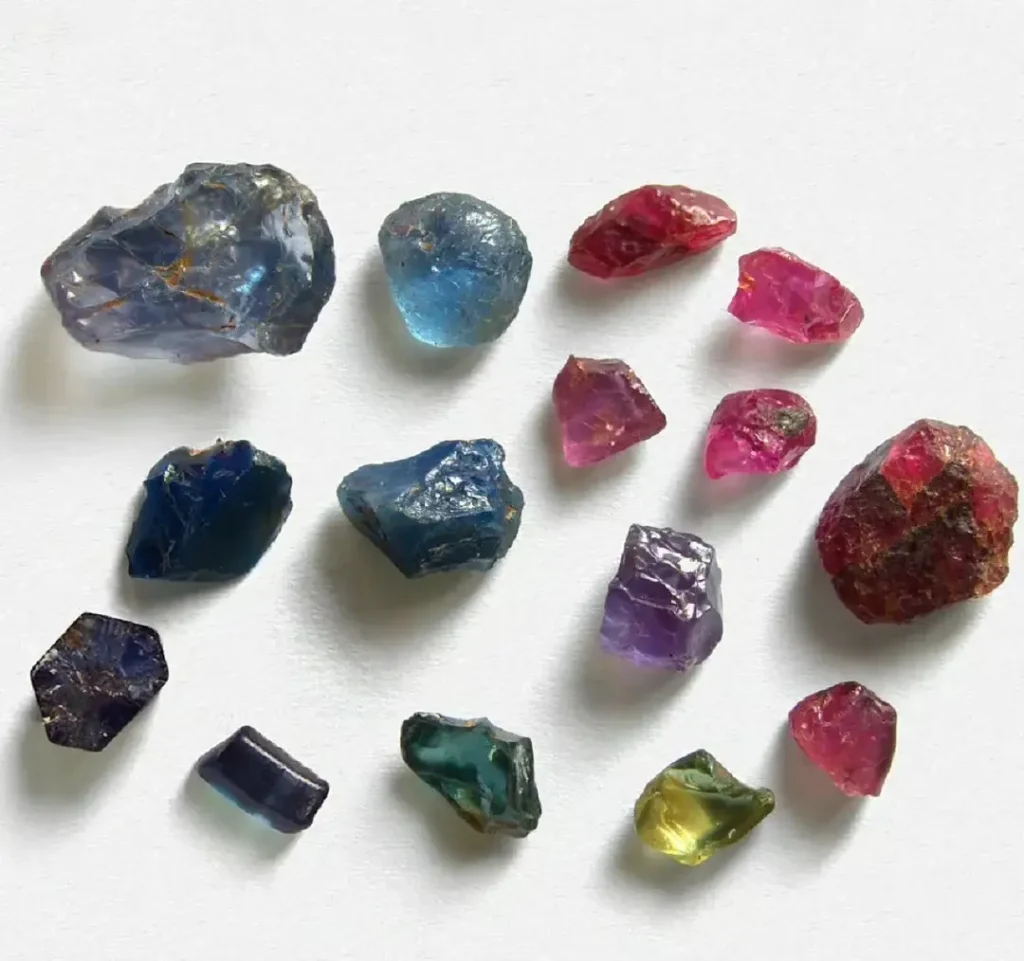
Heilongjiang’s gem-grade corundum follows a distinct lopsided distribution:
- Sapphire (The Dominant Variety): The vast majority of gem-quality corundum discovered in Heilongjiang consists of sapphires.
- Ruby (The Extreme Rarity): Within basalt-hosted geological systems, corundum typically carries a high concentration of iron (Fe). This excessive iron suppresses chromium (Cr), the essential trace element required to trigger a red hue. Consequently, most crystals turn blue, green, or yellow.
While academic literature notes sporadic discoveries of true ruby crystals in Heilongjiang, these finds are exceptionally rare. The crystals are microscopic and yield no commercial mining scale. In the gem market, they remain strictly scientific specimens rather than trade gemstones.
Gemmological Profiles: Heilongjiang vs. Changle (Shandong) Sapphires
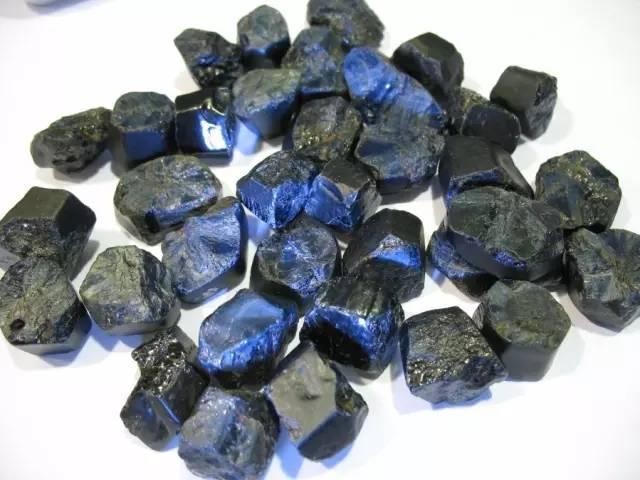
In our previous feature on Shandong Gemstones, we introduced Changle sapphires. Among China’s basalt-hosted deposits, Changle is famous for massive reserves and large crystal sizes, but heavily critiqued for its overly dark, ink-black appearance. By contrast, Heilongjiang sapphires offer distinct quality advantages:
- Habit & Morphology: These sapphires typically appear as rounded grains, irregular fragments, or corroded crystal remnants displaying distinctive magmatic etching. Due to prolonged exposure to high-temperature magma, they rarely retain their complete hexagonal dipyramid or prismatic crystal habits.
- Color & Transparency: Heilongjiang material boasts relatively vibrant colors. Common variations include transparent blue, light blue, yellowish-green, grayish-blue, and greenish-blue. Unlike the dense, near-opaque Changle sapphires that require a strong flashlight to reveal any color, Heilongjiang sapphires are notably more vivid and highly translucent.
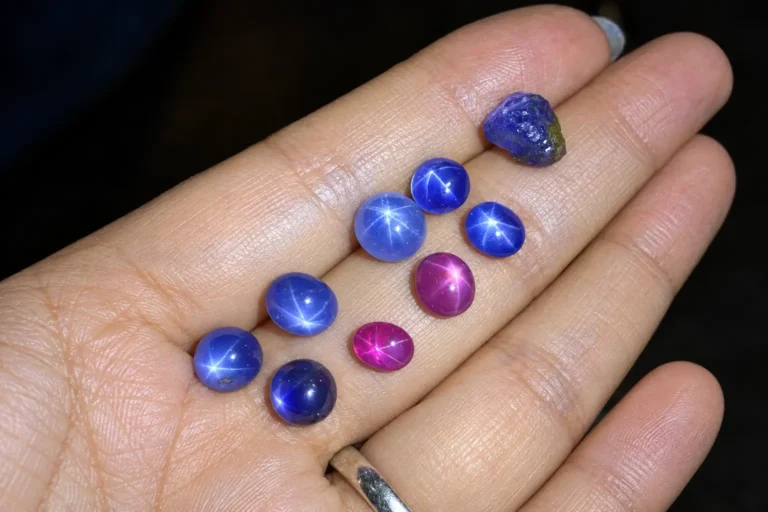
- Inclusions & Optical Phenomena: The crystals frequently host oriented needles of hematite and ilmenite that form distinct color banding, alongside microscopic two-phase (gas-liquid) inclusions. When these oriented needle inclusions are sufficiently dense, master cutters can fashion them into cabochons to display a striking six-ray asterism (star effect).
- Size Constraints: Crystals are universally small. The vast majority measure only a few millimeters in diameter. Specimens exceeding 1 carat with excellent clarity are exceptionally rare. This “beautiful color, tiny footprint” trait means Heilongjiang rarely produces the large, commercial-grade stones found in overseas metamorphic deposits like Sri Lanka or Madagascar.
Geologically, Heilongjiang remains a crucial research and sampling hub for China’s Cenozoic basalt-hosted corundum. While its specimens display remarkably vivid colors under the microscope, the province never developed a commercial mining infrastructure or industrialized gemstone sector to match Changle, Shandong.
Xunke Agate: The Crown Jewel of Northern Red Agate
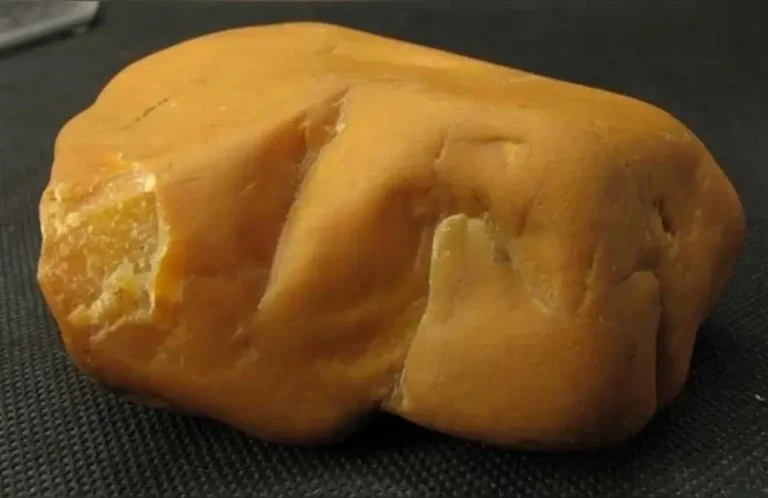
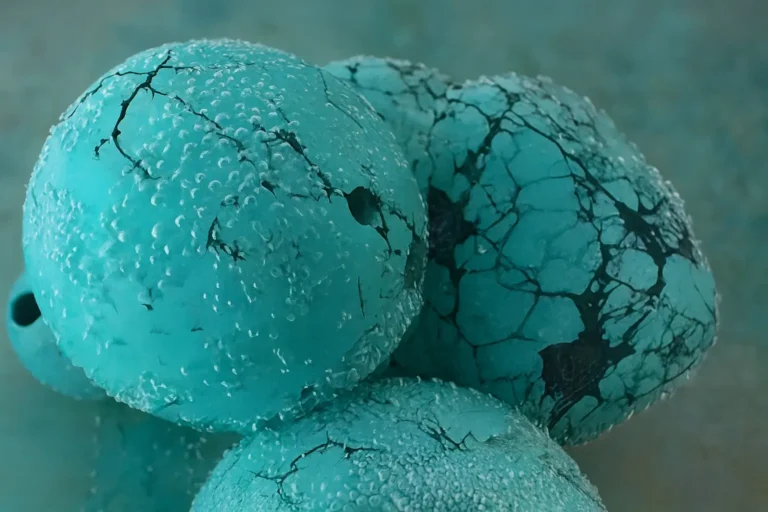
In our previous feature, Southern Red Agate: The Complete Guide to Colors, Quality, and Authenticity, we explored China’s three major Southern Red deposits. While Southern Red dominates mainstream awareness, many enthusiasts remain unaware of the North’s own vibrant treasure: Northern Red Agate (Bei Hong). Geologically, Northern Red is a translucent to transparent, cryptocrystalline quartz. It exhibits a rich color palette dominated by deep red and brownish-red hues, frequently accented by warm yellow undertones.
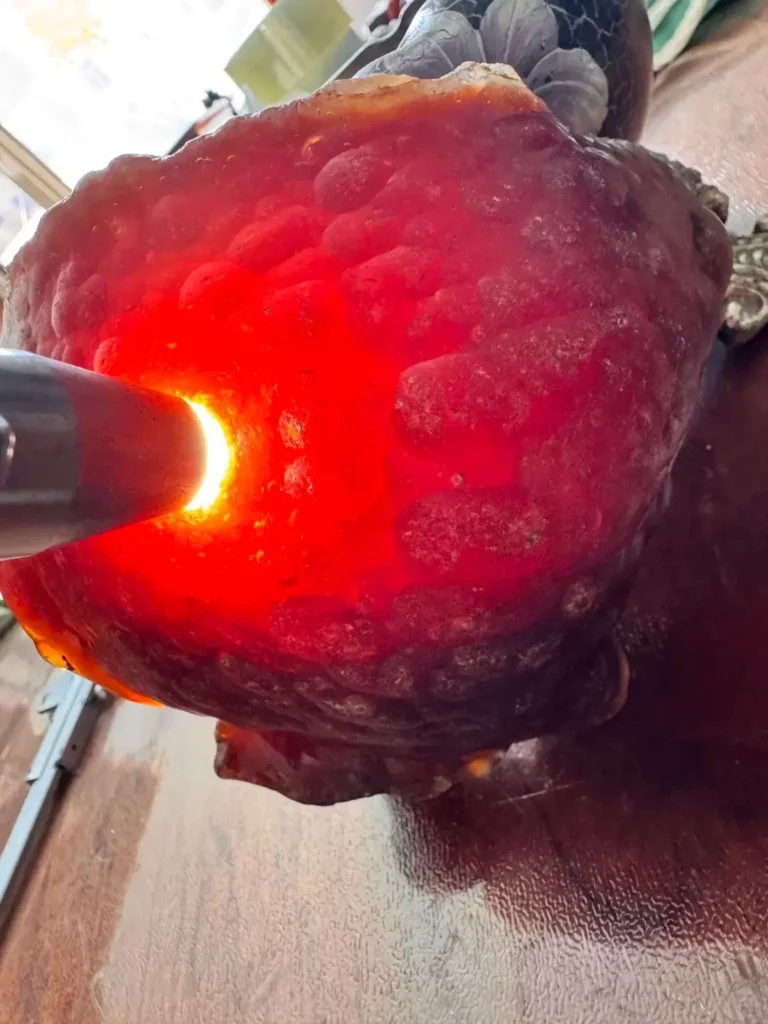
Primary deposits span across several major river basins and mountain ranges in Heilongjiang Province. Key localities include the Ating River in Xunke County (Heihe City), the Tangwang River in Yichun, the Nenjiang and Songhua River basins, and the Greater and Lesser Khingan ranges. Among these diverse origins, Xunke Agate stands out as the premier, high-quality representative of Northern Red.
Gemmological Profiles: The Anatomy of Xunke Agate
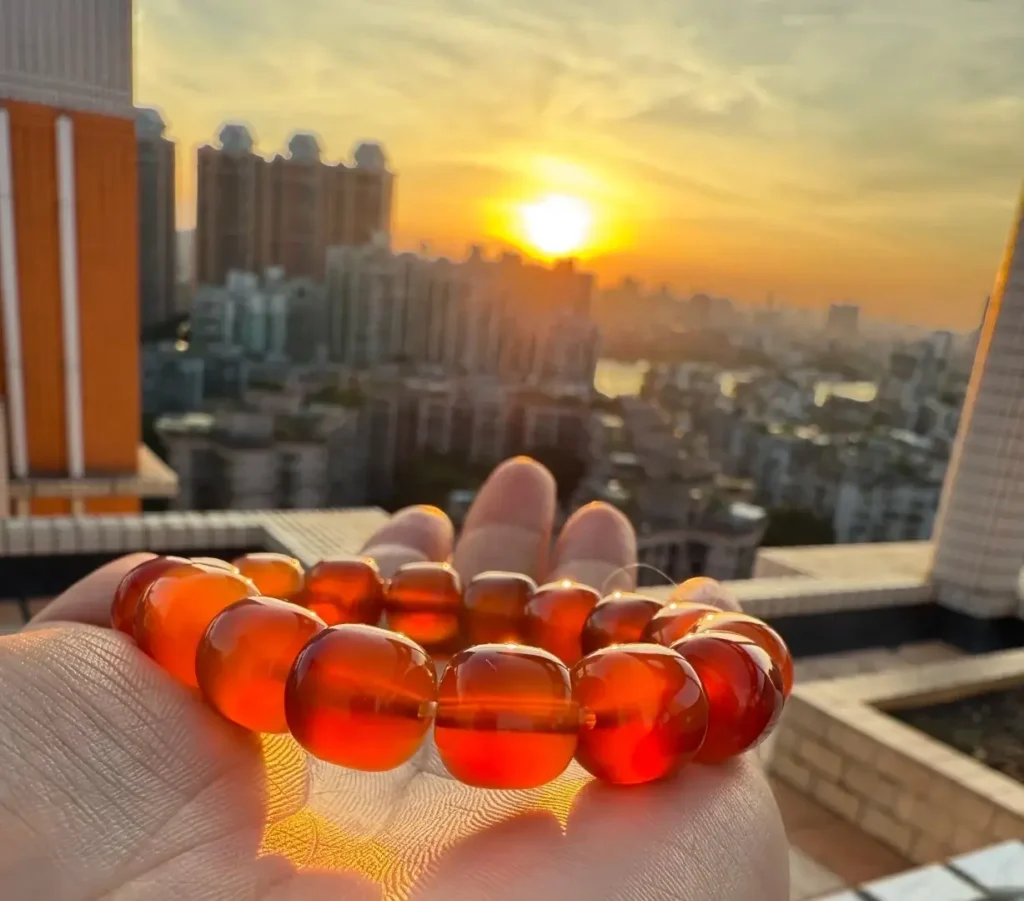
Xunke agate holds a unique position in the global agate family. Its harsh, high-latitude volcanic origin grants the material exceptional physical and optical properties:
- Chemical Composition: It consists mostly of silicon dioxide (SiO2). Its vibrant red hues stem from trace ferric iron (Fe3+), which distributes throughout the stone as microscopic hematite inclusions.
- Superior Hardness: Registering at 7.0 to 7.5 on the Mohs scale, Xunke agate is noticeably harder than typical Brazilian or Southern Red agates. This extreme scratch resistance allows it to take a mirror-like, high-luster polish.
- Gel-Like Translucency: Southern Red agates from Sichuan or Yunnan feature a rich, near-opaque “full flesh” look. In contrast, Xunke material is icy, highly translucent, and deeply hydrated. Its ultra-dense structure produces a distinct, jelly-like texture. It also emits a striking optical glow akin to adularescence.
- Color Palette: Pure river red and pepper red dominate the palette. However, the stones frequently display golden yellow, honey, lilac, and white. The trade highly prizes “red-and-yellow bi-color” specimens. These naturally zoned variations serve as the ultimate canvas for master carvers creating intricate cameos and contrast carvings (qiao se).
- Enhydro Agate (Water-Trapped Rarities): Exceptional Xunke specimens feature completely sealed internal cavities holding ancient, trapped water. When shaken, this liquid moves visibly to the naked eye. Because of this geological marvel, prestigious national museums frequently acquire top-grade Xunke enhydro agates for permanent collections.
Sourcing Genuine Xunke Agate: Market Realities
Xunke agate prices have climbed steadily over the past decade. Consequently, mislabeled origins and heat-treated imports now flood the market. Unscrupulous dealers frequently deploy two deceptive tactics:
- Origin Swapping: They pass off smaller Wuyiling pebble nodules (dan zi liao) as premium, large-block Xunke material.
- Artificial Heating: They take cheap, grayish imports from Brazil and Madagascar, then bake them artificially to mimic Xunke’s vibrant natural red.
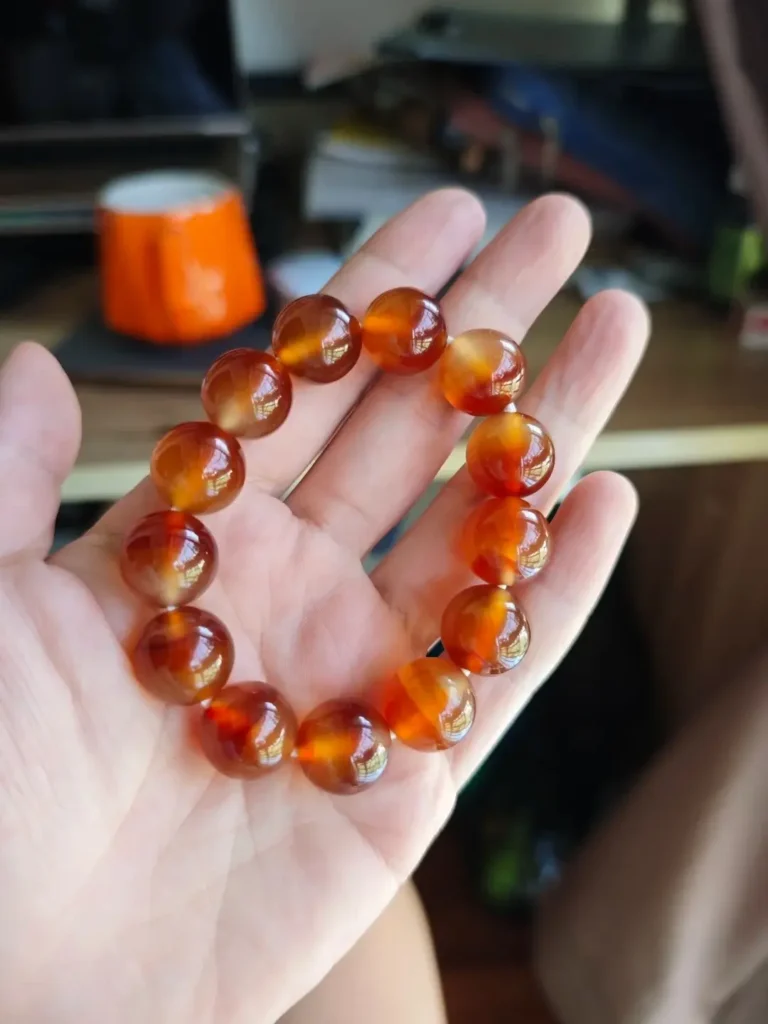
The visual differences are stark. Genuine Xunke agate displays a lively, layered red depth alongside its signature icy-gel translucency. Conversely, treated alternatives look dry and lifeless. Under magnification, these heated stones quickly expose telltale “fire cracks.”
Explore More in Our Chinese Gems Series
At Jewea, our mission is to uncover the hidden geological wonders across China. Before we dove into the Gemstones of Heilongjiang, we explored several other regions famous for their rare and storied treasures.
Take a look back at our previous journeys:
Northeast China