Gemstones of Hunan: Diamonds, Xianghua Jade, Aquamarine, Fluorite & Pearls | Gems of China Series
In this edition of our Gemstones of China series, we head to south-central China to uncover the hidden geological treasures of Hunan Province.
Most travelers know Hunan as the birthplace of Mao Zedong and the heart of Huxiang culture. It draws global crowds to Zhangjiajie’s surreal quartz sandstone pillars, the historic Ming and Qing architecture of Fenghuang Ancient Town, and the vast waters of Dongting Lake. Foodies love it for the bold, fiery flavors of Hunan cuisine.
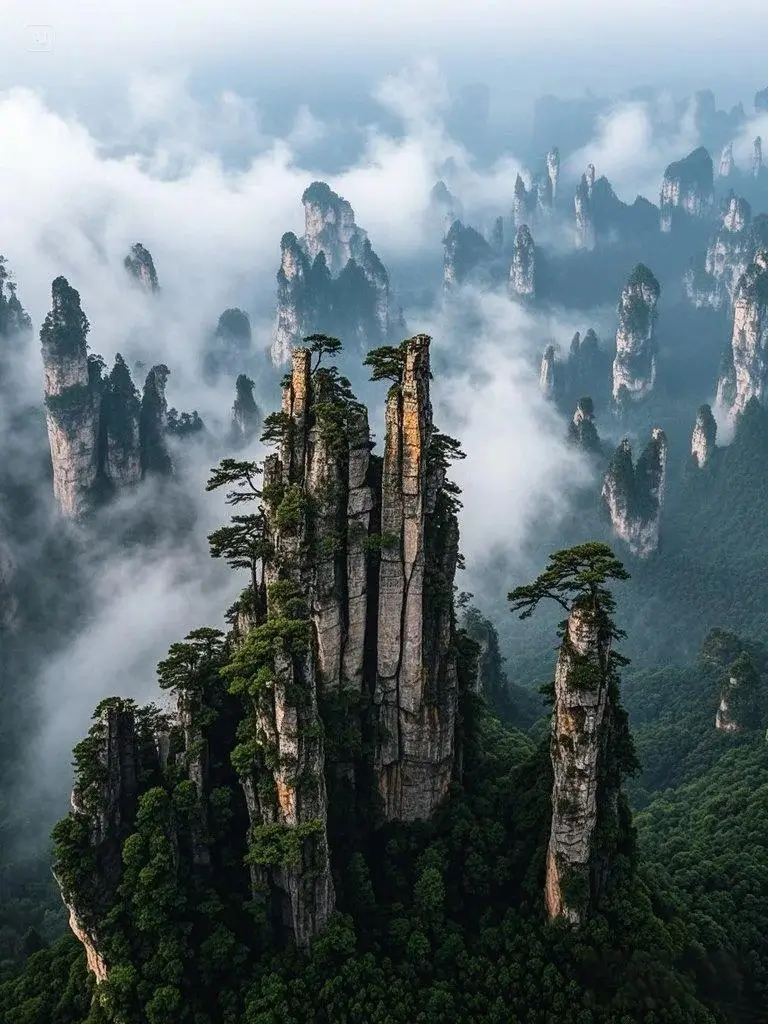
But beyond the scenery and spice, Hunan is a powerhouse for mineral wealth, famously nicknamed the “Hometown of Non-Ferrous and Non-Metallic Minerals.” Geologists have discovered 143 distinct mineral types here, with 37 of them ranking in China’s top five for proven reserves.
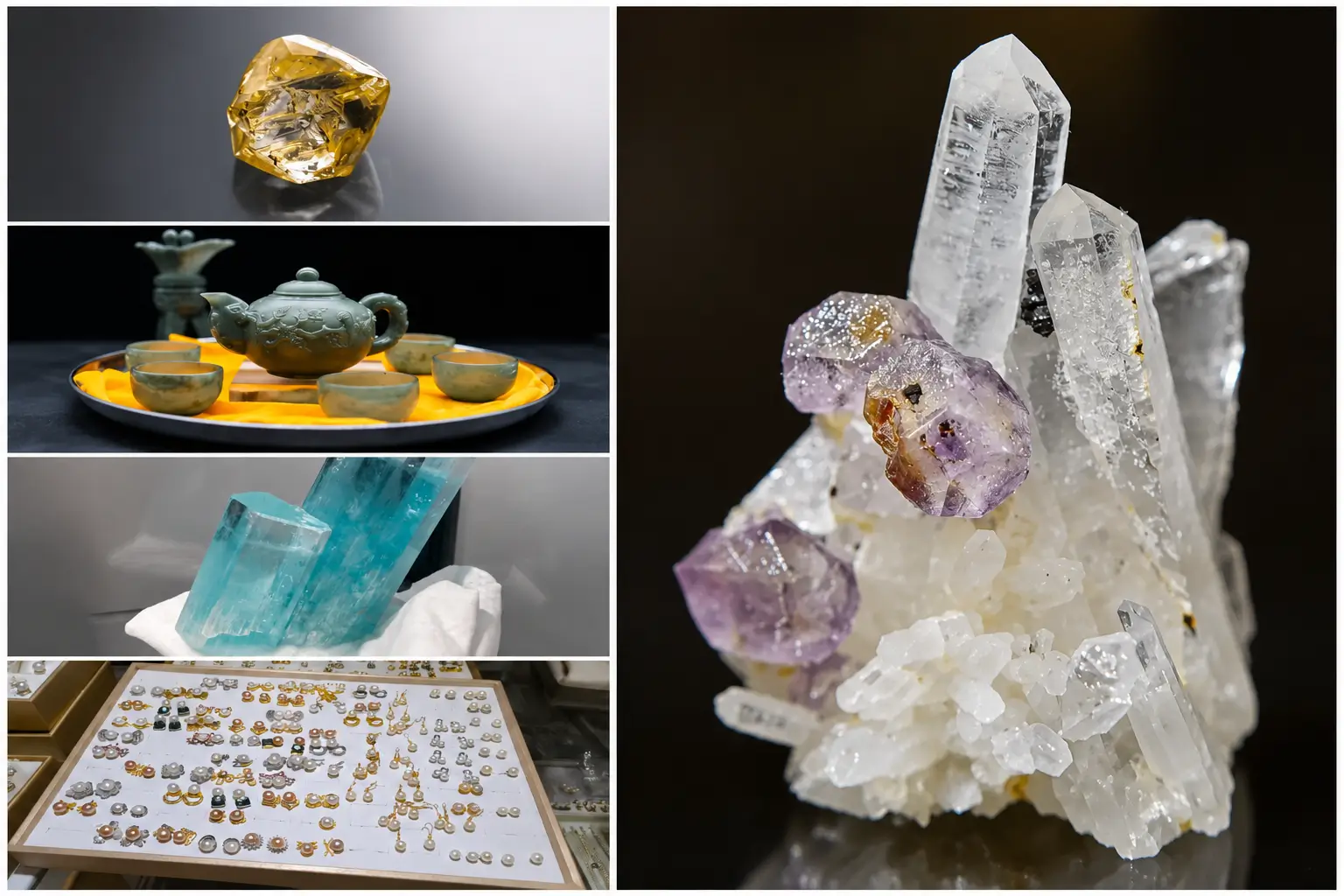
Today, we explore the province’s rich lapidary heritage. Let’s dive into the world of Yuanjiang Diamonds, Linwu Xianghua Jade, Northeast Hunan Aquamarine, Chenzhou Fluorite, and local Freshwater Pearls.
Yuanjiang Diamonds
Diamonds have long held the crown as the world’s most coveted precious gemstone. Exceptional hardness, breathtaking beauty, and unmatched fire allow them to dominate the jewelry world year after year.
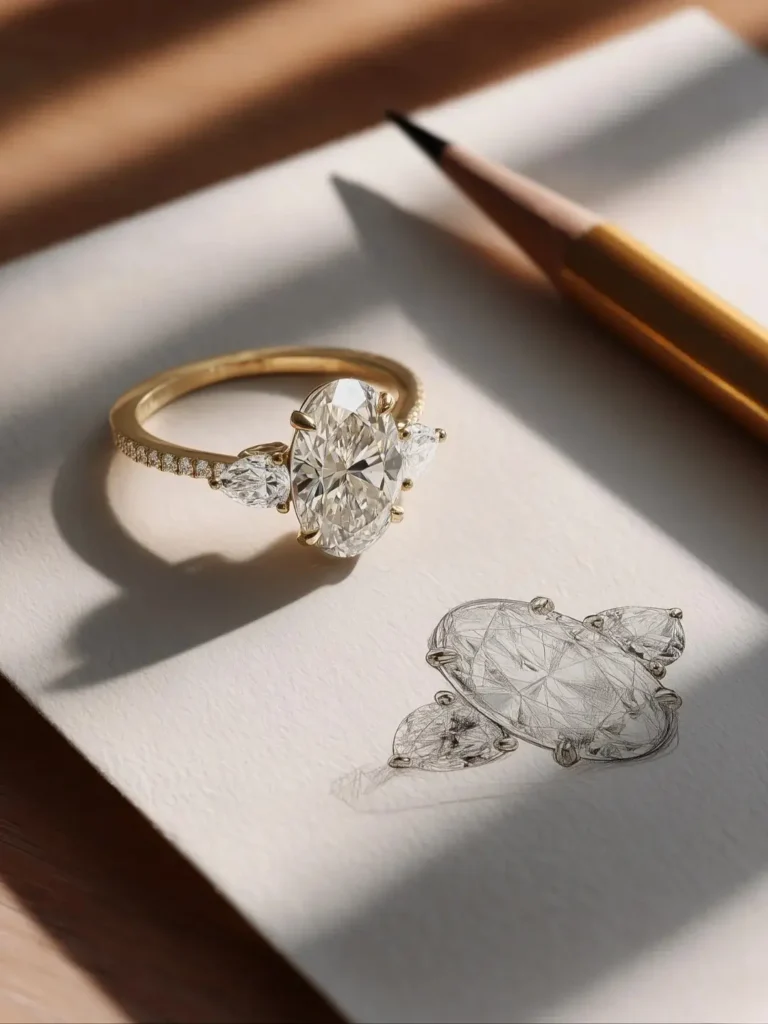
While South Africa is the most famous source, countries like Australia, Russia, the Democratic Republic of the Congo (formerly Zaire), and China also produce notable deposits. Within China, production centers on three main regions: Wafangdian in Liaoning, Mengyin in Shandong, and the Yuanjiang River basin in Hunan.
Our previous features on Liaoning Gemstones and Shandong Gemstones covered the first two localities. Today, we shift our focus to the diamonds of Hunan’s Yuanjiang River.
Deposits along the middle and lower reaches of the Yuanjiang River consist primarily of alluvial diamond placers. Overall reserves and annual yields remain modest.
Local history tells us that as early as the Qing Dynasty, farmers panning for gold noticed glittering stones mixed in the river gravel. No matter how much they washed or rubbed them, these stones never showed any wear—they had found rough diamonds. However, lacking advanced gemological knowledge at the time, locals simply used these ultra-hard crystals as drill bits to repair broken porcelain.
Modern exploration finally took off in 1952, when Hunan established its first dedicated diamond prospecting team. Today, the region’s proven diamond reserves stand at 743,000 carats.
Characteristics of Yuanjiang Diamonds
Rough diamonds from the Yuanjiang River basin typically show a low ore grade, averaging just a few dozen carats per hundred tons. However, they boast a strong, classic adamantine luster. The crystals primarily form as cubes, tetrahedrons, octahedrons, and dodecahedrons. Typical grain sizes range between 20 to 30 millimeters, while stones weighing over 5 carats remain exceptionally rare.
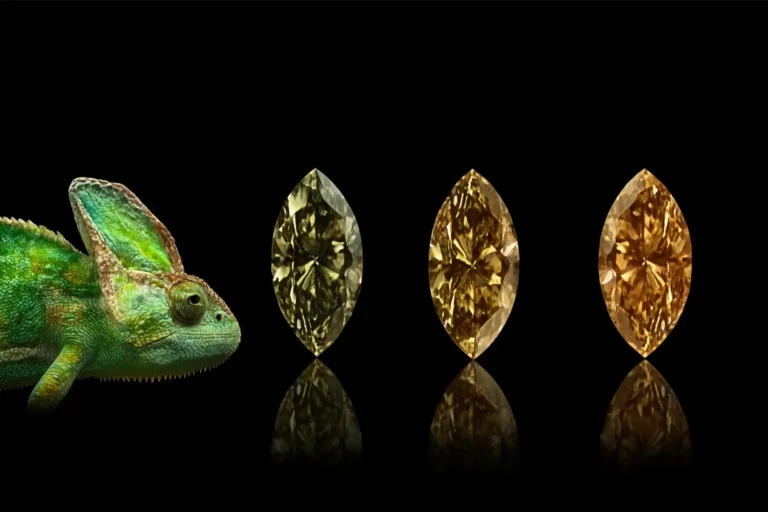
In terms of color, trace elements like magnesium Mg, calcium Ca, and sodium Na influence the crystals during formation. This creates a palette dominated by yellow, yellowish-brown, and yellowish-green hues. Occasional finds also yield green, colorless, reddish-brown, and brown diamonds.
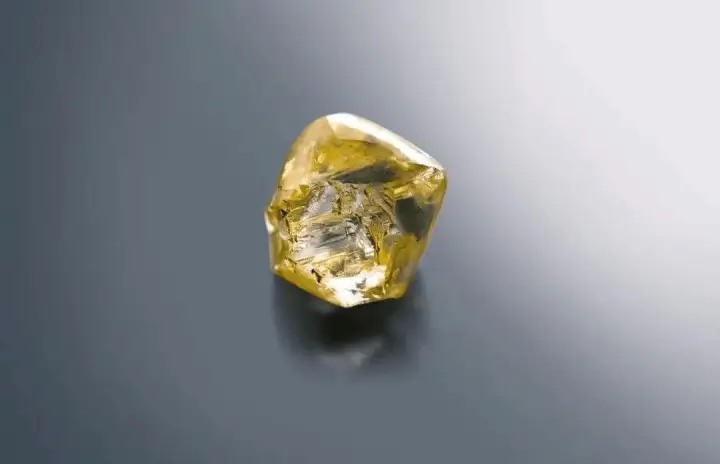
Clarity-wise, these diamonds are relatively clean. Under magnification, you will find only a small number of tiny inclusions, such as rutile, zircon, and pyroxene. These internal characteristics are remarkably sparse and small, with fewer than 30% of Yuanjiang diamonds containing any visible inclusions.
Linwu Xianghua Jade
In our previous article, What Is Xianghua Jade? The Truth About This Emerging Chinese Nephrite, we explored this unique stone named after its origin in Xianghualing, Linwu County, Hunan Province. Under the broad definition set by China’s updated national standard, Hetian Jade—Identification and Classification, Xianghua Jade officially qualifies as “Hetian Jade.”
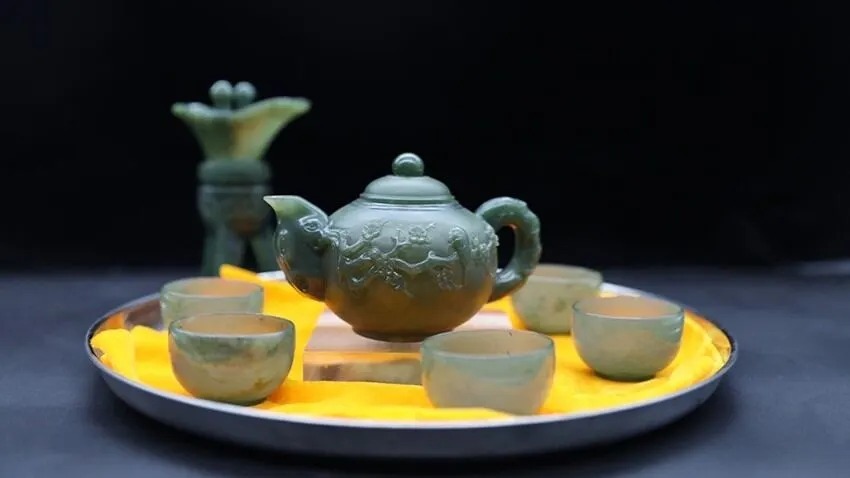
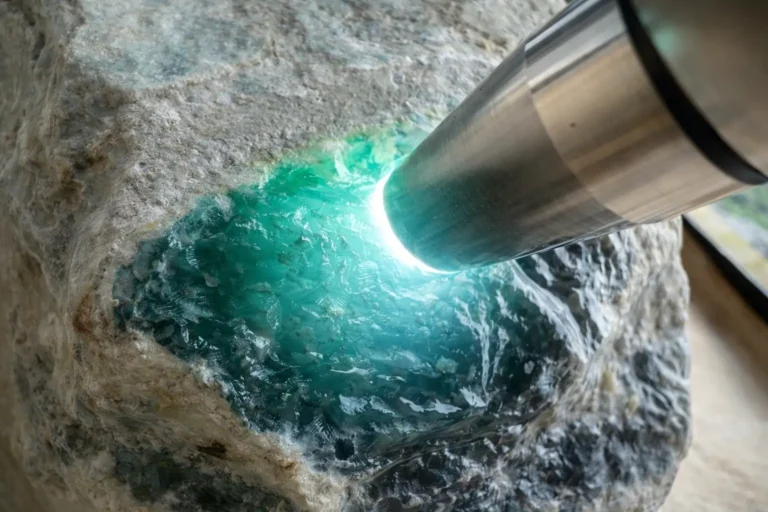
Mineralogically, Xianghua Jade consists of over 90% tremolite, alongside minor traces of diopside and fluorite. It typically occurs in grayish-green and dark green hues, exhibiting a classic greasy luster and a translucent appearance.
Because of its intriguing name and heavy promotion by merchants and media, jade enthusiasts initially held massive expectations for Xianghua Jade.
However, looking past the marketing, Xianghua Jade is essentially just standard Shan Liao (quarried rock) green nephrite (Qing Yu). Its dull, dark color and abundant supply mean that despite the historical hype, its actual market value remains quite low.
Northeast Hunan Aquamarine
Aquamarine is a celebrated member of the beryl family. Historically, people also called it water sapphire or sky sapphire. Trace amounts of ferrous iron (Fe2+) give the stone its deep ocean-blue hues. This captivating beauty has long made it a favorite among global royalty.
Major global deposits exist in Brazil, Russia, and India. However, explorers also find aquamarine within China. Key Chinese sources include Inner Mongolia, Xinjiang, Yunnan, and Hunan. Hunan’s deposits concentrate primarily in the northeast. They span six major cities: Changsha, Xiangtan, Zhuzhou, Yiyang, Changde, and Yueyang.
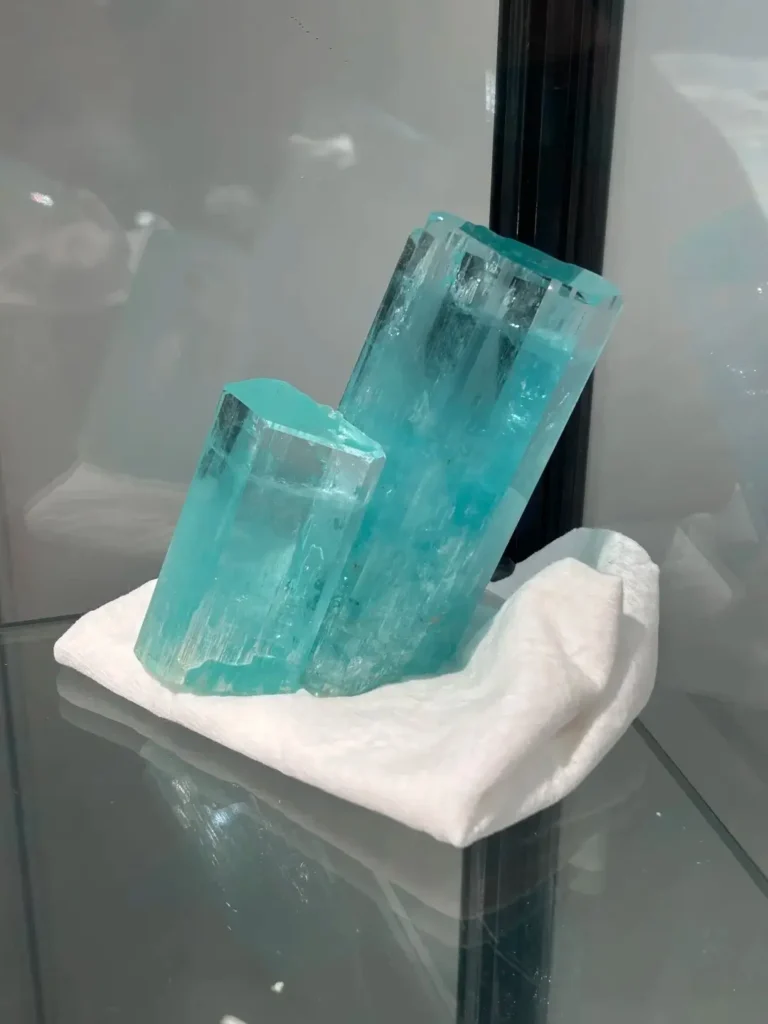
These local aquamarines form inside rare-metal granite pegmatites. The well-formed crystals appear as either single points or clusters. They feature high transparency and beautiful sea-blue or lake-blue colors. Because they contain very few internal inclusions, these deposits are highly viable for commercial mining.
Chenzhou Fluorite
In our previous article, Why Your Rainbow Fluorite Bracelet Cracks: A Complete Care Guide, we introduced fluorite (also known as fluorspar). Composed of calcium fluoride, this mineral features a vitreous luster and a Mohs hardness of around 4, making it beautiful but notably brittle.
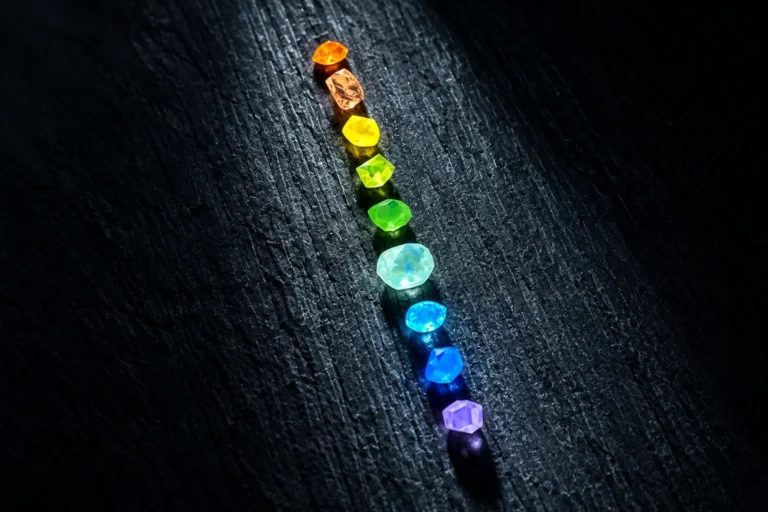
Thanks to various trace elements, fluorite displays a spectacular spectrum of green, purple, blue, and black. Sometimes, a single crystal showcases multiple colors simultaneously. Some specimens even exhibit intense fluorescence, leading many scholars to believe that fluorite is the legendary historical “Night Luminous Pearl” (Ye Ming Zhu).
While fluorite itself is not rare, with extensive deposits found globally in countries like the US, France, and Canada, China stands as the world’s top producer. Most Chinese deposits concentrate in Zhejiang, Hubei, and Hunan provinces.
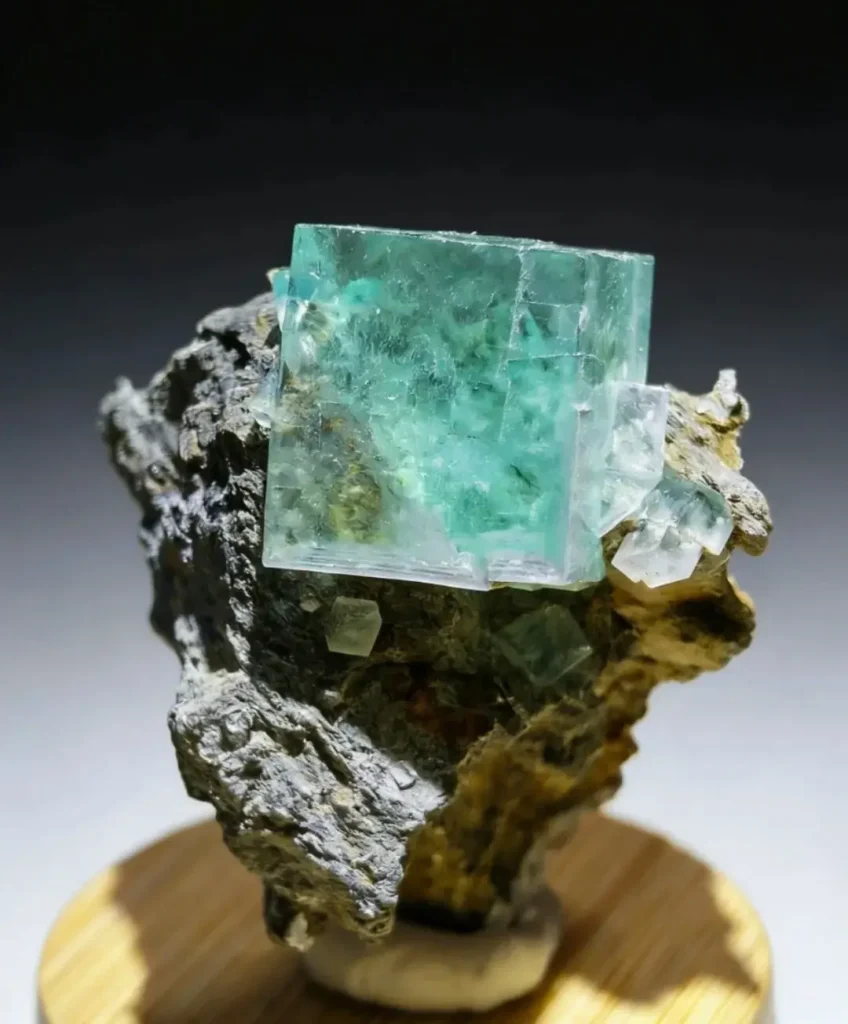
Chenzhou City serves as the heart of Hunan’s fluorite production. To date, geologists have mapped 16 proven fluorite deposits here, totaling 122 million tons of reserves. This massive bounty accounts for 90% of Hunan’s total reserves and an incredible 39% of China’s overall fluorite resources.
Chenzhou fluorite boasts rich, intense colors and high transparency. It frequently grows alongside pyrite, quartz, and calcite, forming spectacular, multi-mineral symbiotic specimens that collectors highly prize.
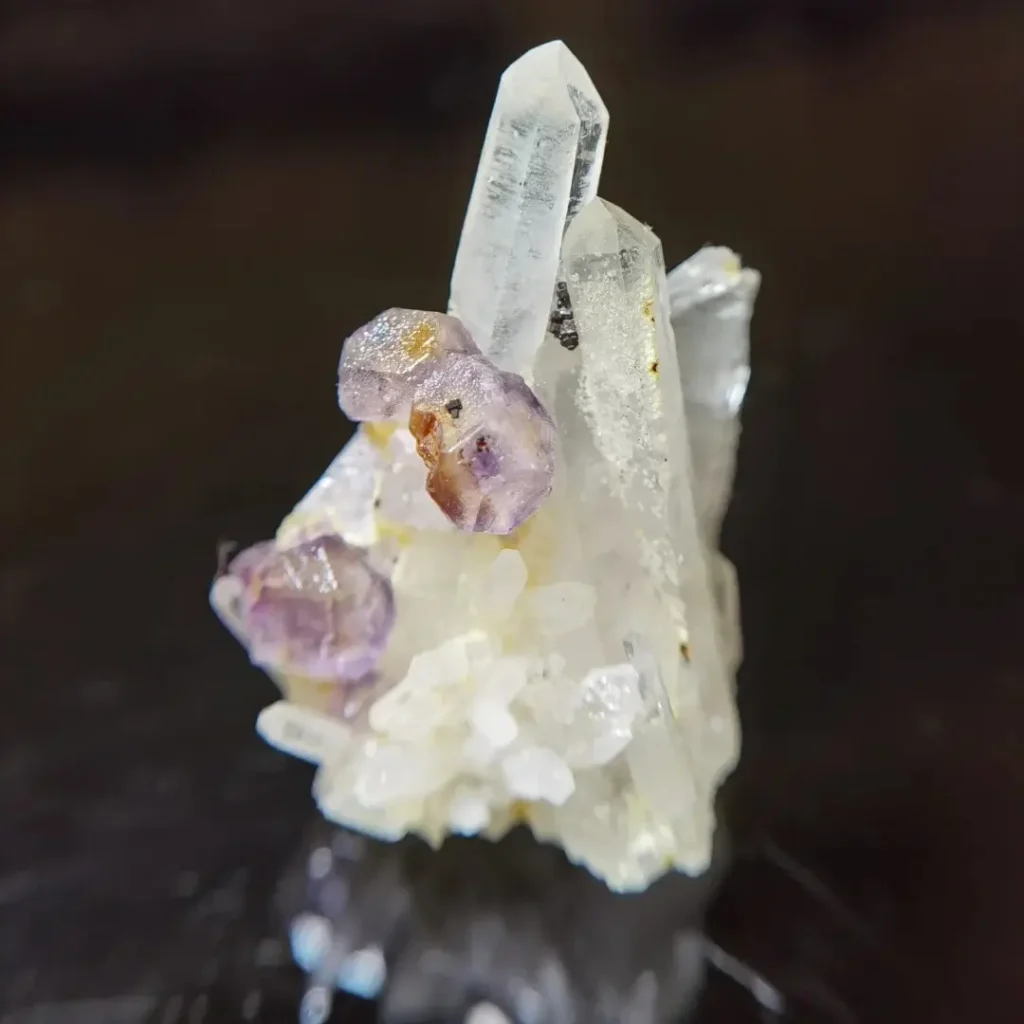
Because of this geological wealth, Chenzhou became the permanent host of the China (Hunan) Mineral and Gem Show—Asia’s largest mineral expo—starting with its 4th edition in 2016. In 2017, the 5th expo took this spotlight a step further, adopting the theme “Miraculous Minerals, Colorful Fluorite” to showcase the region’s breathtaking, multicolored specimens to the world.
Hunan Pearls
China dominates the global freshwater pearl market, producing over 95% of the world’s total supply. While our previous article on Zhejiang Gemstones highlighted Zhuji—the famous “Hometown of Chinese Pearls”—today we explore the pearl industry of Hunan.
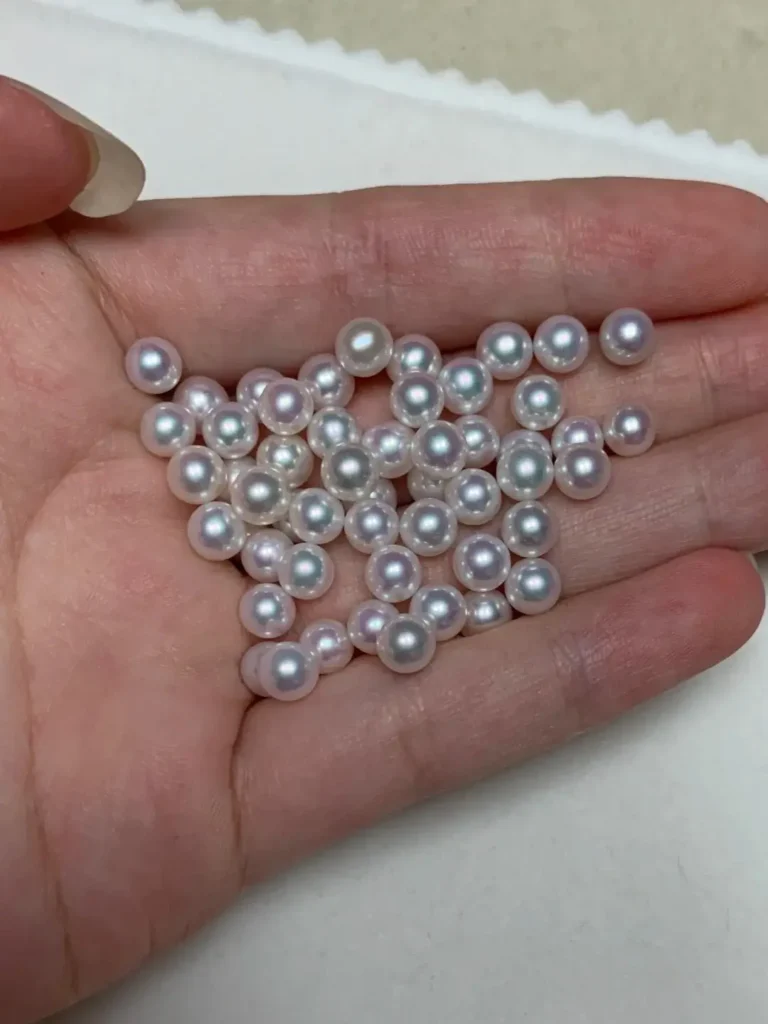
Hunan sits south of the Jingjiang section of the Yangtze River, wrapping around the massive Dongting Lake. A subtropical monsoon climate gives the region distinct seasons, abundant sunshine, and plentiful rainfall. This rich climate, combined with the lake’s natural water cycles, creates an ideal environment for culturing pearls.
Hunan’s pearl journey began in 1964, when Zhang Yuanpei of the Hunan Fisheries Science Research Institute successfully cultivated the province’s first batch of freshwater pearls. This breakthrough kicked off more than 50 years of regional pearl farming.
By 2006, pearl farming had become a backbone industry for lakeside regions like Anxiang, Dingcheng, Yuanjiang, and Changde. Cultivation areas expanded to 34,000 mu (around 5,600 acres), pushing annual yields to 931.7 tons and driving the raw pearl output value past 1 billion RMB.
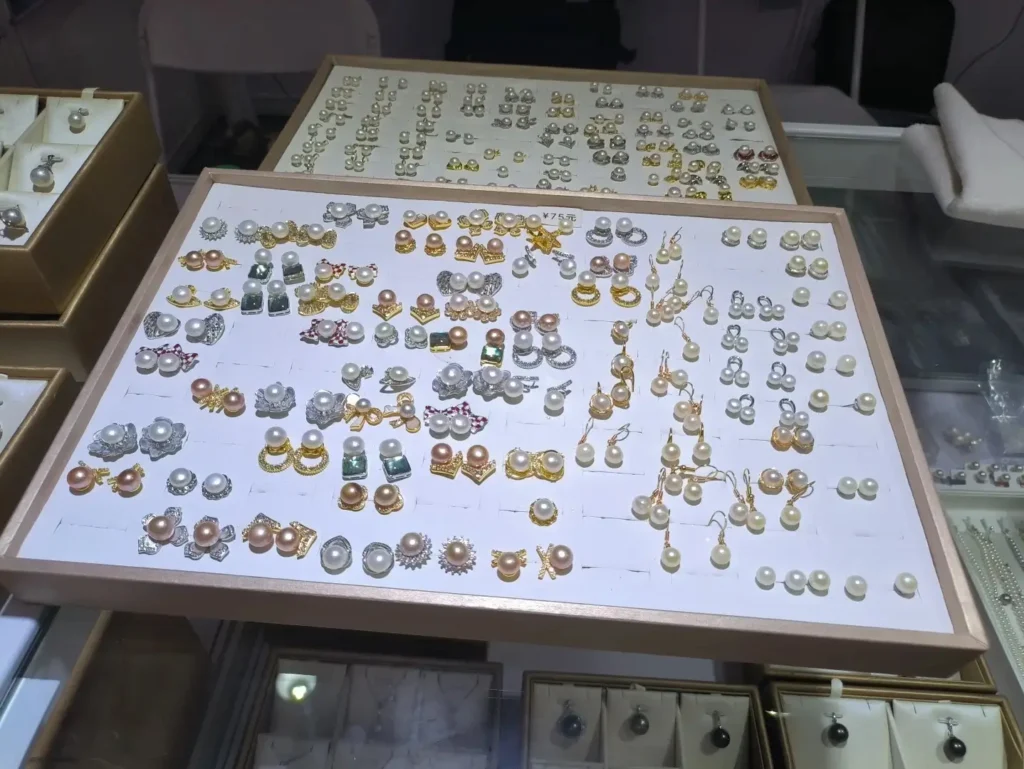
However, rapid expansion brought challenges. Environmental pollution and declining pearl quality eventually bottlenecked the industry’s growth.
To protect local waters, cities like Yuanjiang launched government-led initiatives around 2016 to phase out unsustainable pearl farming. By 2020, Hunan’s freshwater pearl cultivation area adjusted to just 3.95% of China’s national total, shifting the focus from sheer volume to environmental balance.
Explore More in Our Chinese Gems Series
At Jewea, our mission is to uncover the hidden geological wonders across China. Before we dove into the Gemstones of Hunan we explored several other regions famous for their rare and storied treasures.
Take a look back at our previous journeys:
Central China