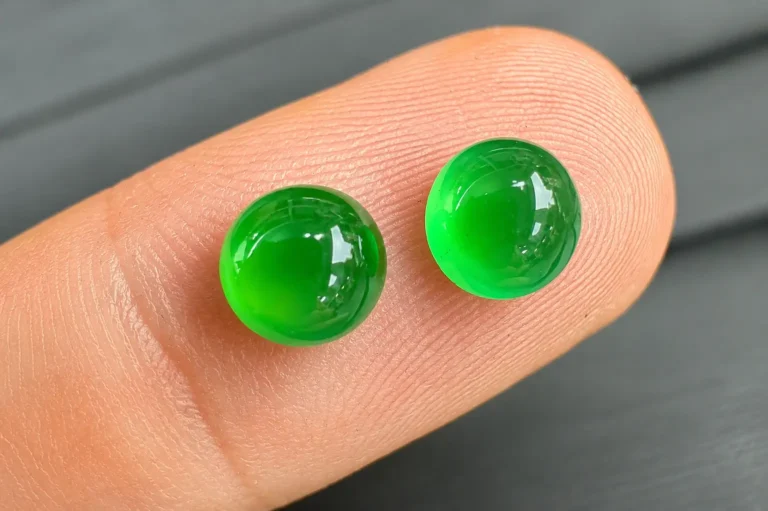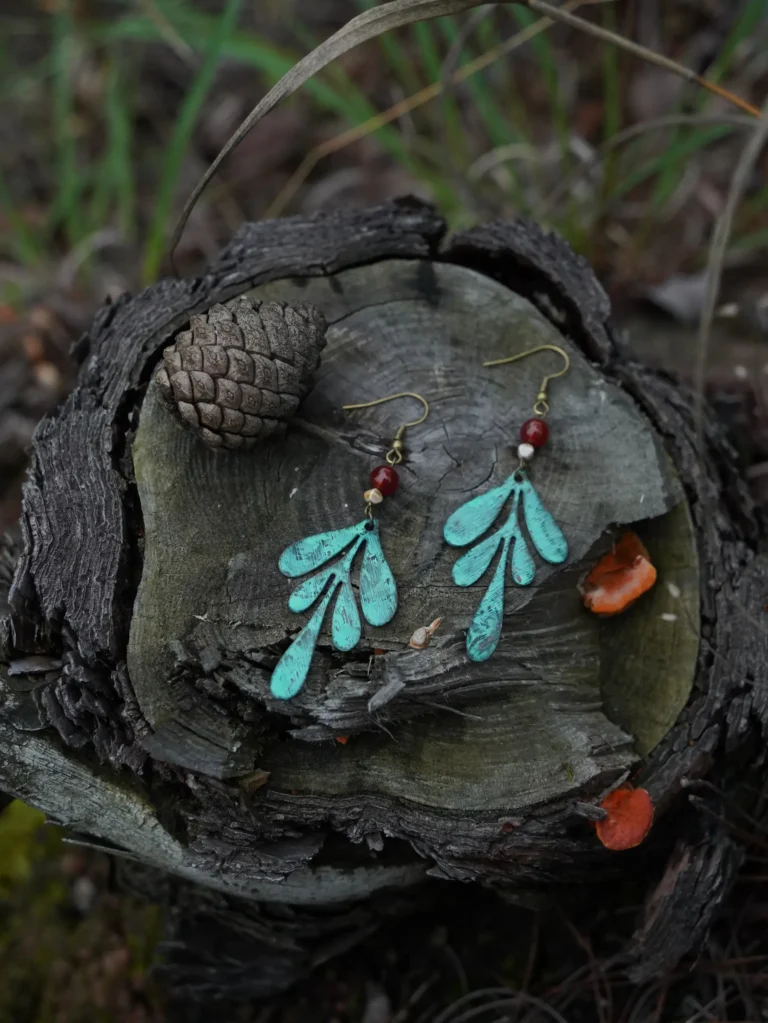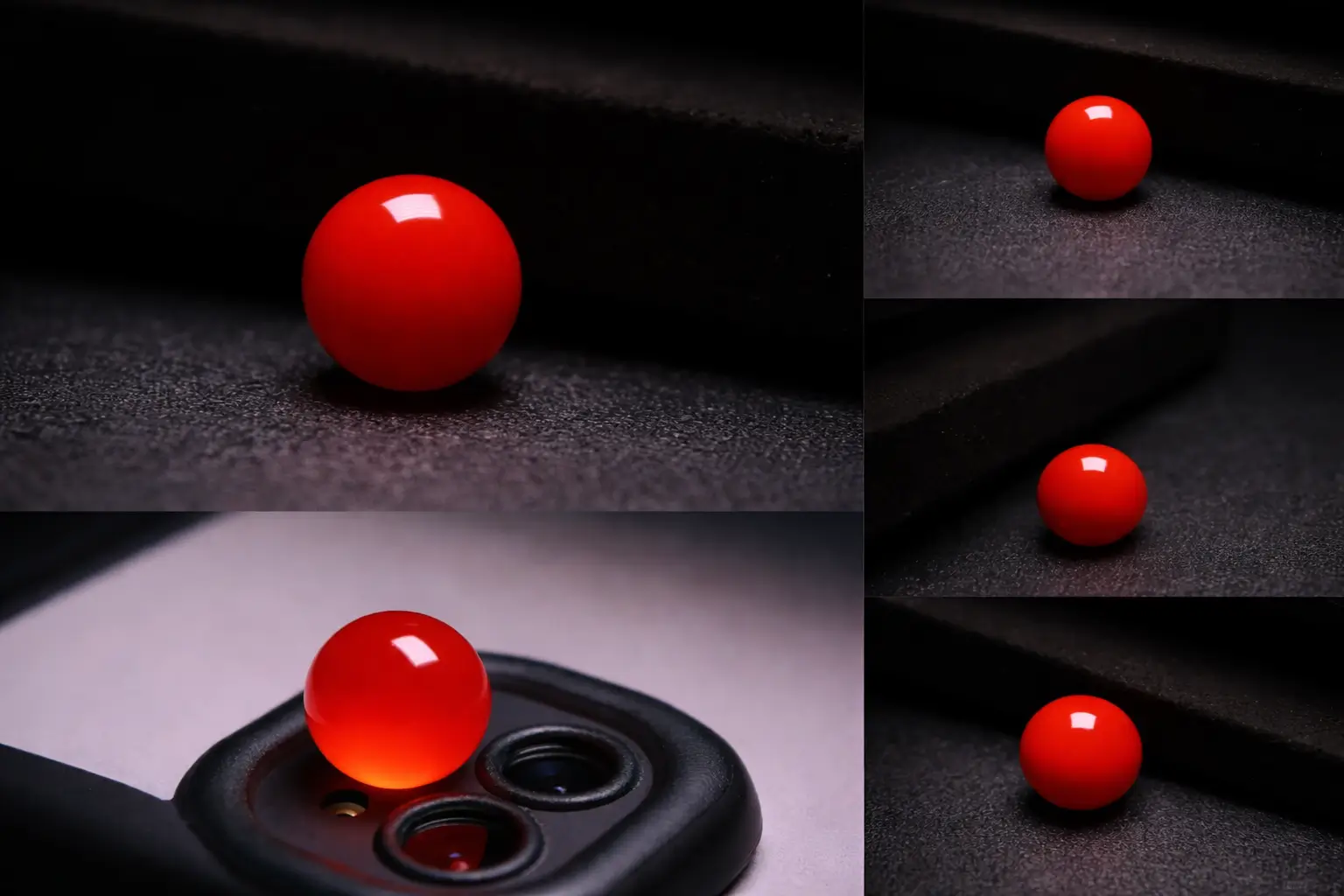
The Big Three: A Guide to Chinese Red Agate Varieties
As an old chinese saying goes, “No red in agate, no fortune in life.“
While that might sound a bit dramatic, it perfectly captures the deep-rooted cultural obsession with red hues—a color synonymous with luck, vitality, and prestige.Today, let’s explore some of the most notable Chinese Red Agate Varieties.
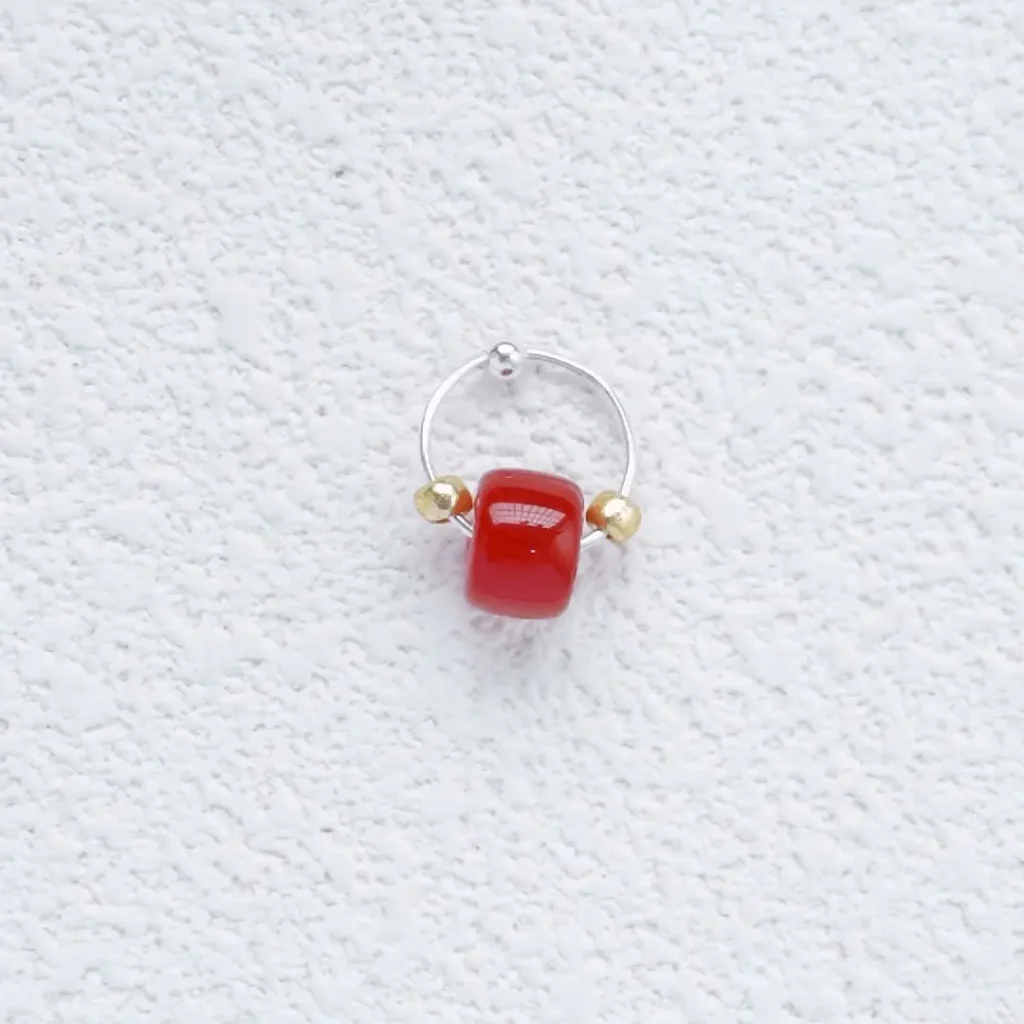
925 Silver Red Agate 12mm Mini Hoop Earrings
In the gemstone trade, experts often use the phrase “thousands of types of agate, tens of thousands of types of jade” to describe the staggering diversity of these stones. Because certain agates possess such distinct personalities, they have evolved into their own specialized markets. In the Chinese landscape, three legendary varieties stand above the rest: Nanhong (Southern Red), Beihong (Northern Red), and Zhan-Guo Red (Warring States Red).
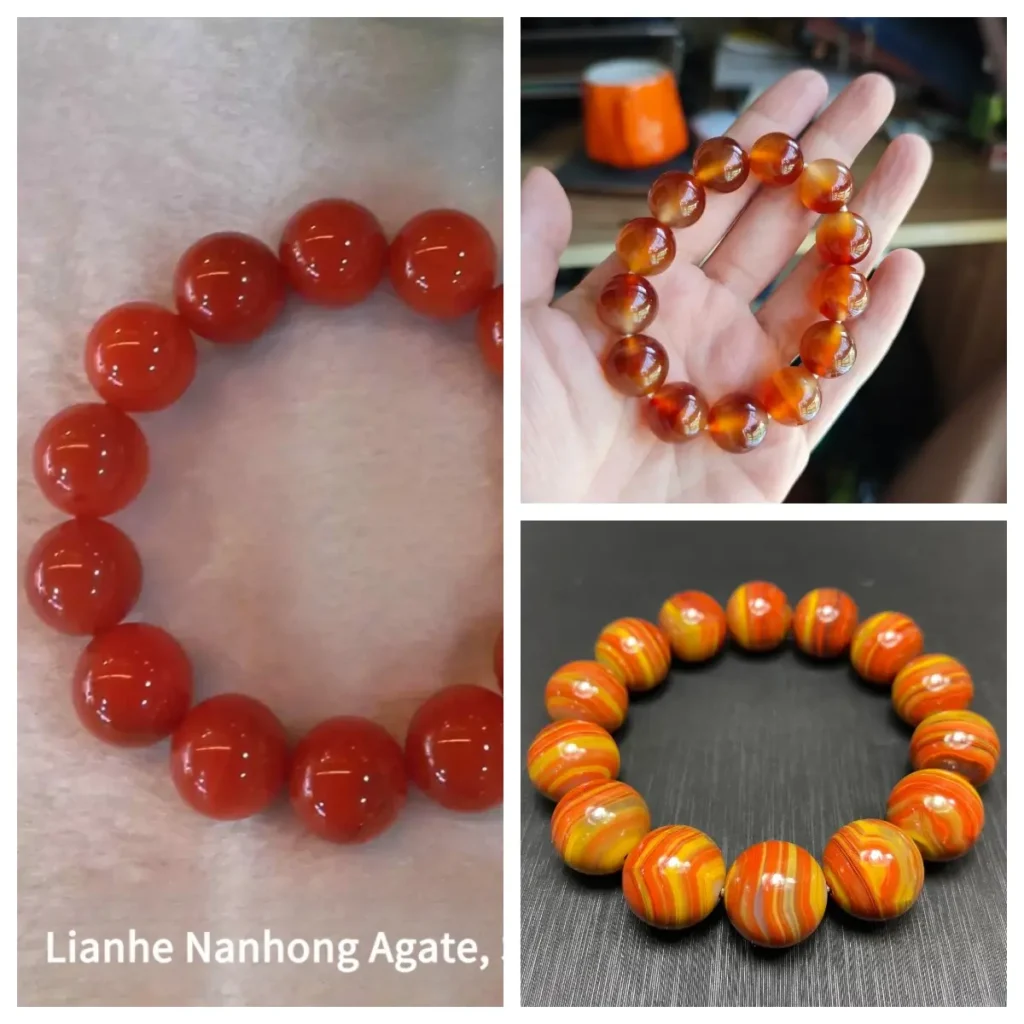
But what actually sets these treasures apart? Let’s explore the unique characteristics that define these iconic red varieties.
Understanding Agate: What Exactly Is It?
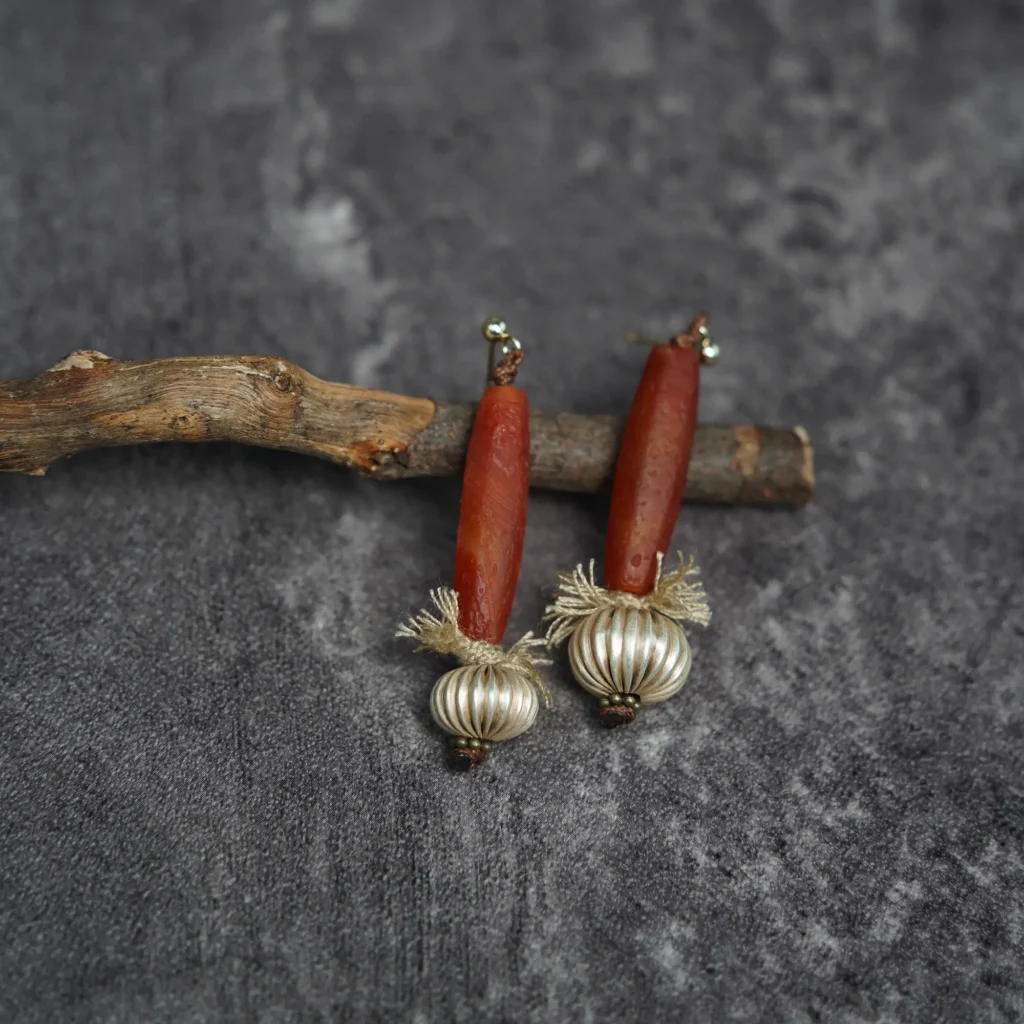
Before we dive into the “Big Three,” let’s clear up a common point of confusion: What exactly is agate? In the commercial jewelry trade, many people use the terms “agate” and “chalcedony” interchangeably. However, if we’re being technical, both are actually distinct sub-categories of cryptocrystalline quartz.
For a deep dive into the technicalities, check out our previous guide: 50 Varieties of Quartz: Can You Name Them All?.
In systematic gemology, the definition is quite specific: Agate is a cryptocrystalline quartz that exhibits a banded structure.
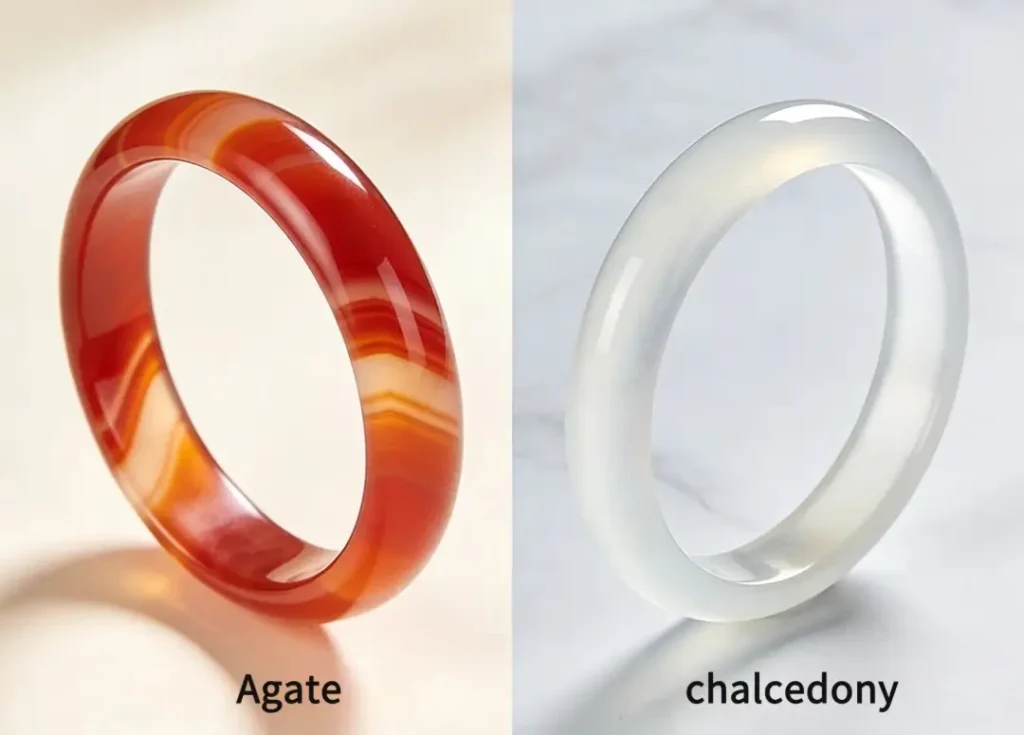
To put it in layman’s terms: If it has stripes or patterns, it’s an agate; if it’s solid and uniform, it’s chalcedony. Beyond that simple rule, agates are further classified into dozens of varieties based on their unique colors, banding styles, and internal inclusions.
Nanhong Agate: The King of Red Gems
Among all Chinese Red Agate Varieties, Nanhong stands in a league of its own for prestige and value. Often referred to in ancient texts as “Chi Qiong” (Crimson Jade), Nanhong has been a symbol of status for centuries, prized more like a fine jade than a common silica mineral.
Nanhong is celebrated for its vivid, saturated red tones. However, not all Nanhong is created equal. Collectors categorize the stone into several distinct sub-varieties based on subtle nuances in hue and pattern:
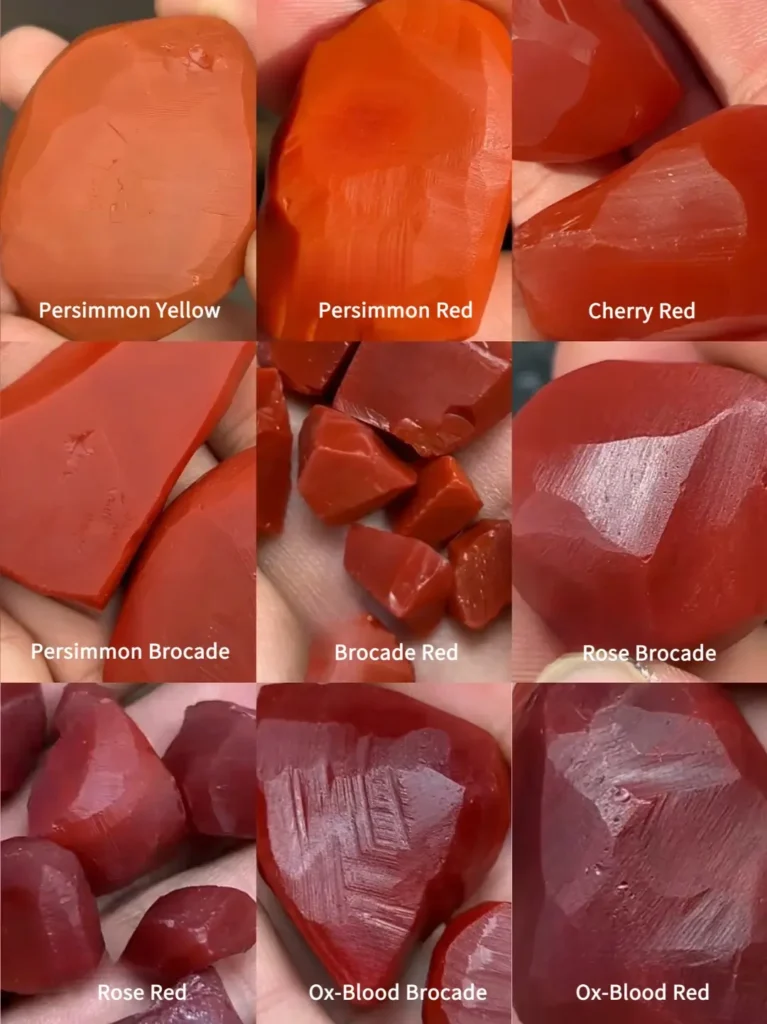
- Flame & Ice-Floating Patterns: Unique formations where ribbons of red dance through the stone or “float” in a clear, icy matrix.
- Brocade Red (Jin Hong): The most coveted, dense, and opaque red.
- Persimmon Red: A warm, classic orange-red.
- Rose & Cherry Red: Varieties that offer deeper crimson or bright, translucent pops of color.
The Great Origin Debate: Three Key Regions
While Nanhong is found in several locations, three specific regions define the market: Baoshan (Yunnan), Liangshan (Sichuan), and Diebu (Gansu).
1. Baoshan, Yunnan: The Legendary “Dian Nanhong”
Baoshan is the historic heart of Nanhong. Historically known as “Dian Nanhong,” the original material from this region set the gold standard: pure, vivid, and uniform red with a delicate, waxy texture. However, Baoshan material is notoriously fragile, often riddled with natural fissures (cracks).
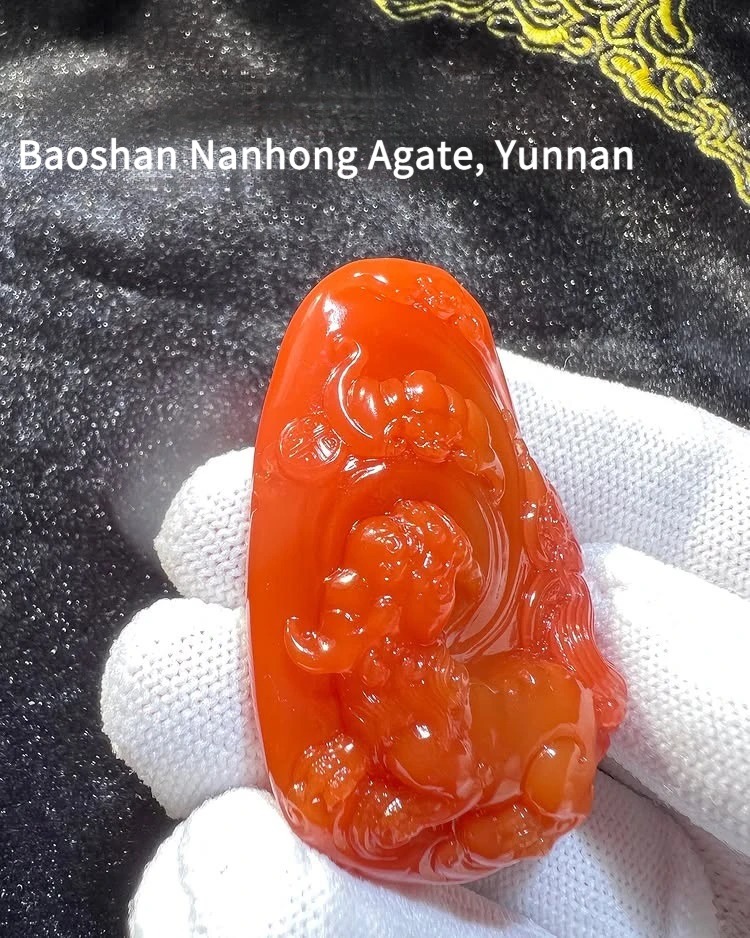
By the reign of Emperor Qianlong (18th century), the Baoshan mines were virtually exhausted. While new veins have since been discovered, the modern yield often lacks the richness of the antique stones, appearing paler and more fractured. Today, “Old Mine” quality Baoshan Nanhong is exceptionally rare—a true “holy grail” for collectors.
2. Liangshan, Sichuan: The Modern Market Leader
As the quality and supply of Baoshan material declined, Liangshan Nanhong stepped in to fill the void. This region revitalized the market, offering high-quality stones at a slightly more accessible price point.
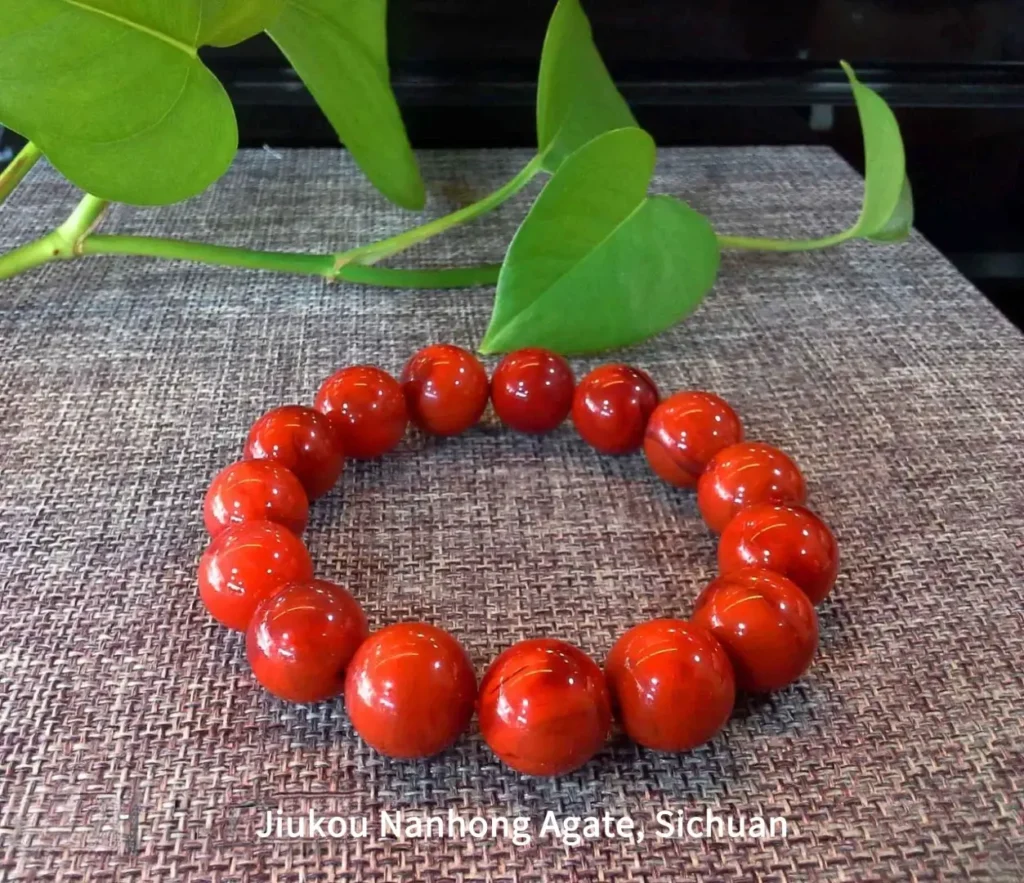
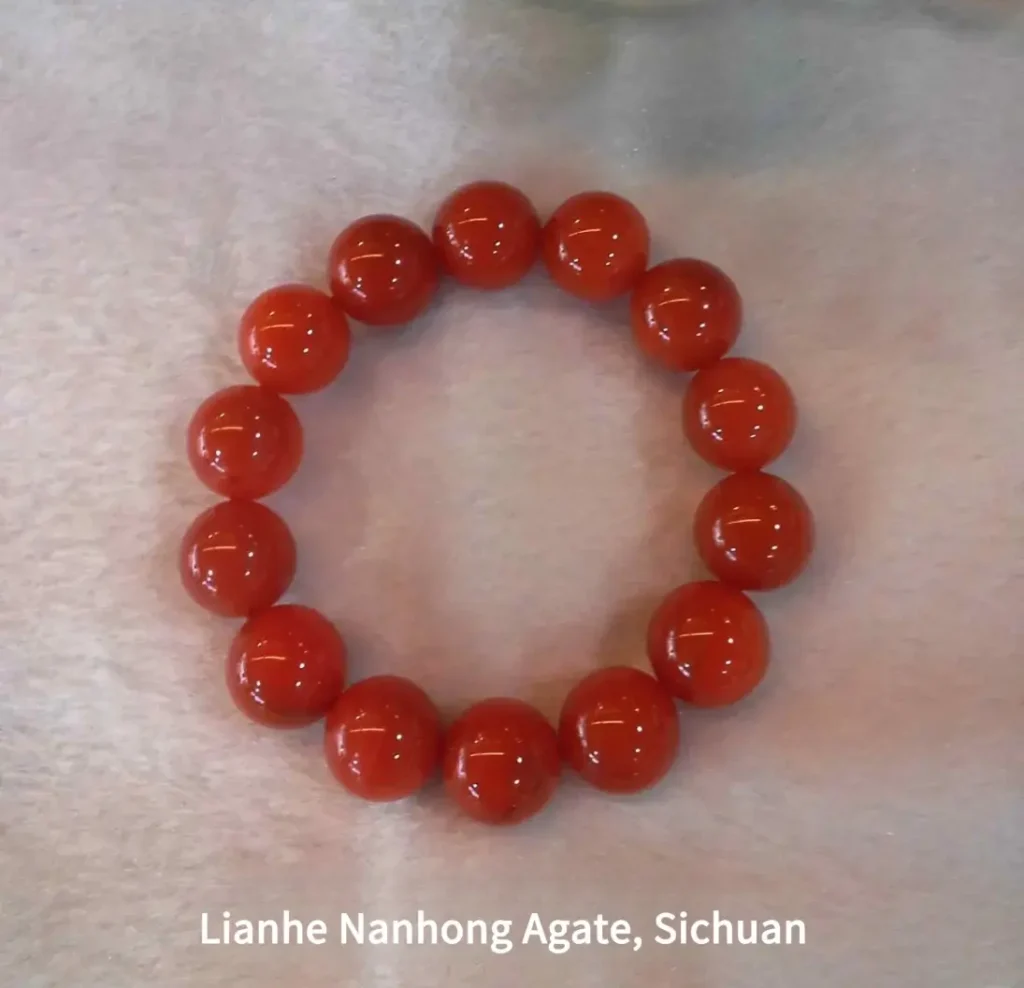
Liangshan material is further divided by specific mine sites: Jiukou, Waixi, and Lianhe.
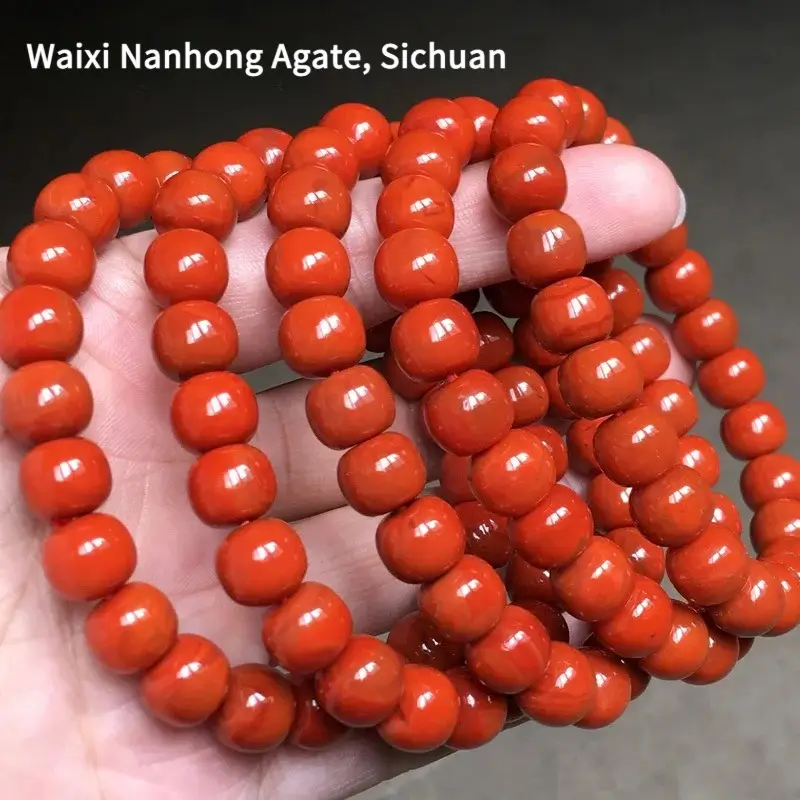
- Jiukou & Waixi: Known for producing robust Persimmon, Rose, and Flame patterns.
- Lianhe: Primarily yields the translucent, bright Cherry Red variety.
3. Diebu, Gansu: The Rare “Gannan Red”
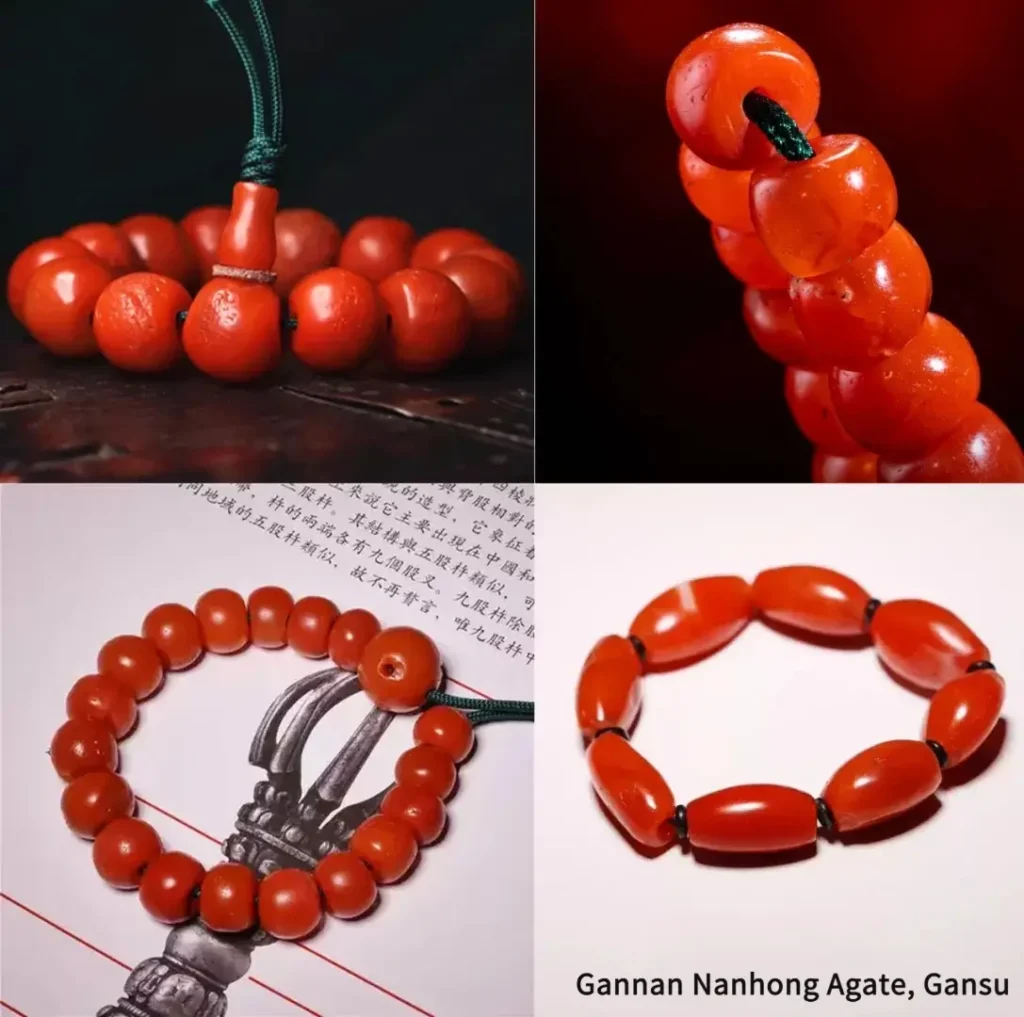
Gansu Diebu produces what locals call “Gannan Red.” It features a narrow, pure color range—typically vibrant orange-reds or deep crimsons. You’ll rarely find Gannan Red on the open market today; it is most commonly spotted in antique beads and heirloom collections.
The Market Today: Quality Over Origin
As demand for Nanhong skyrockets, the industry faces a challenging reality: high-grade raw material is becoming increasingly scarce across all regions.
As a result, we see a shift in how collectors approach Chinese Red Agate Varieties. Instead of blindly chasing a specific “famous” origin, savvy buyers are now prioritizing the intrinsic quality of the stone—focusing on color saturation, oiliness, and the absence of cracks.
Want to dive deeper into authenticity and grading? Check out our full guide: Southern Red Agate: The Complete Guide to Color, Quality, and Identification.
Zhan-Guo Red Agate: A Regal “New Classic”
Following in the footsteps of Nanhong, the latest sensation to sweep the Chinese agate market is Zhan-Guo Red (Warring States Red). Technically a high-end banded onyx characterized by vibrant red and yellow ribbons, this material has seen a modern resurgence following major discoveries in Beipiao (Liaoning) and Xuanhua (Hebei).
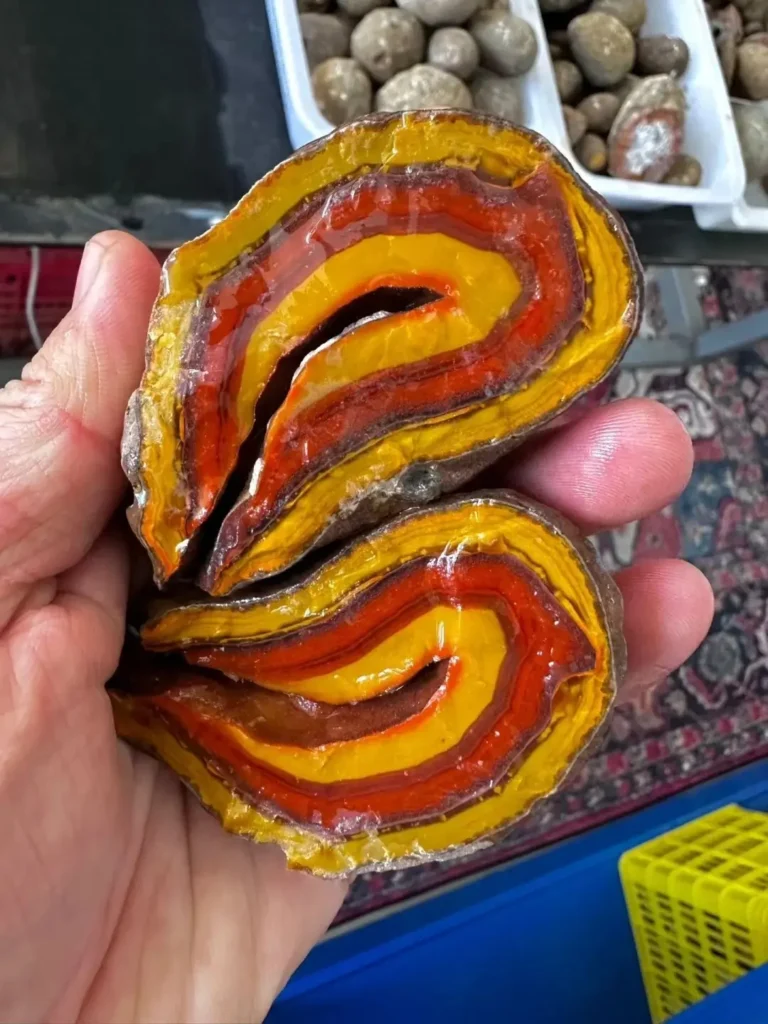
Despite the historical name, “Zhan-Guo Red” doesn’t actually date back to the Warring States period (475–221 BC). Instead, it earned this moniker because its waxy texture, saturated colors, and dramatic “silk” banding almost perfectly mirror the rare red-banded onyx artifacts unearthed from ancient royal tombs.
The Hierarchy of Color: Yellow as the Sovereign
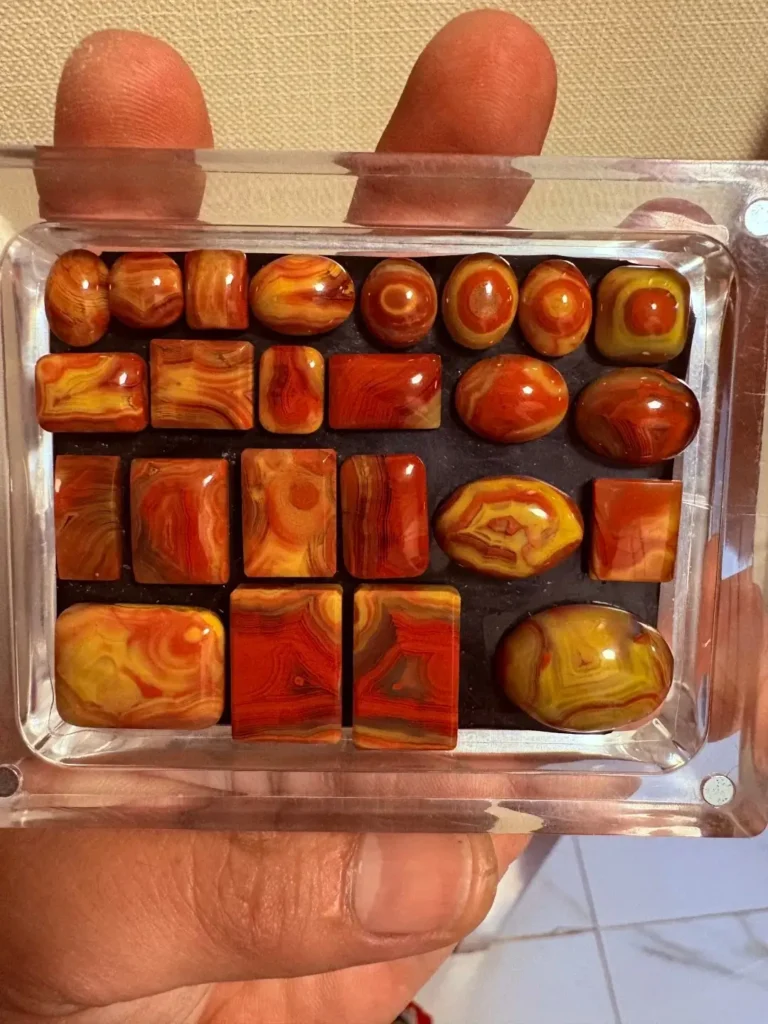
Interestingly, while the name emphasizes “Red,” the most prized specimens are defined by their yellow hues. In the traditional grading of Zhan-Guo Red, a strict color hierarchy exists: Yellow is the Sovereign (Supreme), and Red is the Noble. A top-tier stone must display “The Harmony of King and Minister”—a poetic way of saying the red and yellow bands should be vivid and numerous, yet remain perfectly distinct without muddying together. Beyond color, the ethereal, fluid patterns of the banding are what ultimately drive the market value.
Origin Showdown: Beipiao vs. Xuanhua
While both regions produce exceptional stones, they offer very different characteristics for collectors and lapidaries.
Beipiao, Liaoning: The Heritage Source
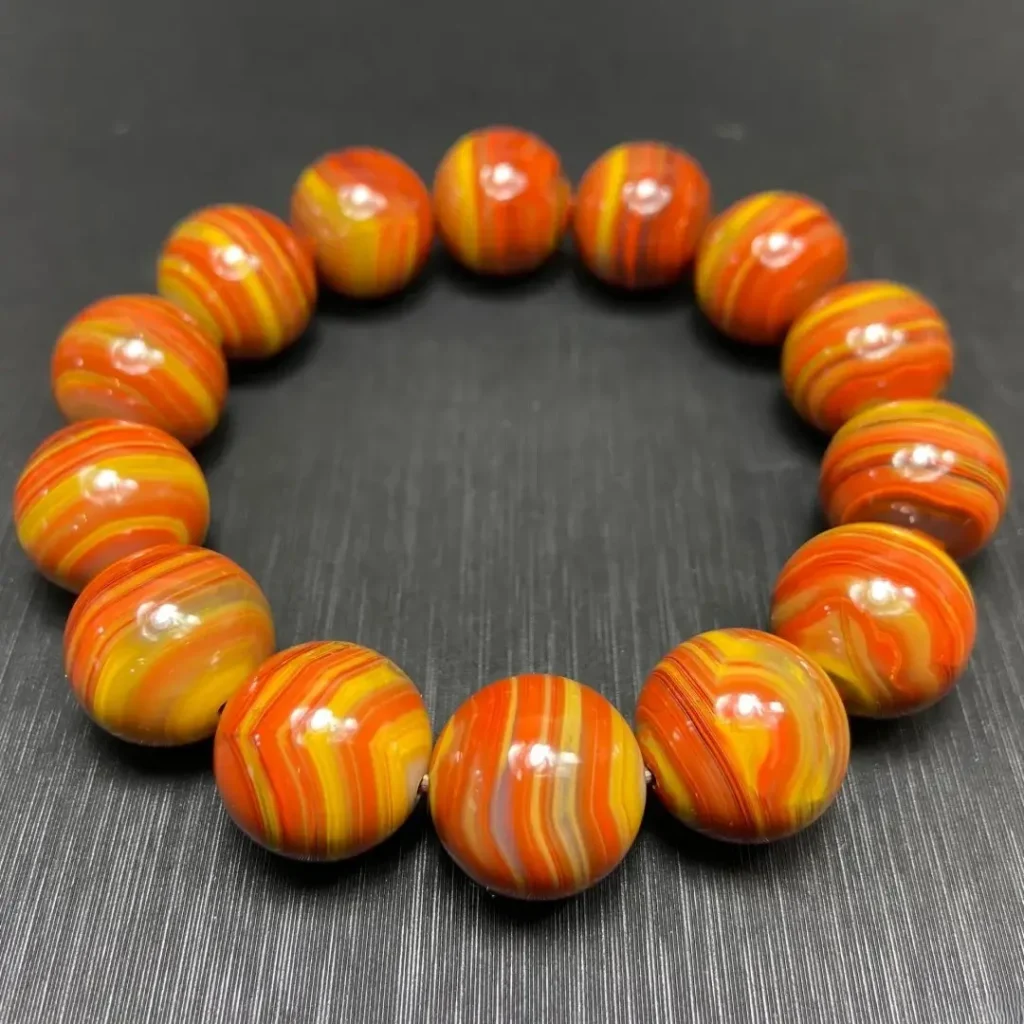
Beipiao is the most famous and earliest discovered source of modern Zhan-Guo Red. It is widely praised for its vivid colors and moist, jade-like luster. However, “Beipiao material” has its challenges. The raw stones often occur as large bands embedded in a tough host rock (matrix), and they are notoriously prone to natural fissures. This leads to a lower yield of flawless finished pieces. Furthermore, as mines have aged, the supply of high-saturation, “oily” material has become increasingly scarce.
Xuanhua, Hebei: The New Contender
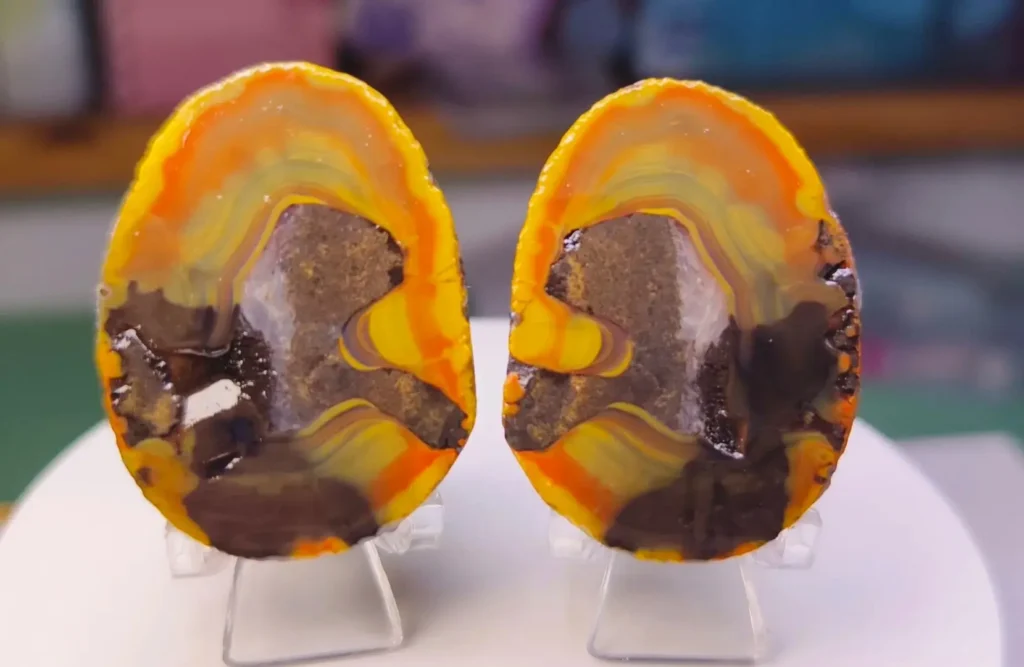
Discovery in Xuanhua came later, but it quickly established itself as a top-tier origin. Known for a rich palette of red, yellow, and occasionally black, Xuanhua material was once considered a “substitute” for Beipiao but has since earned its own respect. Unlike the banded veins of Beipiao, Xuanhua agate typically forms in nodules or “geode-like” spheres with thin skins. These stones are generally more structurally sound with fewer cracks, allowing for a higher degree of integrity in larger carvings.
The Market Today: A Shift Toward Quality
Zhan-Guo Red played a massive role in the recent “cultural collectibles” (Wenwan) boom in China, at one point rivaling Nanhong in price and popularity. As that initial hype has cooled, the market has matured. Collectors have become more rational, focusing on intrinsic beauty rather than speculative value.
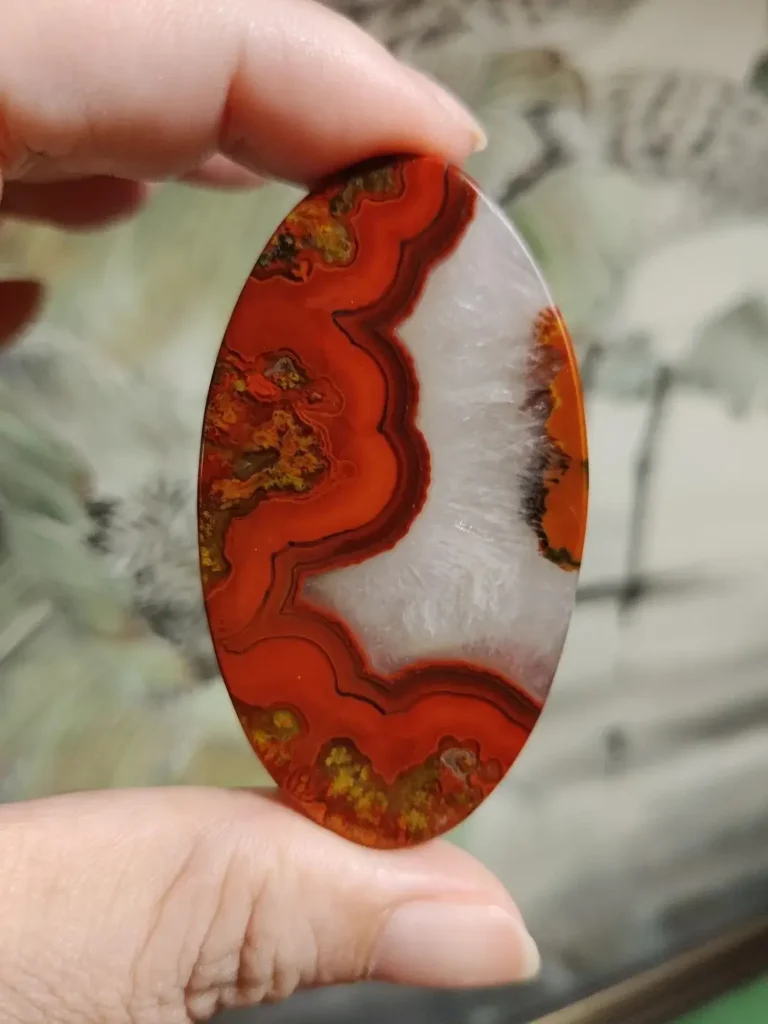
While common, mass-produced Zhan-Guo Red is now quite affordable, top-tier “Masterpiece” grades remain incredibly expensive and hard to find. If you are looking to acquire a piece, don’t just look at the price tag. Evaluate the stone based on seven key pillars: color saturation, pattern fluidity, texture (oiliness), presence of fissures, size, artistic design, and the quality of the final polish.
Beihong Agate: The Translucent Crimson of the Far North
Most enthusiasts are familiar with the waxy, opaque beauty of the south, but few have discovered the “ice-like” allure of Beihong (Northern Red). Geologically, Beihong is a semi-transparent to transparent cryptocrystalline quartz. Its palette leans toward deep crimsons and brownish-reds, often kissed with warm amber or honey-yellow undertones.
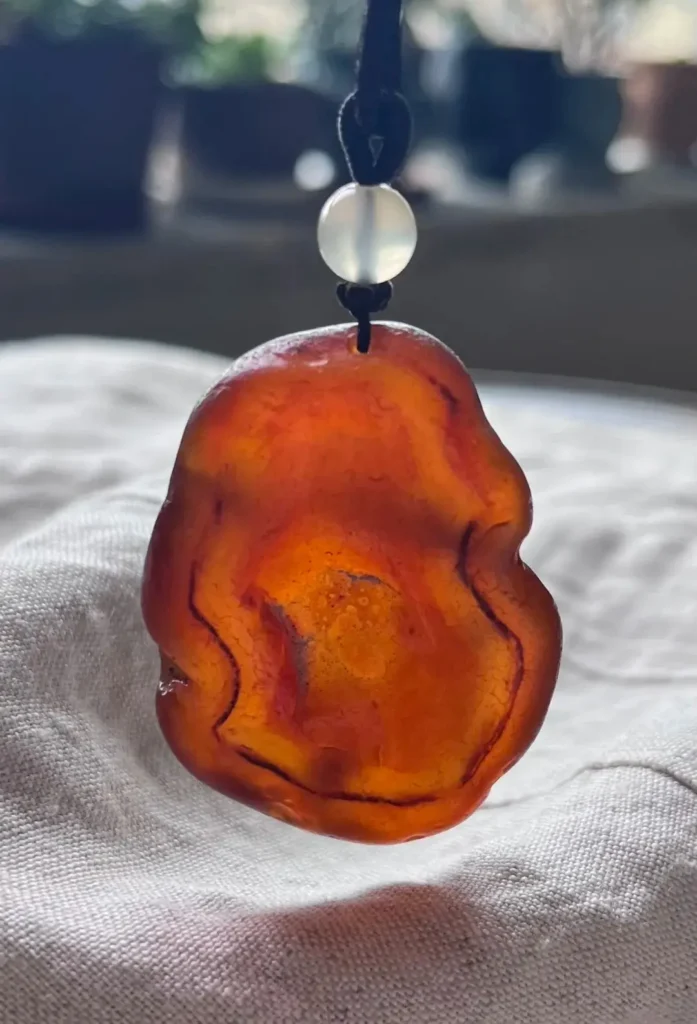
This hardy gemstone hails from the Heilongjiang province, specifically the river basins of the Amur (Heihe), Tangwang, and Nenjiang, stretching across the majestic Greater and Lesser Khingan Mountains.
Xunke Agate: The Gold Standard for Beihong
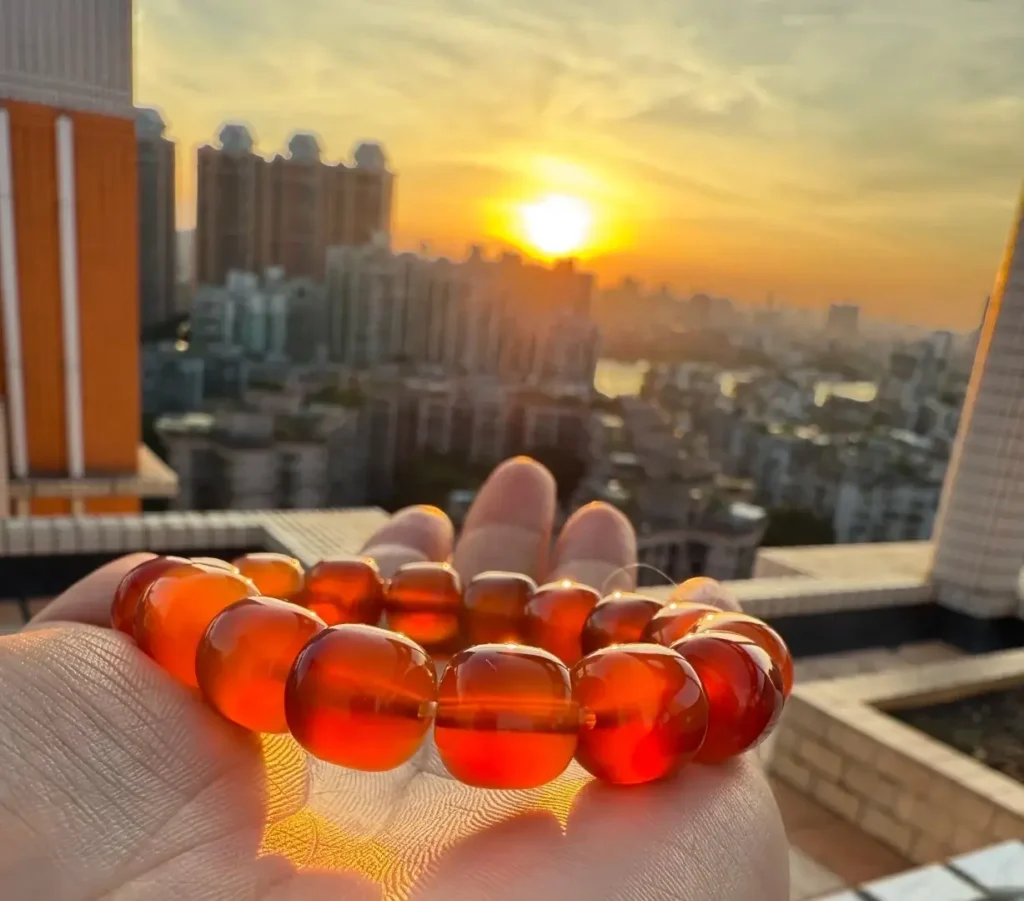
In the agate trade, there is a definitive gold standard: “Xunke Agate is the soul of Beihong.” Xunke County stands as one of China’s premier agate hubs, with its most legendary material coming from Baoshan Township. (A quick word of caution for collectors: don’t confuse this with the Baoshan in Yunnan known for Nanhong! They share a name but offer entirely different geological wonders.)
Why is Xunke Agate so coveted?
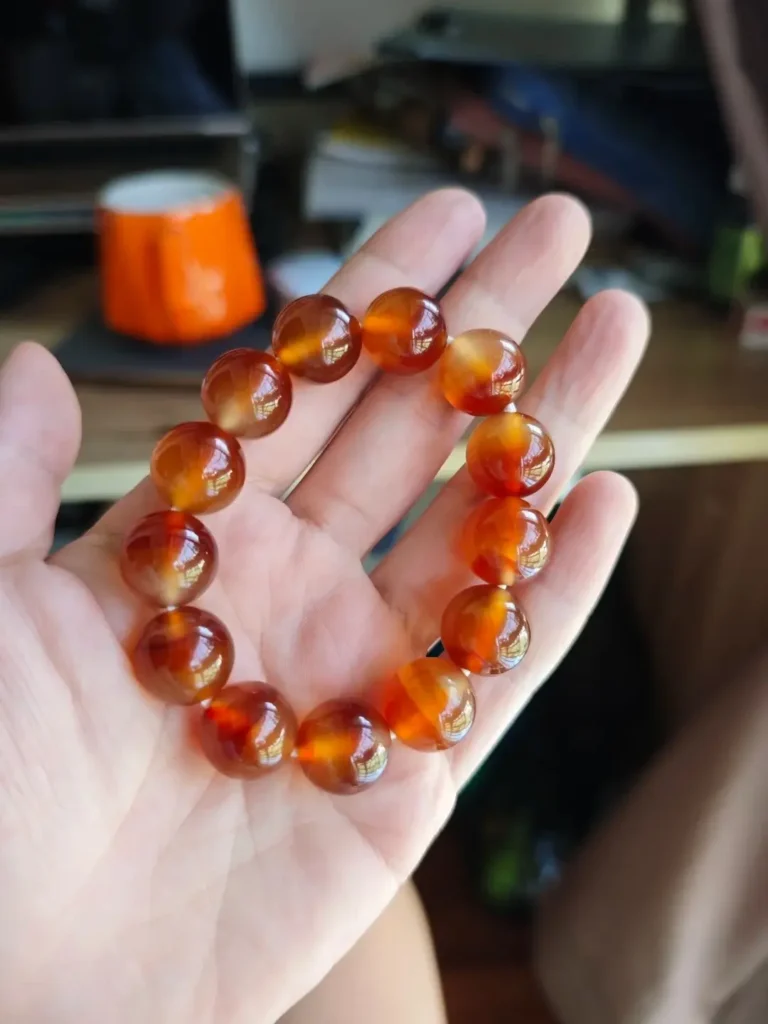
- Vivid Palette: It produces striking shades of bright scarlet, deep wine-red, and burnt orange.
- Structural Integrity: Unlike the often-fractured stones of the south, Xunke material comes in large, solid blocks with exceptional hardness and high purity.
- The “Luster” Factor: Once carved and polished, Xunke agate feels remarkably smooth and “jewel-like.” Its high transparency and brilliant luster have earned it a global reputation, summarized by the industry’s ultimate praise: “The world looks to China for agate, and China looks to Xunke.”
A Note from Jewea
Agate exists as a universe of its own. Its endless diversity defines it. Today, we explored three iconic Chinese red agate varieties. Yet, these represent only a fraction of the beauty awaiting discovery.
At Jewea, we passionately bring these hidden gems to light. We help you find the perfect piece. Let us find the stone that resonates with your unique style and story.