Luxury Without the Price Tag: 3 Stunning Sapphire Alternatives for “Sapphire Freedom”
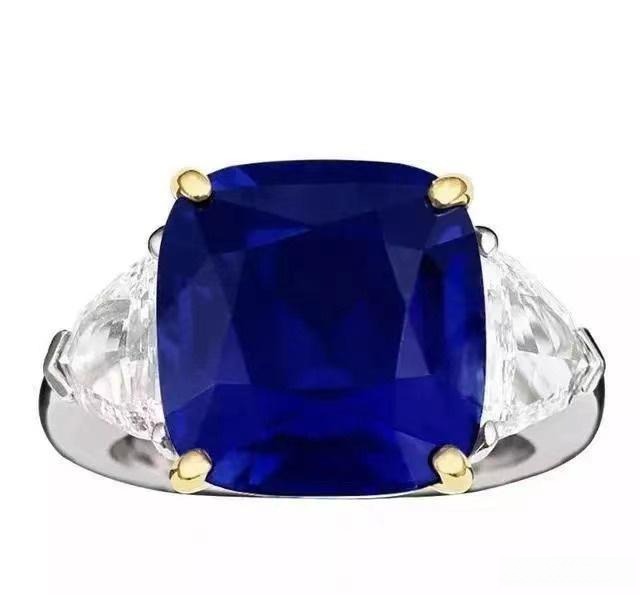
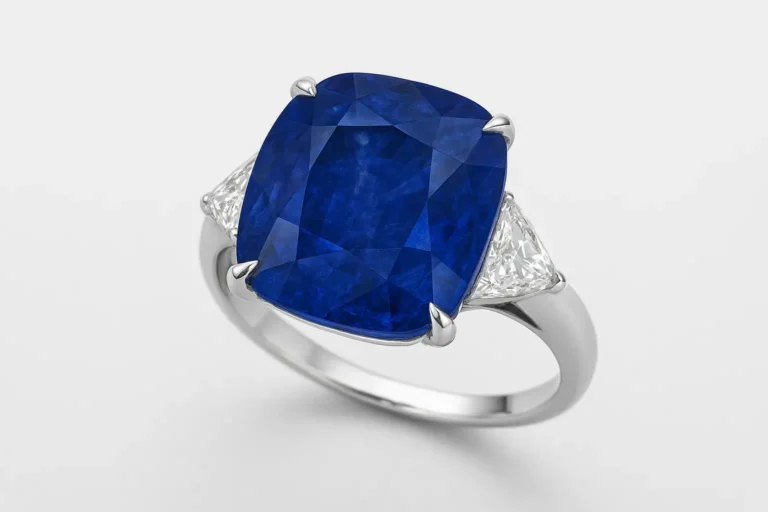
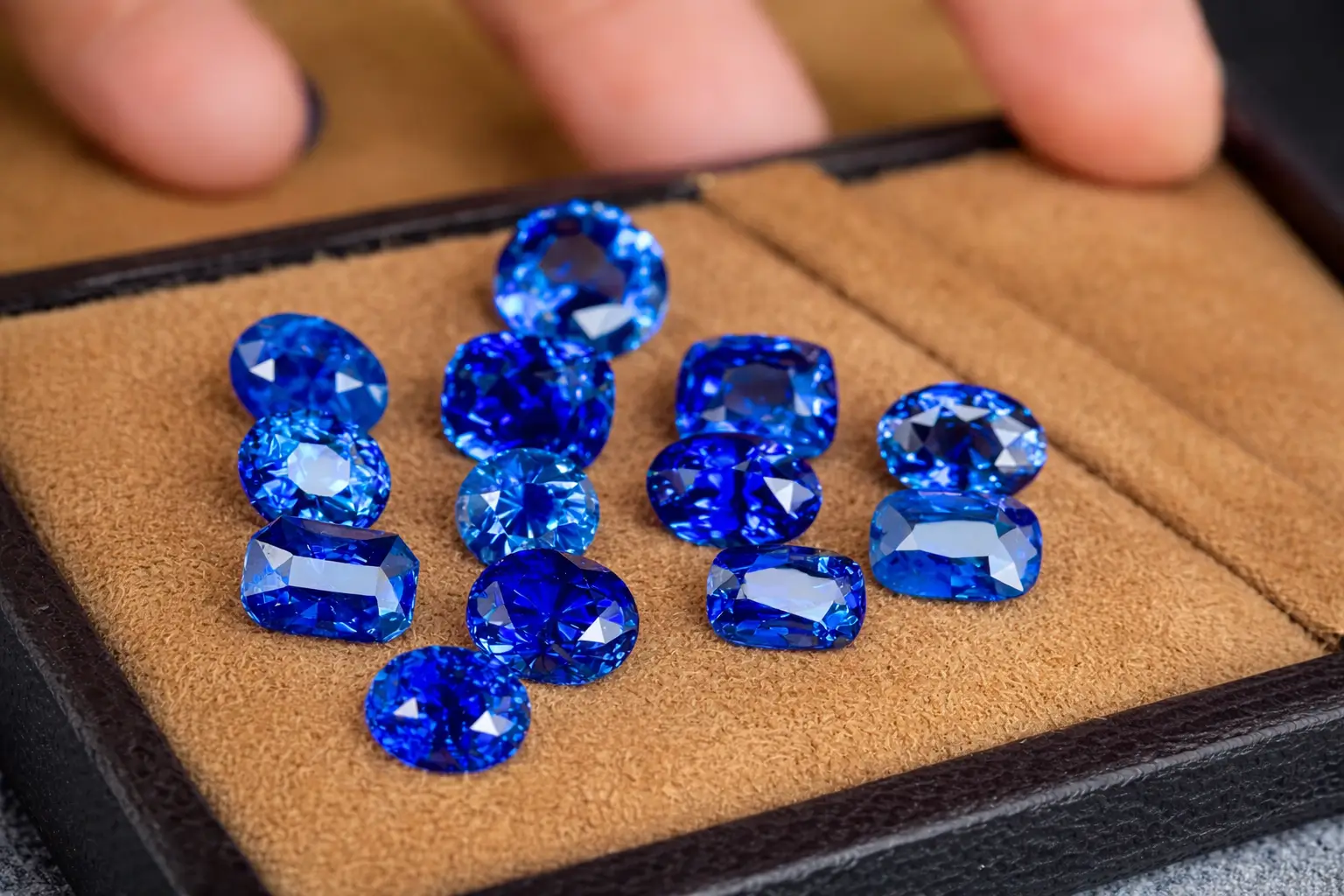
Deep, regal, and timeless—everyone loves the look of a fine blue sapphire, but few love the price tag. If you’re seeking a sapphire alternative that captures that iconic “royal blue” aesthetic without the heavy investment, you’ve likely come across Kyanite.
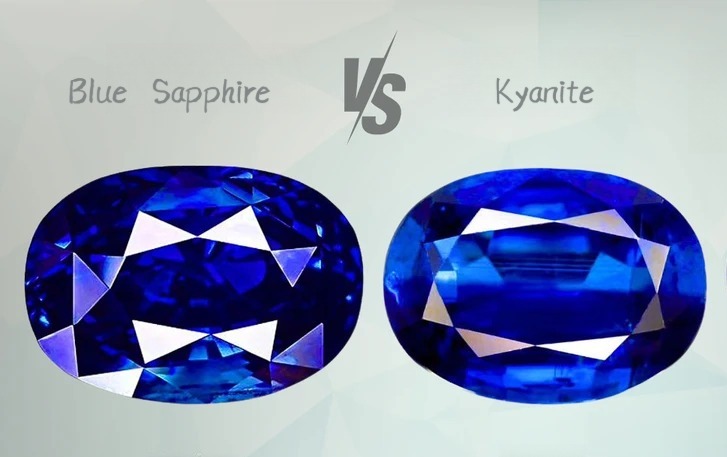
In our previous post, [Kyanite Gemstone Guide: A Blue Sapphire Alternative with Unusual Hardness Anisotropy], we explored Kyanite as a visual “dead ringer” for sapphire. However, many collectors hesitate to choose it for everyday jewelry due to its tricky directional hardness and fragile nature.
Are there more resilient, high-quality options out there? Absolutely.
Today, we’re diving into three premier sapphire alternatives: Iolite, Tanzanite, and the elusive Sapphirine. From “watery” charm to high-end prestige, let’s find the perfect shade of blue for your collection.
Iolite: Is This Sapphire Alternative a Little Too “Watery”?
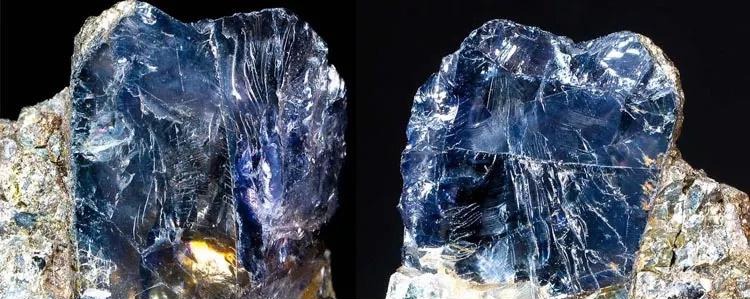
In our previous feature, [The Fabled “Viking Compass”: Discovering the Hidden Beauty of Iolite], we explored the unique charm of this storied gemstone. Derived from the Greek word for “violet,” Iolite is prized in the jewelry world for its stunning blue and purple hues. Because its color so closely mimics that of a fine sapphire, it has long earned the nickname “Water Sapphire.”
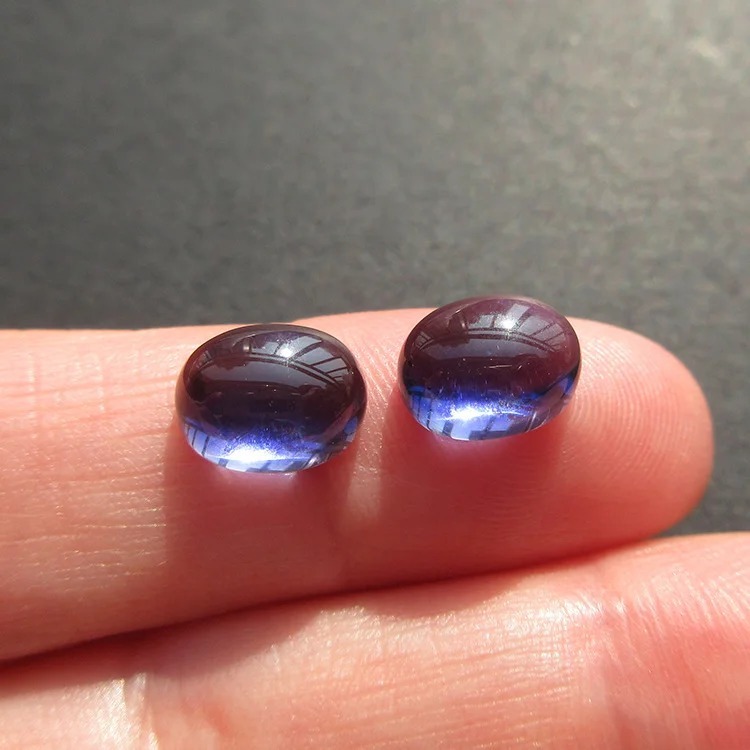
However, as the name suggests, there is a “watery” quality to its beauty that acts as both a signature and a limitation. Even top-tier Iolite lacks the intense saturation and pure color density of a premium sapphire. To the naked eye, the hue often feels slightly diluted—as if looking at a sapphire’s color through a splash of water.
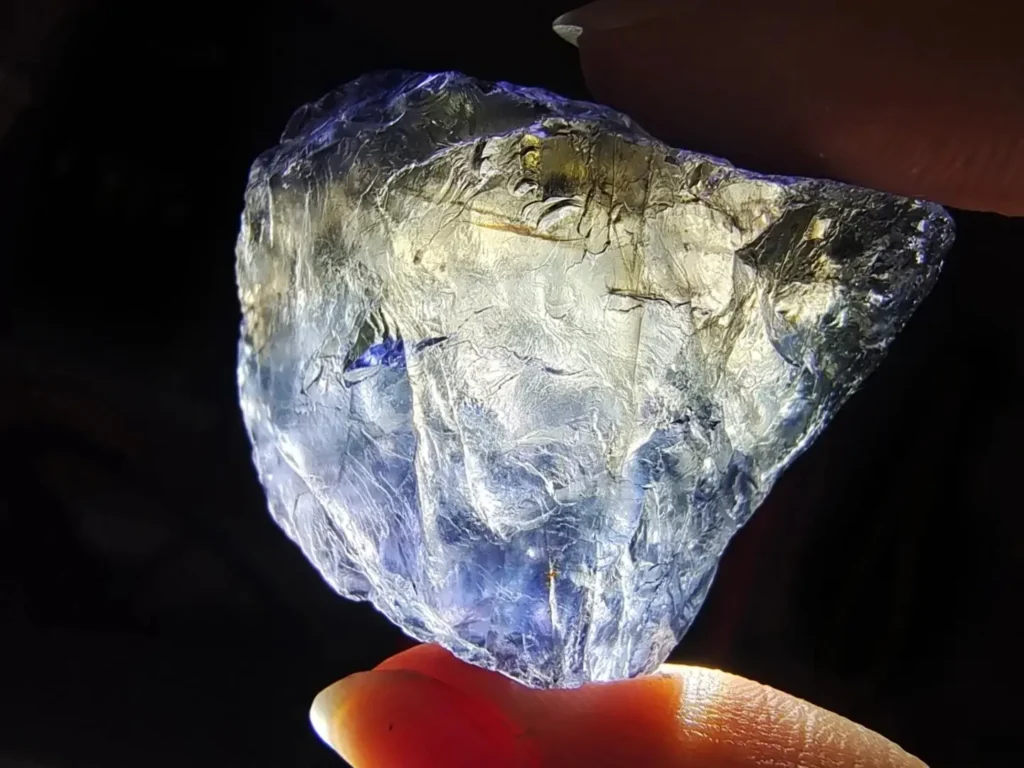
Beyond color, Iolite possesses a “personality” all its own. It is famously pleochroic, meaning it displays a striking shift between yellow, violet, and blue depending on the viewing angle. Furthermore, unlike sapphires—which almost universally undergo [heat treatment]—Iolite is rarely enhanced. When you buy Iolite, you are almost always getting a gemstone in its raw, natural state.
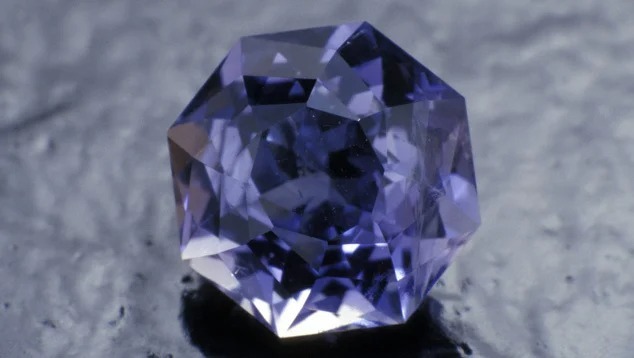
From a technical standpoint, Iolite’s luster is more understated. With a refractive index of 1.54–1.55, it sits closer to quartz than sapphire. This means it lacks the “fire” and heavy light reflection of its more expensive counterpart. With a Mohs hardness of 7–7.5 and a specific gravity of 2.60, these physical markers provide clear scientific evidence for distinguishing it from sapphire.
Rare Finds and World-Class Specimens
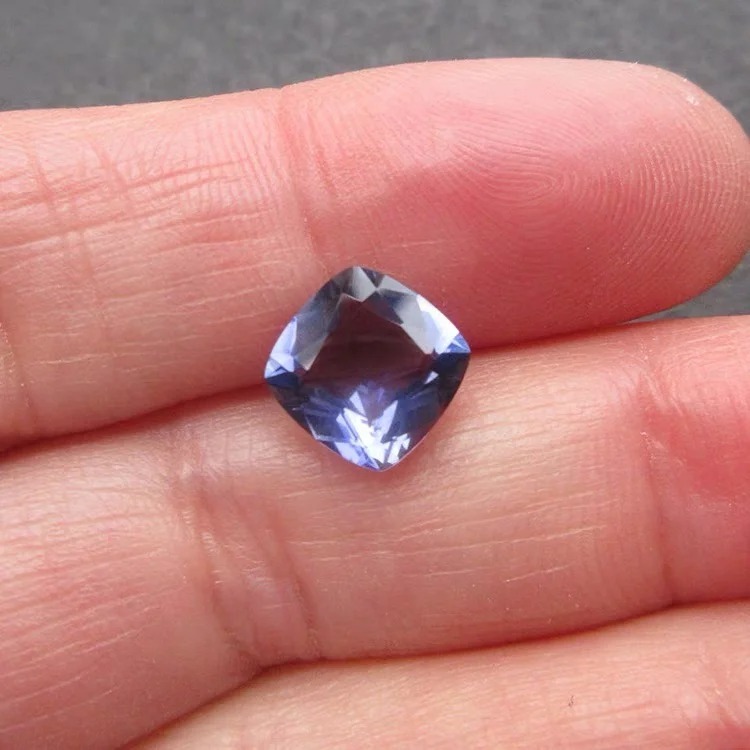
In terms of size, high-quality Iolite is typically “small but mighty.” While specimens exceeding 5 carats are considered genuine rarities in the commercial market, nature has produced a few breathtaking exceptions held in world-renowned collections:
- The British Museum of Natural History: Houses a massive, record-breaking 885ct cabochon-cut Iolite.
- The Smithsonian Institution: Protects two indigo-blue masterpieces sourced from [Sri Lanka], weighing 15.6ct and 10.2ct respectively.
These extraordinary stones prove that while Iolite may serve as an affordable alternative, its “ceiling” for beauty and rarity is remarkably high.
Tanzanite: The Most Prestigious Sapphire Alternative
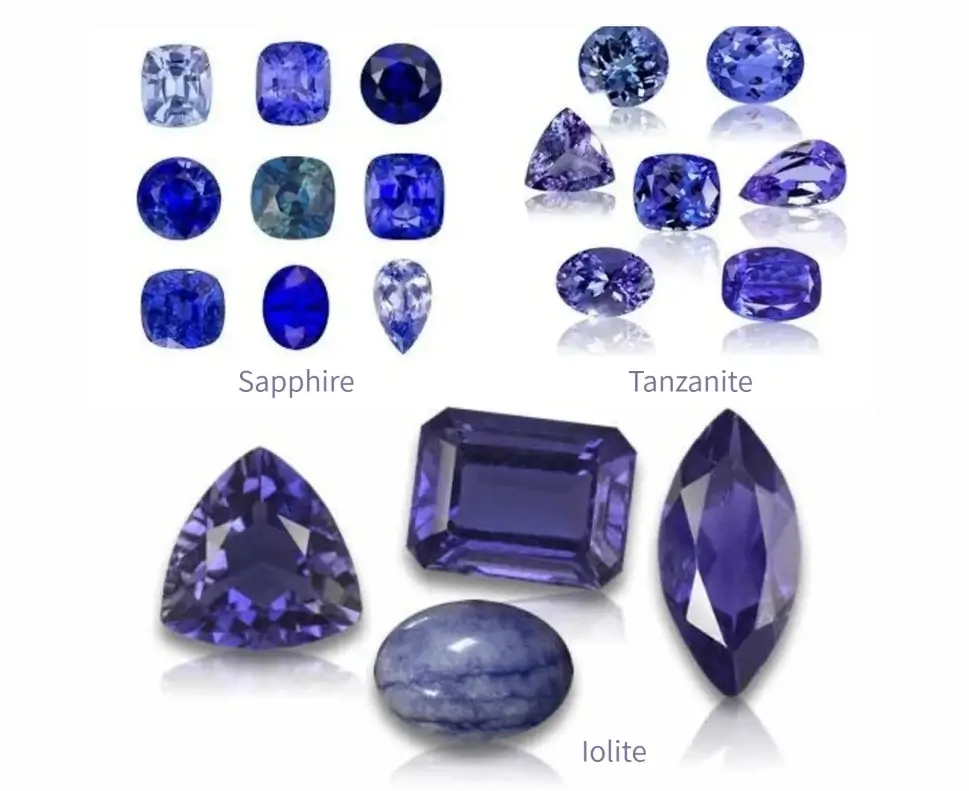
In our previous feature, [Tanzanite Gemstone: Why This Rare Blue Treasure is More Than a Sapphire Alternative], we noted that upon its initial discovery, gemologists actually mistook Tanzanite for Iolite. Indeed, Sapphire, Tanzanite, and Iolite are the industry’s most famous “look-alikes,” often sharing the same stage but possessing distinct souls.
Tanzanite’s true breakthrough into global stardom came via the silver screen. In the movie Titanic, the “Heart of the Ocean” was scripted as a blue diamond. However, the actual prop used was a Tanzanite. This high-profile “on-screen substitute” catapulted the stone to overnight fame.
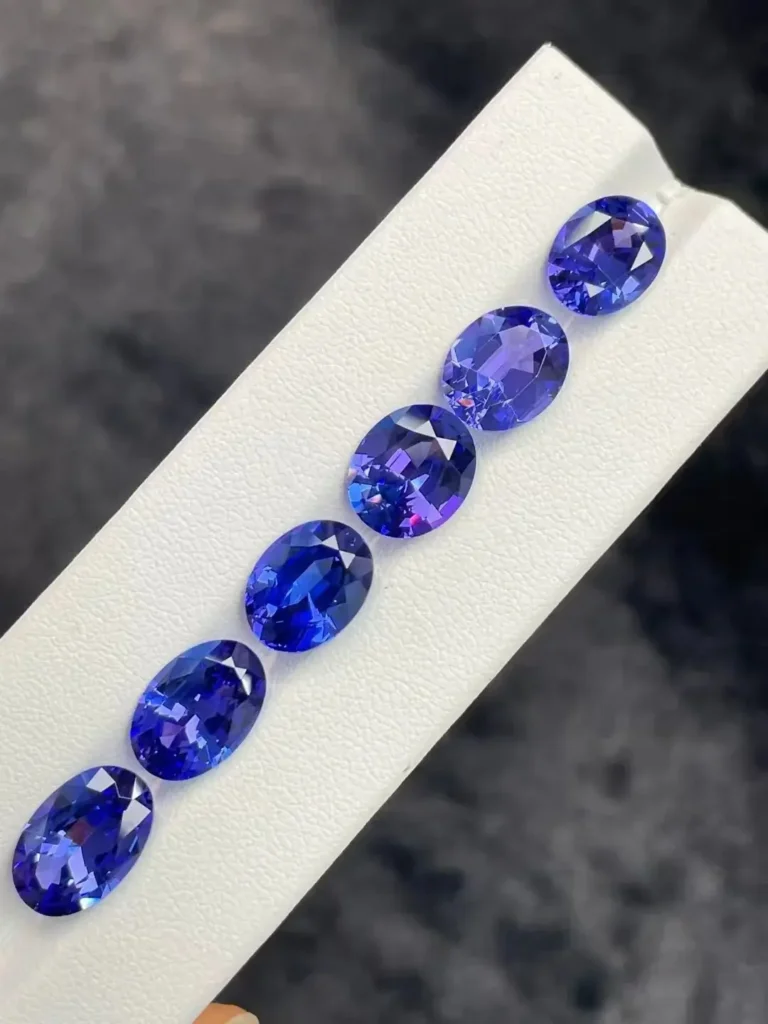
Today, the finest Tanzanites exhibit a deep, velvety violet-blue known as “Midnight Blue.” This striking hue cements its status as the most luxurious sapphire alternative.
Distinguishing the Blue: Tanzanite vs. Sapphire
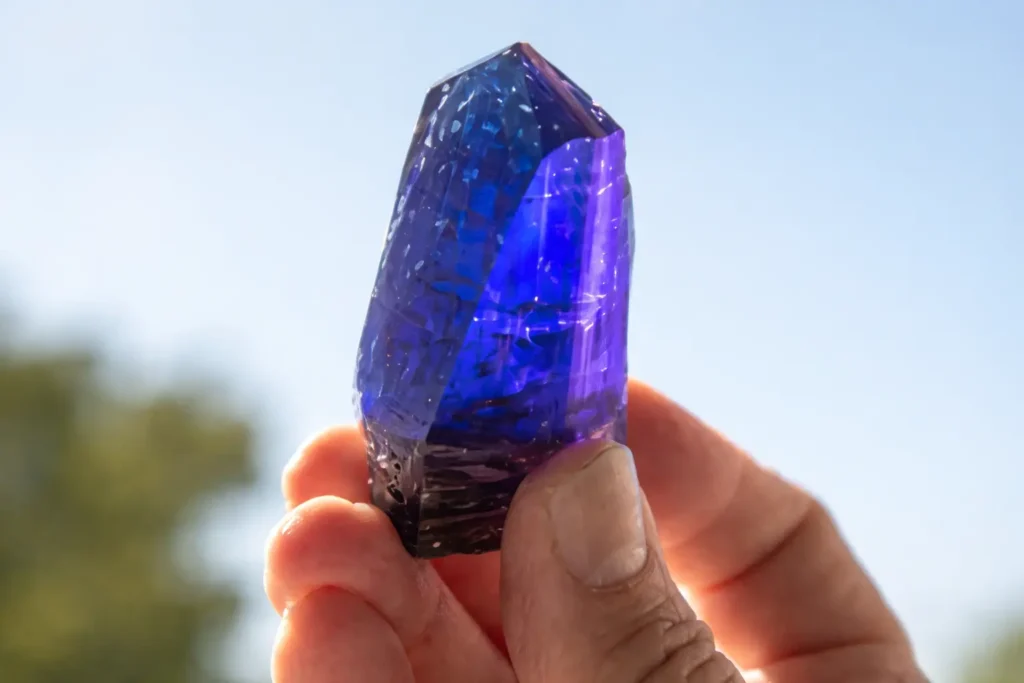
While Tanzanite’s deep purple-blue tones may mimic the prestigious “Cornflower” sapphire, there are fundamental differences in how these stones communicate color:
- The Tanzanite Glow: Natural Tanzanite is famously trichroic. Even in top-tier “Midnight Blue” specimens, a discerning eye will detect a distinct violet undertone. This leaning toward purple lends the stone an alluring, mysterious charm that is uniquely its own.
- “Cornflower” Sapphire: This stone pursues a pure, rich, “true blue” with only a faint hint of violet. Inspired by the German national flower, premium Cornflower sapphires are prized for their soft, velvety texture that diffuses light unlike any other gem.
- “Royal Blue” Sapphire: Standing in sharp contrast to Tanzanite’s violet leanings, Royal Blue is the pinnacle of unbiased, vivid blue. It is a deep, majestic “true” blue that avoids purple or secondary color shifts entirely.
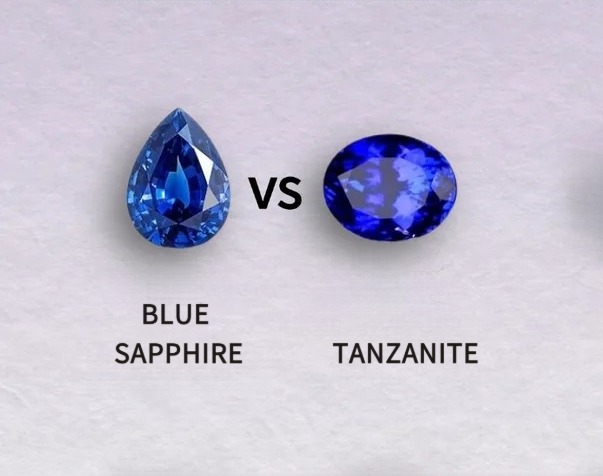
These subtle nuances in color and light are the keys to distinguishing Tanzanite from high-end sapphires. By mastering these differences, collectors can appreciate Tanzanite not just as a tribute to a classic, but as a masterpiece that commands its own unique value and prestige in the gemstone market.
Sapphirine: The Rare, “Hidden” Sapphire Alternative
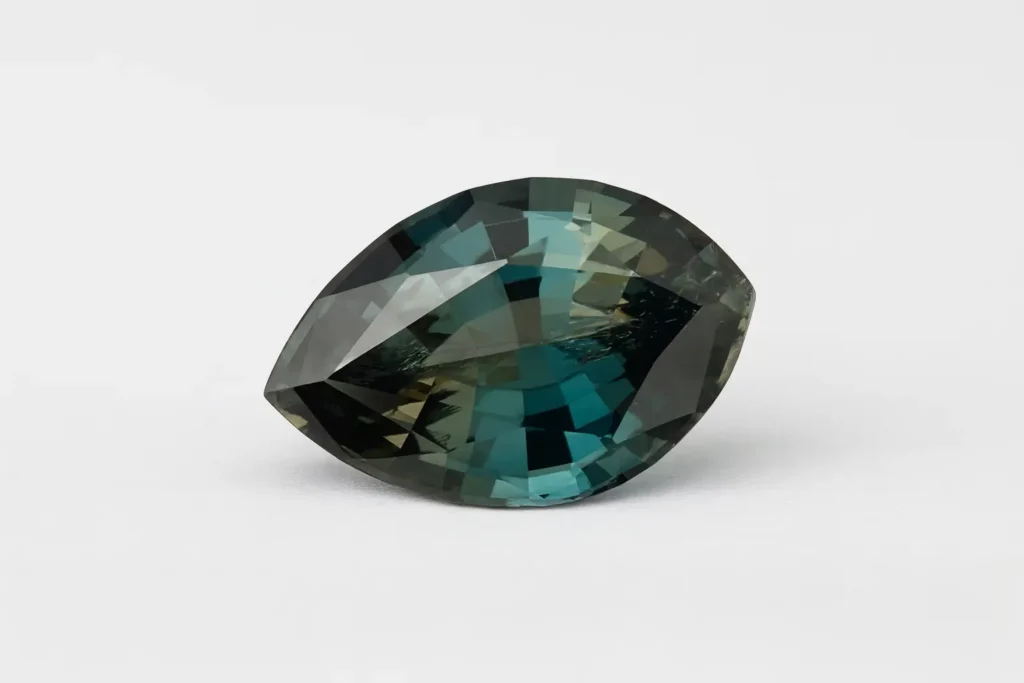
In our feature, [Sapphirine Gemstone: The Rare “Fake Sapphire” Explained], we took a deep dive into the world of Sapphirine. Because its name sounds so similar to “Sapphire,” it is often literally—and somewhat unfairly—translated as “Fake Sapphire.”However, far from being a synthetic imitation, Sapphirine is an exceptionally rare, natural gemstone-quality mineral.
A Case of Mistaken Identity
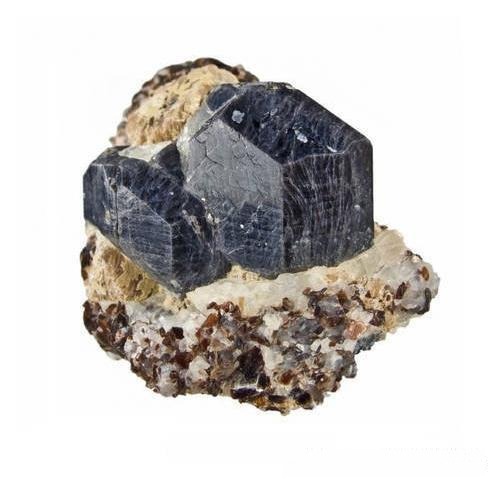
First discovered in Sri Lanka, this magnesium aluminum silicate often forms alongside corundum (sapphire), spinel, and iolite. Early gemologists frequently mistook the stone for sapphire for two primary reasons:
- Deceptive Coloration: Sapphirine typically exhibits various shades of deep blue-green. While its body color is often dark blue, it frequently carries a heavy gray undertone, giving it a moody, somber aesthetic. This visual profile is remarkably similar to the dark, inky-blue sapphires famously mined in Changle, Shandong Province.
- Overlapping Physical Traits: Among niche gemstones, Sapphirine boasts impressive technical specs. With a Mohs hardness of 7.5, a refractive index of 1.701–1.718, and a specific gravity of 3.51–3.56, its heft and optical performance closely mimic those of a true sapphire, making it easy for the untrained eye to confuse the two.
A Mineralogical Outlier
Despite these similarities, Sapphirine stands as a different beast entirely. While sapphires fall under the oxide category, Sapphirine belongs to the silicate family. Interestingly, despite its “fake” moniker, the trade rarely uses it to impersonate sapphire.
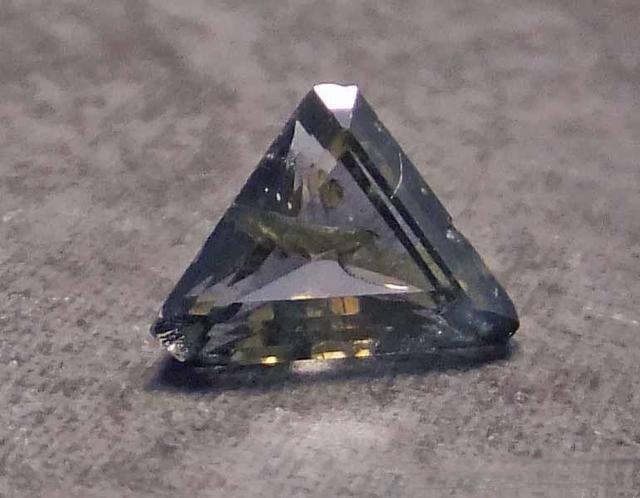
This lack of deception stems largely from the stone’s unique rarity and clarity issues. High-quality Sapphirine is notoriously included; finding a “clean,” transparent specimen suitable for faceting remains an arduous task. Consequently, these rare gems command premium prices and reside almost exclusively in the private vaults of serious mineral collectors rather than in the mass market.
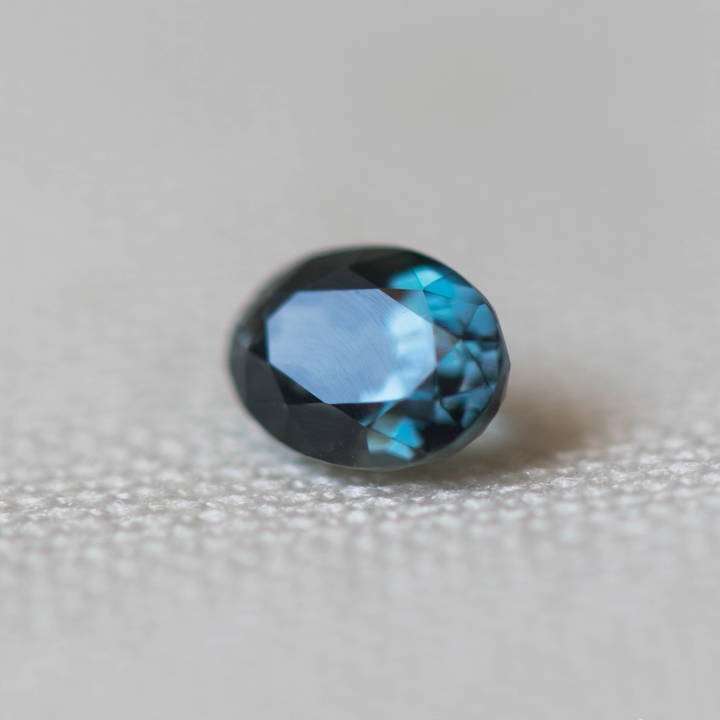
Ultimately, Sapphirine isn’t a “fake”—it is a sophisticated, rare alternative for those who appreciate the deep, mysterious side of the blue gemstone spectrum.
A Final Note from Jewea
Have you long admired the regal beauty of a sapphire? Do you find yourself caught between a dream aesthetic and a realistic budget?
Choosing a stunning “alternative” is a savvy approach to jewelry. However, one universal truth remains. A gemstone’s value stays inextricably linked to its beauty, durability, and rarity.
Every alternative involves a trade-off. You might compromise on color purity or accept an understated luster. These gems offer incredible charm for the joy of daily wear. Yet, for long-term investment potential, the classic blue sapphire remains the undisputed king.
In the gemstone world, you get what you pay for. Choose what you love. That is the finest investment you can make.