Pakistan Gemstones: Swat Emerald, Hunza Ruby, Peridot, and More
Located in northwestern South Asia, Pakistan lies at the intersection of the Himalayan and Hindu Kush mountain ranges, where its diverse geological formations have created favorable conditions for a wide range of natural gemstones.
In recent years, as collectors and gem enthusiasts have shown growing interest in emerging gemstone sources, Pakistani gems such as Swat Emerald, Hunza Ruby, Peridot, Tourmaline, Jasper, Aquamarine, and Topaz have gradually gained recognition.
These gemstones are valued not only for their distinctive colors but also for their unique geological origins, crystal characteristics, and natural inclusions, which reveal the remarkable conditions under which they formed.
Swat Emerald
When people think of the world’s finest emerald sources, they often mention Colombian Emeralds, which have a mining history of nearly a thousand years, and Zambia’s emeralds, known for their rich green color and consistent supply.
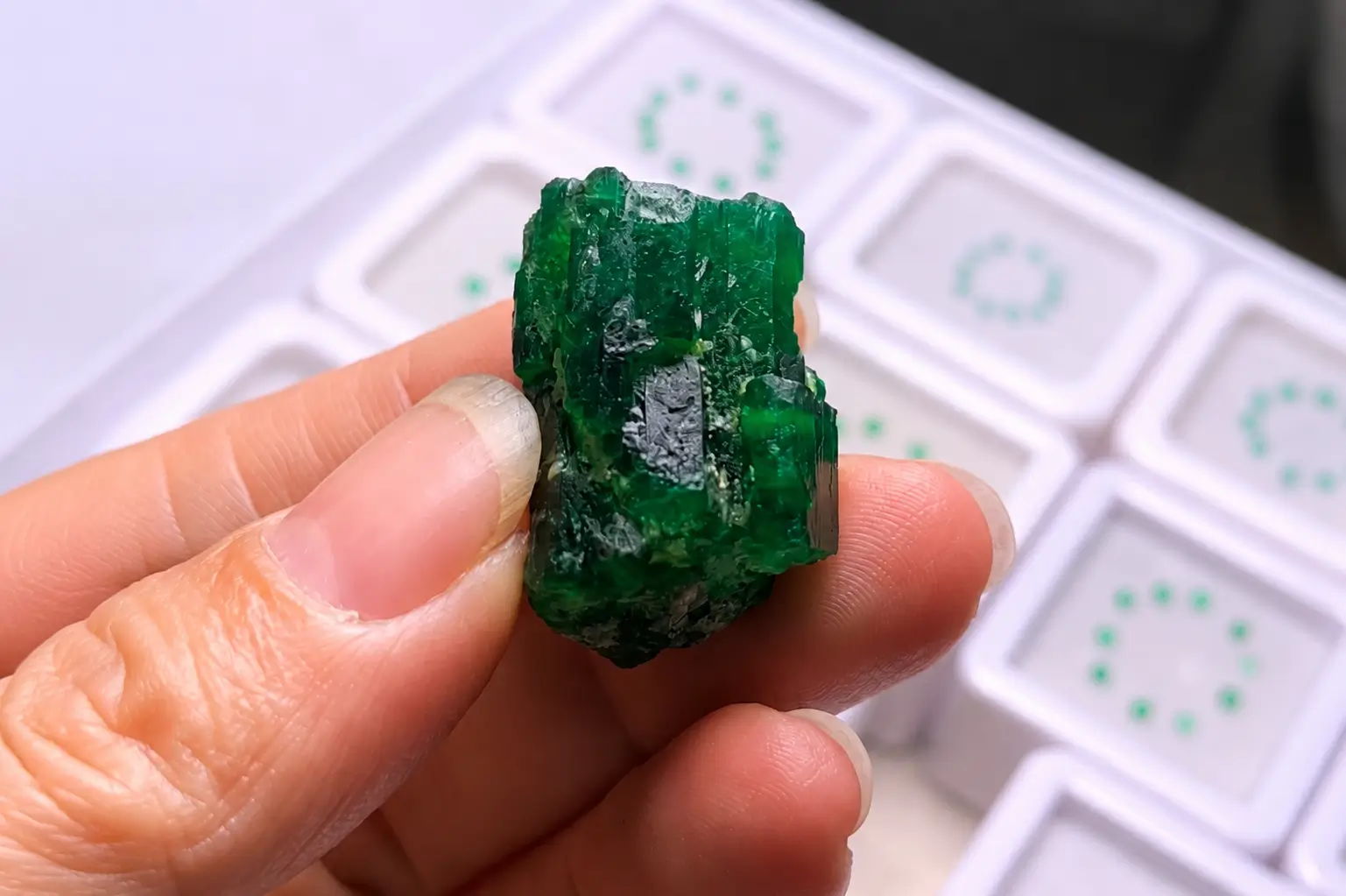
In recent years, collectors and gem enthusiasts have started to pay more attention to Swat Emerald from Pakistan’s Swat Valley. Its vivid green color, high saturation, and distinctive origin have made it one of the notable emerald varieties in the global gemstone community.
Swat Emerald comes from the Swat Valley in northwestern Pakistan, near the southern edge of the Hindu Kush Mountains. The region forms part of the greater Himalayan mountain system, where unique geological conditions created the environment for emerald formation.
Local mining history dates back to ancient times. Traders once carried these emeralds along historic trade routes, allowing them to reach distant regions. However, changes in trade networks and the decline of mining activities caused Swat Emerald to gradually disappear from public attention.
The gemstone returned to the international market in the late 1950s. Since then, Swat Emerald has attracted interest for its intense green hues, distinctive characteristics, and geological significance.
Characteristics of Swat Emerald
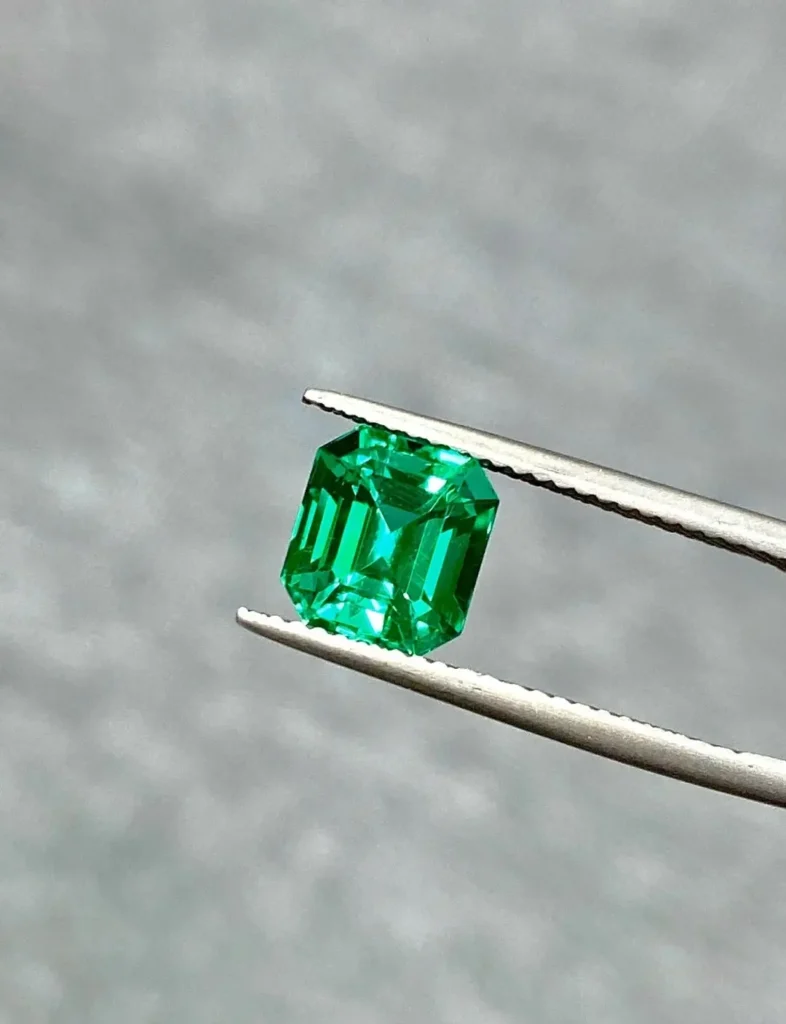
Swat Emerald displays a distinctive green to bluish-green color, mainly caused by trace amounts of chromium (Cr), vanadium (V), and iron (Fe) within the crystal structure.
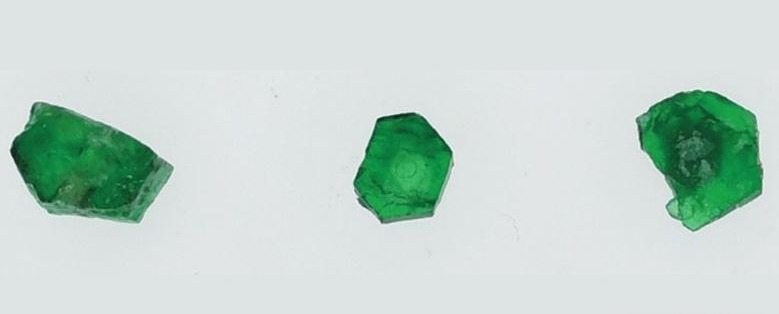
Compared with some larger commercial emerald deposits, Swat Emerald crystals are typically smaller in size, with many specimens measuring less than one carat when cut. However, their relatively high transparency, well-formed crystals, and limited internal fractures can enhance their deep and saturated green appearance.
Like many natural emeralds, Swat Emerald often contains characteristic mineral inclusions that reveal its geological origin. Common inclusions include mica, carbonate minerals, amphibole, talc, and spinel. Some specimens also contain rutile, hematite, and feldspar crystals.
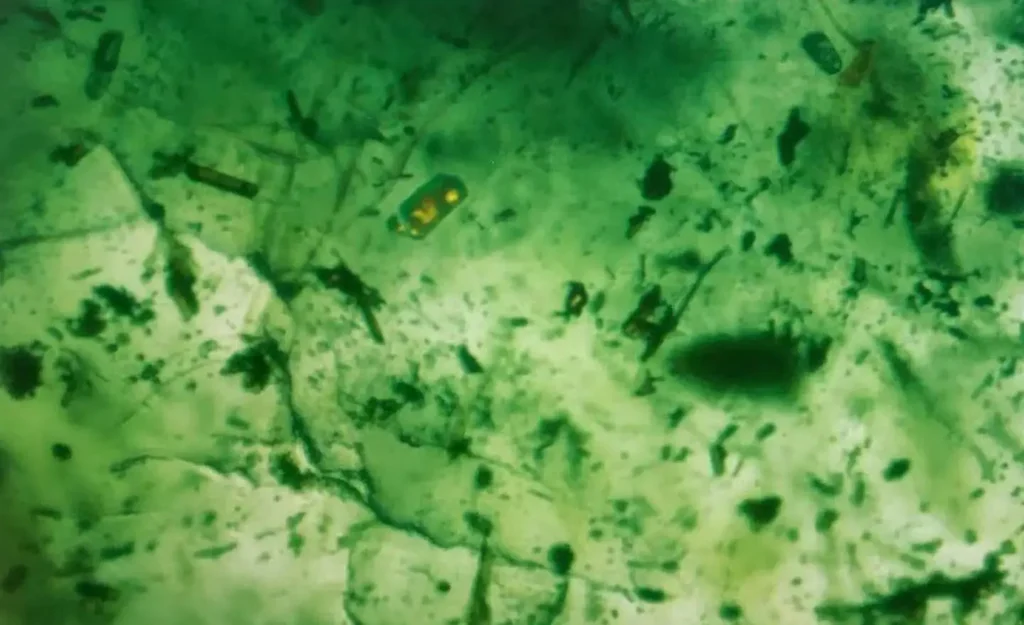
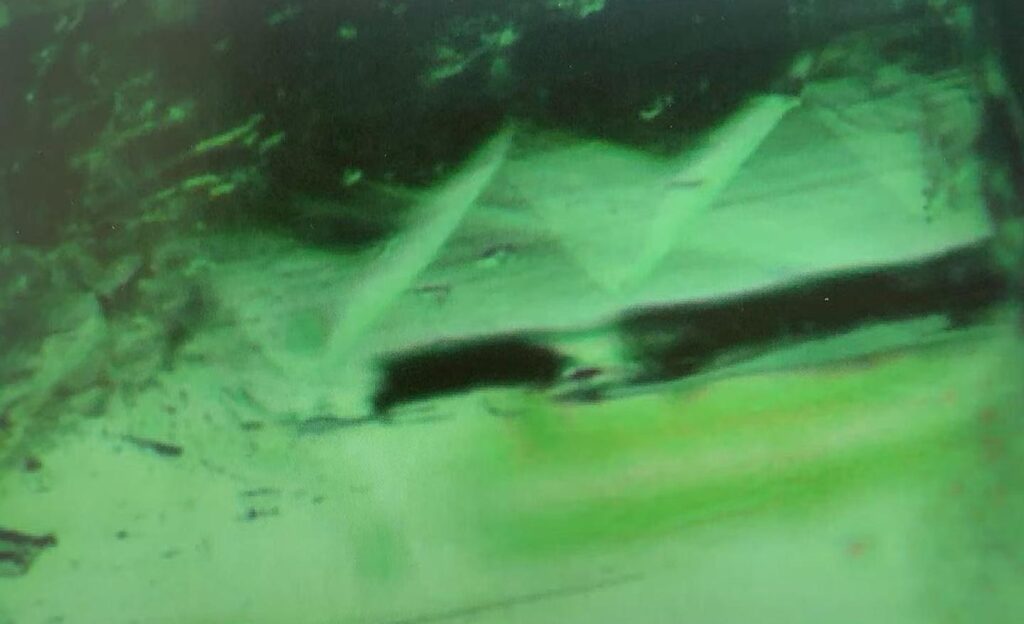
Gemologists have observed distinctive internal features in Swat Emerald, including yellow-orange short prismatic rutile crystals, clear hexagonal color zoning, tubular inclusions, dendritic patterns, and “Z”-shaped growth structures. Rare specimens may even display a unique phenomenon known as the “butterfly effect.”
Trapiche-Like Emeralds from Pakistan
In recent years, gemologists have discovered trapiche-like emeralds in Pakistan, adding a new occurrence to this rare emerald phenomenon.
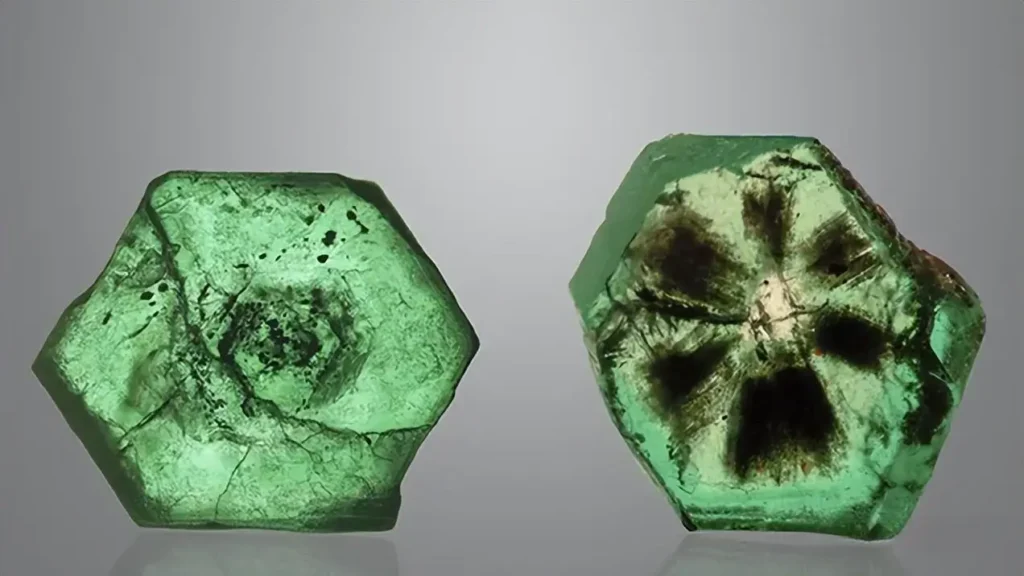
Trapiche emeralds rank among the rarest varieties of emeralds. Gem enthusiasts value them for their unusual internal structures. When viewed in cross-section, these emeralds reveal six radial patterns extending outward from the center. A transparent or dark hexagonal core often appears at the heart of the pattern. After cutting and polishing, the structure creates a distinctive wheel-like appearance, making trapiche emerald one of the most recognizable natural formations in the emerald world. For a closer look at this fascinating gemstone, explore The Rebel of the Emerald World: ‘The Eye of the Angel’ Trapiche Emerald.
Today, Colombia remains the primary source of true trapiche emeralds, with the Muzo and Chivor mining regions being the most famous deposits. Among them, Muzo is especially known for producing well-formed crystals with clear radial patterns, making these specimens highly valued by collectors.
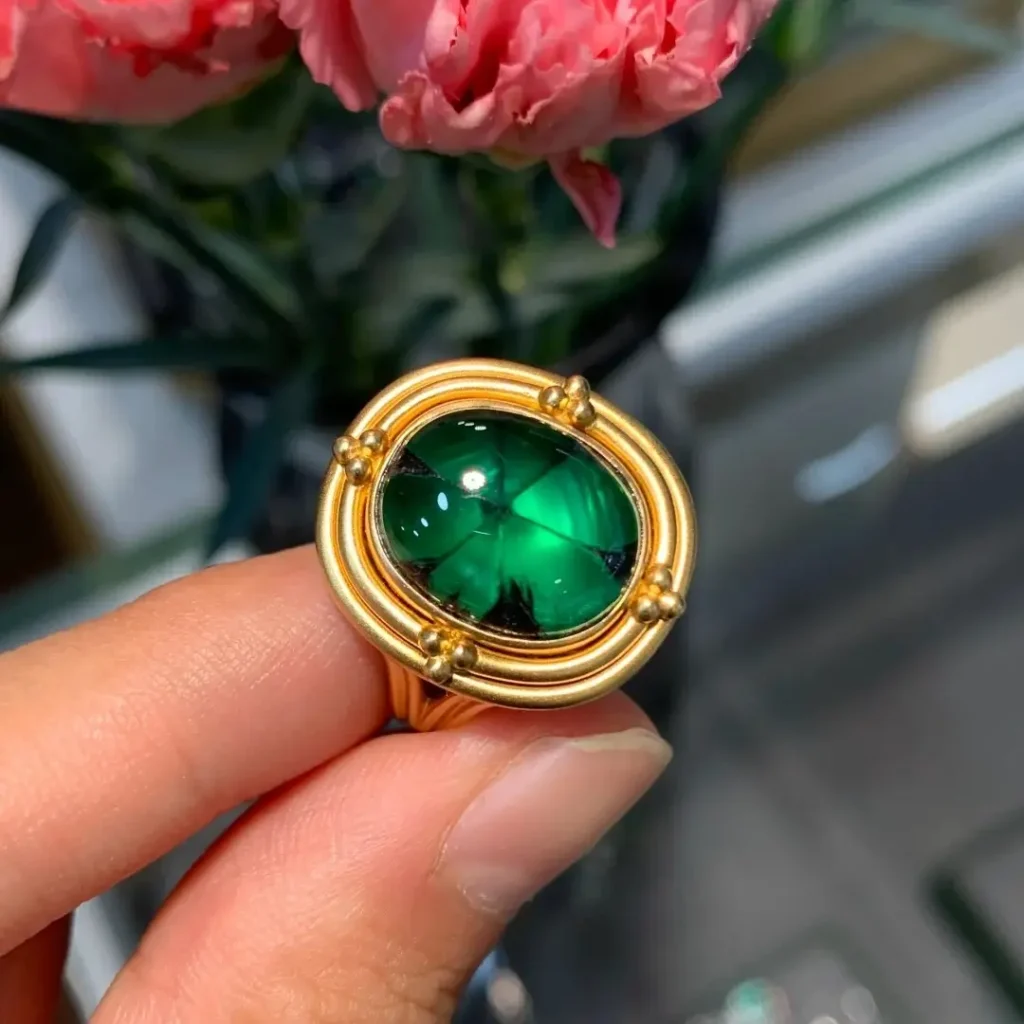
The trapiche-like emeralds from Pakistan display vivid green colors, good transparency, and relatively high clarity. Their internal features often include minor fractures and liquid inclusions. These characteristics provide new insights into how trapiche structures form and expand gemologists’ understanding of where these rare emerald varieties can occur.
Hunza Ruby
Ruby ranks among the most popular colored gemstones in the world and represents the birthstone for July. Its vivid red color has long symbolized passion, love, and strength, earning it the romantic name “the stone of love.”
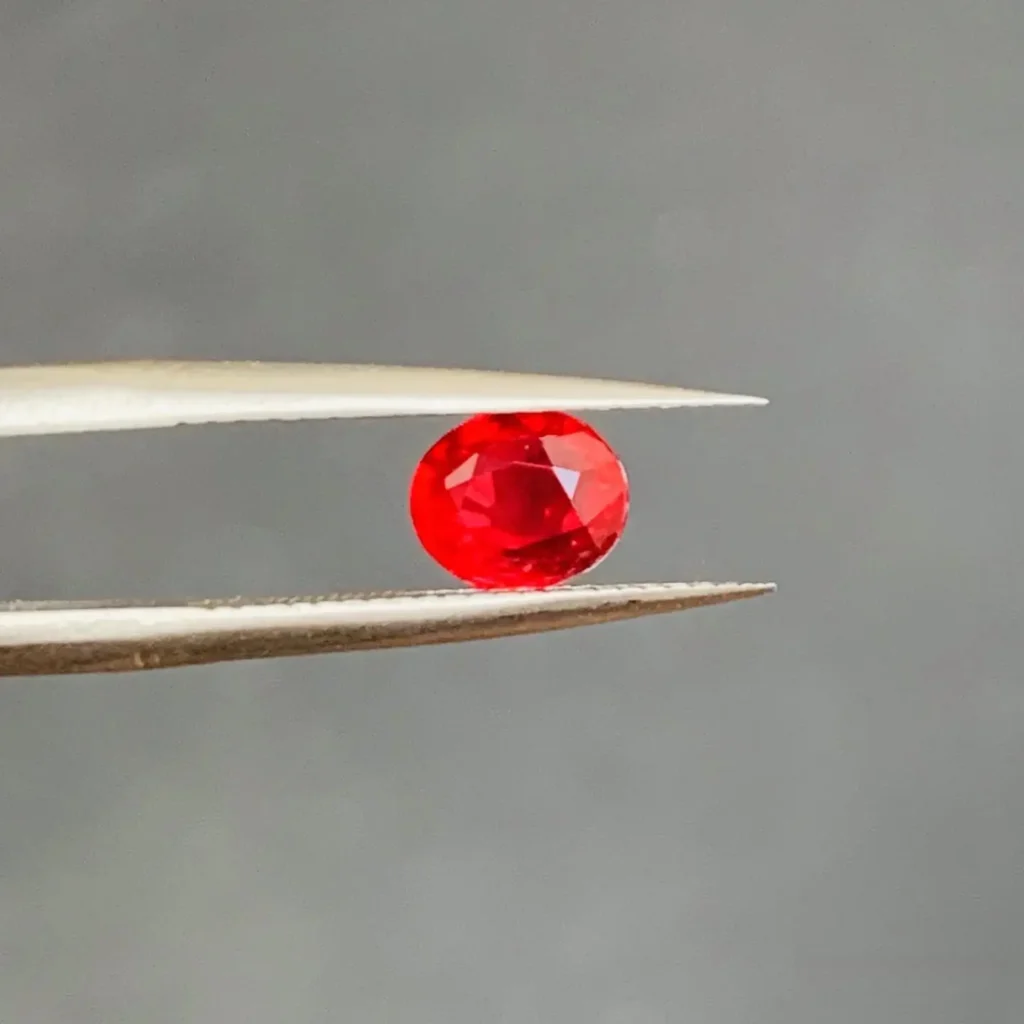
Among the world’s famous ruby sources, Myanmar’s Mogok region stands out for producing exceptional rubies with intense red colors and strong fluorescence. Some of these gems display a vivid red hue similar to fresh pigeon’s blood, giving rise to the term Pigeon’s Blood Ruby. Learn more: Pigeon’s Blood? Royal Red? Understanding Six Major Ruby Grading Systems.
Beyond Myanmar, Afghanistan, Tajikistan, Pakistan, and Vietnam also belong to the broader Himalayan orogenic belt, which hosts several important ruby deposits. These regions share similar geological histories, and their rubies can show comparable inclusion features and chemical characteristics. As a result, gemologists sometimes face challenges when determining their geographic origin.
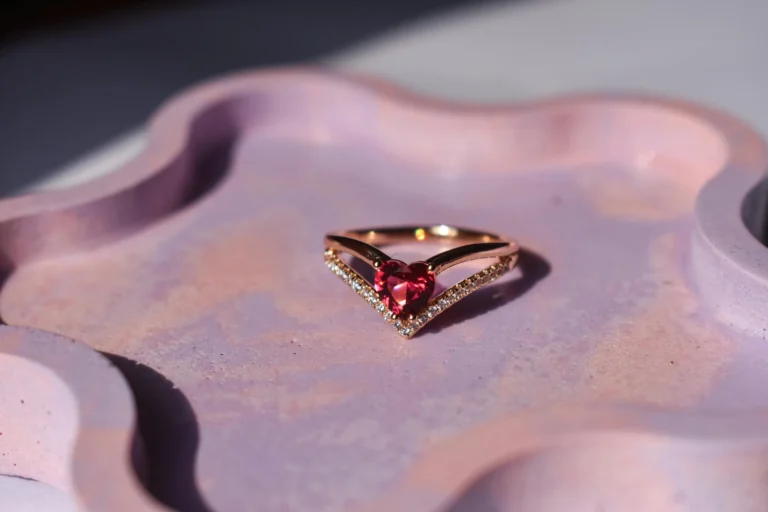
In recent years, gemologists have discovered Hunza Ruby in the Hunza Valley, northeast of Gilgit in Pakistan-administered Kashmir. These rubies have attracted attention for their colors, which can resemble the famous pigeon’s blood rubies from Mogok, Myanmar.
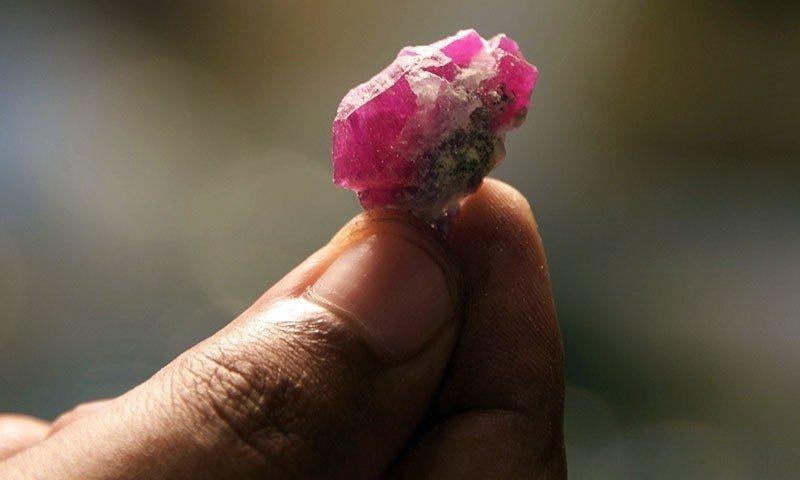
Hunza Ruby gets its color mainly from chromium (Cr), with minor contributions from iron (Fe) and other trace elements. The gems range from pink to deep red. Most crystals show low transparency, appearing opaque to translucent, and cut stones usually weigh between 1 and 3 carats. Their smaller crystal sizes often occur alongside minerals such as spinel, phlogopite mica, amphibole, and pyrite.
Some high-quality Hunza Rubies display rich, vivid red tones similar to classic pigeon’s blood rubies. These stones attract collectors who appreciate rare ruby varieties with distinctive origins. However, rubies from different regions can share similar visual characteristics, so gemological testing remains essential for reliable origin identification.
Tourmaline from Pakistan
In our previous article, Tourmaline Gemstone Guide – Colors, Varieties, and How to Spot Fakes, we introduced tourmaline as a borosilicate mineral with a wide range of colors, including red, green, and blue. This gemstone usually has a hardness of around 7 on the Mohs scale. Natural tourmaline often contains internal features such as gas-filled inclusions and fractures, while clean, high-quality specimens remain extremely rare.
Gemologists have discovered more than 300 tourmaline deposits and occurrences across the world. Today, gem-quality tourmaline mainly comes from regions such as Brazil, Sri Lanka, Tanzania, Kenya, Mozambique, and Pakistan.
Although Pakistani tourmaline does not have the same global reputation as Brazilian Tourmaline or Afghan Tourmaline, it can rival them in quality. Most Pakistani tourmaline comes from the Azad Kashmir region, where miners have found a wide variety of colors and types, including Rubellite (red tourmaline), green tourmaline, blue tourmaline, and watermelon tourmaline.
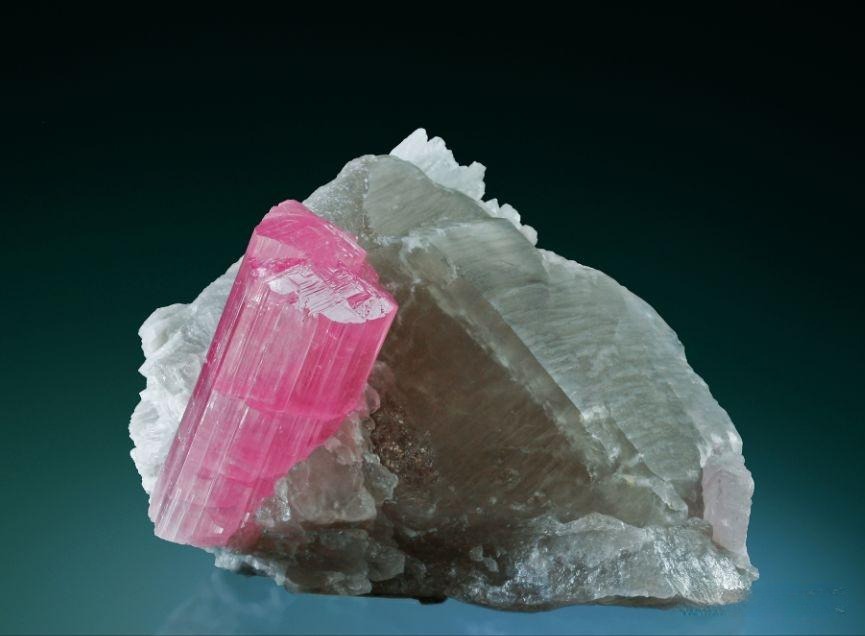
Pakistani tourmaline crystals often develop elongated prismatic or needle-like shapes. Most rough crystals weigh between 5 and 20 carats, while exceptional specimens can exceed 50 carats. Many crystals show good structural integrity and fewer internal fractures, which reduces material loss during cutting and makes them suitable for larger gemstone jewelry.
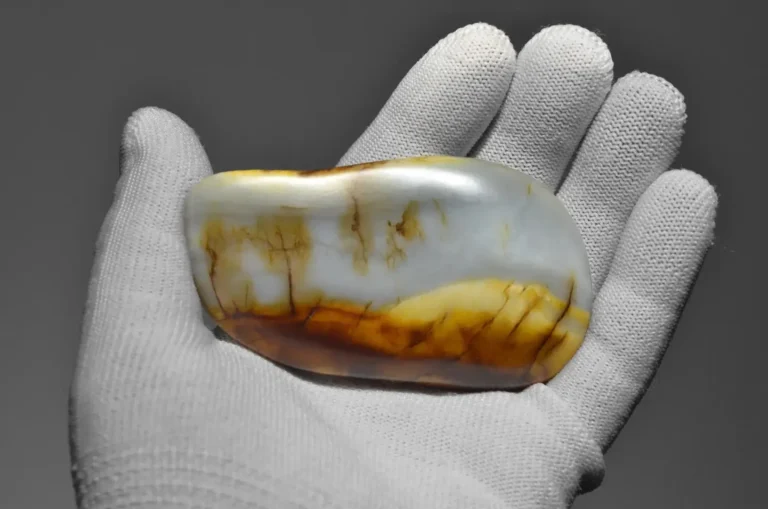
Pakistani Nephrite Jade
In our article Beyond Russia: 7 Lesser-Known Nephrite Jade Origins Every Collector Should Know, we introduced Pakistani Nephrite Jade, also known as “Ba Liao” in the jade trade. It mainly comes from the Mohmand Agency area near the Afghanistan border, northwest of Peshawar.
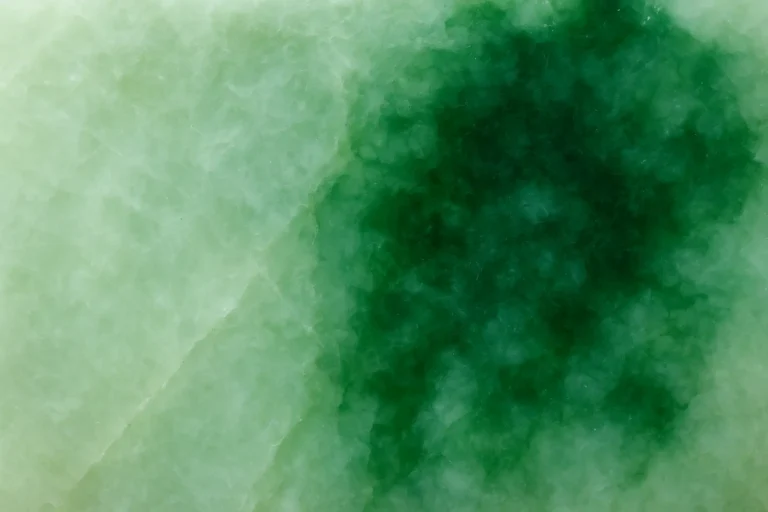
Compared with Russian Green Nephrite Jade, which is known for its deep spinach green color, Pakistani Nephrite Jade usually shows softer green tones. It often displays grayish apple green hues with good translucency and an icy, watery appearance.
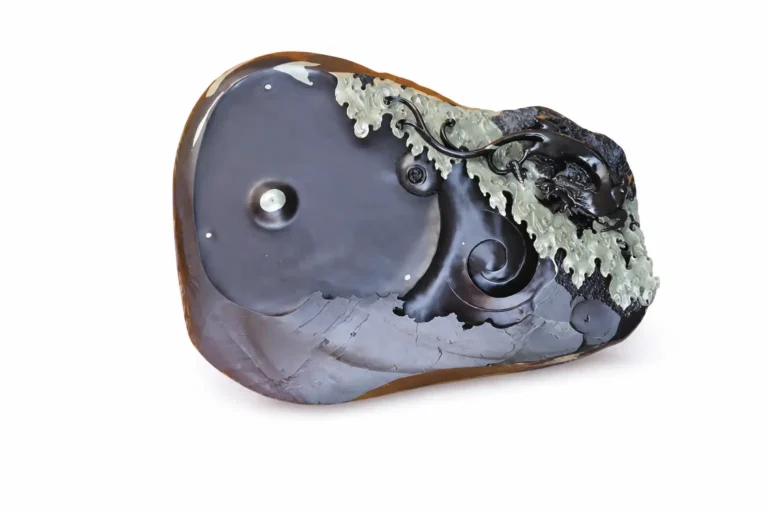
Pakistani jade rough commonly contains fractures, and its brittle structure can lead to higher material loss during processing. Therefore, it is often used for beads and smaller carvings rather than large pieces. Although the rough material is widely available and relatively affordable, high-quality large carvings remain uncommon.
Lower-grade Pakistani jade may show dark green or gray-green colors, black spots, internal fractures, and water-line patterns. Some pieces can develop fine surface cracks after prolonged wear, which has contributed to its mixed reputation in the jade market.
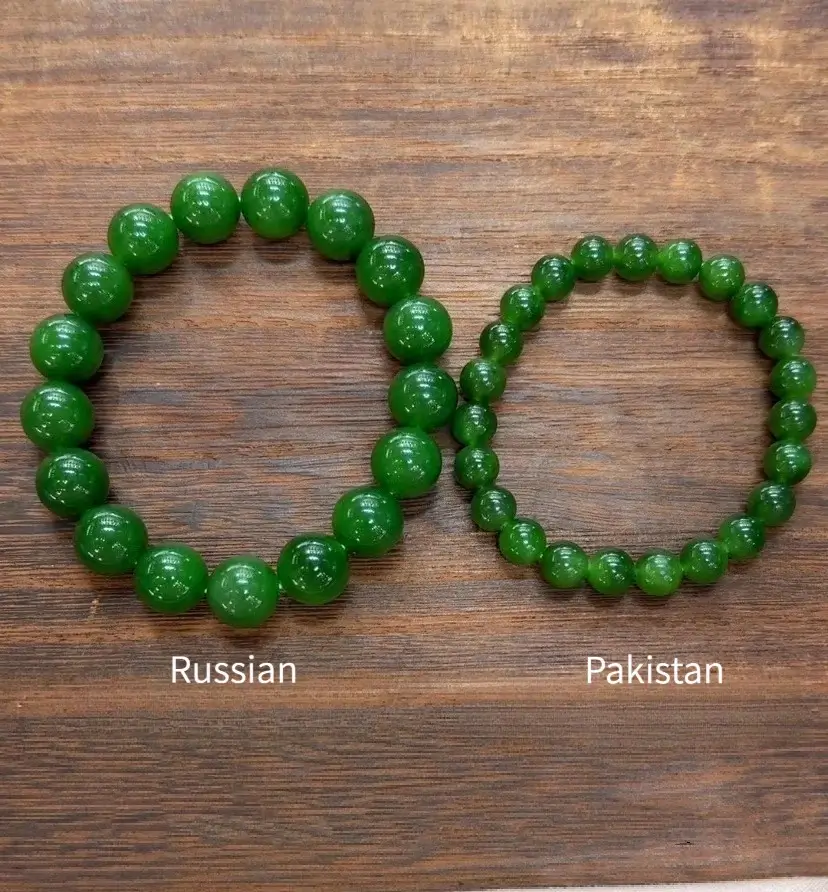
However, the value of Pakistani Nephrite Jade depends on the quality of the individual material rather than its origin. Fine-quality specimens can display vivid green colors, good translucency, stable structure, and attractive appearance, making them a popular choice for jade jewelry.
Pakistani Peridot
In our article Peridot: The ‘Gem of the Sun’ from the Lunar Mantle to Earth’s Depths, we introduced Peridot, a green gemstone with a distinctive yellow undertone. It is also known as the “Evening Emerald” or “Emerald of the Evening Primrose” because of its unique color and history.
Ancient Egyptians discovered Peridot more than 3,500 years ago. Today, important deposits have been found in Myanmar’s Mogok region, Arizona in the United States, and northern Pakistan. Pakistani Peridot was first discovered in 1994 in the Nanga Parbat region, located in the western Himalayas of Pakistan-administered Kashmir.
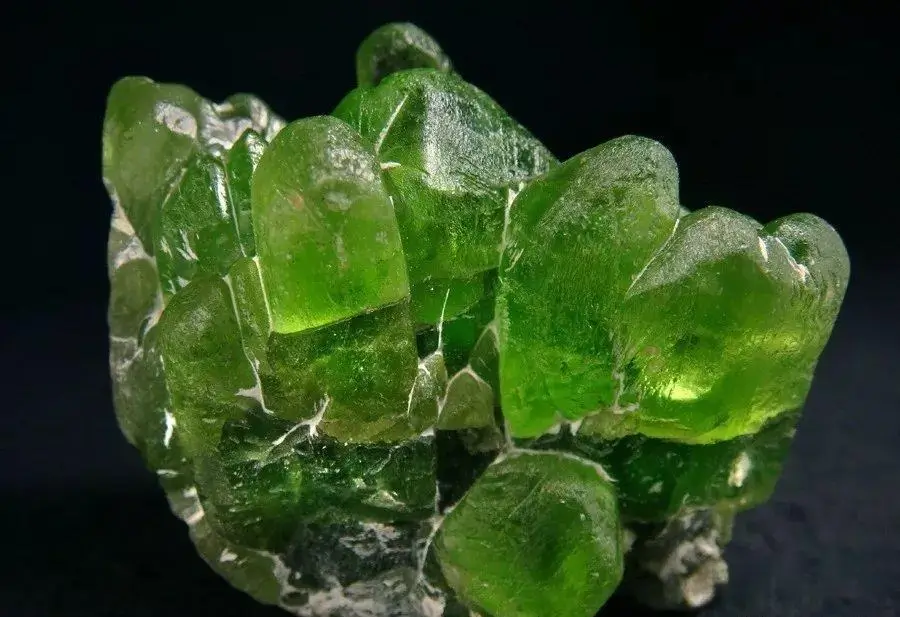
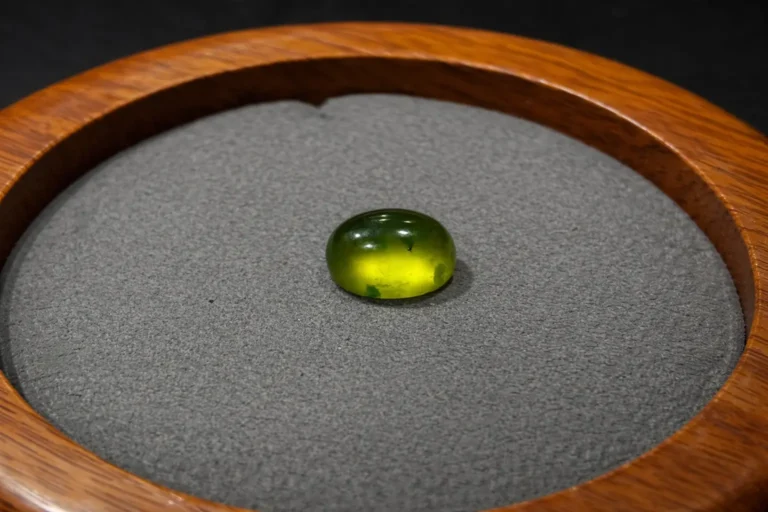
Iron (Fe) gives Pakistani Peridot its characteristic colors, ranging from pale green and grassy green to yellowish green and vivid green. The gemstone shows a glass-like luster and ranges from transparent to translucent. Some Pakistani Peridot crystals grow to impressive sizes, with gem-quality specimens exceeding 100 carats.
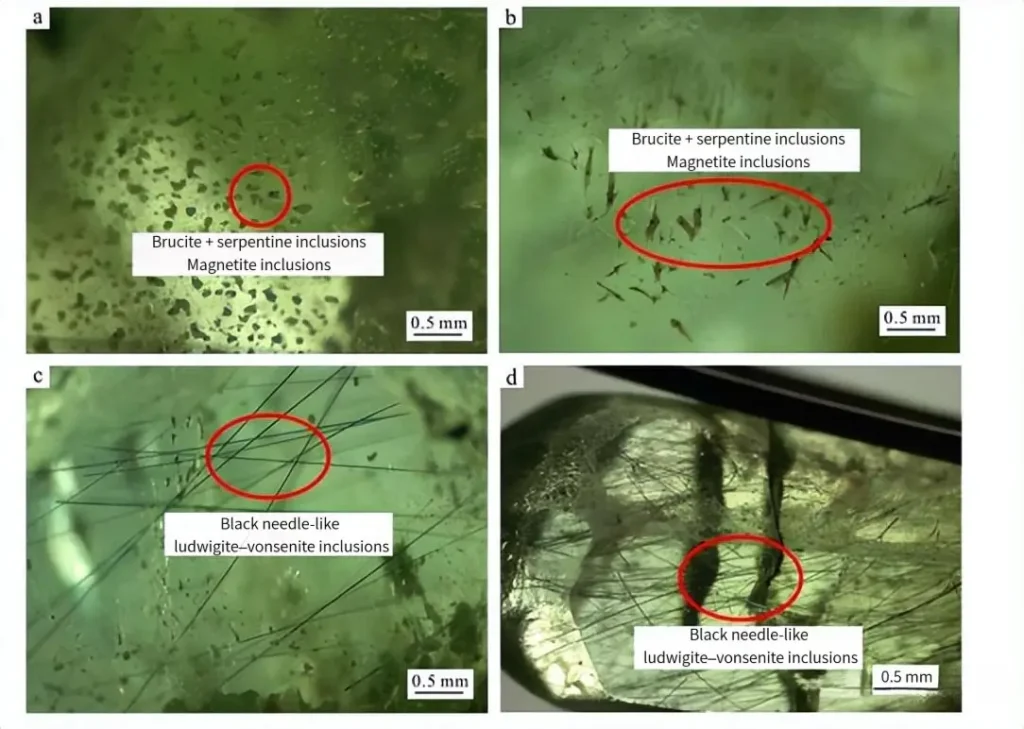
Pakistani Peridot is also known for its relatively clean appearance. Some specimens contain healed fractures filled with gas-liquid inclusions, along with distinctive needle-like mineral inclusions. These features make Pakistani Peridot one of the world’s notable sources of high-quality Peridot.
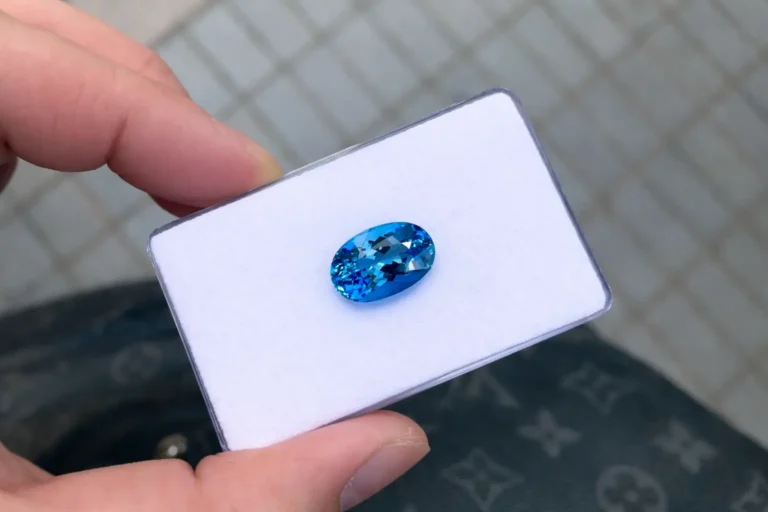
Pakistani Aquamarine
In our article The Allure of Aquamarine: From the Serene Seas to Your Jewelry Box, we introduced Aquamarine, a member of the beryl family. This gemstone is also known as blue beryl or water-blue beryl. Trace amounts of iron (Fe²⁺) give Aquamarine its signature blue color, ranging from soft blue to deep ocean-like tones. Its elegant appearance has long attracted collectors and royal families around the world.
Pakistani Aquamarine mainly comes from the Gilgit-Baltistan region. The crystals usually show pale blue to nearly colorless tones and often grow in elongated hexagonal prismatic forms. Some crystals can reach more than 10 cm in length. They display good optical properties and commonly occur alongside minerals such as feldspar, mica, and tourmaline. Certain specimens reach gem-quality standards.
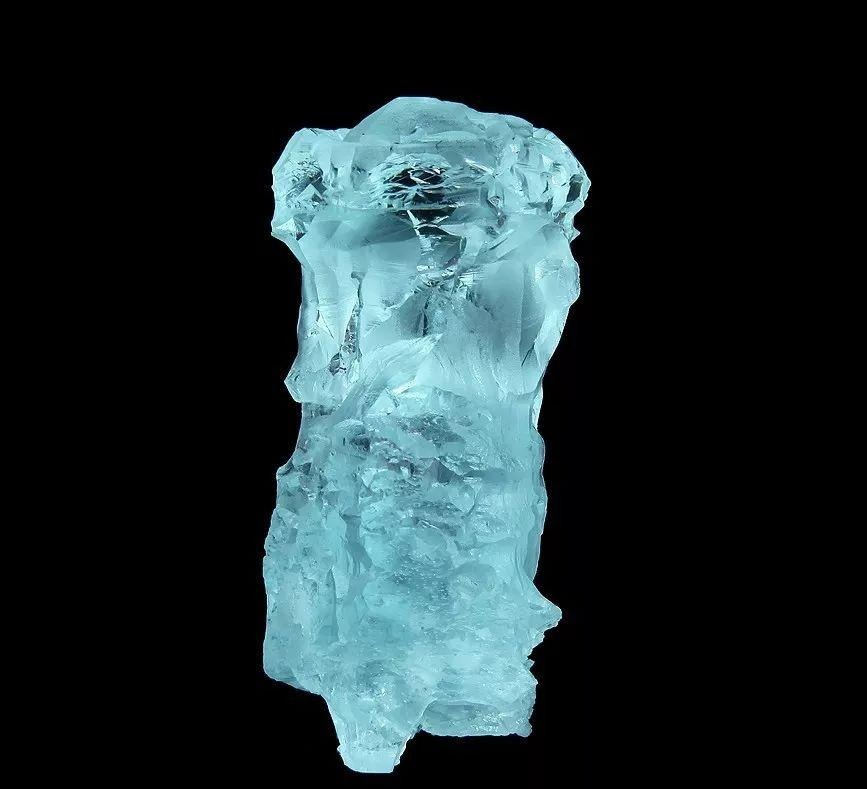
Pakistani Aquamarine often shows high crystal clarity, with few visible inclusions or fractures. However, its relatively pale color limits its recognition in the international gemstone market. Despite this, its excellent transparency and large crystal size make it an attractive material for collectors.
Pakistani Topaz
In our article Topaz: Why Is It Called ‘Yellow Jade’ When Most Stones Are Blue? we introduced Topaz, a mineral also known as “Yellow Jade” in Chinese gemstone culture. Topaz is the birthstone for November and the traditional gemstone for the 16th wedding anniversary. It symbolizes friendship and happiness.
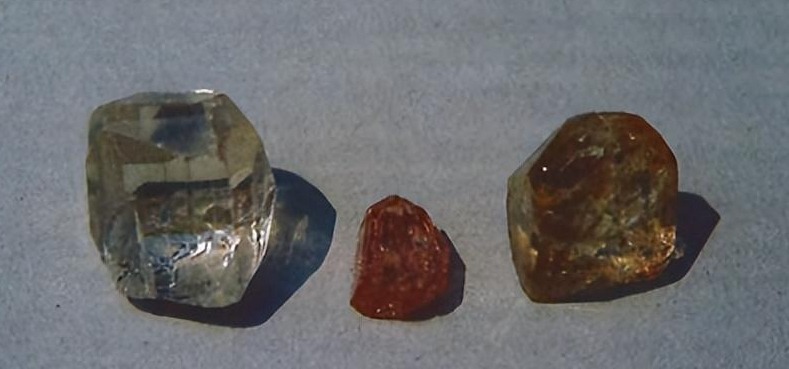
Pakistani Topaz was first discovered in 1972 and mainly comes from the Katlang area of Mardan District in Khyber Pakhtunkhwa, Pakistan. It occurs in a variety of colors, including colorless, brown, reddish brown, and pink.
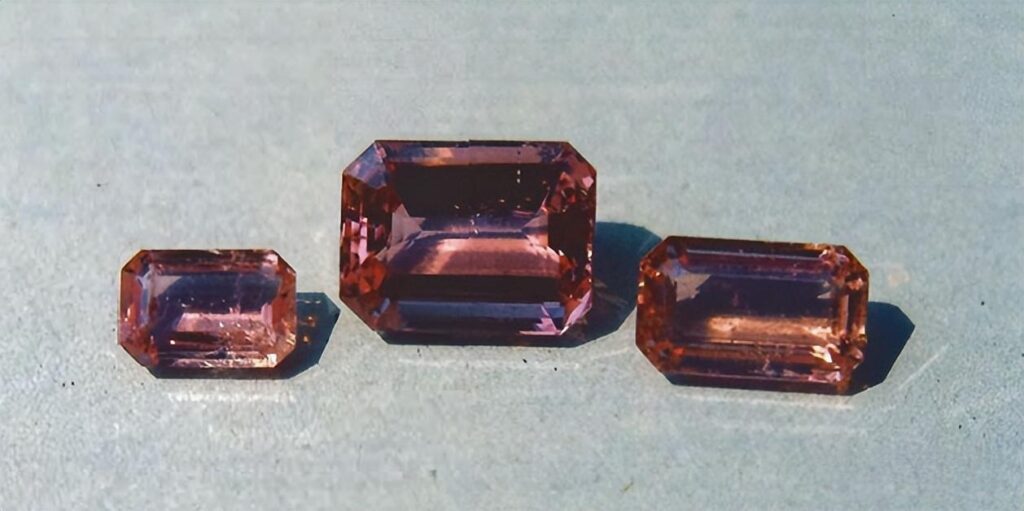
Among these varieties, chromium-colored pink Topaz is especially rare. It often shows a delicate pink hue with subtle purple undertones. These gemstones typically have excellent clarity, high refractive properties, and may contain characteristic two-phase inclusions. So far, this type of pink Topaz has only been reported from Pakistan, making it a rare and distinctive variety.
Most pink Topaz available on the market today obtains its color through irradiation and heat treatment. Natural pink Topaz with untreated color remains highly sought after, and buyers should carefully consider gemological identification when making a purchase.
Exploring Gemstone Treasures from Around the World
Across continents and civilizations, each country holds unique gemstone treasures shaped by its geology, history, and culture.
In our Gemstone Countries series, we explore how a gemstone’s origin influences its value, rarity, and characteristics. If you would like to discover how Pakistan compares with other important gemstone regions, explore these in-depth features:
- Thailand: Thailand Gemstones: From Rubies and Sapphires to the Rising Star of Spinel
- Russia: Russian Gemstones: 9 Extraordinary Treasures from the Urals to Siberia
- India: Indian Specialty Gemstones: A Guide to Historic Diamonds, Kashmir Sapphires, and Investment Treasures
- Australia: The Ultimate Guide to Australia Gemstones: Nature’s Wonders from Down Under
- Tanzania: Discover Tanzania’s Top 8 Gemstones: The Dark Horse of Africa’s Mineral Wealth
- Sri Lanka: Exploring Sri Lankan Gemstones: What Lies Beyond Rubies and Sapphires?
- Iran: Iran Gemstones: Discovering Persian Turquoise, Agate, Demantoid Garnet, and More
- Myanmar: Burmese Gemstones: Beyond Ruby and Jadeite, Exploring Myanmar’s Rare Natural Treasures
- China: The Ultimate Map of Gemstones of China: Discover 300+ Varieties Across 600 Localities
Together, these articles reveal how geography, geology, and human history intertwine to shape the gemstone market—helping collectors and enthusiasts better understand why origin remains one of the most powerful factors in gemstone value today.