Burmese Gemstones: Beyond Ruby and Jadeite, Exploring Myanmar’s Rare Natural Treasures
In JEWEA’s “Kingdom of Gems” series, we explore the rich gemstone heritage of Myanmar.
For centuries, Myanmar has been recognized as one of the world’s most important gemstone-producing regions. Its unique geology has produced a wide variety of gems, including more than 50 known gemstone varieties.
Beyond its world-famous rubies, sapphires, and jadeite, this article also explores other remarkable Burmese Gemstones, including spinel, moonstone, peridot, and amber.
Burmese Ruby
Ruby is known as the “King of Colored Gemstones” and is the birthstone for July. The iconic “Pigeon’s Blood” ruby color standard is closely associated with Myanmar. In our article Ultimate Ruby Buying Guide: Color, Carat, Clarity & Treatments Explained, we explore ruby color, quality factors, and treatments in detail.
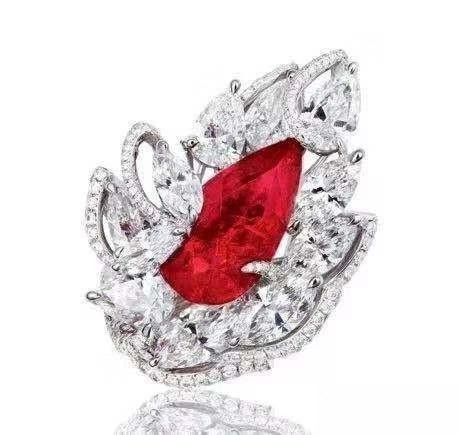
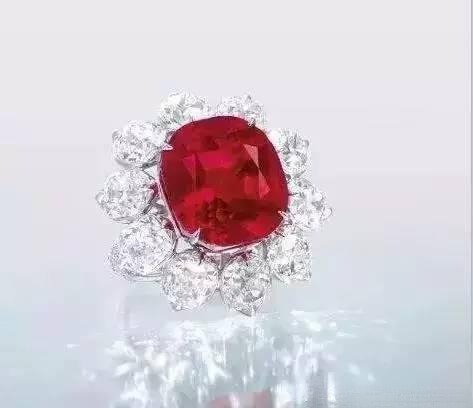
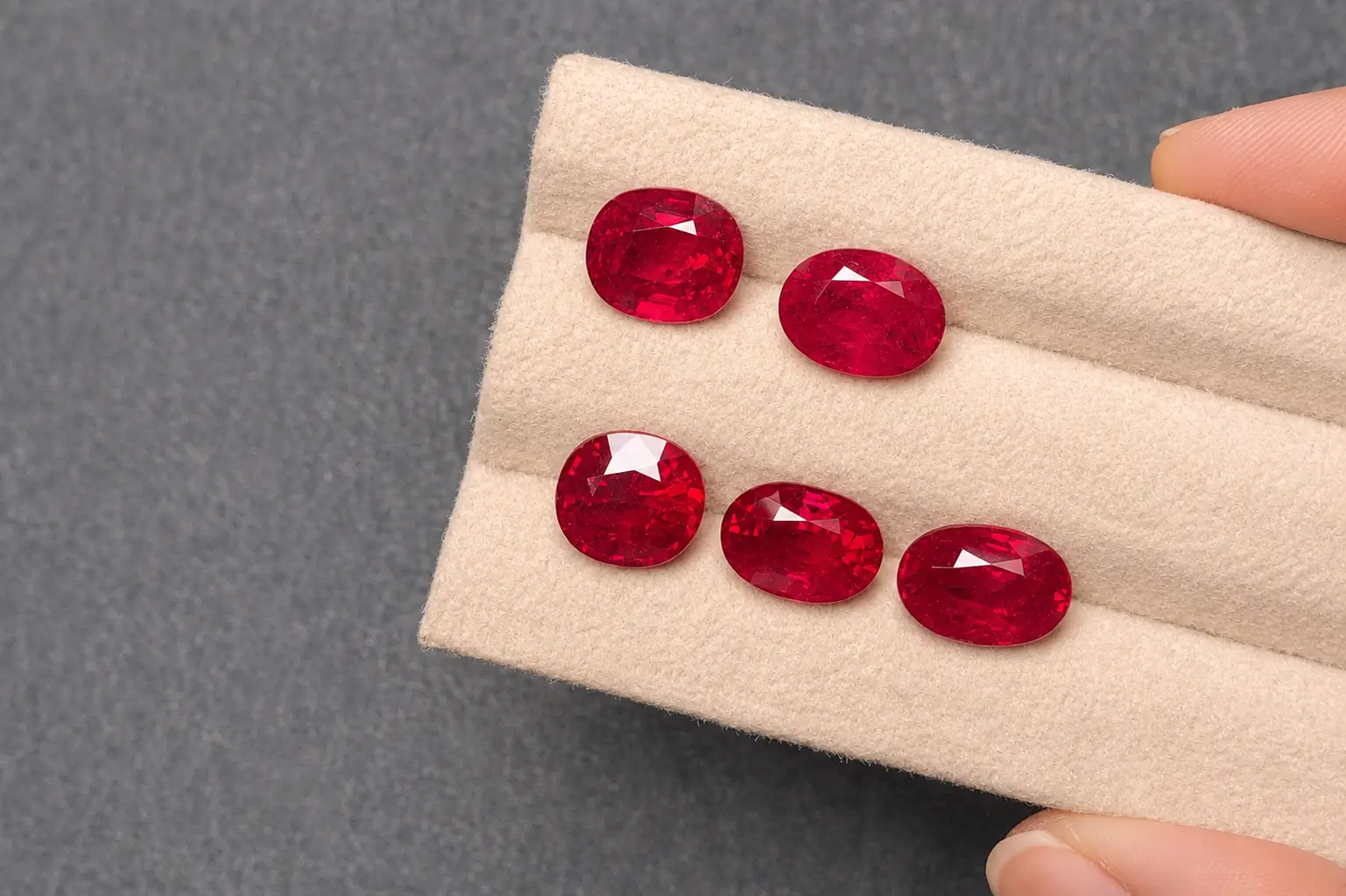
Myanmar has long been one of the world’s most important sources of fine-quality ruby. The two most notable ruby-producing regions are Mogok and Mong Hsu. Before the 1960s, these deposits supplied a significant share of the world’s finest rubies. As natural ruby sources become increasingly limited, high-quality Burmese rubies continue to achieve strong prices at international auctions and remain highly valued by collectors.
1. Mogok Ruby
Mogok is one of the oldest and most recognized ruby-producing regions in the world. Rubies from this area are known for their rich color, high saturation, and strong association with the famous “Pigeon’s Blood” ruby.
Key characteristics of Mogok ruby include:
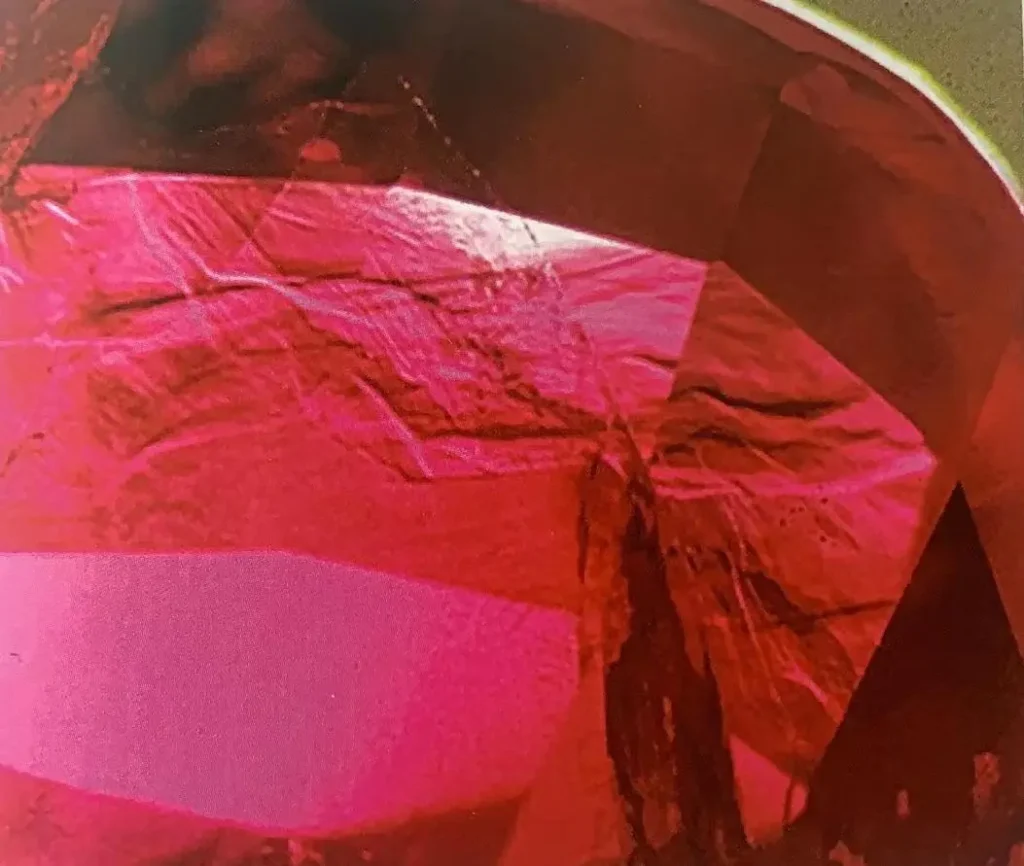
- Internal structure: Mogok rubies often show uneven color distribution, with areas of varying intensity forming cloud-like or patchy patterns inside the crystal. These patterns can create a flowing, swirling appearance known in gemology as a “syrup-like structure.” This feature was once considered an important indicator of Mogok ruby origin.
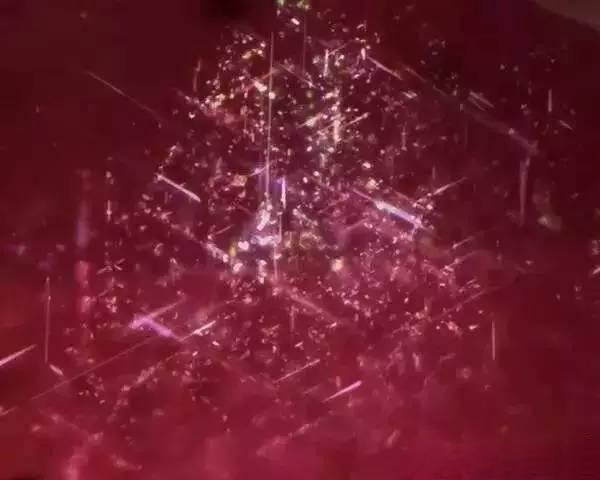
- Inclusions and silk effect: Mogok rubies commonly contain mineral inclusions such as rutile, calcite, dolomite, spinel, and phlogopite. Fine rutile needles often align along specific crystallographic directions, intersecting at approximately 60° and 120° angles. When light interacts with these tiny needles, the stone can display a soft optical effect known as “silk.”
2. Mong Hsu Ruby
Developed in the 1990s, Mong Hsu became one of Myanmar’s most important modern ruby sources.
Key characteristics of Mong Hsu ruby include:
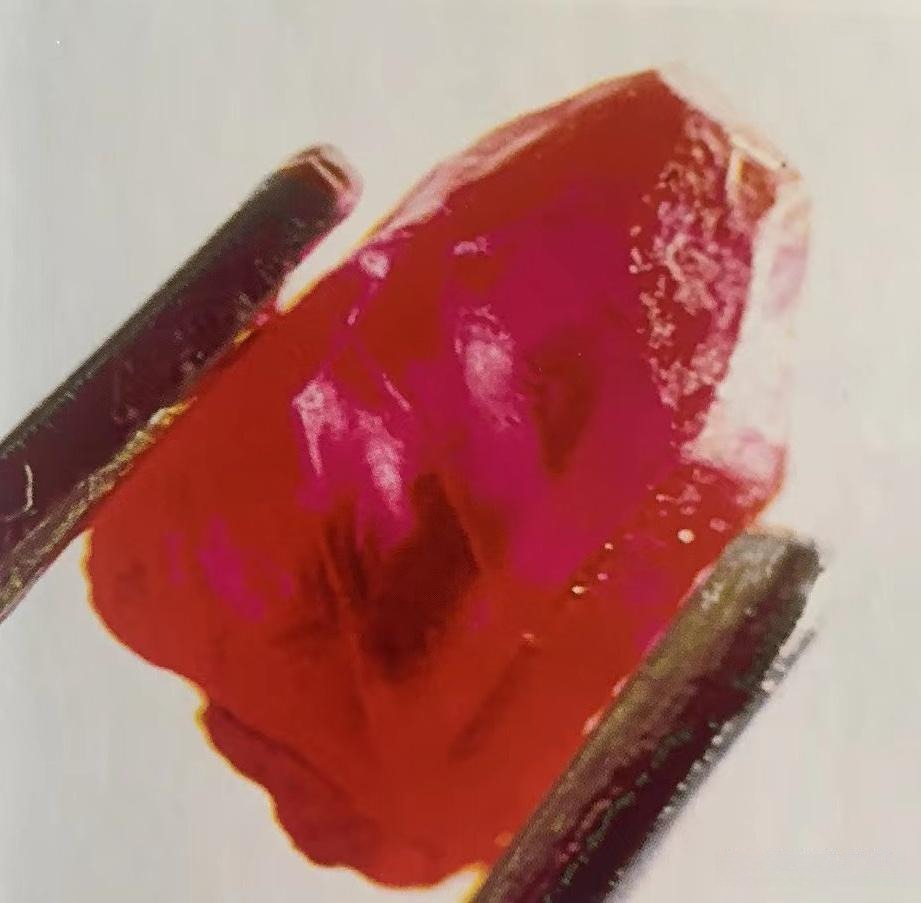
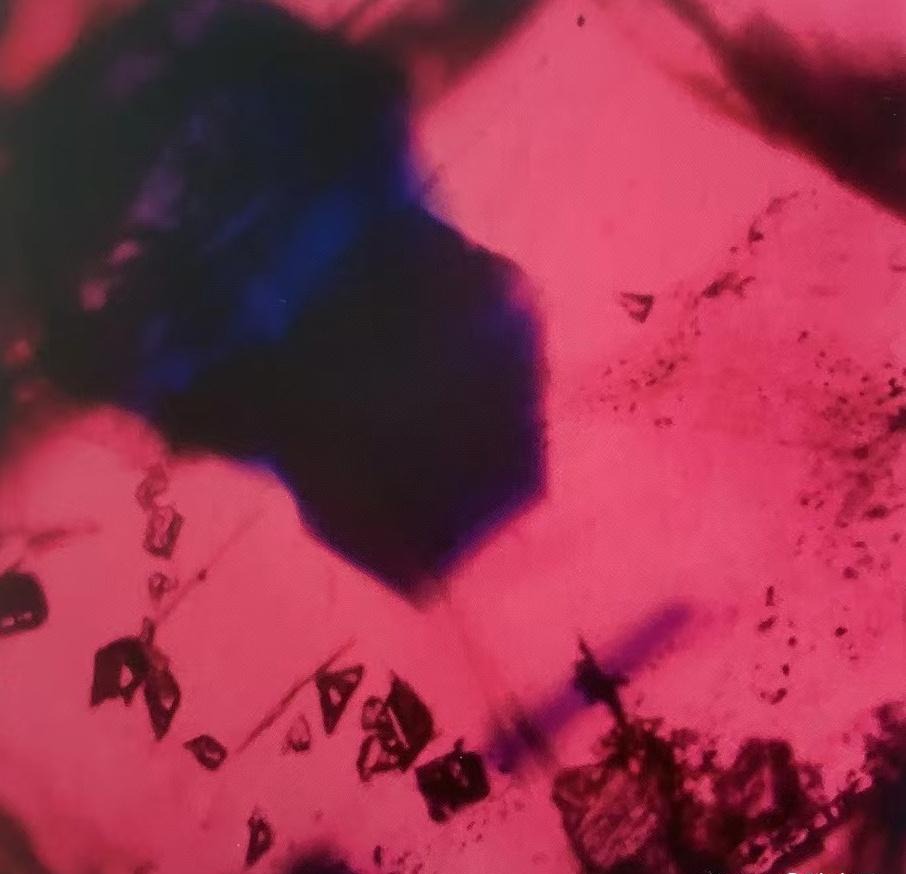
- Crystal structure and color: Mong Hsu rubies often form well-developed crystals. Rough stones commonly contain dark blue to black titanium-rich cores. After heat treatment, they can display bright purple-red to brownish-red colors, often with visible color zoning and parallel bands inside the crystal.
- Inclusion characteristics: Compared with Mogok rubies, Mong Hsu rubies often contain more fluid-related inclusions. These commonly appear as healed fractures, forming feather-like patterns (“Feathers”) or fingerprint-like structures (“Fingerprints”). Solid inclusions may include white mineral particles, rutile, fluorite, spinel, and apatite, with tiny white particles being one of the more recognizable features.
Burmese Sapphire
In our article The Hidden Secrets of Sapphire Origins: Discover the Lesser-Known Sources of September’s Birthstone, we explored several lesser-known sapphire sources around the world. However, in the world of fine colored gemstones, Myanmar remains an important and irreplaceable source of exceptional sapphires.
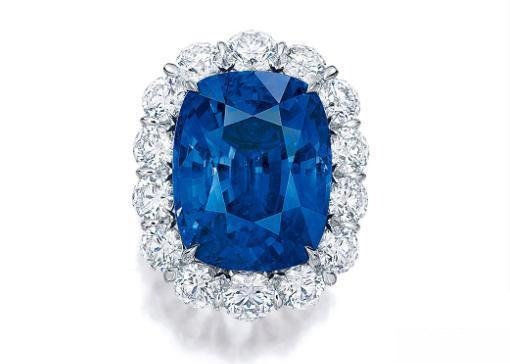
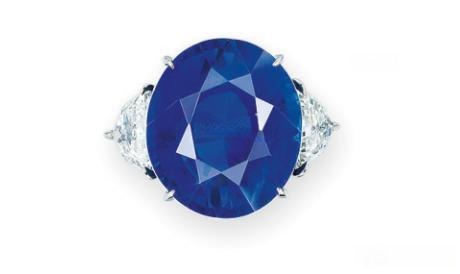
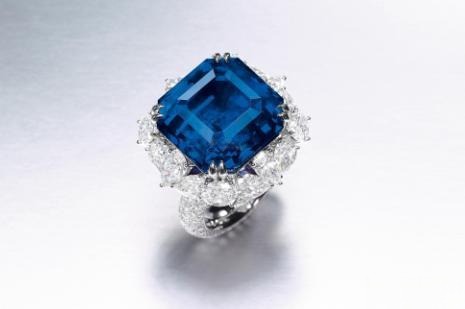
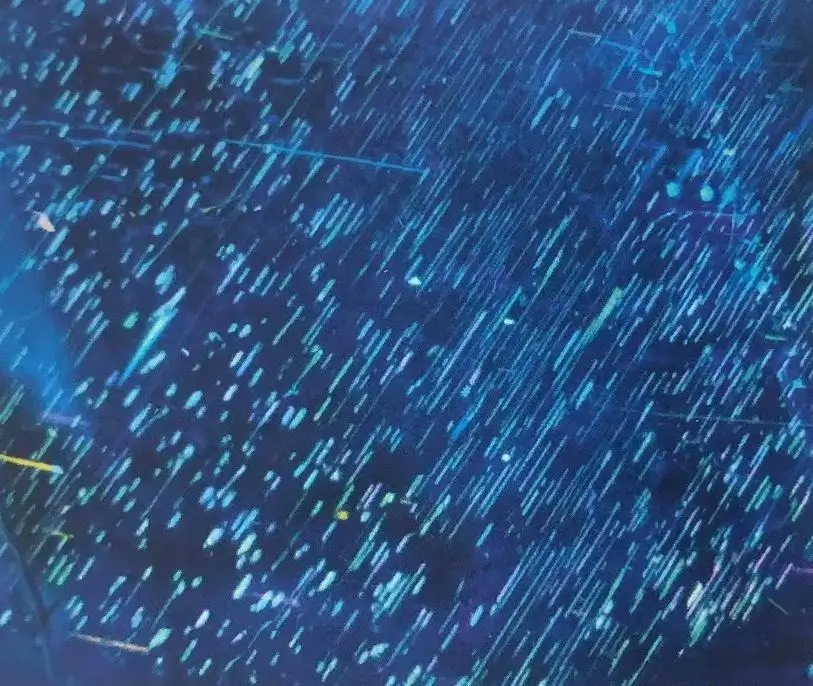
Burmese sapphires often contain abundant solid mineral inclusions, with rutile being one of the most common. Rutile needles of different lengths usually show an oriented arrangement. Most are short to medium in length, while some longer needles can extend through the entire stone. Burmese sapphires also commonly exhibit well-developed twinning, with one or two sets of twin planes often present. These features are frequently accompanied by two-phase negative tubes. Some stones may also contain distinctive bell-shaped healed fissures.
Myanmar’s two traditional sapphire-producing regions, Mogok and Mong Hsu, have both produced high-quality sapphires that attract collectors worldwide.

- Mogok Sapphire:
Sapphires from Mogok typically show good transparency, strong quality, and attractive color. They display a wide range of colors, including blue, pink, green, and purple, with more than 20 color varieties reported. High-quality blue Mogok sapphires can rival fine Kashmir sapphires in color and quality, with some displaying the classic “Royal Blue” hue. - Mong Hsu Sapphire:
Although Mong Hsu sapphires generally do not match Mogok sapphires in color quality, their larger production volume defines their market presence. Since the mid-1990s, the deposit has developed rapidly and became Myanmar’s largest sapphire source.
Burmese Jadeite
From a mineralogical perspective, jadeite belongs to the pyroxene mineral group and forms as a dense aggregate of interlocking crystals. Known jadeite deposits are found in several regions around the world, including Japan, Kazakhstan, Russia, Guatemala, and Myanmar.
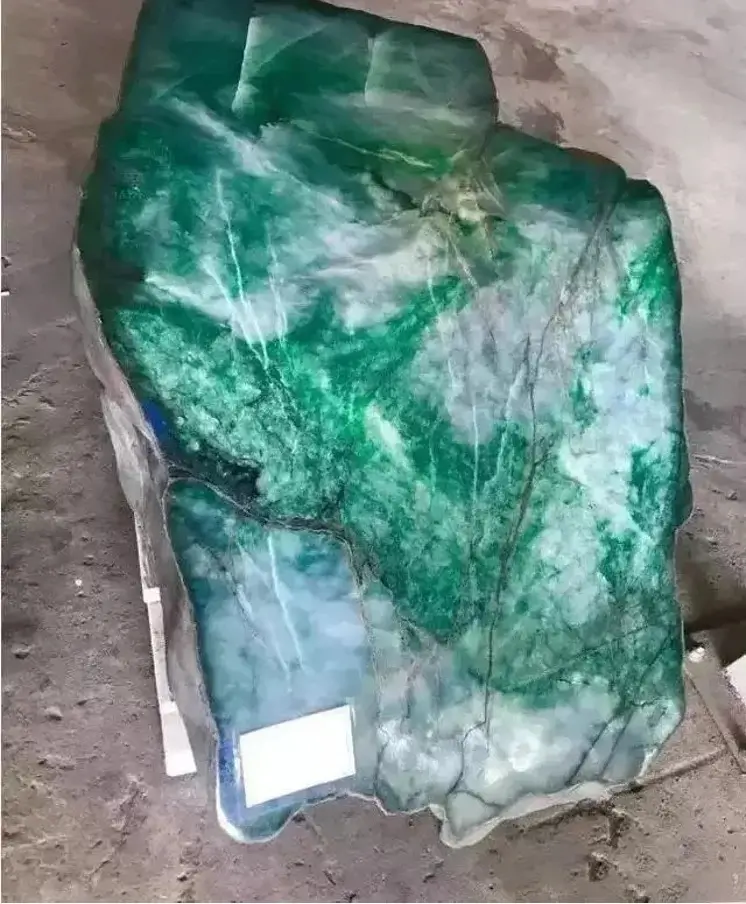
Among all known sources, Myanmar remains the world’s most important origin of fine-quality jadeite. Burmese jadeite is prized for its fine texture, excellent translucency, and exceptional color range. It supplies more than 95% of the jadeite traded in the global market, making Myanmar the dominant source of this valuable gemstone.
Major Jadeite Deposits in Myanmar
Myanmar’s jadeite deposits are mainly located in the northern part of the country, along the upper and middle reaches of the Uru River, northwest of Mogok.
The major mining areas include:
- Hpakant Mining Area
- Phakant–Tawmaw Mining Area
- Mogaung Mining Area
Among them, the Phakant–Tawmaw area is one of the largest, most famous, and historically significant jadeite mining regions. It has played a central role in the global jade trade for centuries.
As introduced in our article Jadeite Buying Guide: How to Understand Jade Trade Terms Before You Buy, jadeite quality is mainly evaluated through two key factors:
- Color
- Texture and Transparency (Jadeite “Zhong”)
Jadeite Color (Color Characteristics)
Jadeite occurs in a remarkable range of colors, including:
- Colorless
- Green
- Lavender
- Yellow
- Multicolored varieties
Among these, green jadeite remains the most sought-after and valuable color category in the market.
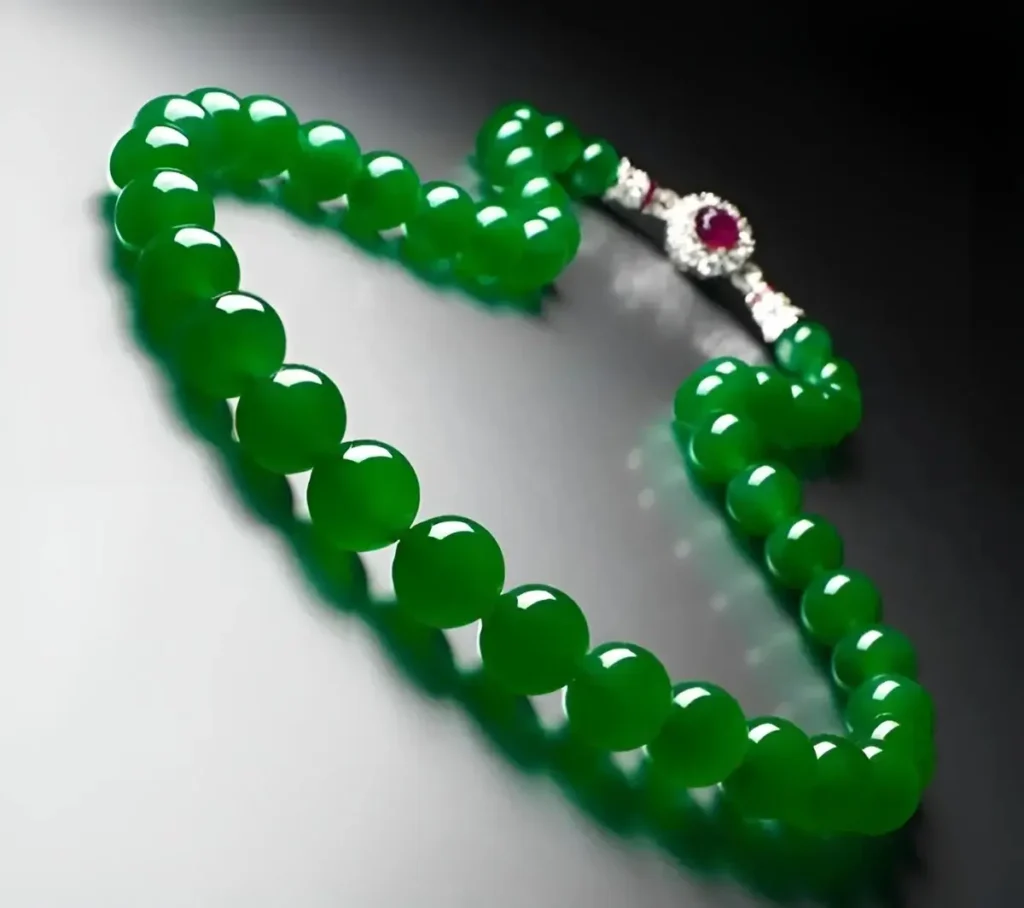
The color of jadeite is mainly influenced by trace elements such as chromium (Cr), titanium (Ti), and iron (Fe). Variations in these elements create a wide spectrum of green hues, including:
- Imperial Green
- Bright Green
- Yellowish Green
- Apple Green
- Light Green
- Bluish Green
- Oil Green
The finest Imperial Green jadeite from Myanmar is judged by four traditional criteria often described as:
Richness, brightness, purity, and evenness
In practice, this means:
- A deep and saturated green color;
- A vivid appearance with strong light reflection;
- A pure hue without noticeable secondary tones;
- A consistent color distribution throughout the stone.
Exceptional Imperial Green jadeite combines intense color with a strong visual presence, often described in the trade as “high luster” or “strong brilliance.” Its rarity places it among the most valuable varieties of jadeite.
By comparison, Bright Green and Full Green jadeite are also highly desirable, but some natural specimens may reveal fine white thread-like or cloud-like inclusions under strong light. These internal features, known as jadeite inclusions, are common characteristics of untreated natural jadeite.
Jadeite Texture and Transparency
In the jade trade, the Chinese term zhong (种) describes a jadeite’s texture, grain structure, compactness, and transparency. It is one of the traditional factors used to evaluate jadeite quality.
Rather than representing a scientific classification system, these terms come from the Chinese jade trade and reflect how collectors have traditionally described the appearance and feel of jadeite.
Common categories include:
- Coarse-grained jadeite (traditionally called “Dou-Type”)
This material has relatively large mineral grains that may be visible to the naked eye. Its texture appears less compact, and it typically shows limited transparency with little light passing through. - Fine-grained jadeite with low translucency (traditionally called “Nuo-Type”)
Compared with coarse-grained jadeite, this material has a smoother and more compact texture. Individual grains are usually difficult to observe without magnification, although its translucency remains limited. - Intermediate fine-grained jadeite with moderate translucency (traditionally called “Bing-Nuo-Type”)
This category represents a transition between Nuo-Type and Bing-Type jadeite. It features a finer structure and allows more light to pass through, creating a softer translucent appearance. - Translucent jadeite with an icy appearance (traditionally called “Bing-Type”)
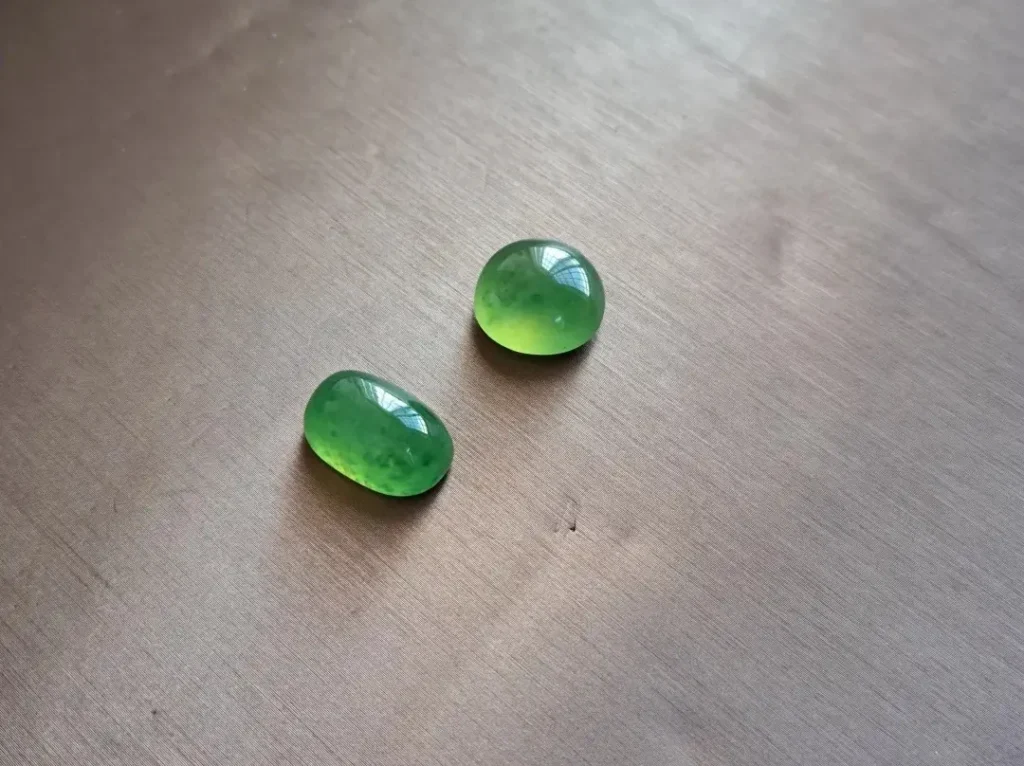
This type has a refined texture and higher translucency. Light can penetrate the stone, producing a clean and refreshing appearance often compared to clear ice. - Highly transparent, fine-grained jadeite (traditionally called “Glass-Type”)
Considered one of the finest traditional jadeite categories, this material has an exceptionally fine texture, outstanding transparency, and a glass-like appearance. High-quality examples may display a subtle internal glow known in the trade as qiying (起荧), an optical effect created by the interaction of light with the stone’s fine internal structure.
Because of its rarity, refined texture, and exceptional transparency, Glass-Type jadeite represents some of the most valuable material in the jade market.
Myanmar Spinel
In our article The Spinel Ascent: From Historical Understudy to Market Protagonist, we introduced how spinel earned the reputation as one of history’s most famous “impostor gemstones.” Because fine red spinels closely resemble rubies, many historic jewels, including parts of the Russian Imperial jewels and the British Crown Jewels, were once mistaken for rubies.
Today, major spinel sources include:
- Myanmar
- Vietnam
- Sri Lanka
- Thailand
- Afghanistan
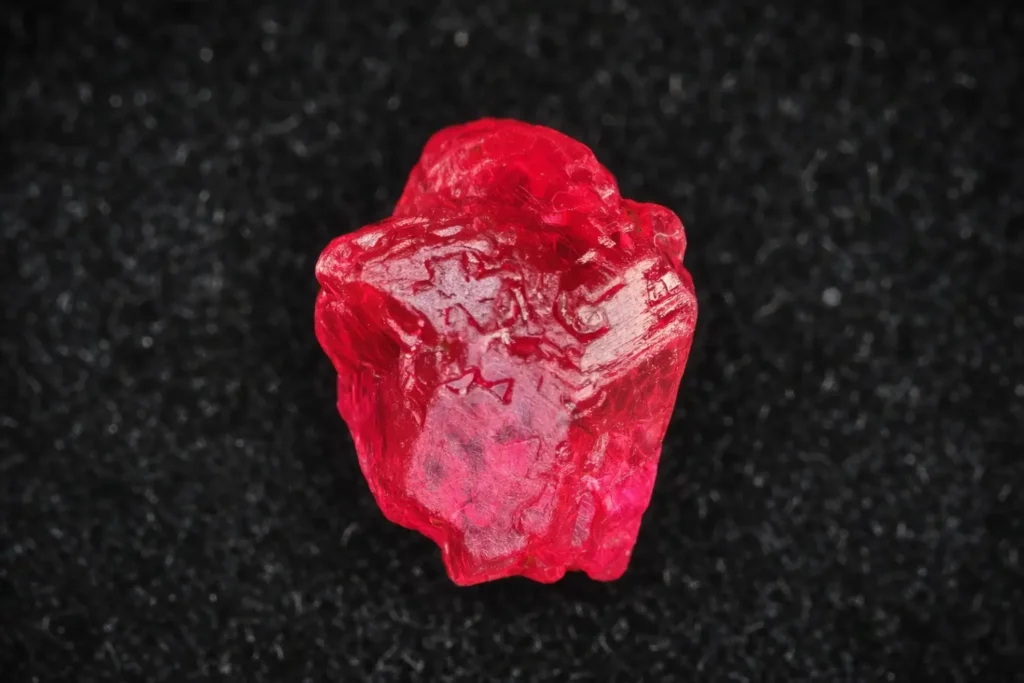
Among these sources, Myanmar remains one of the world’s most important origins for fine-quality spinel. The country is especially known for exceptional material from the Mogok and Myitkyina regions.
Mogok Spinel
Mogok is one of the world’s most renowned spinel-producing regions and a historic source of fine red spinel.
Most Mogok spinels are gem-quality and are valued for their:
- Wide range of colors, including red, orangish red, pink, and purplish red;
- Strong color saturation;
- Excellent transparency and vivid color appearance.
Unlike some red spinels from other localities, Mogok spinels typically do not display a distinct velvety appearance.
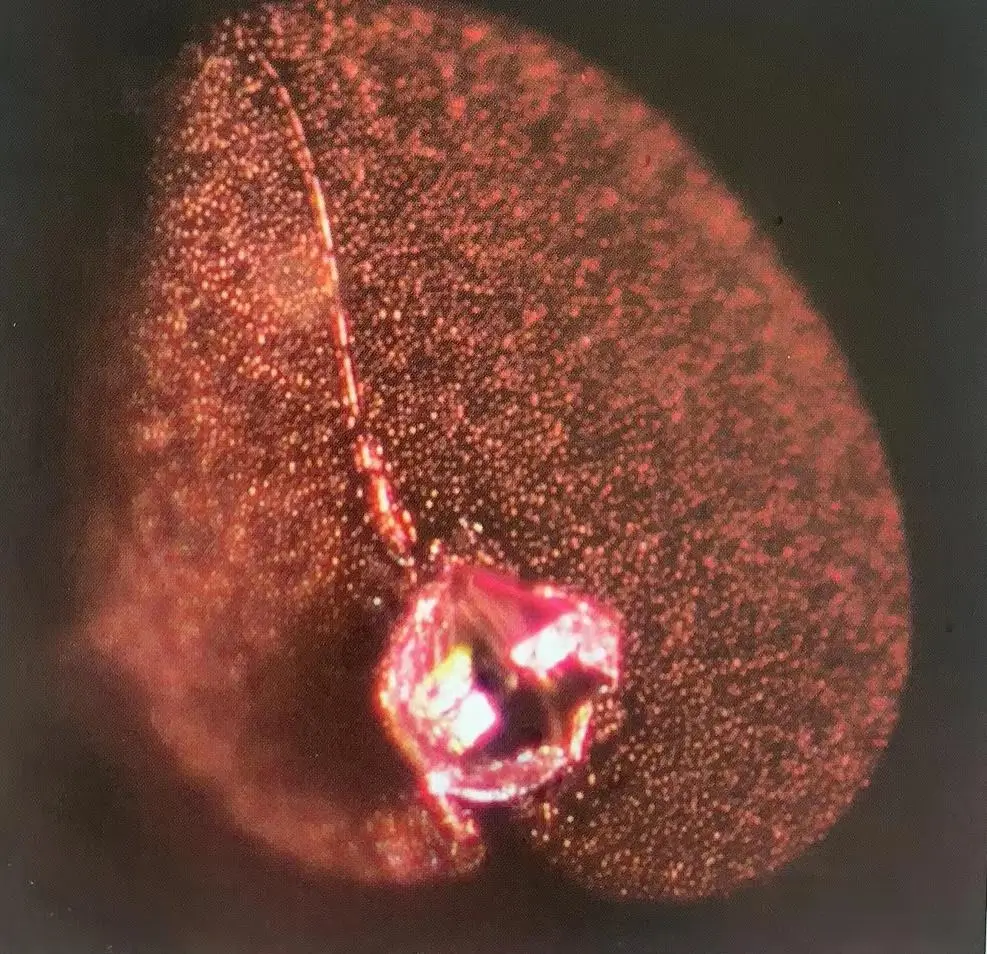
Under magnification, Mogok spinel often reveals characteristic mineral inclusions that help gemologists identify its geographic origin. Common inclusions include:
- Calcite
- Apatite
- Octahedral negative crystals
Other inclusions may include:
- Anhydrite
- Magnesite
- Feldspar
- Humite
These internal features provide valuable clues for origin determination in gemological studies.
Myitkyina Spinel
The Myitkyina region represents another important source of Burmese spinel. Notable deposits include:
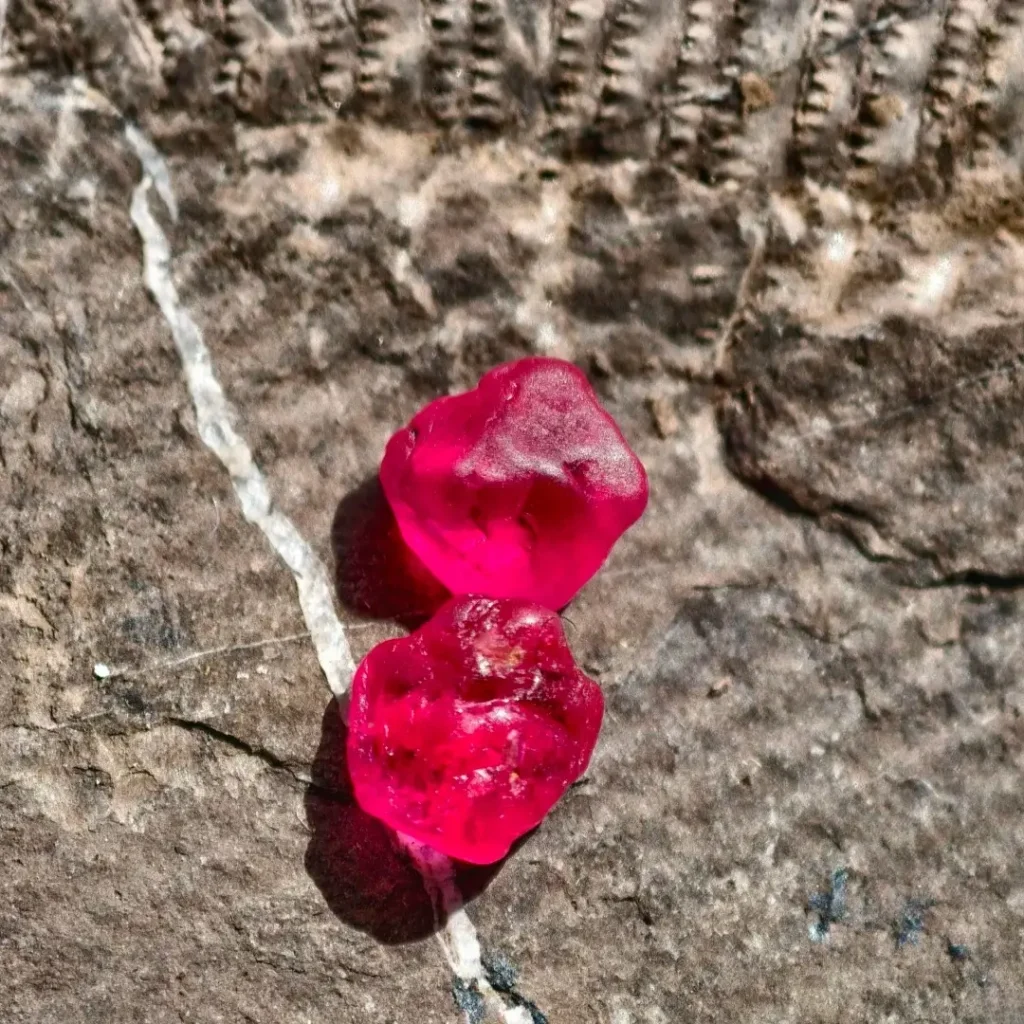
- Ywama deposit
- Namya deposit
The Namya deposit is particularly famous for producing the highly sought-after Jedi Spinel.
In recent years, Jedi Spinel has gained significant attention among international collectors. Exceptional examples can command prices that rival or even exceed some traditional red spinels.
The popularity of Jedi Spinel comes not only from market demand but also from its remarkable visual characteristics:
- Extremely high saturation with vivid hot pink color;
- A strong neon-like appearance;
- Bright, lively tones without noticeable dark areas.
These qualities give fine Jedi Spinel a unique presence among modern colored gemstones.
Myanmar Moonstone
In our article June Birthstone: Can the Legendary Moonstone Really Predict the Future? Tiffany and Dior Have Used It Too!, we introduced moonstone, a variety of feldspar and one of the most recognized gemstones in the feldspar family.
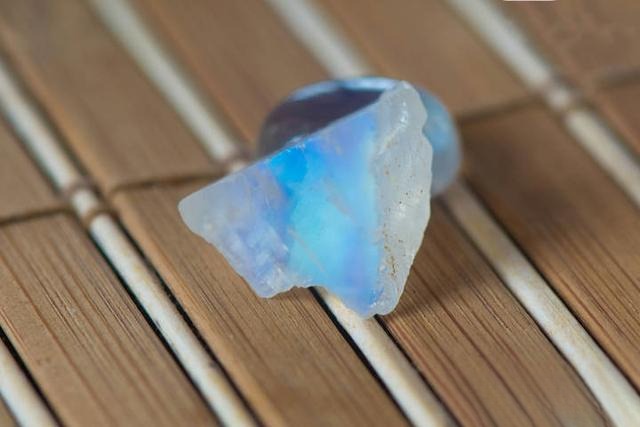
Moonstone gets its name from its distinctive optical effect. As the stone moves under light, a soft blue or white glow appears to float beneath the surface. This phenomenon is known as adularescence.
The main sources of moonstone include India, Sri Lanka, and Myanmar. Burmese and Sri Lankan moonstones are both valued for their excellent gem quality.
Myanmar moonstone often shows good crystal clarity and a glass-like appearance. Fine-quality stones are frequently eye-clean, and some exceptional examples display a vivid blue adularescence, making them highly sought after by collectors.
Myanmar Peridot
In our article Peridot: The “Gem of the Sun” from the Lunar Mantle to Earth’s Depths, we introduced peridot, a green gemstone with a distinctive yellow undertone.
Peridot was discovered in ancient Egypt more than 3,500 years ago. Today, important sources include Myanmar and Arizona in the United States. Among them, Myanmar’s Mogok region is one of the world’s important sources of gem-quality peridot.
Fine Burmese peridot from Mogok is known for its vivid green color with less yellow than material from many other sources. Its higher iron content contributes to its stronger green appearance.
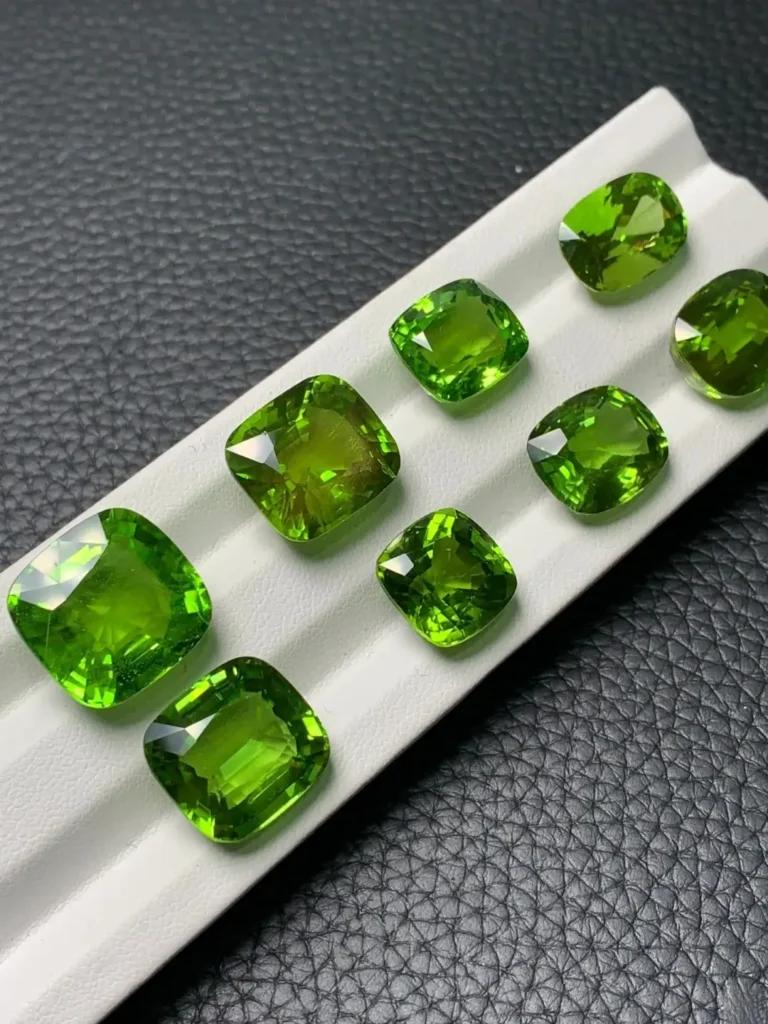
Peridot with an intense grass-green color is particularly rare and can achieve higher values in the gem market.
Mogok also produces large peridot crystals, including fine-quality faceted gemstones weighing over 100 carats.
Myanmar Amber
In our article Real Amber Identification – 10 Essential Tips from Jewea, we introduced amber as an organic gemstone formed from fossilized tree resin over millions of years. High-quality amber is valued for its transparency, clarity, and clean appearance.
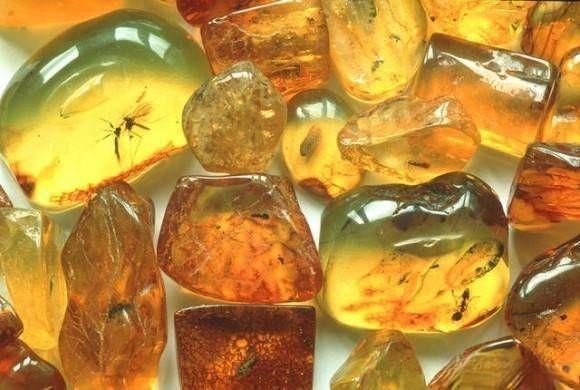
Myanmar is one of the world’s important amber sources. Unlike Baltic amber, Burmese amber is classified as fossil resin from marine sediments and formed during the Cretaceous Period, approximately 80 to 100 million years ago. It is among the oldest known amber varieties in the world.
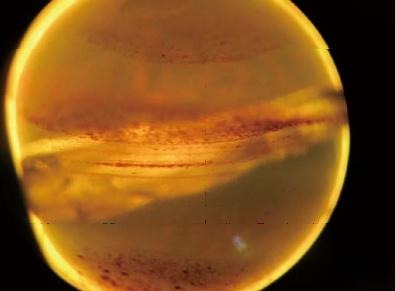
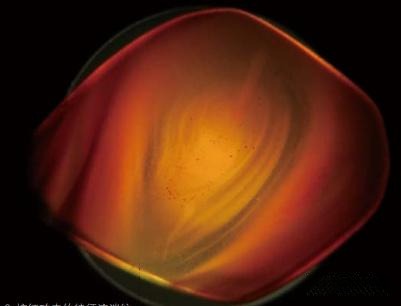
Based on color and transparency, Burmese amber is commonly divided into several varieties, including:
- Golden amber
- Brownish-red amber
- Red amber
- Root amber
Among these, brownish-red amber is the most common variety.
Brownish-red amber typically shows golden brown to reddish-brown colors. It ranges from transparent to translucent and often contains internal cloud-like particles or flowing patterns.
Some brownish-red amber displays subtle violet or purplish-red tones under natural light. When exposed to ultraviolet light, its surface may show a blue fluorescence, while the body color remains brownish red under transmitted light. This variety is often known as Violet Amber.
Explore More Gemstone Origins Around the World
In our Kingdom of Gems series, we have previously explored the unique gemstone heritage of:
- Thailand: Thailand Gemstones: From Rubies and Sapphires to the Rising Star of Spinel
- India: Indian Specialty Gemstones: A Guide to Historic Diamonds, Kashmir Sapphires, and Investment Treasures
- Australia: The Ultimate Guide to Australia Gemstones: Nature’s Wonders from Down Under
- Tanzania: Discover Tanzania’s Top 8 Gemstones: The Dark Horse of Africa’s Mineral Wealth
- Sri Lanka: Exploring Sri Lankan Gemstones: What Lies Beyond Rubies and Sapphires?
- Pakistan: Pakistan Gemstones: Swat Emerald, Hunza Ruby, Peridot, and More
- Iran: Iran Gemstones: Discovering Persian Turquoise, Agate, Demantoid Garnet, and More
- China: The Ultimate Map of Gemstones of China: Discover 300+ Varieties Across 600 Localities
In this article, we explore Burmese Gemstones, including jadeite, rubies, spinel, peridot, and amber.
Every country has its own unique gemstone resources. More gemstone origins will be explored in future articles.