Colombian Gemstones: Emeralds, Mining Regions, and Investment Value
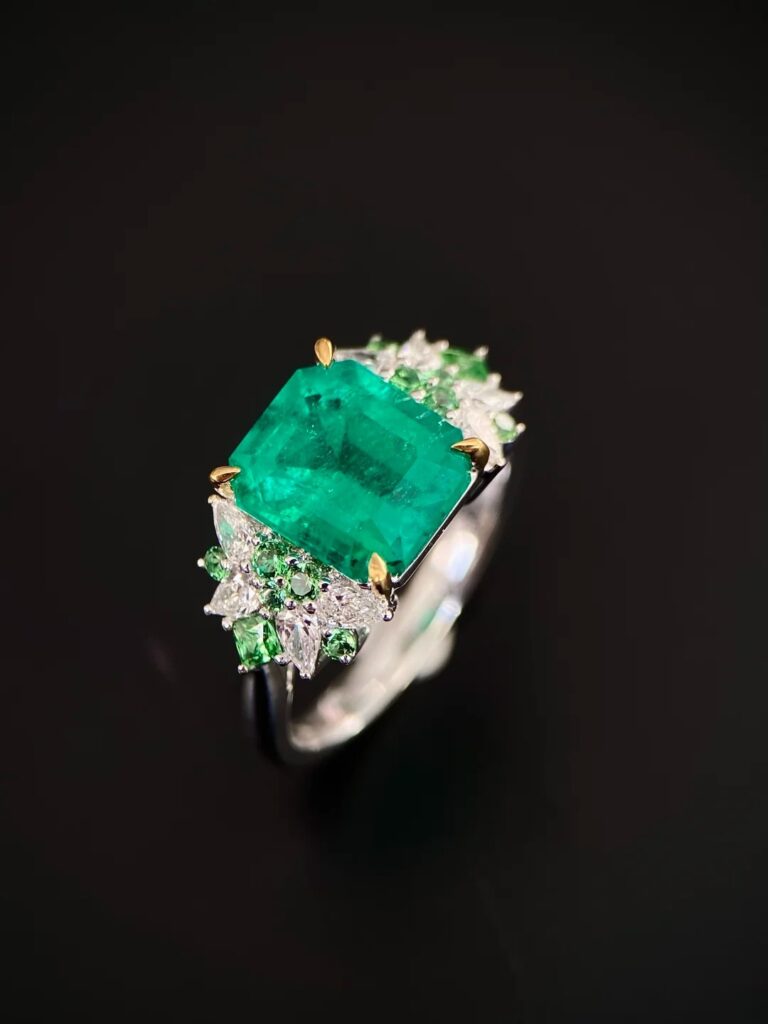
When gem professionals speak of Colombian gemstones, one stone inevitably defines the country’s global reputation: emerald.
For centuries, Colombia has set the benchmark for fine emeralds—stones prized not only for their saturated green color, but also for their geological rarity, historical legacy, and enduring value in the international market.
In this guide, we explore Colombian gemstones through their most important representatives: emeralds from legendary mining regions, followed by a lesser-known but intriguing category—Colombian sapphires.
Why Colombian Gemstones Matter in the Global Market
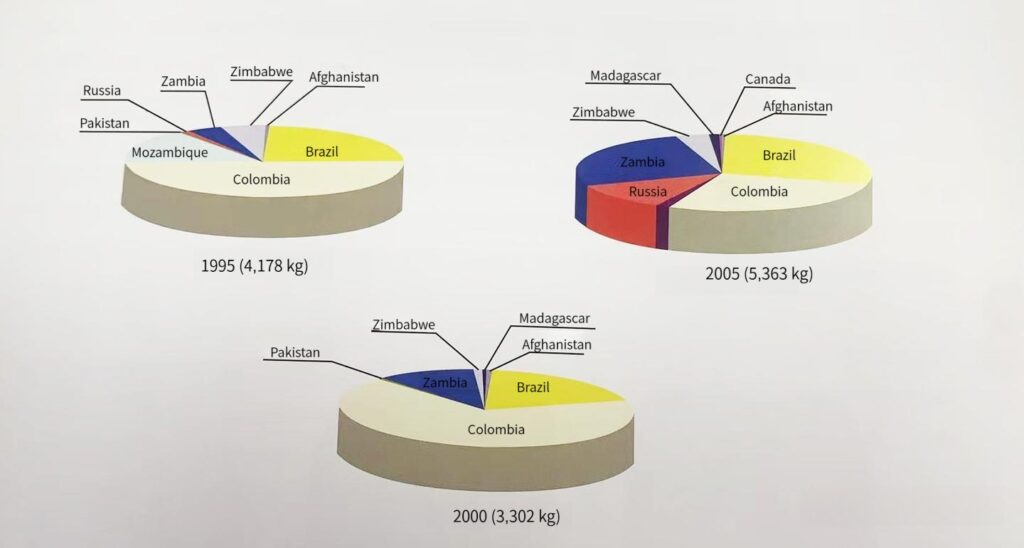
Colombia has long been regarded as the world’s most important source of high-quality emeralds.
Historically, Colombian mines supplied nearly 80% of the world’s emerald production. While discoveries in Brazil and Zambia have diversified global supply, according to Jewea’ 2026 Internal Market Analysis, Colombia still maintains a commanding 35% share of worldwide output, specifically dominating the ultra-high-end sector.
What sets Colombian gemstones apart is not volume, but quality concentration—a rare combination of vivid color, distinctive inclusions, and strong market recognition.
Colombian Emeralds: The National Gem
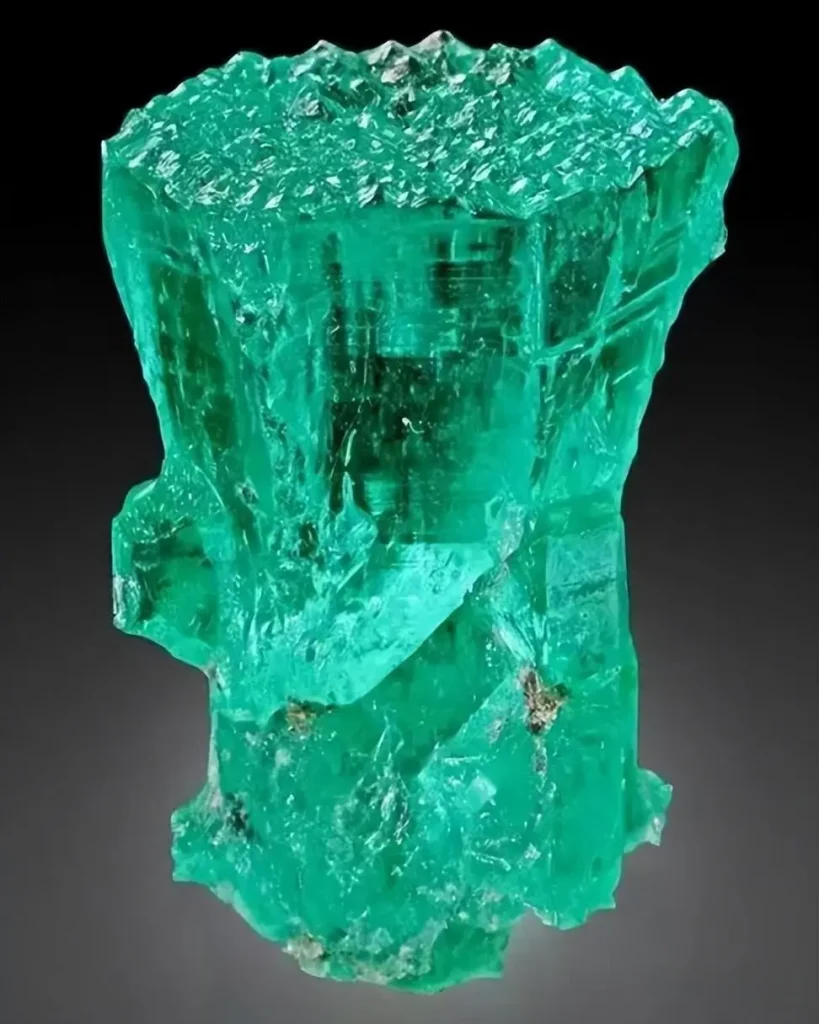
Geological Distribution
Colombian emerald deposits are primarily located in the Eastern Cordillera of the Andes.
The most important mining regions are:
- Muzo
- Chivor
- Coscuez
Each produces emeralds with distinct visual and geological characteristics.
Muzo Mine – The Global Benchmark for Fine Emeralds
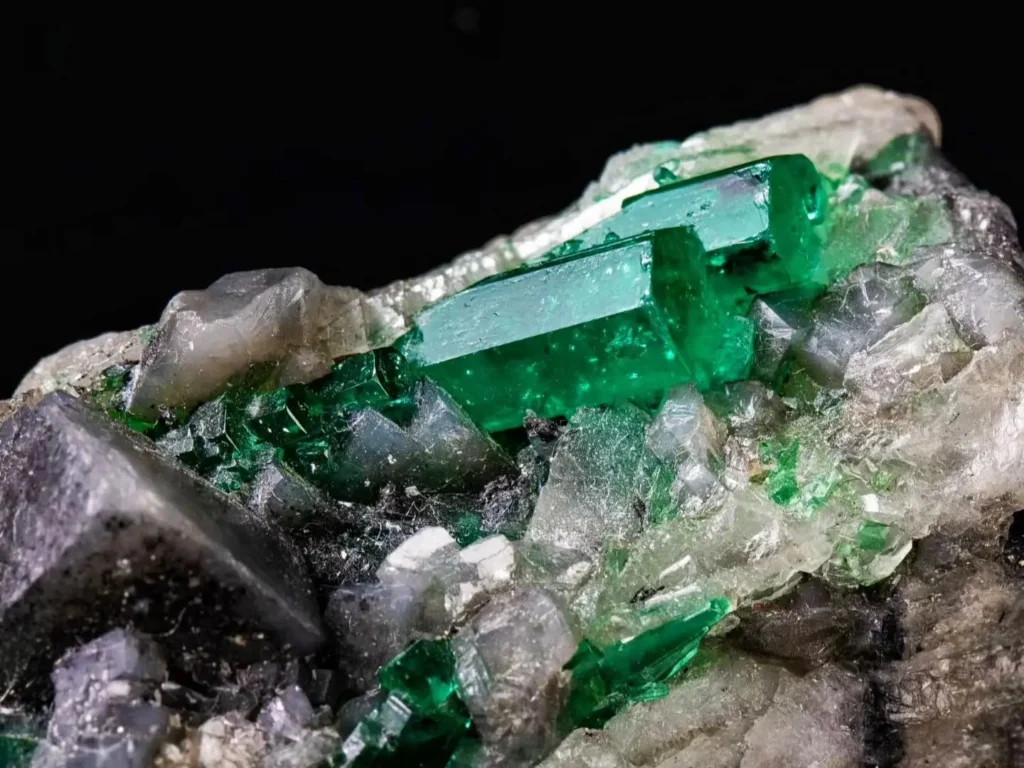
Often described as the reference standard for emerald quality, the Muzo mine has been active since at least the 15th century and remains Colombia’s most prestigious source.
Key Characteristics of Muzo Emeralds
- Color: Deep, saturated green, often with a subtle yellow or blue modifier
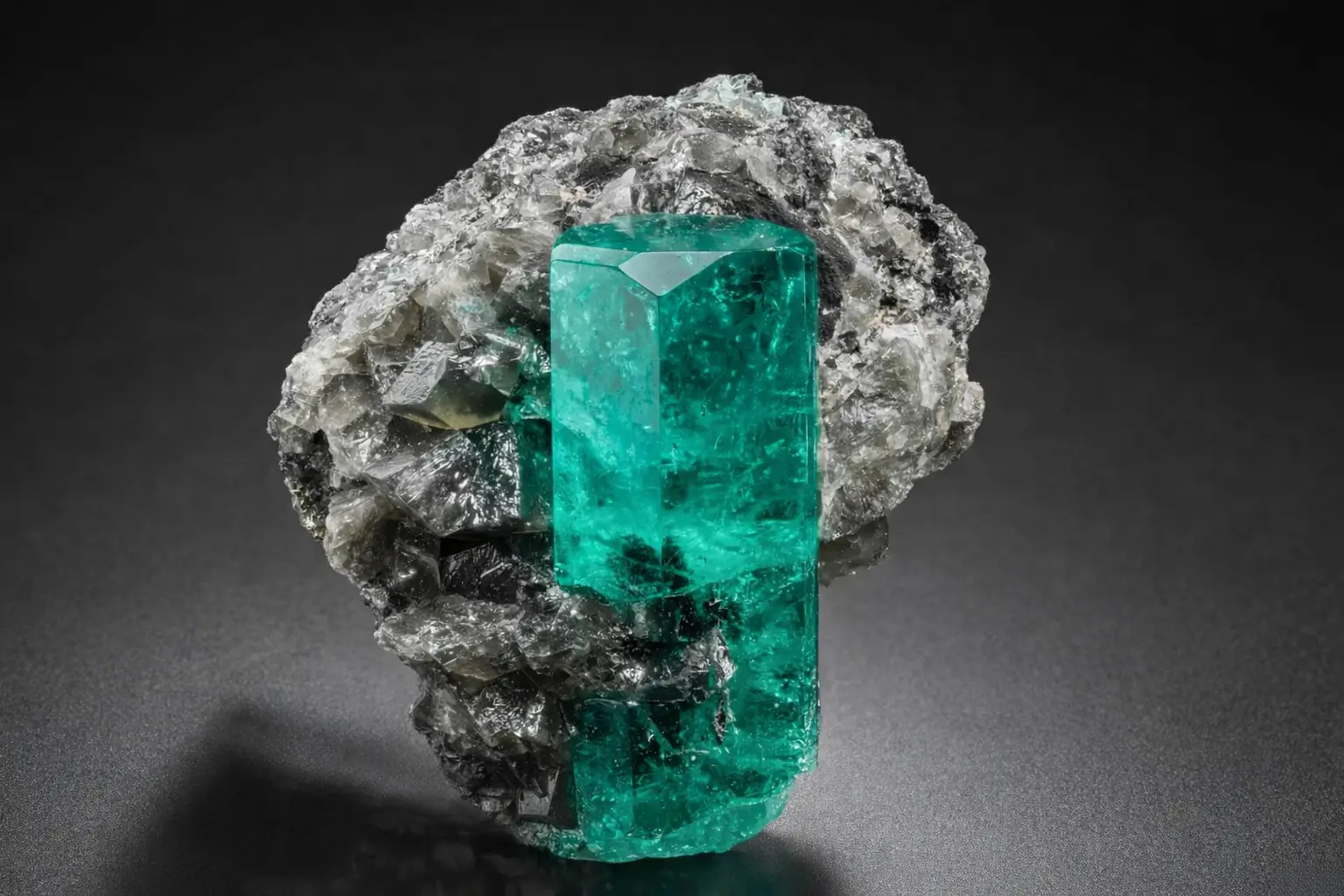
- Crystal Habit: Short, well-formed crystals rather than clustered aggregates
- Inclusions: Classic three-phase inclusions (gas, liquid, and solid), frequently with jagged or branched outlines
- Diagnostic Features: Presence of rare-earth minerals such as parisite in yellow-brownish stones
Traders and collectors also prize the Muzo mine as the primary source of Trapiche emeralds, which feature a dark central core and six radiating arms, making them among the most collectible emerald formations in the world.
“Muzo Green” in the Market
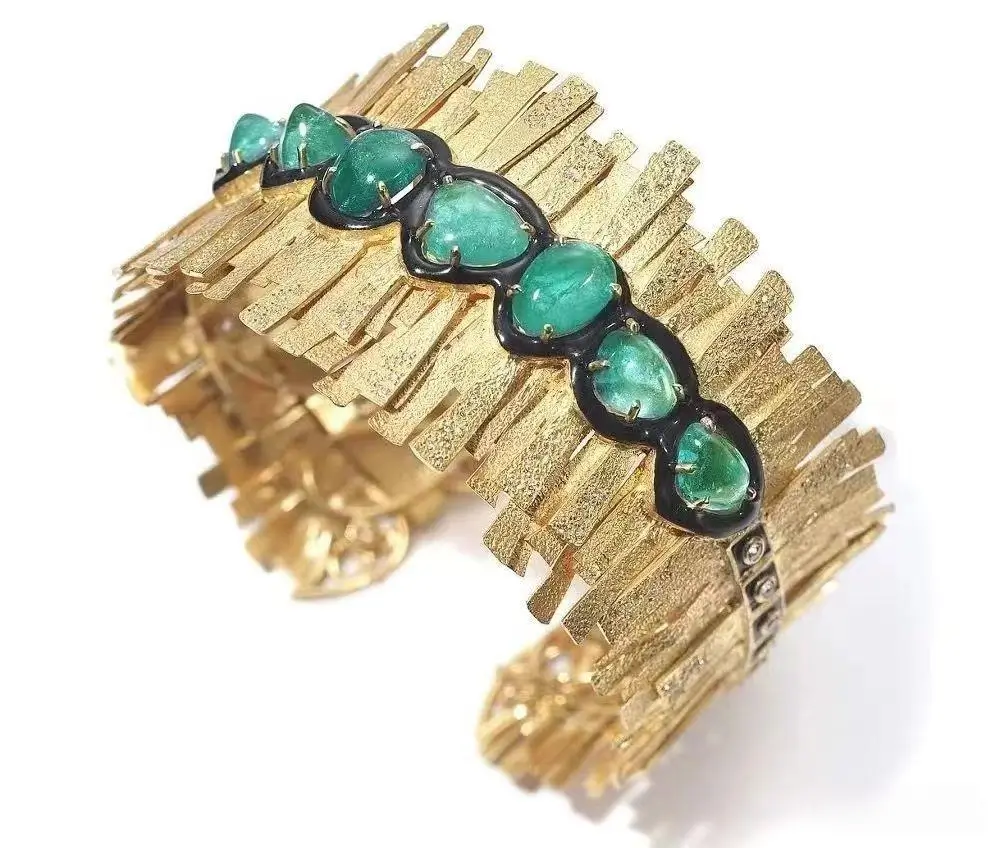
In the broader marketplace, the term “Muzo Green” carries a very specific meaning. Rather than serving as a simple color description, it represents a recognized quality designation, frequently referenced in advanced gemological reports such as those issued by GRS. Within the trade, this terminology signals a combination of origin, saturation, and overall quality that commands a consistent premium.
To better understand how saturation, tone, and hue interact in defining emerald value, we explore these principles in greater detail in [Understanding Emerald Color Grading: Your Guide to the World’s Most Captivating Green], where color grading frameworks and real-world market applications are explained step by step.
Chivor Mine – Blue-Toned Elegance
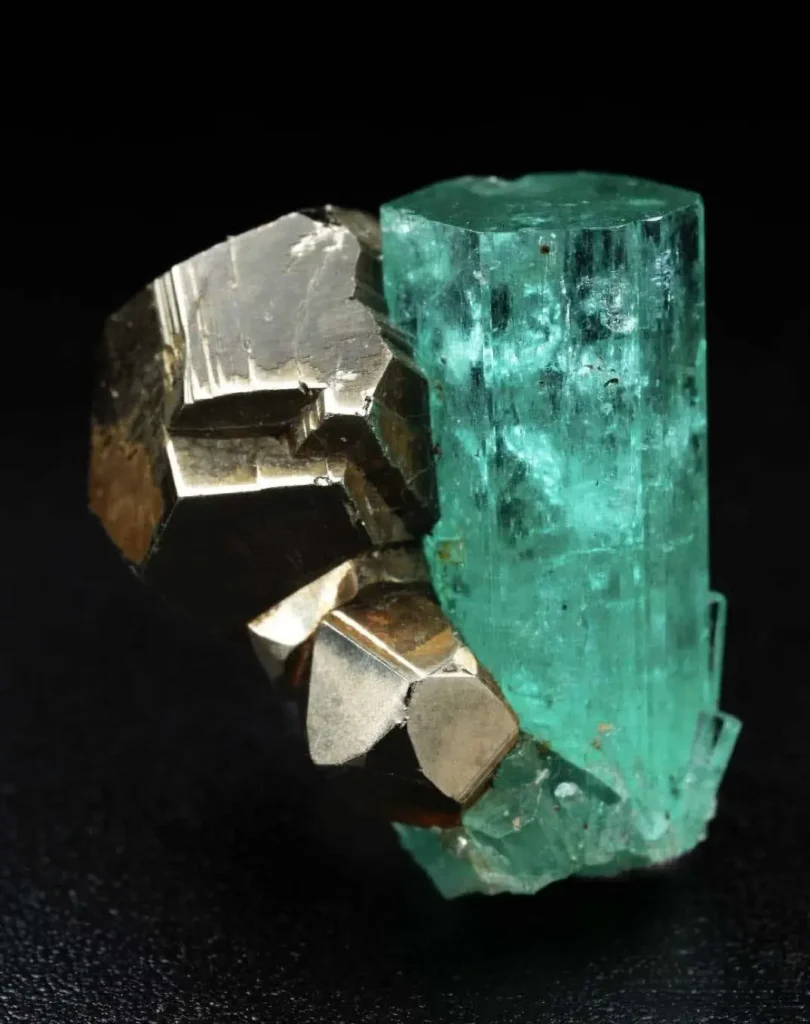
Located northeast of Bogotá, Chivor—historically known as Somondoco—is Colombia’s oldest emerald mining area.
Distinguishing Features
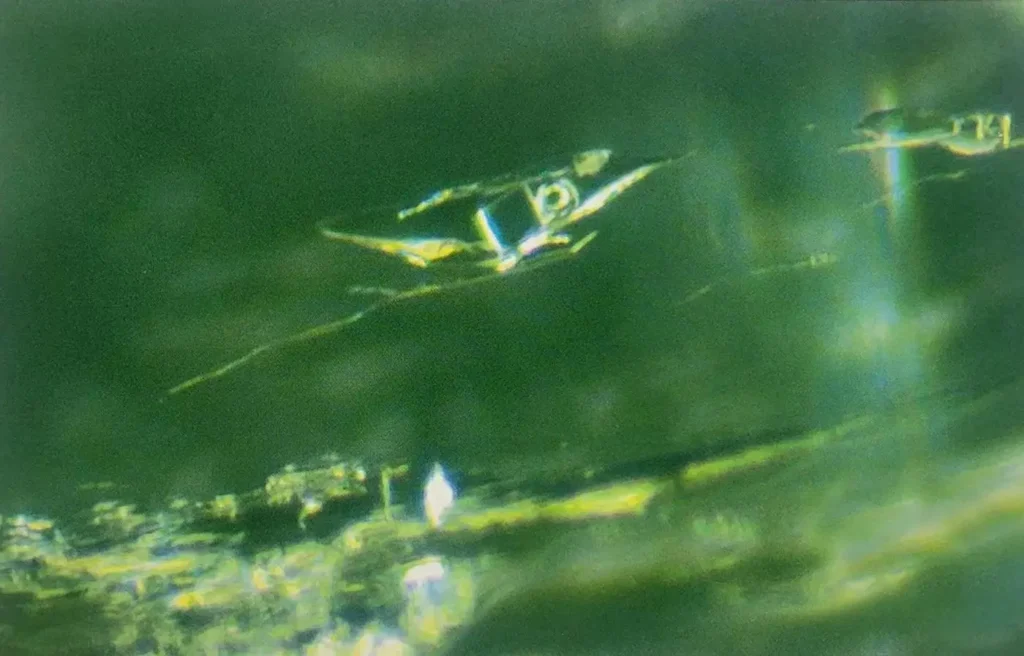
- Color: Lighter green with a noticeable blue undertone
- Inclusions: Three-phase inclusions alongside well-formed pyrite crystals
- Crystal Structure: Long, isolated crystals rather than clustered growth
- The Rarities: The Rebel of the Emerald World: “The Eye of the Angel” Trapiche Emerald
— While found in various mines, Chivor is known for producing specimens with incredible transparency. These Trapiche Emeralds typically show a green hexagonal core with radiating arms, formed by the unique intergrowth of albite and emerald.
Collectors highly value Chivor emeralds for their clarity and elegant appearance, as their cooler green tones naturally appeal to those who prefer a more refined color profile.
Coscuez Mine – Diversity and Transparency
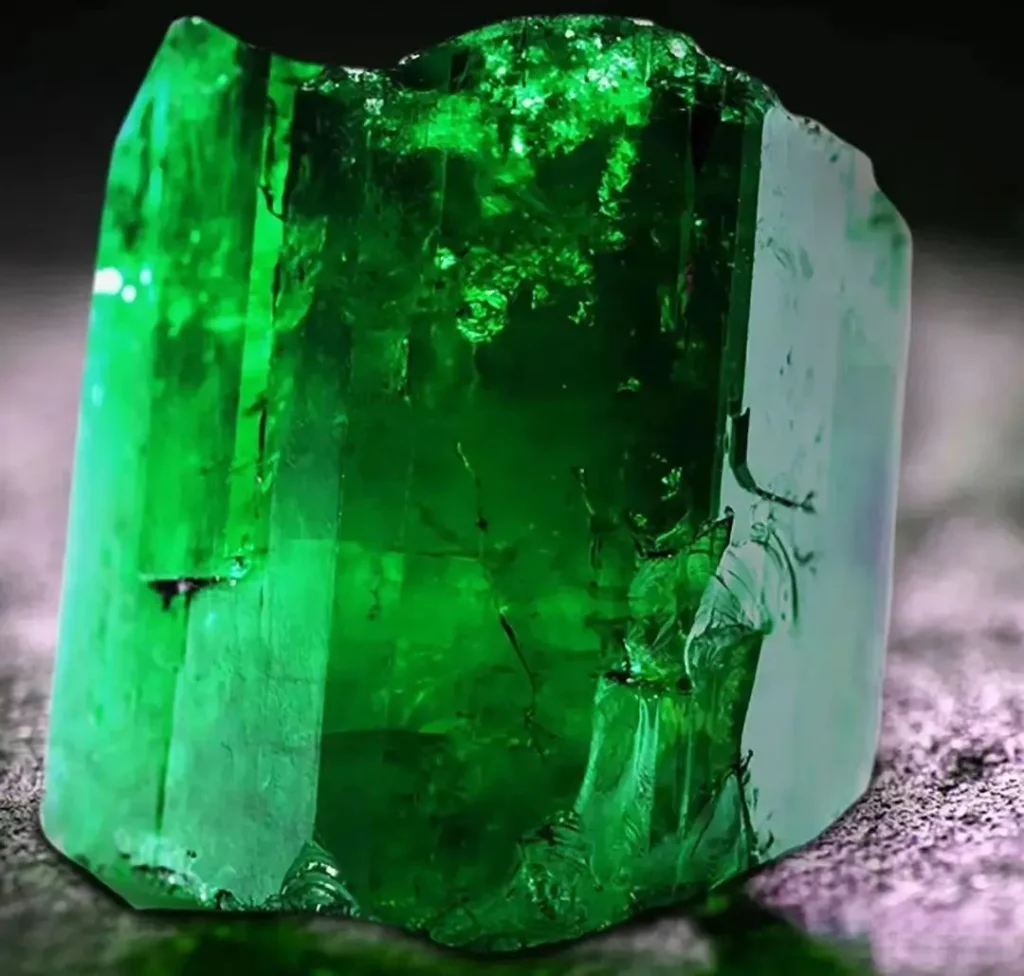
Situated approximately 10 km from Muzo, Coscuez has been mined since the 16th century.
While nationalized, the area still experiences informal mining activity.
Characteristics
- Color Range: Broad, from medium green to darker blue-green
- Clarity: Generally higher transparency, though fissures are common
- Host Rock: Gray calcite frequently visible, with crystals often forming in clusters
Collectors and jewelers appreciate Coscuez emeralds for their wide range of colors and characteristics, often treating them as a more value-oriented alternative within Colombian production.
Market & Auction Highlights
Colombian emeralds consistently perform at major international auctions, reinforcing their status as blue-chip colored gemstones.
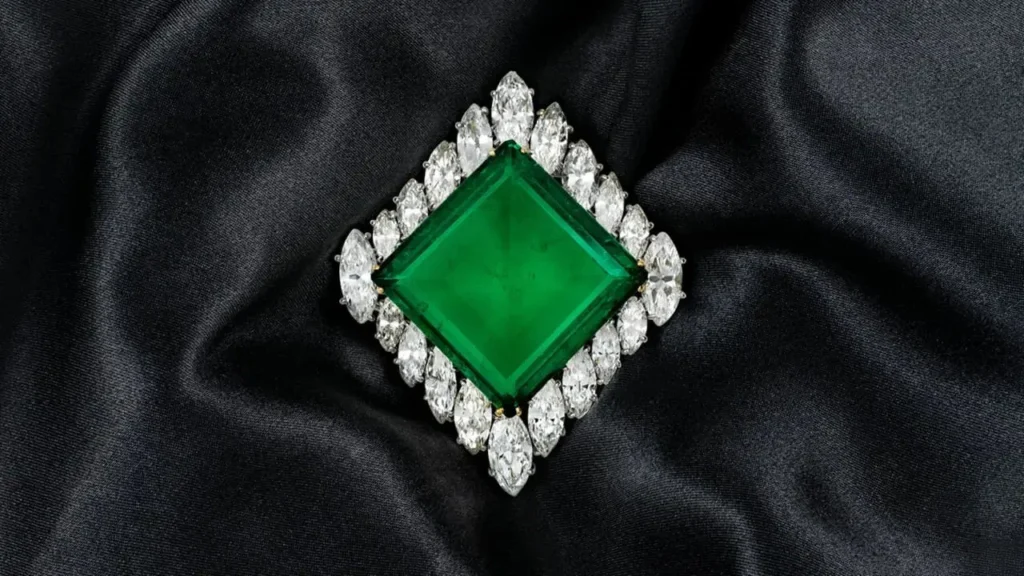
- Aga Khan Emerald Brooch: 37-carat Colombian emerald, sold at Christie’s Geneva (2024) for approximately USD 8.8 million
- Jewea’ 2026 Internal Market Analysis reveals that recent private and auction transactions have driven a price appreciation of 15–35% since 2023 for top-tier stones from Muzo and Chivor, reflecting a shrinking supply of ‘No Oil’ specimens.
This sustained appreciation reflects both supply constraints and global demand for traceable, origin-certified emeralds.
Buying Guide: How to Avoid Common Mistakes
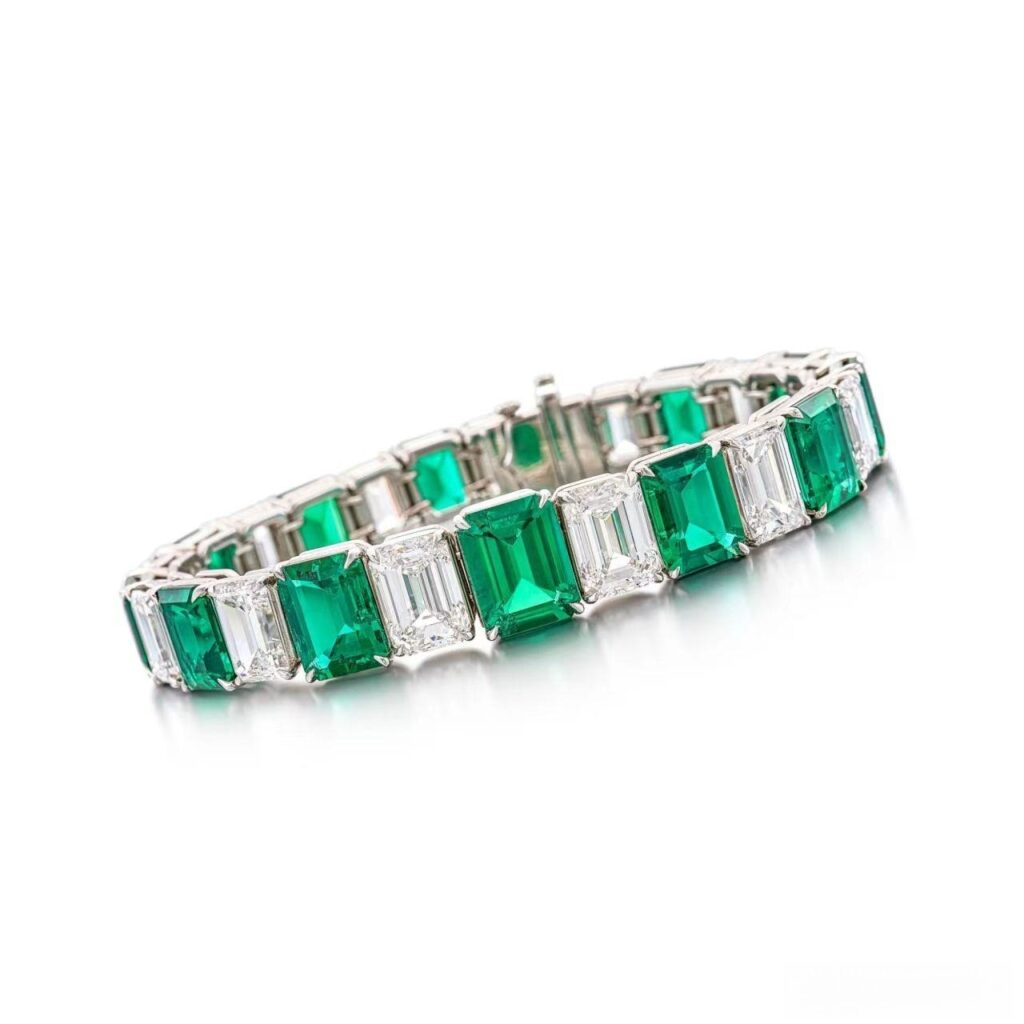
- Certification Matters More Than Origin Claims
Without a recognized report, many “Colombian emeralds” on the market originate elsewhere.
Look for GRS or Gübelin reports with clear origin determination. - Color Over Clarity
Natural emeralds almost always contain inclusions. Eye-clean appearance is sufficient; flawless stones are suspect. - Evaluate Color in Natural Light
Retail lighting exaggerates saturation. Always assess color near a window or under neutral daylight. - Secure Settings Are Essential
Emeralds are relatively brittle (Mohs ~7.5). Choose protective settings with six prongs or more to minimize risk.
Colombian Sapphires: Rare and Emerging
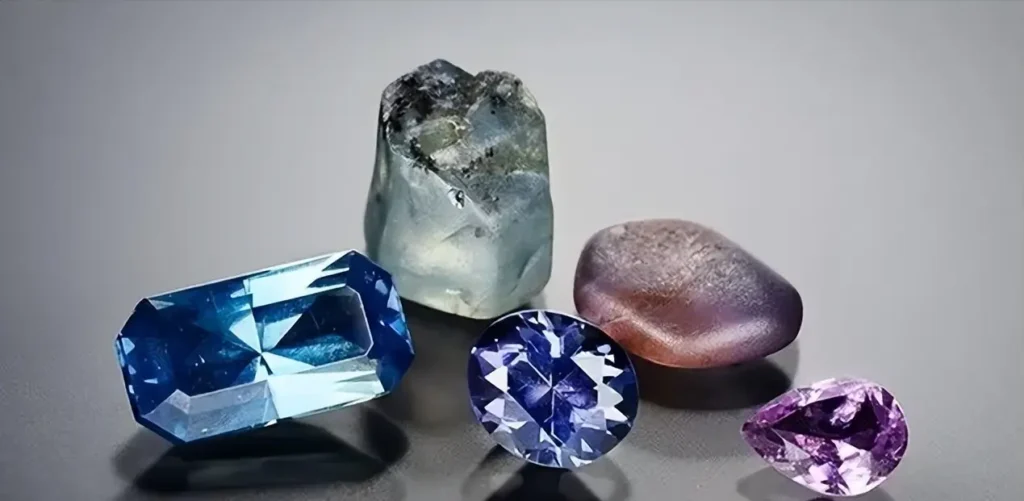
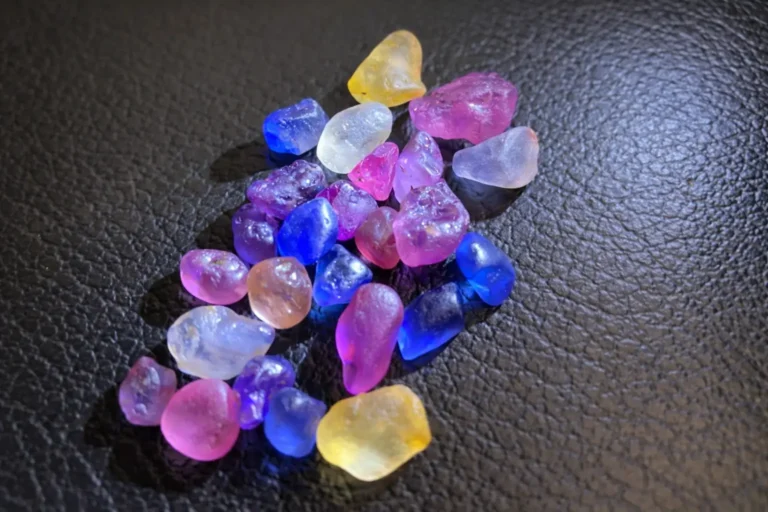
While emeralds dominate Colombia’s gemstone identity, the country also hosts rare sapphire deposits.
In the Cauca Valley, near the town of Mercaderes, sapphires were first formally documented by GIA over 30 years ago.
Characteristics

- Colors: Blue, pink, purple, and occasional color-change varieties
- Inclusions: Zircon and rutile crystals, color zoning, milky clouds, twinning lines
- Market Presence: Extremely limited, with few stones entering international trade
Colombian sapphires remain a niche collector category, valued more for rarity than market liquidity.
Frequently Asked Questions About Colombian Gemstones
While both regions produce stunning stones, Colombian emeralds—especially those from the Muzo mine—typically command higher premiums in the global market. This premium arises from their unique “warm” green hue and long-standing historical prestige, making them a reliable choice for long-term investment compared with Zambian emeralds.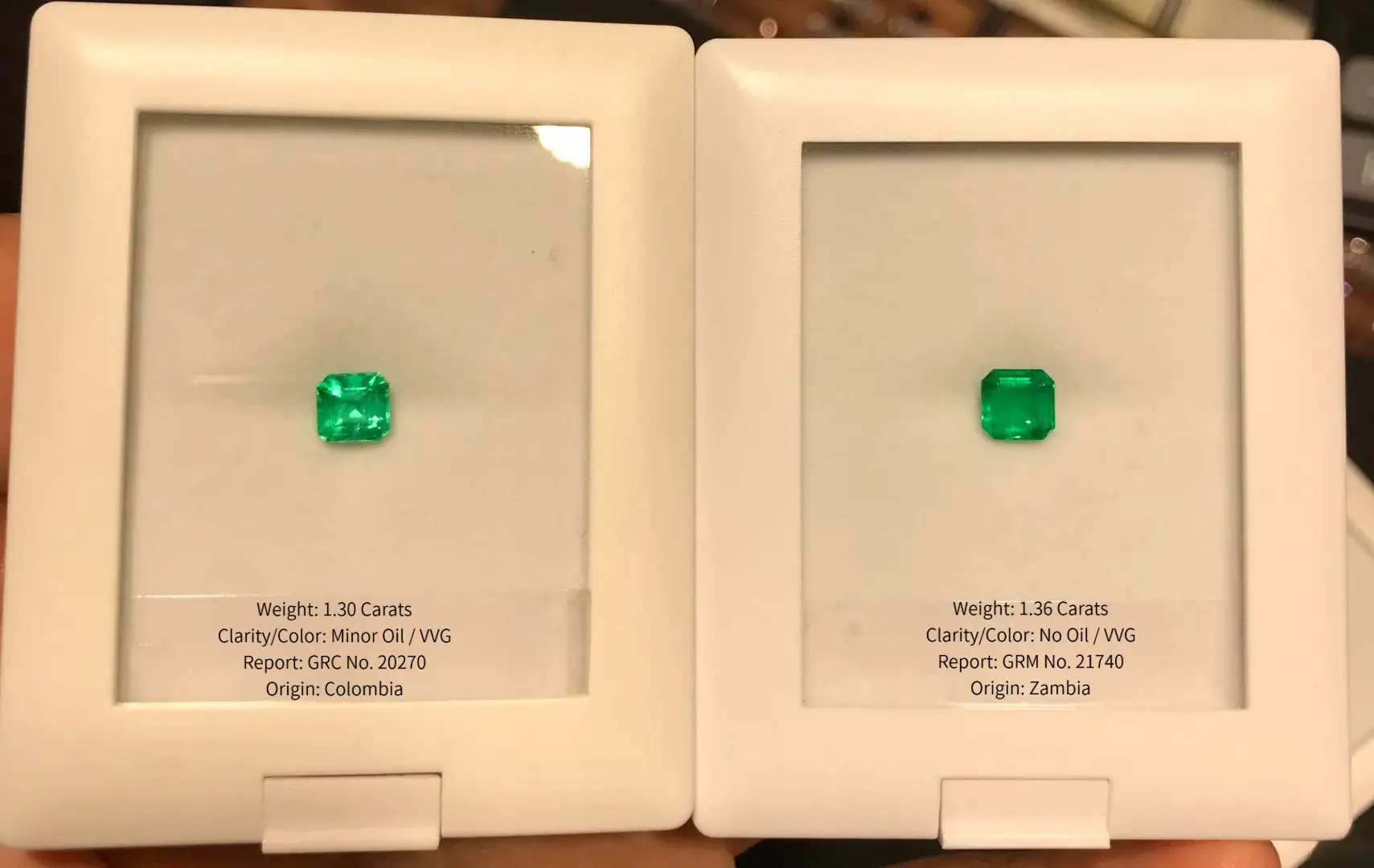
Muzo Green” refers to a highly saturated, vivid green that often shows subtle blue or yellow undertones. Beyond color alone, a genuine Muzo Green stone also carries a specific historical pedigree, which collectors and top-tier labs like GRS recognize as the market’s gold standard.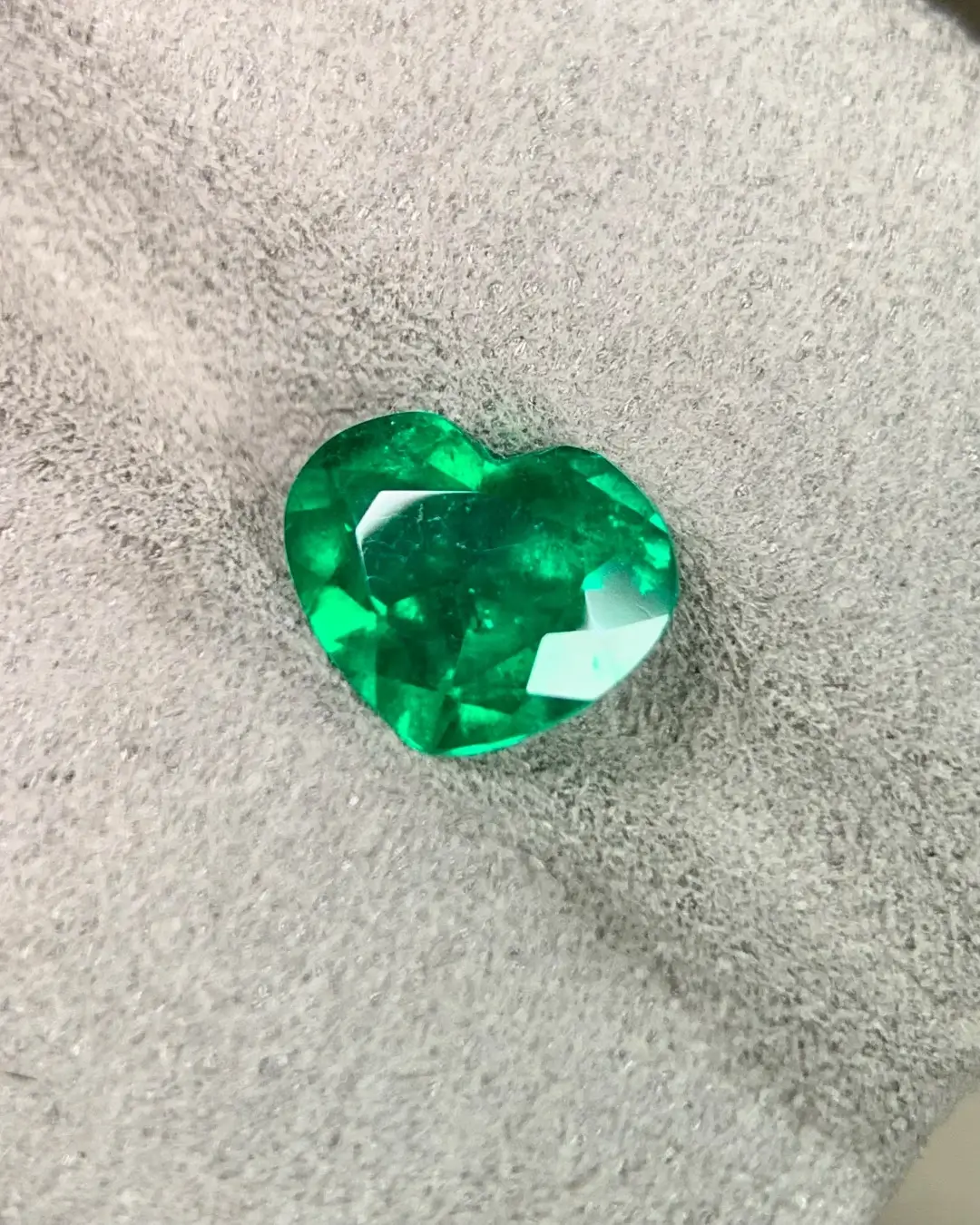
The presence of inclusions in natural Colombian emeralds primarily results from the turbulent geological environment where they form. As a result, experts describe these internal patterns as a “jardin” (garden). Collectors, in turn, use these three-phase inclusions as a unique fingerprint to verify a stone’s authentic Colombian origin and natural formation.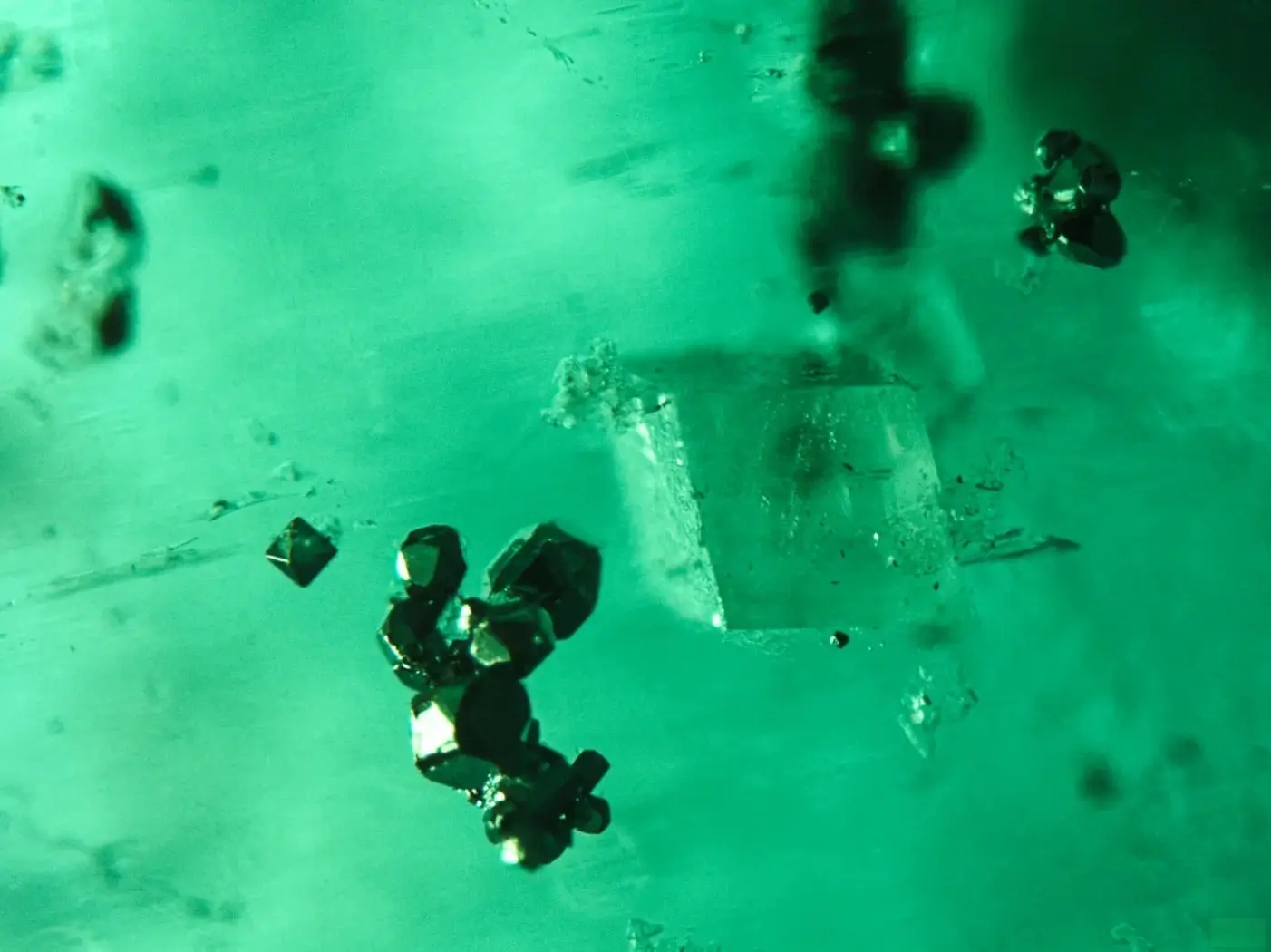
To safely invest in Colombian gemstones in 2026, focus on what experts call the “Big Three”: certification, clarity, and color. Specifically, always request a report from a reputable lab such as GRS or Gübelin to confirm a stone’s “Minor Oil” or “No Oil” status and Colombian origin. Based on Jewea’ 2026 Internal Market Analysis, investors should prioritize stones weighing 5 to 10 carats with vivid saturation, as these parameters currently demonstrate the strongest liquidity and appreciation potential in the secondary market.
Exploring Gemstone Treasures from Around the World
Colombia’s legendary emeralds are only one chapter in the much larger story of global gemstone heritage.
Across continents and civilizations, each country offers mineral treasures shaped by unique geology, history, and culture.
In our Gemstone Countries series, we actively explore how a gemstone’s origin shapes its value, rarity, and identity. If you want to see how Colombia compares with other major gemstone regions, you can also explore the following in-depth features:
- Thailand: Thailand Gemstones: From Rubies and Sapphires to the Rising Star of Spinel
- Russia: Russian Gemstones: 9 Extraordinary Treasures from the Urals to Siberia
- India: Indian Specialty Gemstones: A Guide to Historic Diamonds, Kashmir Sapphires, and Investment Treasures
- Pakistan: Pakistan Gemstones: Swat Emerald, Hunza Ruby, Peridot, and More
- Brazil: 8 Treasured Brazilian Gemstones from the World’s Colored Gem Capital
- Afghanistan: Afghanistan’s Hidden Gemstones: From Panjshir Emeralds to Sar-e-Sang Lapis Lazuli
- Australia: The Ultimate Guide to Australia Gemstones: Nature’s Wonders from Down Under
- Tanzania: Discover Tanzania’s Top 8 Gemstones: The Dark Horse of Africa’s Mineral Wealth
- Sri Lanka: Exploring Sri Lankan Gemstones: What Lies Beyond Rubies and Sapphires?
- China: The Ultimate Map of Gemstones of China: Discover 300+ Varieties Across 600 Localities
Together, these articles reveal how geography, geology, and human history intertwine to shape the gemstone market—helping collectors and enthusiasts better understand why origin remains one of the most powerful factors in gemstone value today.
Final Thoughts on Colombian Gemstones
Colombian gemstones—especially emeralds—represent a rare convergence of geology, history, and enduring market prestige.
Moreover, for collectors and connoisseurs, understanding mining regions, inclusion signatures, and trusted certification standards is essential in order to navigate this elite category with confidence.
At Jewea, we carry this respect for origin and authenticity far beyond gemstone selection alone. Rather than concealing nature’s character, we deliberately design our handmade vintage earrings as modern heirlooms—pieces that, in turn, celebrate each gemstone’s individuality.
We embrace subtle inclusions, organic color variations, and time-honored metalworking techniques as intentional expressions of authenticity, not imperfections. Through this approach, every piece reflects the quiet beauty of materials shaped by both nature and human hands.
Furthermore, within our Gemstone Countries series, Colombia serves as a powerful reminder that true gemstone value lies not only in beauty, but also in origin, integrity, and a reputation earned over time. These same principles, therefore, guide every Jewea creation—from initial design to final craftsmanship—ensuring consistency, authenticity, and timeless elegance.
Market data and projections are derived from Jewea’ proprietary 2026 gemstone liquidity index.