Ultimate Ruby Buying Guide – Color, Carat, Clarity & Treatments Explained
Ever wondered why some rubies look stunning while others seem dull, even with the same price tag? The truth is, not all rubies are created equal.
In this Ultimate Ruby Buying Guide, we dive deep into ten essential dimensions—from color grading and clarity to origin and treatments—to reveal how each factor impacts a ruby’s true value.
Whether you are a first-time buyer or a seasoned collector, this ruby buying guide will empower you to choose your perfect gem with absolute confidence.
📑 Table of Contents
- Color: What Makes “Pigeon Blood” Rubies So Special?
- Fluorescence: How Fluorescence Enhances Ruby Value
- Carat: Why Ruby Size Impacts Rarity and Price
- Ruby Clarity: A Different Standard Than Diamonds
- Ruby Cut: Balancing Color, Weight, and Brilliance
- Heat Treatment: Understanding “Heated” vs. “Unheated”
- Heat: Treatments vs. Enhancements (The “Red Flags”)
- Certificate: Your Ultimate Safety Net
- Origin: Does “Where It’s From” Define Its Value?
- Ruby Alternatives: Capturing the “Fiery Red” on a Budget
1. Color: What Makes “Pigeon Blood” Rubies So Special?
Many buyers wonder: Is “Pigeon Blood” really the best ruby color?
Yes — but it’s not as simple as it sounds.
GRS Ruby Color Grading Standards
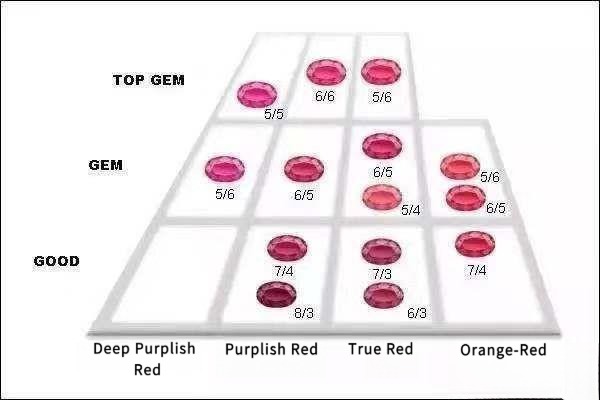
According to GRS (GemResearch Swisslab) color grading standards, ruby hues are classified from highest to lowest as:
Pigeon Blood, Deep Red, Red, Purplish Red, and Pinkish Red.
To truly understand how these grading bars are set, you can explore our breakdown of the six major ruby grading systems used globally.
What Defines a Certified Pigeon Blood Ruby
Interestingly, the term “Pigeon Blood” doesn’t actually refer to real blood. It originally described the vivid red eyes of a white dove — a poetic image later adopted by gem experts to define rubies that glow with an intense, fiery inner light.
Historically, the term was reserved only for rubies from Mogok, Myanmar, known for producing stones with pure red tones and strong fluorescence. However, since 2014, GRS has officially recognized Mozambique as another origin eligible to receive the Pigeon Blood Ruby designation, provided the gem exhibits identical color and fluorescence characteristics to those traditionally associated with Burmese rubies, reflecting the country’s exceptional gem quality.
To qualify as a certified Pigeon Blood Ruby, a stone must exhibit:
- A pure, vivid red hue with high saturation
- Medium to strong red fluorescence that enhances its brightness under daylight
- Even color distribution and minimal dark inclusions
These features create the legendary glow collectors adore — that unmistakable, almost “alive” red fire seen in the world’s finest rubies.
Famous Example: The Sunrise Ruby Ring by Cartier
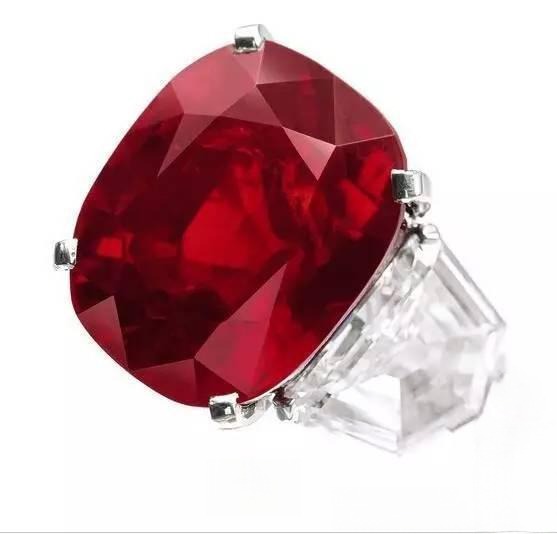
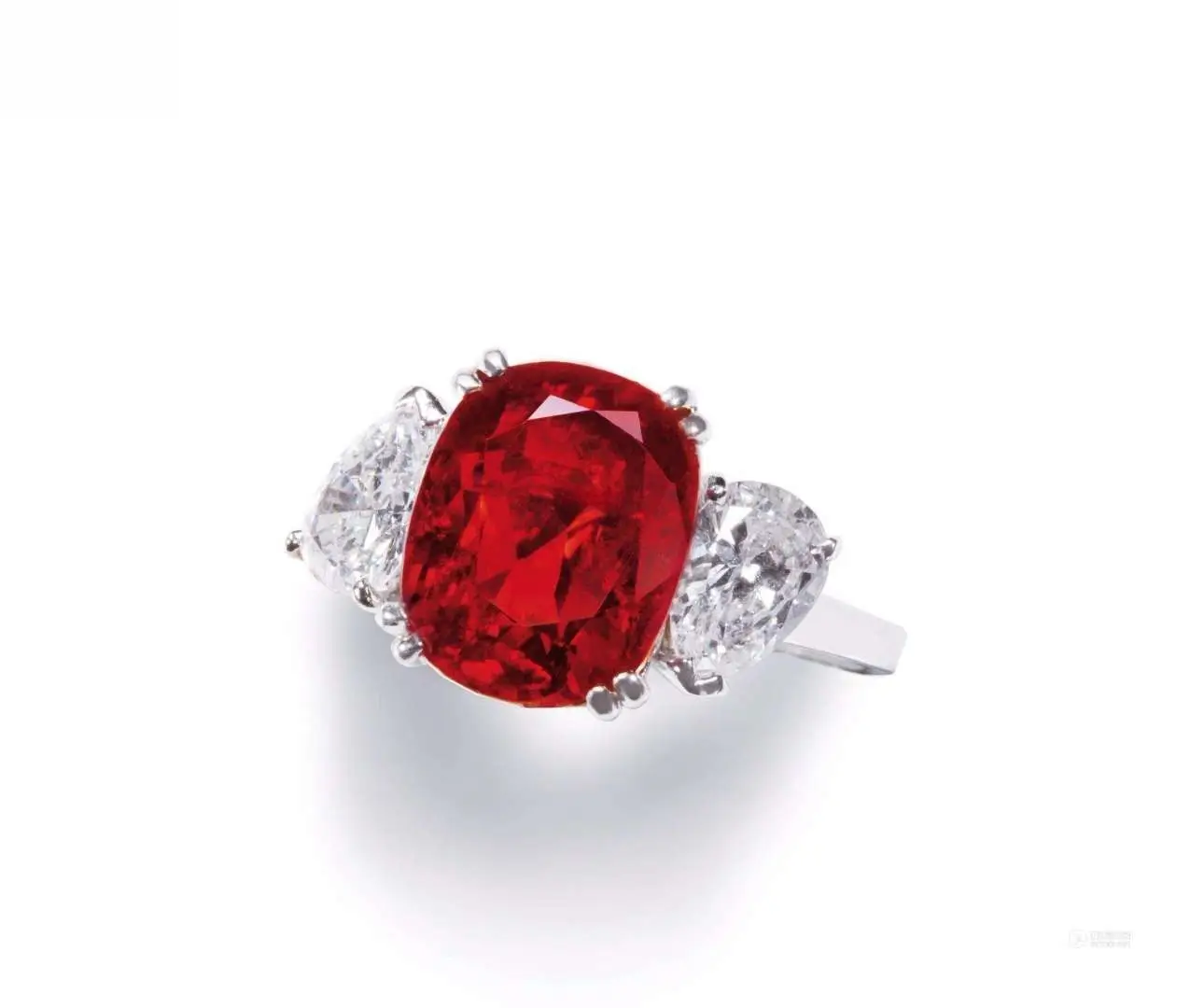
For example, the famous Sunrise Ruby Ring by Cartier, mined in Mogok, weighs 25.59 carats, is unheated, and features a cushion cut. It sold for USD $30.518 million, making it one of the most valuable colored gemstones ever auctioned.
2.Fluorescence: How Fluorescence Enhances Ruby Value
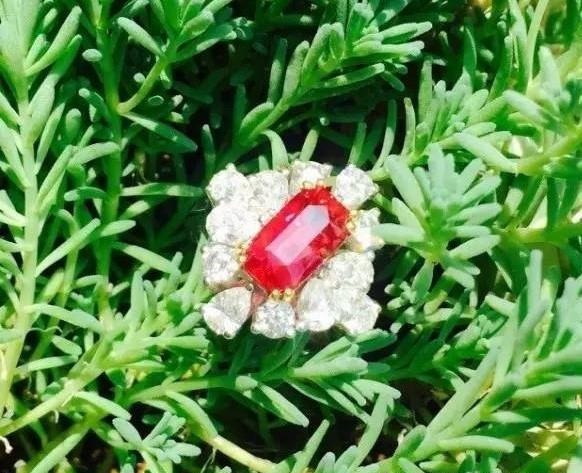
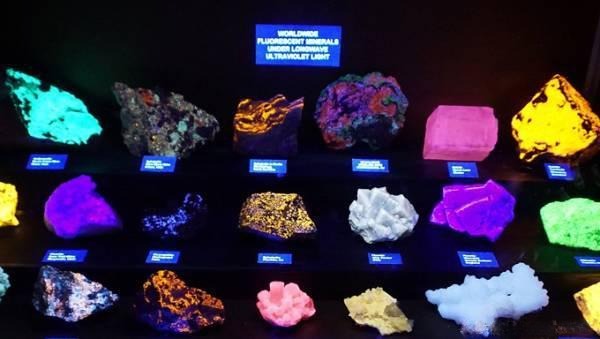
You might recall that strong fluorescence in diamonds can reduce their value. In the world of rubies, the opposite is true. Fluorescence is the ‘secret ingredient’ that transforms a beautiful red stone into a legendary one.
It acts as an internal amplifier. Because natural sunlight contains UV rays, a highly fluorescent ruby will look brighter and more saturated than a non-fluorescent one, even in the same lighting conditions.
Ruby vs. Diamond Fluorescence: Why Red is Better Than Blue
While fluorescence is often seen as a “flaw” in the diamond world, it is a coveted asset for rubies.
- Diamonds: Strong blue fluorescence can sometimes cause a “milky” or “cloudy” appearance, potentially lowering the stone’s value.
- Rubies: Rubies naturally fluoresce red or orange. Instead of looking cloudy, this fluorescence acts like an internal light bulb, intensifying the red hue and making the gem “glow” even in low-light settings.
Pro Tip: Not all rubies are equal in this regard. Rubies with high iron content (commonly found in Thailand) tend to have suppressed fluorescence, making them look flatter or darker compared to the vibrant glow of Low-iron Burmese or Mozambican stones.
3.Carat: Why Ruby Size Impacts Rarity and Price
Many buyers often ask, “The color looks amazing! Can I get a 5-carat ruby for my birthday?” While the desire is understandable, rubies are extremely rare, especially at larger sizes.
Rubies are among the rarest gemstones on Earth. In today’s market, any ruby exceeding 1 carat is considered a premium gemstone, while unheated “Pigeon Blood” rubies over 2 carats are classified as true investment-grade collectibles.
Real Auction Records to Understand Ruby Pricing
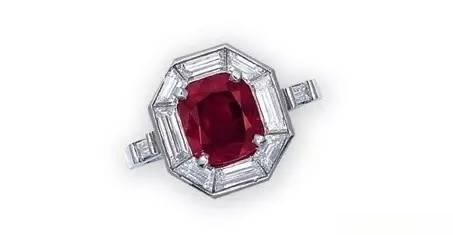
A 2.8-carat Mogok Pigeon Blood ruby ring sold at Christie’s Hong Kong, Nov 2014 for HKD 1.18 million (~USD $150,000), translating to about USD $53,500 per carat.
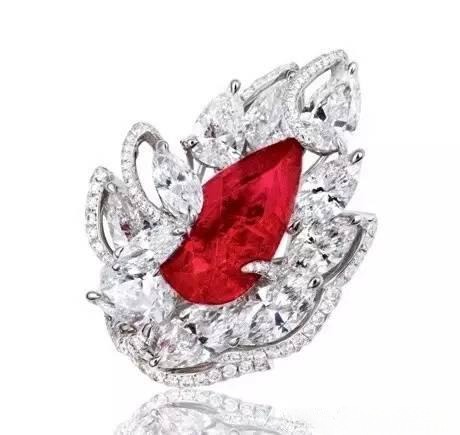
A 5.32-carat natural Mogok Pigeon Blood ruby ring with diamonds sold at Poly Auction, Hong Kong, Oct 2013 for HKD 977,500 (~USD $126,000), or roughly USD $23,700 per carat.
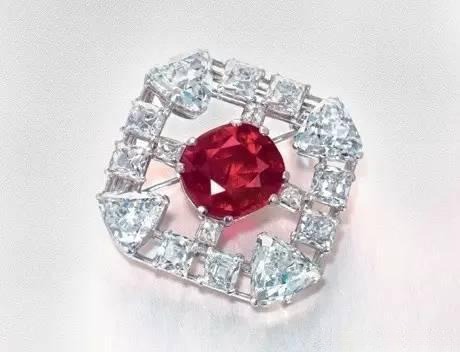
A Cartier 10.1-carat cushion-cut Pigeon Blood ruby brooch auctioned at Christie’s Hong Kong, Nov 2014 reached HKD 65.08 million (~USD $8.4 million), equivalent to about USD $830,000 per carat.
These examples illustrate how exponentially value increases with size, particularly for unheated Pigeon Blood rubies. Larger stones are scarce, and collectors prize them for both their beauty and investment potential.
4.Ruby Clarity: A Different Standard Than Diamonds
Many buyers assume a premium ruby must be “eye-clean” like a diamond. In the world of colored gems, this is a myth.
Rubies naturally contain inclusions; In fact, a “flawless” ruby is so rare that it’s often a red flag for a synthetic stone. Unlike diamonds, ruby value follows a different hierarchy: Color > Carat Weight > Clarity > Cut.
How Major Gem Labs Evaluate Ruby Clarity
Unlike diamonds, which follow a strict 4C hierarchy, leading gemological laboratories—including GIA, GRS, and Gübelin—do not assign formal numerical or letter grades (like VVS or SI) to rubies. Instead, these labs describe clarity in general terms, focusing on how inclusions impact the stone’s overall beauty and structural integrity.
When selecting a ruby, focus on stones with minimal visible cracks or inclusions, and especially avoid those with fractures reaching the surface, as these can compromise both durability and overall appearance.
Moreover, inclusions are not just flaws; they often serve as identification markers for the ruby’s origin. For example:
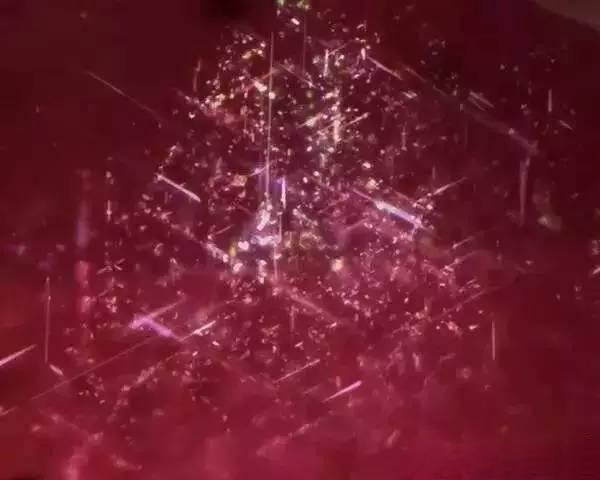
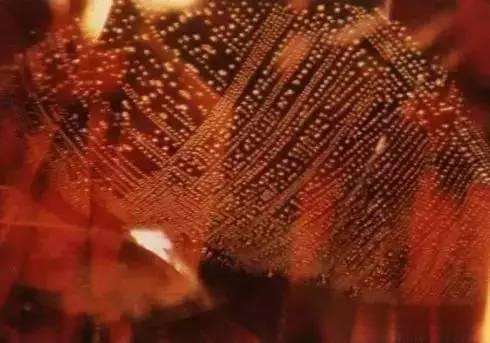
- Mogok, Myanmar: Typically features fine rutile silk, giving the ruby a soft, velvety texture and a glowing luster.
- Sri Lanka: Often shows fluid inclusions (liquid veils), reflecting the unique geological conditions of the deposit.
Pro Tip for Savvy Buyers: Never ask a dealer if a ruby is “VVS” or “SI”—it is the fastest way to signal that you are an amateur. In the world of colored gems, we look for “eye-clean” stones rather than diamond-grade perfection.
5.Ruby Cut: Balancing Color, Weight, and Brilliance
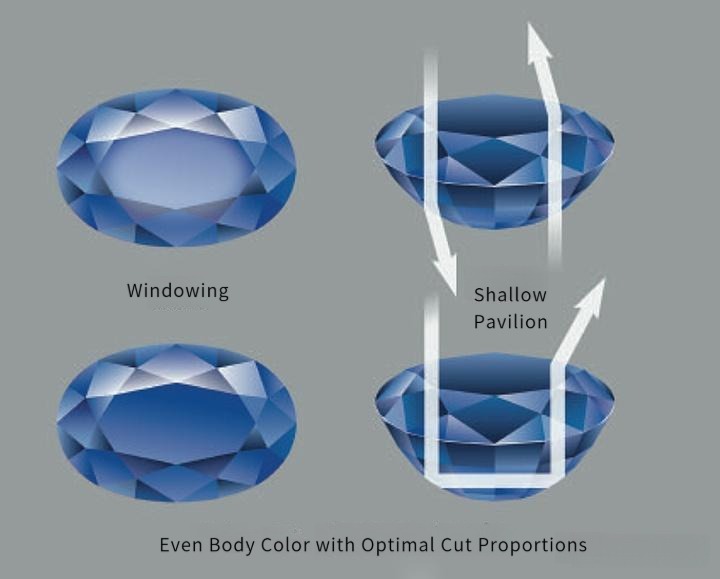
Unlike diamonds, rubies form in irregular crystal shapes, and their intense body color makes achieving a “perfect” cut nearly impossible. For stones with high saturation or darker tones, cutters often opt for a shallower cut to make the table (the top surface) appear larger, enhancing its visual presence.
However, there is a fine line between a “shallow cut” and “Windowing.”
- What is Windowing? In gemology, a “window” occurs when light passes straight through the gemstone instead of reflecting back to your eye. This “leakage” makes the center of the ruby look pale, washed-out, and transparent—more like common glass than a precious gem.
- What is Brilliance (Return of Light)? A well-cut ruby maximizes brilliance by reflecting light off its internal facets and back to the viewer. This creates the “fire” and depth that make a ruby truly come alive.
Buyer’s Rule: A top-tier ruby should minimize windowing to ensure the color remains vibrant across the entire stone. To learn more about identifying these optical flaws, visit our deep dive: What Is Windowing in Gemstones and How Can You Avoid It?
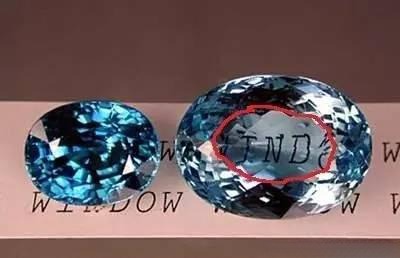
Illustration: The left ruby shows proper light return, while the right ruby’s circled area demonstrates windowing, where color appears washed out.
6. Heat Treatment: Understanding “Heated” vs. “Unheated”
“Can rubies really be ‘burned’?”
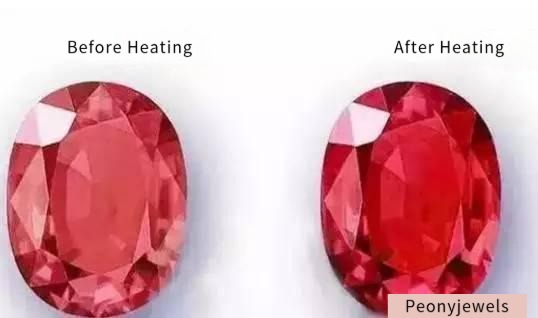
This is a common question from first-time buyers. In gemology, “burning” is simply a colloquial term for Heat Treatment. Much like a professional spa treatment for gemstones, heat is used to “unlock” a ruby’s full potential by intensifying its color and improving clarity.
- Is it still natural? Yes. Over 95% of rubies on the global market are heat-treated. It is a stable, permanent, and widely accepted physical process that does not change the stone’s chemical DNA.
- The Price Gap: While heating a dull ruby increases its individual value, unheated rubies are in a different league. Because they are “born perfect” without human intervention, an unheated ruby can command a price 2x to 5x higher than a heated stone of similar appearance.
Buyer’s Strategy:
- For Daily Wear: Heated rubies offer the best “bang for your buck.” They are vibrant, durable, and significantly more affordable.
- For Investment: Always prioritize Unheated (No Heat) stones. Their extreme rarity ensures better long-term appreciation and resale value.
Expert Advice: Never take a seller’s word for it. Always insist on a report from a top-tier lab like GIA, GRS, or SSEF to verify the heat status.
7. Heat: Treatments vs. Enhancements (The “Red Flags”)
“Are there other ways a ruby’s quality can be altered?”
Yes, but unlike traditional heat, these methods are classified as Treatments, which drastically reduce a ruby’s market value and authenticity.
Fracture Filling (Glass, Resin, or Lead-Glass)
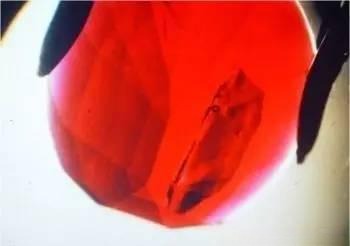
For low-grade rubies with extensive cracks, some manufacturers inject foreign substances like lead glass, resin, or colored oils to “glue” the stone together and hide flaws.
- The Reality: These are no longer considered purely natural gemstones. They are composite stones that can be fragile and may deteriorate over time. In the luxury market, these are worth a fraction of the price of a natural ruby.
Lattice Diffusion (Chemical Color Alteration)
For pale or colorless corundum, elements such as beryllium can be diffused into the crystal lattice under extreme heat to change the stone’s color, sometimes producing a vivid red.
Related Reading: Ruby and Sapphire Diffusion Treatment and Beryllium Diffusion Treatment in Sapphire: Color, Value, and Disclosure
- The Reality: The color is concentrated near the surface. If the stone is chipped or recut, its pale interior may become visible.
⚠️ Buyer Beware: Treated rubies, including those identified as “Lead-glass filled” or “Diffusion” on laboratory reports, can have a market value very different from comparable untreated rubies. If a large, vividly colored ruby is offered at an unusually low price, check its treatment status before buying.
Expert Tip: Always check the “Comments” section of your GIA or GRS report for treatment information. Terms such as “Lead-glass filled” or “Lead-glass composite” indicate that the ruby has undergone treatment.
8.Certificate: Your Ultimate Safety Net
“There are so many pitfalls—can I detect these treatments with the naked eye?”
The short answer is no.
Even for seasoned experts, distinguishing between traditional heat, “new” heat, and unheated rubies requires advanced laboratory equipment. This is where a top-tier gemological report becomes your most valuable investment.
The Big Five: Trusted Global Labs
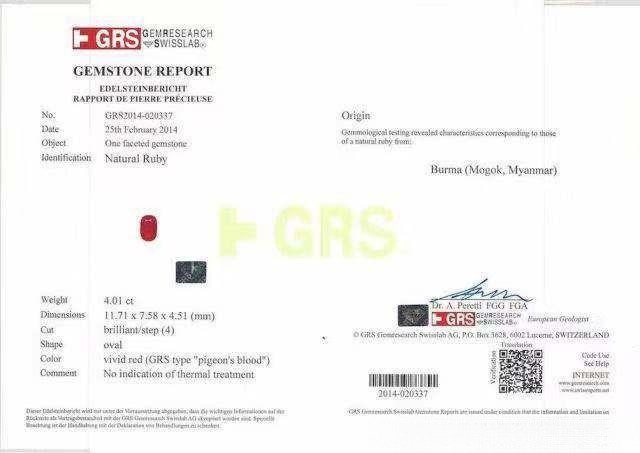
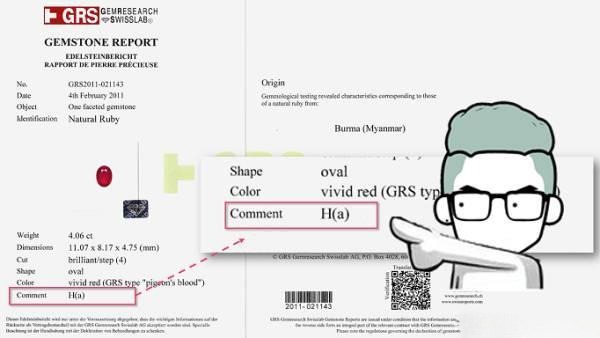
When buying high-value rubies, only a handful of laboratories carry the authority to “make or break” a stone’s value: Gübelin, SSEF, GIA, GRS, and AGL.
- The Industry Standard (GRS & GIA): For high-end retail rubies, a GRS or GIA report is essential. While obtaining a GRS certificate requires a modest fee and some processing time, it is a negligible cost compared to the security it provides for such a significant investment.
- The Gold Standard (Gübelin & SSEF): For “auction-grade” or “museum-quality” rubies, a Gübelin report is the ultimate pedigree. Known for their notoriously strict—almost “ruthless”—grading standards, these Swiss labs are the final word in origin and heat-status verification.
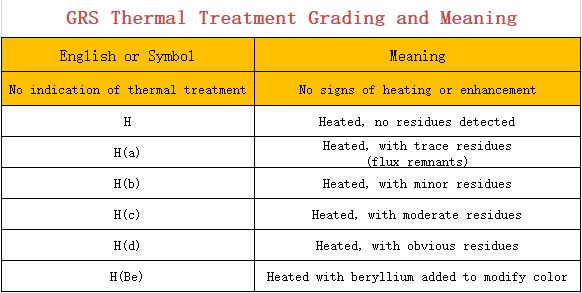
Why “Local” Certificates Aren’t Enough
Many domestic or standard certificates do not disclose heat treatment because, under some national regulations, “heat” is still legally classified as “natural.” Furthermore, they rarely verify Origin (e.g., Burma vs. Mozambique).
Beyond standard reports, be wary of “mini-certificates” or unofficial documents. It is not enough to read the data; you must verify that the report itself is genuine and matches the stone.
Learn to detect altered reports and verify security features here: How to Spot Fake Jewelry Certificates: A Buyer’s Guide to Authentic Reports.
Buyer’s Rule: If you are buying a premium ruby, a local certificate is not enough. You need an international report that explicitly states “No indication of thermal treatment” and confirms the Origin.
9. Origin: Does “Where It’s From” Define Its Value?
“Does the certificate need to state the origin? How much does it really matter?”
In the ruby market, origin is everything. While it doesn’t define a stone’s beauty, it dictates its market premium. While rubies are mined globally—from Thailand and Sri Lanka to Vietnam and East Africa—two names dominate the conversation: Myanmar (Burma) and Mozambique.
Burma (Myanmar): The Regal Heritage
As discussed in our article Burmese Gemstones, Burma (Myanmar) remains the undisputed “King of Origins.” Most world-class Pigeon Blood rubies hail from the legendary Mogok Valley.
- Market Status: Due to traditional small-scale mining and strict government regulations, supply is incredibly scarce. In the world of high-end auctions, a Burmese origin can easily double or triple the price of a stone compared to any other location.
- The “Burma Look”: These stones possess a unique “velvety” texture and intense natural fluorescence that makes them glow even in low light—a trait rarely matched by other sources.
Mozambique: The Modern Powerhouse
Over the last decade, Mozambique has emerged as the most significant ruby source in the modern era.
- The “Mozambique Advantage”: These rubies are known for their exceptional clarity and consistent, vibrant red. While they may lack the specific fluorescence of Burmese stones, their overall crystalline quality is superb.
- Market Status: Mozambique rubies offer a “luxury-for-less” proposition. They provide a high-end look at a much more accessible price point than Burmese stones, making them the top choice for contemporary fine jewelry and emerging collectors.
Expert Insight: If you are an investor, go for Burma. The historical rarity ensures its value is “bulletproof.” If you want a stunning, large-scale gem for daily wear, Mozambique offers the best visual impact for your investment.
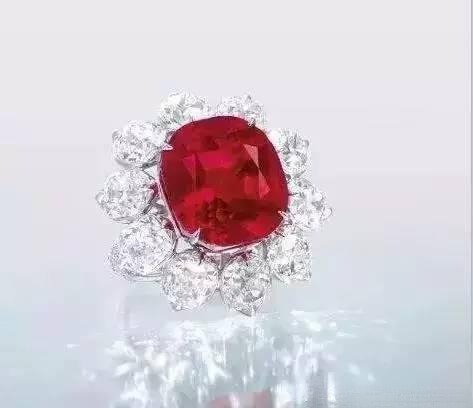
Visual references:
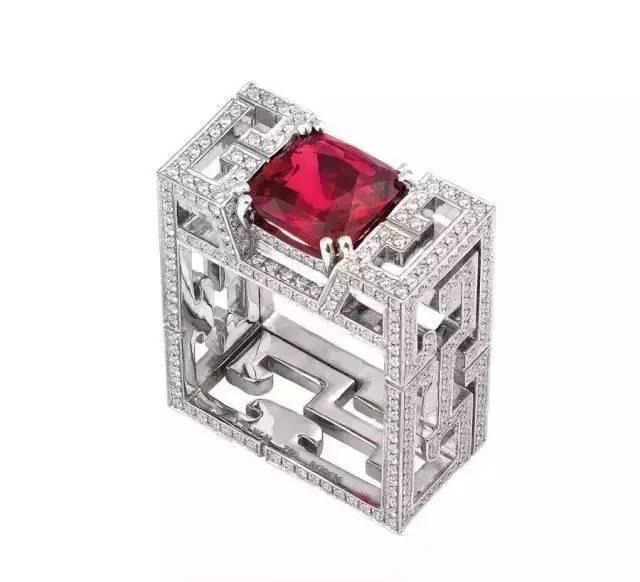
10. Ruby Alternatives: Capturing the “Fiery Red” on a Budget
“Rubies are too expensive—are there other red gemstones that offer a similar look?”
If a top-quality ruby is currently out of reach, several stunning natural and lab-created stones can provide that iconic crimson glow at a fraction of the cost.
Red Spinel: The Historical “Twin”
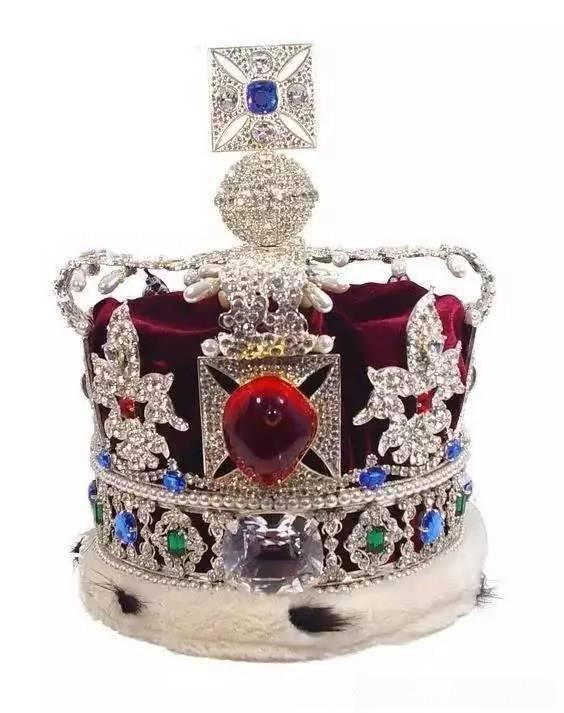
Historically mistaken for rubies (including the famous “Black Prince’s Ruby” in the British Crown Jewels), spinel is the most prestigious alternative.
- The Value: While prices for top-tier red spinel have surged, they remain more accessible than rubies.
- The Look: Exceptional brilliance and a “pure” red that rivals the finest Burmese stones.
To truly understand the price gap between different origins and learn how to identify the legendary “Jedi” Spinel or Mahenge Hot Pink, it is crucial to recognize potential market pitfalls. Therefore, for an in-depth exploration of these vibrant gems, read our expert analysis: The Spinel Ascent: From Historical Understudy to Market Protagonist.
Rubellite (Red Tourmaline): The Vibrant Statement
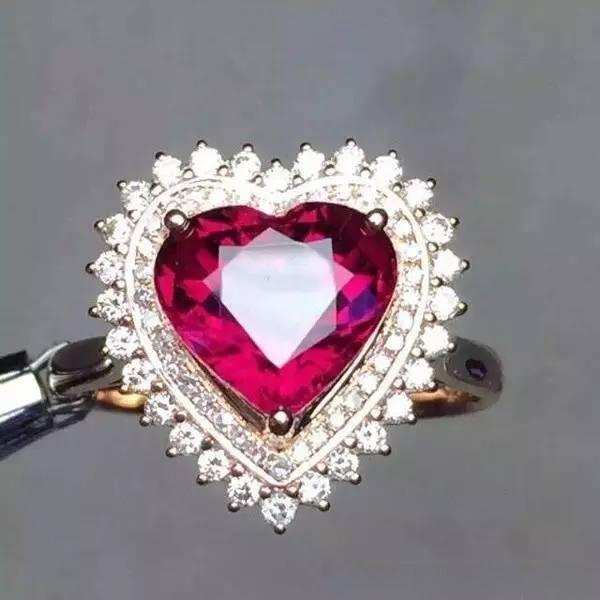
Known for its deep pinkish-red to violet-red hues, Rubellite offers a lush, saturated look, especially in larger sizes. Furthermore, to better understand its unique properties and learn how to identify common market imitations, you are encouraged to read the comprehensive article: Tourmaline Gemstone Guide – Colors, Varieties, and How to Spot Fakes.
- The Value: Excellent for bold, statement jewelry. High-quality stones in the 2–5 carat range are far more accessible than rubies, with their value determined by color intensity and clarity.
- The Look: Highly pleochroic (showing different reds from different angles), though often containing eye-visible “garden” inclusions.
Red Garnet: The Timeless Classic
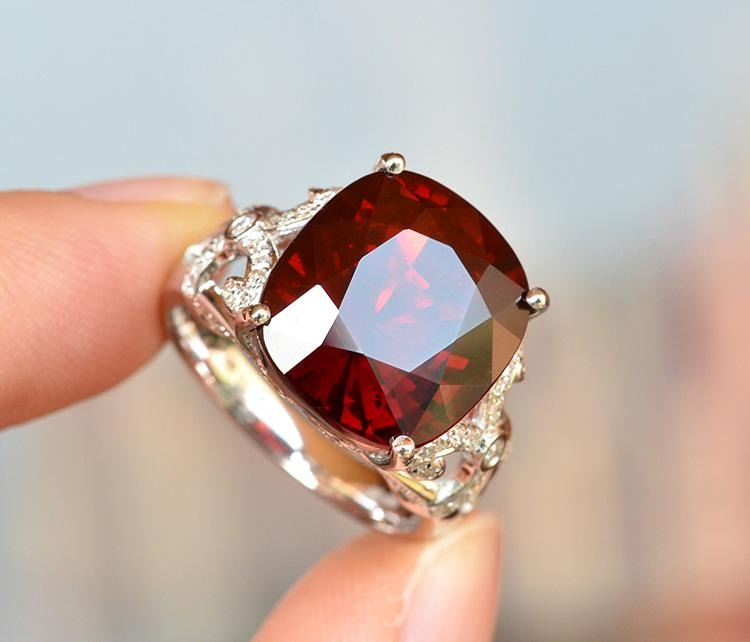
Garnet is the most affordable natural red gemstone, favored for its durability and deep, moody tones.
- The Value: Extremely budget-friendly, these specimens are perfect for everyday indulgence without the financial strain.
- The Look: Often darker with brownish undertones, but “Pyrope” or “Almandine” varieties can mimic a ruby’s mood in smaller sizes.
To learn more about garnet buying tips, visit the blog article: The Ultimate Guide to the Garnet Family – Types, Colors, and Buying Tips.
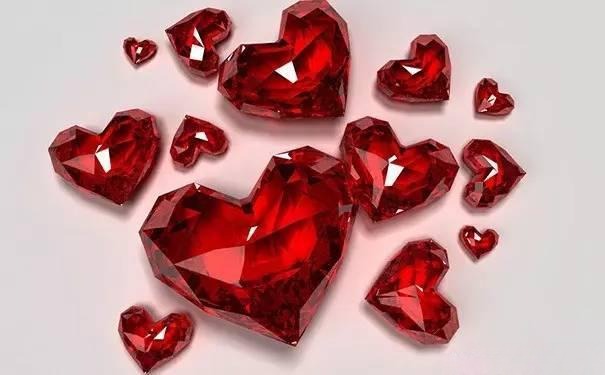
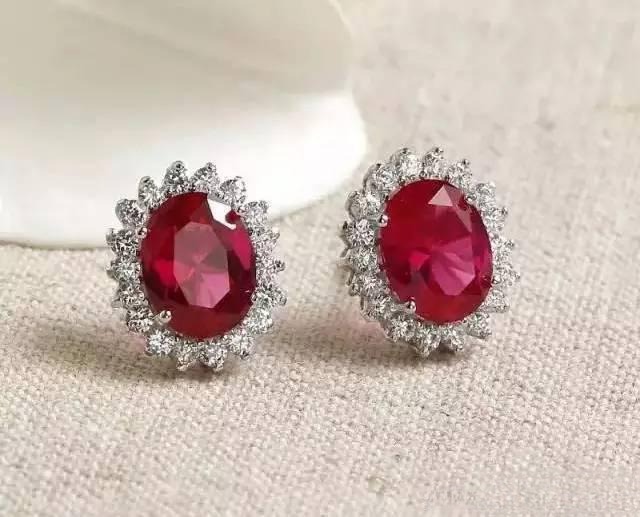
Lab-Grown Ruby: The Technological Match
Created in a controlled environment, these have the same chemical and physical properties as natural rubies but lack the “rarity” premium.
- The Value: Primarily used in fashion jewelry, these stones are priced at a fraction of the cost of natural gems. They are typically sold by the piece rather than by the carat.
- The Look: Virtually flawless to the naked eye with perfect color saturation.
Key Takeaways for Buyers
- Collector’s Choice (Spinel & Rubellite): If you seek rarity, Jedi Spinel offers an electric, neon-red glow that rivals the finest rubies. Rubellite provides a lush, saturated look, making it the premier “fashion-forward” alternative for large statement pieces.
- The Everyday Classic (Garnets): Ideal for casual or vintage-style jewelry, Garnets offer deep, moody red hues with excellent durability at a highly accessible price point.
- The Technical Match (Lab-Grown Rubies): For those prioritizing visual perfection, Synthetic Rubies deliver the closest chemical and optical match to natural stones.
Jewea: From Knowledge to Mastery
This ruby buying guide provides the foundation, yet true mastery requires hands-on experience. Therefore, we encourage you to visit reputable jewelers and museums to appreciate a ruby’s quality firsthand.
By observing high-quality stones in different lighting conditions, you will gradually develop the ability to evaluate color, fluorescence, and clarity with confidence. At Jewea, this same standard guides our approach to gemstone selection and craftsmanship. Ultimately, the more you see, the more confident you become as a collector.