Emerald Buying Guide: 10 Essential Questions About Color, Origin, Cut, and Care
People have long admired emeralds as the “king of gemstones,” cherishing them for the captivating green hue that symbolizes life and renewal. Yet, for many buyers, questions arise: Is a vivid green the only desirable color? Are Colombian emeralds always the best? Why do emeralds often show so many inclusions?
To see these insights in action, explore our case study: Buying Your First Emerald: A Comprehensive Guide from Loose Stones to Custom Jewelry. This journey from a 1.1-carat raw stone to a bespoke Cuban-link masterpiece offers practical insights into making smarter jewelry choices.

To help you navigate these questions, we have compiled this Emerald Buying Guide in the form of ten common questions and answers. This structured approach will provide clear insights, making your next buying decision both informed and confident.
1. Color – What Is the Best Emerald Color?

A: Not exactly. Emeralds display a range of tones, from bluish-green to yellowish-green, and sometimes lighter shades. The most prized emerald color is a vivid green or slightly bluish green, which reveals the gem’s finest beauty. Colombian emeralds often show the ideal hue, Zambian stones tend toward bluish-green, and Brazilian emeralds are typically lighter in tone.
2. Origin – Are Colombian Emeralds Always Superior?
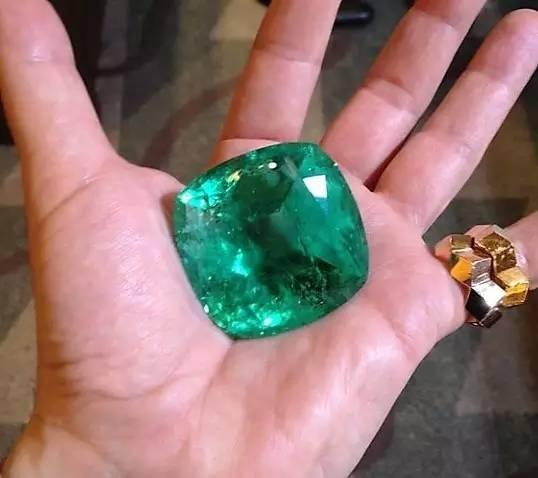
A: Origin does not necessarily dictate value. While major emerald deposits lie in Colombia, Zambia, and Brazil, smaller sources exist in Pakistan, Russia, and elsewhere. Although the market prizes Colombian emeralds for their legendary color, high-quality Zambian stones often match them in brilliance and hue. Meanwhile, Brazilian emeralds frequently attract collectors seeking lighter shades at more accessible price points. Ultimately, you should base an emerald’s true value on its color and clarity rather than its origin alone.
3. Cut – What Is the Emerald Cut?
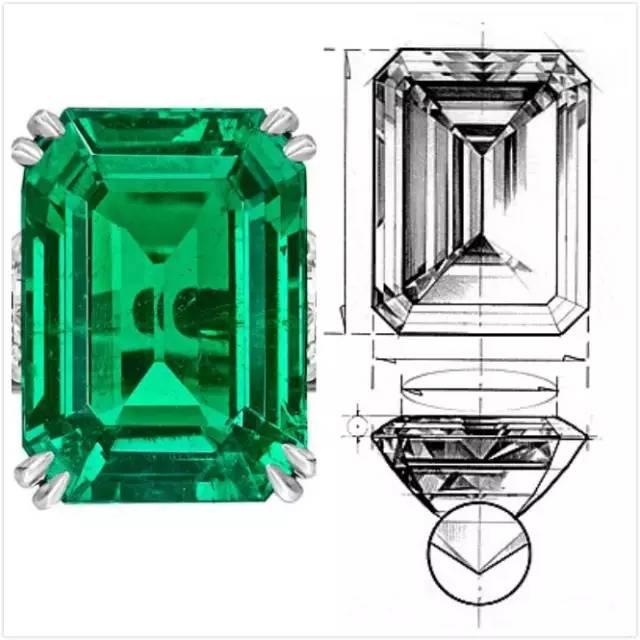
A: Yes, though jewelers did not originate the design for emeralds alone. Lapidaries developed this modified step cut specifically to accommodate the stone’s natural fractures. The emerald cut amplifies the gem’s color and brilliance while minimizing the risk of breakage during the cutting process. However, because this cut also reveals internal inclusions, jewelers reserve it primarily for material with sufficient clarity.
4. Clarity – Why Are Emeralds Often Included? (Emerald Buying Guide)
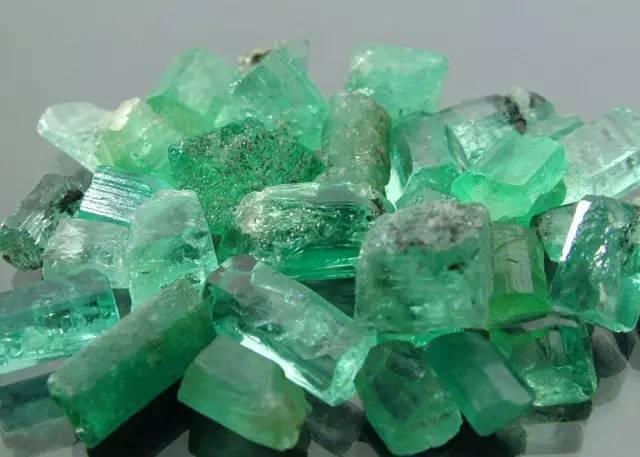
A: It is a natural feature of the stone. The element chromium gives emeralds their deep green but often introduces fractures and inclusions. While this reduces clarity, these inclusions also reveal valuable information about the gem’s growth conditions and origin.
5. Filling – How Is Emerald Clarity Improved?(Emerald Buying Guide)
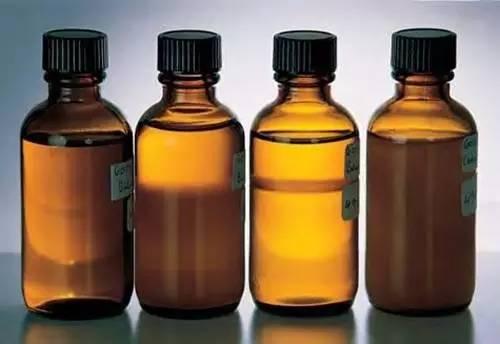
A:Jewelers have practiced emerald filling for centuries. Traditionally, they have used substances like cedarwood oil to minimize the visibility of surface-reaching fractures. Modern methods also include resin. The three common types are: colorless oil filling, colored oil filling, and resin filling. Among these, the trade accepts colorless oil as the standard and most desirable practice.
6. Enhancement – Do All Emeralds Receive Filling? (Emerald Buying Guide)

A:Most emeralds have fissures, and many receive colorless oil filling during processing, though a few high-quality stones remain untreated. Completely untreated emeralds are exceptionally rare. Fortunately, the industry widely recognizes colorless oil filling as an accepted enhancement rather than a deceptive treatment.
7. Treatment Standards: Are Colored Oils and Resins Acceptable?

A: No. Colored oils, often mixed with dyes, alter the gem’s natural color, while resins create permanent internal changes. The industry classifies both methods as treatments rather than acceptable enhancements, as they significantly reduce the stone’s value and desirability.
8. Value – Does Cleaner Always Mean More Valuable? (Emerald Buying Guide)
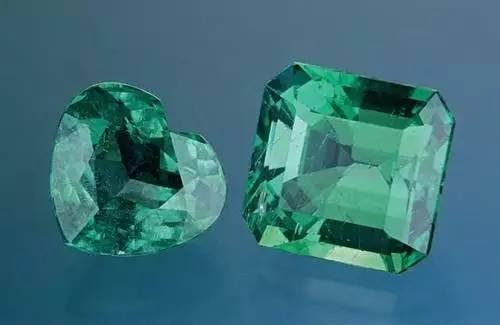
A: Not always. Value depends on the balance of color, clarity, and treatment level. For example, one emerald may appear clean due to heavy filling, while another has only minor oil but slightly more visible inclusions. The lightly oiled stone could actually be more valuable, as it retains more natural integrity.
9. Certificates – How Do Labs Indicate Treatments?
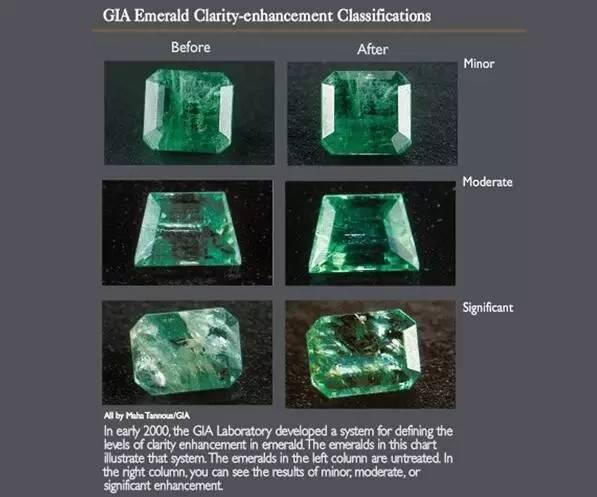
Q: How do emerald certificates indicate filling levels?
A: Internationally recognized laboratories, including GIA, GRS, and Gübelin, all report the degree of clarity enhancement, which is a key factor in evaluating quality:
- GIA classifies treatment levels as None, Minor (F1), Moderate (F2), and Significant (F3). The lab defines ‘Minor’ as an amount of oil so minimal that it practically has no impact on the stone’s appearance.
- GRS uses six levels: None, Insignificant, Minor, Minor to Moderate, Moderate, Significant.
- Gübelin applies a similar descriptive system, focusing on transparency for buyers.
It is important to note that standards differ slightly. For instance, GIA is stricter in defining “Minor”, so the same emerald might receive a different rating from GIA versus GRS.
In global trade, the GIA report remains the most referenced and trusted due to its strict criteria and international recognition.
10. Care – How Should Emeralds Be Maintained?
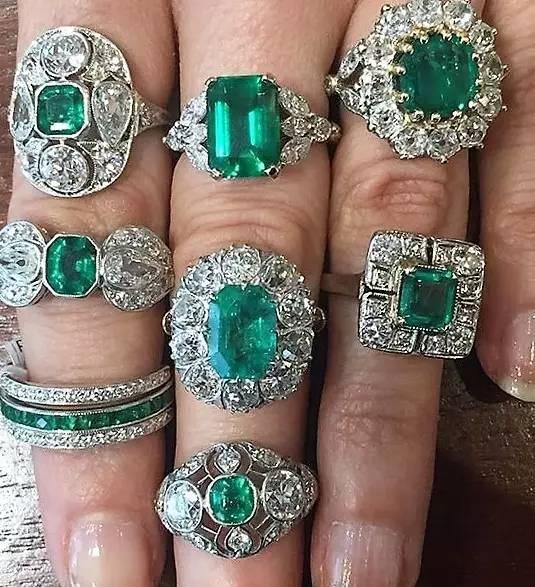
Q: What are the key care tips for emeralds?
A: Since nearly 90% of all emeralds possess internal fractures, you must handle them with extreme care. To preserve your gem’s longevity, please follow these guidelines:
- Avoid ultrasonic cleaners and heat; instead, clean with lukewarm water and mild soap.
- Limit exposure to impact; do not wear emeralds during sports or heavy housework.
- Store separately in a soft jewelry box to prevent scratching.
- Keep away from harsh chemicals or acids, which can damage the gem’s surface.
detailed care tips, please read our article: How to Wear and Care for Your Handmade Vintage Jewelry.
Emerald Buying Guide Conclusion
As this Emerald Buying Guide demonstrates, you should evaluate an emerald’s value through a balance of factors: prioritize color, then assess clarity and the type of treatment. While Colombian emeralds are famous, top-quality stones from Zambia and Brazil are equally worthy. Certificates provide transparency, but above all, trusting a reliable jeweler is more important than relying solely on paperwork.
👉 At Jewea, we carefully source natural gemstones with transparent disclosure, ensuring you find an emerald that combines beauty with authenticity. Explore our handmade vintage earrings collection and discover the green brilliance meant just for you.