Star Sapphire: Formation, Buying Tips, and How to Identify Synthetics
Star sapphires stand out in the sapphire family for their distinctive star-shaped rays of light. When light strikes a cabochon-cut stone, several bright rays meet on its surface, creating the appearance of a star floating above the gemstone. As the light source or viewing angle changes, the star appears to move across the surface.
This optical phenomenon is known as asterism. It results primarily from the arrangement of tiny inclusions inside the gemstone and sets star sapphires apart from ordinary faceted sapphires.
A star sapphire’s value depends on more than the clarity of its star. Body color, transparency, cutting quality, and whether the stone is natural or synthetic also matter. This article explores the defining features of star sapphires, explains how asterism forms, outlines the key factors to consider when buying one, and covers how to distinguish natural star sapphires from synthetic ones.
What Is a Star Sapphire?
In our article, Fancy Colored Sapphires: A Complete Color Spectrum Guide to the Corundum, we explore the wide range of colors found in the corundum family.
A star sapphire is a sapphire that displays asterism. Sapphires and rubies belong to the same mineral family, corundum, which consists primarily of aluminum oxide (Al₂O₃). With a Mohs hardness of 9, corundum resists scratching well.
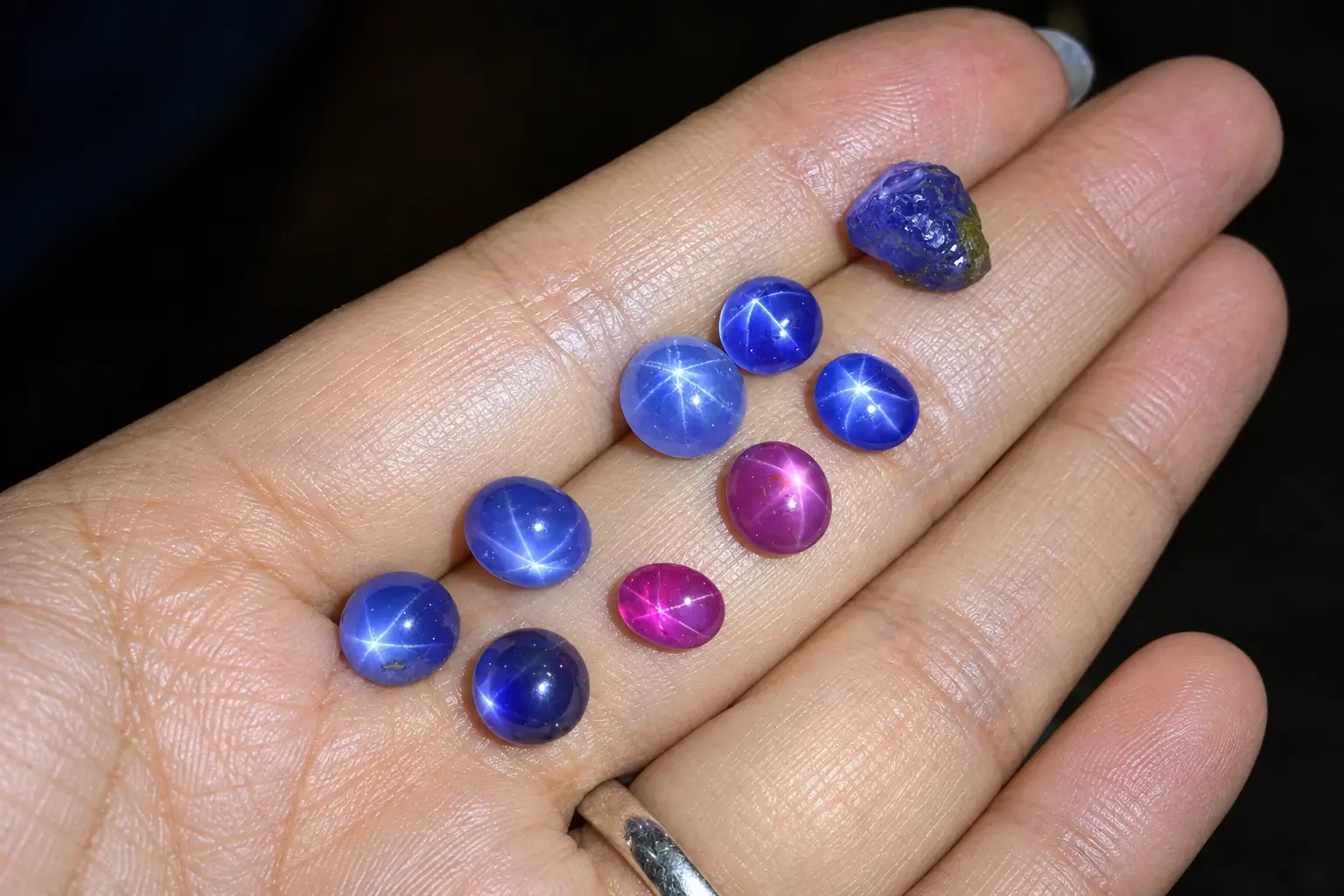
The defining feature of a star sapphire is the star pattern that appears on its curved surface. The star may have four, six, or twelve rays. Six-rayed stars are the most common, while twelve-rayed stars are much rarer.
Star-bearing corundum comes in more than just blue. Depending on its body color, it can also appear pink, yellow, purple, white, or black. Red corundum with asterism is known as a star ruby. In the trade, star sapphires can refer to star-bearing corundum in other colors as well, with the specific name often reflecting the stone’s body color and commercial naming conventions.
Famous Star Sapphires
Some star sapphires have gained worldwide recognition for their size, striking asterism, or historical significance.
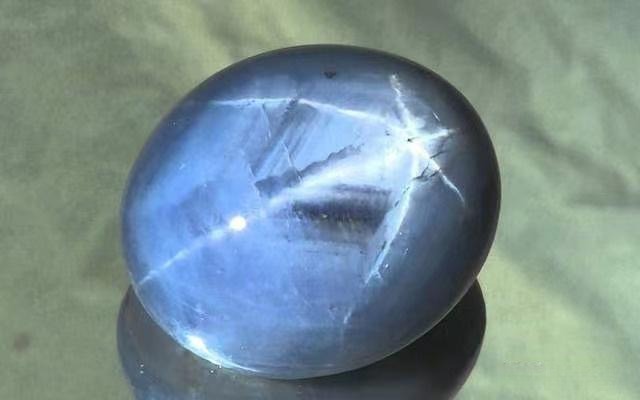
The Star of Adam is a large star sapphire from Sri Lanka. It was reported in 2016 and weighs 1,404.49 carats. Its enormous size and striking star effect have drawn considerable attention.
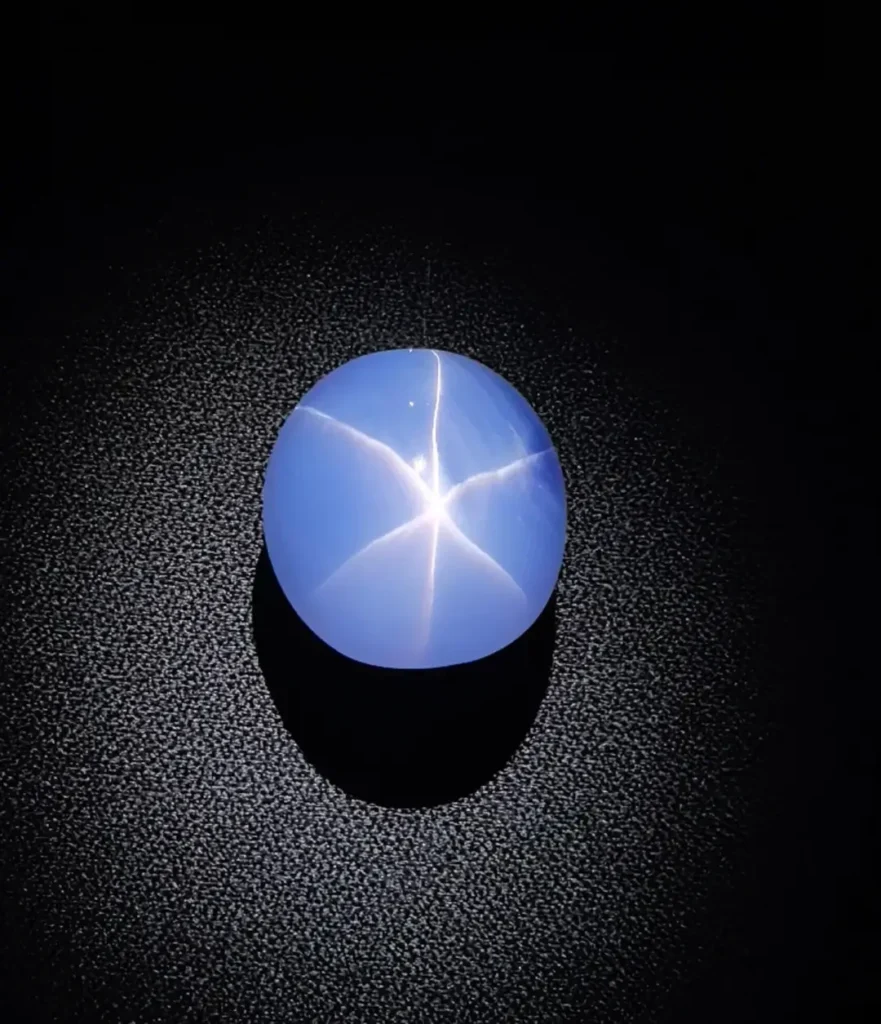
Another famous example is the Star of India, housed at the American Museum of Natural History in New York City. Weighing approximately 563.35 carats, it has a grayish-blue body color and a distinct six-rayed star.
How Does Asterism Form?
Asterism is an optical phenomenon that occurs when light interacts with structures inside a gemstone.
As corundum forms, tiny needle-like mineral inclusions can develop within the crystal. These inclusions may align along specific crystallographic directions, creating what gemologists call silk.
Rutile is a common mineral inclusion in star-bearing corundum, but not all star sapphires contain the same types of inclusions. Other minerals and their arrangement can also contribute to the formation of asterism.
Three main factors influence how a star appears:
- Oriented needle-like inclusions: A typical six-rayed star forms when three sets of needle-like inclusions align in different directions. These fine structures interact with light to produce bright rays along specific directions.
- Cabochon cutting: Gem cutters adjust the shape and proportions of the cabochon to suit the distribution and orientation of the inclusions inside the stone. The cut affects the star’s position, sharpness, and symmetry.
- Light source and viewing angle: The position of the light source and the viewing angle also affect the star’s appearance. Under a suitable point light source, the rays intersect to form a visible star. As the viewing angle changes, the star appears to move across the surface.
The star does not consist of actual lines on the gemstone’s surface. It forms through the interaction of the stone’s internal structures, the light source, and the viewing angle.
How to Choose Star Sapphire Jewelry
When shopping for star sapphire jewelry, look beyond the star itself.
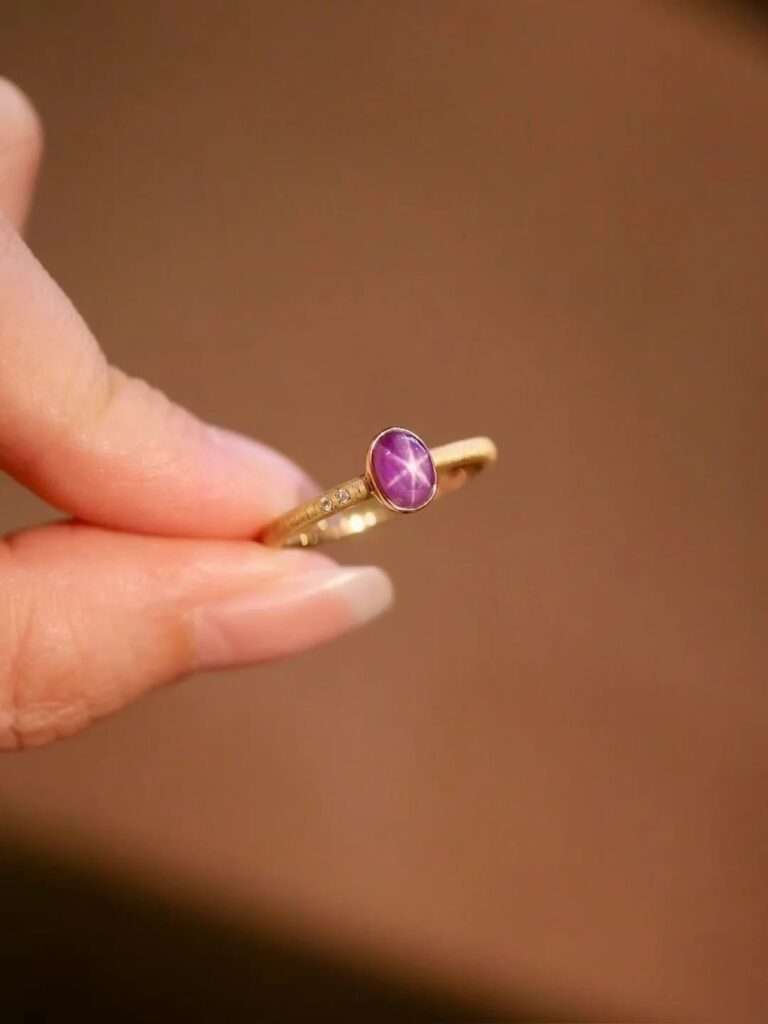
- Examine the star: Look for sharp, continuous rays with relatively even brightness that meet near the center of the cabochon. Under a point light source, tilt the stone gently. The star should move smoothly with the viewing angle while remaining clear and well-defined.
- Assess the body color and transparency: For blue star sapphires, color saturation, tone, and evenness all affect the stone’s overall appearance. The contrast between the body color and the star also matters. A stone that is too dark may make the star less visible, while a good balance between the two can make the star stand out more clearly.
Star sapphires usually contain fine inclusions, so they tend to be less transparent than high-clarity faceted sapphires. Some appear translucent and have a soft, velvety look.
However, lower transparency does not necessarily mean better quality. Excessive inclusions can make a stone look cloudy or dark and may reduce the star’s sharpness. Ideally, the star should remain clearly visible while the stone retains an attractive body color and overall visual appeal. - Check the cabochon cut: Star sapphires usually have a domed cabochon cut. The dome’s height and symmetry, along with the orientation of the inclusions relative to the cut, all affect how the star appears. An unsuitable dome shape or cutting orientation can leave the star blurred, off-center, or difficult to see. A well-proportioned cabochon is more likely to display a clear, balanced star.
Origins such as Mogok in Myanmar and Sri Lanka can influence market recognition and price, but origin alone cannot determine a stone’s quality. Origin provides useful market context, but it should never be the sole basis for evaluating a star sapphire.
How to Tell Natural Star Sapphires from Synthetics
In our article, Real or Synthetic Sapphire? How to Spot the Difference Without a Microscope, we cover the basic ways to distinguish natural sapphires from synthetic ones. Star sapphires require a closer look at their internal features, growth patterns, and any treatments they may have undergone.
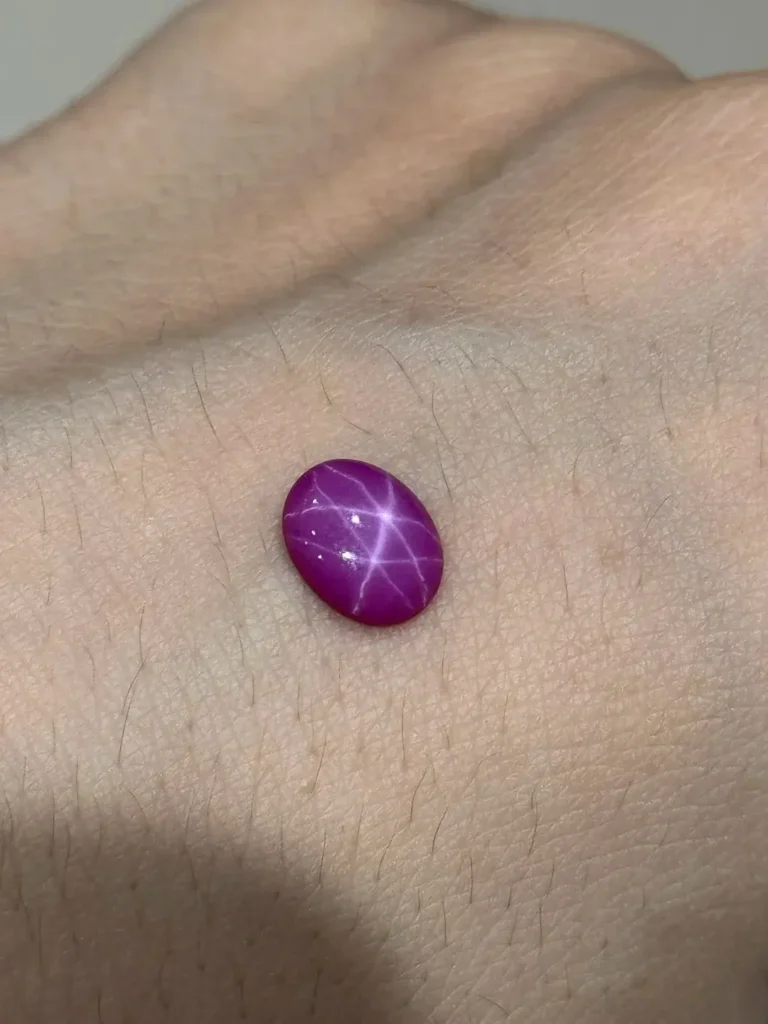
- Natural Star Sapphires: These stones may contain natural mineral crystals, fine needle-like inclusions known as silk, healed fractures, and other features associated with natural formation. The types, distribution, and combination of these features can help gemologists identify a stone. However, not every natural sapphire displays all of them.
- Synthetic Star Sapphires: Different production methods can create different internal features, such as characteristic growth lines or artificially introduced needle-like inclusions that produce asterism. These features depend on the method used to grow the stone, so no single characteristic can reliably establish whether a sapphire is natural or synthetic.
Both natural and synthetic sapphires can display six-rayed stars, and some natural stones have remarkably regular rays. The star’s appearance can offer useful clues, but it cannot establish a stone’s natural or synthetic origin on its own.
If you lack gemological experience, look for a report from a reputable gemological laboratory. Check whether it identifies the material as natural or synthetic and documents any detectable treatments. For a high-value stone, you may also want to check whether the report includes an origin determination.
For more information on how to read and understand gemstone reports, see our article, Do You Really Need a Gemstone Certificate?
Jewea’s Takeaway
Even within the same mineral family, corundum can display a remarkable range of colors and optical effects. Trace elements and their oxidation states influence a gemstone’s body color, while tiny inclusions aligned in specific directions can create asterism.
The appeal of star sapphires lies in the way their internal structures interact with light. They don’t need elaborate faceting to stand out. A few intersecting rays of light can give them a distinctive visual character.
Understanding how asterism forms helps us appreciate these gemstones and make more informed choices when buying them. For jewelry designers, understanding each gemstone’s color, structure, and optical properties also provides a foundation for turning natural materials into thoughtfully designed jewelry.