Cameo Jewelry: A Deep Exploration of History, Materials, and Handcrafted Carving
In our previous article, Shell Jewelry: Natural Treasures from the Ocean, we briefly introduced Cameo, a historic relief carving art form that has played an important role in European jewelry culture.
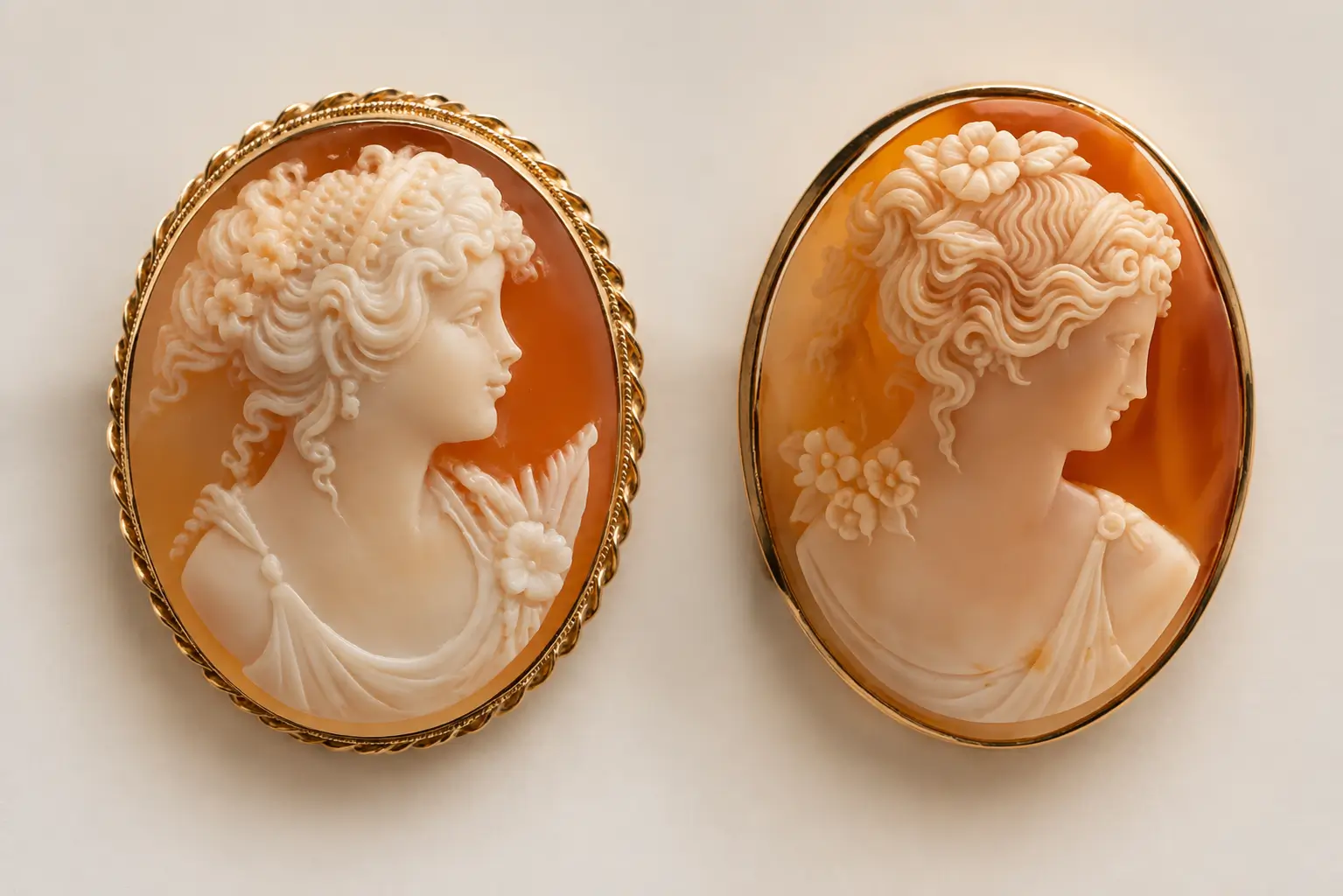
Cameo Jewelry is far more than a decorative accessory. It represents a unique combination of natural materials, layered colors, and skilled craftsmanship. By carefully working with the natural color variations within materials such as shell and stone, artisans create raised designs featuring portraits, mythological figures, floral patterns, and other detailed motifs.
This article explores the world of Cameo Jewelry through six key aspects: its definition, historical development, traditional materials, carving techniques, identification methods, and care instructions. Through this journey, we will discover the timeless artistry behind this centuries-old jewelry tradition.
What Is Cameo Jewelry? The Unique Beauty of Relief Carving
Cameo Jewelry features a traditional relief carving technique that uses the natural color layers of a material to create raised designs. Instead of adding materials, artisans carefully remove the surface layer to reveal the contrasting colors beneath.
Traditional Cameo pieces often use naturally layered materials, such as Sardonyx and various types of seashells. Carvers slowly remove the lighter outer layer to expose the darker inner layer, creating a striking contrast between the raised design and the background.
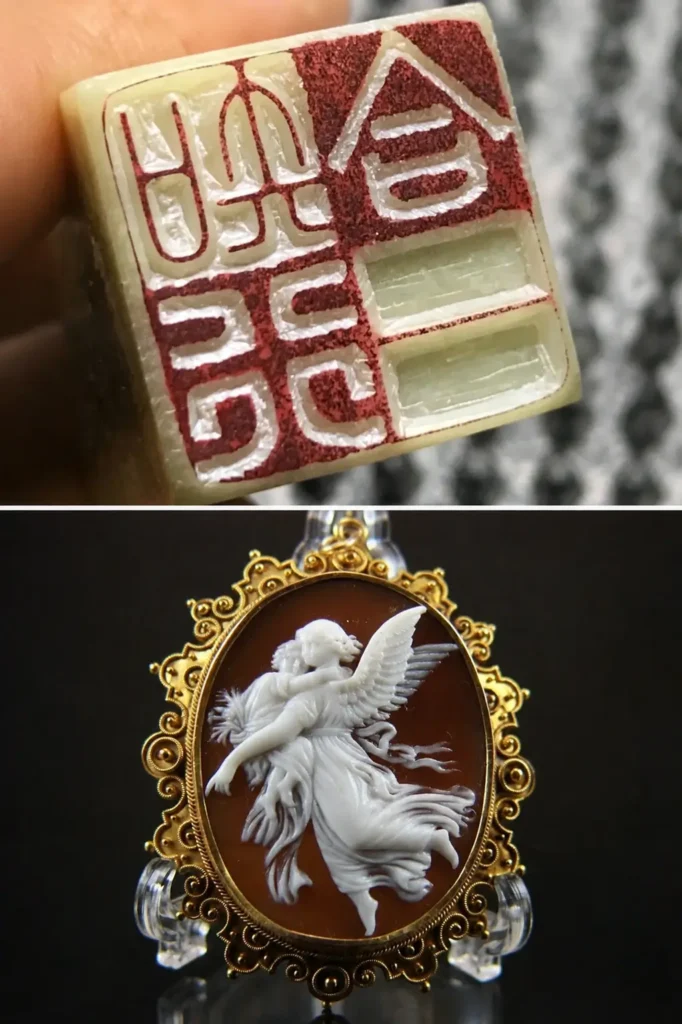
This carving method is known as relief carving, where the design stands above the surface of the material. It differs from intaglio carving, an engraving technique that cuts the design into the surface to create a recessed image.
Common themes found in Cameo Jewelry include:
- Classical portraits
- Figures from Greek and Roman mythology
- Female profiles
- Floral and nature-inspired motifs
Although Cameo pieces are often small in size, they showcase remarkable detail and artistic expression. Each carving captures the skill of the artisan and the natural beauty of the material itself.
The Origin of the Word “Cameo”
The exact origin of the word “Cameo” remains a subject of debate among scholars.
Some researchers believe that the term may have come from Latin words associated with carved gemstones. Others suggest that it may be connected to ancient words used to describe protective charms or decorative ornaments.
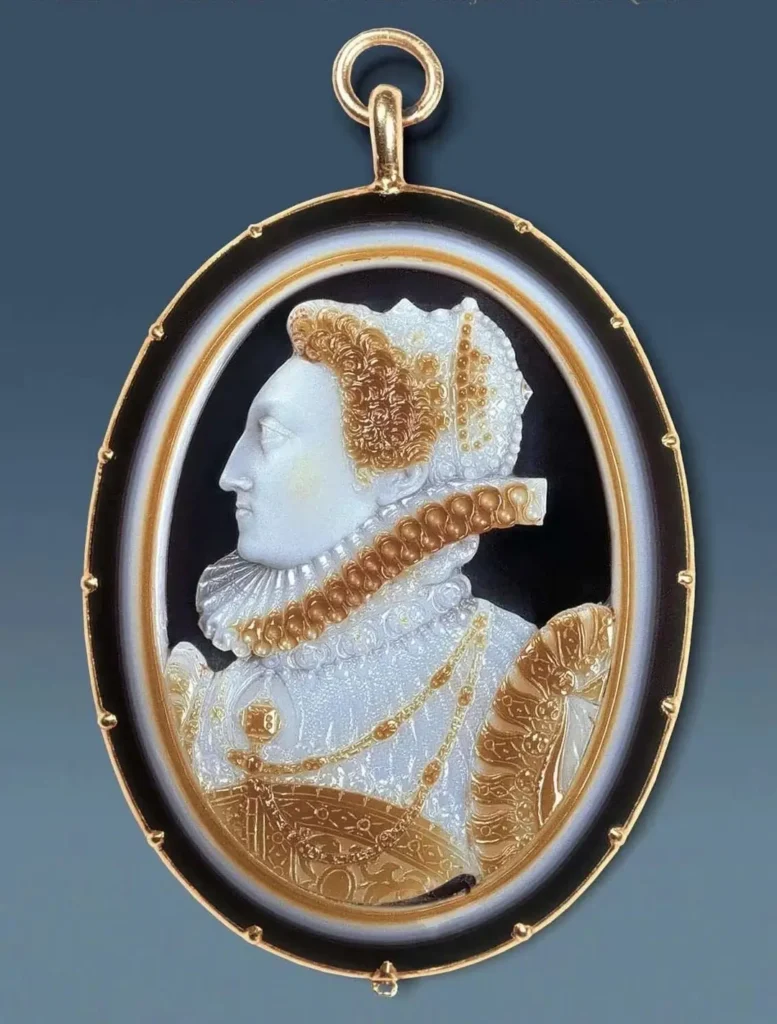
Regardless of its precise origin, Cameo Jewelry has held an important place in European history for centuries. People have long valued Cameo pieces as symbols of status, artistic taste, and cultural heritage. Throughout history, artisans have created Cameos for royal jewelry, commemorative pieces, and collectible works of art.
What Materials Are Used in Cameo Jewelry? From Gemstones to Seashells
Many people associate Cameo Jewelry exclusively with shell carving. However, Cameo is not a specific material. It is a traditional carving technique that has been used on a variety of natural materials throughout history.
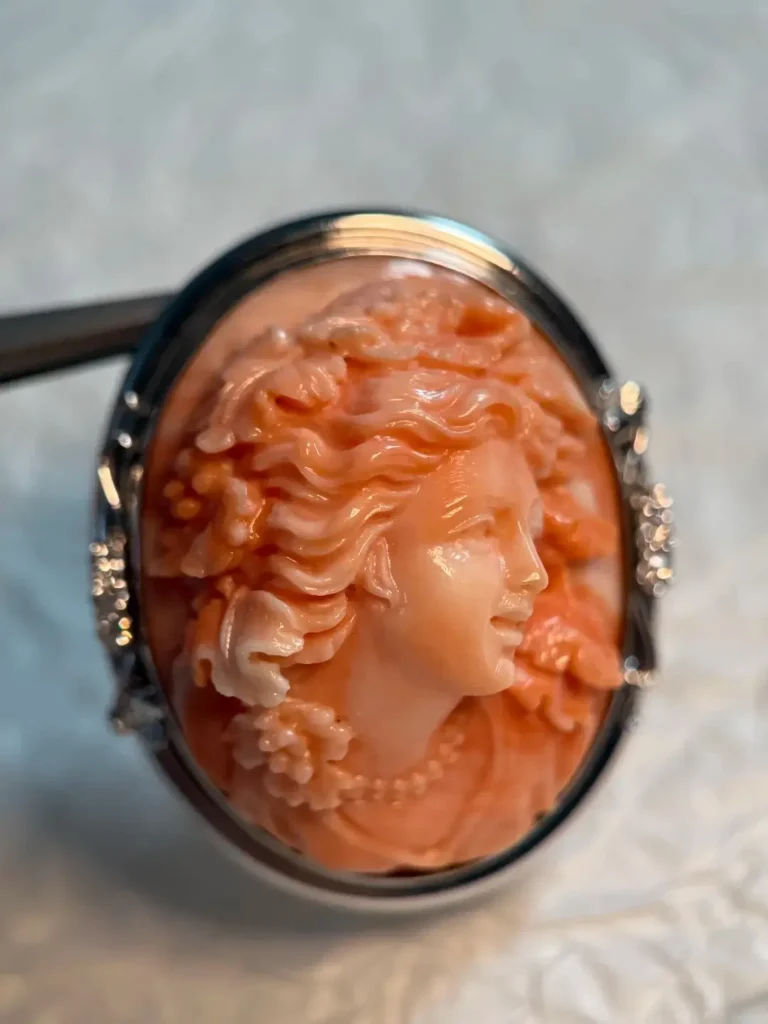
Throughout history, artisans have created Cameo pieces using a wide range of materials, including:
- Sardonyx
- Shell
- Lava Stone
- Coral
- Glass
- Resin and other modern materials
Among these materials, Sardonyx Cameo and Shell Cameo remain the two most recognized and historically significant forms of Cameo Jewelry.
1. Sardonyx Cameo: A Classic Form of Gemstone Relief Carving
Layered gemstones, especially Sardonyx with its naturally formed two-tone structure, became one of the most important materials in early Cameo Jewelry.
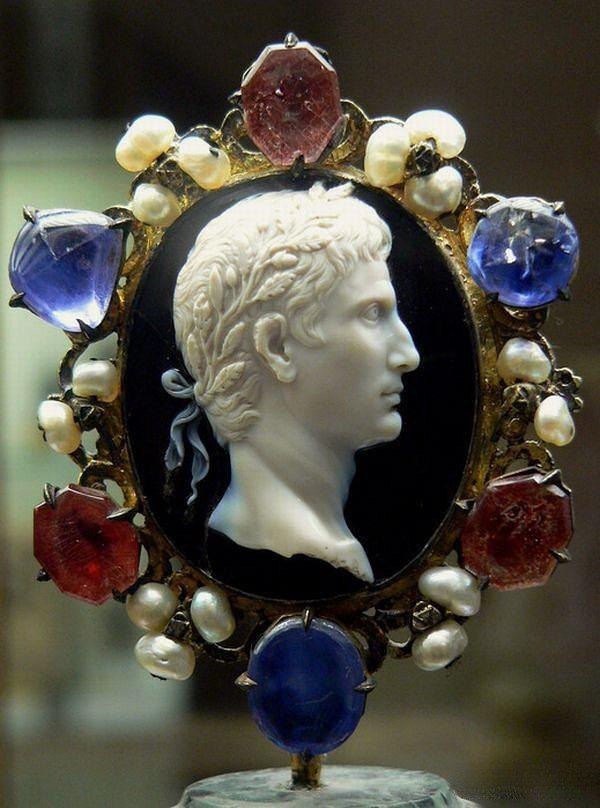
As early as the Hellenistic period and ancient Rome, artisans used the natural color layers of Sardonyx to create detailed relief carvings. Its hardness, durability, and distinct layered patterns made it an ideal material for carving intricate designs, including:
- Imperial portraits
- Mythological figures
- Classical decorative motifs
As European gemstone craftsmanship continued to develop, Idar-Oberstein, Germany, gradually became one of the most important centers for gemstone carving. Local artisans combined generations of lapidary expertise with traditional techniques to create exquisite Sardonyx Cameo pieces that remain highly valued today.
2. Shell Cameo: A Classic Carving Art from the Ocean
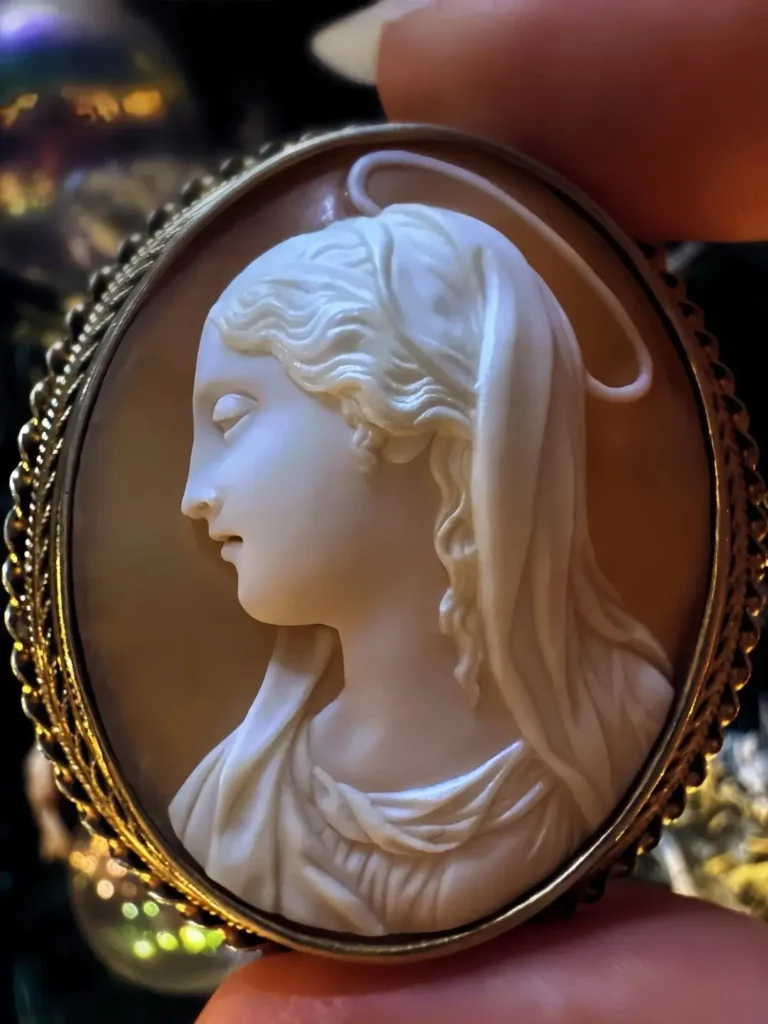
Shell Cameo Jewelry is one of the most familiar and widely appreciated forms of Cameo art.
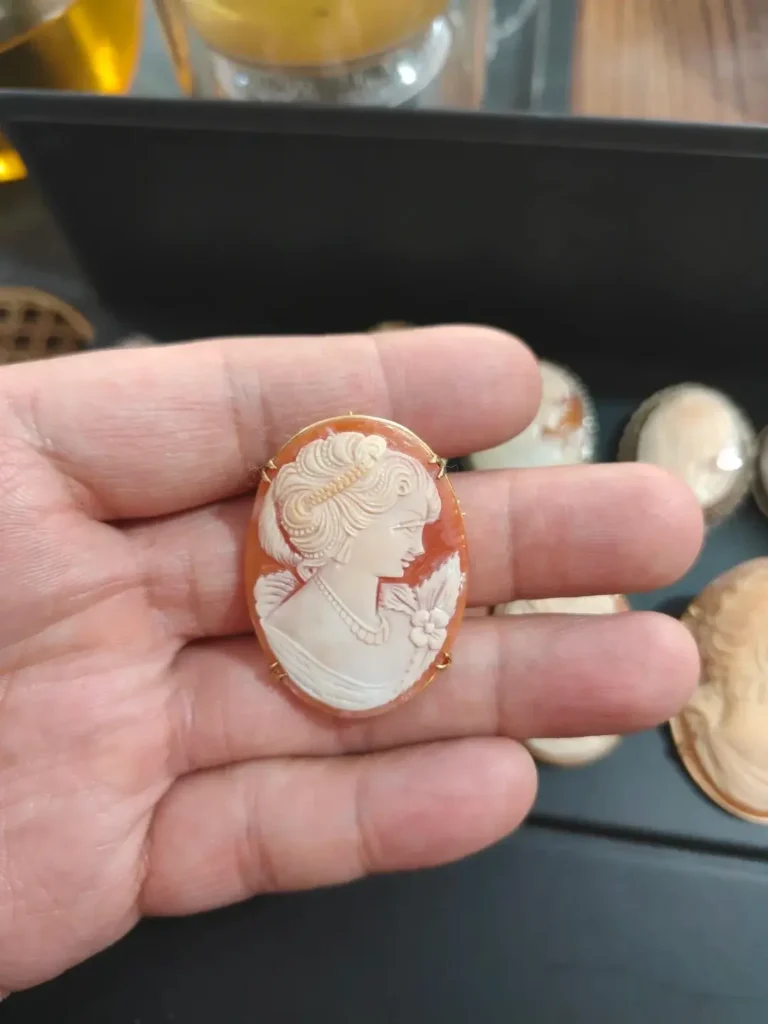
This traditional craft gradually developed during the European Renaissance and reached its peak popularity during the 18th and 19th centuries. During the Victorian era, shell cameo jewelry became highly admired by European royalty, aristocrats, and collectors. Artisans often transformed shell cameos into elegant pieces such as:
- Brooches
- Pendants
- Rings
- Bracelets
- Watch decorations
Among the world’s traditional shell carving centers, Torre del Greco, Italy, has long been recognized as one of the most important destinations for shell cameo craftsmanship.
Creating a high-quality Shell Cameo requires carefully selected materials. Not every shell is suitable for carving. The ideal shells usually feature:
- Sufficient thickness
- Clear natural color layers
- A strong and stable structure
- A large enough surface area for detailed carving
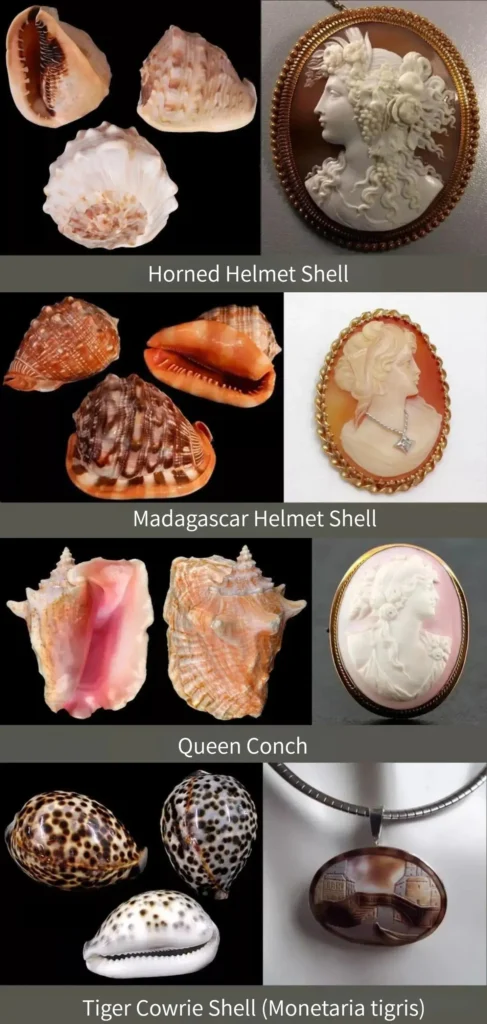
Common shell materials used for Shell Cameo Jewelry include:
- Helmet Shells
Example: Madagascar Helmet Shell (Cassis madagascariensis)
This shell features a naturally dark inner layer and a lighter outer layer, creating a strong contrast that enhances the depth and dimension of Cameo carving. It remains one of the most valued materials in traditional Shell Cameo craftsmanship. - Cypraecassis rufa (Bullmouth Helmet Shell)
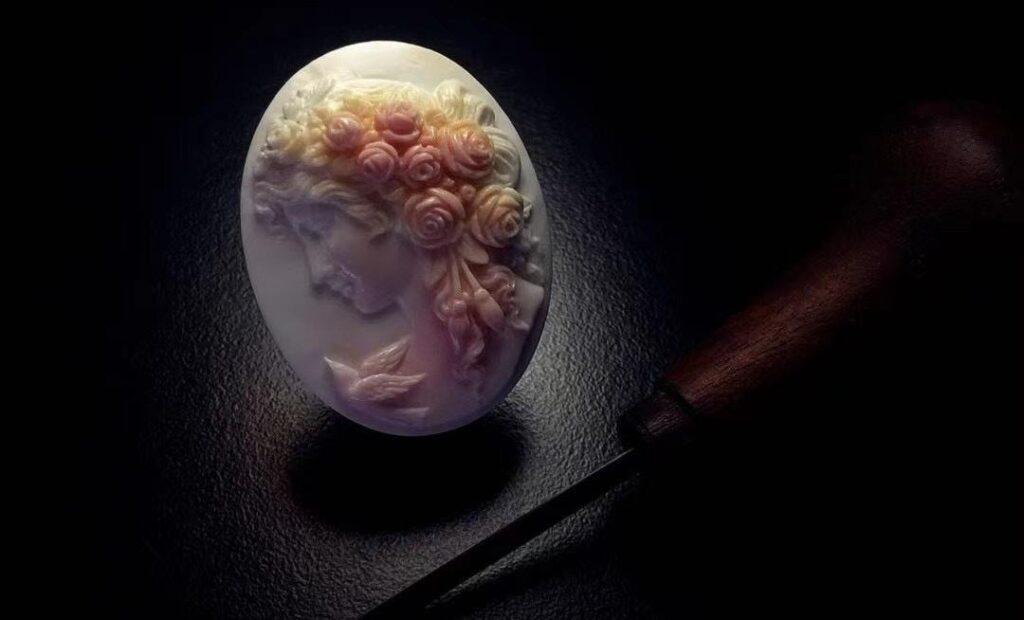
Known for its warm pink-orange tones and soft color transitions, this shell is especially suitable for carving elegant female portraits and delicate decorative motifs. - Queen Conch (Aliger gigas)
Famous for its naturally pink inner layer, Queen Conch offers a soft and graceful color palette that gives Shell Cameo pieces a distinctive appearance.
3. Other Materials Used in Cameo Jewelry
Besides Sardonyx and shell, artisans have also used other materials to create Cameo Jewelry throughout history.
Common examples include:
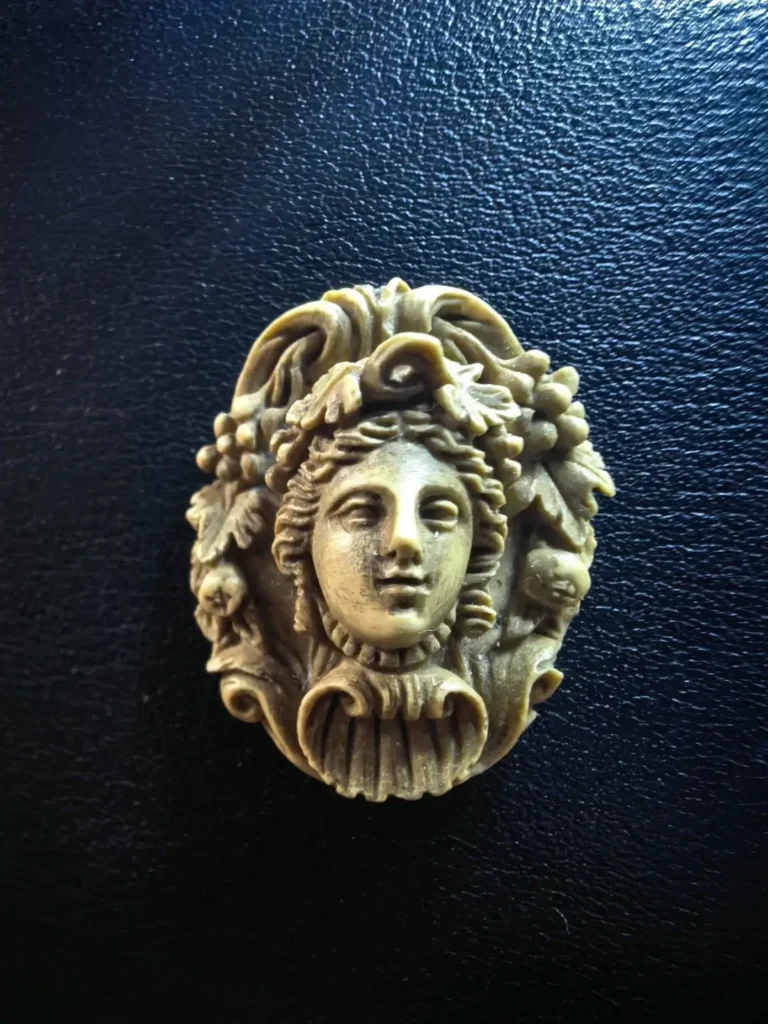
- Lava Stone Cameo
During the 19th-century European Grand Tour era, artisans in Italy used volcanic lava stone from the Pompeii region to create commemorative Cameo pieces.
Its deep gray, black, and brown tones give these works a distinctive antique character that differs from the softer appearance of Shell Cameo. - Coral and Other Materials
Natural coral was also used in relief carving because of its rich and varied colors.
Later in the 19th century, growing demand for affordable jewelry led to the development of glass Cameos and resin reproductions. These alternatives made Cameo designs more accessible to a wider audience.
However, compared with natural materials, modern imitations usually lack the unique textures and handcrafted character found in authentic Cameo pieces.

How Is Cameo Jewelry Made? Exploring the Traditional Shell Cameo Craft
Using classic Shell Cameo Jewelry as an example, a natural seashell goes through several carefully controlled steps before becoming a refined carved piece.
| Crafting Step | Process | Key Techniques |
|---|---|---|
| Material Selection and Cutting | Artisans select seashells with suitable thickness, strong structure, and clear color layers, then cut the best sections for carving. | Choosing the right shell requires experience with its internal structure, as improper cutting may cause cracks or damage. |
| Shaping and Surface Preparation | The shell piece is shaped into an oval or other desired form. The edges are refined, and the surface is polished to the proper carving thickness. | Artisans adjust the shape and thickness according to the shell’s natural layers before carving begins. |
| Design Transfer and Rough Carving | The design is drawn onto the polished surface, and the lighter outer layer is gradually removed to reveal the underlying color layer and create the relief form. | This stage defines the composition, carving depth, and proportions of the final Cameo design. |
| Fine Carving | Using traditional Bulino engraving tools, artisans refine the relief from larger forms to delicate details, including facial features, hair, clothing folds, and decorative elements. | Each carving stroke requires precision and experience. Once material is removed, mistakes cannot easily be corrected. |
| Cleaning and Jewelry Setting | After carving, the Cameo is cleaned and mounted into a jewelry setting. Shell Cameos are commonly secured with bezel settings, while some designs use prong settings. | Because shell is delicate, bezel settings provide additional protection. Prong settings create a minimal look, allowing the carved design to remain the visual focus. |
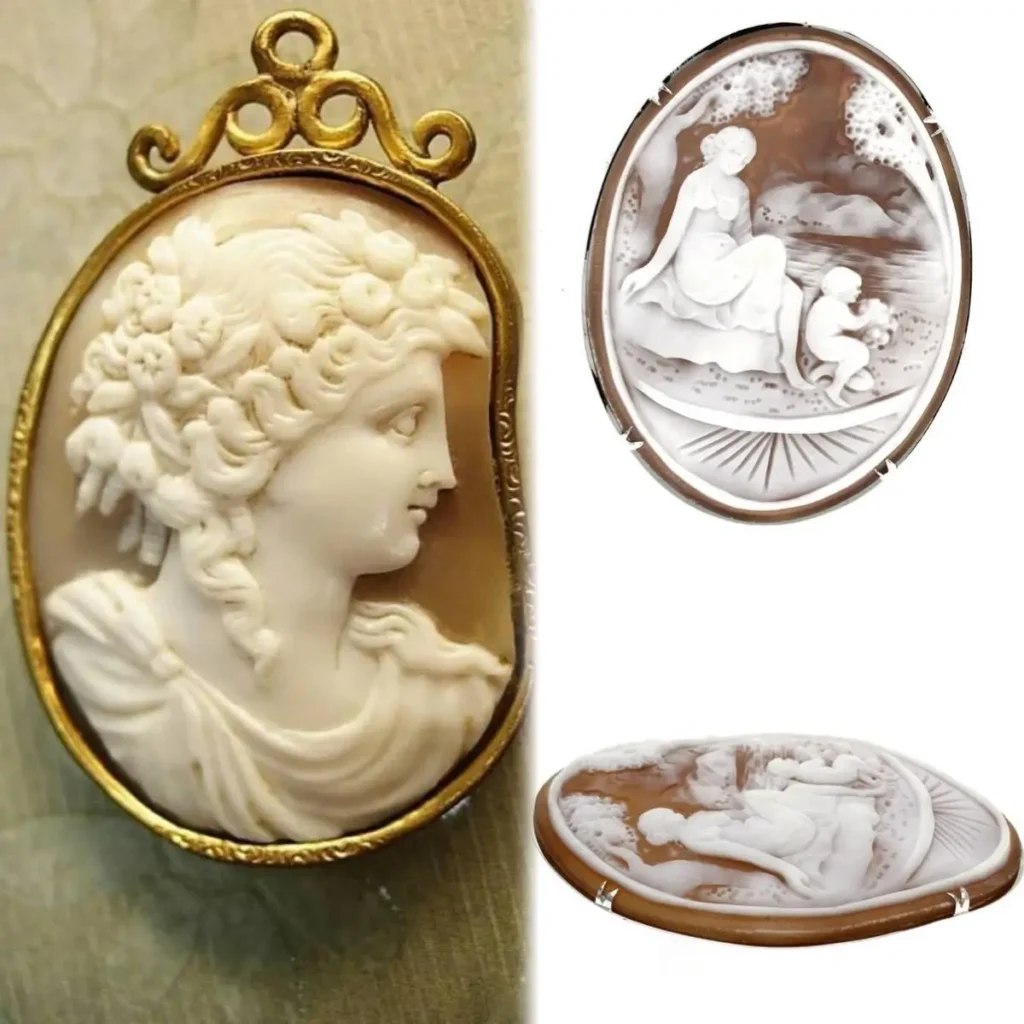
Traditional Cameo carving relies heavily on handcraftsmanship. Each piece becomes unique through the material’s natural patterns, carving depth, and the artisan’s individual approach.
How to Identify Real Cameo Jewelry
The market includes many imitation Cameo pieces made from glass, resin, or plastic. While these alternatives are often more affordable, they usually lack the natural characteristics and handcrafted details found in authentic Cameo Jewelry.
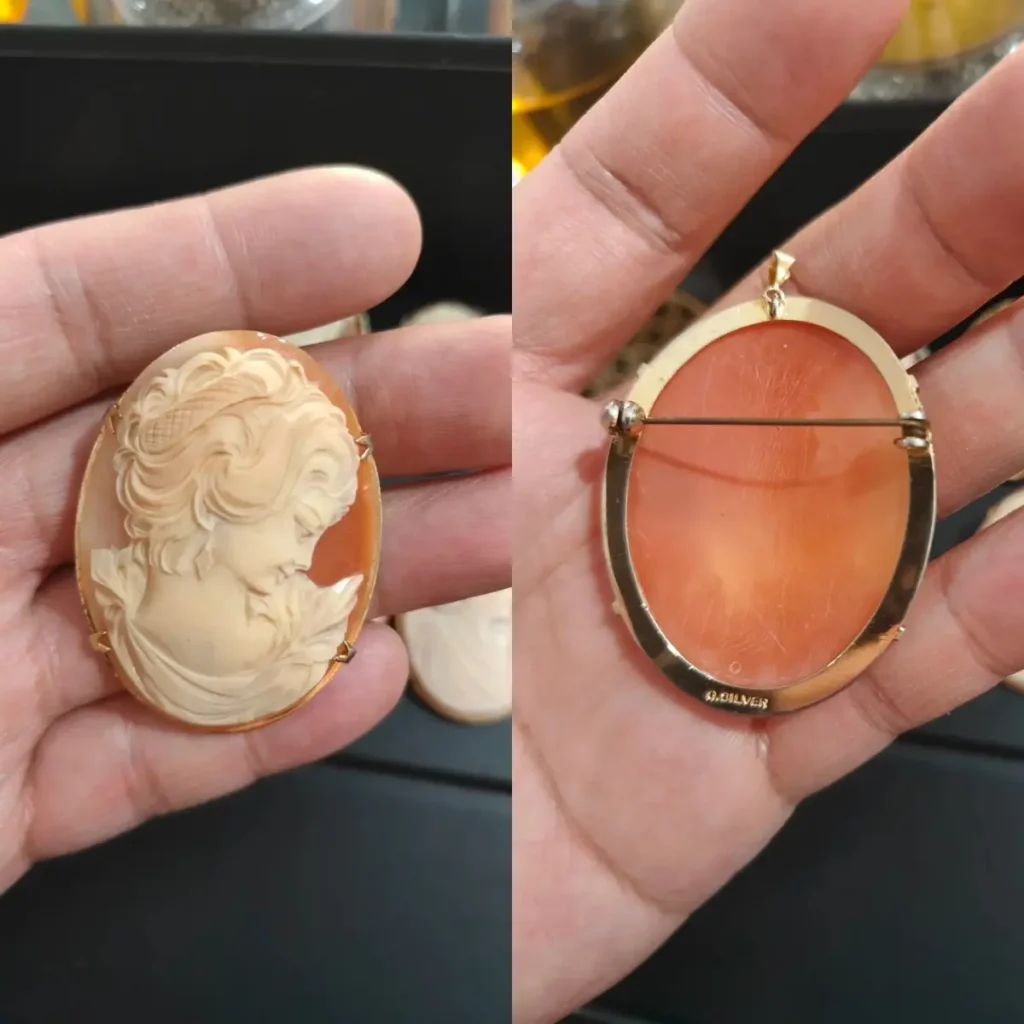
The following features can help you make an initial assessment:
1. Material Luster and Color Layers
Natural shell or Sardonyx Cameos often display naturally formed color variations and a soft, warm luster.
Imitation pieces usually have more uniform colors and lack the depth and natural layering found in genuine materials.
2. Carving Details
Hand-carved Cameos often show more natural and refined line variations.
Under magnification, some pieces may reveal subtle carving traces left by the artisan’s tools.
By contrast, molded pieces often have smoother, less defined edges and fewer intricate details.
3. Natural Material Characteristics
Natural shells may contain:
- Growth lines
- Subtle structural variations
- Organic textures
Sardonyx Cameos typically show naturally formed color bands and layered patterns.
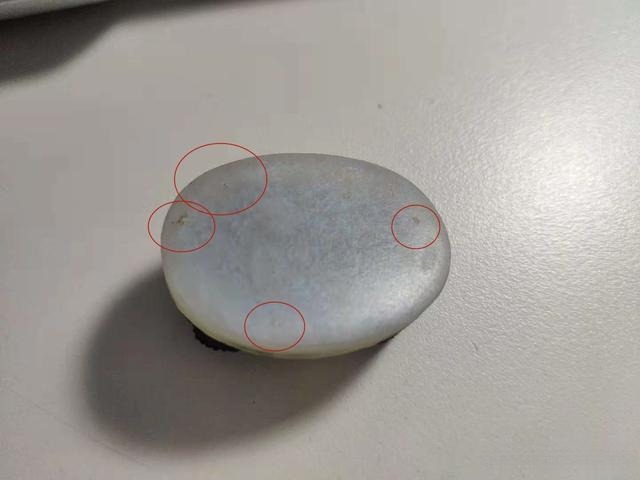
In comparison, resin imitations may contain tiny air bubbles or an overly uniform internal structure.
4. Weight and Feel
Natural shells and gemstones usually have a different feel from plastic materials, with a more distinctive texture and presence.
However, weight and touch alone cannot confirm authenticity. A reliable evaluation should consider multiple characteristics together.
How to Care for Cameo Jewelry
Cameo Jewelry often features natural shell or gemstone materials, which require gentle care. Avoid harsh cleaning methods and sudden environmental changes to help preserve the beauty and condition of each piece.
Daily Cleaning
After wearing your Cameo piece, gently remove dust from carved details and grooves with a soft brush.
Avoid Chemicals and Ultrasonic Cleaning
Shell Cameos are mainly composed of calcium carbonate, which can be sensitive to acidic substances.
Avoid exposing your Cameo Jewelry to:
- Perfume
- Harsh cleaning products
- Ultrasonic cleaners
Protect from Extreme Conditions
Avoid prolonged exposure to:
- Direct sunlight
- High temperatures
- Extremely dry environments
These conditions may affect the natural materials over time.
Store Separately
Shell has a relatively low hardness compared with many gemstones, so avoid direct contact with harder materials such as diamonds.
Store your Cameo Jewelry separately in a soft pouch or protective jewelry box to prevent scratches.
Jewea Conclusion
Cameo Jewelry is more than a decorative art form. It represents the harmony between natural materials, traditional craftsmanship, and human creativity.
From the layered beauty of Sardonyx to the soft luster of shell, each hand-carved Cameo piece preserves the unique character of its material and the artisan’s dedication to detail.
At Jewea, we believe that true craftsmanship carries the stories of nature and time. While modern technology can reproduce shapes, handcrafted Cameo pieces continue to hold a special artistic value through their individuality and traditional techniques.
This timeless connection between materials and craftsmanship is why Cameo Jewelry remains admired by collectors and jewelry enthusiasts around the world.