What is Jet Stone? The Secret Gemstone of Victorian Royalty
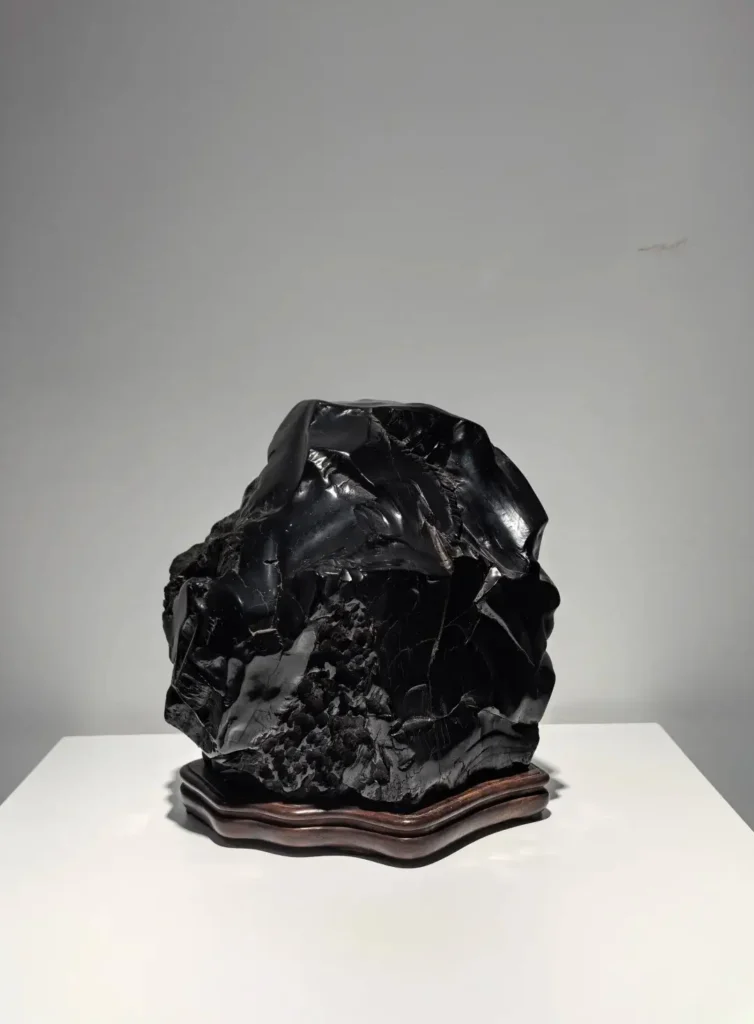
Among the world’s many treasures, there is a unique organic gemstone that looks exactly like coal—largely because it is actually harvested from coal seams. In the world of mineral specimens, it is incredibly common, abundant, and affordable, yet it remains a “hidden gem” to the general public. This is the Jet stone.
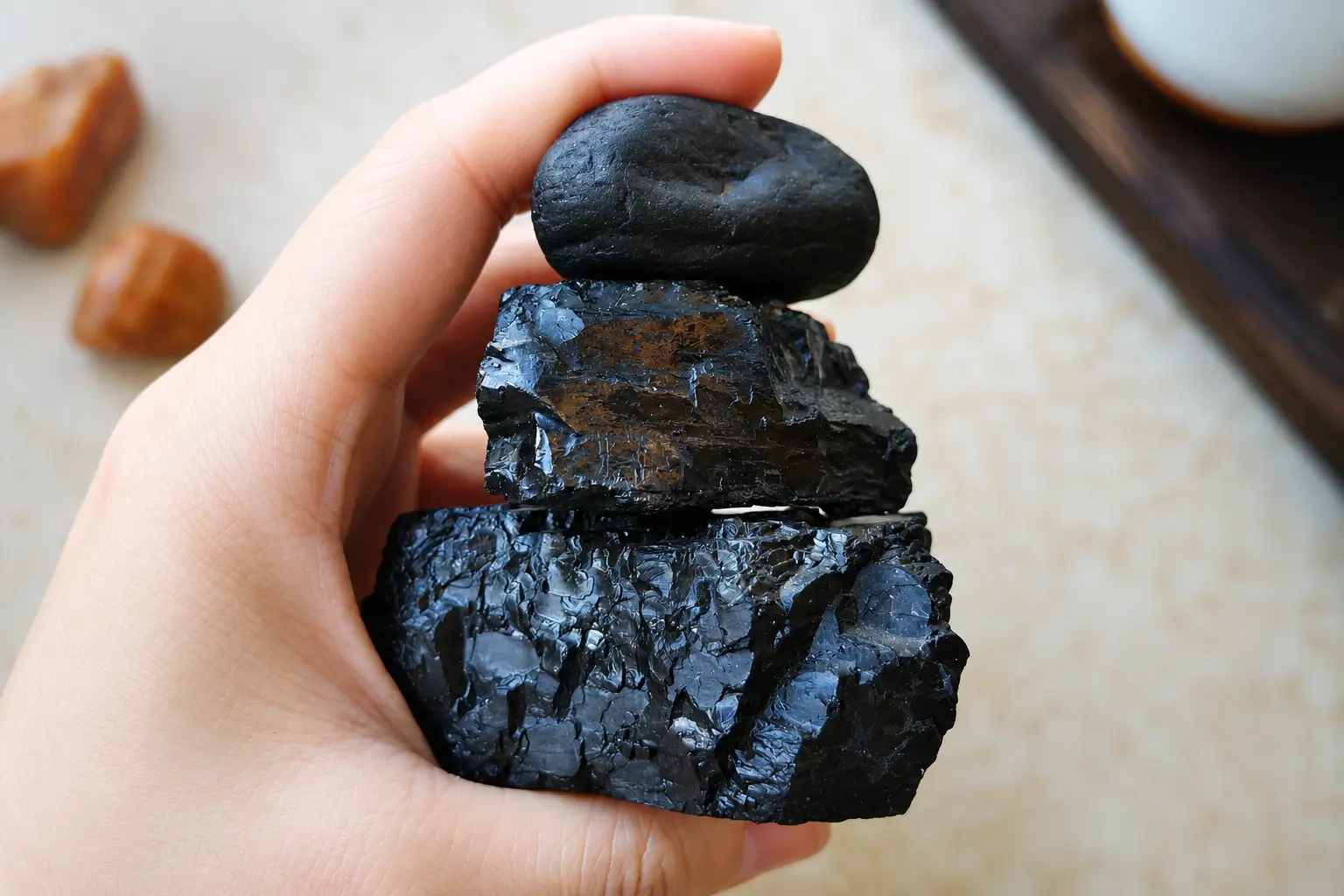
If you grew up around traditional coal briquettes, you might remember occasionally finding a piece that was strikingly jet-black and shiny, yet stubbornly refused to break or burn like the rest. Chances are, you had stumbled upon a piece of Jet.
In this article, we’re diving into the fascinating world of this “charcoal-born” jewel. From its status as a beloved favorite of Queen Victoria to its role as the material of choice for the most legendary seals in Chinese history, let’s explore why Jet stone is so much more than just a piece of coal.
Jet Stone vs. Coal: What’s the Difference?
At a glance, they both look like “bits of black rock.” But look closer, and the differences become clear.
Coal: The Global Fuel
Most people know coal as a household name. Geologists generally categorize it into several types based on its quality: bituminous, anthracite, sub-bituminous, and lignite.
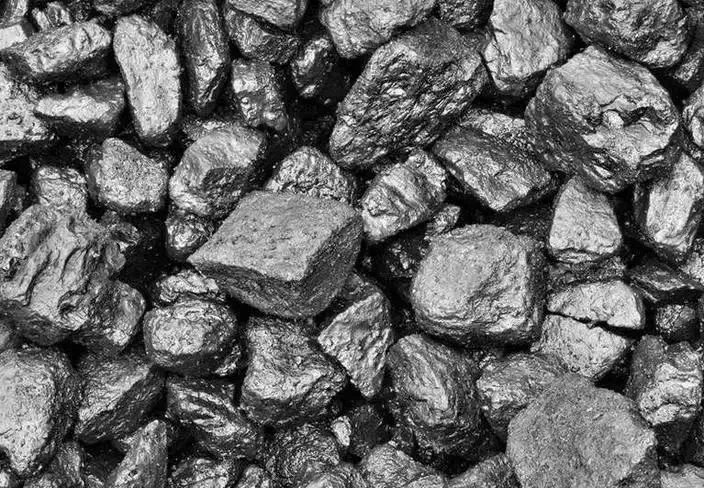
Coal stands as the world’s most abundant and widely distributed fossil fuel. It consists primarily of carbon, hydrogen, and oxygen, which together make up over 95% of its organic matter. The “deeper” the coalification process, the higher the carbon content—and the lower the levels of hydrogen and oxygen.
Jet Stone: The Organic Gem
People often call Jet stone “Black Amber” or “Coal Jade.” This lustrous black mineral is actually a unique variety of lignite. It contains roughly 80% carbon and usually sits tucked between ordinary coal seams.
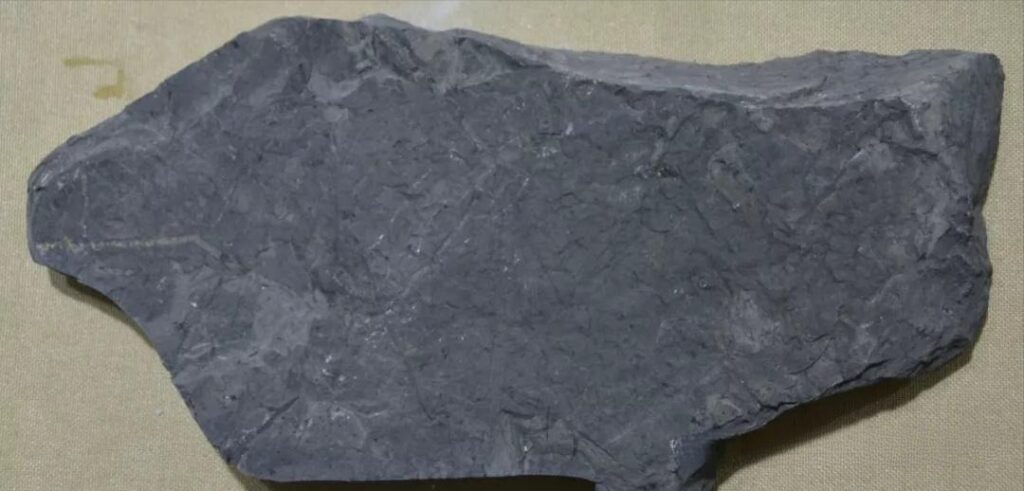
At first glance, Jet looks like standard coal. However, it is generally lighter and much more radiant. Some rare, fully fossilized varieties are denser and harder than common coal. Today, Jet shines in the world of art. Its smooth texture makes it a premier material for intricate carvings and artisan seals.
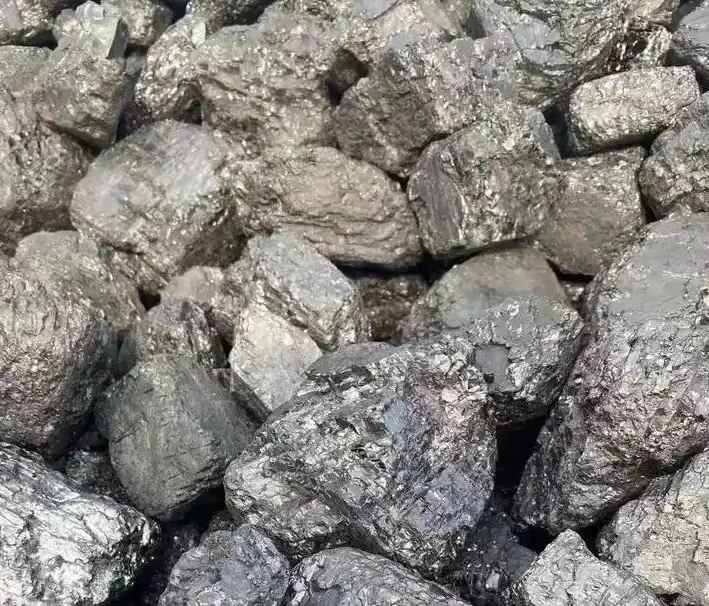
A Quick Lesson on Lignite Lignite, or “brown coal,” represents the lowest rank of coal. It sits right between peat and bituminous coal. This dark, dull fuel burns inefficiently and produces heavy ash. Without proper treatment, low-grade lignite contributes significantly to air pollution and smog.
From Ancient Forests to Fine Jewelry
The story of Jet stone began 180 million years ago. Massive floods swept resin-rich hardwoods into low-lying swamplands. Over eons, extreme heat and tectonic pressure transformed this buried wood into stone.
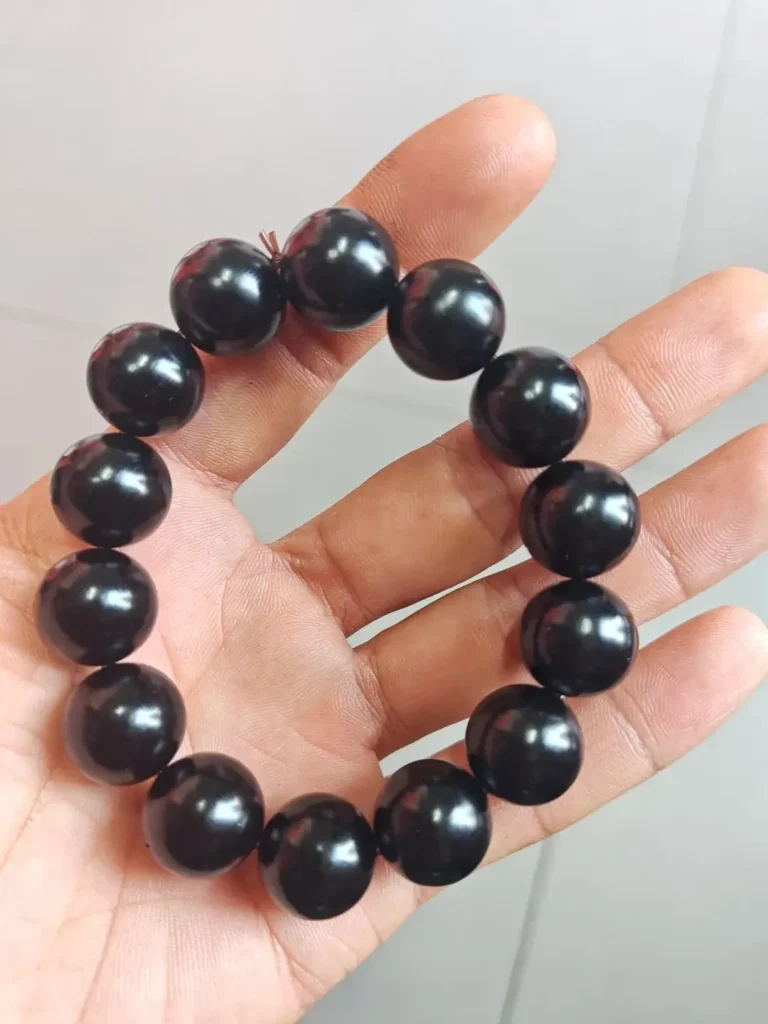
Most Jet occurs as localized masses within sedimentary rock or bituminous layers. Once polished, it reveals a stunning resinous luster. It is dense yet remarkably lightweight, making it comfortable for statement jewelry.
Where Does Jet Come From?
Jet deposits appear across the globe. The most legendary source is Whitby, UK, famous for the high-quality Whitby Jet favored by Victorian royalty. France and Spain also host notable deposits.
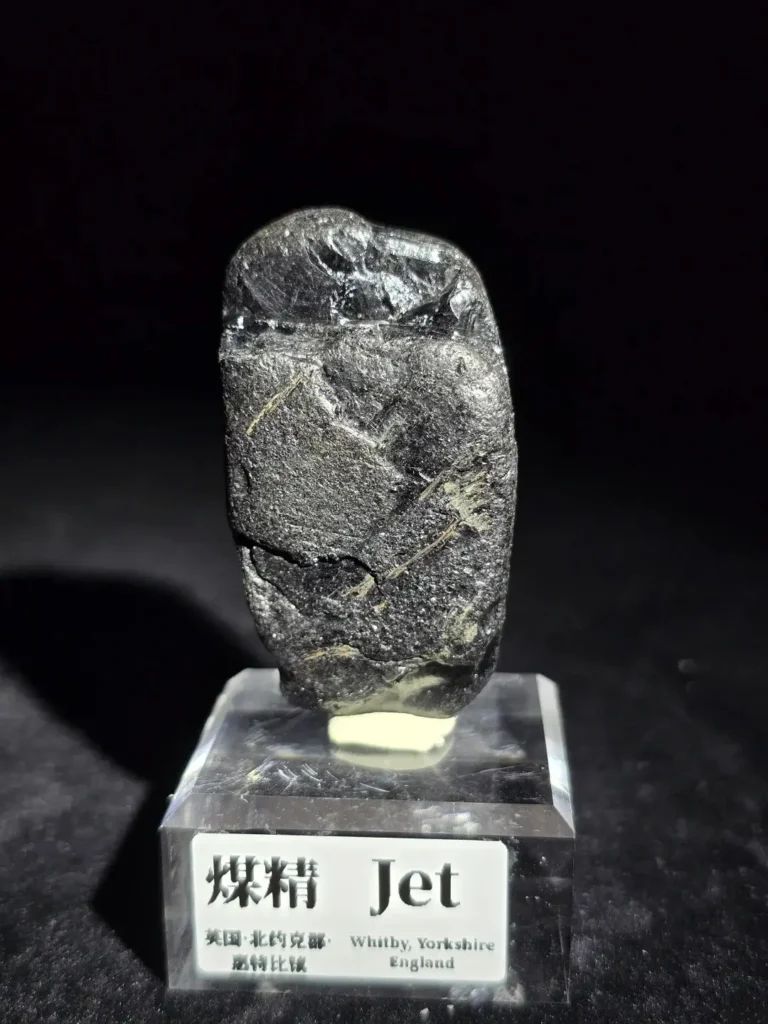
In our previous article, Gemstones of Shanxi: Datong Jade, Peridot, & Jet Stone | Gems of China Series, we introduced Shanxi as one of the key origins for this mineral. In China, the most famous Jet comes from Fushun in Liaoning Province. Other significant sources include the Ordos Basin and Shaanxi. Each region produces stones with unique textures, adding to the rich diversity of this organic treasure.
The History and Art of Jet Stone
Jet stone boasts an incredibly long history as a decorative treasure. Artisans have worked with this material since the European Stone Age. Archaeologists have even discovered jet artifacts in ancient Native American tribal sites. By the time of the Roman Empire, people prized jet as a fashionable “black gemstone.”
Victorian Mourning Jewelry
You cannot discuss European jet history without mentioning the 19th-century “Mourning Jewelry” trend.
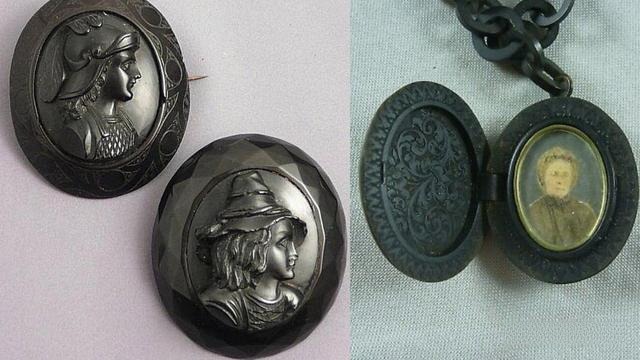
In 1861, Prince Albert passed away. A grief-stricken Queen Victoria entered a state of mourning that lasted forty years. For two decades, she commanded the entire British court to wear only mourning attire and jewelry.
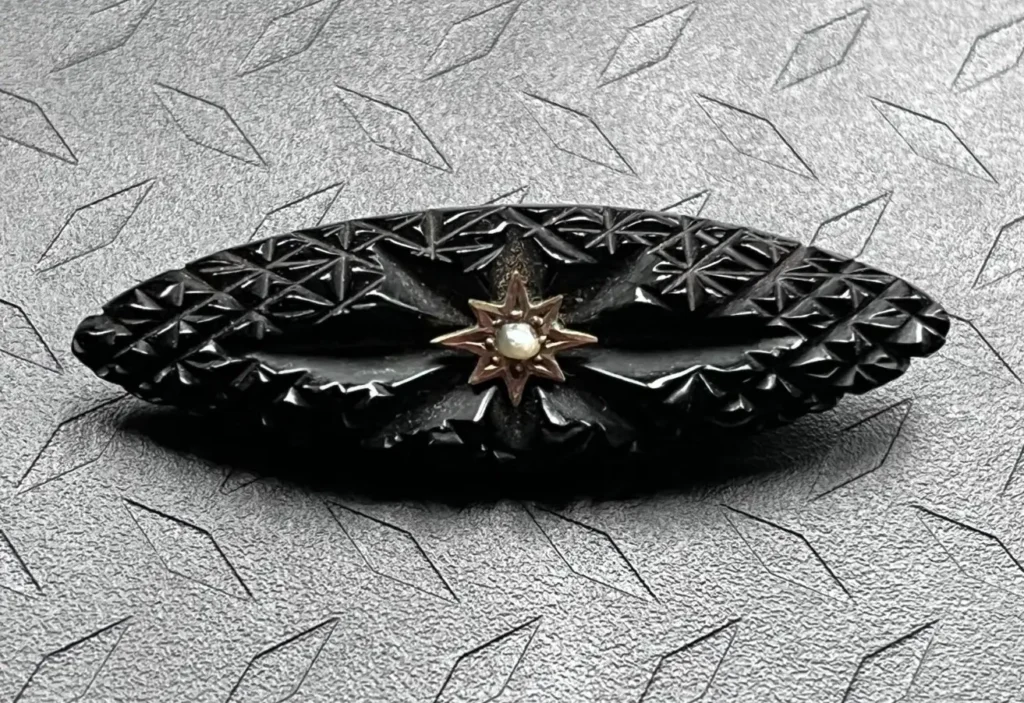
Because Jet stone possesses a deep, somber black hue, it became the perfect medium for these pieces. Its popularity exploded, turning a stone of grief into a definitive fashion statement of the era.
Jet Stone Ornaments in Chinese History
China’s fascination with Jet stone dates back millennia. Archaeologists discovered the earliest Chinese jet artifacts at the Xinle cultural site in Shenyang. These simple beads and rings are roughly 7,000 years old.
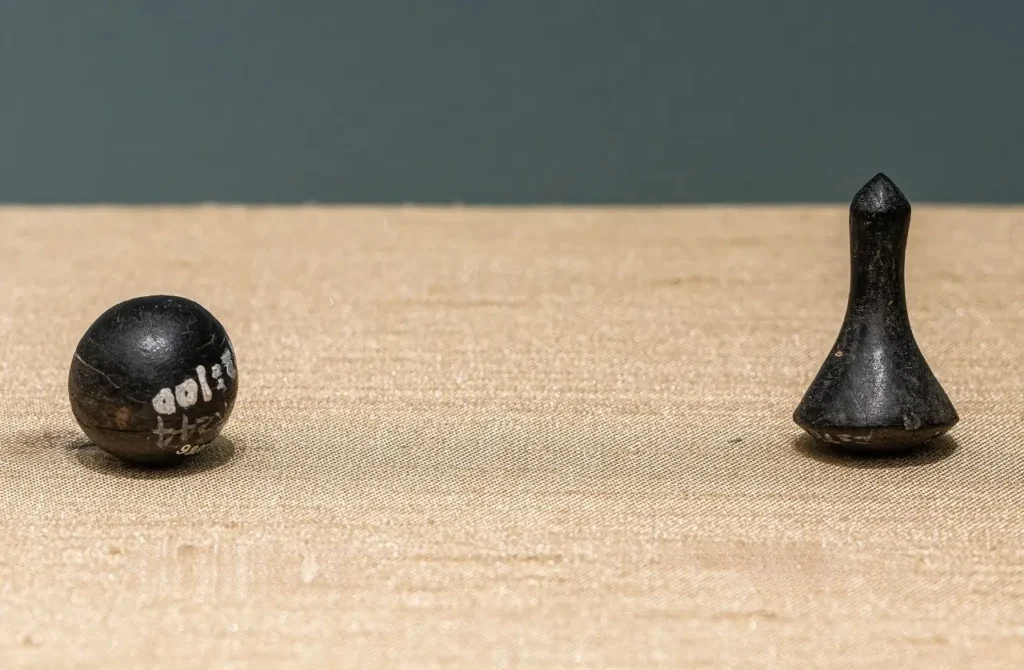
Over the centuries, Jet became a staple of traditional Chinese carving. Artisans transformed this “black gold” into intricate everyday items, delicate accessories, and scholarly tools.
The Legendary Multi-Faceted Seal
The most famous Jet artifact in history is undoubtedly the “Dugu Xin Seal.” Excavated in Shaanxi Province in 1981, this Western Wei dynasty masterpiece is a marvel of ancient design.
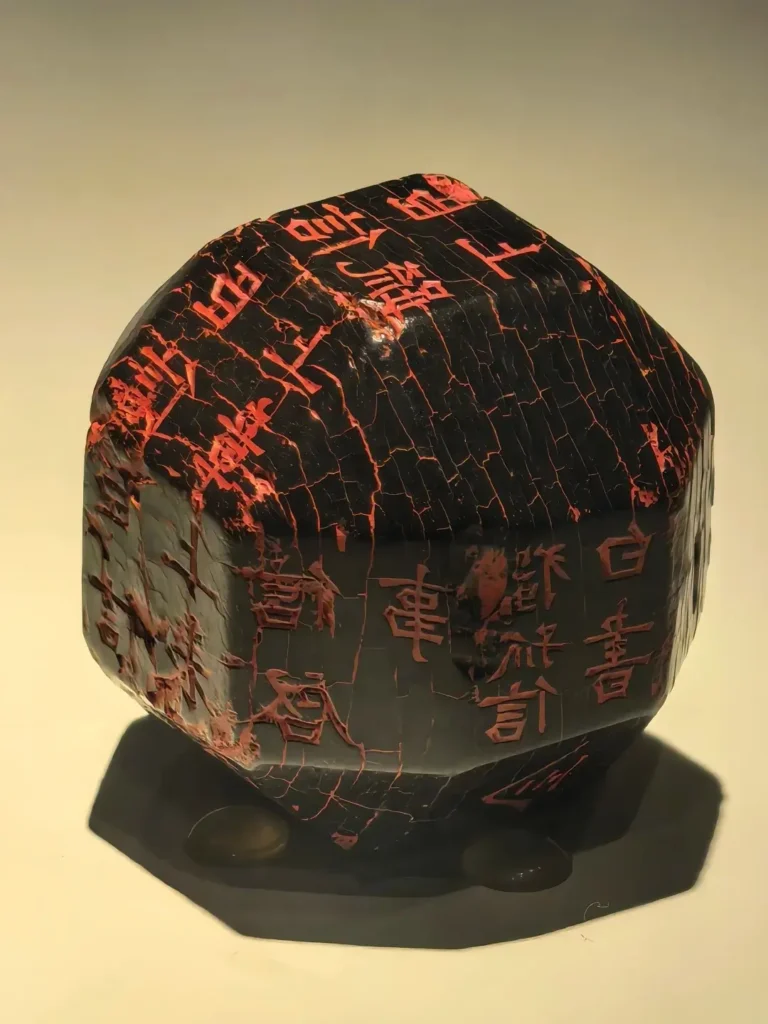
This 24-sided polyhedron consists of 16 squares and 8 triangles. Fourteen of its faces feature elegant calligraphy, serving different administrative and personal functions. At the time, it was a high-tech solution for a man who wore many hats.
The seal belonged to Dugu Xin, a legendary general and statesman. Known for his brilliant military strategy, he also holds a more unique title: “History’s Most Powerful Father-in-Law.”
Dugu Xin served high offices across three successive dynasties. Remarkably, three of his daughters became Empresses. They married the rulers (or fathers of founders) of the Northern Zhou, Sui, and Tang dynasties. Because he held so many simultaneous titles, he commissioned this unique Jet stone seal to manage his vast official duties.
How to Evaluate the Quality of Jet Stone
When grading Jet stone, experts focus on six key factors: color, luster, texture, clarity, size, and craftsmanship.
The Darker, The Better
Unlike colorful gemstones where saturation is key, Jet thrives on deep, pure blackness. A brownish tint usually indicates lower quality. The finest specimens exhibit a brilliant, resinous luster. While the raw material matters, a master’s polishing technique truly brings that mirror-like shine to life.
Texture and Size
Look for pieces that feel dense and velvety. High-quality Jet stone should be free of cracks or visible inclusions. In the world of organic gems, size matters—the larger the flawless piece, the higher its market value.
The Soul of Jet: Craftsmanship
The most critical factor is often the carving. Raw Jet is relatively affordable, typically costing around $7 to $10 per gram (approx. 50 RMB). However, an artist’s touch can transform this humble material into a priceless masterpiece.
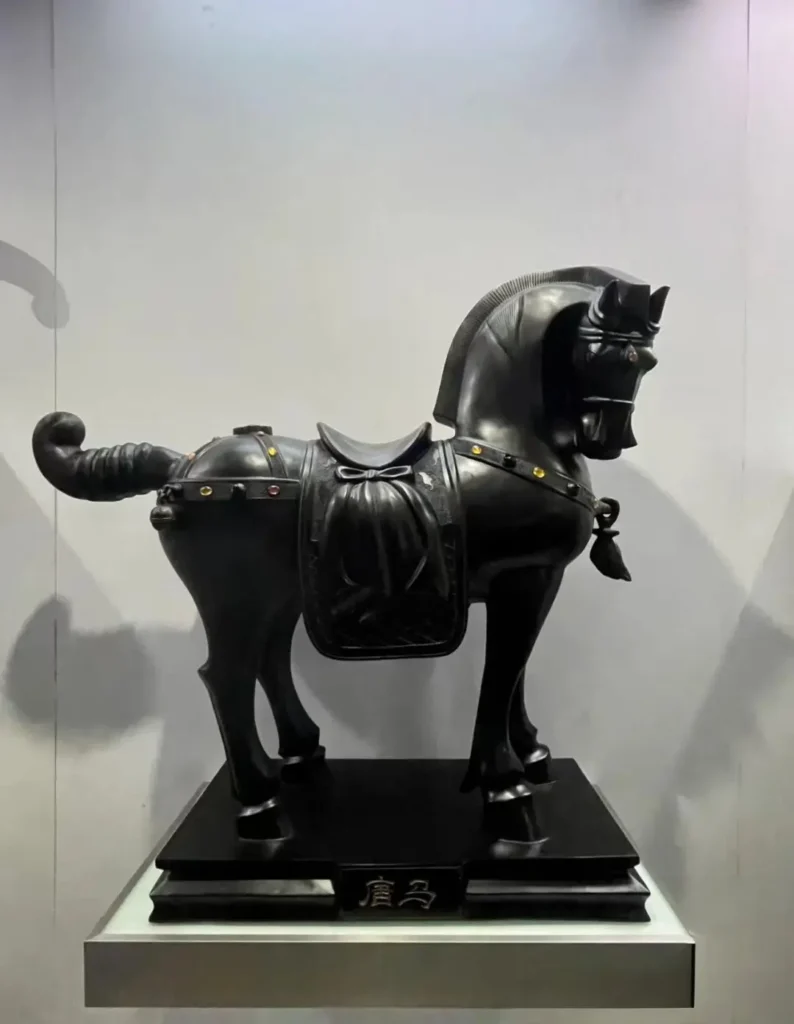
Think of it like ink and rice paper. A random sketch holds little value, but a few strokes from a master like Qi Baishi can create a treasure worth millions. Jet stone follows the same rule. A piece carved by a renowned master—or an ancient artifact like the Dugu Xin seal—carries a value that transcends the material itself. Ultimately, you aren’t just buying a stone; you are investing in centuries of history and the spirit of the artisan.
Final Thoughts
Jet stone is more than just a relic of the Victorian era or an ancient seal of power. It is a bridge between the raw strength of the earth and the delicate touch of human artistry. Its understated, velvety black hue offers a unique kind of “silent luxury”—one that doesn’t need to sparkle to be noticed.
At Jewea, we honor this heritage by selecting only the finest natural materials. We believe that true beauty lies in the balance of traditional craftsmanship and timeless design. Whether you are drawn to its deep history or its modern, minimalist appeal, Jet stone remains a sophisticated choice for those who appreciate jewelry with a soul.