Gemstone Treatments and Enhancements: What’s Acceptable—and What to Avoid
Jewelry can look stunning—and still be misleading. In today’s market, many stones achieve their beauty not through nature, but through aggressive gemstone treatments and enhancements designed to improve color, clarity, or durability. While some of these enhancements are industry-accepted, others dramatically reduce a gemstone’s value and long-term stability—and are often poorly disclosed to buyers.
For consumers investing in fine jewelry, understanding gemstone treatments and enhancements is no longer optional. It is essential for protecting both your money and your health. In this article, we’ll break down three of the most misleading processes you need to know:
- Acid-treated Jadeite: The “Pickled” B+C Grade Trap.
- Sugar-Acid Treated Opal: The “Sugar-Black” Mirage.
- Heat-treated Ruby: “Grilled” Gems vs. Natural Beauty.
Let’s begin with the most notorious of them all.
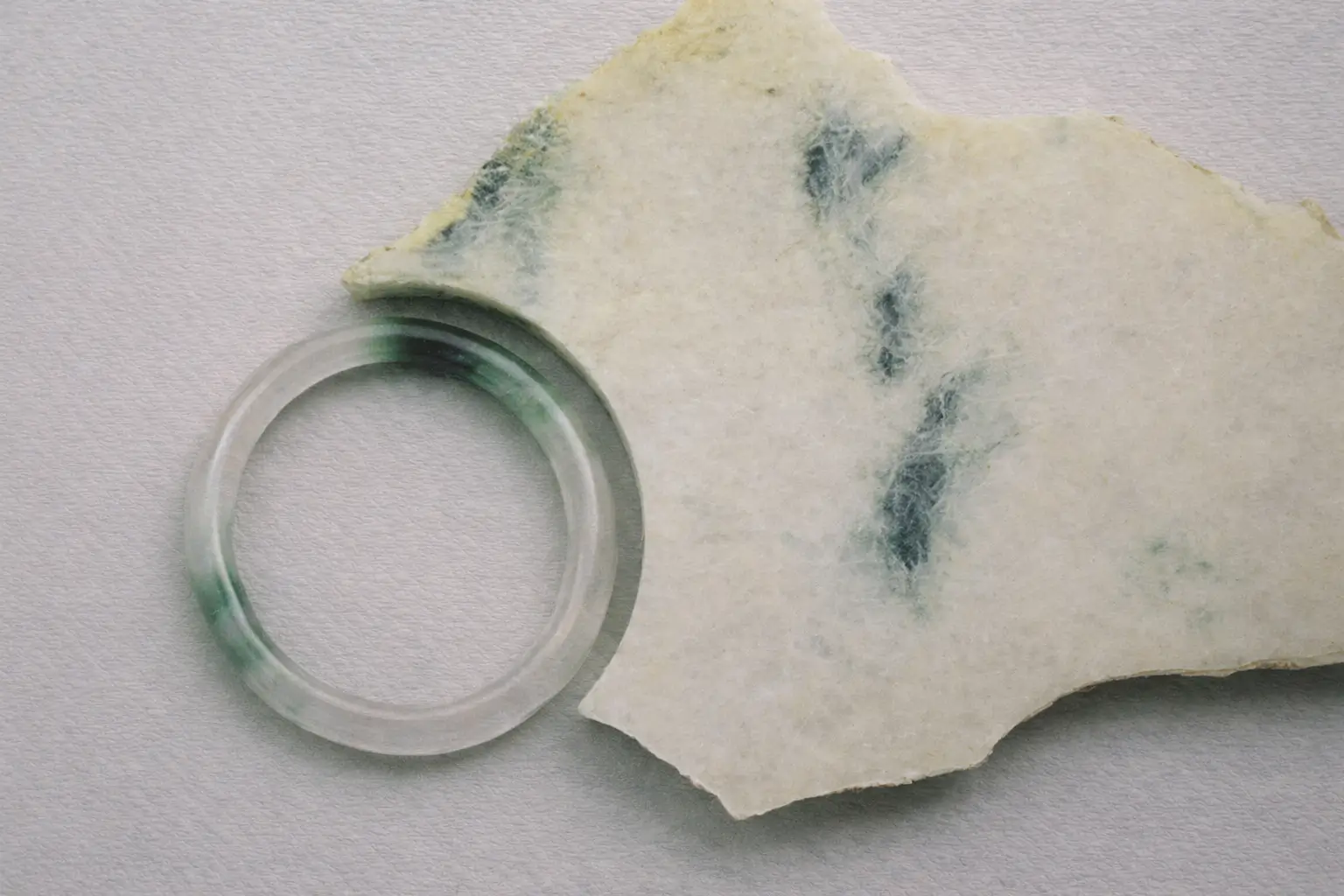
Part I: “Pickled” Jade — Acid-Treated Jadeite Explained
In our previous Jewea blog article, Jadeite Buying Guide: How to Understand Jade Trade Terms Before You Buy, we explain the jadeite classification system:
- Type A Jadeite: Natural, untreated jadeite
- Type B & Type C Jadeite: Chemically treated jadeite
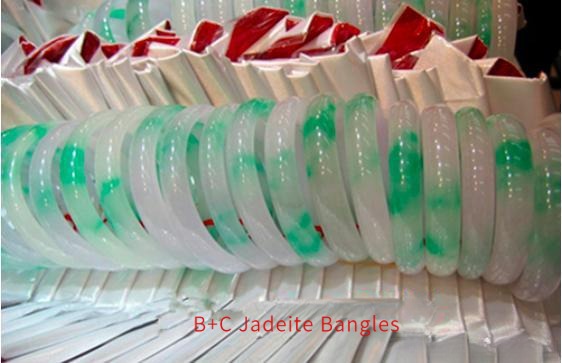
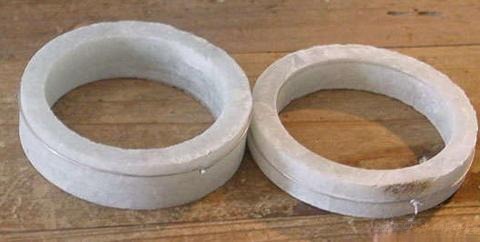
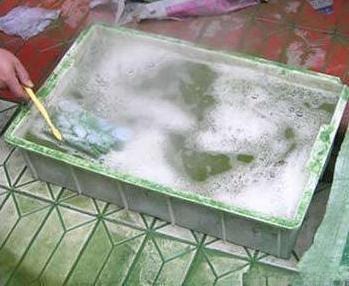
What Is Acid-Treated Jadeite?
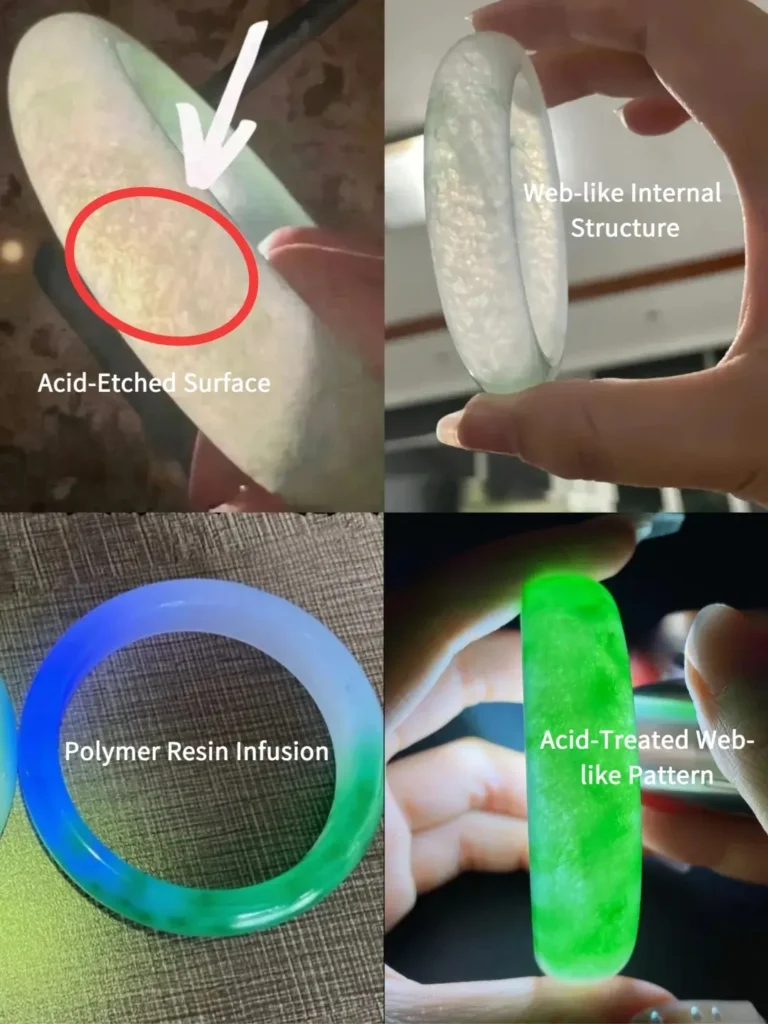
Acid-treated jadeite refers to low-quality jadeite that has been soaked in strong acids, commonly hydrochloric or sulfuric acid. The acid dissolves certain internal impurities and creates a more porous structure, reducing the stone’s natural stability. The resulting pores are then filled with epoxy resin or other polymer fillers to improve transparency and appearance.
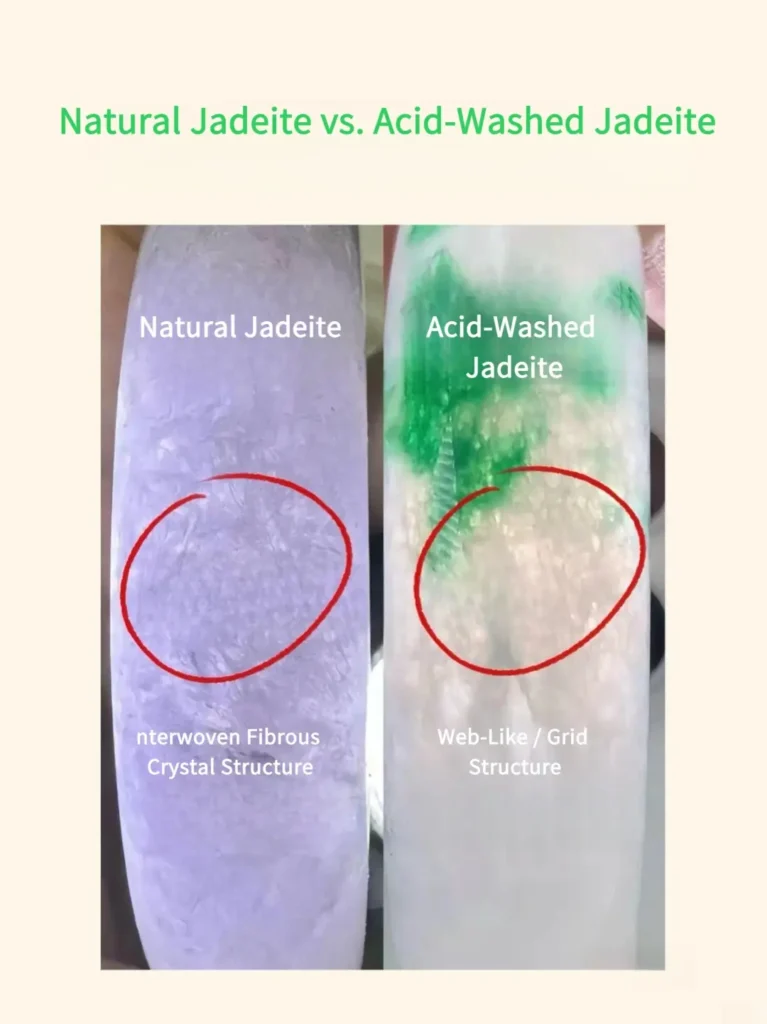
In simple terms, the process removes some of the material inside the jadeite and then fills the resulting pores with resin.
Type B jadeite undergoes acid treatment followed by resin impregnation. If dye is added to alter or enhance the color, the jadeite is generally classified as Type C.
The finished stone may look smooth, bright, and more transparent, but its natural structure and composition have been significantly altered by treatment.
Why Acid-Treated Jade Is a Problem
1. Potential Health Risks
Acid-treated jadeite may retain traces of strong acids, heavy metals (such as lead or mercury), or chemical residues from dyes and resins. When worn long-term—especially against skin exposed to sweat and body oils—these substances may leach out.
Sensitive individuals may experience:
- Contact dermatitis
- Skin redness, itching, or rashes
If the jade cracks or the resin ages and degrades, the risk increases significantly.
2. Financial and Collectible Risks
From a value perspective, acid-treated jadeite is fundamentally compromised.
- The resin fillers age, yellow, crack, or leak
- The stone lacks long-term structural stability
- It holds no collectible or investment value
Despite this, many buyers are misled by romantic backstories—“family heirloom,” “urgent liquidation,” or “estate find”—and end up paying prices wildly disproportionate to the stone’s true worth. In reality, treated jadeite may be worth only a fraction (sometimes less than 1/20) of natural Type A jade.
How to Identify Acid-Treated Jadeite
Use these practical checks before buying:
1. Unnatural Lightness (Density Check)
Acid-treated jade often feels unusually light. Because manufacturers replace heavy natural minerals with lightweight resin, the stone loses its characteristic “heft.”
2. Porous Internal Texture
Under a strong light source, look for a structure that resembles porridge or a dry sponge. This “loofah-like” appearance is clear evidence of acid corrosion and chemical filler penetration.
3. Overly Bright, Flat Color
Be wary of colors that look too intense or perfectly uniform. Treated jade often lacks the organic “root” and natural tonal variations found in genuine Type A jadeite.
4. Spiderweb Structure Under Strong Light
Shine a flashlight through the stone. Type B jade often reveals a web-like internal pattern and lacks the sharp, natural crystalline “grain” (often called “fly-wings” in the trade).
5. Surface Etching Under Magnification
Using a 10x loupe, inspect the surface for microscopic pits or network-like corrosion. These acid-etched marks are the “fingerprints” of chemical treatment.
6. The Dull Sound Test (For Bangles)
Gently tap two bangles together. Natural jadeite produces a high-pitched, metallic chime, while treated jade produces a muted, plastic-like “thud.”
Buying Advice: How to Protect Yourself
✅ Buy only from reputable sellers
✅ Request a recognized gemological certificate (e.g., NGTC or equivalent)
✅ Be skeptical of “too good to be true” pricing
✅ Remember: Only Type A jadeite holds long-term value
Natural jadeite is rare for a reason. Its beauty doesn’t need chemical shortcuts.
If you want to go deeper, we break down the key visual and structural clues in How to Identify Natural Jadeite: Color, Texture & Authenticity, so you can confidently distinguish genuine Type A jadeite from treated imitations before you buy.
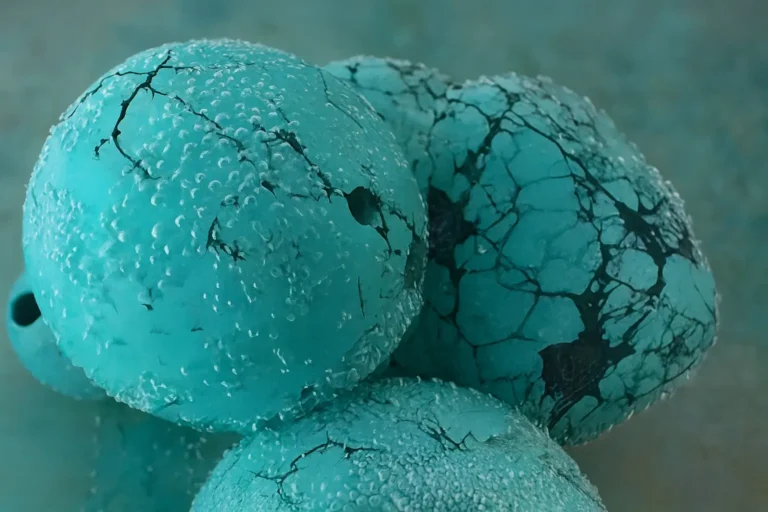
Part II – “Sugar-Acid” Opal: Turning White Opal Into Black
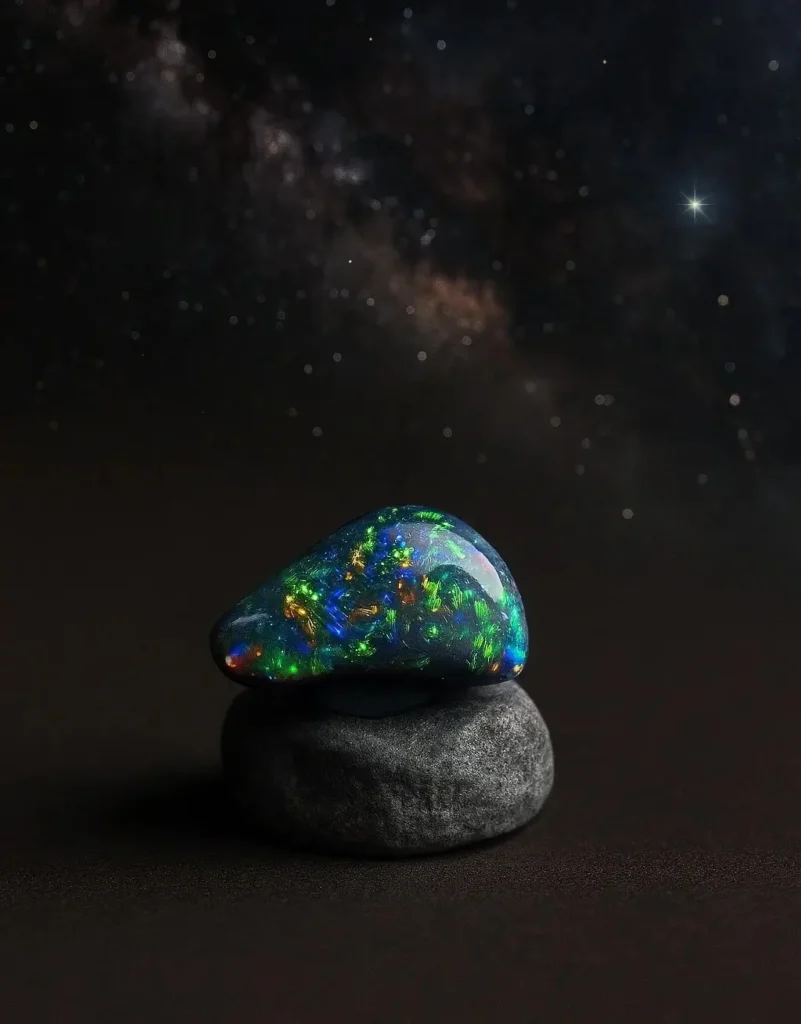
If jadeite is the “pickled vegetable” of the jewelry world, then treated opal is its “smoked dessert.”
In our previous guide, The Opal Buying Guide 2026: Types, Value, Origins & Identification, we explained why natural black opal occupies the top tier of the opal market. Its naturally dark body tone amplifies play-of-color, making flashes appear sharper, brighter, and more intense. Because genuine black opals are both rare and expensive, they have long been a prime target for deceptive gemstone treatments and enhancements.
As a result, manufacturers often chemically alter ordinary white or light-bodied opals to imitate the appearance of natural black opal—selling them at a fraction of the cost and frequently without proper disclosure.
What Is Sugar–Acid Treated Opal?
Sugar–acid treatment primarily targets porous matrix opal or low-grade white opal with weak play-of-color. These materials contain microscopic gaps between silica spheres, which readily absorb liquids.
To recreate the dark background of natural black opal, manufacturers use a two-step “cooking” process involving everyday sugar and concentrated acid.
First, the sugar soak.
Technicians immerse the opal in a warm, highly concentrated sugar solution—yes, the same sugar used in coffee. The sugar penetrates deep into the stone’s internal pores.
Next, acid carbonization.
Once saturated, the stone is submerged in concentrated sulfuric acid. The acid reacts with the sugar, carbonizing it into black carbon trapped inside the opal’s structure.
The result:
This internal carbon staining darkens the opal’s body color, instantly making any existing play-of-color appear far more vivid and dramatic.
While this is one of the more inventive gemstone treatments and enhancements, it produces a stone that is visually convincing—but fundamentally deceptive in both origin and value.
Why Sugar–Acid Treated Opal Is a Problem
1. Misleading Market Value
Natural black opal can command thousands of dollars per carat, depending on body tone, pattern, and origin. In contrast, sugar–acid treated opal typically starts as low-value material. Despite this, some sellers market these stones as “natural black opal,” omitting any mention of treatment.
Buyers end up paying a premium for what is essentially a carbon-stained opal, not a naturally rare gemstone.
2. Durability and Long-Term Stability Issues
Because this treatment relies on porosity, sugar–acid treated opals are inherently less stable. Acid processing often leaves microscopic pits and fractures. To mask these flaws, manufacturers commonly apply resin coatings or fillers.
Over time, these resins may:
- Discolor
- Crack or peel
- Lose surface luster
When this happens, the stone’s appearance deteriorates, revealing a dull, artificially darkened base rather than lasting beauty.
How to Spot Sugar–Acid Treated Opals
Before committing to a “great deal” on black opal, use these professional diagnostic checks to separate natural rarity from chemical illusion:
1. Identify the “Pepper-Pot” Effect
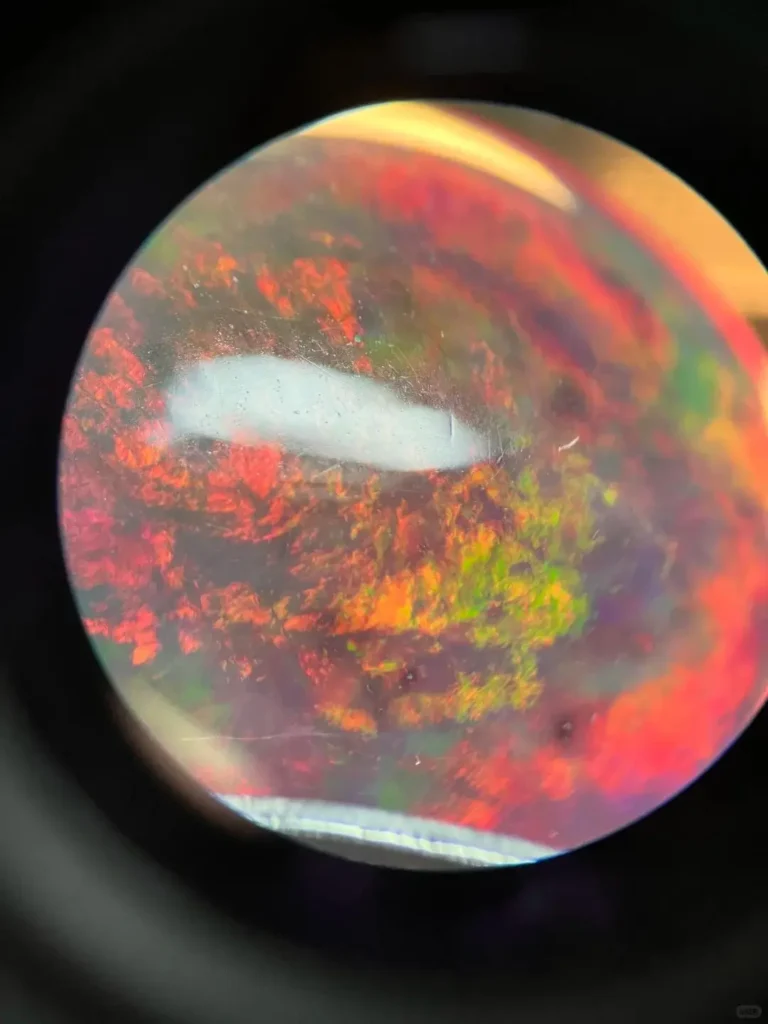
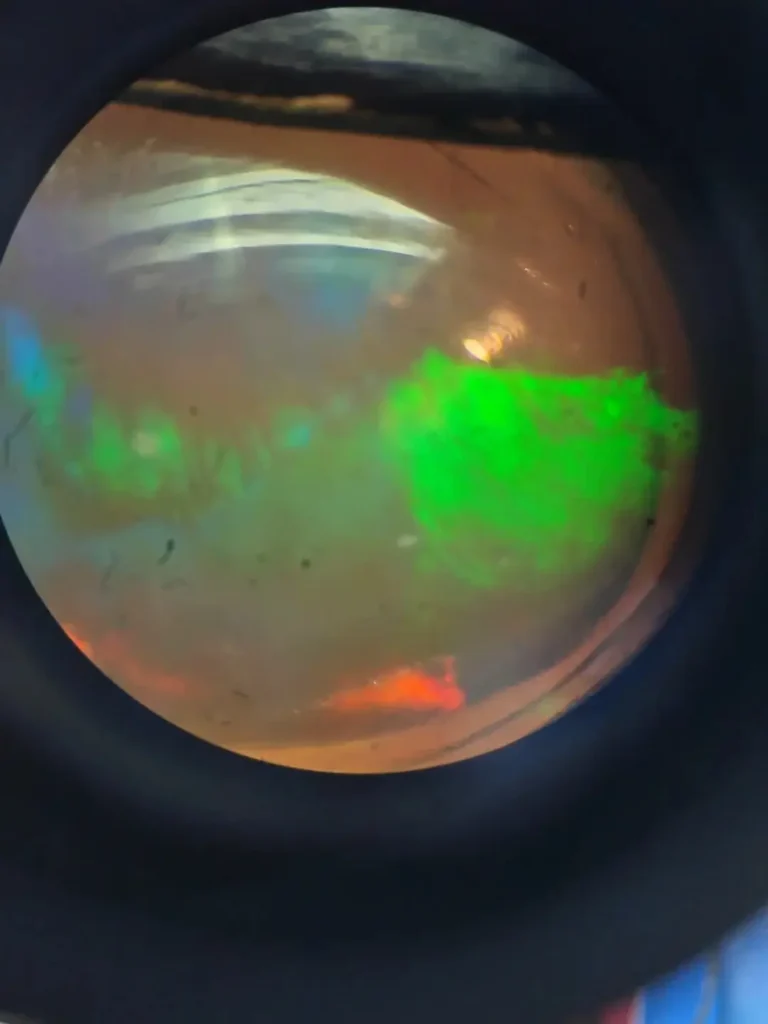
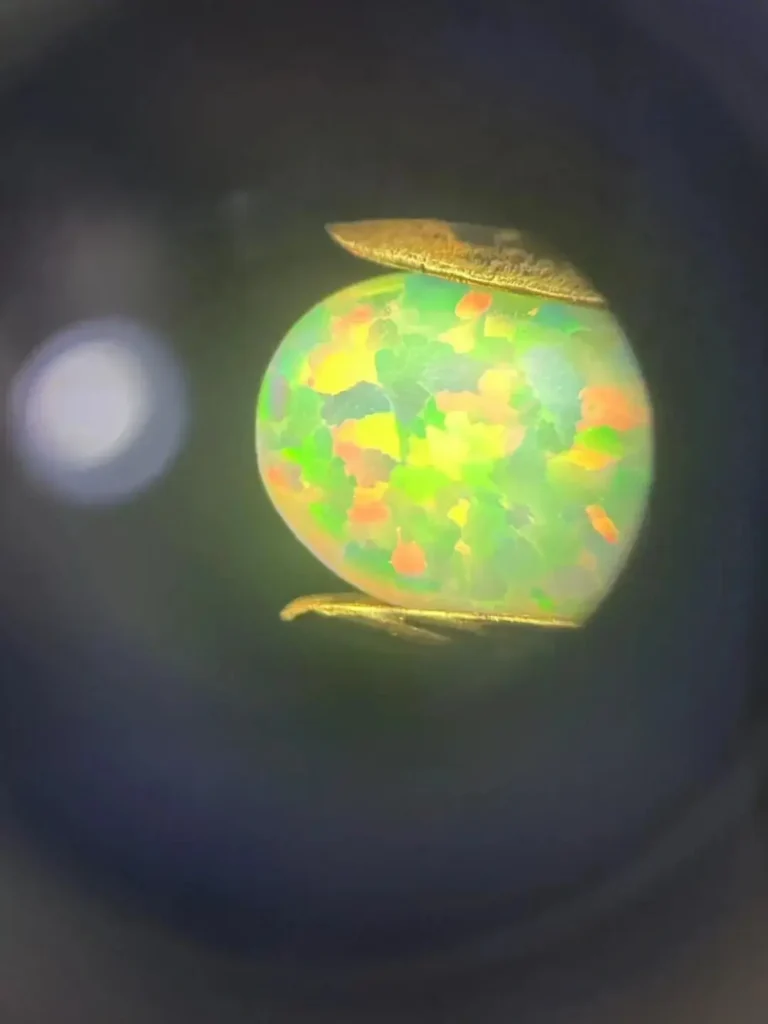
Under 10× magnification and strong overhead lighting, you will often spot tiny black carbon dots clustered within the stone’s natural pores and fissures. This “peppery” appearance indicates that carbon dyes have settled into the gaps, a hallmark sign of sugar-acid gemstone treatments and enhancements.
2. Spot the Disconnected “Honeycomb” Pattern
Natural black opal displays fluid, continuous play-of-color that moves gracefully across the stone. In contrast, treated opals often exhibit patchy, disconnected color flashes. Because carbon only settles where the stone is porous, the color may appear in a broken, “honeycomb” or mosaic-like arrangement that looks artificial.
3. Inspect the Cross-Section for Shallow Penetration
Because the sugar-acid solution only penetrates the outer layers of the stone, any chips or cut sections reveal the truth. A treated stone often displays a thin, dark “crust” masking a pale or white interior. If the color looks like a superficial “skin” rather than growing from the heart of the gem, it is likely treated.
4. Evaluate the Price-to-Quality Ratio
Trust the price signal as your final safeguard. If an opal displays vivid, electric rainbow flashes against a pitch-black background but carries a price tag of only $50 or $100, the stone is almost certainly a product of aggressive chemical cooking. High-quality, natural black opal remains one of the most expensive gems in the world for a reason.
Buying Advice for Opal Lovers
Opal is one of nature’s most captivating gemstones, but it is often treated by jewelers and manufacturers. If a black opal has an unusually uniform dark body color and an implausibly low price, it may have been treated. To avoid treated imitations and buy a genuine black opal, follow these expert-recommended checks:
1. Confirm the Body Tone Grade (N1–N4)
Natural black opals follow a standardized grading scale from N1 (deep black) to N4 (dark gray).
If a seller cannot clearly state the body tone—or avoids discussing treatment disclosure—treat this as a red flag and walk away.
2. Examine the Potch on the Back
Always turn the stone over.
Natural black opals typically show a naturally dark gray or black potch with organic, irregular layering.
In contrast, sugar–acid treated opals often appear uniformly dark on all sides, lacking natural structure and depth.
3. Verify the Stone’s Origin
Lightning Ridge, Australia remains the premier source of top-quality black opals.
Exercise extra caution with stones labeled “Ethiopian matrix opal” or “Honduran opal,” as sellers more frequently subject these porous materials to sugar–acid gemstone treatments and enhancements to imitate the Australian look.
4. Insist on a Gemological Certificate
Never rely on verbal claims alone.
For any meaningful purchase, request a report from a recognized gemological laboratory. The certificate should clearly state whether the stone is natural or treated.
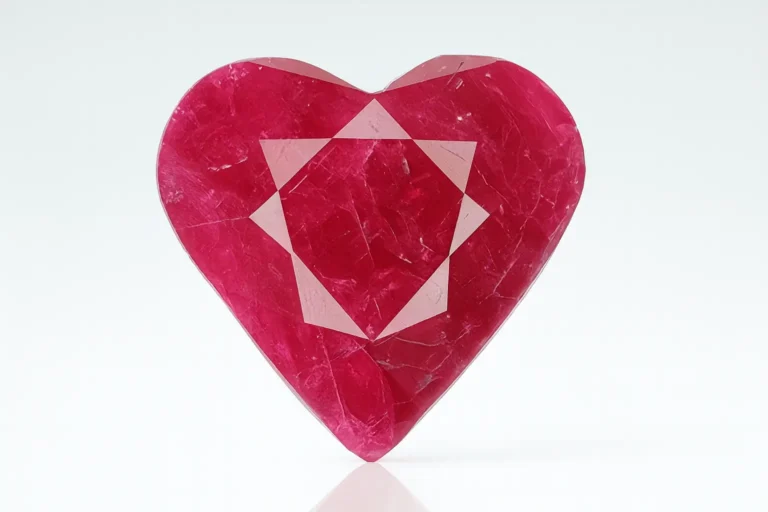
Part III – “Grilled” Rubies: Heat Treatment and Heavy Enhancements
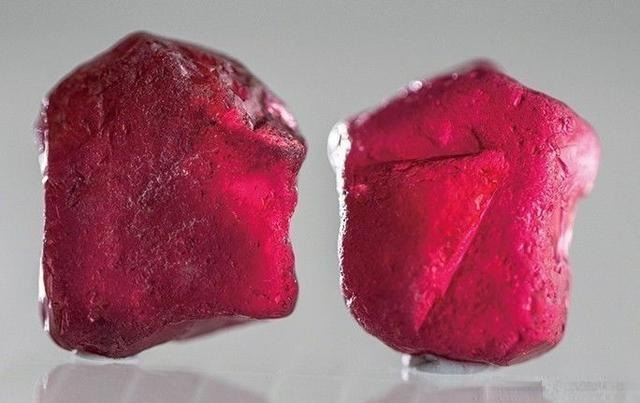
If our first two “dishes” left a sour taste, our final entry offers a more palatable industry standard—provided you know the recipe. Beyond the pickling and smoking we’ve discussed, many stones undergo a process commonly known as “grilling”—or, more professionally, heat treatment.
While the previous treatments transform a stone’s soul, heat treatment is often just a “mini-facelift” designed to unlock a ruby’s natural potential.
Heat Treatment: The Industry-Standard “Mini-Facelift”
Unlike the “soul-altering” acid baths used for jadeite, heat treatment is a purely physical process. For over a thousand years, gem cutters have used heat to dissolve silk-like inclusions and intensify the crimson hue of rubies.
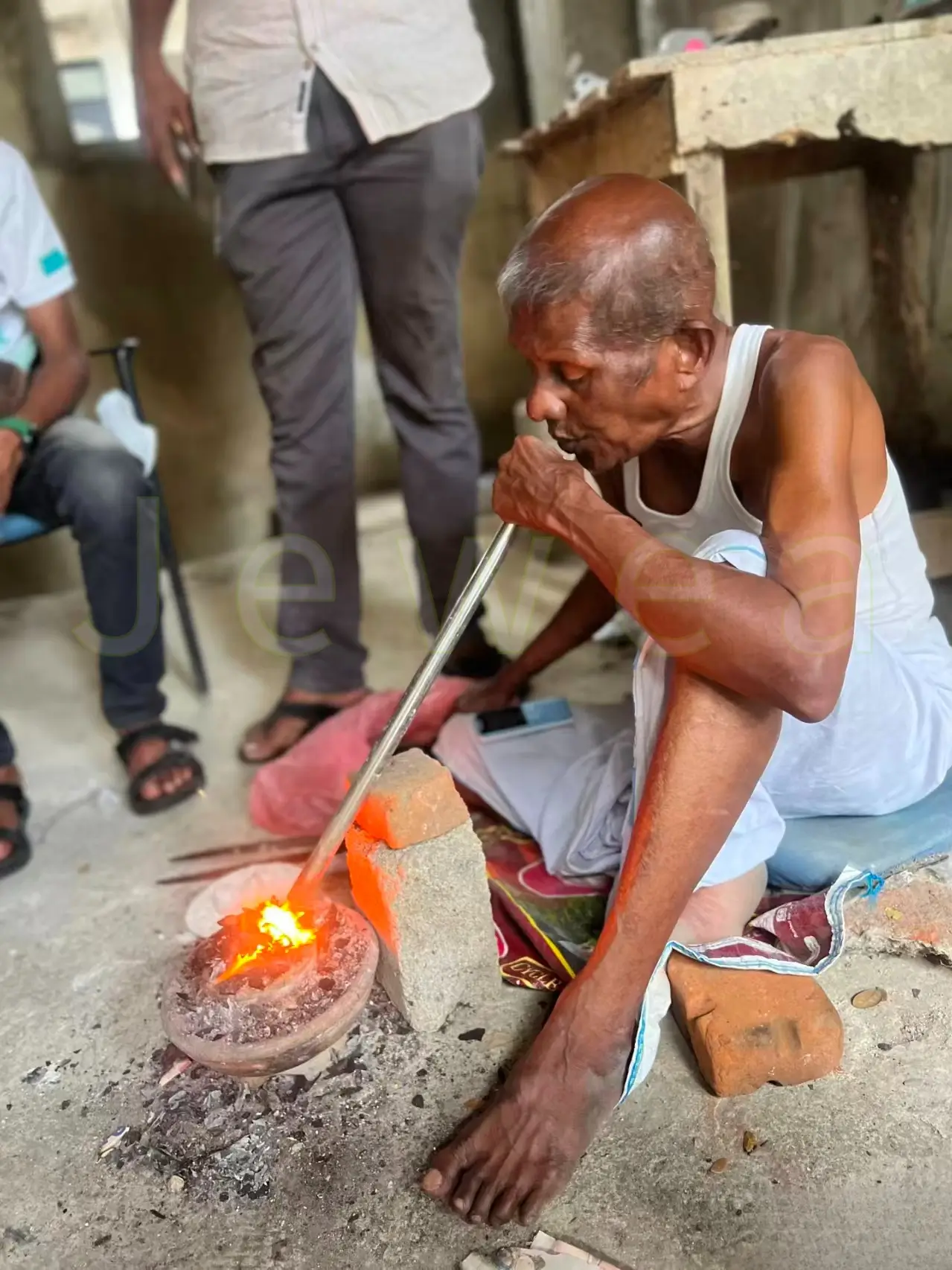
- The Traditional Method: Early Sri Lankan miners used blowpipes and charcoal fires to heat stones—a delicate art where the “chef” relied purely on experience.
- Modern Precision: Today, high-tech electric furnaces allow for precise temperature control. However, the stakes remain high. If the temperature fluctuates, the ruby can easily crack. Every successfully heated ruby is essentially a survivor of a trial by fire.
Because heat treatment produces a stable, permanent result that does not fade over time, the industry views these as “Natural (Heated)” stones.
Heated vs. Unheated Rubies
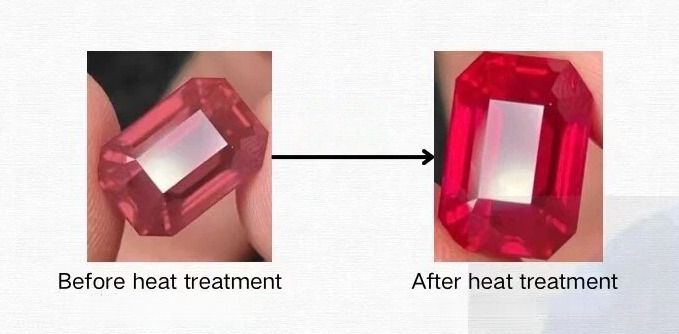
Currently, 90-95% of rubies and sapphires on the global market have undergone heat treatment. While a heated ruby is more valuable than its unheated, dull-colored original state, it can never compete with a “No Heat” ruby of similar quality. In the luxury market, a high-quality, unheated ruby is the “natural beauty” of the gem world—rarer, more prestigious, and significantly more expensive.
When Heat Treatment Is Not Enough
Heat treatment is a widely accepted way to enhance ruby, but other gemstone treatments can significantly alter a stone’s appearance, durability, or value. When a ruby is too fractured or pale to respond sufficiently to heat treatment, other methods may be used.
Glass-Filled Rubies
To improve the appearance of heavily fractured rubies, manufacturers may fill surface-reaching fractures with lead-containing glass. The glass fills gaps within the stone, making fractures less visible and improving apparent clarity.
However, this treatment can affect durability. Exposure to certain household chemicals or high heat from a jeweler’s torch may damage or remove the glass, leaving the underlying fractures exposed.
For a closer look at how filling and other treatments affect gemstone durability and value, see our: Unmasking Gemstone Filling: What It Means for Your Precious Gems & Their Value.
Lattice Diffusion
Lattice diffusion introduces external elements, such as beryllium, into ruby during high-temperature treatment, altering its color within the crystal structure. Because this treatment can significantly affect market value, it should be clearly disclosed in laboratory reports and sales information.
For more details, see our Ruby and Sapphire Diffusion Treatment.
How to Identify Treated Rubies
Identifying heavy gemstone treatments and enhancements requires a sharp eye and healthy skepticism. Watch for these key red flags:
1. Blue Flashes or Air Bubbles
Under 10× magnification, glass-filled rubies often show blue flashes or tiny trapped air bubbles inside surface-reaching fractures. Because natural rubies are solid crystal, these features strongly indicate lead-glass filling.
2. The Price Gap
High-quality rubies command premium prices. If a 2-carat “Pigeon Blood” ruby sells for only a few hundred dollars, it is almost certainly glass-filled or diffusion-treated. When the price feels too good to be true, it usually is.
3. The Certificate Is Non-Negotiable
Always require a report from a recognized lab such as GIA or GRS. A legitimate certificate will clearly disclose treatments using terms like “No indications of heating,” “Heated,” or “Lead-glass filled.”
Deep Dive: For a deeper understanding of how treatments affect ruby color, clarity, pricing, and certification, explore our Jewea blog:Ultimate Ruby Buying Guide – Color, Carat, Clarity & Treatments Explained.
This guide explains GRS “Pigeon Blood” standards, fluorescence effects, heated vs. unheated rubies, fracture filling and diffusion treatments—so you can accurately identify treated stones and evaluate their true value.
Final Thoughts: The Jewea Buying Philosophy
Ultimately, gemstone beauty is a balance between nature and intention. While truly flawless gems remain rare gifts of the earth, modern gemstone treatments and enhancements have made color, brilliance, and craftsmanship more accessible than ever. The difference between confidence and regret comes down to one word: transparency.
Whether you choose an untreated natural treasure or a professionally enhanced stone, we believe every informed buyer should follow two non-negotiable principles:
1. Demand Full Disclosure
Never compromise on truth. A reputable jeweler will clearly disclose a gemstone’s full treatment history—without hesitation, ambiguity, or fine print.
2. Prioritize Health and Structural Integrity
Stable, heat-treated gemstones are safe for daily wear. However, we strongly advise avoiding acid-treated or heavily glass-filled stones. These gems lack long-term durability and may pose skin-sensitivity risks due to residual chemicals or filler degradation.
Where Craftsmanship Meets Trust
At Jewea, we specialize in navigating the fine line between natural rarity and lasting value. If you are seeking a piece that reflects your personal story, explore our Bespoke Customization Services. We source ethically vetted gemstones and craft each design with uncompromising attention to integrity and longevity.
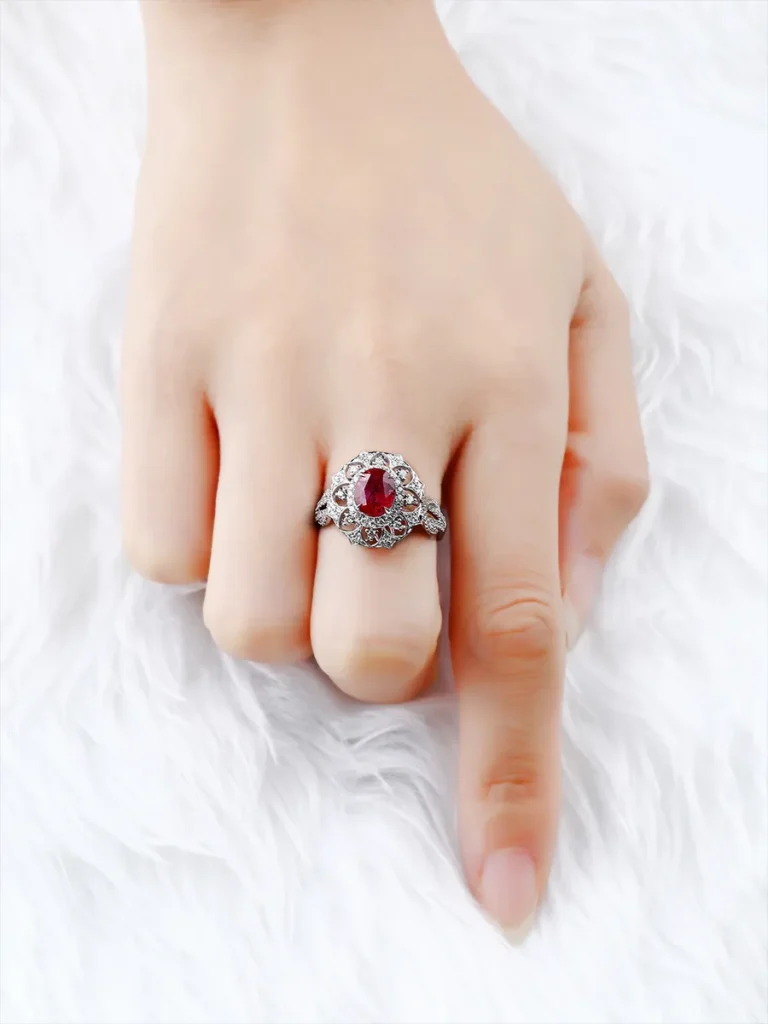
Prefer something ready to wear? Discover our Original Handmade Vintage Earrings—each pair thoughtfully created to blend old-world character with modern elegance.
You don’t just wear jewelry. You wear a story.