Jewelry Alternatives: What’s a Smart Buy and What’s a Total Scam?
I recently had a client come to me with a common dilemma: “I’ve fallen in love with the look of ruby, but it’s well beyond my budget. I don’t want a synthetic, lab-grown stone—so, what are my best Jewelry Alternatives?”
She initially asked about Jedi Spinel, but I had to be the bearer of bad news: those are often even more expensive than rubies.
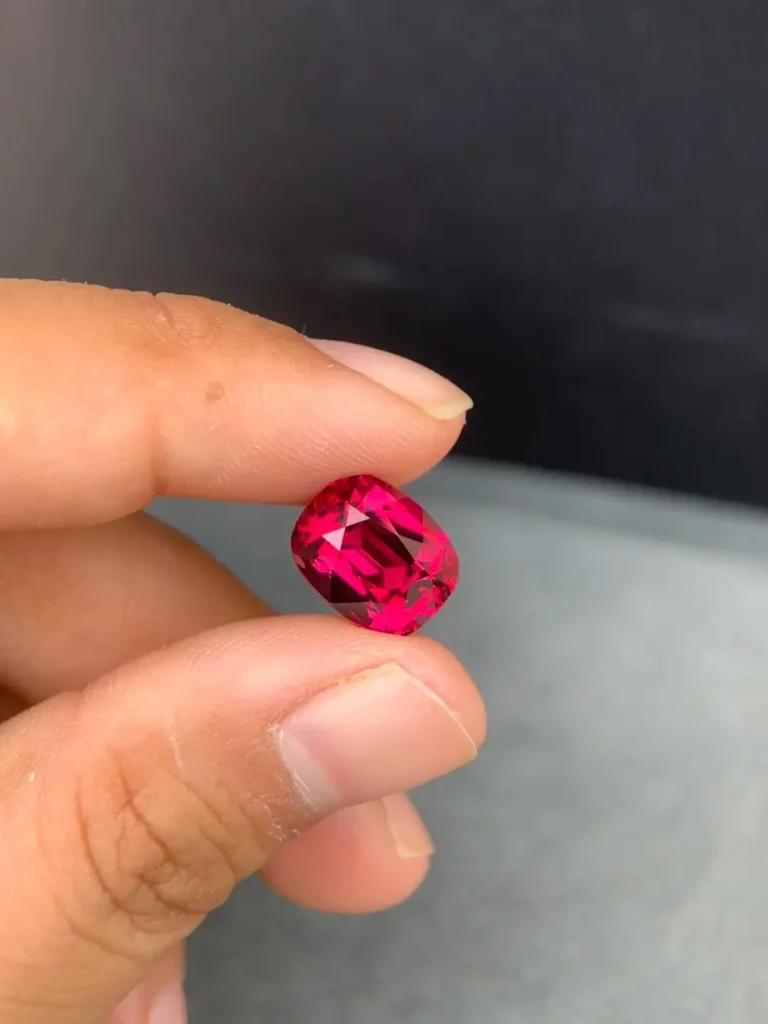
We eventually found the perfect solution: a vibrant, 6-plus carat Malaya garnet. It boasted a stunning, vivid hue and exceptional clarity. Best of all, it delivered that “wow” factor at a fraction of the cost of a Jedi Spinel or a high-quality ruby.
That experience highlights the power of smart jewelry alternatives. But navigating this market takes a discerning eye. Today, we’ll demystify the categories, identify iconic gems with no true substitute, and help you spot the red flags so you never overpay for a clever fake.
Table of Contents
- The Three Tiers of Jewelry Alternatives
- 1. Natural Jewelry Alternatives (The “Smart Value” Tier)
- 2. Treated Jewelry Alternatives (The “Buyer Beware” Tier)
- 3. Synthetic/Lab-Grown Alternatives (The “Tech-Driven” Tier)
- The Reality of “Real” Jewelry Alternatives
- Can Freshwater Pearls Truly Replace Saltwater Pearls?
- The “True Jewelry Alternatives”: Criteria and Constraints
- Why Some Pearls Can’t Be Replaced
- Beyond Jewelry Alternatives: Why Some Gems Are Simply Irreplaceable
- The Tahitian Black Pearl: Unrivaled and Natural
- Madama: The Sophisticated Grey That Can’t Be Copied
- South Sea Golden Pearls: The Undisputed “Queen of Pearls”
- Red Coral: An Irreplaceable Scarlet Legend
- The “Jedi Spinel”: An Irreplaceable Neon Icon
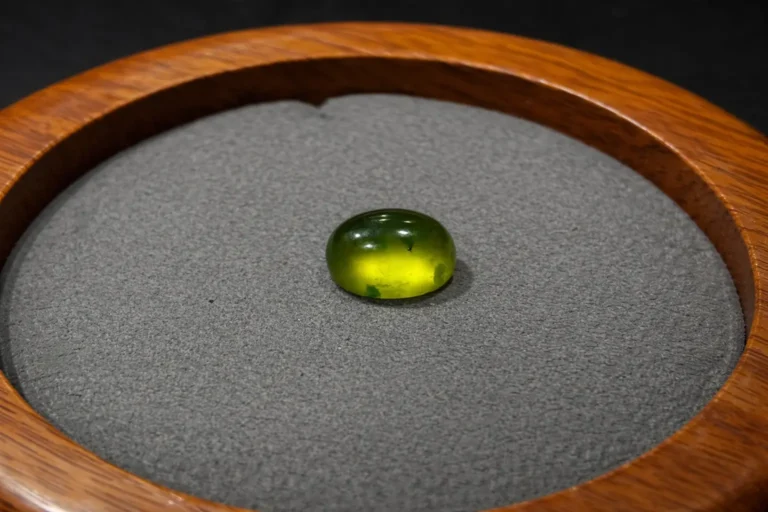
- Demantoid Garnet: A Ray of Sunlight Through the Forest Canopy
- The Final Word from Jewea
The Three Tiers of Jewelry Alternatives
When you start exploring jewelry alternatives, you quickly realize that not all ‘look-alikes’ are created equal. I like to break them down into three simple categories based on where they come from and how they’re made.
1. Natural Jewelry Alternatives (The “Smart Value” Tier)
These are genuine, natural gemstones that share a similar aesthetic to high-end, marquee stones but come with a much more accessible price tag. When you choose these, you’re investing in natural beauty that happens to be more “budget-friendly.”
- Examples:
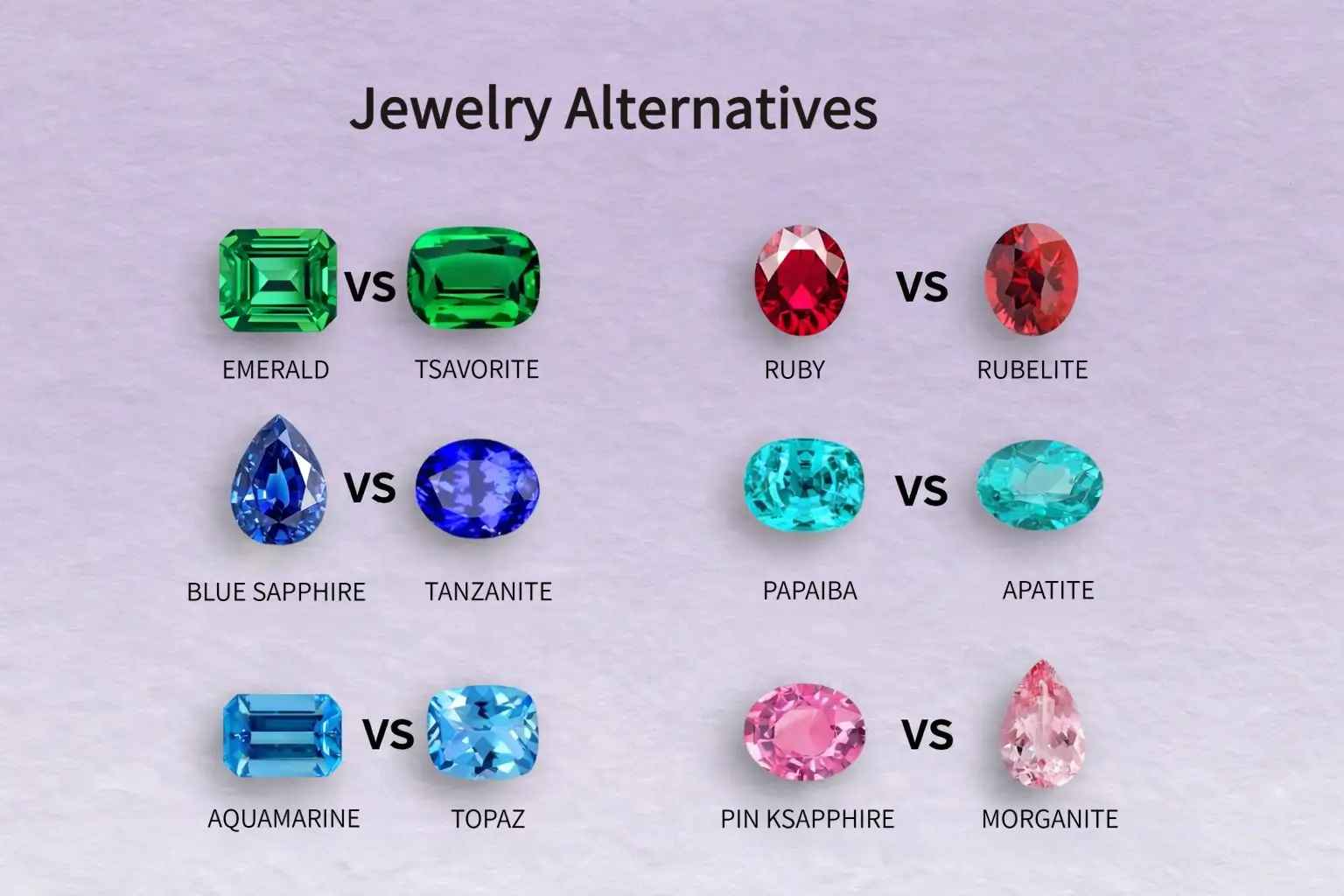
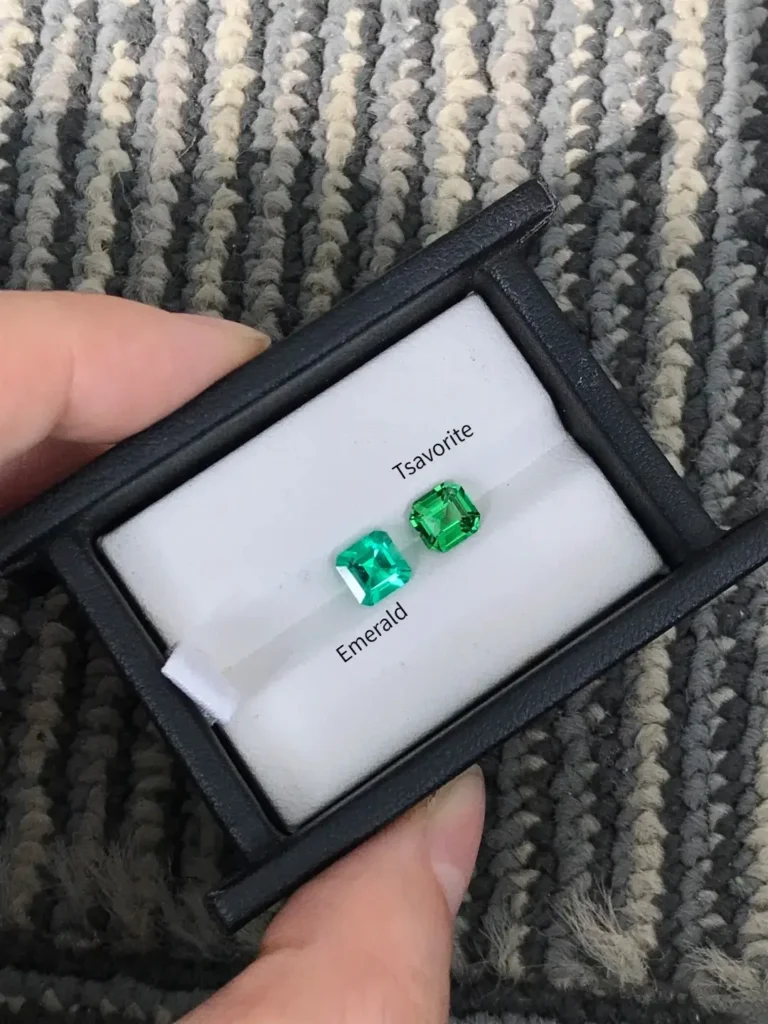
- Topaz as an alternative to Aquamarine
- Tsavorite as an alternative to Emerald
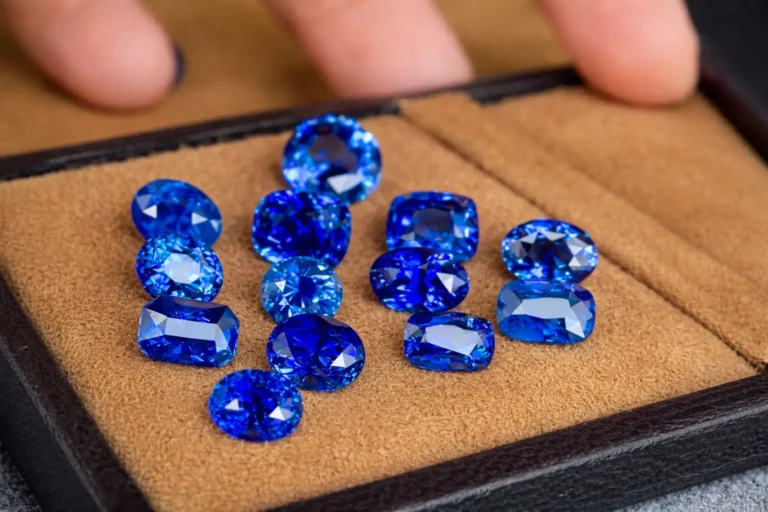
- Tanzanite as an alternative to Sapphire
- Chrysoberyl Cat’s Eye alternatives (e.g., Jasper Cat’s Eye)
- Yellow Sapphire as an alternative to Yellow Diamond
2. Treated Jewelry Alternatives (The “Buyer Beware” Tier)
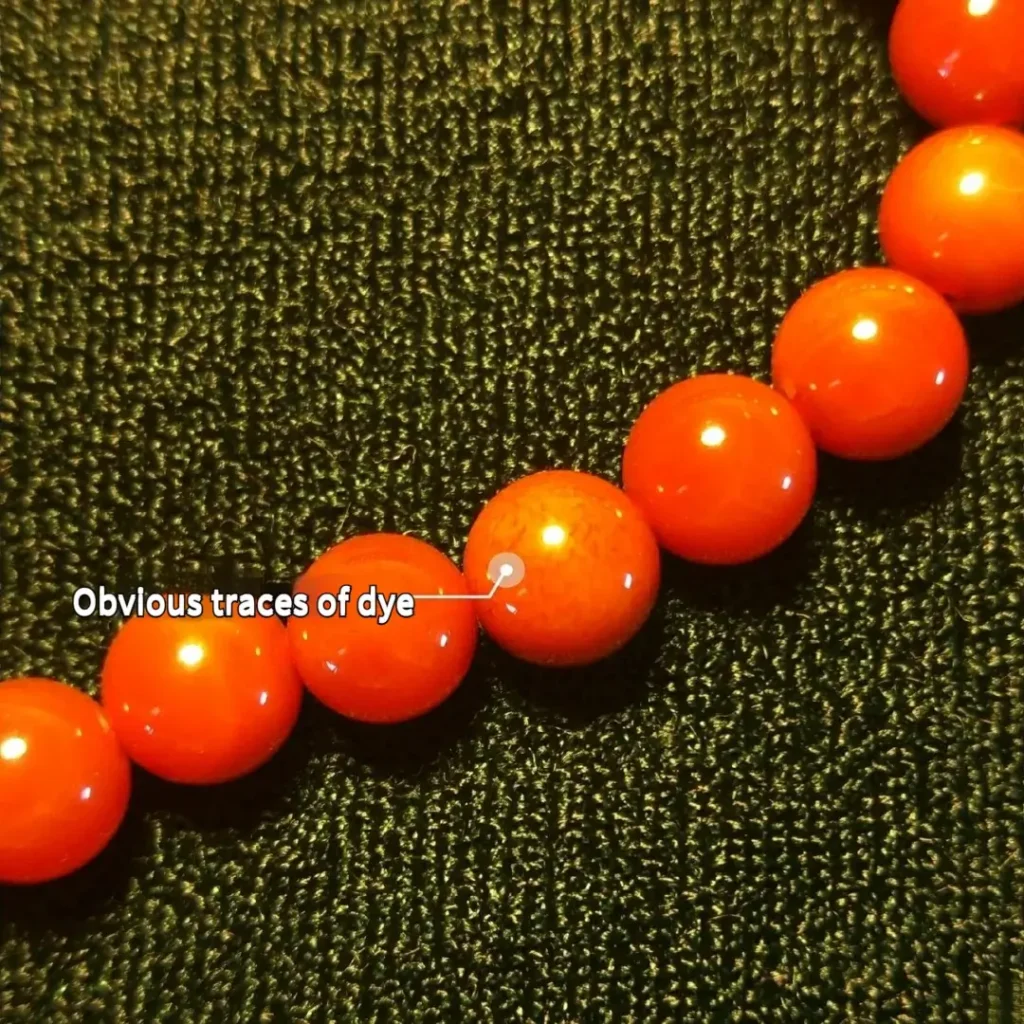
This category involves stones that have undergone artificial enhancements—such as dyeing, irradiation, or heat treatment—to mimic the appearance of rarer, more expensive natural counterparts. These carry higher risks, as the beauty is often “engineered” rather than inherent.
- Examples:
- Dyed Red Agate used to mimic Nanhong Agate or Natural Type-A Jadeite
- Assembled Opals (doublets/triplets) used to mimic Natural Black Opal
3. Synthetic/Lab-Grown Jewelry Alternatives (The “Tech-Driven” Tier)
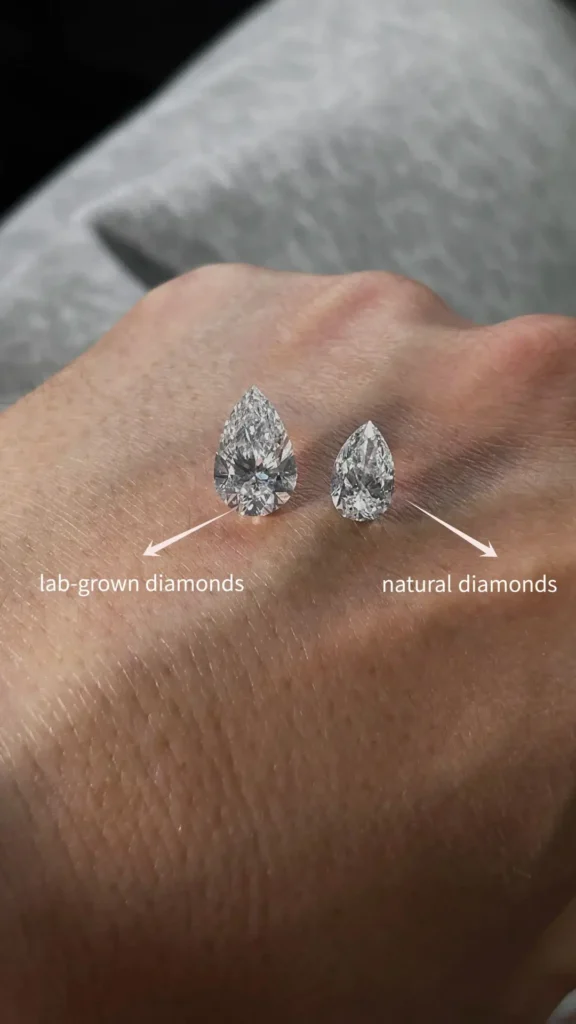
These are gems created in a laboratory environment. They share the same chemical and physical properties as their natural counterparts but lack the geological rarity and “heirloom” value. The most prominent example today is lab-grown diamonds serving as a direct alternative to earth-mined diamonds.
The Reality of “Real” Jewelry Alternatives
Here’s the thing: if you’re buying a treated or synthetic stone thinking it’s natural, you aren’t finding an “alternative”—you’ve fallen into a trap. In my book, a true jewelry alternative is either a naturally occurring gem that offers great value or a lab-grown option you’ve chosen with full transparency.
But even with the best “natural alternatives,” you have to accept that they usually only offer a partial resemblance. When we judge a gem by the “Big Three”—Beauty, Durability, and Rarity—alternatives often show their limitations.
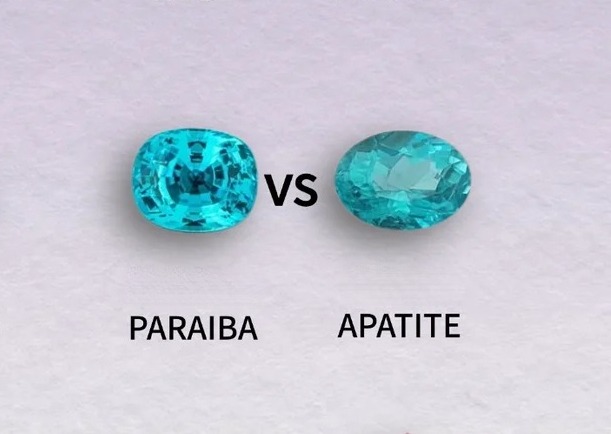
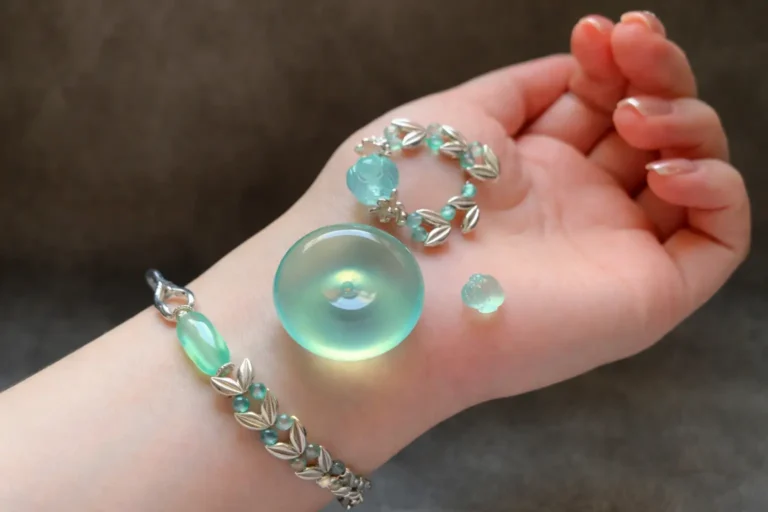
Take Apatite and Paraiba Tourmaline, for example. Apatite might mimic that electric teal hue, but it lacks the internal “glow” of a true Paraiba. Plus, it’s significantly softer, so you’ll need to treat it with a lot more care. (Deep Dive: Apatite: The Affordable Alternative to Paraiba Tourmaline)
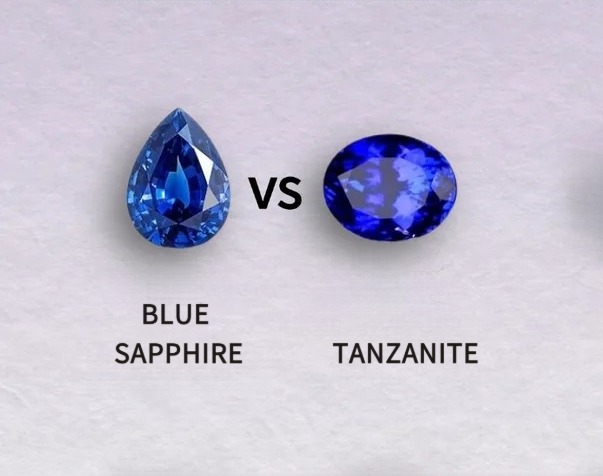
Or look at Tanzanite compared to Sapphire: while they share a similar color palette, their refractive indices are worlds apart. You simply won’t get the same fiery brilliance from a Tanzanite that you would from a top-tier Sapphire. (Read More: Tanzanite Gemstone: Why This Rare Blue Treasure is More Than a Sapphire Alternative)
A Measured Approach: Embracing the Trade-offs
I’m not saying you should avoid alternatives—far from it. If you’re willing to embrace these little trade-offs, alternatives are a fantastic way to enjoy “jewelry freedom” without draining your bank account. Sometimes, a little compromise is just the price of admission for a beautiful look.
However, stay sharp. Some gems are just so distinct—so unique in their physics and geology—that they truly have no “look-alike.” If someone offers you a bargain-basement price for a gem that is notoriously rare and impossible to mimic, take a step back. That’s usually not a “deal”—it’s a carefully crafted fake. For example, freshwater pearls masquerading as premium saltwater varieties.
Can Freshwater Pearls Truly Replace Saltwater Pearls?
As of 2026, the saltwater pearl market has been on a rollercoaster ride. Prices are shifting almost monthly, fueled by a sharp, “rocket-like” upward trajectory. With costs soaring, it’s only natural that many of you are searching for high-value alternatives. But can a freshwater pearl really hold its own against its saltwater counterpart?
The “True Jewelry Alternatives”: Criteria and Constraints
In some cases, yes—but you have to know exactly what to look for. If you’re eyeing a white pearl, high-quality freshwater options can indeed serve as a smart stand-in:
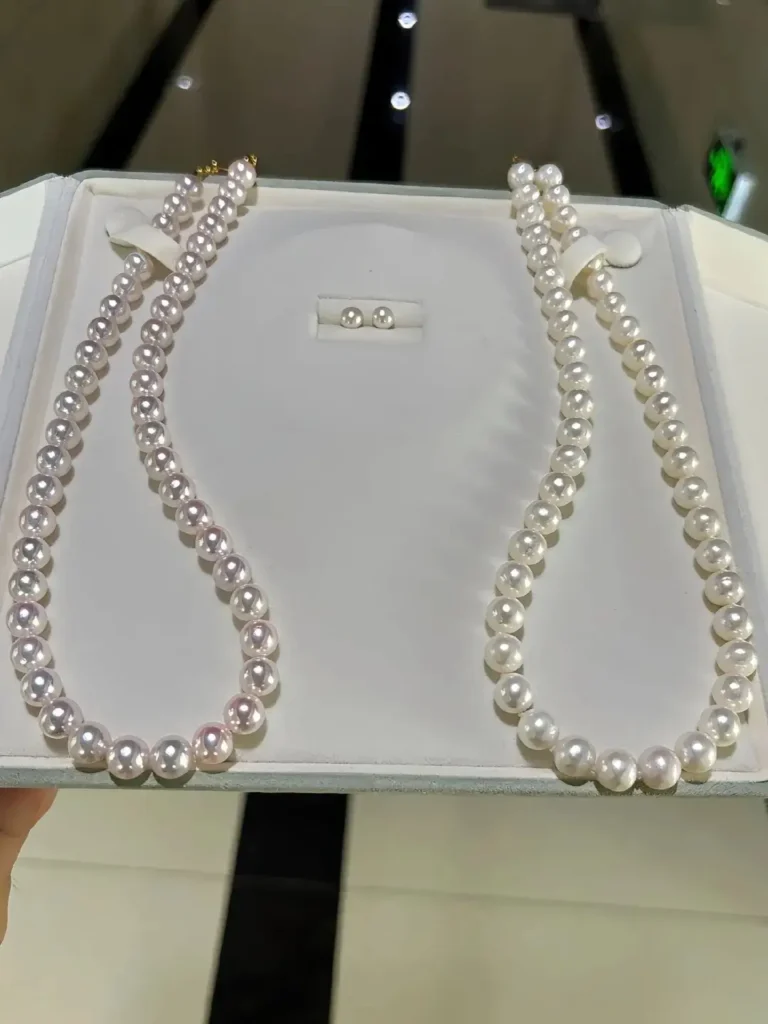
- The “Size” Rule: High-grade “Freshwater Akoyas” can be a fantastic alternative to traditional Akoya pearls. However, keep the scale in mind: this only works for smaller sizes. Once you cross the 7mm threshold, even the best-lustered freshwater pearl struggles to replicate the crisp, metallic crispness of a true Akoya.
- Luster is Everything: Let’s be clear: not every freshwater pearl is a viable alternative. Only those with truly exceptional, high-grade luster have the “merit” to compete in the saltwater league. If the luster isn’t top-tier, the comparison simply doesn’t hold up.
- Top-Tier Sophistication: At the higher end, a truly elite Edison Pearl with superior luster can hold its own as a compelling alternative to mid-range Australian South Sea “Venus” grade pearls.
The “Hard Ceiling”: Why Some Pearls Can’t Be Replaced
Despite the clever workarounds, the top tier of saltwater pearls sits on a throne that freshwater pearls simply cannot reach. There are two “moats” that keep them in a league of their own:
- The Mirror Effect: The depth and “mirror-like” intensity of a top-grade white saltwater pearl are unparalleled. Freshwater pearls, while beautiful, lack that deep, glowing resonance.
- The “Blue Blood” Glow: The ultimate prize in the Australian South Sea world is the icy, silver-blue “blue blood” overtone. This is the saltwater pearl’s final, natural barrier to entry. No matter how brilliant a freshwater pearl may be, it just doesn’t possess that specific color DNA. In the industry, we put it bluntly: when it comes to that level of rarity, “Saltwater is still the undisputed king.”
Beyond Jewelry Alternatives: Why Some Gems Are Simply Irreplaceable
Beyond the popular white varieties, the world of saltwater pearls includes legendary treasures like Tahitian blacks, silver-blue “Kasumiga” (Jimm-dama) pearls, and golden South Sea pearls. Because of their unique biological makeup and distinct pigmentation processes, freshwater pearls simply cannot replicate these colors naturally.
If someone tries to sell you a “budget-friendly alternative” to any of these three, don’t second-guess it: you are almost certainly looking at a dyed or artificially treated fake.
The Tahitian Black Pearl: Unrivaled and Natural
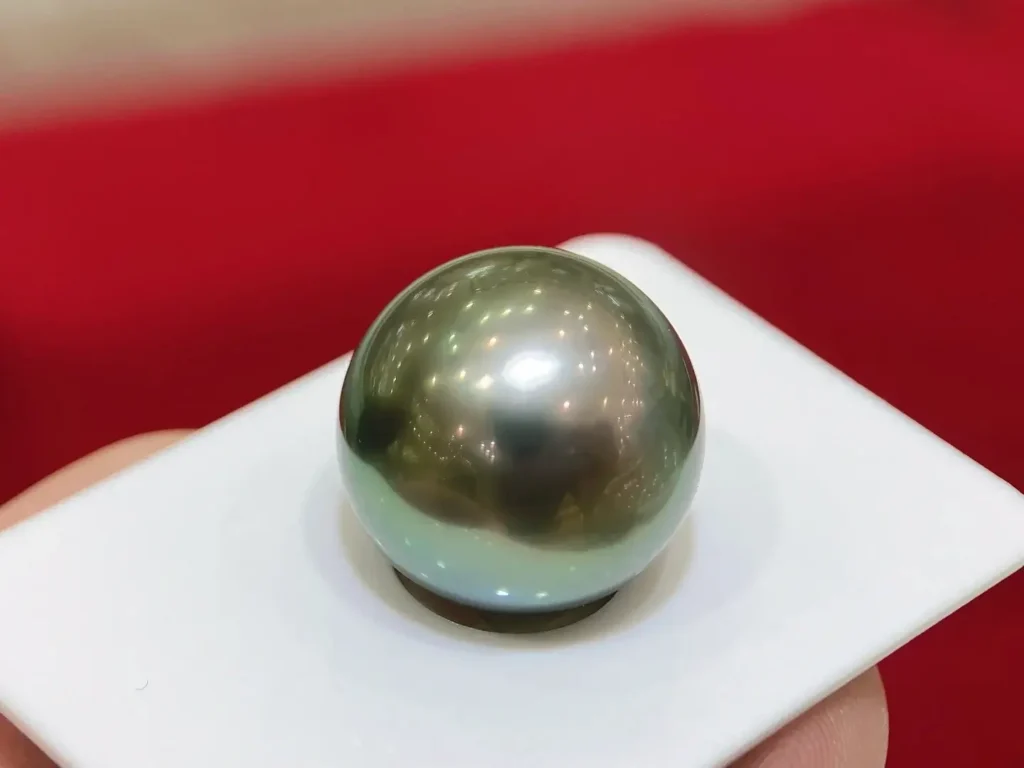
Tahitian pearls originate from the coral atolls of French Polynesia in the South Pacific. Typically ranging from 8mm to 13mm in diameter, their beauty lies in a natural black body color, often accented by a rich spectrum of overtones—think charcoal, bronze, peacock green, or violet.
Let’s be crystal clear: there is no such thing as a “natural alternative” to a Tahitian black pearl. Freshwater pearls do not produce these deep, dark tones in nature.
Pulling Back the Curtain: How “Fakes” Are Made
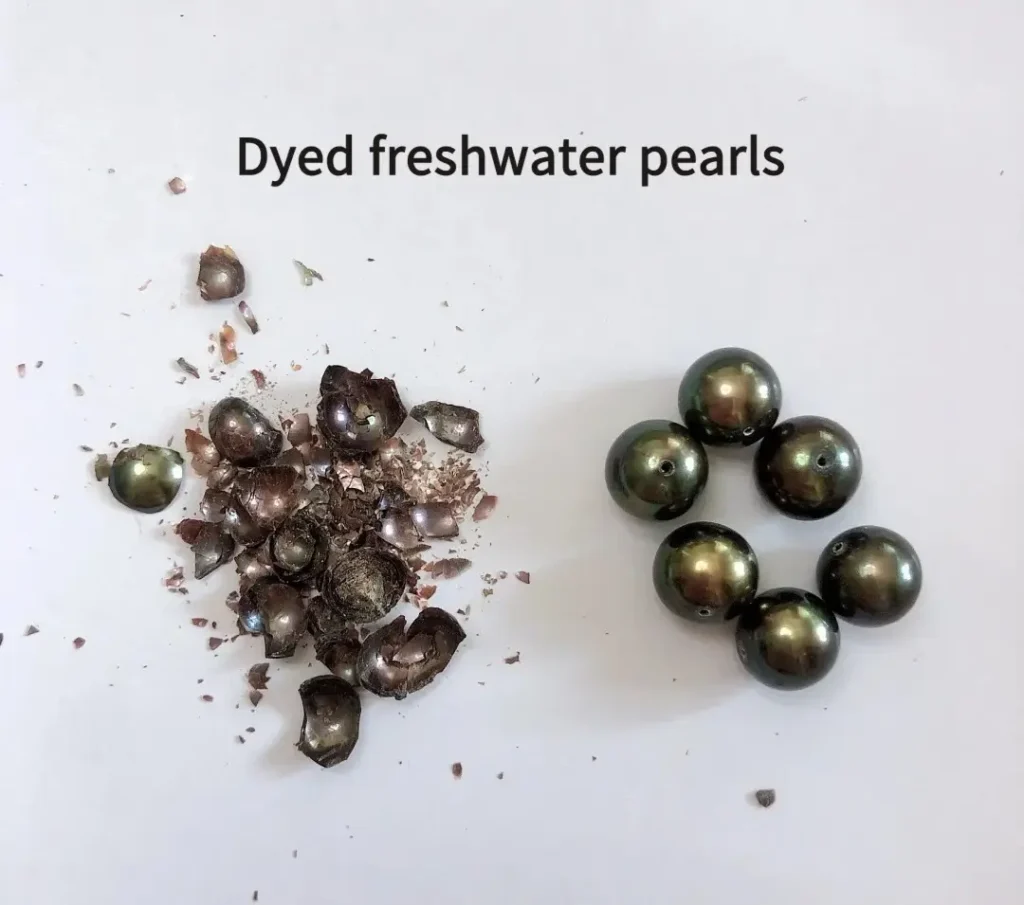
Because high-quality Tahitian pearls command such a premium, some sellers attempt to pass off chemically treated freshwater pearls as the real thing. Here is how they do it:
- Chemical Dyeing (The Silver Nitrate Method): Pearls are soaked in a silver nitrate solution and then exposed to intense light or hydrogen sulfide gas. The resulting deep black is surprisingly stable and resistant to fading, making it incredibly difficult for the untrained eye to distinguish from a natural pearl.
- Irradiation: This process uses Cobalt-60 to bombard the pearls with γ rays. The resulting color is highly stable against heat and light. It’s worth noting that the radiation dosage is kept at negligible levels, so these treated pearls are perfectly safe to wear; however, they remain artificial products.
A Brief History of Deception
The history of “faking” black pearls is as old as the commercial industry itself. Dyed black pearls were popping up in jewelry cases as early as the 1930s, long before we mastered large-scale pearl farming. As technology has evolved, so has the quality of these fakes—today’s treated pearls boast a level of color saturation and luster that can easily deceive a casual buyer.
The use of irradiation began in Japan in the 1960s. While early methods were limited to basic black and grey tones, modern advancements have allowed for more sophisticated color manipulation, making it more important than ever for collectors to buy from sources they trust.
Madama: The Sophisticated Grey That Can’t Be Copied
“Madama” isn’t just a label; it’s a certification. Established by the Japan Pearl Science Laboratory, this exclusive designation is reserved only for the highest-quality Akoya pearls that exhibit a distinct, natural blue-grey body color.
Thanks to its chic, understated “sophisticated grey” aesthetic, Madama has become a massive hit among style-conscious collectors who want to stand out from the crowd.
- Why it’s a game-changer: While classic white pearls can sometimes feel predictable, and darker black or gold pearls often demand a more mature style, Madama’s cool, icy tones feel effortlessly modern and unique.
- The Supply Reality: Because truly high-grade Madama is so rare, demand has consistently outpaced supply, keeping market prices at a premium.
The Truth About “Budget-Friendly” Madama
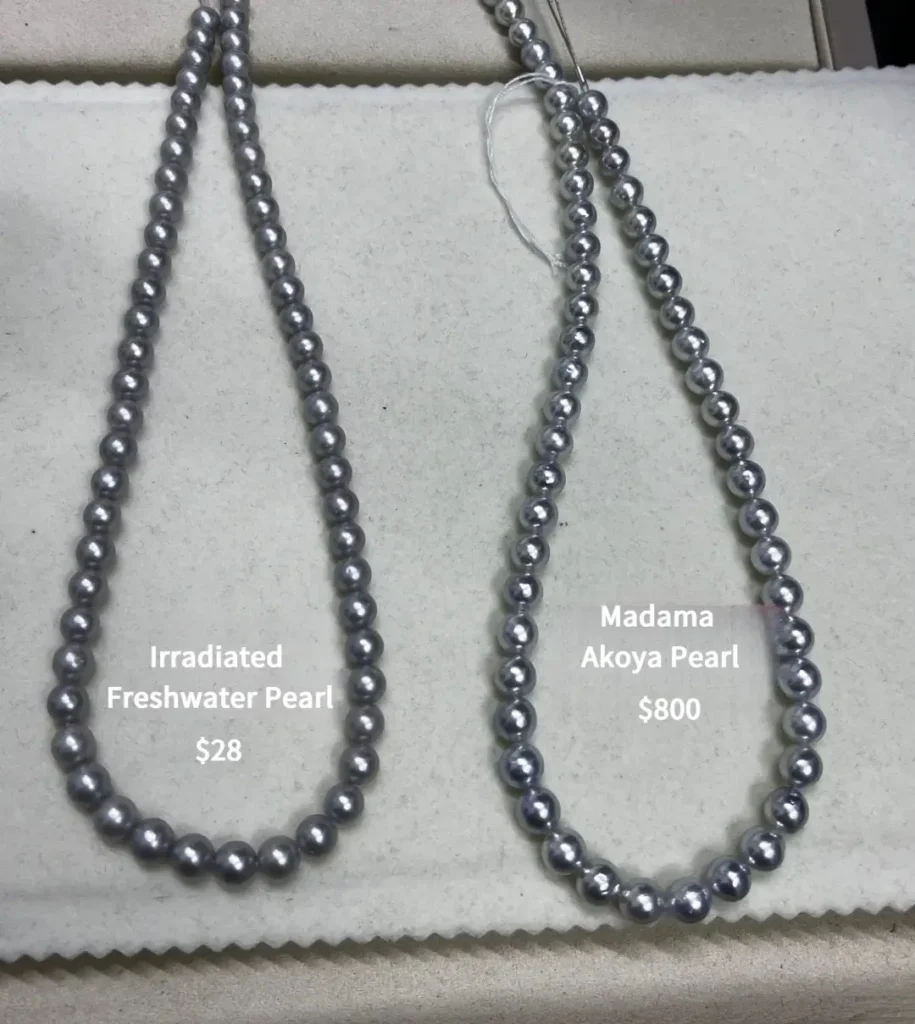
Not all grey pearls are created equal. Beware of ‘budget-friendly’ Madama, as most are simply irradiated freshwater pearls disguised as genuine Japanese blue-grey Akoya. From a professional gemological perspective, these alternatives are not natural-color pearls; they are, without exception, artificial.
- The Biological Hard Truth: Here is the bottom line—freshwater pearls do not naturally produce silver-grey or blue-grey body colors. It simply isn’t in their genetic makeup.
- The Artificial Reality: Any freshwater pearl you see with that trendy “grandmother grey” hue has been engineered. Whether through chemical dyeing or irradiation, these pearls are products of human intervention, not nature.
South Sea Golden Pearls: The Undisputed “Queen of Pearls”
We find these treasures primarily in the South Pacific waters off the Philippines, Myanmar, and Indonesia. The giant gold-lipped oyster (Pinctada maxima) nurtures each pearl, creating a gem that stands alone. With their impressive 8–13mm size and that rich, 24-karat luster, these gems rightfully claim the title of “Queen of Pearls.” To explore how geography dictates quality, check out our guide: How to Choose a Top-Quality Pearl: Know Its Origin First
The Science: Why You Can’t Replace Them
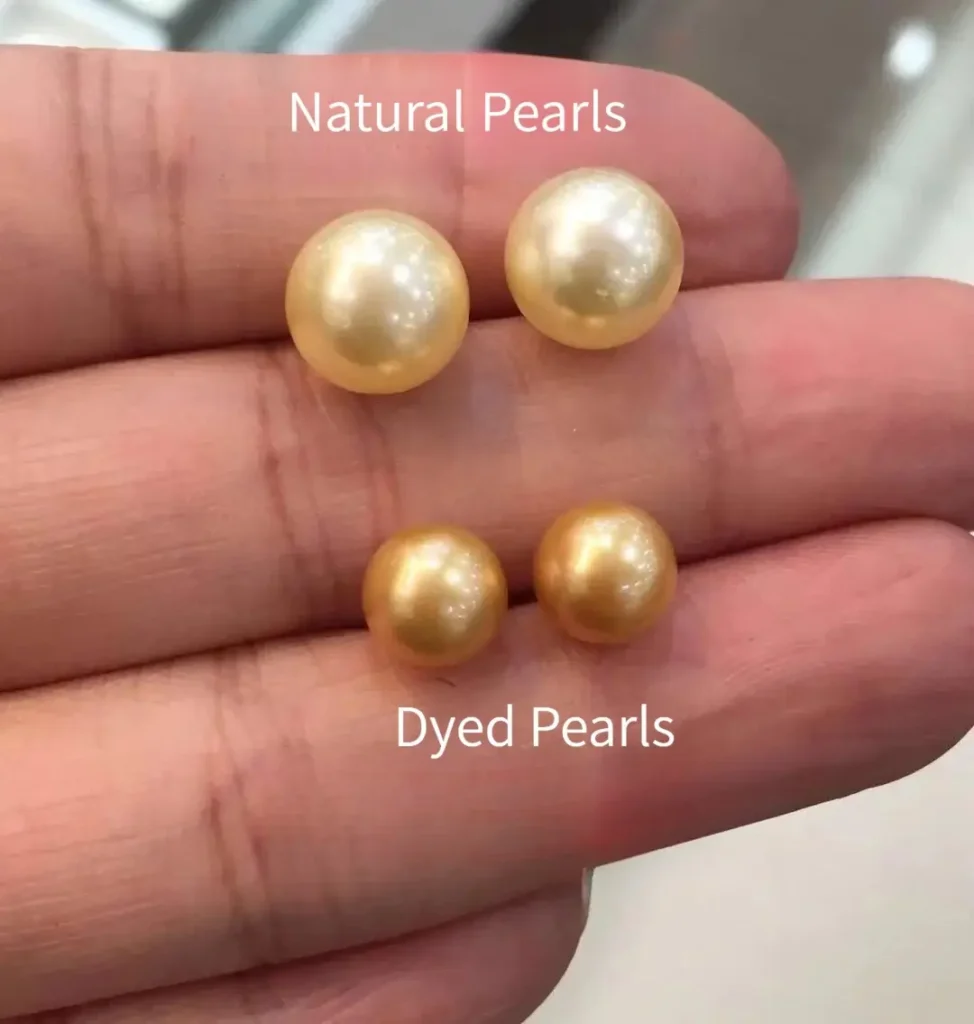
Let’s be direct: no one can produce a “budget-friendly alternative” to a South Sea Golden Pearl. If a seller claims otherwise, they are selling you a fake. The difference lies in the biology:
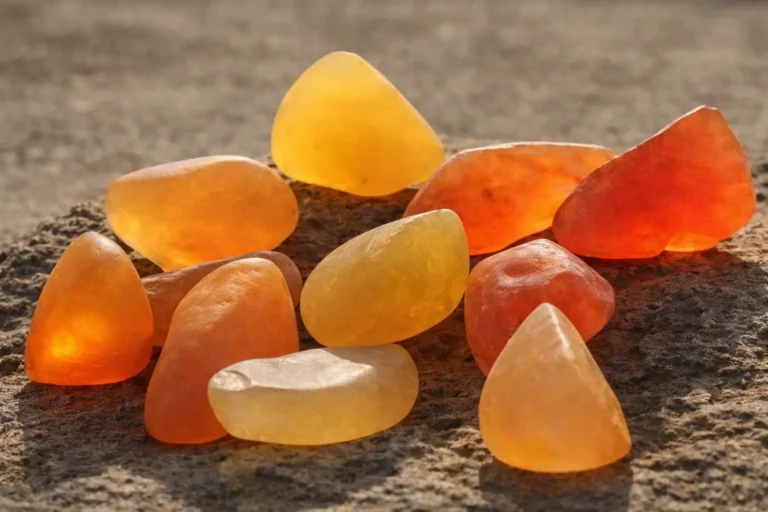
- The Color Limit: Natural freshwater pearls (even the nucleated ones) simply cannot reach the deep, saturated gold hues that a South Sea pearl produces. Their palette stays within the champagne or soft orange range.
- The “Luster Gap”: You may occasionally spot “gold-toned” Edison pearls. While they catch the eye, they lack the metallic depth and visual intensity of the gold-lipped oyster. You aren’t looking at a true alternative; you are looking at a completely different species, and the difference is obvious the moment you compare them side-by-side.
Spotting the Scams: How Sellers Mislead You
If a dealer pitches you a “South Sea Golden Pearl alternative,” they are almost certainly pushing one of these two imitations:
- Dyed Freshwater Pearls: Sellers take low-value freshwater pearls and chemically enhance them to mimic that vibrant, deep gold of a true South Sea gem.
- Coated Shell Pearls: These are not pearls at all. Manufacturers compress pulverized shell powder into a bead and coat the surface with synthetic dye to mimic the look of a natural gem.
Red Coral: An Irreplaceable Scarlet Legend
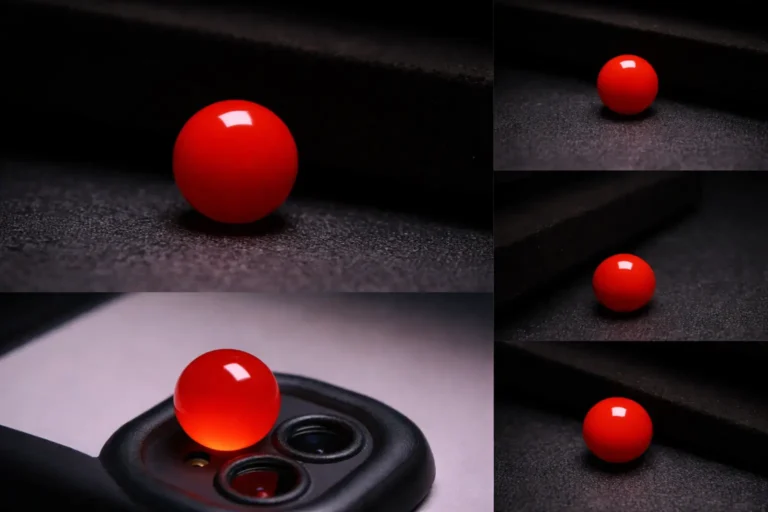
Of the more than 6,000 coral species thriving in our oceans, only a handful qualify as true gemstones. Among them, Red Coral—often called “Precious Coral”—stands alone. As a calcareous coral, it represents the absolute pinnacle of gem-grade material.
We further classify these corals into renowned categories based on their origin and color, most notably AKA (Oxblood), MOMO, and Sardinia. For more on these distinct varieties, read our deep dive: Deciphering the Big Three: The World of Aka Red Coral, Momo, and Sardinia
The Science: What Defines “Precious”
Red Coral isn’t just beautiful; it is a rare, organic gemstone with a complex taxonomic footprint. To qualify as “precious,” a coral must meet rigorous biological standards:
- The Hierarchy: Scientists categorize these gems under the Phylum Cnidaria, Class Anthozoa, Subclass Octocorallia, Order Alcyonacea, and Suborder Scleraxonia, ultimately culminating in the Family Coralliidae.
- The Exclusive Club: Currently, experts recognize only two genera as true gem-grade Red Coral: Corallium and Paracorallium.
The Myth of the “Red Coral Alternative”
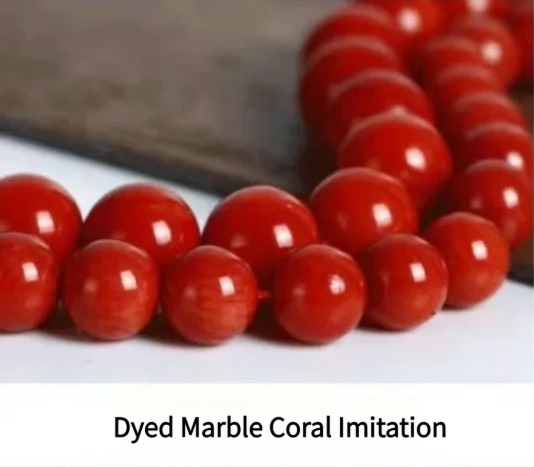
Because Red Coral has commanded high prices and immense prestige for centuries, it has become a frequent target for counterfeiters. Let’s be clear: any product sold as a “budget-friendly alternative” to Red Coral is a fake. There is no such thing as a natural substitute for this organic treasure.
- The Scams: Beyond simple color-matching, the market is rife with sophisticated deceptions. Sellers most commonly take ordinary, porous white coral, glass (stained glass), plastic, or even dyed marble and treat them to mimic the deep, vibrant red of a genuine piece. These imitations bear no resemblance to the complex natural physical structure or the intrinsic value of authentic Precious Coral.
Don’t get caught in the trap: Read our complete audit, Is Your Red Coral Real? Unmasking 10 Common Red Coral Imitations
The “Jedi Spinel”: An Irreplaceable Neon Icon
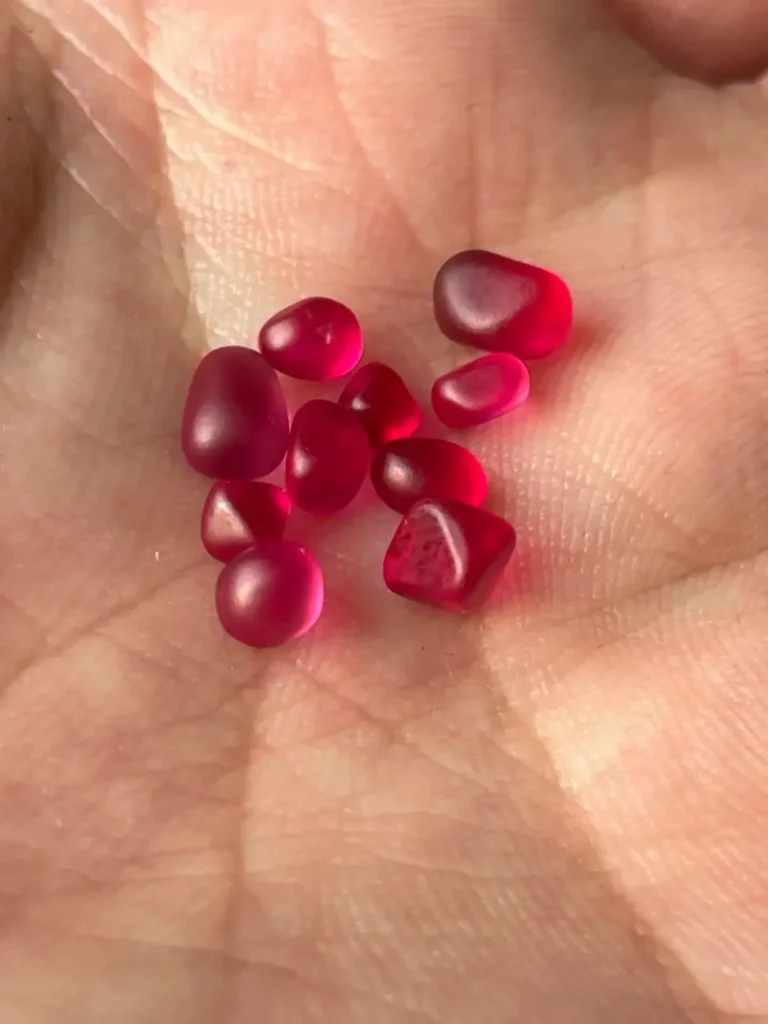
In recent years, the “Jedi Spinel” has eclipsed traditional red spinel, sparking a market frenzy that has sent prices soaring. But this isn’t just hype. Beyond simple supply and demand, the Jedi Spinel dominates because of physical and optical properties that, quite frankly, no other stone can replicate:
- Electric Saturation: They boast an incredibly intense, vibrant hot-pink hue that pops from across the room.
- The “Neon” Glow: These stones exhibit a high-intensity, fluorescence-like glow. Even in low-light environments, they seem to emit their own internal light source.
- Zero Dark Zones: Unlike common spinels that often suffer from dead spots, a true Jedi Spinel maintains a brilliant, consistent tone from every single angle.
Deconstructing the “Alternative” Myth
Because pure Jedi Spinel is exceptionally rare, the price-per-carat has firmly crossed the $1,500 threshold—and the finest specimens command far more. Predictably, this has created a breeding ground for “alternative” traps.
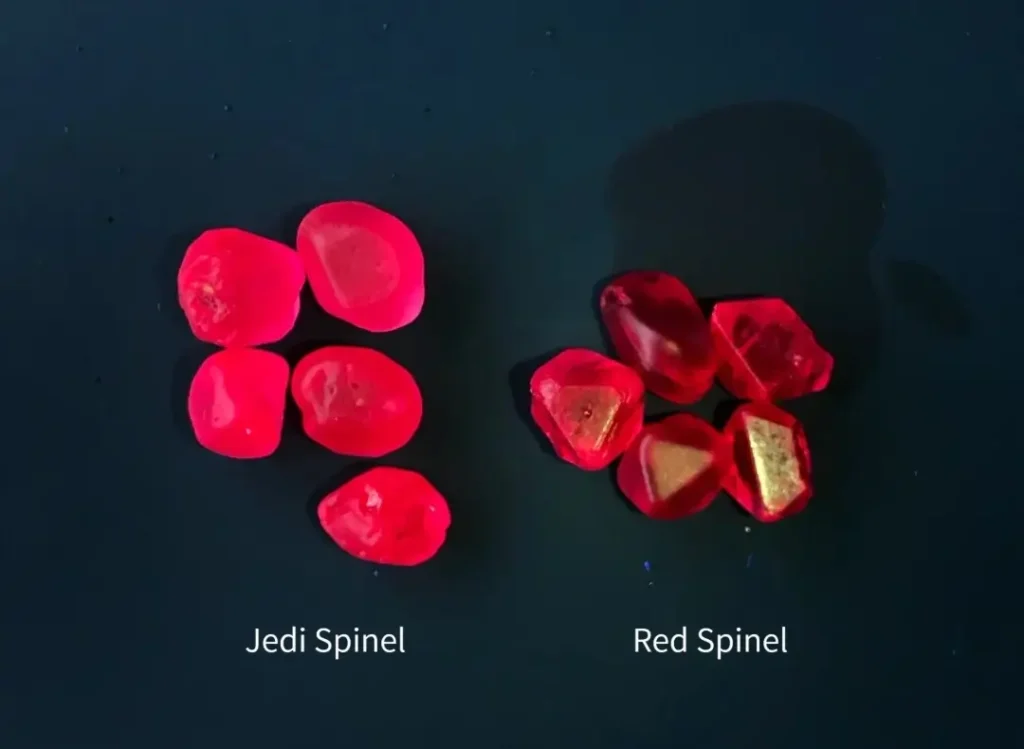
- Misleading Labels: Many dealers aggressively label low-saturation or dull pink spinels as “Jedi” to capitalize on the name. Do not fall for it.
- The Optical Litmus Test: A true Jedi Spinel is impossible to replicate. When you compare a genuine Jedi to an “alternative” side-by-side, the difference is immediate: the lack of saturation, the dimness, and the “dark zones” in the alternative will instantly expose its lower quality.
In professional gemology, we say this clearly: there is no such thing as a “budget Jedi.” You won’t find a bargain, and you certainly won’t find a legitimate alternative. The unique combination of trace elements and optical physics that creates that “electric” glow ensures the Jedi Spinel remains firmly at the pinnacle of the spinel family.
Demantoid Garnet: A Ray of Sunlight Through the Forest Canopy
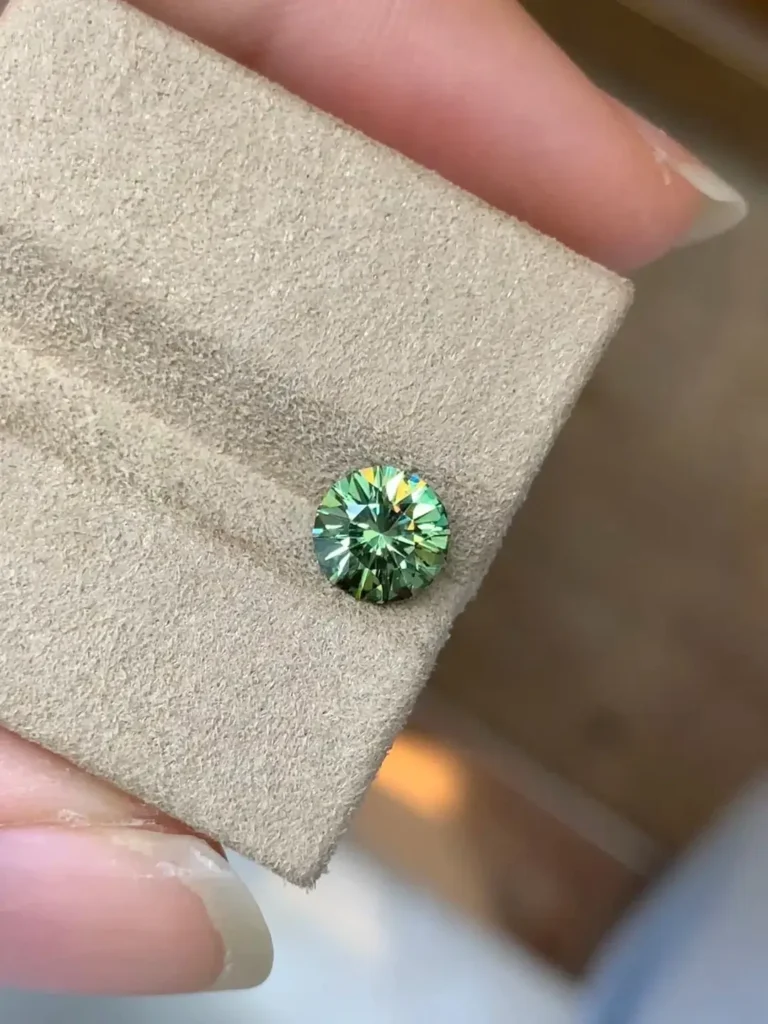
Demantoid Garnet sits at the absolute pinnacle of the garnet family. As the rarest and most prestigious member of the Andradite group, its green is not just a color—it is a living, breathing experience. High-quality Demantoid typically glows with vibrant shades of forest green, apple green, or citrusy yellow-green, occasionally accented by subtle, earthy undertones.
Why Demantoid Outshines the Rest
Demantoid Garnet commands an unshakeable position in the jewelry world because it defies the conventional physics of colored stones. Its secret weapon? Superior optical performance.
- Fire That Rivals—or Beats—Diamonds: With a dispersion value of 0.057, Demantoid actually outshines diamonds (which sit at 0.044). When light hits the stone, it erupts into a spectacular display of “fire” that creates a visual impact few other gems can match.
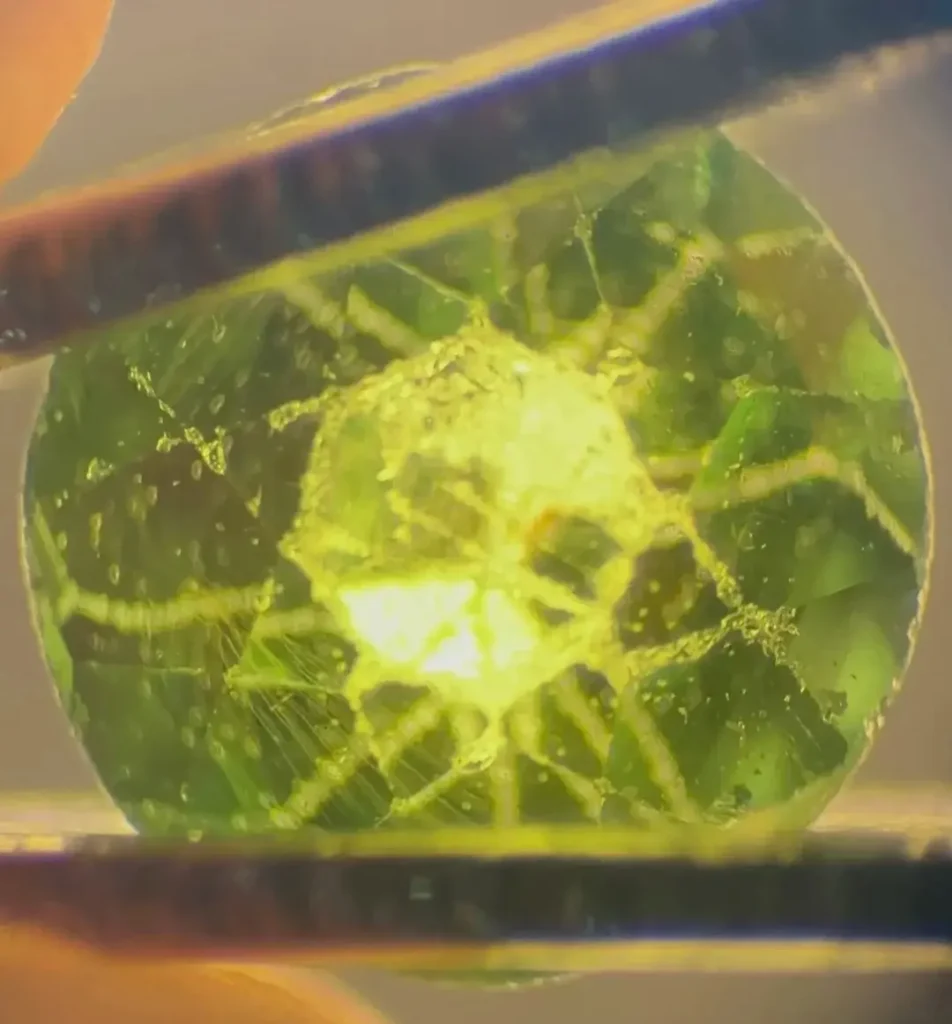
- The “Horsetail” Signature: If you are holding a Russian demantoid from the Urals—the gold standard of the species—look closely for its “ID card.” These stones often contain radial, fibrous asbestos inclusions known as “horsetails.” This captivating internal landscape isn’t just a sign of authenticity; it is a masterclass in natural beauty that every serious collector hunts for.
The Verdict: Why There is No “Budget” Demantoid
In the world of high-end jewelry, the search for a “budget-friendly” alternative to Demantoid is a dead end. The stone creates its own impenetrable barrier through a perfect storm of three unique characteristics:
- Extreme Dispersion: That signature “fire” creates a brilliance that most green stones lack.
- Electric Green Palette: It possesses a specific, high-intensity color range that remains unmatched by its garnet cousins.
- The Horsetail Inclusions: This unique geological fingerprint is impossible to fake convincingly.
Any imitation—no matter how clever—fails the moment you place it against the light. Once you witness the raw brilliance and complex internal beauty of a true Demantoid, you’ll realize that these stones don’t have “alternatives”—they have admirers.
The Final Word from Jewea: The Reality of “Jewelry Alternatives”
In fine jewelry, you can often find a stone that resembles a classic favorite. But let’s be honest: an alternative is just an alternative, never a duplicate.
While many gems offer a beautiful, budget-friendly “look.” Still, remember that true luxury is defined by rarity, optical depth, and the natural “soul” of the stone. Those unique qualities—the ones that make a gem glow—simply cannot be manufactured.
In this market, the old rule stands: you get exactly what you pay for. At Jewea, we help you find pieces that spark joy without compromising on quality or transparency. Whether you’re investing in a rare legend or choosing a smart, natural alternative, we ensure you know exactly what you are wearing.