Edison Pearls: The Bold Revolution in Freshwater Gems
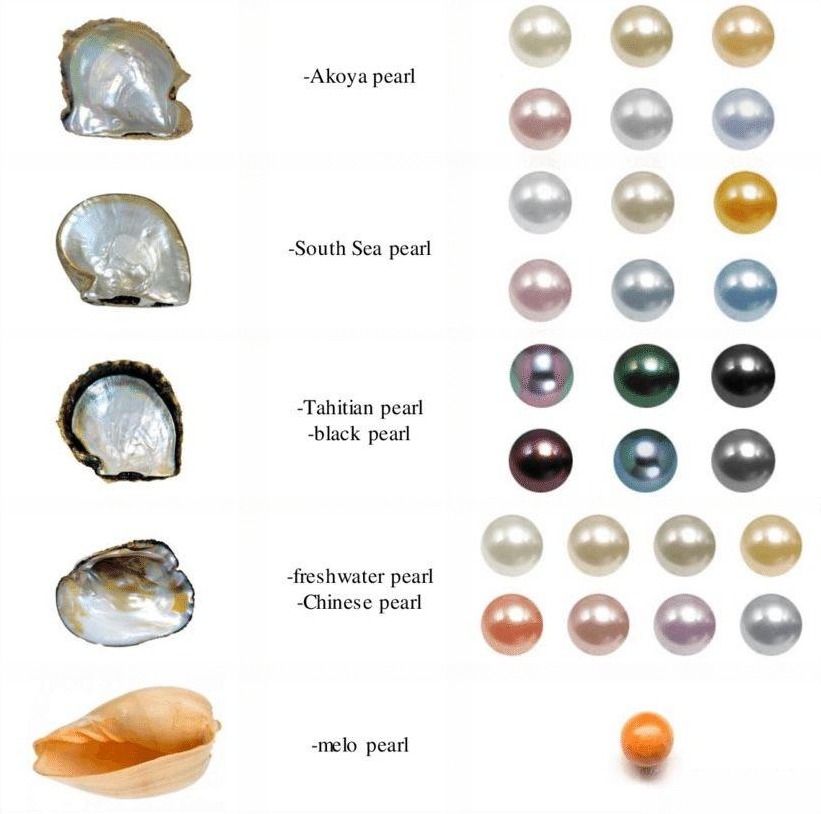
In our previous post, The Ultimate Pearl Color Guide: Varieties, Overtones, and How to Spot Dyed Pearls, we shared a story about a loyal client. Years ago, she spent $300 on what she thought were natural Edison pearls, only to find out later it was dyed. In that same guide, we also compared saltwater staples—like Japanese Akoya, Tahitian black, and South Sea white pearls—with traditional freshwater varieties.
Today’s focus is Edison pearls, which mark the introduction of bead-nucleation into freshwater pearl cultivation.
What Are Edison Pearls?
To understand Edison pearls, it is useful to first look at how they differ from traditional freshwater and saltwater pearl cultivation.
Traditional Freshwater Pearls
These pearls form through tissue-nucleation. A grower introduces a small piece of donor mantle tissue into a freshwater mussel, triggering nacre secretion. Without a fixed internal structure, growth remains largely organic and unpredictable. This process typically yields baroque or oval shapes. Perfectly round pearls with high symmetry are comparatively rare.
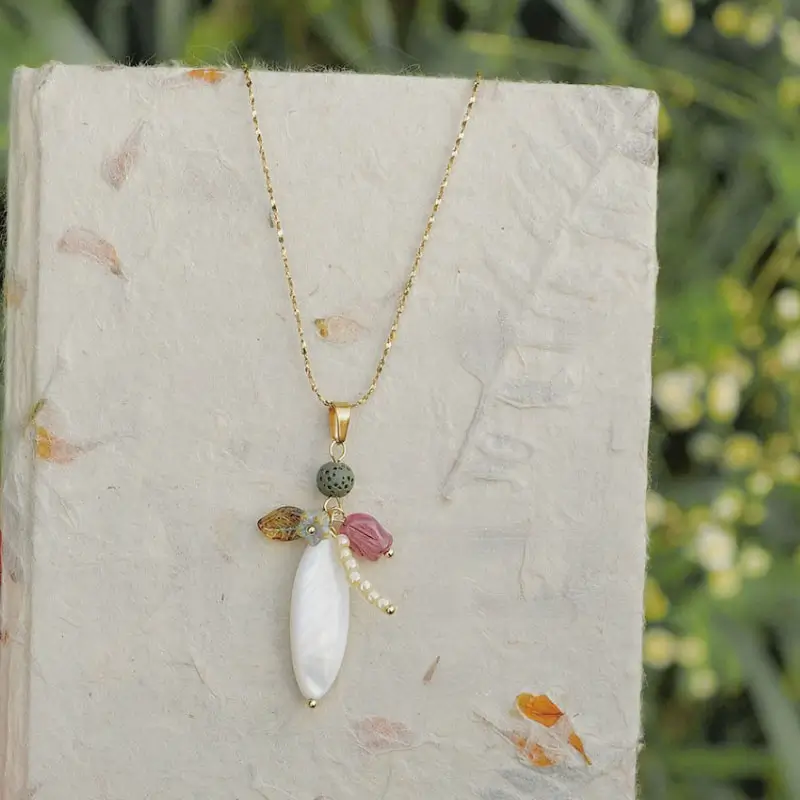
This organic irregularity is also part of what gives traditional freshwater pearls their appeal in contemporary jewelry design. In pieces like Jewea’s Monet’s Garden layered necklace, natural freshwater pearls are paired with Czech glass beads, volcanic stone, and stainless steel titanium elements to create a softer, more textural interpretation of modern everyday jewelry.
Saltwater Pearls (Akoya, South Sea)
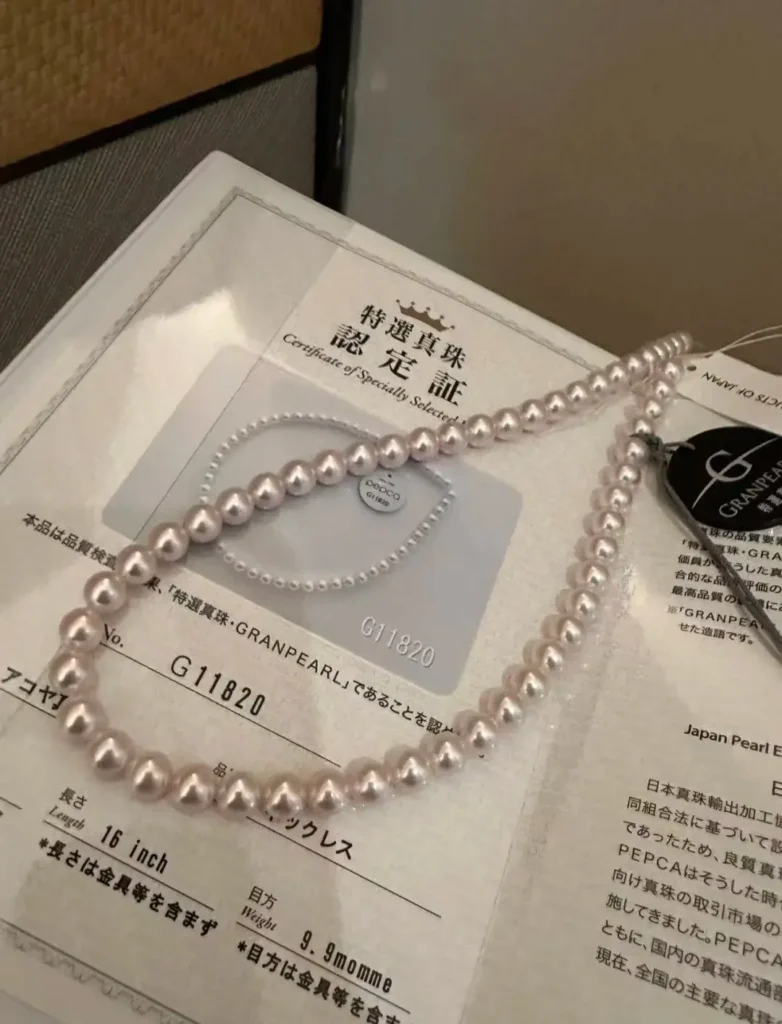
Saltwater pearls rely on bead-nucleation. A technician implants a perfectly round, solid nucleus into the oyster to serve as a structural guide for nacre deposition. This method produces consistent shapes and creates the signature roundness associated with Akoya and South Sea pearls.
Edison Pearls: The Freshwater Milestone
Edison pearls represent one of the earliest successful applications of bead-nucleation in freshwater pearl cultivation.
By introducing a spherical nucleus into freshwater mussels, growers achieved a level of structural control previously associated almost exclusively with saltwater pearls.
Developed in freshwater triangle sail mussels, this method allows the internal formation of pearls around a round bead nucleus, guiding both shape and symmetry from within.
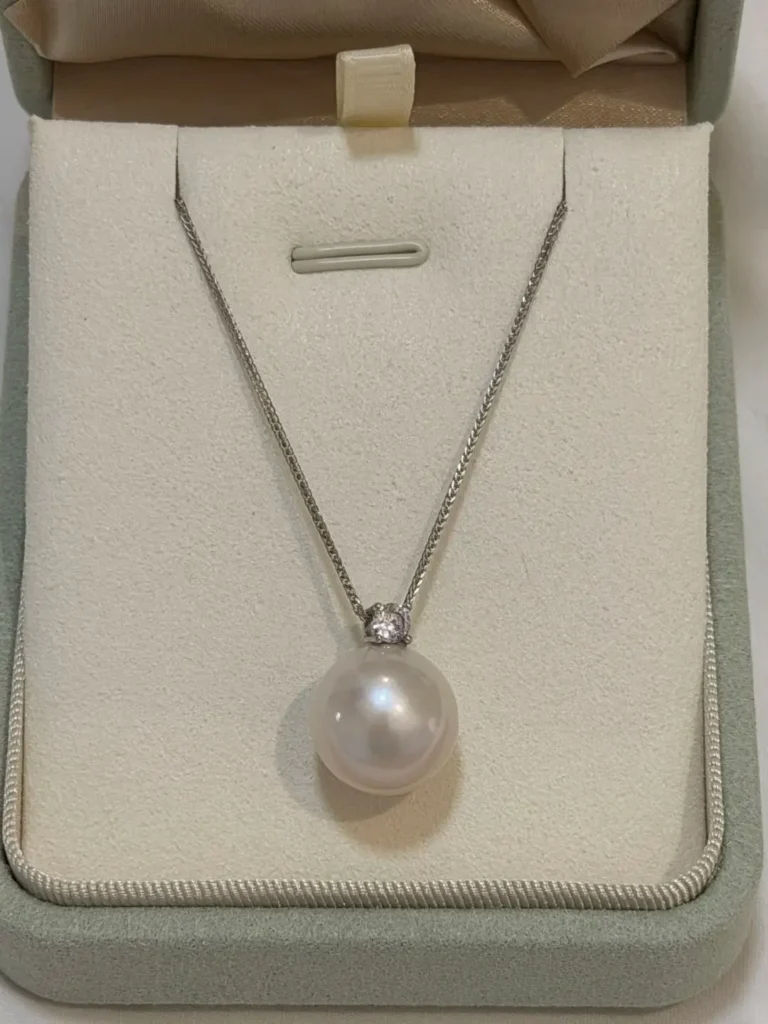
The result is a freshwater pearl capable of reaching significant sizes—typically 11mm to 15mm, with exceptional examples exceeding 20mm—while maintaining a high degree of roundness more commonly associated with premium saltwater pearls.
Edison’s Entry Into the Global Market
In 2011, commercial eco-farming brought Edison pearls to the global market. That August, The New York Times published a rare feature on the emerging industry in Zhejiang, describing it as “turning the impossible into reality.”
Rather than a purely technical improvement, this moment marked a broader shift in how freshwater pearls were perceived within the global grading hierarchy.
The Story Behind the Name
According to popular lore in the Chinese jewelry trade, the name pays homage to Thomas Edison. While the inventor held over 1,000 patents, he reportedly once lamented that two things could never be made in his laboratory: diamonds and pearls.
While historians view this quote as apocryphal, the sentiment stuck. Brand creators named these pearls “Edison” to honor the genius and to signify a breakthrough as revolutionary as the lightbulb. Today, with the rapid rise of both Chinese lab-grown diamonds and Edison pearls, China has delivered a brilliant answer to both of Edison’s legendary regrets.
How Do Pearls Form?
Biologically speaking, pearls develop in one of two ways:
- Bead-Nucleated Pearls (Edison, Mabe, and most Saltwater Pearls): This process begins when a foreign object irritates the mollusk’s mantle tissue. In pearl farming, technicians implant a precisely carved shell bead. In response, epithelial cells grow around this object, pushing into the connective tissue to form a “pearl sac.” This sac continuously secretes nacre, wrapping the core layer by layer. The result is a dense, highly reflective, bead-nucleated pearl.
- Tissue-Nucleated Pearls (Traditional Freshwater Pearls): Here, external irritation or a natural anomaly causes epithelial cells to detach and misplace. These cells enclose their own organic secretions, sinking into the tissue to form a pearl sac. Without a solid, pre-shaped core, the pearl consists entirely of solid nacre. This freedom allows for much wilder, organic shapes.
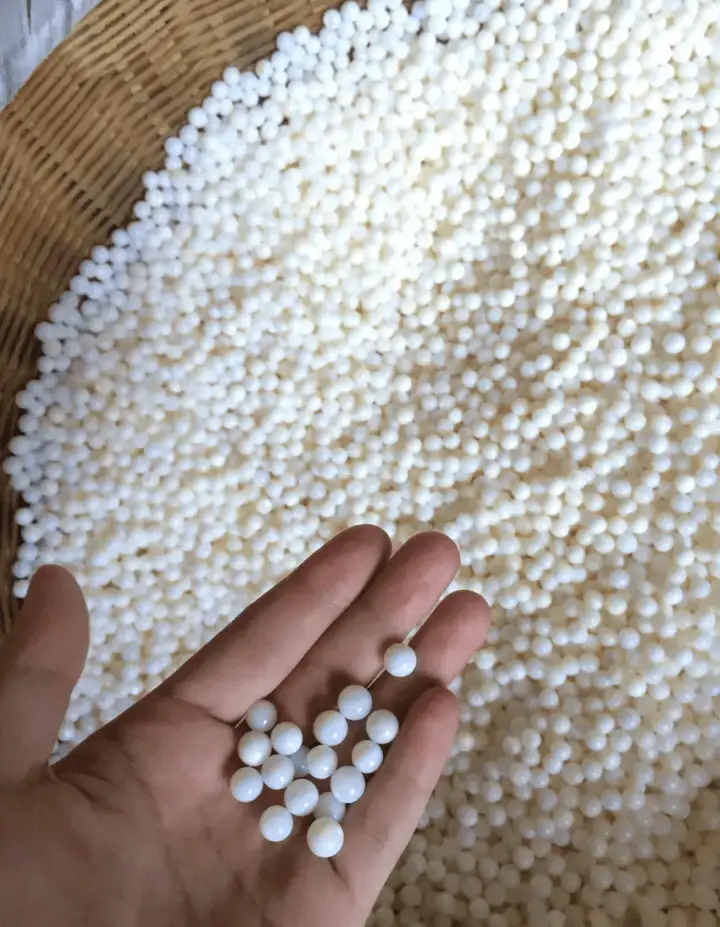
Jeweler’s Note: The core inside an Edison pearl comes from natural mollusk shells. Producers finely grind the shell material, then compress it into solid spheres. They are absolutely not “fake pearls.” Their core composition matches saltwater pearls perfectly—both are organic products of nature. Today, this bead-nucleated technology has expanded, giving rise to unique button shapes, coin shapes, and striking “comet baroque” pearls, offering endless inspiration for independent jewelry designers.
How Edison Pearls Are Processed and Enhanced
Freshly harvested pearls rarely come out of the shell with perfect luster. Just like cutting a rough diamond, natural pearls must undergo industry-standard enhancements to wake up their inner glow, or luster.
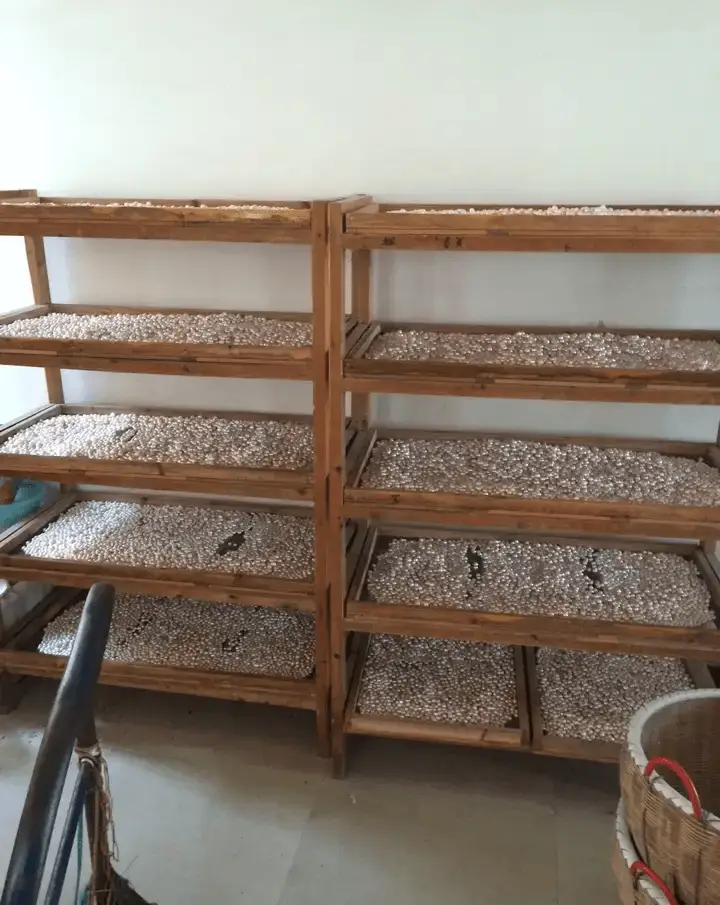
This standard, highly regulated origin process follows five essential steps:
- Pure Water Wash: Workers harvest the pearls in bulk, covered in mud and debris. They place them into industrial tumbling barrels for a gentle, circulating wash to clean the surface.
- Constant-Temperature Brightening (The Critical Step): Next, the washed pearls go into a specialized water bath kept at around 50°C (120°F). Technicians add a mild, proprietary solution. Under continuous light exposure, the pearls undergo a gentle brightening and mild bleaching process. This step requires immense skill. It stimulates the microcrystalline structures within the nacre, locking in the pearl’s future luster and light refraction.
- Natural Air-Drying: After brightening, workers thoroughly rinse the pearls. They then let them air-dry naturally to drain all moisture in a stable, room-temperature environment.
- Gentle Polishing: The pearls move to a centrifugal tumbler. First, technicians tumble them with ground corn cob and natural organic wax for a coarse polish. Then, they switch to finely ground walnut shells and refined wax for the final polish. The vibration leaves the surface silky smooth, completing the transformation into a radiant loose pearl.
- Protective Waxing: High-quality pearls receive a micro-layer of botanical wax before leaving the facility. As organic gemstones, pearls naturally age over time. Long-term exposure to air and sweat can cause the organic matter to oxidize, making white pearls yellow. This protective wax seal blocks out air, locks in moisture, and dramatically extends the pearl’s vibrant lifespan.
Clarifying the Line: Enhancement vs. Dyeing
Many buyers get nervous when they hear the word “enhancement.” It is easy to mix it up with outright fakes or bad treatments. However, the international jewelry industry draws a very clear line between the two.
- Accepted Enhancements: The steps we just covered—washing, brightening, polishing, and protective waxing—are globally accepted industry standards. They do not alter the pearl’s core structure. They simply wake up its natural beauty. Even world-renowned Japanese pearls rarely come out of the water with intense, vivid colors. Most naturally lean toward white or soft cream. Those stunning blue-grays (like top-tier Madama Akoyas) or deep goldens often rely on scientific irradiation or tinting. These are accepted, transparent trade practices. These enhanced pearls age gracefully. Even if the color softens over decades, it happens through a natural physical change from within. The color will never bleed onto your skin or stain luxury clothing.
- Deceptive Dyeing: This is where things cross the line. Unscrupulous dealers use cheap surface dyes on low-quality freshwater pearls. They pass them off as high-end Tahitian black or South Sea golden pearls for massive profits. These dyed pearls look flat, chalky, and lifeless. Worst of all, the dye sits loosely on the surface, meaning it can easily rub off and ruin your outfit.
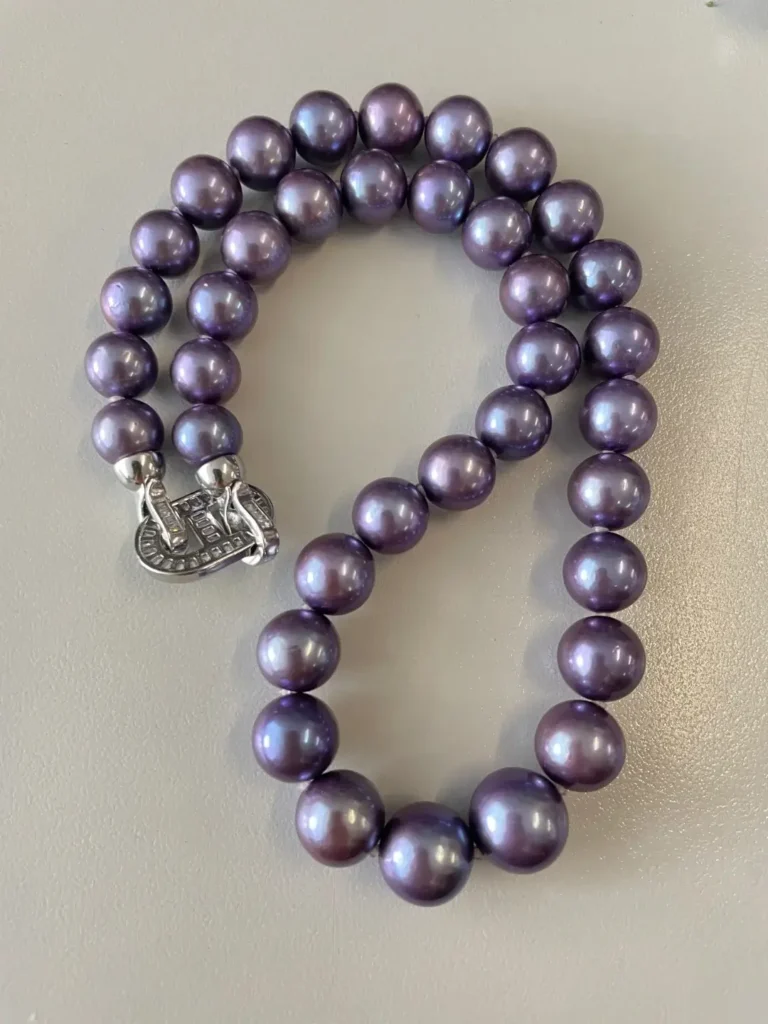
How to Spot the Difference?
For everyday pearl lovers without lab equipment, telling deep color enhancement apart from cheap dyeing with the naked eye is incredibly tough. We map out these testing methods step-by-step in our dedicated guide: Unveiling the Truth Behind Pearl Color Treatment: Are You Buying Dyed Pearls?
Ultimately, your safest bet is always a reputable, third-party gemological certificate. A legitimate lab report will explicitly state whether the color is “Natural” or “Dyed/Treated.”
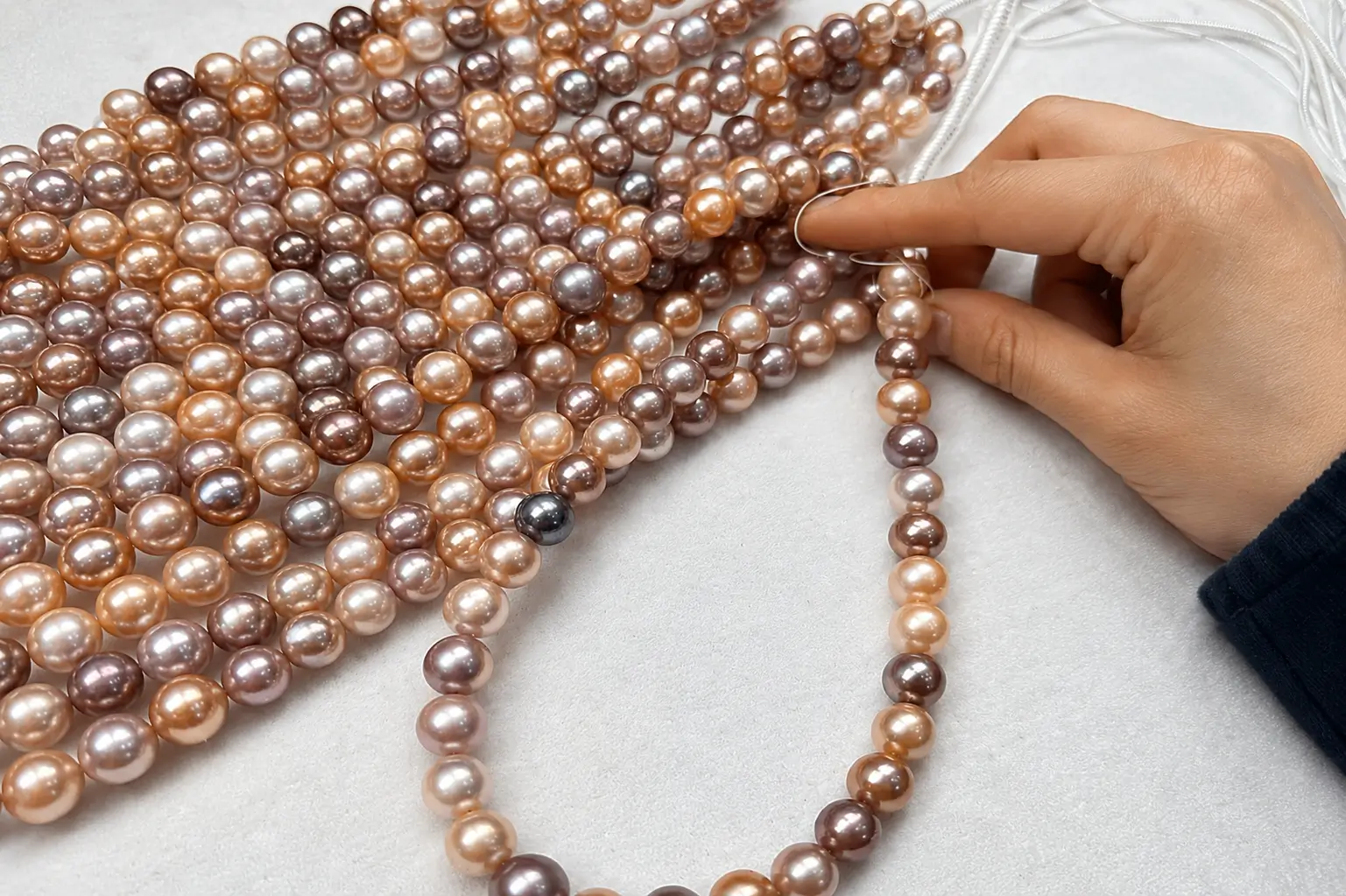
A Candid Note on “Metallic Purple” Pearls: The market currently loves high-saturation “Metallic Aurora Purple” Edison pearls. While some are rare, naturally grown colors, many start as a softer natural purple and undergo deep color enhancement or dyeing to intensify the shade.
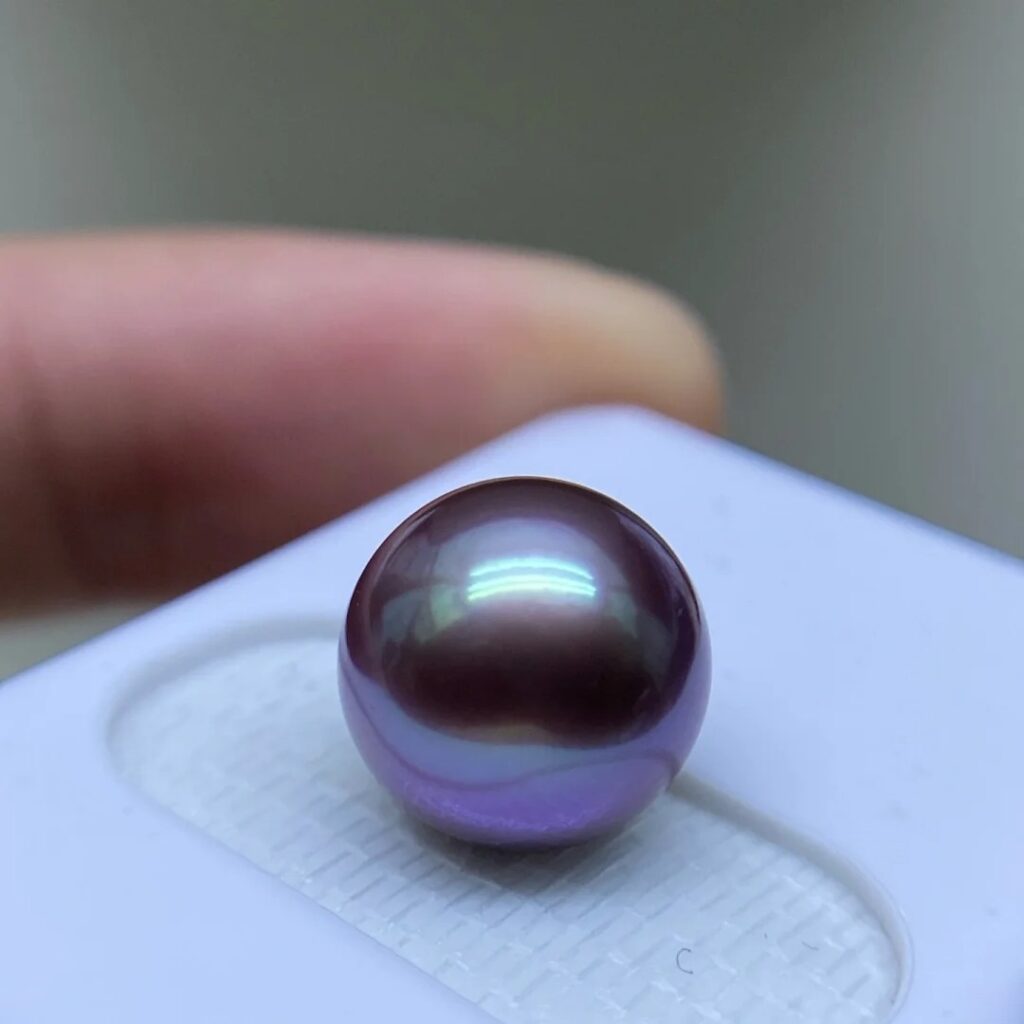
Because these highly saturated pearls often have shorter cultivation cycles and concentrated pigments, they are prone to physical fading under prolonged sunlight compared to classic shades. Keep this in mind, and choose wisely based on your personal style and wear habits.
The Evolution of Edison Pearls
In the early days, Edison pearls usually measured between 8mm and 15mm. They required up to five years to cultivate. Because production was so limited, prices skyrocketed. Just a few years ago, a single, high-quality 13mm Edison pearl could easily cost hundreds of dollars.
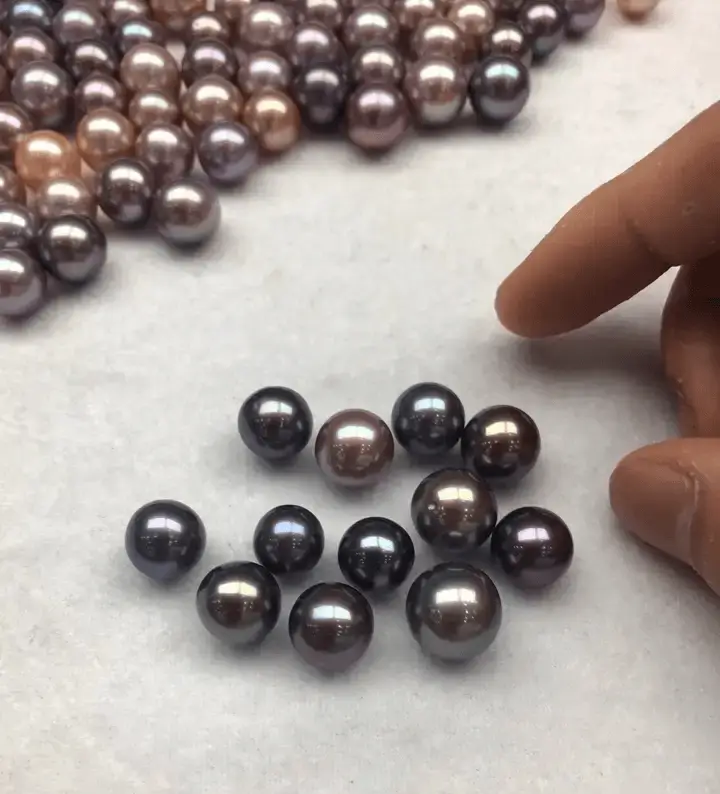
Today, everything has changed. Thanks to advanced eco-farming and improved mussel breeding, Edison pearls offer a massive tech dividend: quality is up, and prices are down.
- Mind-Blowing Sizes: Finding giant 17mm+ or even 18mm+ Edison pearls is no longer just a dream.
- A Wider Variety: Beyond giant statement pieces, pearl farmers now produce delicate, tiny bead-nucleated freshwater pearls—often called “Freshwater Akoyas.” This expands options for everyday corporate wear.
- Unbeatable Value: Modern efficiency shortens the growth cycle to just two or three years. Top-tier, high-luster pearls that used to be completely out of reach now cost a fraction of their original price. This breakthrough shatters the elitist barrier of traditional jewelry. Compared to saltwater pearls of the same quality, they offer true, accessible luxury.
Final Thoughts from Jewea
A pearl’s true value never depends on its category alone. It depends on how we understand and style it.
The delicate glow of an Akoya, the commanding size of a South Sea pearl, and the innovative spirit of an Edison pearl all play a part. Together, they shape today’s diverse jewelry landscape.
If you are just starting your pearl journey, do not feel pressured to buy the most expensive option. Instead, look for the piece that fits your daily lifestyle and complements your personal aesthetic.
After all, jewelry shouldn’t be about chasing a grading scale. It is about defining your own style.