Purple Diamonds: Why Is Nature’s Ultimate Luxury Impossible to Replicate?
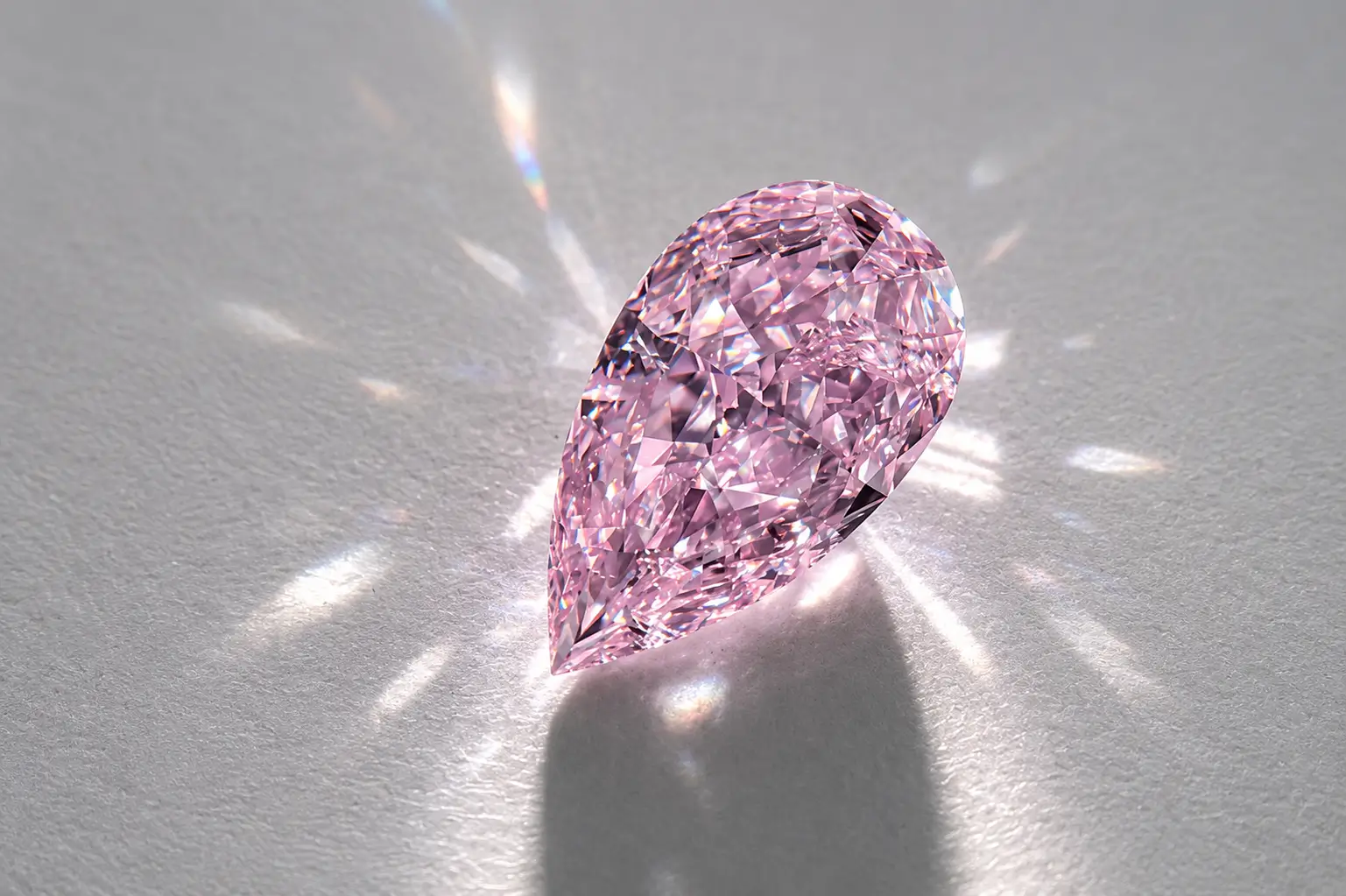
When it comes to the world’s most expensive diamonds, size isn’t the only factor. Rarity drives value. While top international auctions occasionally feature ultra-rare red, blue, and green diamonds, a pure purple diamond commands a comparable market status. In fact, the total global production of natural purple diamonds throughout history is under 100 carats. Most specimens weigh less than 2 carats.
Today, we dive into one of the rarest varieties in the fancy color diamond world: the purple diamond. Far scarcer in the market than blues or greens, a purple diamond represents an unattainable ultimate dream for most collectors, much like a red diamond. Because natural purple diamonds are so exceptionally rare, most jewelry enthusiasts will never chance upon a high-quality stone in their lifetime. These radiant gems exist almost exclusively in museums, top-tier auction houses, or heavily fortified private vaults.
The Purple Diamond: Exceedingly Rare and Overlooked
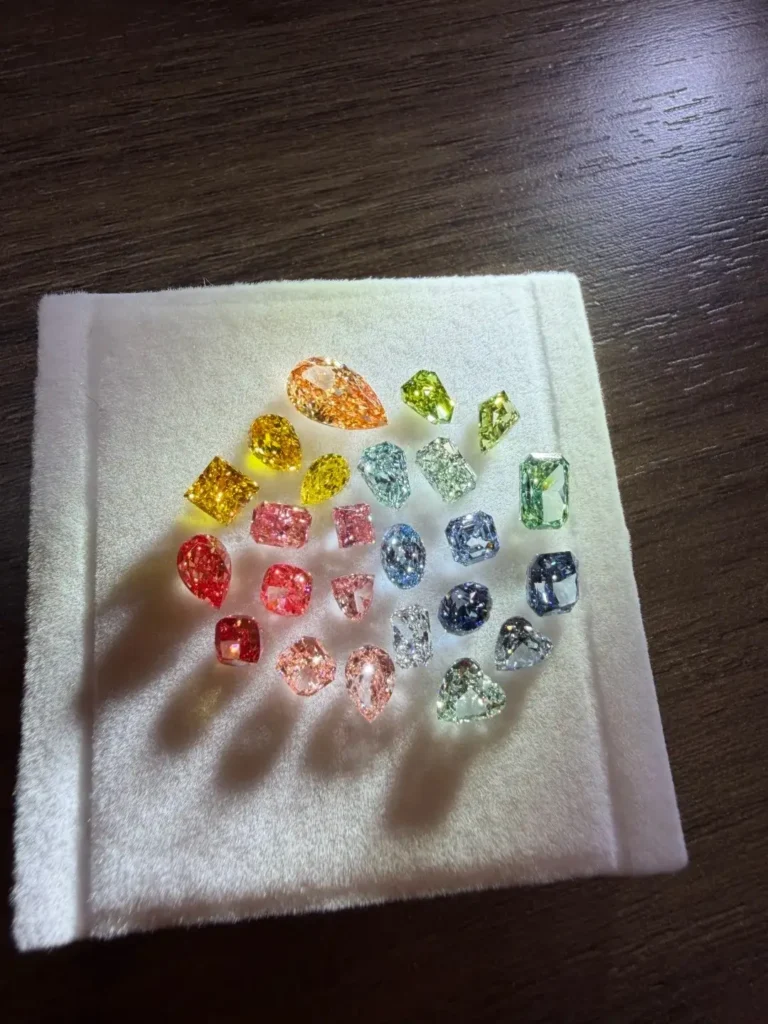
In the fancy color diamond world, the general rarity ranking by primary hue follows this order: Red > Green > Blue > Pink > Yellow. Pure purple diamonds are so exceptionally scarce that they rarely even appear in standard market rankings. This extreme scarcity leaves many wondering: do purple diamonds actually exist? The answer is yes—real purple diamonds do exist in nature.
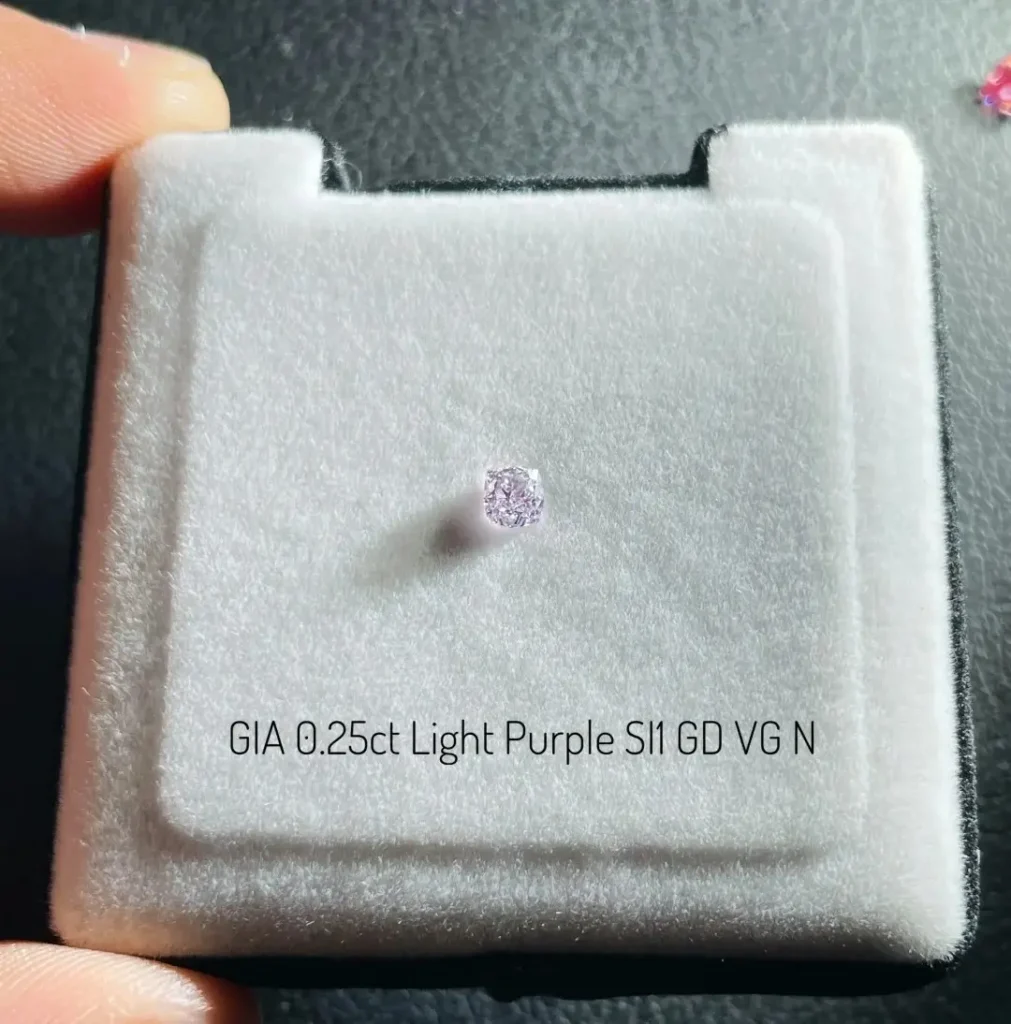
The Gemological Causes of Color
Unlike yellow diamonds (colored by nitrogen) or blue diamonds (colored by boron), purple diamonds do not owe their color to trace chemical impurities. Instead, gemologists divide natural purple diamonds into two distinct categories based on their color origin:
- Pure Purple / Red-Purple Diamonds (Purple Diamonds): These stones owe their color to plastic deformation caused by immense pressure deep within the Earth. Atoms shift slightly along the octahedral direction, distorting the crystal lattice and altering how the diamond absorbs light. This exact same structural distortion also produces red and pink diamonds. Because they share this formation mechanism, these three ultra-rare varieties possess a geological kinship and occasionally appear within the same mining regions.
- Violet / Gray-Blue-Purple Diamonds (Violet Diamonds): The color in this category stems primarily from high concentrations of hydrogen defects within the crystal lattice.
Furthermore, recent gemological research suggests that a tiny fraction of purple diamonds may experience a combination of trace elements and structural defects. This dual influence creates complex, unique shifts in hue.
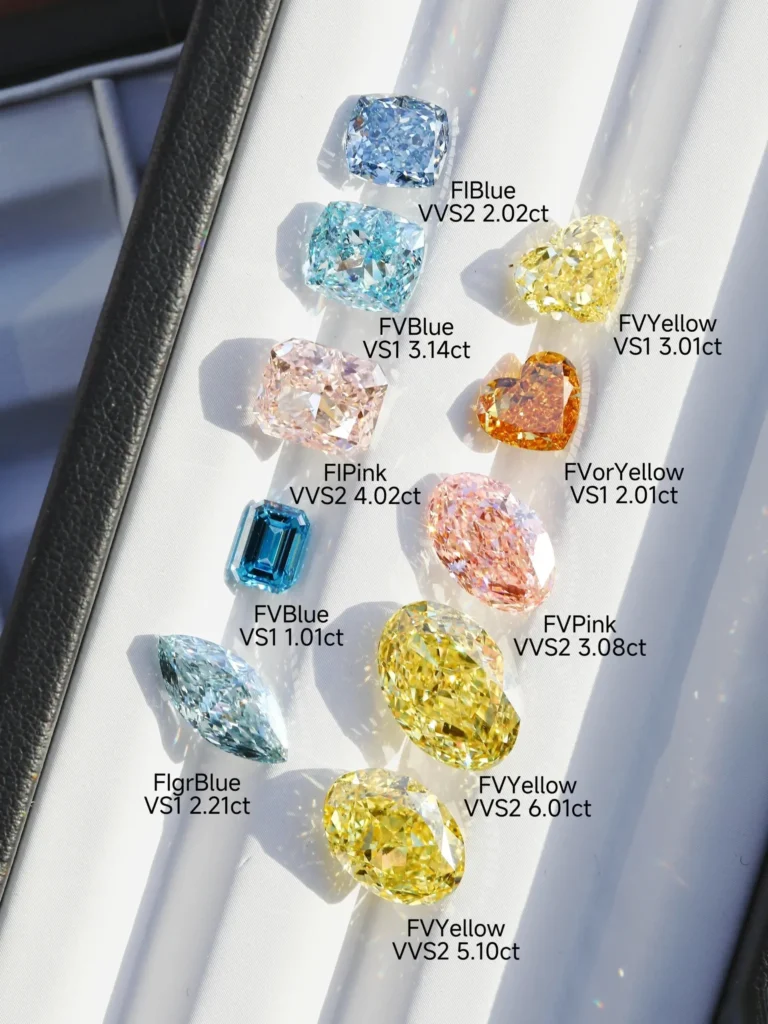
Note: While modern HPHT (High Pressure High Temperature) and CVD (Chemical Vapor Deposition) technologies can produce cultivated purple diamonds, precise lattice distortions and specific structural defects remain incredibly difficult to control in a lab environment. Consequently, commercially mass-producing high-clarity, large-carat pure purple lab-grown diamonds remains a significant technical hurdle.
Grading and Market Reality of the Purple Diamond
Within the GIA (Gemological Institute of America) colored diamond grading system, Purple and Violet are two entirely independent color series:
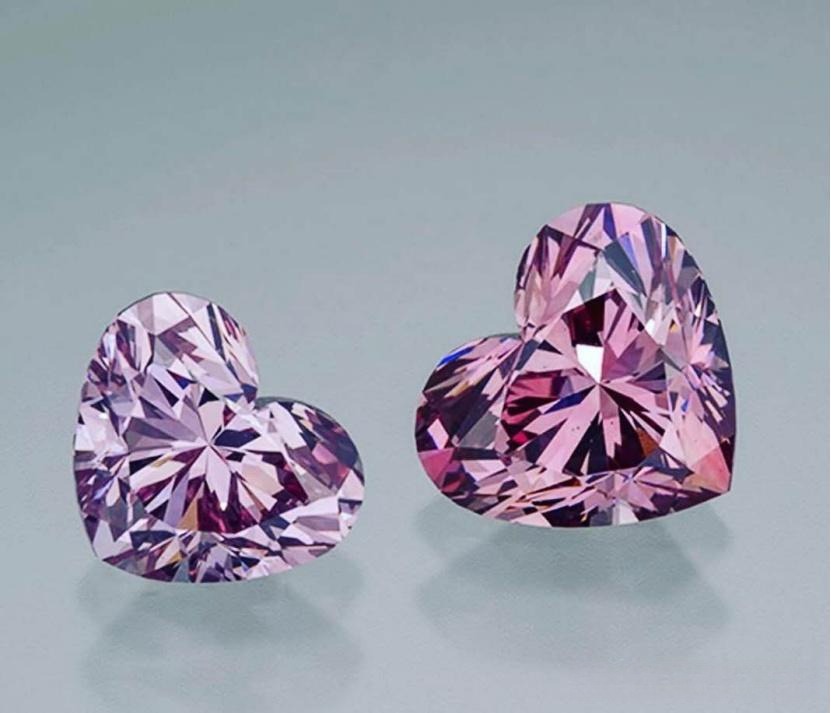
For the Purple (pure purple to reddish-purple) series, GIA recognizes nine distinct color grades:
- Faint Purple
- Very Light Purple
- Light Purple
- Fancy Light Purple
- Fancy Purple
- Fancy Dark Purple
- Fancy Intense Purple
- Fancy Deep Purple
- Fancy Vivid Purple
In reality, the vast majority of purple diamonds on the market are not completely pure in color; they typically carry pink, brown, or gray overtones. Among these, Pinkish Purple stones are the most sought after in the high jewelry market. By beautifully blending the romance of a pink diamond with the nobility of a purple diamond, these dual-hue gems offer exceptional aesthetic appeal and command premium asset value.
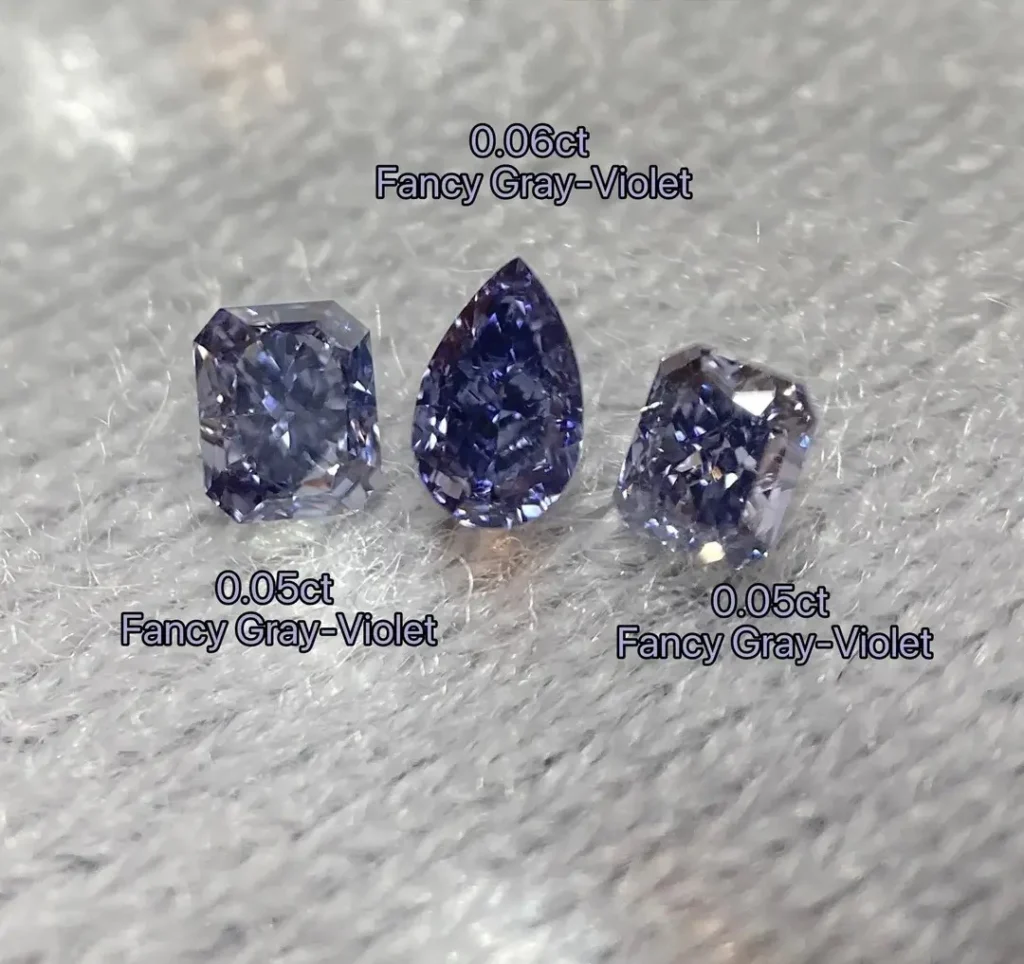
Note: Gemologists strictly distinguish a Purple Diamond (pure/red-purple, often with pink or brown modifiers) from a Violet Diamond (which displays distinct, cool, gray-blue undertones).
Famous Pieces in Purple Diamond History
Because natural purple diamonds are so exceedingly rare, many notable specimens bear unique individual names. Mining companies, legendary collectors, or premier auction houses usually bestow these titles. Consequently, public data on some of these secretive stones remains highly exclusive.
1. The Royal Purple Heart
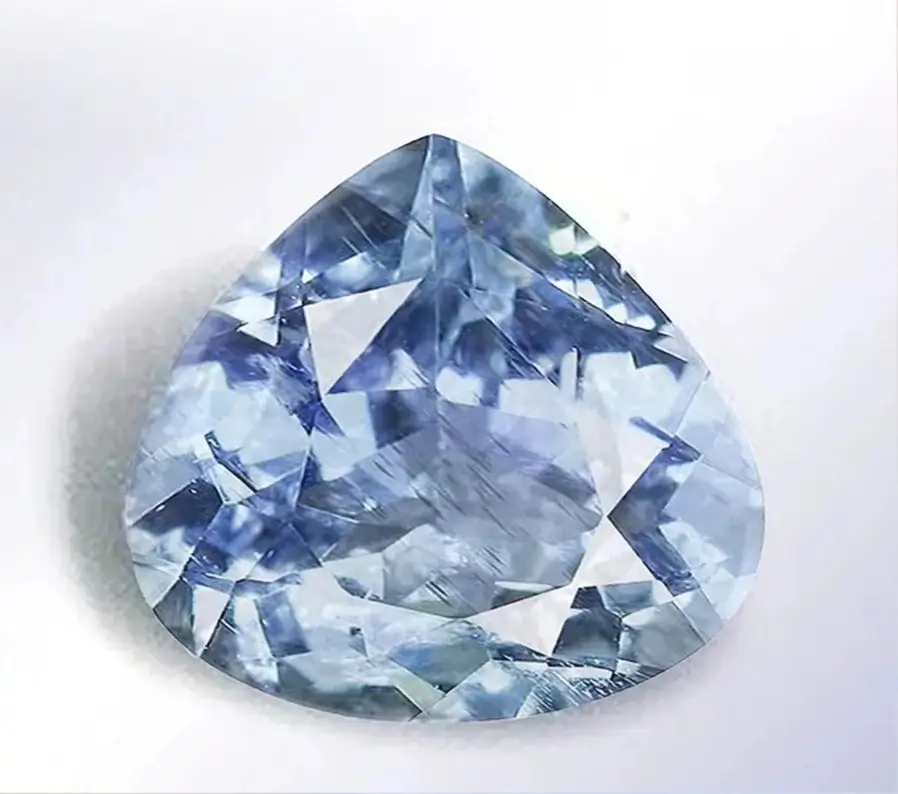
Originating from Russia, this spectacular gem features a heart-shaped brilliant cut and a certified Fancy Vivid Purple grade. Weighing an impressive 7.34 carats, it reigns as the largest known fancy-cut pure purple diamond in the world.
2. The Supreme Purple Star Diamond
This legendary, round-cut diamond weighs between 2 and 5 carats. Its most extraordinary feature is a unique alexandrite-like change-of-color effect: from one angle, it displays a deep purple hue, but as you slowly rotate it under specific light sources, it reveals a vivid, purplish-red color.
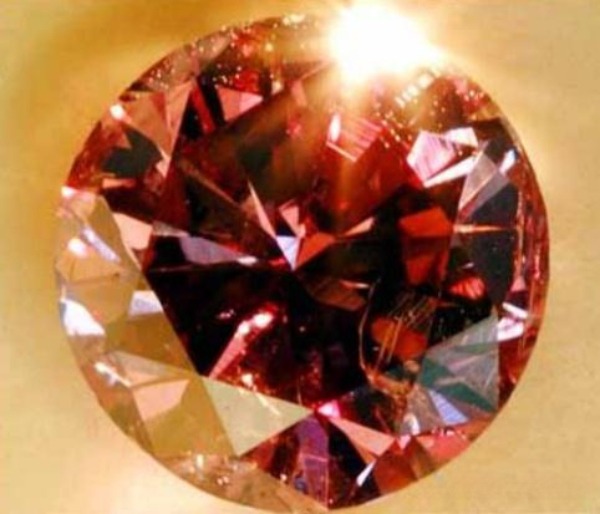
Gemologists attribute this dramatic shift to the crystal’s selective absorption of specific light wavelengths combined with its pleochroism. Reports state the diamond surfaced in London in 2002, with rumors tracing its ultimate origin back to the Amazon basin.
Argyle: The Primary Historic Source for Purple Diamonds
The famous Argyle Diamond Mine in Australia yielded the vast majority of high-quality natural purple and violet diamonds. It also previously reigned as the world’s largest source of pink diamonds. (Note: The Argyle mine officially closed in November 2020 due to depleted resources. This closure makes color diamonds from this specific region highly collectible, finite assets.)
Beyond Australia’s Argyle mine, regions like Brazil, South Africa, and India have yielded sporadic discoveries of natural purple diamonds. However, neither their production volume nor their quality consistency can compare to the legendary Argyle mine.
Argyle purple diamonds are typically small, generally ranging between 0.1 and 0.3 carats. Polished, finished stones exceeding 1.0 carat remain exceptionally rare.
Here is the polished, native English version of your list of famous specimens. It adheres strictly to professional gemological standards, preserves active voice, uses short and impactful sentences, and seamlessly integrates the nuanced visual description we discussed for The Orchid Diamond.
1. The Argyle Violet
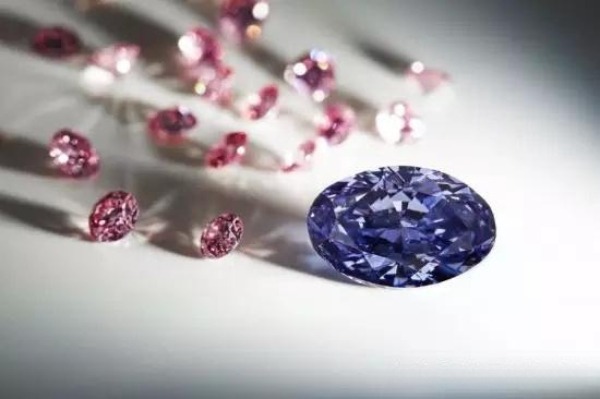
In 2016, mining giant Rio Tinto announced a monumental find at its Argyle mine in Western Australia: an ultra-rare, massive 9.17-carat purple rough diamond. Following meticulous planning and cutting, the rough yielded a spectacular 2.83-carat oval-shaped masterpiece, named the “Argyle Violet.” Graded as a rare Fancy Deep Gray-Violet, it stole the spotlight as the undisputed centerpiece of the 2016 Argyle Pink Diamonds Tender.
2. The Argyle Liberté
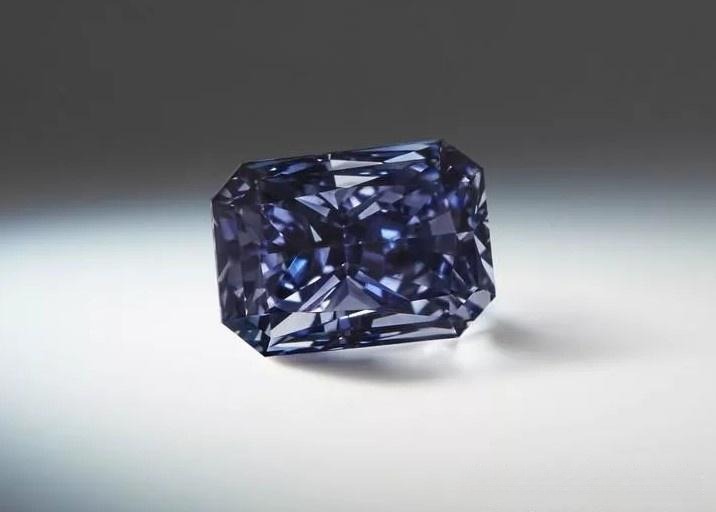
This radiant-cut diamond weighs 0.91 carats. Though it sits under the 1-carat mark, its intense and saturated color earned a coveted Fancy Deep Gray-Violet grade (with an SI2 clarity). Because of this exceptional saturation, colored diamond connoisseurs view it as a highly prized, near-impossible-to-find treasure.
3. The Orchid Diamond
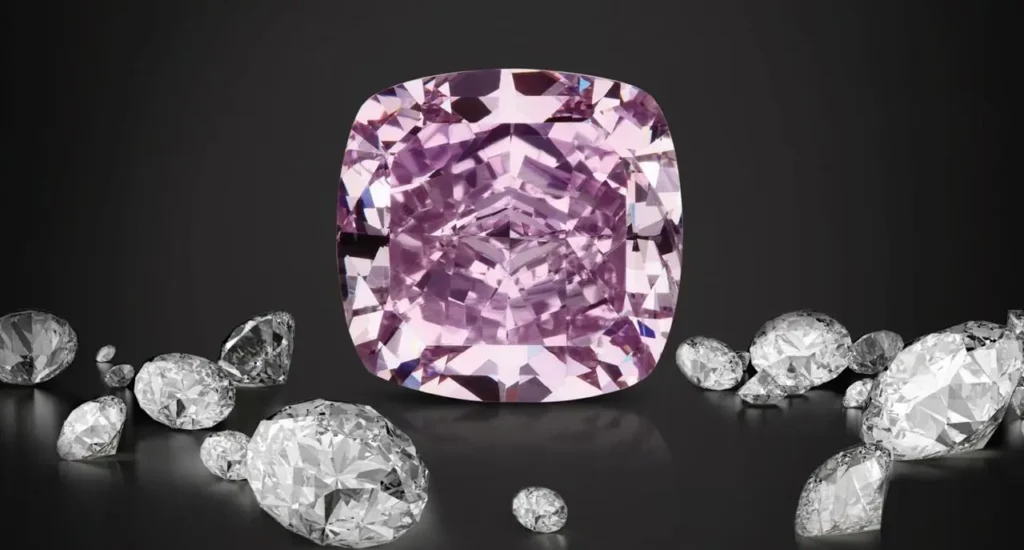
Exhibited at the Natural History Museum of Los Angeles County in 2017, “The Orchid Diamond” is a 1.64-carat, cushion-cut Fancy Vivid Purple diamond. Unlike the signature cool-toned violets from the Argyle mine, this rare pure purple gem displays a visually warm pinkish-red undertone. This delicate warmth blends seamlessly with the nobility of purple, evoking the exquisite, lush beauty of a blooming orchid.
Jewea’s Perspective:
While undeniably breathtaking, purple diamonds occupy the absolute pinnacle of the jewelry world. Due to their extreme natural scarcity and commanding prices, they remain an elite, untouchable realm for the average enthusiast. Because these gems are so remarkably rare, even high-society connoisseurs and seasoned collectors seldom get the chance to handle, study, or wear a fine specimen.
In the international investment market, top-tier Fancy Vivid Purple and Fancy Deep Purple diamonds boast exceptional value retention. On a per-carat basis, their prices can closely rival those of elite red and blue diamonds. Following the closure of the legendary Argyle mine, the circulating supply of natural purple diamonds will only continue to shrink.
Ultimately, acquiring a pure-colored, nature-matured purple diamond represents the ultimate, lifelong crowning achievement for gemstone collectors worldwide.