Why Do Emeralds Break? Real Experience and How to Protect Them
When we’re drawn to an emerald’s rich, captivating green, it’s easy to overlook how delicate the stone can be.
I’d like to share a recent experience that was particularly unfortunate.
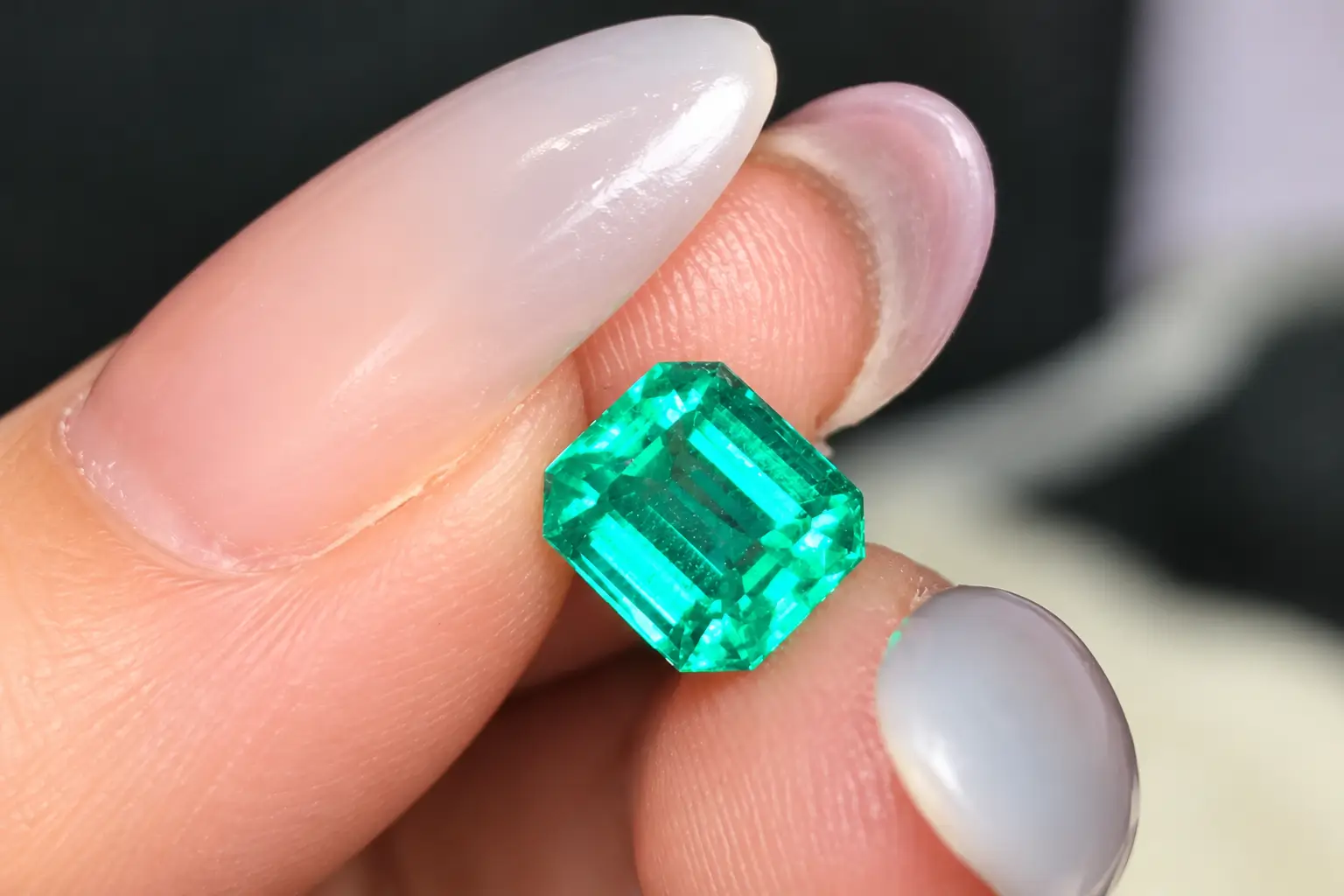
A longtime customer once purchased a 1.51-carat Colombian emerald of good quality from me.
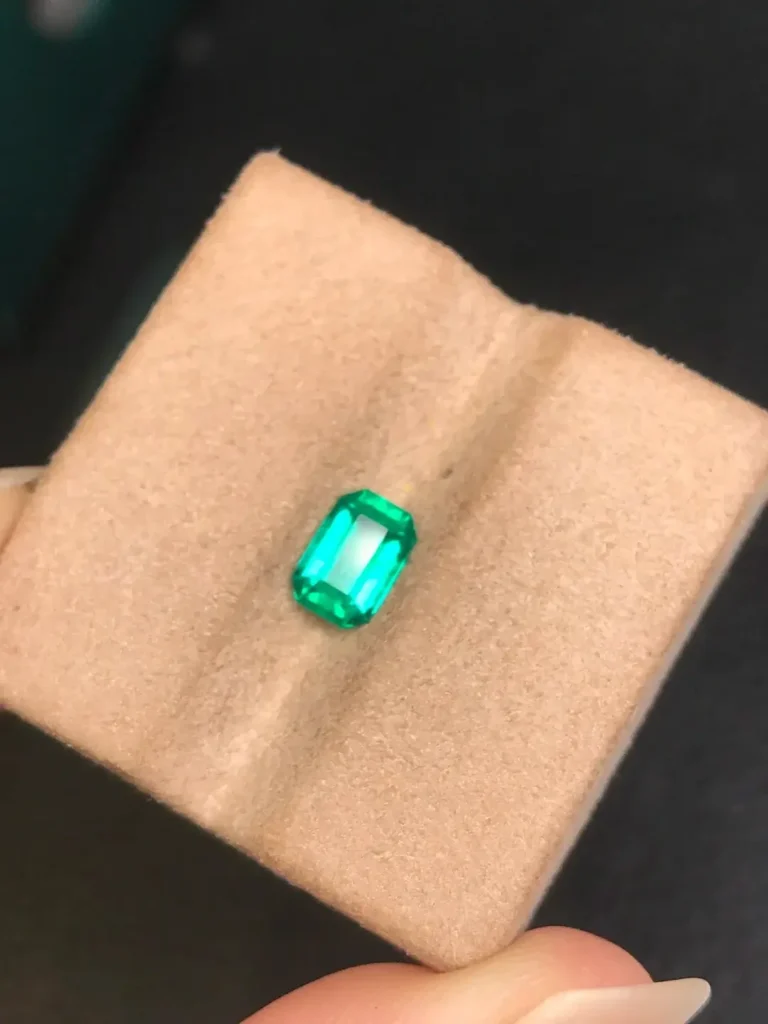
One sunny morning, she took the loose stone out to admire it in natural light. Unfortunately, she accidentally dropped it on the floor. The impact chipped off a small piece. Thankfully, the stone didn’t break apart completely.
She contacted me right away and sent the emerald back so we could discuss what to do next.
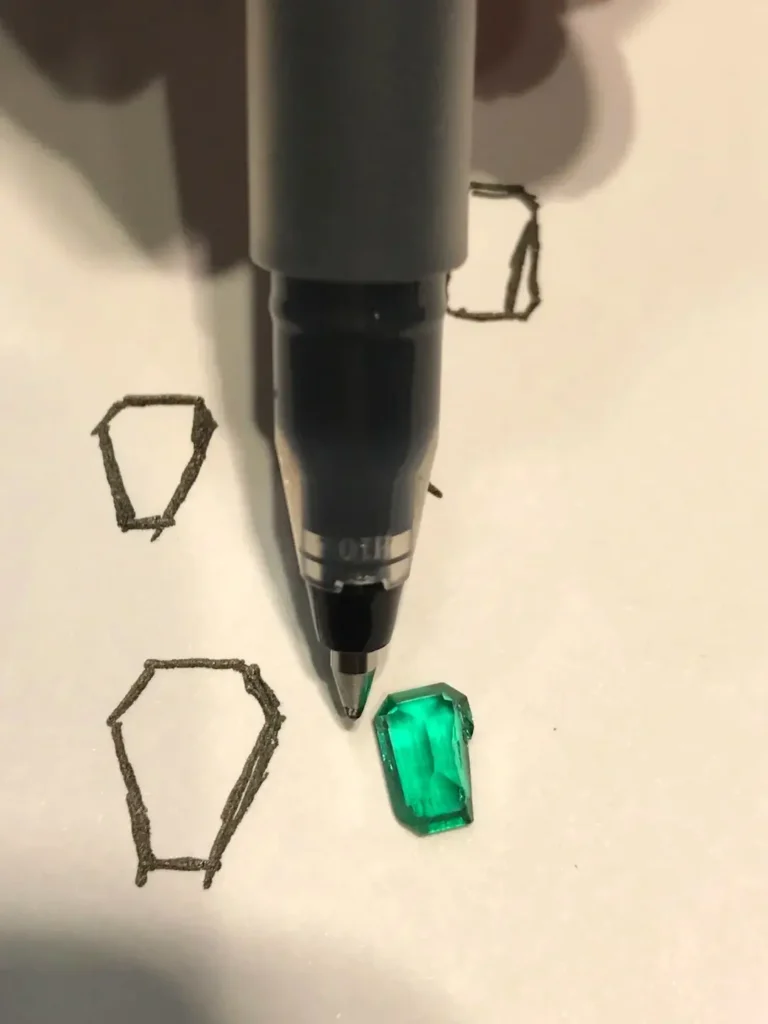
After consulting with the lapidary, we decided to recut the stone while preserving as much of its original weight and overall structure as possible. The result was a fresh look with a distinctive design. Although the accident was disappointing, we were pleased with the outcome.
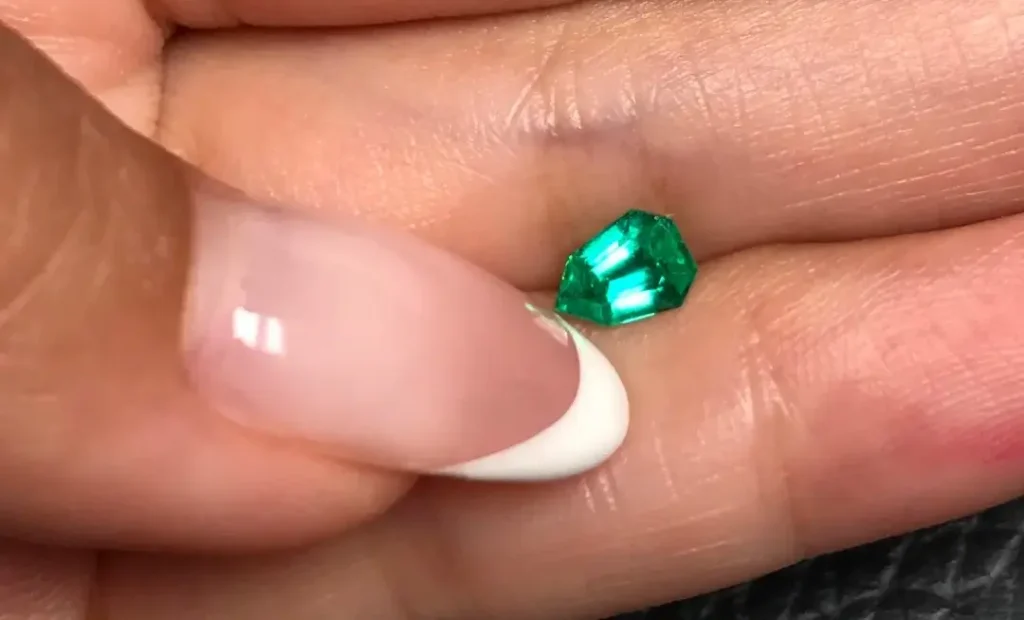
So, Why do emeralds break and chip? And what can we do to prevent similar accidents when handling or wearing them?
Let’s take a closer look, drawing on this real-life experience.
Why Do Emeralds Break?
Emerald belongs to the beryl family of minerals. Its chemical composition is beryllium aluminum silicate. Aquamarine and morganite are also members of this mineral family.
Emerald has a Mohs hardness of 7.5–8, which gives it good resistance to scratches. Since quartz has a Mohs hardness of 7, everyday dust containing quartz particles is unlikely to scratch an emerald during normal wear.
However, hardness does not mean toughness. A gemstone can resist scratches but still be vulnerable to impact. Emeralds with numerous natural fractures are particularly susceptible to damage when subjected to external force.
There are several reasons for this:
1. Natural Inclusions and Fractures Are Common
Emeralds form under complex geological conditions. As a result, they commonly contain various types of inclusions and natural fractures.
These fractures affect the structural integrity of the crystal and make the stone more vulnerable to impact. This is why emeralds require extra care during cutting, polishing, setting, and everyday wear.
2. Natural Fractures Can Become Starting Points for Damage
Natural fractures in an emerald may extend to the surface. When the stone experiences an impact or localized pressure, stress can concentrate around these weak points. This can cause existing fractures to spread and, in severe cases, lead to chips or breaks.
Even if an emerald looks intact, that doesn’t mean it can withstand significant force.
This is one reason why you should always handle emeralds gently and protect them from accidental knocks.
3. Emerald Has Imperfect Cleavage
Emerald belongs to the hexagonal crystal system and, like other beryl varieties, has imperfect basal cleavage.
Cleavage describes a mineral’s tendency to break along specific crystallographic planes when subjected to external force. Unlike natural fractures, which can occur in various directions, cleavage results from the internal atomic structure of the crystal.
Emerald’s cleavage is not particularly distinct, but it remains a crystallographic property worth understanding when assessing the stone’s durability.
How Does the Emerald Cut Help Reduce the Risk of Damage?
Many emeralds feature the classic emerald cut.
Look closely, and you’ll notice that the cut doesn’t have four sharp corners. Instead, the cutter removes each corner to create an eight-sided outline.
This design does more than enhance the stone’s color and visual appeal. It also helps protect emeralds, which are relatively brittle.
Sharp corners are more vulnerable to impact. Removing them reduces the risk of direct blows to the corners and helps prevent chipping.
This brings us to an important concept in mechanics: stress concentration.
Stress concentration occurs when certain areas of a material experience significantly higher stress than others under an external force. This often happens because of the material’s shape, structure, or internal flaws.
For example, sharp corners, notches, and cracks can all create areas of concentrated stress. When force is applied, these areas become more vulnerable to damage. The same principle explains why automotive emergency window breakers are generally designed to strike near the corners of a car’s side windows rather than the center. The concentrated impact helps the glass fracture more easily.
For emeralds, removing the four sharp corners not only reduces the risk of impact damage but also creates an eight-sided outline that allows for more careful prong placement. This helps the setter distribute pressure more evenly and avoid applying excessive force when securing the stone, reducing the risk of cracks or chips during setting.
Keep in mind that the emerald cut cannot eliminate the risk of breakage. It simply uses a more protective shape to reduce some of the risks.
How to Prevent Emeralds from Breaking
When we shared this incident on our WeChat Moments, a friend who sells diamonds joked:
“I don’t have to worry about that. The only thing I have to worry about is accidentally flicking a diamond out of my tweezers!”
My emerald setter had a similar reaction:
“I’m so careful when I work with emeralds that I can’t afford even the slightest slip of the hand.”
They were joking, of course, but their comments highlight how much care valuable gemstones require during handling and setting.
As a consumer, you should avoid dropping or knocking your emeralds and always handle them gently. Here are a few other precautions to keep in mind.
- Remove Your Jewelry Before Doing Heavy Work: Take off your emerald jewelry before doing household chores, lifting heavy objects, working out, gardening, or taking part in activities where it could get knocked or bumped. Place it in a separate, soft-lined jewelry box rather than leaving it on a table, bathroom counter, or anywhere it could easily fall.
- Keep It Away from High Temperatures and Sudden Temperature Changes: Remove your emerald jewelry before showering, using a sauna, visiting a hot spring, barbecuing, or taking part in other activities that expose it to high temperatures.
Excessive heat and sudden temperature changes may affect existing fractures in the stone. They can also alter the appearance of clarity-enhancement fillers, such as oil or resin, inside the emerald. This is especially important for emeralds that have undergone oil or resin treatment. - Avoid Ultrasonic Cleaners: The high-frequency vibrations produced by ultrasonic cleaners may worsen existing fractures or disturb the fillers inside them. This can affect the stone’s apparent clarity and overall appearance.
- Choose an Appropriate Setting and an Experienced Jeweler: If you’re buying emerald jewelry, consider settings that help protect the stone’s edges and corners, such as bezel settings or carefully positioned prongs. Be cautious about tension settings and micro-pavé settings, as they may expose the emerald to greater setting-related stress if the design or workmanship does not distribute pressure properly. The experience of the jeweler who sets the stone is just as important.
A Small but Important Reminder: If you smoke, take care when tapping ash from your cigarette. Avoid knocking the gemstone in your ring against the edge of a glass ashtray.
If you’re buying your first emerald, you may also find our article Buying Your First Emerald: From Loose Stone to Custom Jewelry helpful. It walks you through the process, from choosing a loose emerald to having it made into a custom piece of jewelry.
Jewea’s Final Thoughts
Although emeralds are relatively fragile, that doesn’t mean we should stop appreciating or wearing them for fear of accidental damage.
I shared this experience to help readers understand the nature of this beautiful gemstone and take better care of it. With a little extra attention in everyday wear, you can enjoy your favorite emerald for many years to come.
If an accident like the one described in this article does happen, contact the seller you purchased the stone from as soon as possible. Discuss possible repair or recutting options with them to help minimize your loss.