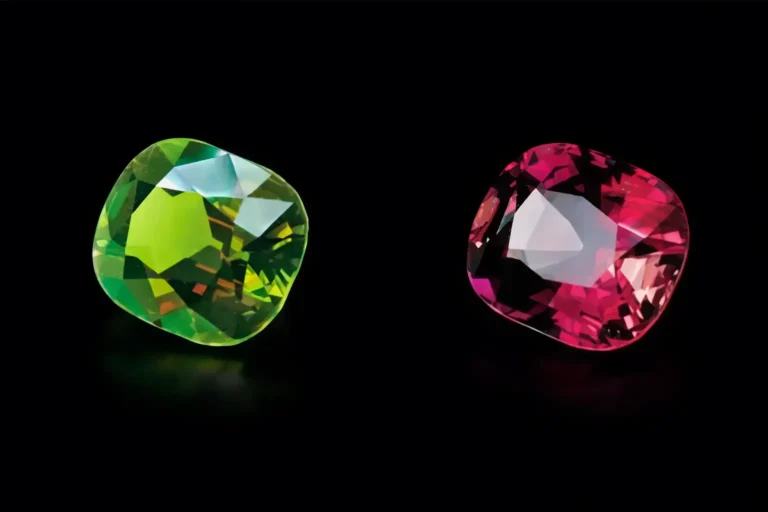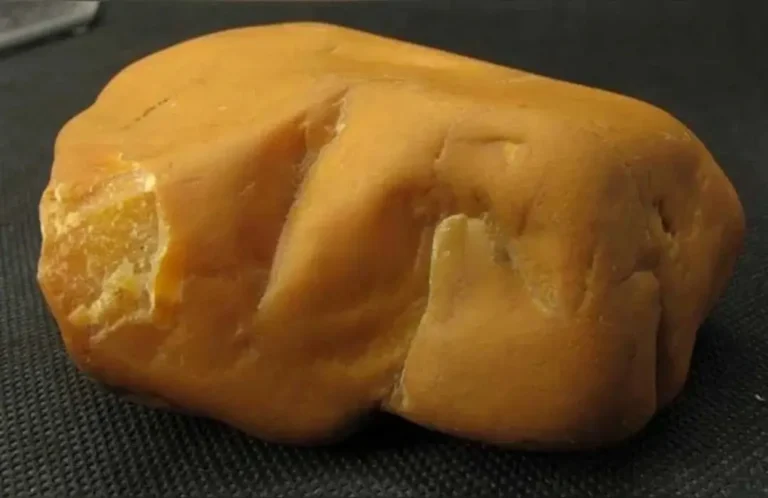
Why Does Natural Zircon Change Color? Understanding Its Optical Properties
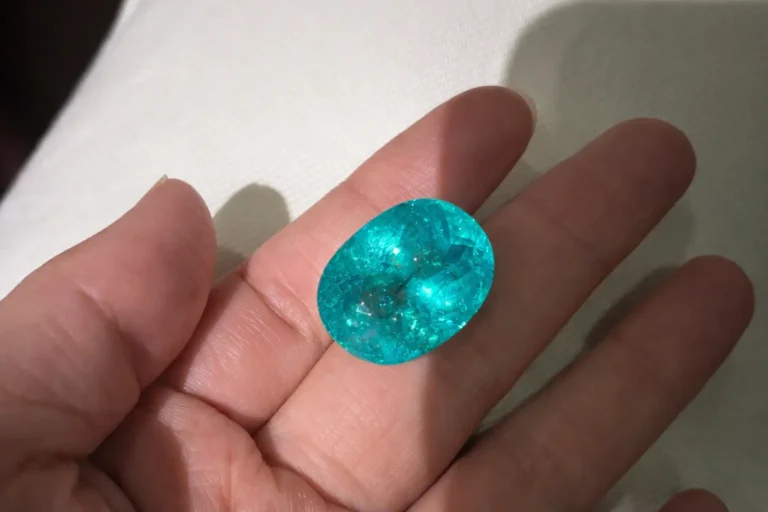
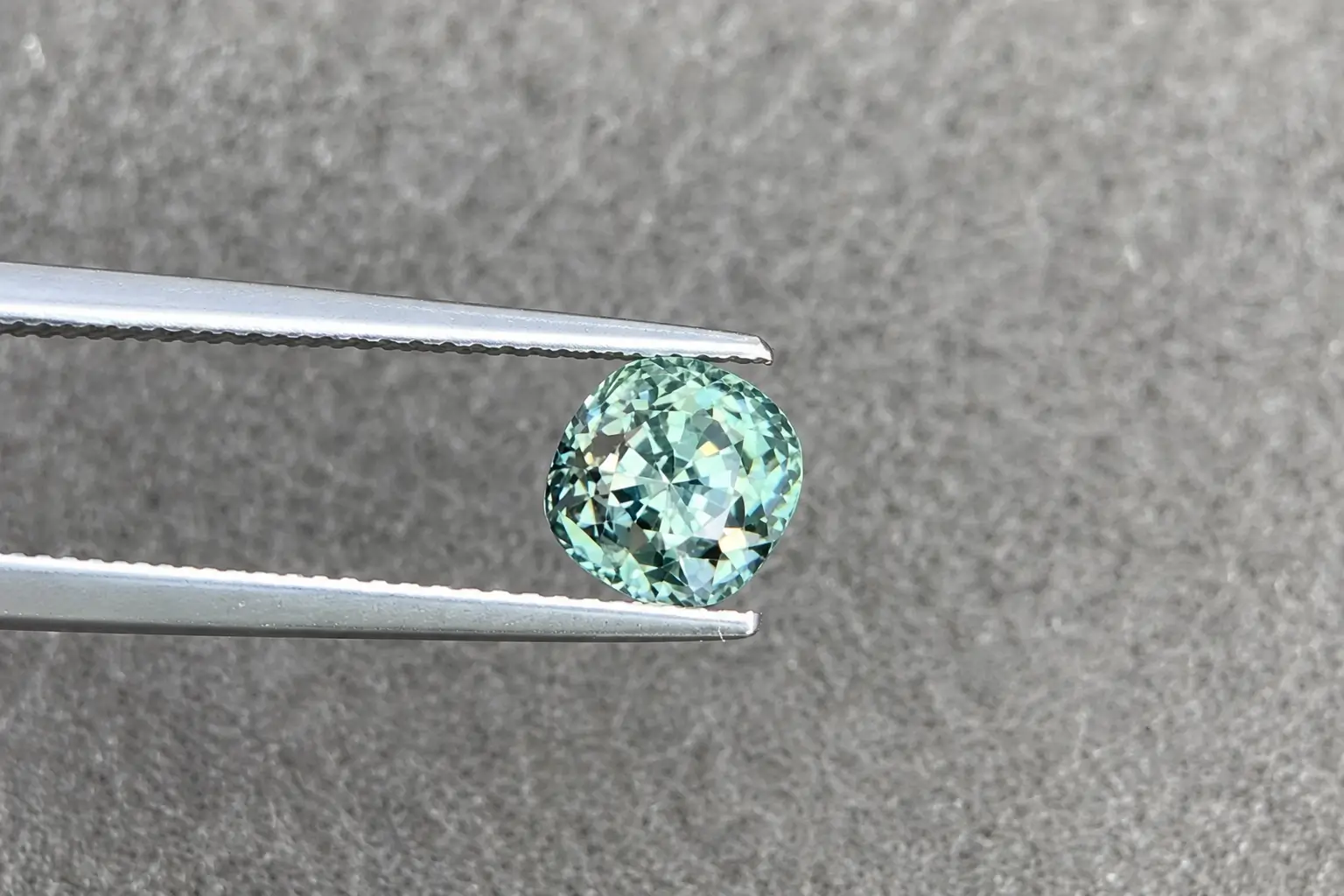
A few weeks ago, a customer who had purchased a 3.8-carat light green natural zircon from Myanmar from me got in touch. She sounded both excited and a little concerned.
“Why has this zircon turned light purple? Did you accidentally send me an alexandrite instead of a zircon?”
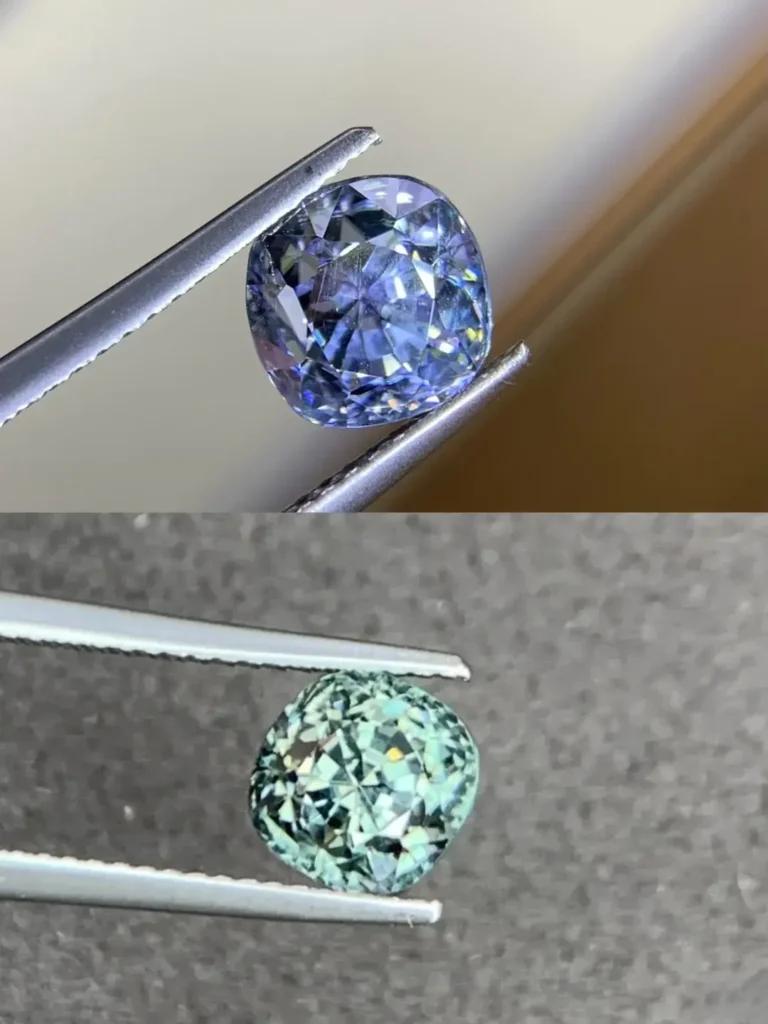
I assured her that it was indeed a natural zircon. It might simply have a distinctive color-change effect.
Natural zircon can show different colors under different light sources. Some rare specimens can also change color when exposed to ultraviolet (UV) light.
Although alexandrite and certain natural zircons both display color-change effects, their optical properties and the mechanisms behind these changes are different. To learn more about how alexandrite changes color, read Alexandrite: The Rarest and Most Valuable June Birthstone.
Today, let’s explore why natural zircon changes color and what causes these different effects.
What Causes Color Changes in Natural Zircon?
Natural zircon can change color for several reasons. Gemological research has identified three main factors: differences in lighting, photochromism, and changes in color stability caused by heat treatment.
1. Color Changes Under Different Light Sources
Different light sources can make some natural zircons appear to change color.
A gemstone’s appearance depends not only on its own absorption spectrum but also on the spectral distribution of the light shining on it.
For example, daylight, incandescent bulbs, fluorescent lights, and LEDs emit different amounts of energy at different wavelengths. When a light source interacts with a zircon’s absorption spectrum, the stone may appear to have a different color.
In 2021, GIA reported an unusual color-changing zircon from Mogok, Myanmar.
The stone showed distinct colors under different light sources. It appeared green under cool-white fluorescent light but grayish purple under daylight and cool-white LED light.
Researchers suggested that this unusual effect might be related to absorption features associated with trace rare-earth or actinide elements within the crystal.
This example shows that not every color change in zircon involves a permanent alteration of the stone’s color. In some cases, the gemstone simply looks different because the light source changes.
2. Photochromism and Color Centers
In addition to showing different colors under different light sources, some natural zircons exhibit true photochromism.
Photochromism occurs when a gemstone changes color after exposure to light of a specific wavelength. The color may gradually return to its original state once the light source is removed or the stone is exposed to different lighting conditions.
This phenomenon involves changes in the crystal’s electronic states and defect structures.
Over millions of years, natural zircon may experience radiation from the decay of radioactive elements such as uranium and thorium. This radiation can gradually damage the crystal lattice and create various structural defects and color centers.
These color centers affect how the crystal absorbs specific wavelengths of light, which in turn influences its color.
However, radiation damage does not explain every case of photochromism in zircon. The stone’s chemical composition, crystal structure, and defect characteristics can all influence how its color changes.
GIA previously reported a zircon with a pronounced photochromic effect. After exposure to long-wave ultraviolet (UV) light, the stone changed from its original blue-green color to a deep yellow-green. When subsequently exposed to white LED light, it gradually returned to its original blue-green color.
Another GIA study documented a blue zircon that turned brown under long-wave UV light and returned to blue under incandescent light.
These studies confirm that some zircons exhibit reversible photochromism. However, the direction of the color change and the conditions needed to restore the original color vary from stone to stone.
It’s important to distinguish between photochromism, photobleaching, and fluorescence. These are three different optical phenomena and should not be confused with one another.
3. How Heat Treatment Affects Zircon Color
Heat treatment can also change the color of natural zircon.
Blue zircon is a good example. Most blue zircons on the market do not have their current color in their natural, untreated state. Instead, gem dealers typically obtain this color by heating natural brown or reddish-brown zircon.
Under reducing conditions, heating brown zircon to approximately 900–1,000°C can produce a blue color.
This process changes the oxidation state of certain elements and alters the crystal’s light absorption properties. GIA research has linked the blue color to U⁴⁺ ions within the crystal structure and their absorption characteristics.
Blue zircon produced through heat treatment generally has good color stability and is suitable for everyday wear. However, some blue zircons may temporarily turn brown after exposure to intense long-wave ultraviolet (UV) light.
Specialized light sources, such as UV curing lamps and nail lamps, may trigger this change.
In GIA experiments, blue zircon that turned brown under long-wave UV light regained its blue color after exposure to incandescent light.
This does not mean that all heat-treated blue zircons will fade. Nor should we assume that every blue zircon exhibits this reversible color change.
Heat treatment can also improve the crystal structure of some radiation-damaged zircons.
Over geological time, radiation from the decay of uranium and thorium can gradually damage zircon’s crystal lattice. This process can produce what gemologists call metamict zircon.
With appropriate high-temperature treatment, some damaged crystal structures can recrystallize. This can improve their structural order and certain gemological properties.
However, the extent of radiation damage varies from stone to stone, as does the degree of recovery after heating. Not all low-type zircons can fully recover their original crystal structure and become high-type zircon.
Is Radioactive Zircon Safe to Wear?
When discussing color changes and crystal damage in natural zircon, it’s also important to understand its natural radioactivity.
In our article Zircon: Is This Ancient Gem a Fake Diamond, or a Valuable Treasure?, we explained that natural zircon is generally classified as high-type, intermediate-type, or low-type according to the extent of radiation damage to its crystal structure.
High-type zircon retains a relatively intact crystal lattice and a high degree of crystallinity. Low-type zircon, on the other hand, has suffered varying degrees of lattice damage from radiation released during the decay of uranium and thorium. Over time, severe damage can leave the crystal structure almost amorphous.
However, low-type zircon does not necessarily have high levels of radioactivity. Its actual radioactivity depends on factors such as its uranium and thorium content. Crystal type alone cannot determine its radiation level.
According to GIA, the natural radioactivity of gem-quality zircon commonly used in jewelry is generally very low and does not pose a health risk under normal wearing conditions. Therefore, consumers do not need to be concerned about wearing these gemstones.
However, if you come across unusual low-type zircon rough or large mineral specimens, consider having them tested for radioactivity, especially if you plan to keep them for long periods or cut and polish them. Take appropriate precautions based on the test results.
Jewea’s Take
A change in color doesn’t mean something is wrong with your natural zircon, nor does it mean the stone has become a different gemstone.
From color differences under various light sources to reversible photochromism caused by UV exposure and the effects of heat treatment, zircon displays several fascinating optical properties.
So, if you notice a color change in your natural zircon, take a moment to check the lighting and exposure conditions before drawing conclusions. Understanding what causes these changes will help you better appreciate the unique characteristics of this natural gemstone.