What Were Night-Shining Pearls in Ancient China?
A Western friend once asked me, “Were the night-shining pearls in ancient China real? Could they really light up an entire imperial palace, as they do in novels?”
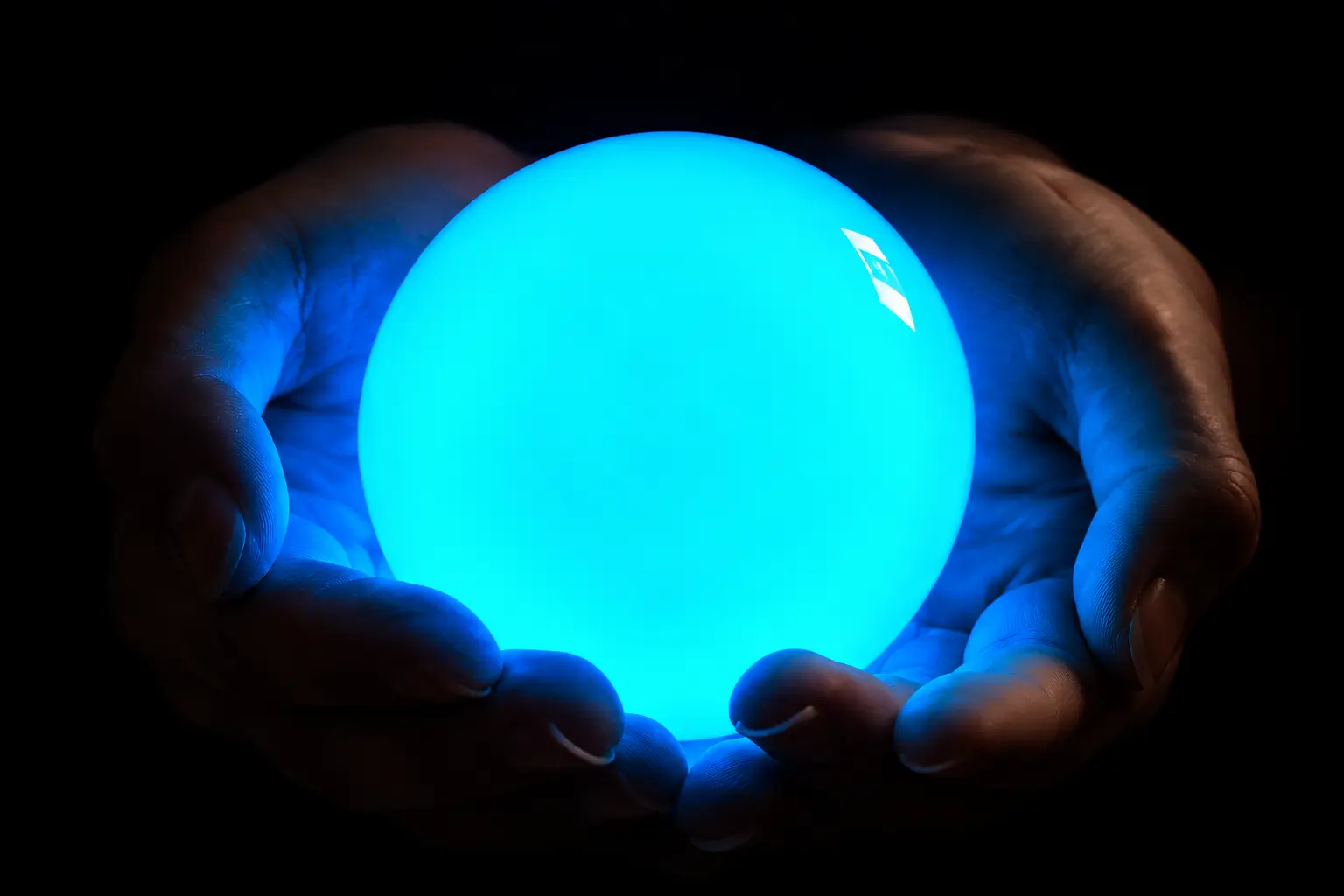
Night-shining pearls weren’t simply the stuff of legends. Some minerals in nature can glow under certain conditions. But their properties are nowhere near as extraordinary as novels make them seem. They certainly can’t light up an entire palace like electric lights.
So, what exactly were night-shining pearls in ancient China? And what makes them glow?
Let’s start with a famous example: the “world’s largest night-shining pearl,” recognized by the World Record Certification Agency (WRCA).
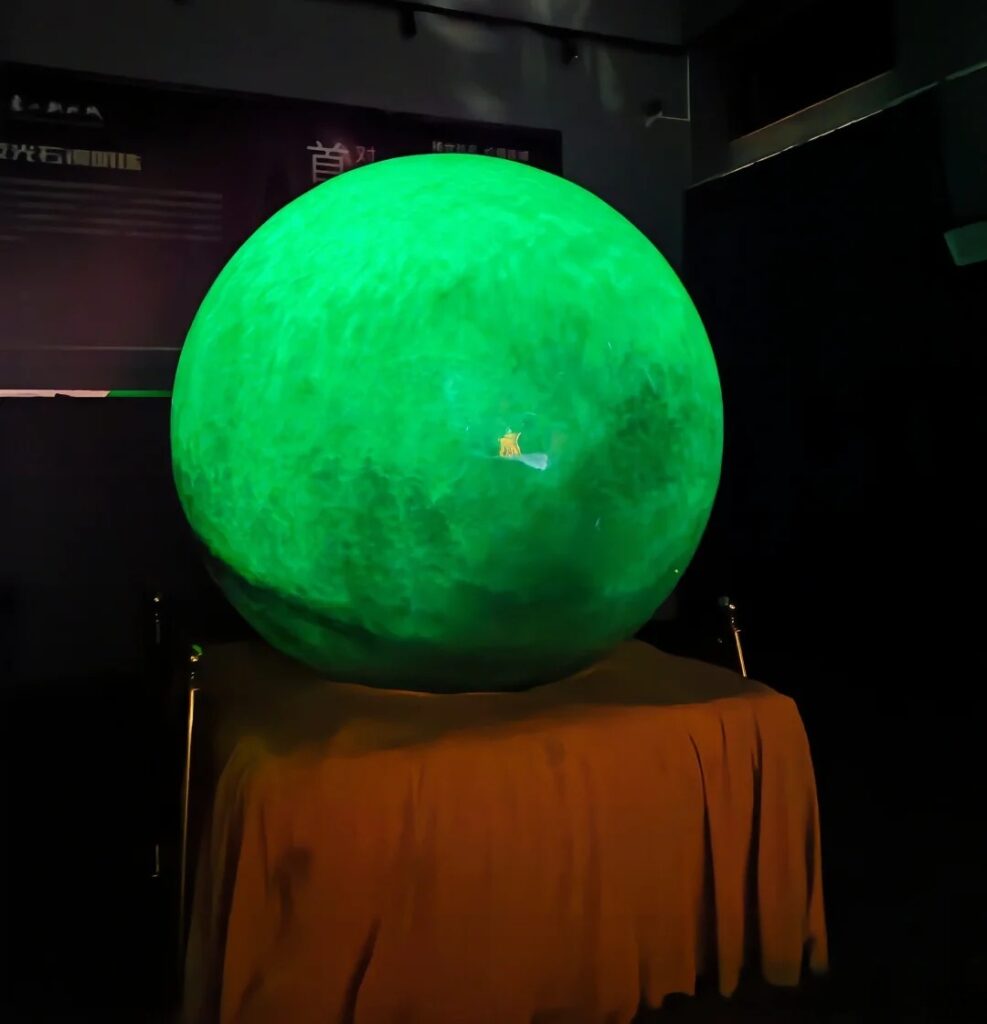
This enormous fluorite sphere measures 1.81 meters in diameter and weighs 10.08 metric tons. It is housed in the Pearl Palace at Dajue Mountain Scenic Area in Zixi County, Fuzhou, Jiangxi Province, China. According to published descriptions, this natural fluorite contains rare-earth elements and can continue to glow for several hours in the dark after exposure to light.
What Is a Night-Shining Pearl?
A night-shining pearl doesn’t refer to a single mineral. In ancient China, people used terms such as Sui Pearl, Hanging Pearl, and Bright Moon Pearl to describe objects believed to glow in the dark. Today, night-shining pearls are often associated with naturally occurring minerals that exhibit luminescence. Some specimens may exhibit phosphorescence under certain conditions, depending on their composition and crystal defects.
One famous example is the night-shining pearl said to have been buried with Empress Dowager Cixi. Some modern scholars have suggested that it may have been a fluorite specimen from Afghanistan. Claims that it was worth as much as 800 million yuan reflect its supposed rarity, historical associations, and imperial legend.
Why Does Fluorite Glow?
The glow associated with night-shining pearls involves phosphorescence, a process that differs from the light produced by an electric bulb, which requires a continuous energy supply.
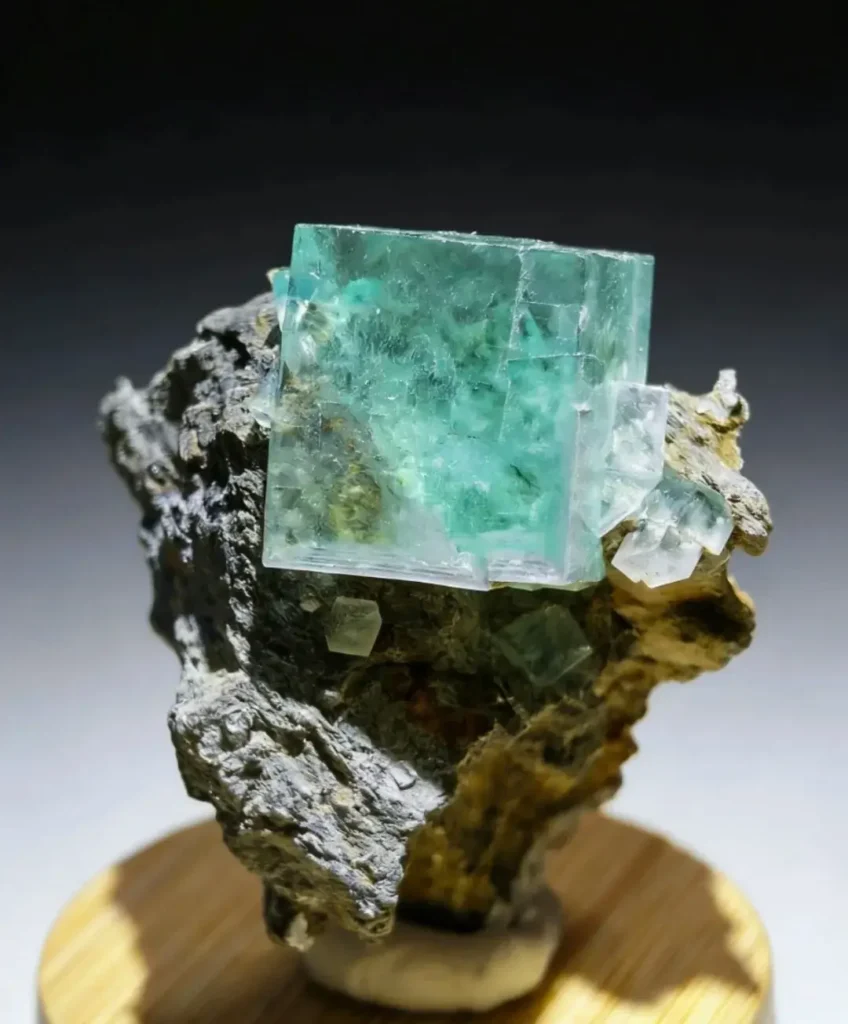
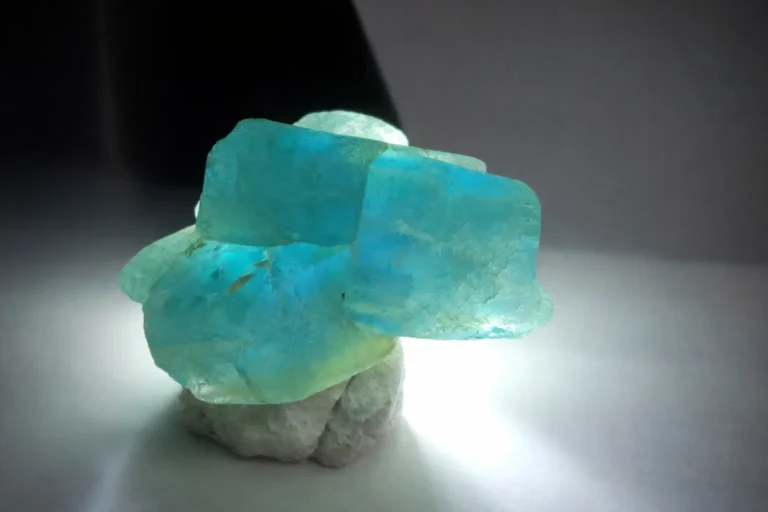
Fluorite’s ability to emit light depends on trace rare-earth elements, other impurities, and defects in its crystal structure. Although fluorite consists mainly of calcium fluoride (CaF₂), certain impurities and crystal defects can affect how the mineral absorbs, stores, and releases energy. This allows some specimens to emit light or produce an afterglow.
When fluorite with the right properties absorbs sunlight, ultraviolet light, or another suitable light source, the energy excites electrons within the crystal. Under certain conditions, the crystal can temporarily store some of that energy. Once the light source is removed, the stored energy may gradually be released as visible light. The resulting afterglow can appear yellow-green or blue-green. Its color, brightness, and duration depend on the mineral’s composition, crystal structure, and luminescence mechanism.
However, some fluorite specimens mainly exhibit fluorescence. They glow under ultraviolet light but stop glowing almost immediately once the light source is removed.
Compared with a light bulb, the afterglow of a natural mineral is usually faint. It may be visible in the dark, but it cannot illuminate an entire room. Its brightness also typically fades over time.
What Other Minerals Can Produce a Glow?
Although fluorite is a common mineral used in night-shining pearls on the market, other minerals can also exhibit fluorescence, phosphorescence, or other forms of luminescence.
- Barite, calcite, and scheelite: Some specimens containing specific impurities can produce a brief phosphorescent glow when stimulated.
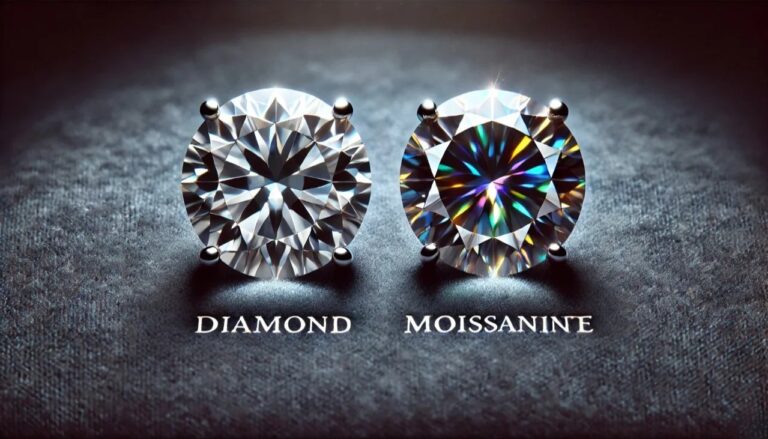
- Diamond: Some diamonds also exhibit phosphorescence.
- Gems with distinctive optical effects: In ancient times, people sometimes used the term night-shining pearl as a poetic exaggeration to praise gems with exceptional luster, chatoyancy (the cat’s-eye effect), or asterism (the star effect).
It’s important to distinguish fluorescence from phosphorescence. Some minerals glow immediately under ultraviolet light but stop glowing soon after the light source is removed. Phosphorescence, by contrast, continues for a period after the source of excitation is removed.
How to Buy a Night-Shining Pearl
Today, some tourist markets sell imitation night-shining pearls made from artificial, long-afterglow materials. Strontium aluminate is a common example. It absorbs energy from an external light source and continues to glow in the dark.
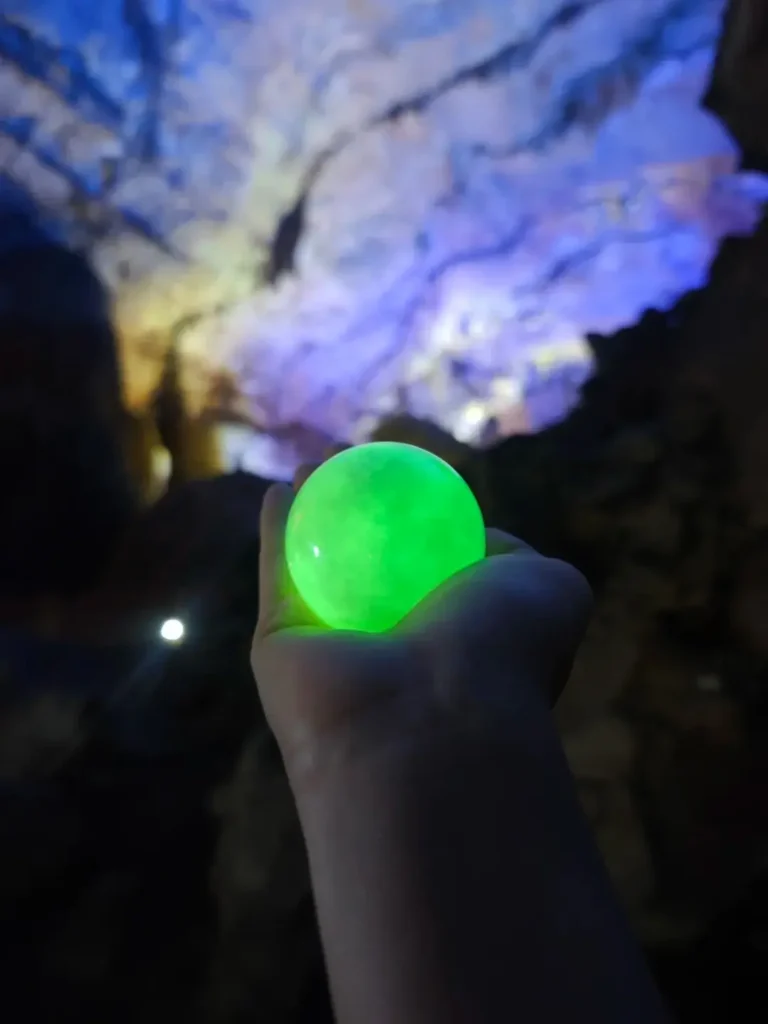
When shopping for a night-shining pearl, I wouldn’t judge it by its glow alone. I’d first want to know whether it’s made from a natural mineral or an artificial material.
Even a piece made primarily from natural fluorite may have undergone artificial treatment. For example, sellers may coat its surface with a phosphorescent substance or fill cracks with materials containing phosphorescent compounds. These treatments can enhance or alter the glow, making the piece look like naturally luminescent fluorite.
When evaluating a night-shining pearl, I recommend checking the following:
- Examine it under magnification: Use a magnifying glass or microscope to inspect the surface for coatings, unusual particles, bubbles, or signs of filling.
- Pay attention to how it feels: Natural stone should feel like a mineral specimen. A layer of resin mixed with luminous powder may dissipate heat more slowly, so it can feel warmer to the touch. However, perceived temperature depends on several factors, including the surrounding temperature, the material’s thermal conductivity, and how long you touch it. Treat this only as a secondary clue.
- Ask for a report from a qualified gemological laboratory: If you’re buying a high-value night-shining pearl, I recommend choosing a professional laboratory with the appropriate testing capabilities. Specialists can combine microscopic examination, infrared spectroscopy, luminescence spectroscopy, and other suitable analytical methods to assess the material’s composition and luminescent properties. Infrared spectroscopy can provide useful clues, but it usually cannot rule out every form of artificial treatment or fraud on its own.
Fluorite has a Mohs hardness of just 4, so natural fluorite night-shining pearls need careful handling to avoid scratches and damage. For more care tips, see our guide, Why Your Rainbow Fluorite Bracelet Cracks: A Complete Care Guide.
Jewea’s Take
To me, the night-shining pearl is a reminder that nature has its own way of surprising us. Its glow isn’t magic, but a fascinating result of mineral properties and the way certain materials interact with light.
It doesn’t produce light on its own. It absorbs energy and releases some of it as a faint glow. That may be less dramatic than the legends, but I find the science just as fascinating.