Can You Buy an Oiled Emerald?
The emerald market has a problem that buyers should be aware of. A gemstone comes with a report stating that it has minor oil. Yet when the buyer sends it to another laboratory for testing, the new report indicates moderate or significant oil.
How does this happen?
For higher-value emeralds, I usually recommend having a laboratory check their current clarity enhancement before purchase.
There are some practices in the market that buyers should watch out for. For example, some sellers use a laboratory report issued before the gemstone was treated, then oil the emerald to improve its appearance. Others clean an emerald to remove existing filler before submitting it to a laboratory. They then obtain a report showing no indications of clarity enhancement or a lower level of filler, only to treat the stone again afterward.
This is not just speculation. In 2026, SSEF issued an industry warning about emeralds that were refilled after laboratory testing and then sold with their previous reports.
Read the official SSEF Trade Alert – June 15, 2026
When buying a high-value emerald, do not rely solely on the oiling grade stated in an old report. Check when the laboratory examined the stone, consider its current condition, and decide whether it needs to be tested again.
Many buyers ask, “Can you buy an oiled emerald?”
Before answering, let’s look at the different levels of emerald clarity enhancement and why emeralds are oiled in the first place.
Emerald Oiling Levels
Different laboratories use different terms to describe the degree of clarity enhancement in emeralds.
Common grading terms include:
- None / No indications of clarity enhancement
- Insignificant
- Minor
- Moderate
- Significant
The degree of clarity enhancement is one factor that affects an emerald’s market value. In general, when two emeralds have similar overall qualities, buyers tend to favor the one with less filler.
However, laboratories may use different testing methods, evaluation criteria, and reporting terms. As a result, the same emerald may receive different clarity enhancement grades from different laboratories. Buyers should look beyond the grade itself and understand the standards used by the laboratory that issued the report.
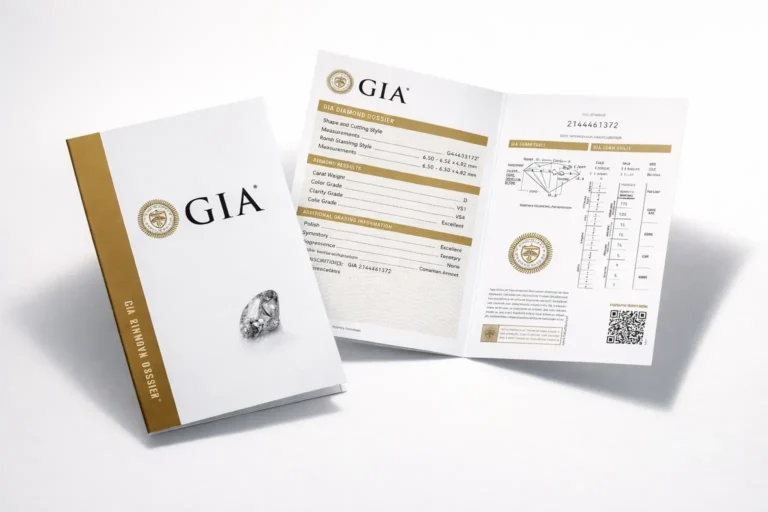
When buying an emerald, consider reports from internationally recognized gemological laboratories such as Gübelin Gem Lab, GIA, GRS, and SSEF.
One important update: Gübelin Gem Lab discontinued the “Insignificant” category on November 1, 2025. Emeralds that previously fell into this category are now reported as “No indications of clarity enhancement.”
Why Are Emeralds Oiled?
In our previous article, Why Do Emeralds Break? Real Experience and How to Protect Them, we discussed the natural fractures and inclusions found in emeralds. Their complex geological formation often leaves them with numerous internal features. Fractures are particularly important because they can affect a gemstone’s durability. An impact may cause an existing fracture to extend, increasing the risk of breakage.
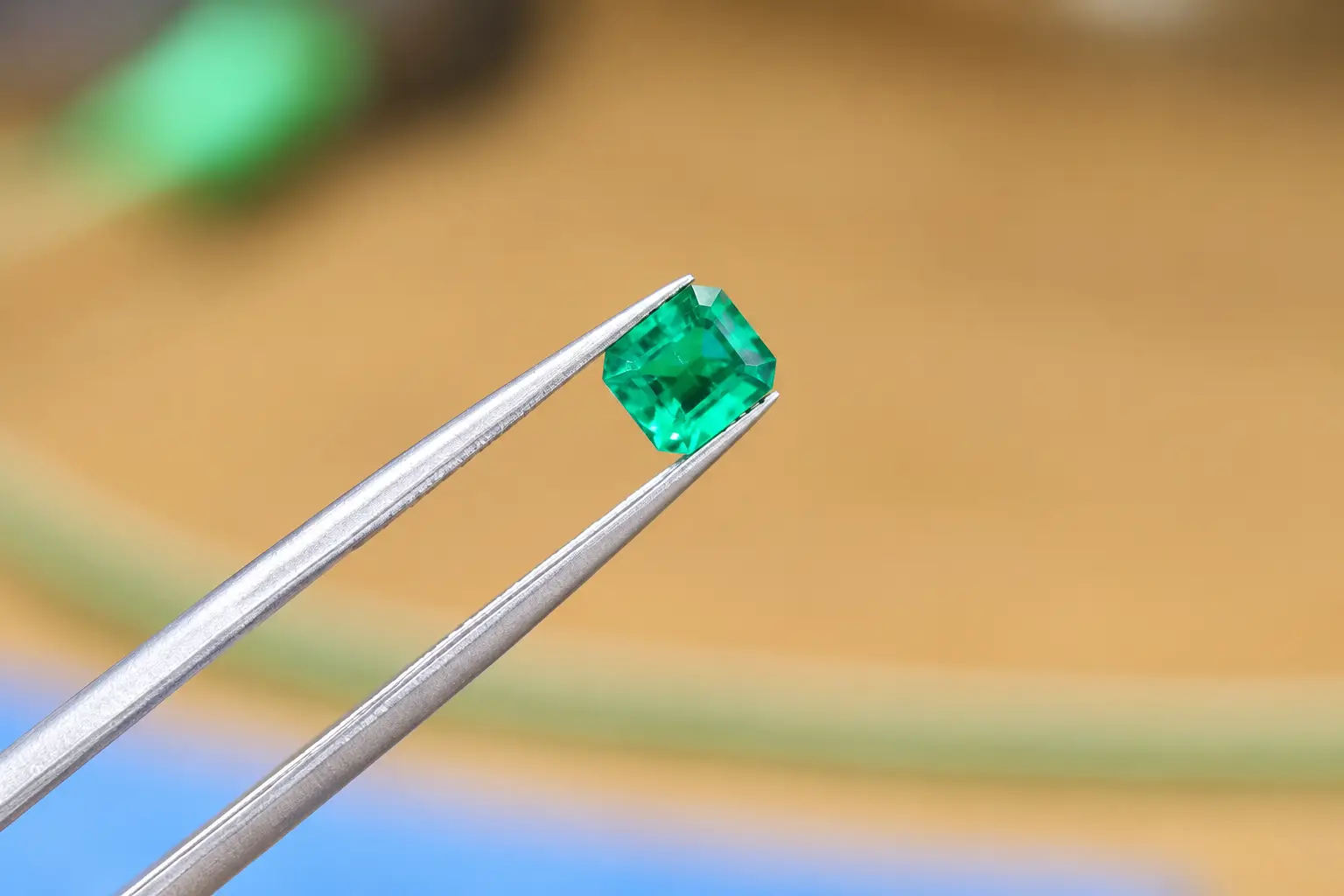
Fractures also affect an emerald’s transparency and visual clarity. To improve their appearance, many natural emeralds undergo clarity enhancement through the filling of surface-reaching fissures with colorless oils or other suitable fillers, often after cutting and polishing.
The process works by filling surface-reaching fractures with a transparent oil that has a refractive index close to that of emerald. This reduces the visual contrast between the fractures and the surrounding gemstone. It also minimizes the white reflections that make fractures more noticeable. As a result, the emerald looks clearer and more transparent.
However, oiling only improves an emerald’s appearance. It does not repair existing fractures or strengthen the gemstone mechanically. The fractures remain, along with the emerald’s natural brittleness and the durability risks they pose.
The oil filler itself can also deteriorate or escape from the fractures when exposed to high temperatures, chemicals, or improper cleaning methods. When this happens, previously concealed fractures may become visible again.
No Oil Does Not Mean High Quality
Some emerald sellers take advantage of buyers who place too much emphasis on reports stating “No indications of clarity enhancement” or “Minor.” They use untreated emeralds as a major selling point and charge significantly higher prices for them.
When buyers focus too heavily on the clarity enhancement grade, they may overlook the gemstone’s actual quality and end up paying an unjustified premium.
In reality, an emerald with no indications of clarity enhancement is not necessarily a high-quality stone. It may still contain visible inclusions and fractures. Its color may be pale, and its transparency and overall appearance may be unremarkable.
Of course, some emeralds combine rich color, good transparency, attractive clarity, and no indications of clarity enhancement. However, this combination of qualities is rare, and such stones usually command high prices.
International auction sales also show that exceptional emeralds can command high prices despite having undergone clarity enhancement. For example, on May 13, 2024, a 280.84-carat Colombian emerald pendant named The Amazon Queen, which had undergone minor oil enhancement, sold for CHF 2,782,500 at an auction in Geneva (approximately HKD 23.99 million).
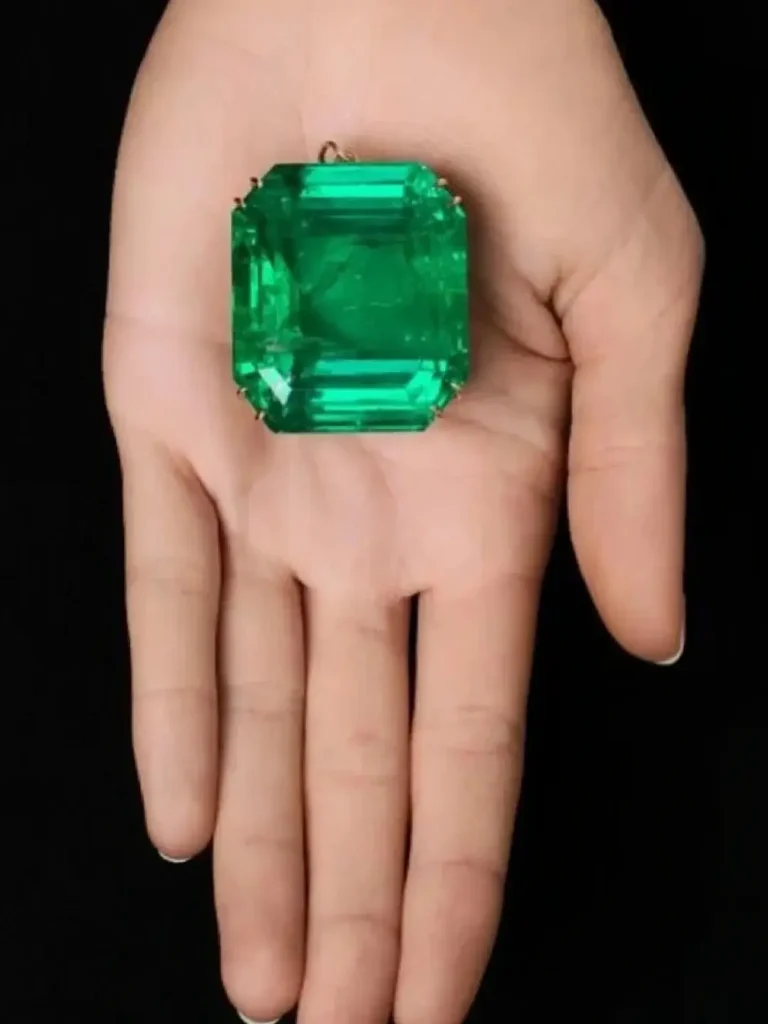
This illustrates an important point: what truly supports an emerald’s value is its overall quality, not a single treatment grade.
Color, transparency, clarity, cut, and the degree of clarity enhancement all deserve consideration. An emerald with no indications of clarity enhancement may have an advantage, but that alone cannot determine the quality of the stone.
Can You Buy an Oiled Emerald?
Let’s return to the original question: Can you buy an oiled emerald?
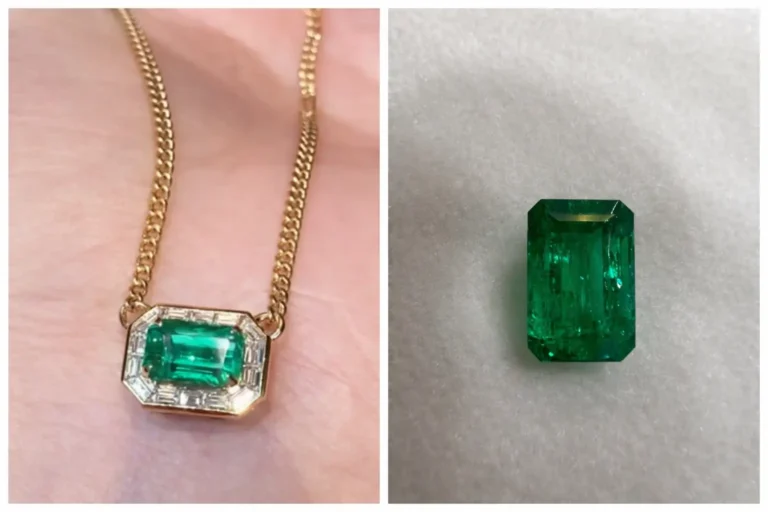
My answer is yes. But you should understand the stone’s actual quality, the extent of its clarity enhancement, and whether the asking price is fair.
For example, some emeralds contain natural fractures, yet the laboratory finds no indications of clarity enhancement. These stones may still receive reports stating “No indications of clarity enhancement.”
Other emeralds may look perfectly clean to the naked eye, but filler in surface-reaching fractures can lead the laboratory to assign a Minor or even higher clarity enhancement grade.
This shows why a clarity enhancement grade cannot tell you everything about an emerald. It reflects the laboratory’s assessment of filler in the stone. It does not directly indicate the emerald’s color, transparency, or overall clarity. Likewise, a report stating “No indications of clarity enhancement” does not mean the stone has no internal fractures or inclusions.
Some emeralds with no indications of clarity enhancement contain numerous visible inclusions and have only moderate transparency. Others with Minor enhancement display excellent color and clarity.
Ultimately, whether an oiled emerald is worth buying depends on its actual quality, the extent of treatment, its price, and whether it meets your expectations.
For most buyers, it makes more sense to compare a richly colored, transparent emerald with minor oil against an untreated stone with pale color and mediocre clarity than to pay an excessive premium simply for the “no oil” label.
Jewea’s Final Thoughts
An emerald’s value should never come down to a single treatment grade.
Rather than focusing solely on a report that states “No indications of clarity enhancement,” I encourage buyers to look at the gemstone itself. Consider its color, transparency, clarity, and overall appearance. Also, make sure you understand the extent of any filler present.
If you have a limited budget, an emerald with attractive color, good transparency, and minor oil may be a better choice than an ordinary-quality stone marketed as untreated at an inflated price.
When buying a high-value emerald, always verify the authenticity and date of its laboratory report. If necessary, have the stone tested again to confirm its current clarity enhancement status.
Remember: You are buying an emerald, not a grade on a laboratory report.