The Ultimate Guide to Australia Gemstones: Nature’s Wonders from Down Under

Are you currently wrapping yourself in heavy wool coats to brave the biting chill? Perhaps you’re staring out the window at the relentless drizzle in London, the stubborn snowbanks of New York, or the lingering mists of the Alps. As the Northern Hemisphere endures the depths of winter, every cell in your body likely craves the warmth of the sun.
Instead of huddling by the fireplace waiting for spring, why not cross the equator and dive straight into summer?
Picture this: you kick off those heavy boots and walk barefoot across the powdery sands of Bondi Beach. You plunge into the shimmering Great Barrier Reef to dance with marine life, or wander through Kangaroo Island for a chance encounter with a koala in the gentle summer breeze.
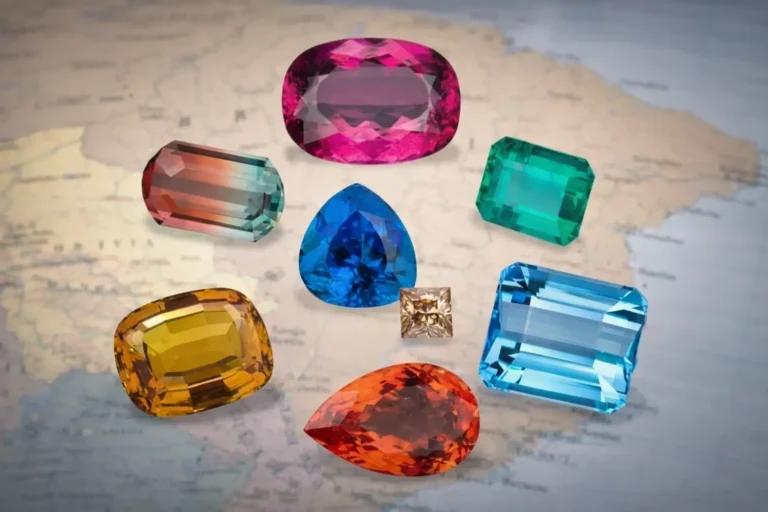
Australia is far more than a sanctuary for nature lovers; it is a breathtaking “Treasury of the World.” Often called “the country sitting on a mine cart,” it boasts over 70 types of mineral resources, including diamonds, gold, and uranium. Today, let’s dive into the heart of this vibrant continent to discover the most spectacular Australia gemstones.
Australia Gemstones Directory
- Opal: The National Gemstone of Australia
- Sapphires: The Australia Gemstones of Deep Blue
- Australian Rubies: A Rare Eastern Find
- Diamonds: The Crown Jewel of Australia gemstones
- Chrysoprase: The “Australian Jade”
- Australian South Sea Pearls: The “Queen of Gems”
Opal: The National Gemstone of Australia
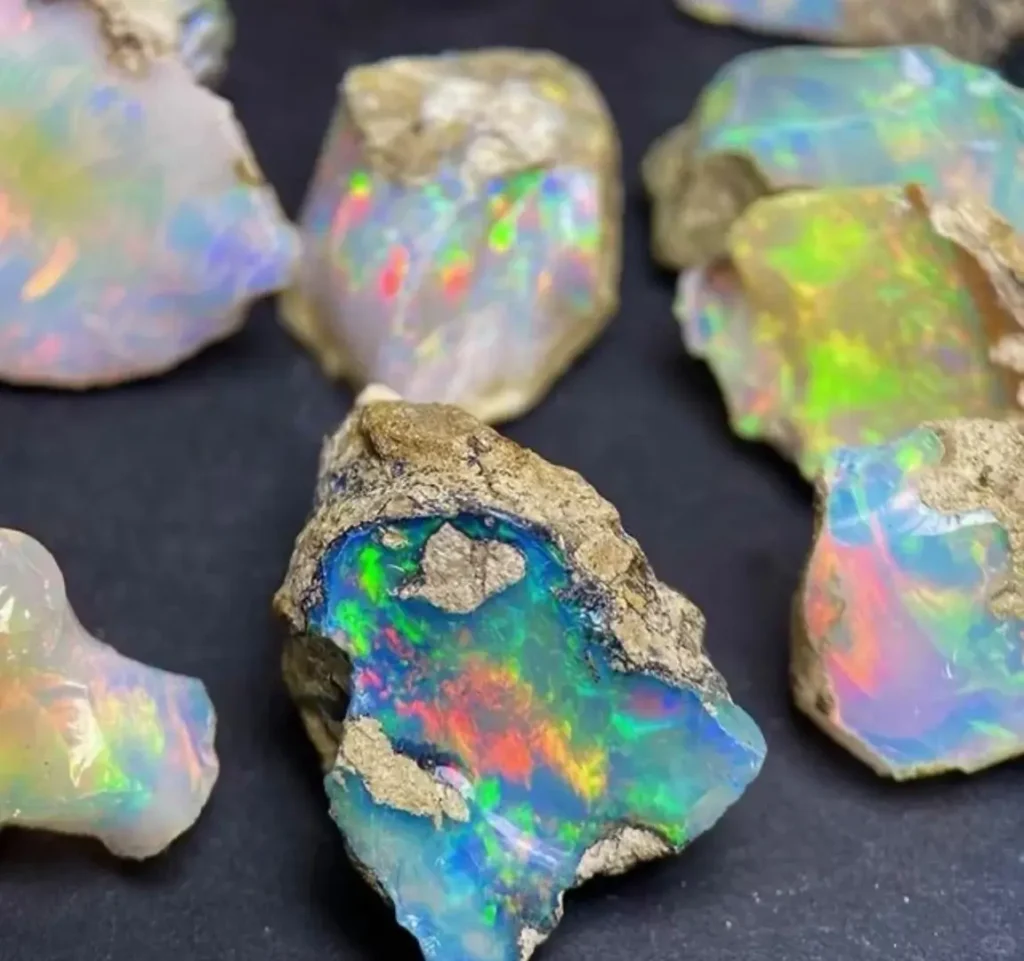
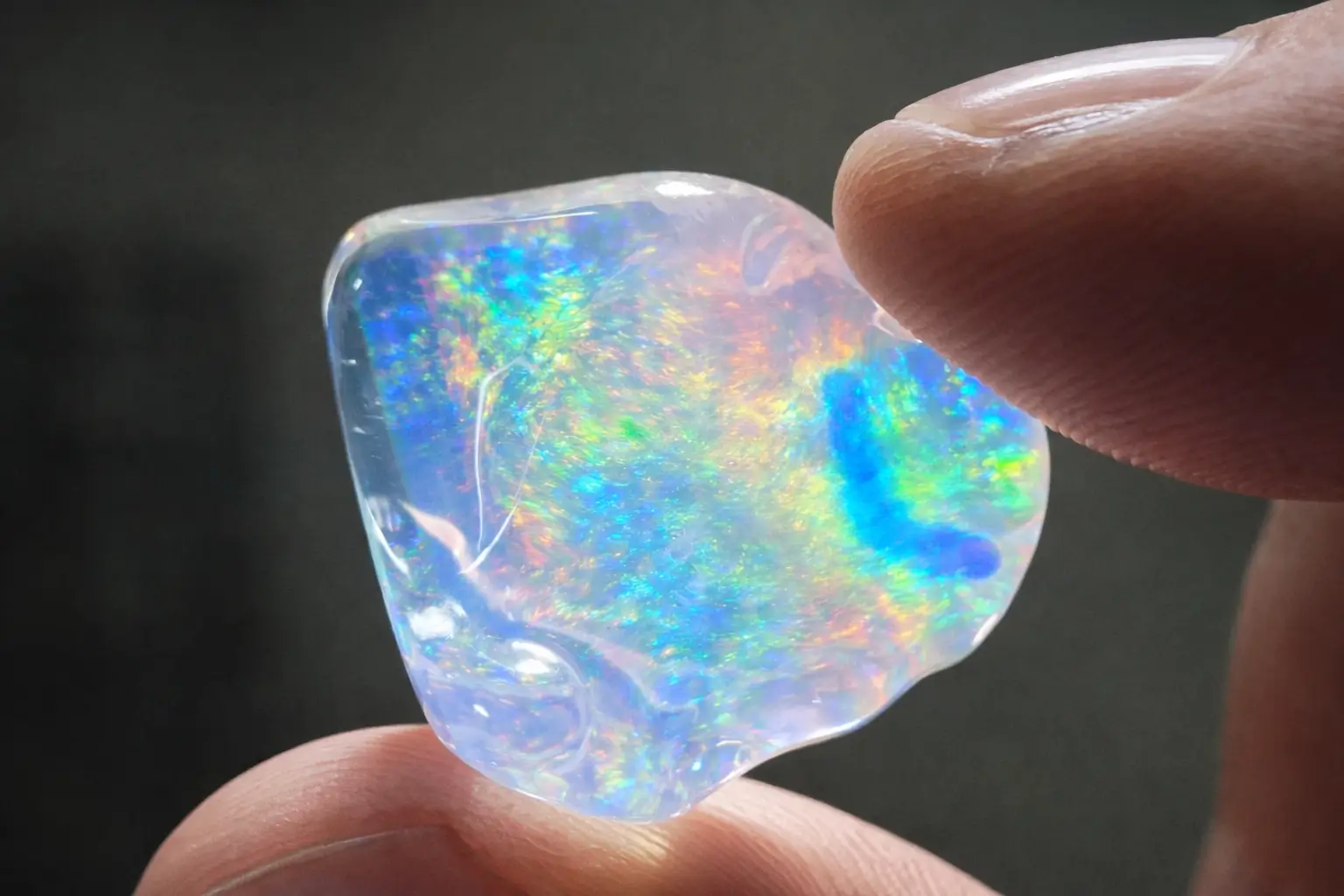
You cannot discuss Australia without mentioning its crowning jewel: the Opal. As the world’s premier source, Australia produces over 95% of the global supply. These treasures emerge primarily from the rugged terrains of New South Wales, South Australia, and Queensland, offering a breathtaking spectrum that includes Black, Crystal, and Boulder Opals.
To help you navigate this dazzling world—from the prestigious Black Opals of Lightning Ridge to the latest market trends—we have curated The Ultimate Opal Buying & Investment Guide 2026, a comprehensive deep dive into identifying, valuing, and preserving these extraordinary gemstones.
Black Opal
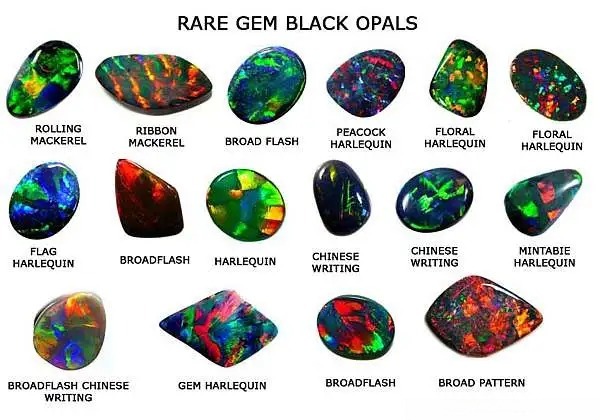
Hailing from Lightning Ridge, New South Wales, the Black Opal reigns as the “royalty” of the opal family. Its dark body tone—ranging from charcoal to deep black—provides a dramatic canvas that makes the “play-of-color” pop with startling intensity. Due to their extreme rarity, Black Opals command high, stable prices. A fine, natural specimen with vivid flashes can easily exceed thousands of dollars per carat, with larger, museum-grade stones reaching astronomical values.
White Opal
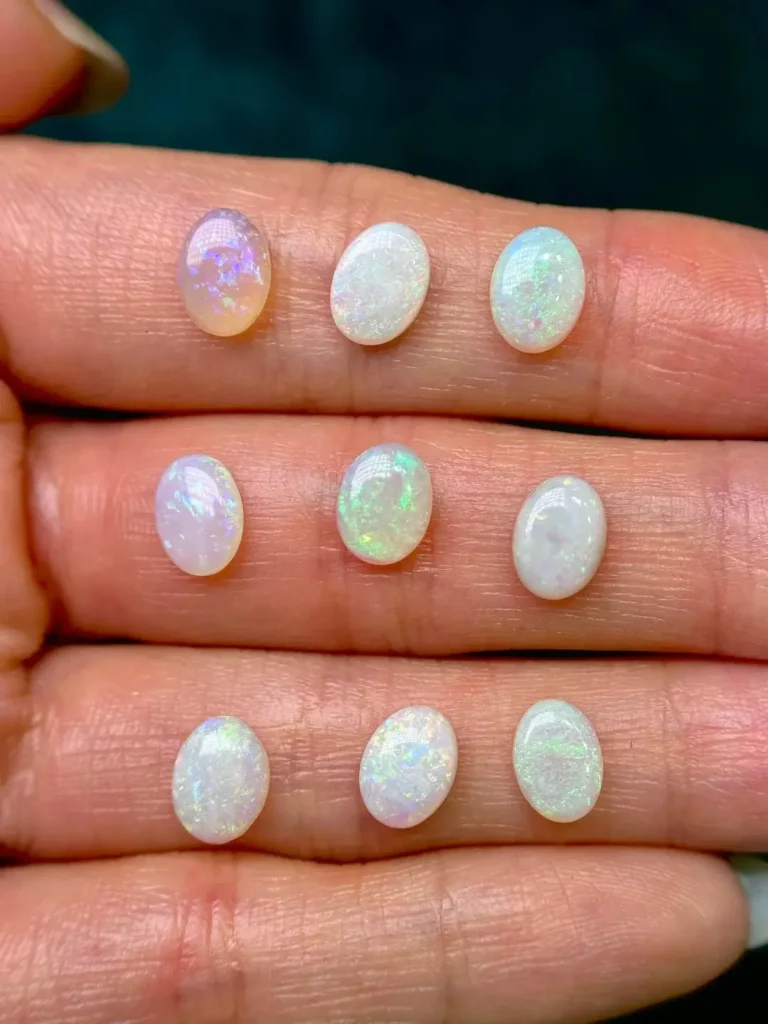
New South Wales also yields the White Opal, characterized by its milky or light body tone. Unlike the dramatic contrast of its black counterparts, the White Opal offers a soft, ethereal glow. Because it is more abundant, it is a popular and accessible choice for those who appreciate a more subtle, delicate elegance.
Crystal Opal
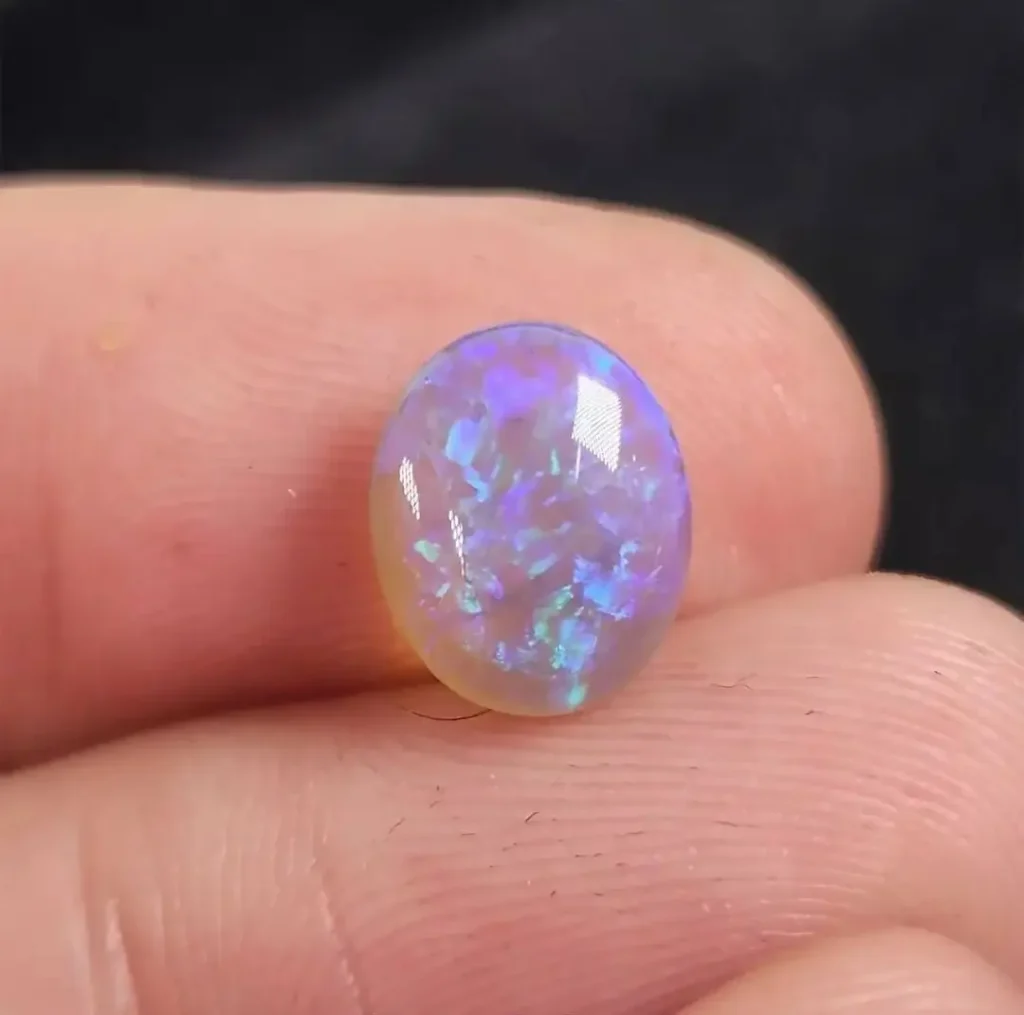
As the name suggests, Crystal Opal features a transparent to semi-transparent body. Depending on its underlying tone, experts may classify these as “Black Crystal” or “White Crystal” opals. Their glass-like clarity allows light to dance through the stone, making them the second most coveted variety after the Black Opal.
Boulder Opal
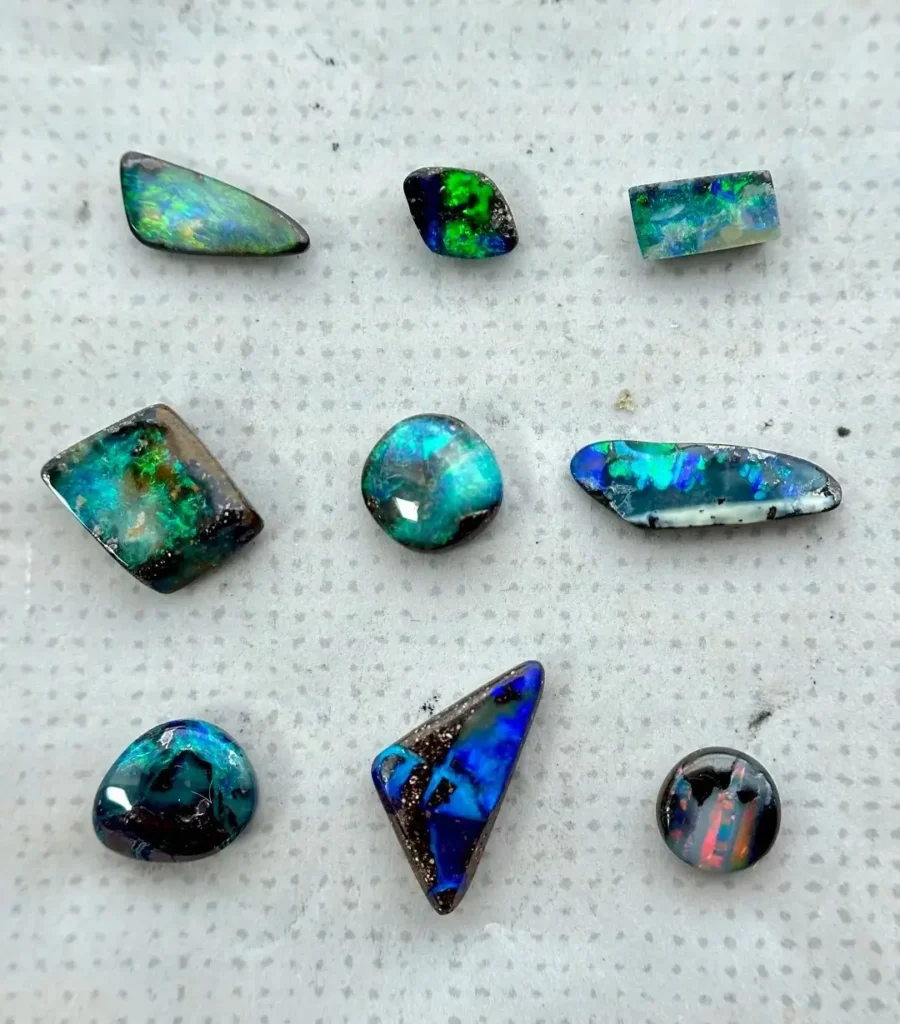
Primarily found in Queensland, Boulder Opal (or Ironstone Opal) is a unique marvel where a thin layer of precious opal remains naturally bonded to its host ironstone. Because the dark ironstone acts as a natural backing, it enhances the brilliance of the opal layer. Jewelers often cut these stones in organic, free-form shapes to preserve this beautiful geological union.
Opalized Fossils
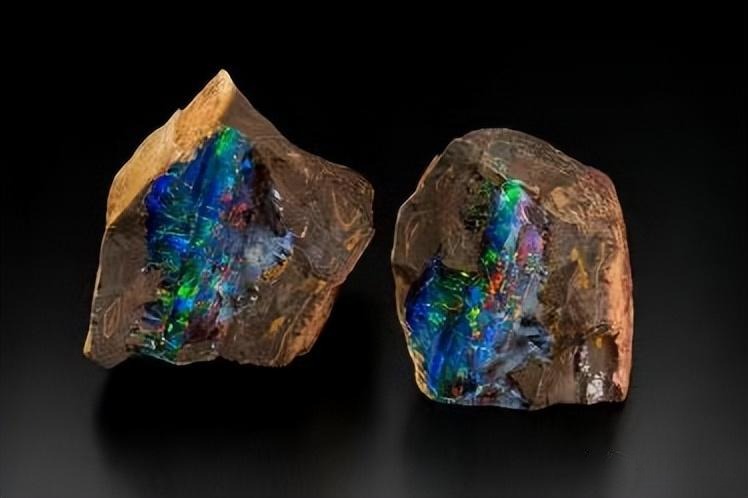
Perhaps the most intriguing variety is the Opalized Fossil. These are literal “treasures of time”—ancient remains of animals, plants, or mineral clusters that have been replaced by opal over millions of years. These specimens do more than just sparkle; they preserve the intricate structures of prehistoric life within a shimmering, iridescent shell. High-quality opalized fossils are exceptionally rare, making them prized holy grails for serious collectors.
Sapphires: The Australia Gemstones of Deep Blue
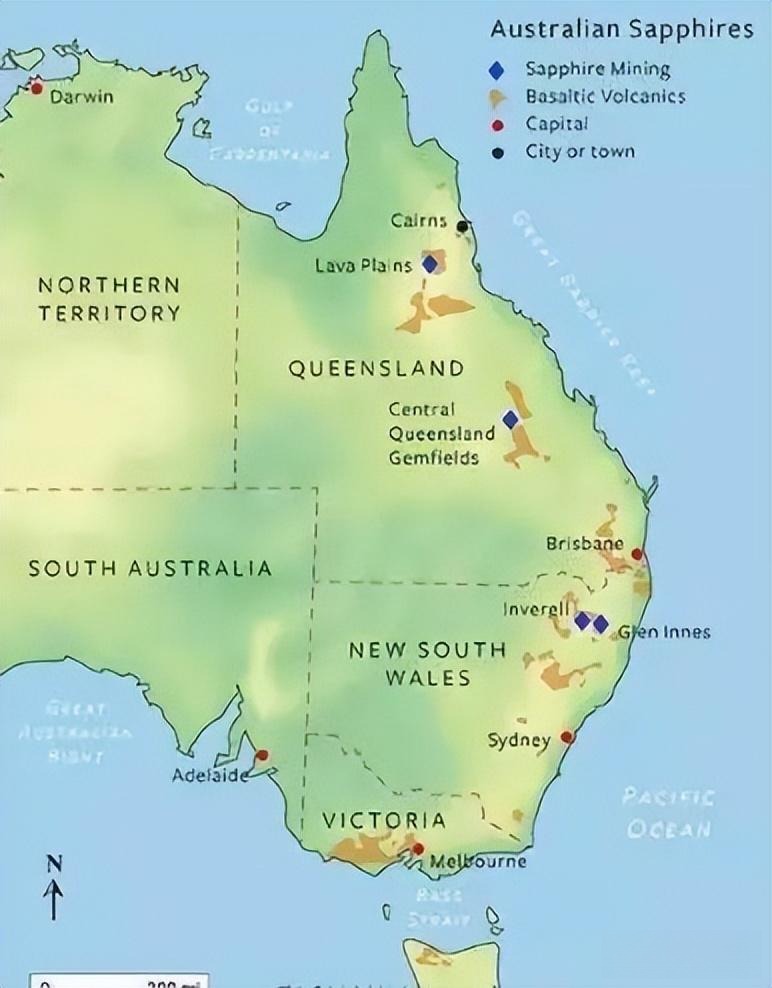
Beyond its famous opals, Australia once dominated the global sapphire market. Most of these stones come from two primary regions: New South Wales and Queensland.
Beyond Australia’s deposits, discover a world of unique, hidden sources in our feature: The Hidden Secrets of Sapphire Origins: Discover the Lesser-Known Sources of September’s Birthstone.
A Century of Discovery and Market Dominance
The Australian sapphire story began in 1851. Initially, miners discovered deposits in the Cudgegong and Macquarie Rivers of New South Wales. Soon after, in 1854, another significant field emerged in Inverell. Within this region, the Kings Plains deposit became legendary. In fact, experts still consider it the richest source of gem-quality sapphires in the country.
By the early 20th century, Australia had already become a leading global producer. However, the industry faced a sharp decline after World War I. During this period, most Australian stones were viewed as too dark or “cloudy” for high-end jewelry. Consequently, they struggled to compete on the world stage.
Fortunately, the industry transformed in the 1960s. This resurgence was driven by Thai gem experts who perfected advanced heat-treatment methods. By heating the dense, dark rough, they successfully lightened the stones to more desirable shades. Because of this innovation, Australian sapphires flooded the market once again. For a time, they even accounted for a staggering 70% of the global sapphire trade.
Character and Composition
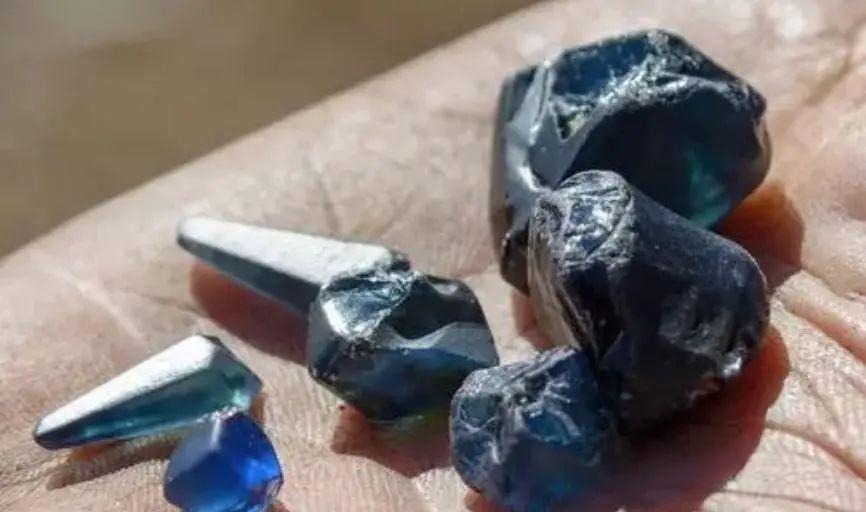
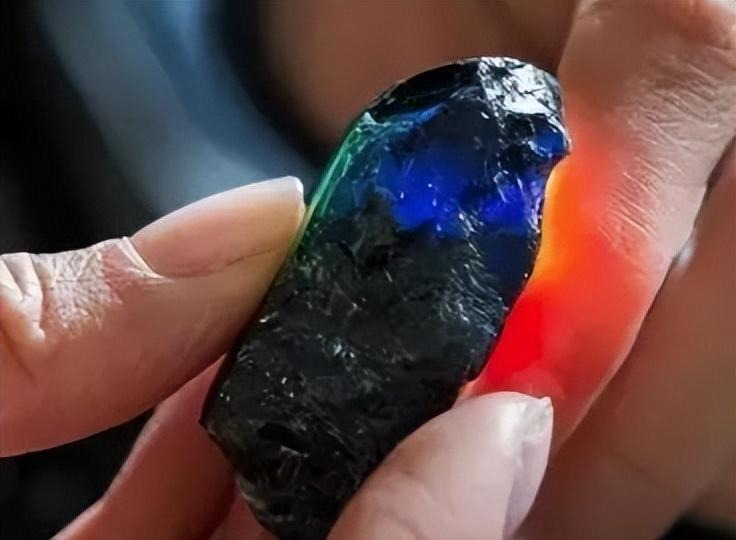
Australian sapphires are known for their high yield, though they often possess a distinctively dark, “inky” appearance due to high iron content. Common characteristics include:
- Deep Coloration: Roughly 85% of production consists of dark indigo or “ink blue” stones.
- Distinct Zoning: Much like the sapphires found in Shandong, China, these stones often display prominent color banding—alternating between deep blue and colorless or pale blue—which can affect their commercial value.
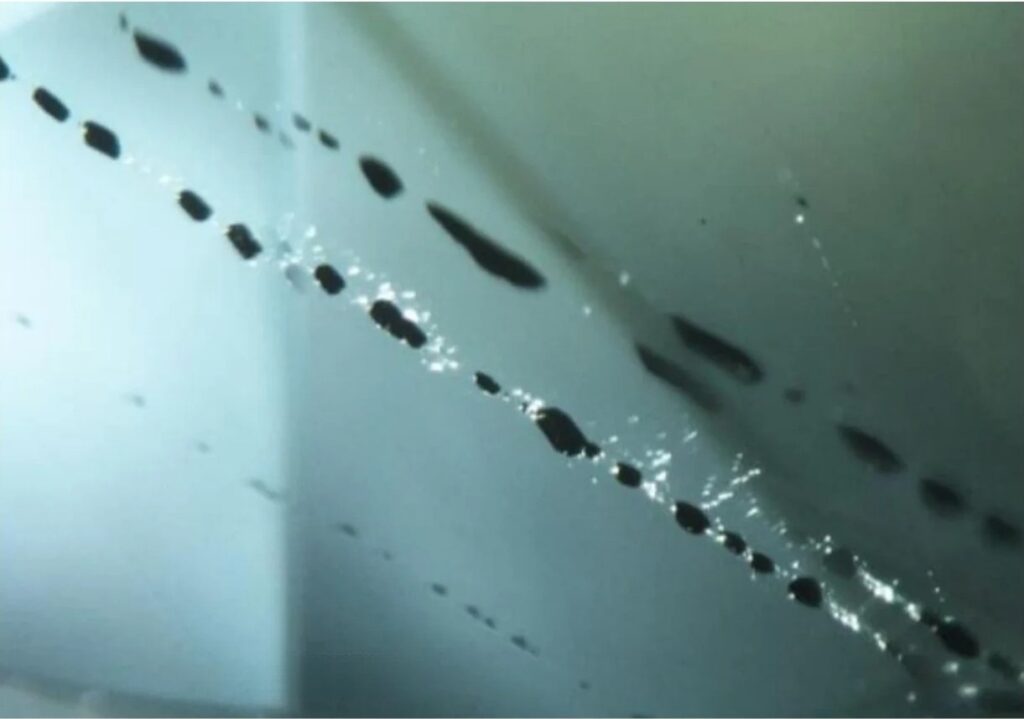
- Inclusions: Many stones contain fine, dust-like inclusions and secondary “healed” fractures, some of which appear twisted, often as a result of heat treatment.
Beyond blue, Australia also produces a vibrant palette of “fancy” colors: 10% are yellow-green, yellow, or pure green, while the remaining 5% include unique bicolors, browns, and translucent pale yellows.
Australian Rubies: A Rare Eastern Find
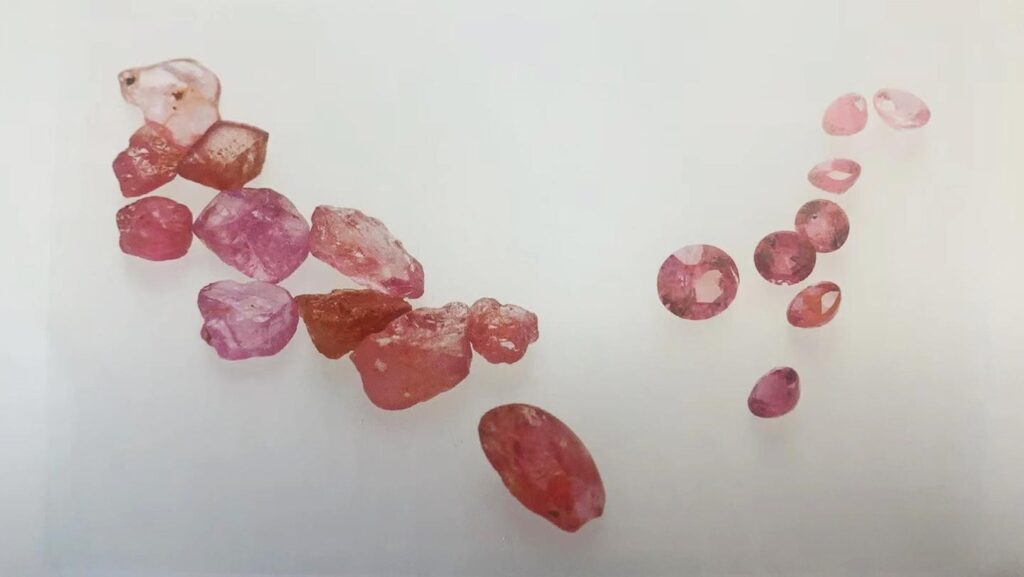
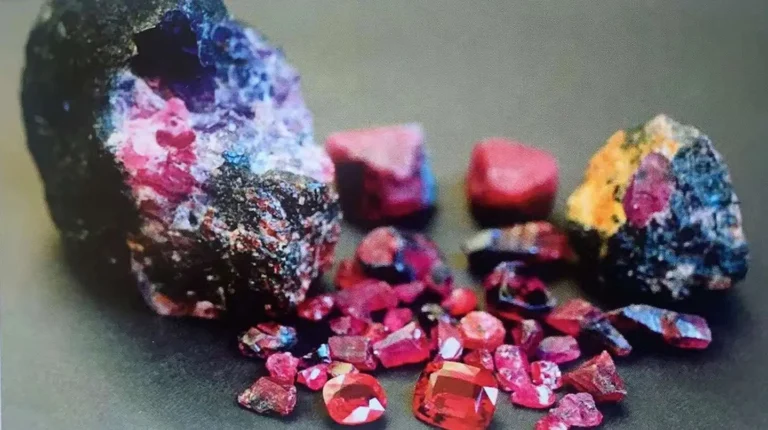
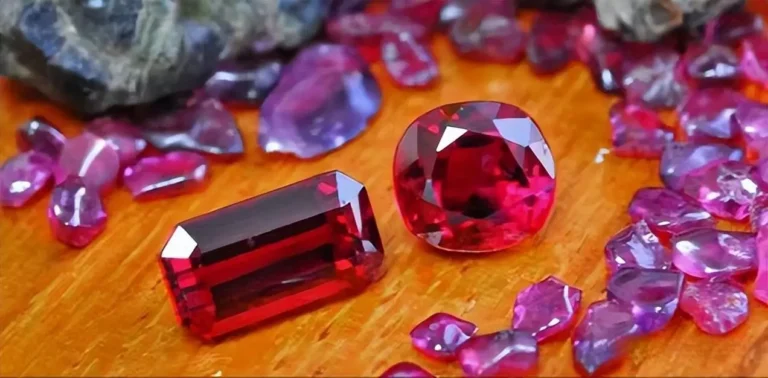
While sapphires are abundant, rubies remain relatively rare across the Australian continent. Currently, these crimson gems appear primarily in the Barrington Tops plateau in the east. This region is significant because it hosts Australia’s only ruby deposit with true economic value.
Geological Character
These rubies formed within basaltic rocks, which gives them a distinct appearance. Typically, the crystals are rounded and show heavy surface wear. Furthermore, their internal world is quite complex. When viewed under a microscope, you can find various mineral inclusions such as zircon, feldspar, columbite, and spinel.
Interestingly, some of these inclusions feature “comet tails,” a signature trait for stones from this region. Unlike many other rubies, however, the color zoning in Australian specimens is usually indistinct. Despite their rarity, these gems offer a fascinating glimpse into the diverse mineralogy of Australia gemstones.
Diamonds: The Crown Jewel of Australia gemstones
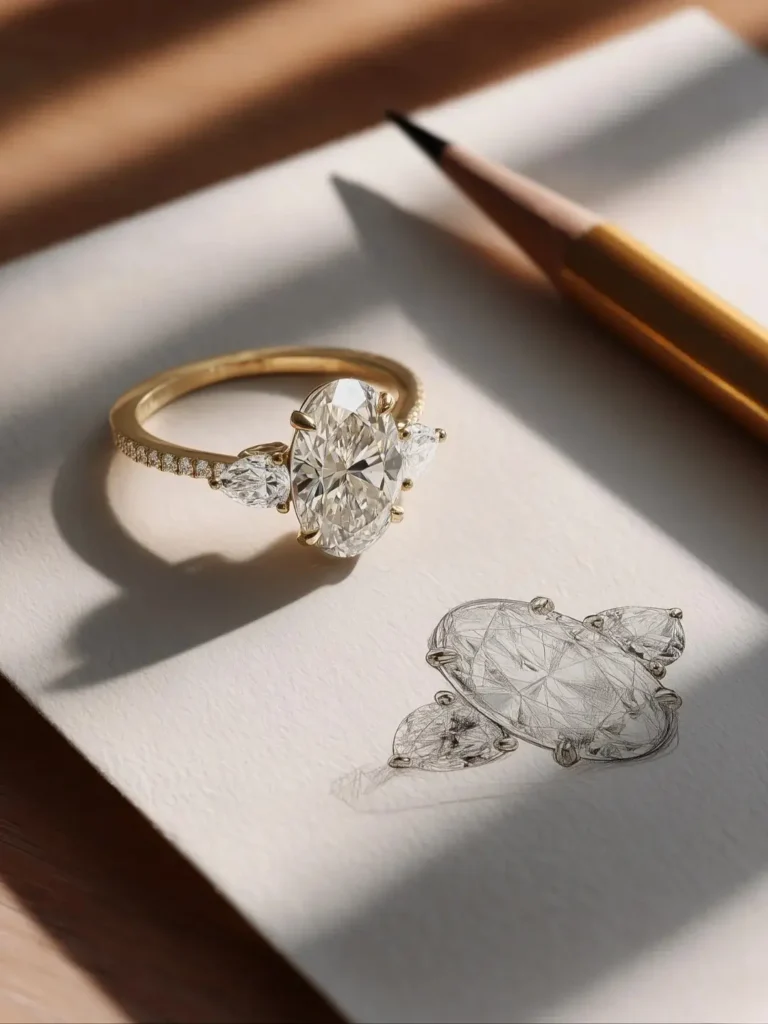
Diamonds remain the undisputed leader of the gemstone world. For decades, they have dominated the industry thanks to their extreme hardness, breathtaking beauty, and brilliant fire.
A Global Production Leader
Australia stands alongside nations like South Africa, Botswana, and Russia as a premier diamond producer. In fact, Australia has often led the world in production volume. Most of these diamonds come from primary deposits. Interestingly, the host rock here is lamproite, rather than the more common kimberlite found elsewhere.
These primary mines are located mainly in the Kimberley region of Western Australia. Within this vast landscape, the Argyle and Ellendale mines represent the most significant sources of diamond wealth.
The Legend of the Argyle Mine
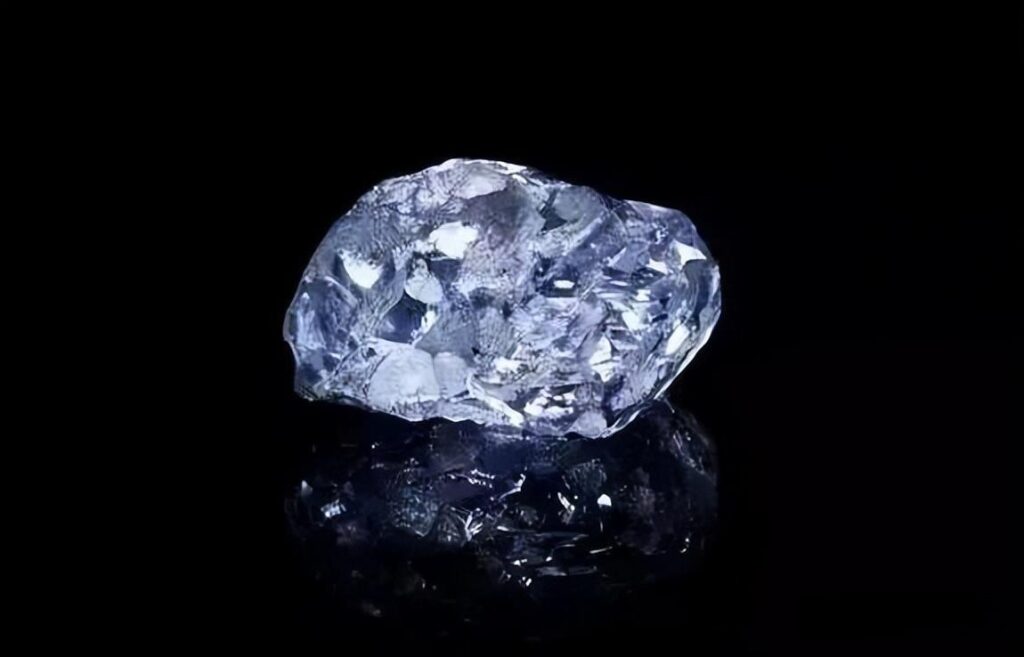
The Argyle mine was Australia’s largest diamond deposit. Located in the remote East Kimberley, it operated from 1983 until its closure in 2020. During its peak, it served as the world’s most important source of fancy colored diamonds.
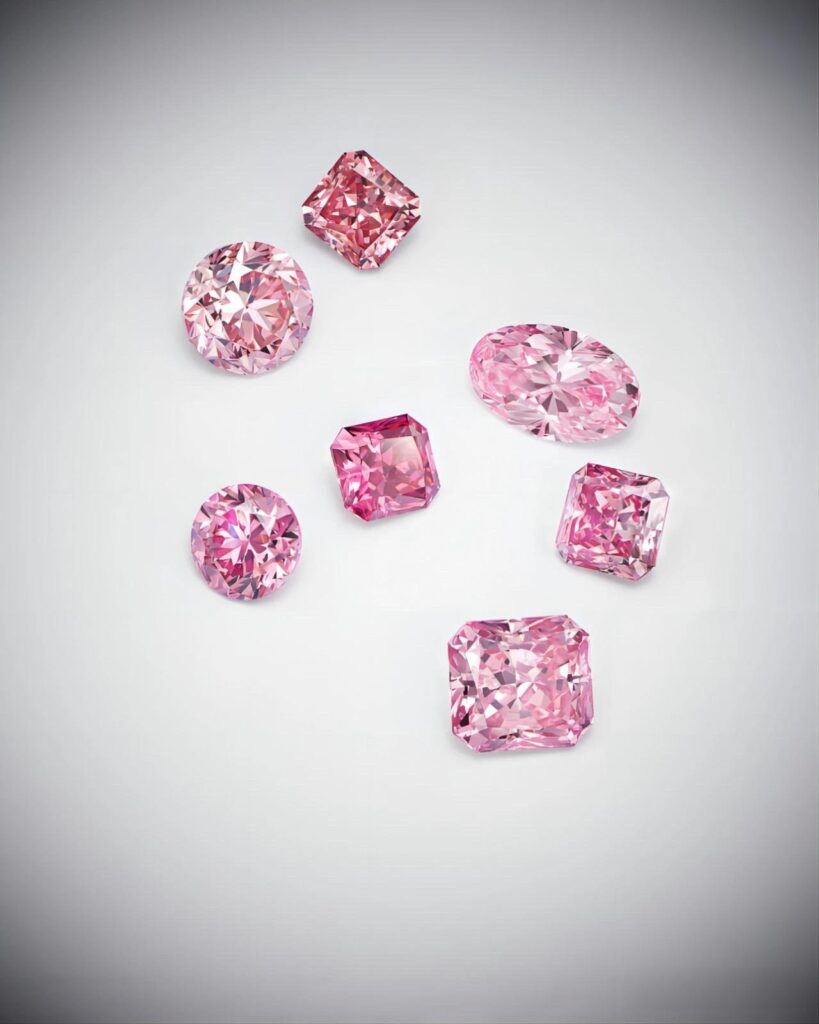
While the mine produced an average of 35 million carats of rough diamonds annually, only 5% reached gem-quality. However, the true treasure lay in the remaining 1%. Australia produced over 90% of the world’s pink diamonds from this single location.
Today, these pink diamonds are incredibly rare. The annual yield of polished pink diamonds was only about 50 carats. Specifically, the Fancy Vivid Argyle Pink Diamonds are international icons of luxury. Because they are so rare and valuable, you will typically only find these masterpieces at elite global auctions. They remain the most coveted category of all Australia gemstones.
Chrysoprase: The “Australian Jade”
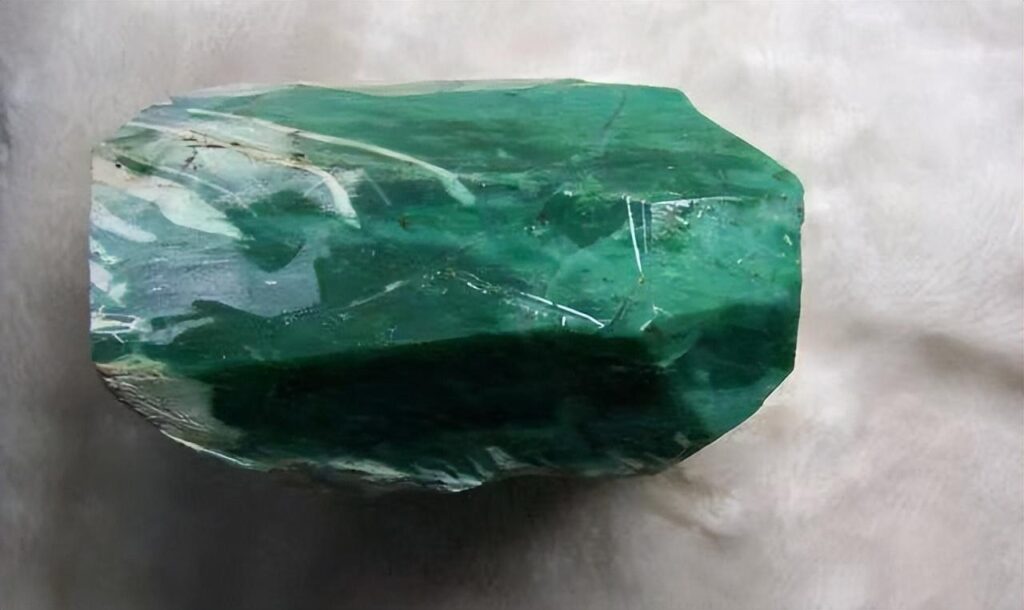
The term “chalcedony” refers to a cryptocrystalline form of silica. Depending on its mineral content and color, it can be classified as white, yellow, red, or blue chalcedony. Among these, the Chrysoprase from Australia is considered the most prestigious variety.
The Beauty of Natural Apple Green
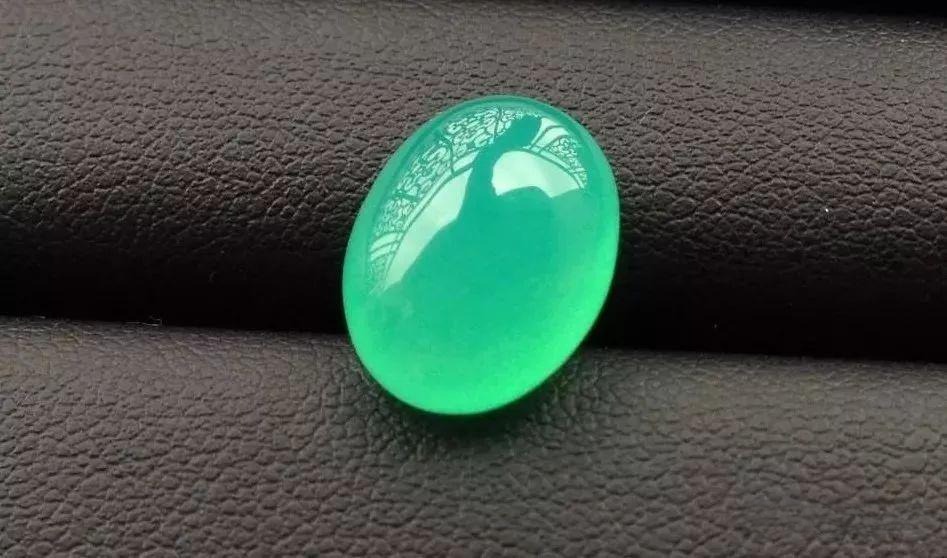
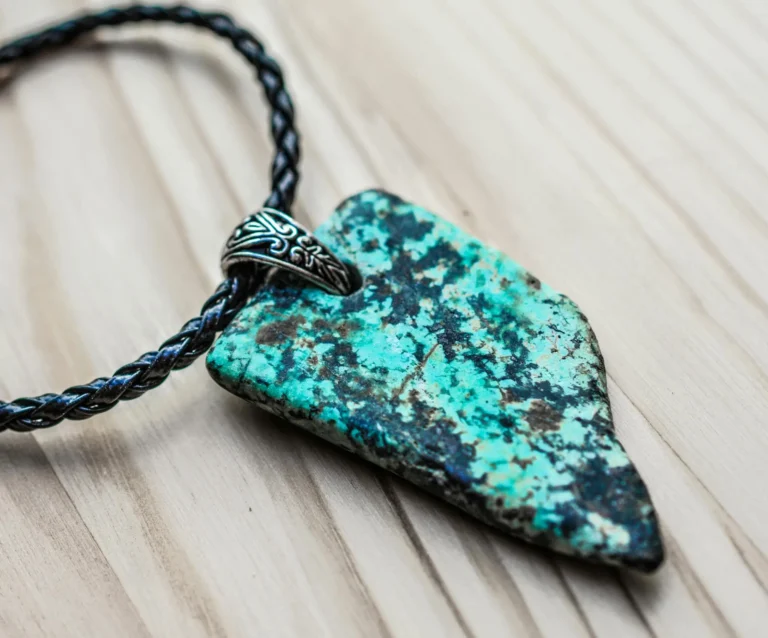
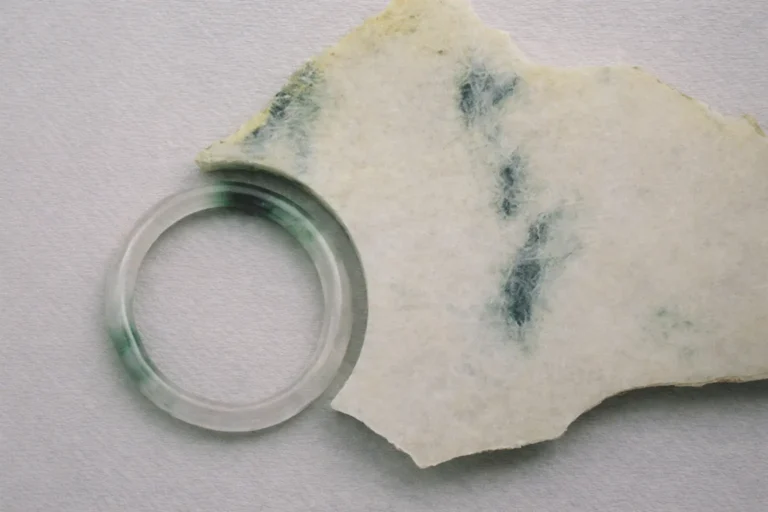
Often called “Australian Jade” (or Ao Yu), this gemstone is primarily mined in Queensland and near Perth in Western Australia. Chrysoprase stands out due to its fine texture and translucent, jelly-like appearance. The presence of nickel oxide grants the stone its signature “apple green” hue, which often features subtle yellow or grey undertones. Because of its excellent luster and transparency, it bears a striking resemblance to high-quality Imperial Jadeite.
A Note for Collectors: Natural vs. Treated
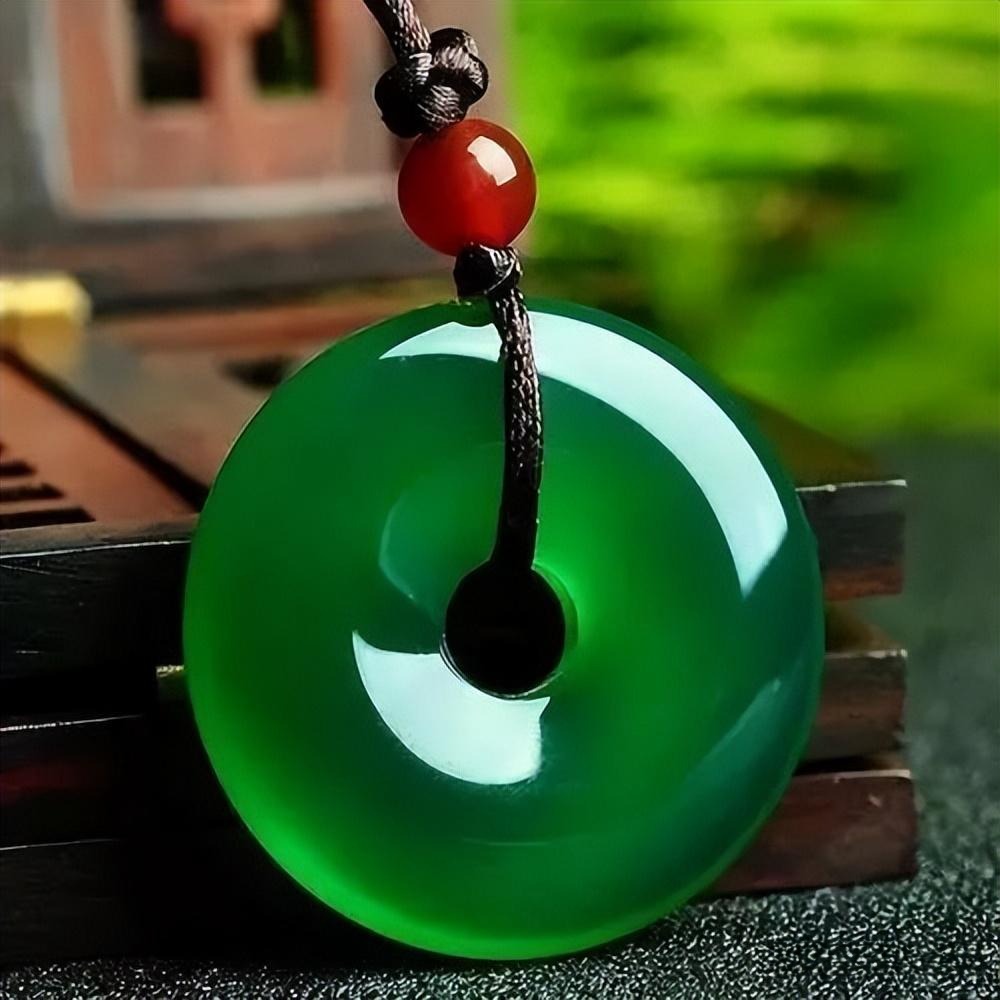
Unfortunately, the market today is flooded with imitations. Many sellers offer white chalcedony that has been dyed green to mimic the real thing. While these dyed stones look vivid and uniform, they often appear “too perfect” or unnaturally glassy.
You will frequently find these treated stones fashioned into bangles, pendants, and cabochons. Frequently, they are sold to unsuspecting buyers looking for a “bargain.” To ensure you are investing in authentic Australia gemstones, always look for the subtle, natural color variations unique to genuine Australian Chrysoprase.
Australian South Sea Pearls: The “Queen of Gems”
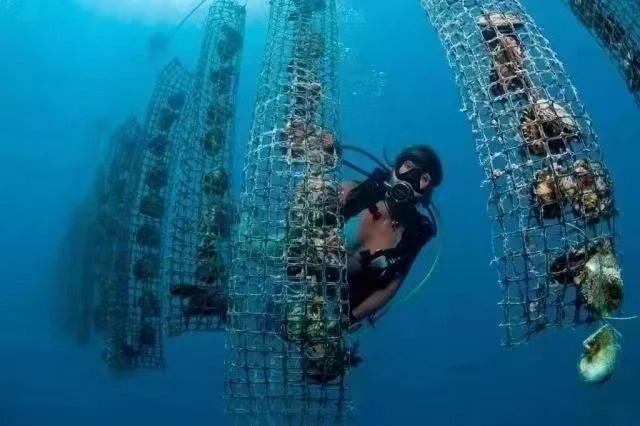
South Sea pearls originate from the pristine coastal waters of the South Pacific, spanning Australia, Indonesia, and the Philippines. Among these regions, Australia stands as the world’s leading producer of white saltwater cultured pearls. In fact, Australia accounts for an impressive 60% of the global market value in this category.
The Majesty of the Silver-Lipped Oyster
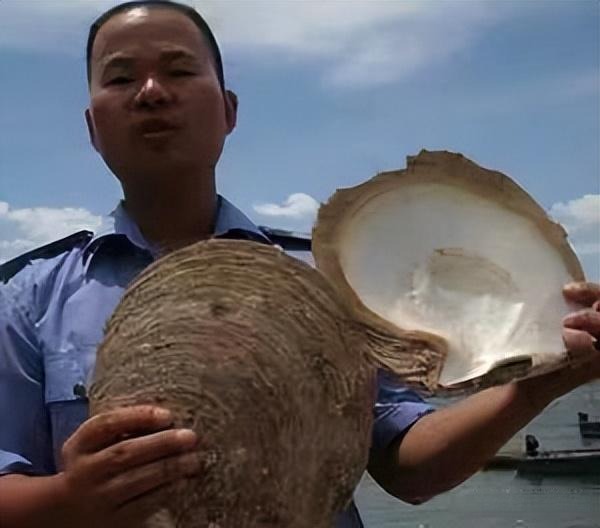
Commonly known as “Australian Whites” (or Ao Bai), these are nucleated pearls grown within the Pinctada maxima (silver-lipped oyster). This oyster is the largest pearl-producing mollusk in the world—roughly 30 times the size of the Akoya oyster. Because of this immense size, it can nurture exceptionally large pearls. Currently, Australia and Indonesia remain the only two major exporters of these magnificent white pearls.
Unmatched Quality and Luster
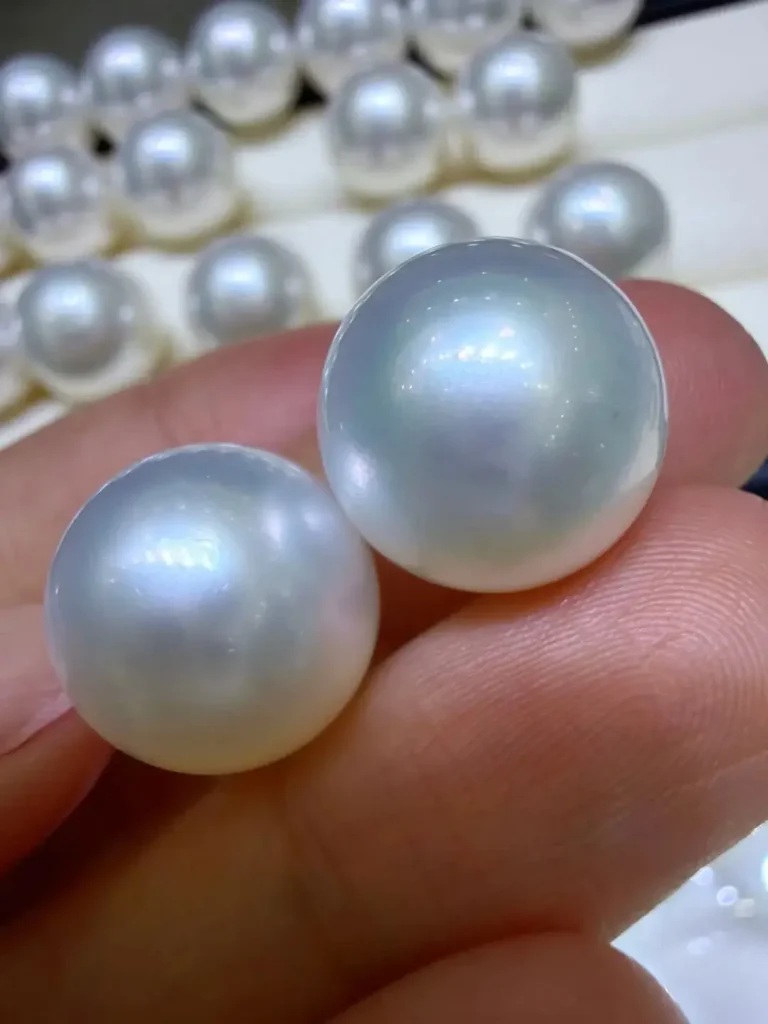
Australian South Sea pearls typically range in size from 9mm to 16mm. While they are predominantly pure white, you may occasionally find subtle overtones like soft champagne. These pearls are world-renowned for several signature traits:
- Exceptional Luster: They possess a deep, “satiny” metallic glow that seems to radiate from within.
- Superior Surface: Their skin is famously smooth and fine, often showing very few natural blemishes.
- Iridescent Orient: These pearls exhibit a captivating play of color, or “orient,” that dances across the surface.
Because of these premium qualities, Australian White pearls have become the “top tier” of saltwater pearls. They continue to hold a prestigious reputation in the international luxury market, standing as a testament to the biological richness of Australia gemstones and treasures.
To compare these treasures with varieties from the Philippines or Myanmar, see our guide: How to Choose a Top-Quality Pearl: Know Its Origin First.
Jewea: Bringing Gemstone Stories to Life
At Jewea, we believe every gemstone tells a story as unique as the person who wears it. From the kaleidoscopic fire of Australian Opals to the ethereal glow of South Sea Pearls, we celebrate the diverse spirit of nature’s most extraordinary treasures.
If you’ve fallen in love with the “apple-green” magic of the Australian outback, you’ll find that same vibrant energy in our Jewea Australian Jade Sweater Necklace. We designed this piece to carry a touch of Southern Hemisphere sunshine into the cooler months, offering a seamless blend of natural elegance and effortless, modern style.
Explore Gemstone Treasures Around the World
Previously in our Gemstone Nations series, we have introduced:
- Afghanistan:
Afghanistan’s Hidden Gemstones: From Panjshir Emeralds to Sar-e-Sang Lapis Lazuli - Brazil:
8 Treasured Brazilian Gemstones from the World’s Colored Gem Capital - India:
Indian Specialty Gemstones: A Guide to Historic Diamonds, Kashmir Sapphires, and Investment Treasures - Colombia:
Colombian Gemstones: Emeralds, Mining Regions, and Investment Value - Thailand:
Thailand Gemstones: From Rubies and Sapphires to the Rising Star of Spinel - Russia:
Russian Gemstones: 9 Extraordinary Treasures from the Urals to Siberia - Tanzania:
Discover Tanzania’s Top 8 Gemstones: The Dark Horse of Africa’s Mineral Wealth - Sri Lanka:
Exploring Sri Lankan Gemstones: What Lies Beyond Rubies and Sapphires?
Today, we added the spectacular Australia gemstones to our map. Of course, every nation on Earth harbors its own unique mineral wonders. Stay tuned as we continue to uncover the hidden treasures of our planet, one country at a time.