Colorful Aluminum and Aluminum Alloy Jewelry: A More Sustainable Approach
At Jewea, we explore how different metals shape handmade jewelry. From silver and copper to titanium and aluminum, each material has its own properties and brings different possibilities to jewelry design.
When people think of aluminum, they often picture beverage cans, kitchenware, or everyday packaging. But aluminum also has a place in jewelry design. It is lightweight, easy to work with, and can take on a wide range of colors through surface treatments. These qualities give designers creative options beyond those offered by traditional precious metals.
Following our article Titanium Jewelry: Lightweight, Durable, and Distinctive Color, we turn to aluminum and aluminum alloy jewelry. We’ll explore the properties of these materials, the coloring techniques used to create their distinctive finishes, and how they shape contemporary jewelry design.
What Is Aluminum?
Aluminum is a lightweight, silvery-white metal and one of the most abundant metallic elements in Earth’s crust. Its low weight, good corrosion resistance, ease of fabrication, and recyclability make it widely used in construction, transportation, electrical systems, packaging, and everyday products.
Recycling aluminum typically requires far less energy than producing primary aluminum from ore. Estimates commonly put the energy required for recycling at around 5% of that needed for primary production. This makes aluminum a valuable material for recycling and reuse.
These properties also open up new possibilities for jewelry design. However, pure aluminum and different aluminum alloys vary in hardness, strength, and workability. Their performance also depends on the material’s composition, processing, and surface treatment.
1. Easy to Work With, Ideal for Varied Designs
Aluminum is highly malleable and can be formed into sheets, strips, rods, and fine wires. Depending on the design, jewelers can cut, bend, hammer, and shape the metal to create textured surfaces, openwork patterns, and irregular forms.
This versatility makes aluminum suitable for simple geometric designs as well as more sculptural and experimental pieces.
2. Corrosion Resistance Comes From Its Natural Oxide Layer
When aluminum comes into contact with air, a thin layer of aluminum oxide forms naturally on its surface. This layer slows further oxidation and helps protect the metal from corrosion.
However, aluminum is not immune to corrosion in every environment. Sweat, strong acids, strong alkalis, and certain chemicals can affect its surface. The composition of the metal and any surface treatments also influence how well aluminum jewelry holds up over time.
3. Lightweight and Well Suited to Larger Designs
Aluminum has a density of about 2.70 g/cm³, much lower than that of common jewelry metals such as copper and silver.
Its low density makes it especially useful for large earrings, bracelets, and other statement pieces with bold shapes or three-dimensional structures. Designers can create eye-catching forms without adding as much weight, giving wearers a lighter feel without sacrificing visual impact.
4. A Wide Range of Colors Expands Design Possibilities
Another advantage of aluminum is its ability to take on a variety of colors through surface treatments.
Anodizing is one of the key techniques used to color aluminum. This electrochemical process creates an oxide layer on the metal’s surface. Depending on the process, the layer can then be colored and sealed to produce a range of finishes, including blue, purple, red, and gold.
Electroplating works differently. It deposits a layer of metal onto a surface, so its process and final appearance differ from those of anodizing. The choice of technique depends on the material and the desired finish.
By combining color, surface texture, and structure, designers can give aluminum and aluminum alloy jewelry a distinctly modern look. They can also pair these materials with gemstones, glass, and other materials to create pieces with greater visual depth and contrast.
How to Care for Aluminum Jewelry
Aluminum’s natural oxide layer helps protect the metal, but scratches, impacts, chemical exposure, and damage to surface finishes can still cause discoloration or changes in its appearance.
Aluminum and some aluminum alloys also have relatively soft surfaces, so proper care helps keep your jewelry looking its best.
- Limit exposure to moisture: Remove your jewelry before showering, swimming, or activities that cause heavy sweating. If it gets wet or comes into contact with sweat, dry it promptly with a soft cloth.
- Keep chemicals away: Perfume, cosmetics, cleaning products, and other chemicals can affect the metal’s surface or colored finish. Apply perfume and skincare products first, then put on your jewelry once they have dried.
- Clean gently: Use a soft, dry cloth to remove sweat and oils after wearing your jewelry. If it needs a more thorough cleaning, choose a method suited to its specific surface finish. Avoid anything that could damage the metal or its color. Take extra care with anodized, dyed, or otherwise treated aluminum, and avoid cleaners unless you know they are safe for that finish.
- Store it properly: When you are not wearing your jewelry, keep each piece in a dry jewelry pouch or box. Store pieces separately to prevent scratches and damage from contact with other jewelry.
Exploring Different Designs in Aluminum and Aluminum Alloy Jewelry
Aluminum and aluminum alloys offer a wide range of possibilities for jewelry design. Their distinctive properties allow designers to explore color, shape, texture, and structure in different ways. Some use anodized aluminum to create vivid colors, while others combine metalworking, collage, and mechanical fasteners to bring different materials together. Each approach reveals new ways to work with aluminum and aluminum alloys in contemporary jewelry.
Anabela Chan: Giving Recycled Aluminum a New Life
London-based jewelry designer Anabela Chan explores the possibilities of combining color with recycled materials in her Blooms collection.
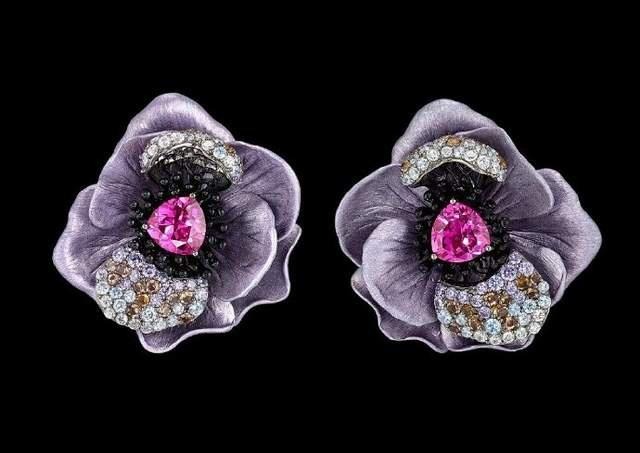
The collection uses recycled aluminum, which Chan shapes and colors to create flower-inspired designs. Vivid petals surround colorful gemstones, giving each piece a striking sense of depth and dimension.
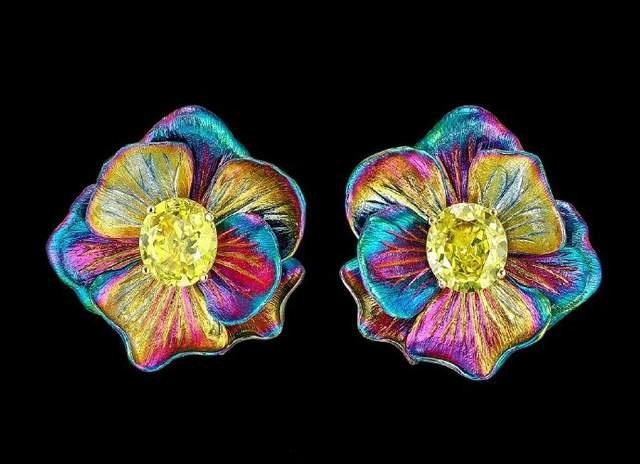
In these designs, aluminum becomes much more than an everyday industrial material. Its light weight makes elaborate forms possible, while the use of recycled metal gives discarded material a new purpose.
Lindsey Mann: Bringing Printmaking, Metalwork, and Botanical Motifs Together
Jewelry artist Lindsey Mann combines printmaking with metalwork, incorporating botanical motifs, collage-like compositions, and layered surface effects into her jewelry and art objects.
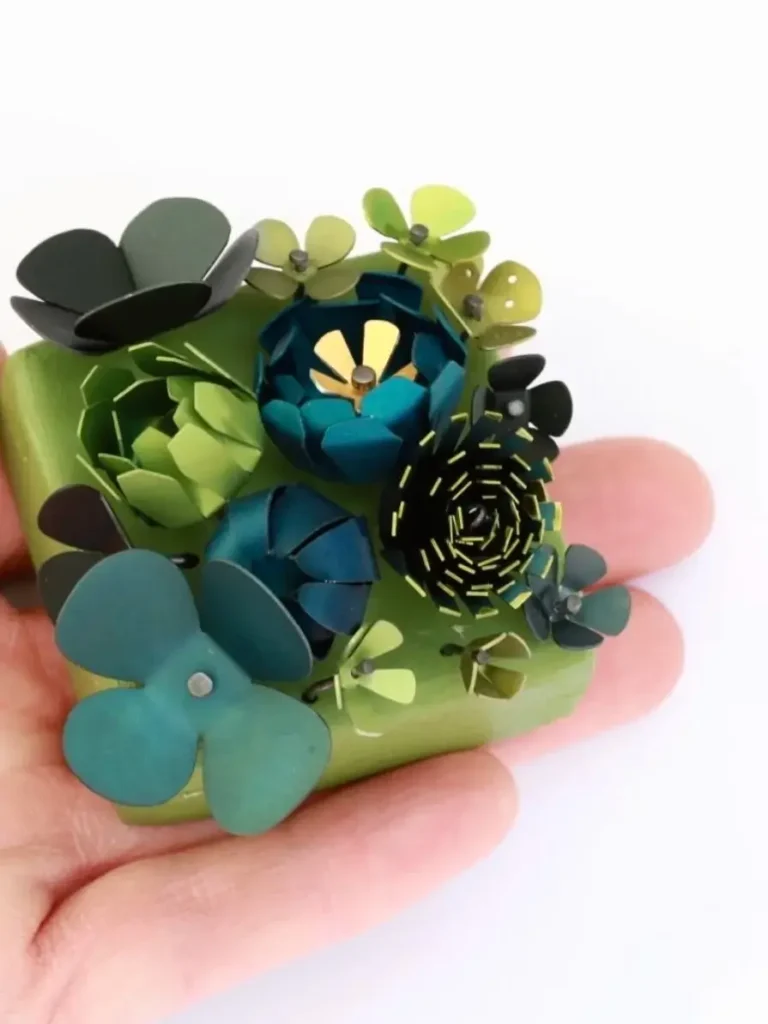
She uses colored anodized aluminum in her work. Anodizing creates a microscopic porous layer on the metal’s surface. Under the right conditions, this layer absorbs dyes, allowing the aluminum to take on a range of colors. Properly treated, the color remains within the oxide layer, creating rich and nuanced surface effects.
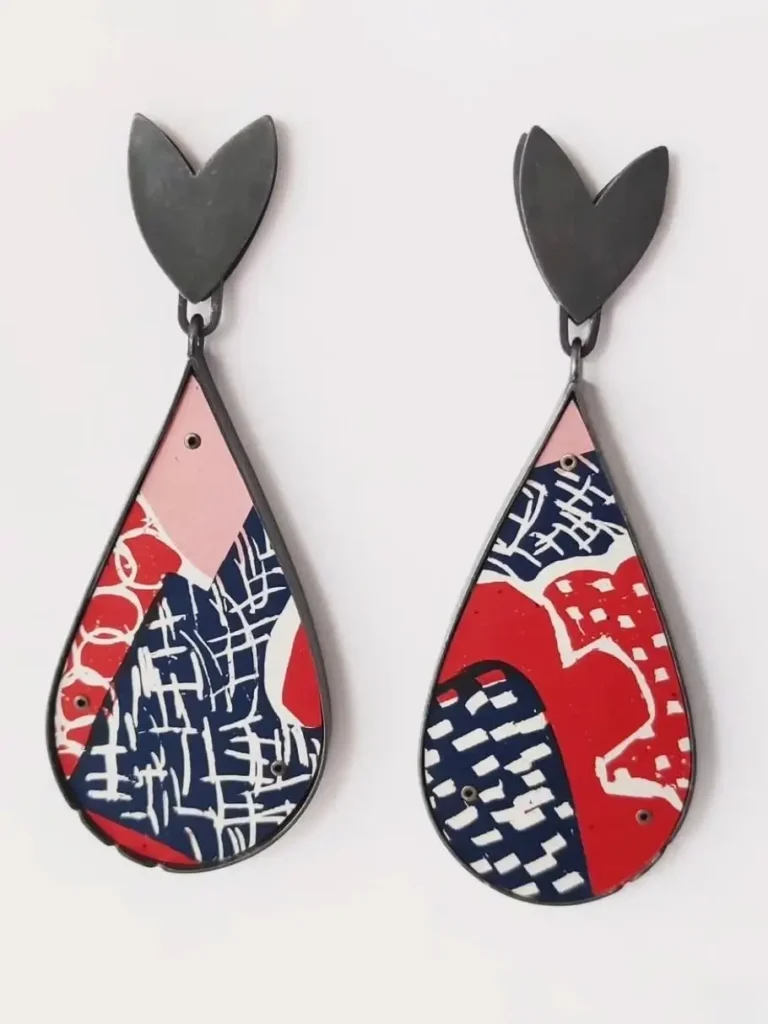
Mann also uses mechanical fasteners, such as rivets and screws, to assemble individual components without relying entirely on welding. Combined with her print-inspired compositions, these techniques create a distinctive contrast between the industrial character of metal and the organic forms of nature.
Suzanne Syz: Exploring Modern Jewelry Through Bold Color
Swiss jewelry designer Suzanne Syz is known for her vivid colors and expressive forms. She experiments with different materials to explore volume, structure, and visual impact in jewelry.
In some of her work, lightweight metals such as aluminum and titanium offer ways to create complex forms. Rather than relying solely on the natural colors of precious metals, these designs emphasize the interplay between light weight, surface color, and overall structure.
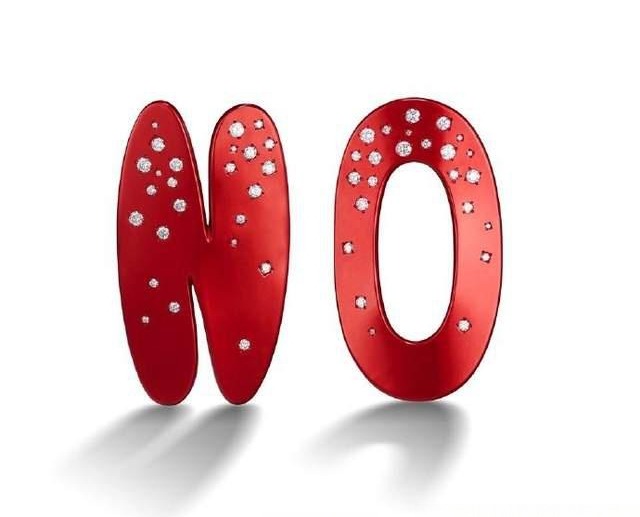
Her Pop Collection features several pieces made from anodized aluminum and finished with electroplating to achieve striking shades of vermilion, sky blue, and vivid pink. These bold colors show how color can shape the character of contemporary jewelry.
Jewea’s Takeaway
Aluminum and aluminum alloy jewelry differs from traditional precious metal jewelry. Its value lies less in rarity or investment potential than in the materials’ distinctive properties and the creative possibilities they offer.
Their light weight, ease of fabrication, and wide range of surface coloring techniques allow designers to create everything from clean geometric forms to vivid, three-dimensional art pieces.
At Jewea, we see aluminum as a material with many possibilities. It can take center stage in a design or work alongside gemstones, glass, and other metals to create different visual effects. Exploring these combinations opens up even more possibilities for handmade jewelry design.