Tridacna Shell Jewelry Identification: A Guide to Natural vs. Imitation
In our previous article, 4 Shell Jewelry Materials from the Ocean: Natural Beauty in Handmade Design, we introduced the unique characteristics of Tridacna shell (giant clam shell) and explored why this natural marine material has become valued in jewelry design.
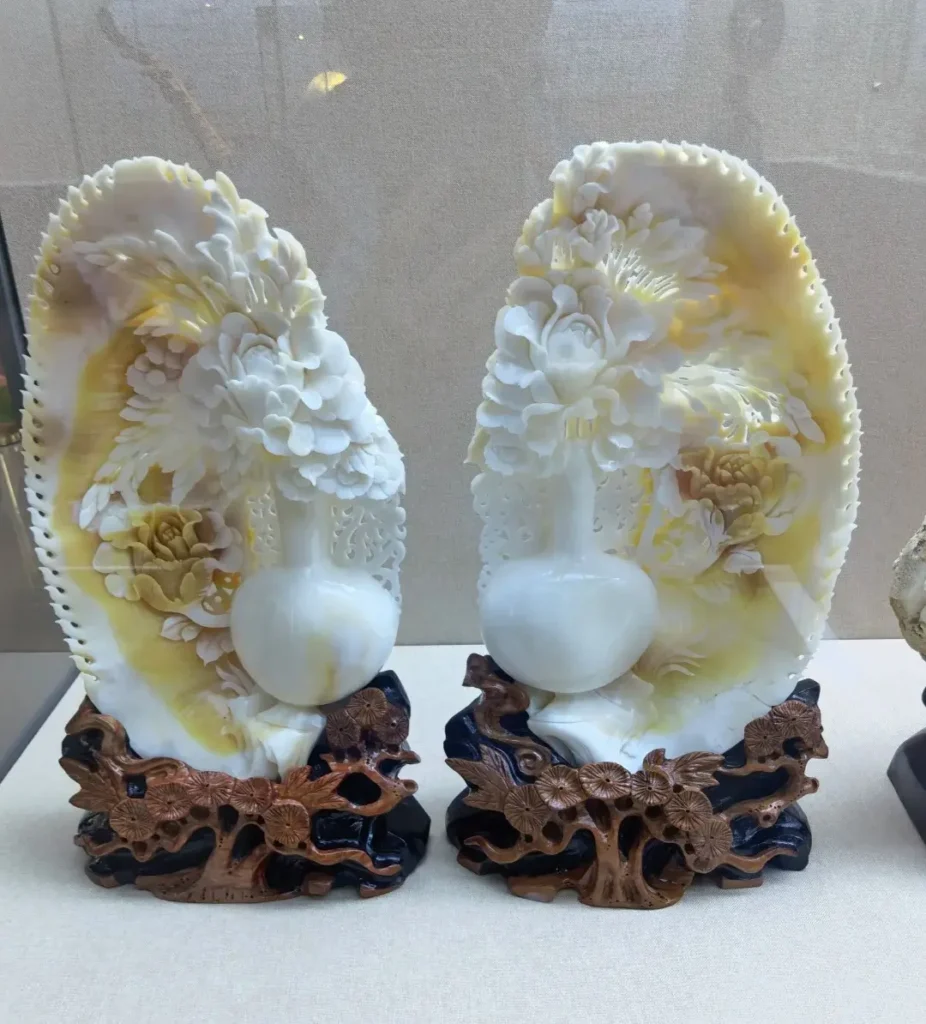
In recent years, natural Tridacna shell has gained increasing attention among organic jewelry designers, collectors, and artists who appreciate natural materials. At the same time, strict international regulations on the harvesting and trade of wild giant clams have made high-quality natural Tridacna shell increasingly scarce.
As demand grows and authentic materials become harder to source, the market has seen a rise in imitation Tridacna shell products. Some use other types of shells as substitutes, while others rely on dyed shell materials or pressed shell powder composites. For many buyers, identifying genuine Tridacna shell jewelry can be challenging.
This guide compares natural Tridacna shell with common imitation materials and explains the key features that help you identify authentic Tridacna shell jewelry, avoid misleading descriptions, and make more informed purchasing decisions.
Common Imitations of Tridacna Shell Jewelry
Online marketplaces offer a wide variety of jewelry pieces labeled as Tridacna shell. However, many imitation materials only mimic the surface appearance of genuine Tridacna shell while differing significantly in their internal structure, surface luster, and natural growth patterns.
The following are some of the most common imitation materials found on the market, along with key features that help distinguish them from authentic Tridacna shell jewelry.
1. Bullmouth Helmet Shell as an Imitation of Blood Red Tridacna Shell
- Natural Blood Red Tridacna Shell
Blood Red Tridacna Shell ranks among the rarest varieties of Tridacna shell material. Natural specimens display soft, layered colors ranging from blush pink and salmon orange to rich, deep red, often featuring faint white growth bands.
Structurally, Tridacna Shell generally shows broader, more linear growth layers. Compared with Bullmouth Helmet Shell, its patterns appear simpler and less twisted. The red coloration often appears deeper and more substantial, while natural pits or small surface marks may occur. Its lighter sections usually remain clean white.
Because high-grade red material remains extremely scarce, artisans mainly reserve it for intricate carvings. Complete bead bracelets or necklaces made from this material are exceptionally rare. - Common Imitations
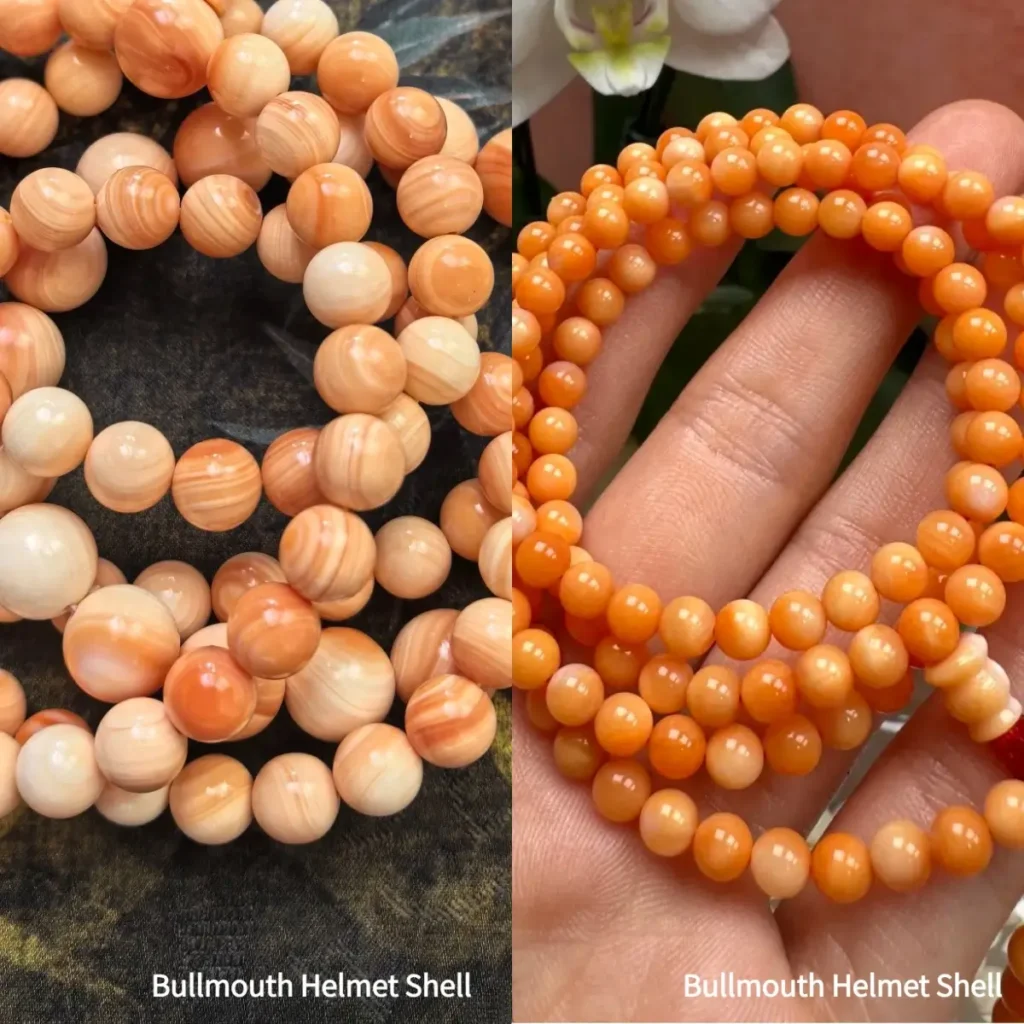
Many so-called “Blood Red Tridacna Shell” bracelets on the market actually come from Bullmouth Helmet Shell (Cypraecassis rufa).
Bullmouth Helmet Shell displays yellowish-orange, amber-brown, or orange-red tones. It often shows fine, wave-like growth patterns with flowing, flame-like curves and complex layered textures. Its red areas are relatively thin, and its lighter sections usually appear pale tan rather than pure white.
Although attractive after polishing, Bullmouth Helmet Shell lacks the delicate pink undertones, deeper red coloration, and warm natural luster of genuine Blood Red Tridacna Shell.
2. Turban Shell as an Imitation of Luminous Tridacna Shell
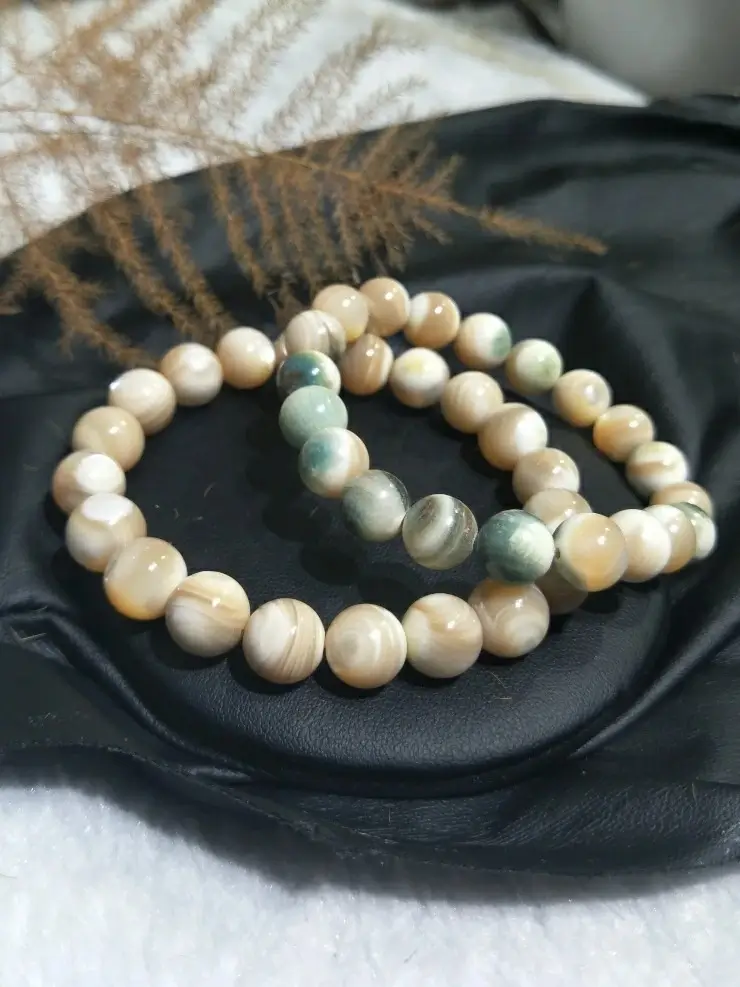
- Natural Luminous Tridacna Shell
Natural Luminous Tridacna Shell displays a soft, pearl-like luster with an understated and calm appearance.
Its beauty comes from light interacting with the shell’s internal structure, rather than a sharp, glass-like shine created by surface reflection. - Common Imitations
Turban Shell (Turbo marmoratus) is sometimes polished and used as an imitation because of its thick nacre layer and strong pearly sheen.
After polishing, Turban Shell can develop a bright, highly reflective surface. While it may appear more brilliant and transparent, it lacks the depth, warm texture, and soft natural layering found in genuine Luminous Tridacna Shell.
3. Trochus Shell as a Common Imitation of Gold-Thread Tridacna Shell
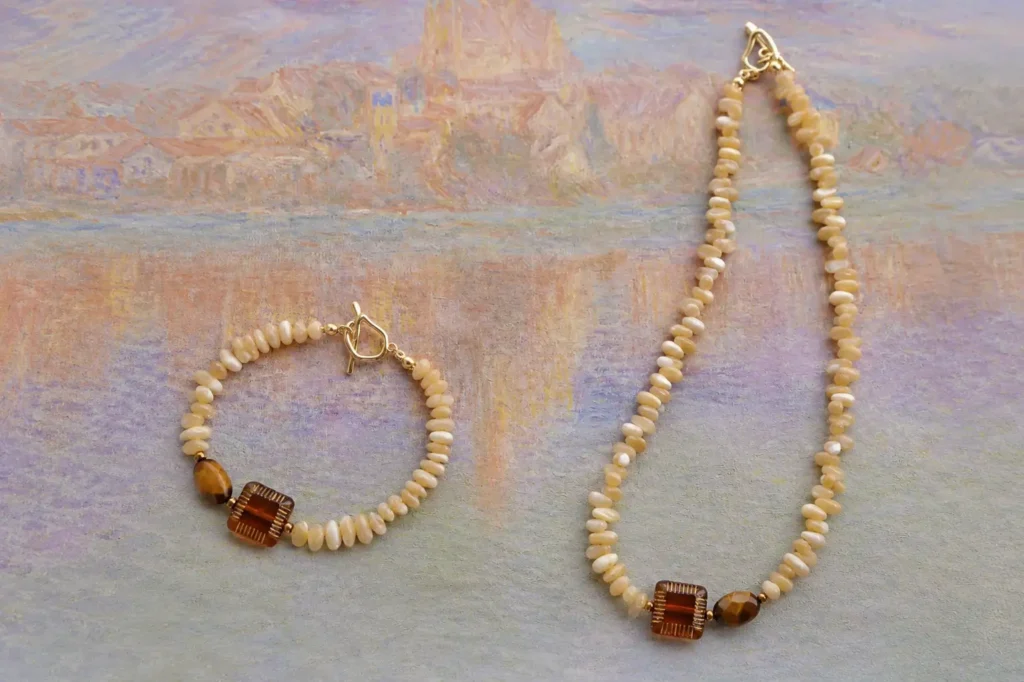
- Natural Gold-Thread Tridacna Shell
Natural Gold-Thread Tridacna Shell usually features an ivory or creamy white base marked by natural golden-brown bands and thread-like patterns.
These patterns form through subtle structural changes as the shell develops. Some pieces may also display a delicate chatoyancy (cat’s-eye effect) across the surface. - Common Imitations
Trochus Shell (Rochia nilotica) is widely used for buttons, fashion accessories, and handcrafted jewelry because of its glossy nacre structure and warm pearly luster. However, it is sometimes polished and marketed as imitation Gold-Thread Tridacna Shell.
Unlike natural Gold-Thread Tridacna Shell, Trochus Shell usually displays a more uniform golden-yellow color. It lacks the distinctive contrast between an ivory base and naturally layered golden-brown threads.
Despite these differences, Trochus Shell remains a beautiful natural material valued for its reflective nacre surface and elegant golden tones. This unique shell is also crafted into Trochus Shell jewelry featuring polished beads and warm pearly luster.
4. Dyed Freshwater Pearl Mussel Shell as an Imitation of Pink-Toned Tridacna Shell
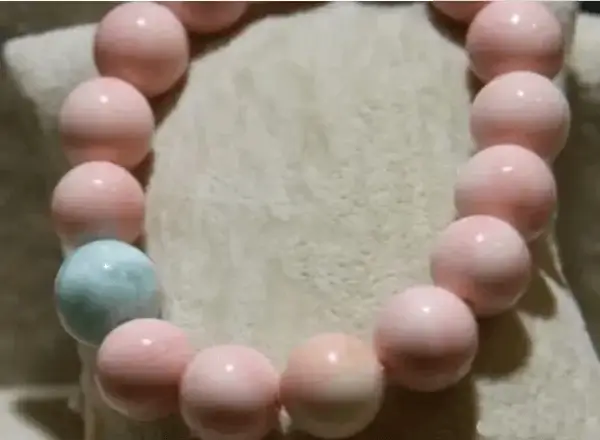
- Natural Pink-Toned Tridacna Shell
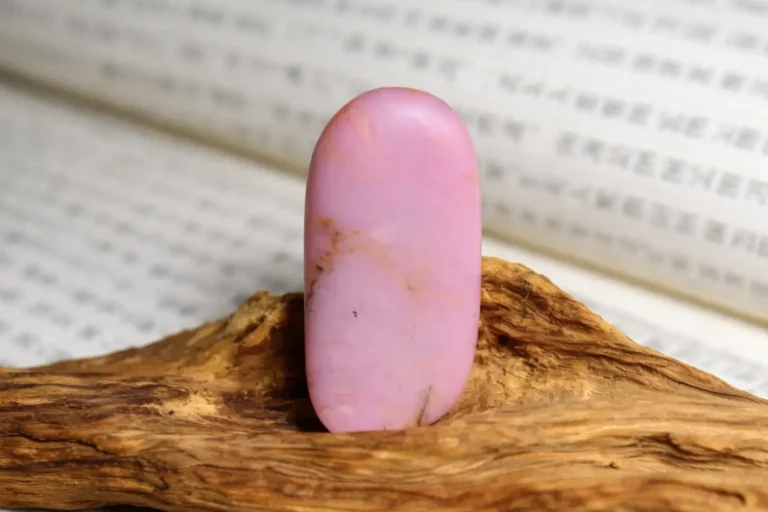
Natural Tridacna Shell with pink tones can display gentle shades ranging from soft blush pink and pale rose to delicate warm white.
Its appeal comes from natural color formation, fine internal texture, and a soft pearly luster. - Common Imitations
Some budget-friendly products labeled as “Pink Tridacna Shell” may be made from dyed shell materials, including freshwater pearl mussel shell (Hyriopsis cumingii).
Dyed shells often show overly bright, uniform colors. They lack the natural color variation, subtle layering, and gentle translucency found in natural Tridacna Shell.
Common Varieties of Natural Tridacna Shell
Understanding the visual characteristics of different Tridacna shell varieties helps you evaluate their quality and value.
1. Pure White Tridacna Shell
White Tridacna Shell is one of the most common varieties and is widely used in traditional prayer beads, carvings, and jewelry design.
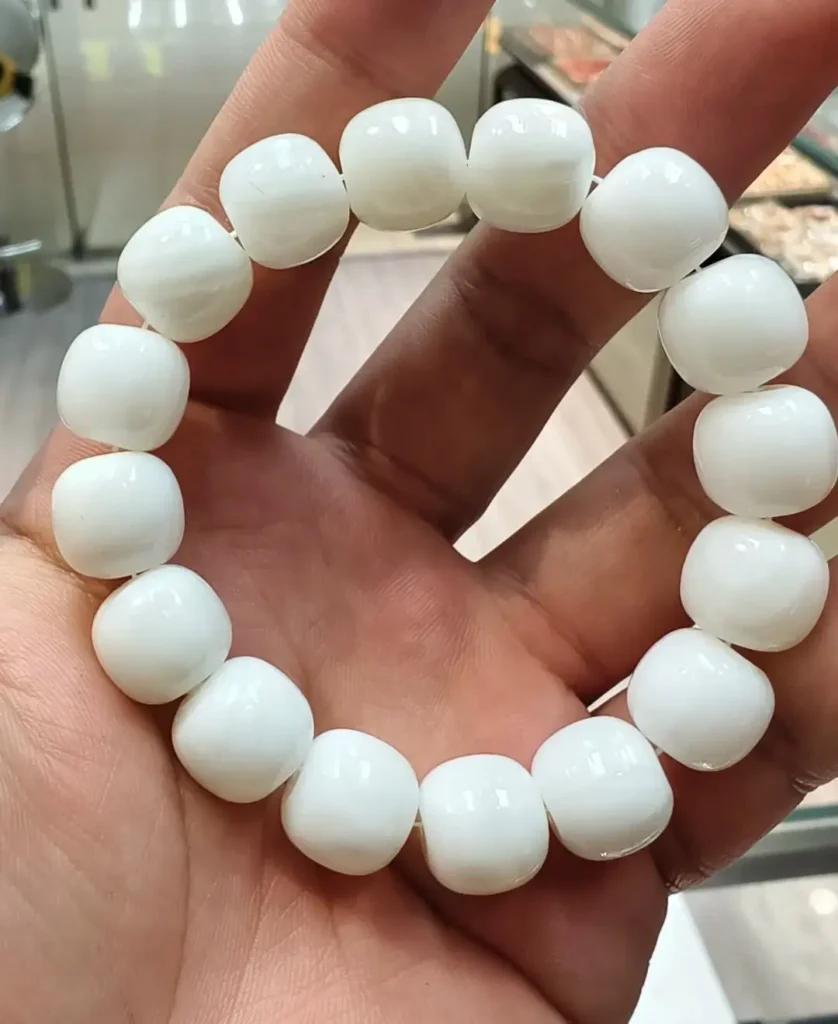
High-quality specimens do not appear as plain, flat white. Instead, they display soft milky or ivory tones with a warm, pearly luster.
2. Gold-Thread Tridacna Shell
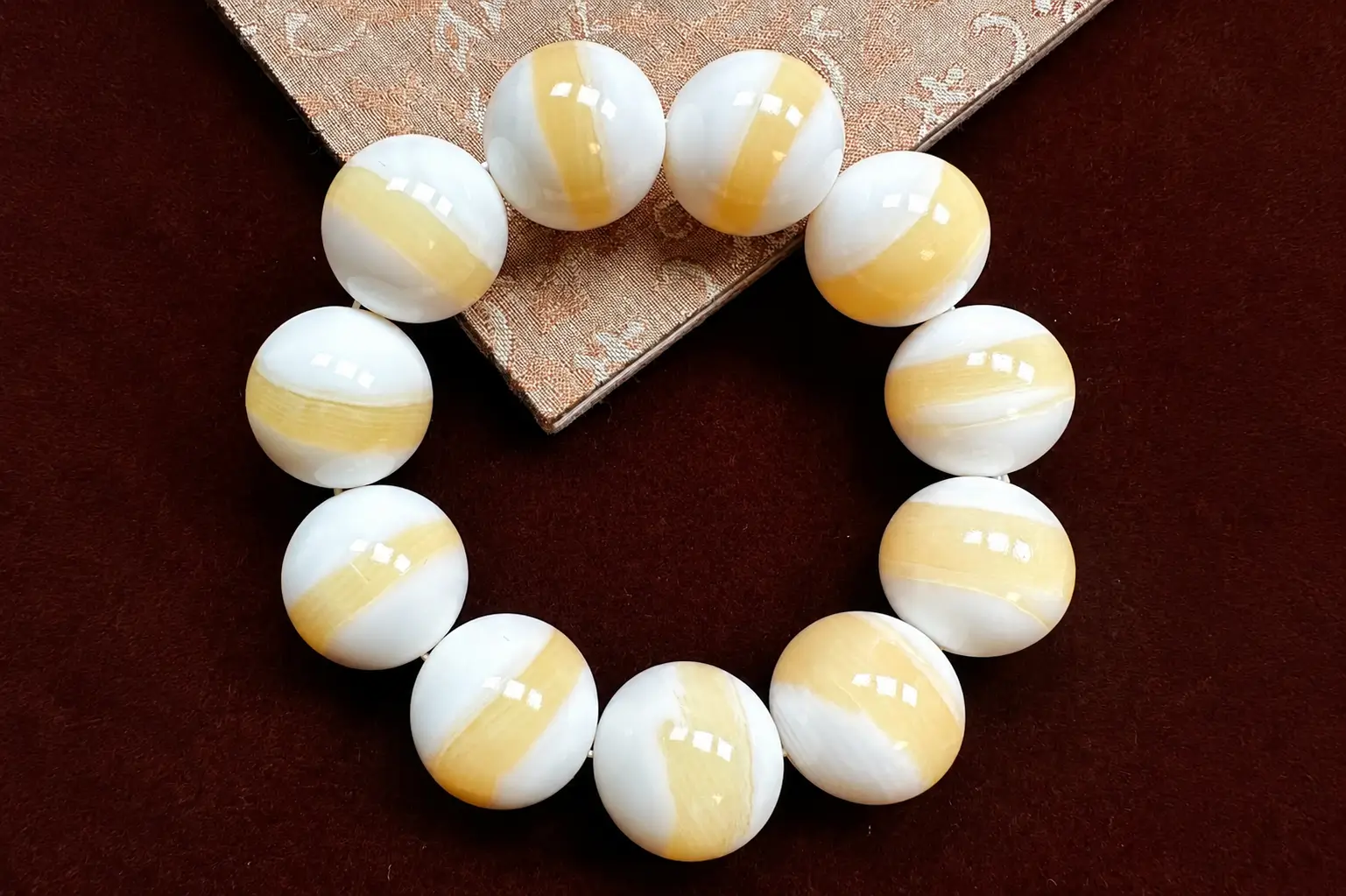
Gold-Thread Tridacna Shell features a white or off-white base marked by natural golden-brown threads or bands.
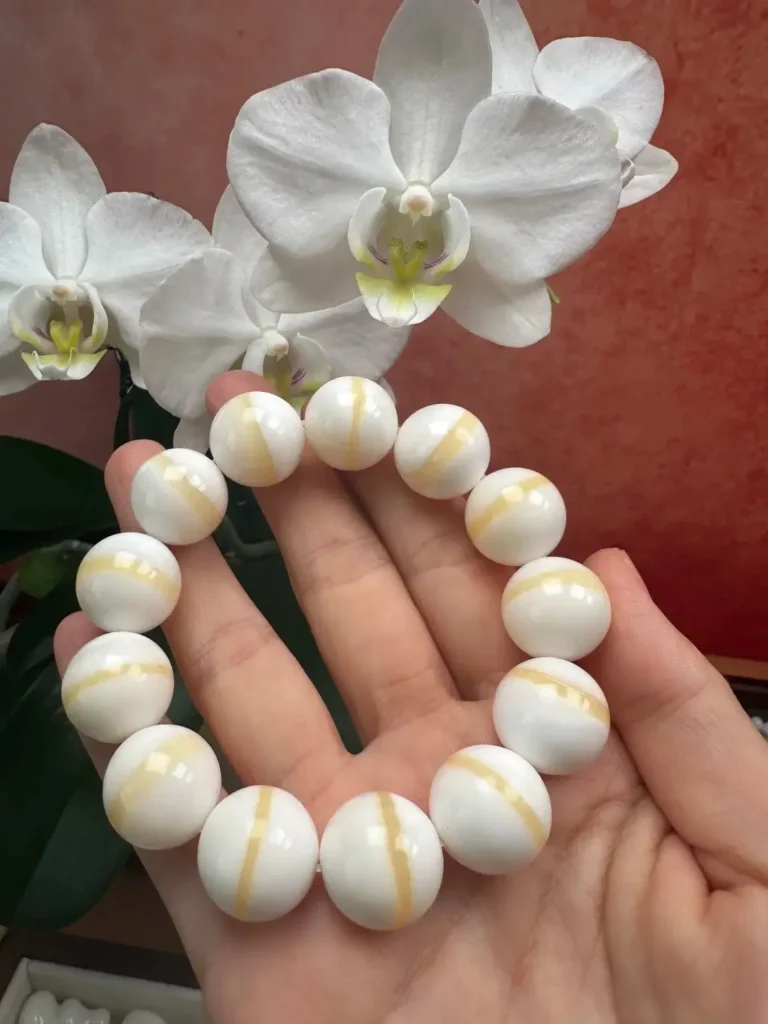
These unique patterns give the material strong decorative appeal, making it one of the varieties valued by collectors.
3. Golden Tridacna Shell
Natural Golden Tridacna Shell ranges from pale yellow to golden hues. Raw materials often contain natural fissures, growth marks, or small pit marks, which is why collectors often describe this variety as having a high rate of natural imperfections.
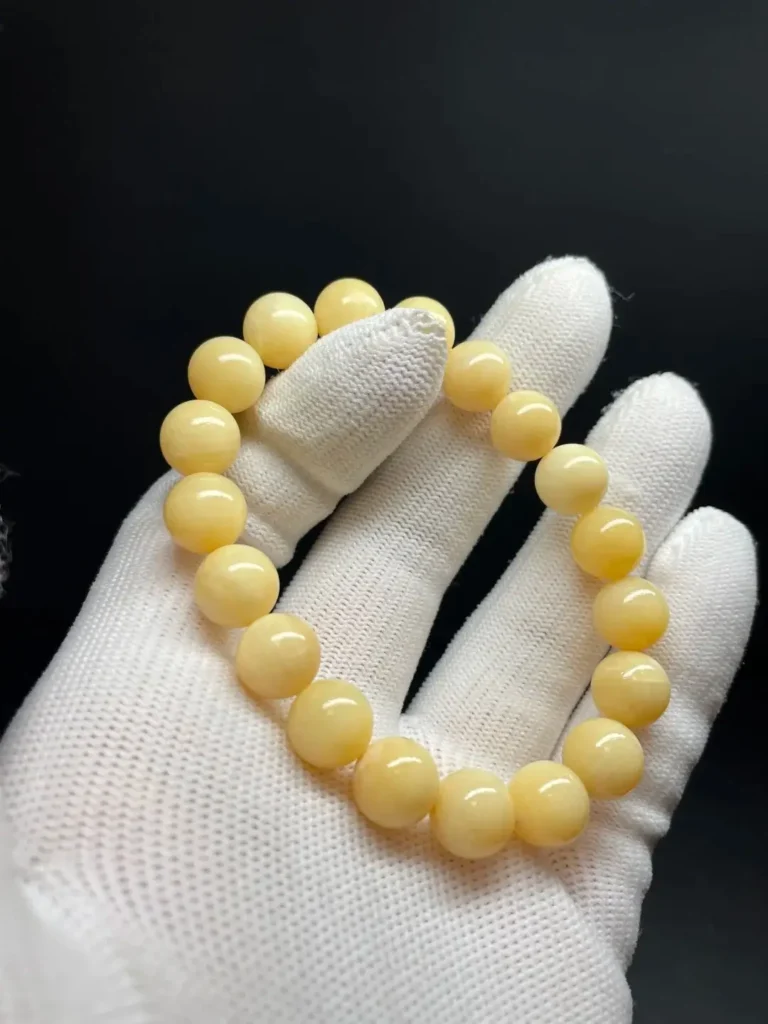
Specimens with pure color, complete structure, and excellent quality remain extremely rare.
4. Translucent (Jade-like) Tridacna Shell
Over long periods of natural transformation, some Tridacna shells develop higher translucency and a fine, jade-like texture.
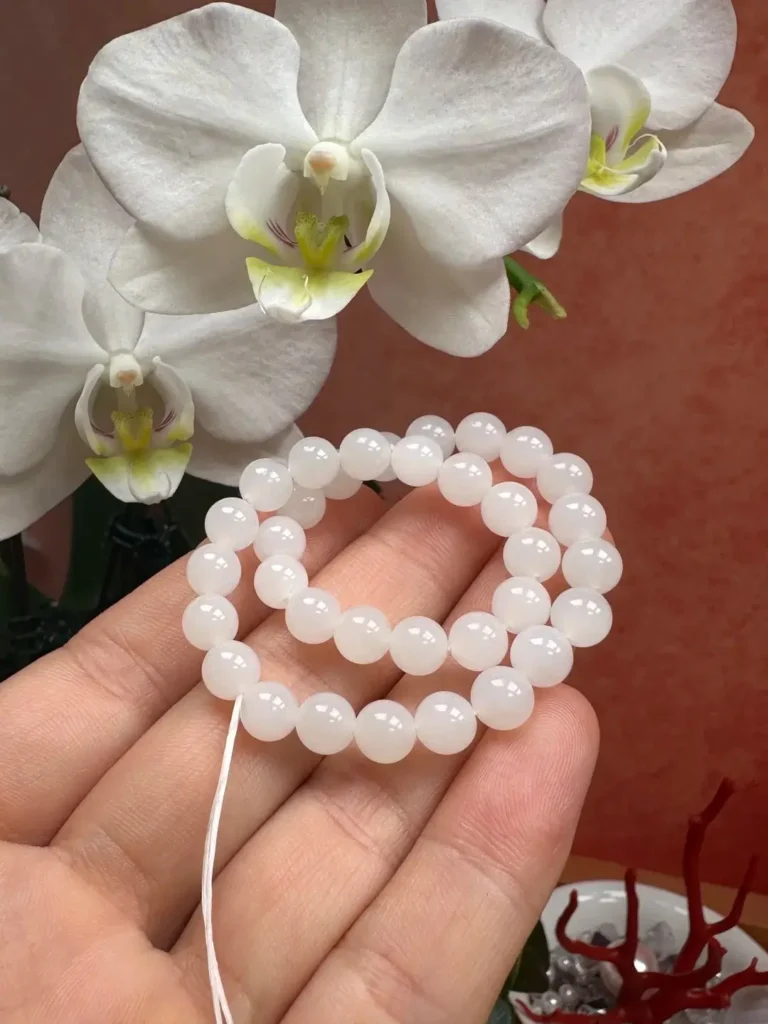
These materials often feature excellent clarity, a clean appearance, and a soft, gentle luster.
5. Purple Tridacna Shell
Purple Tridacna Shell includes shades ranging from reddish purple to soft lavender.
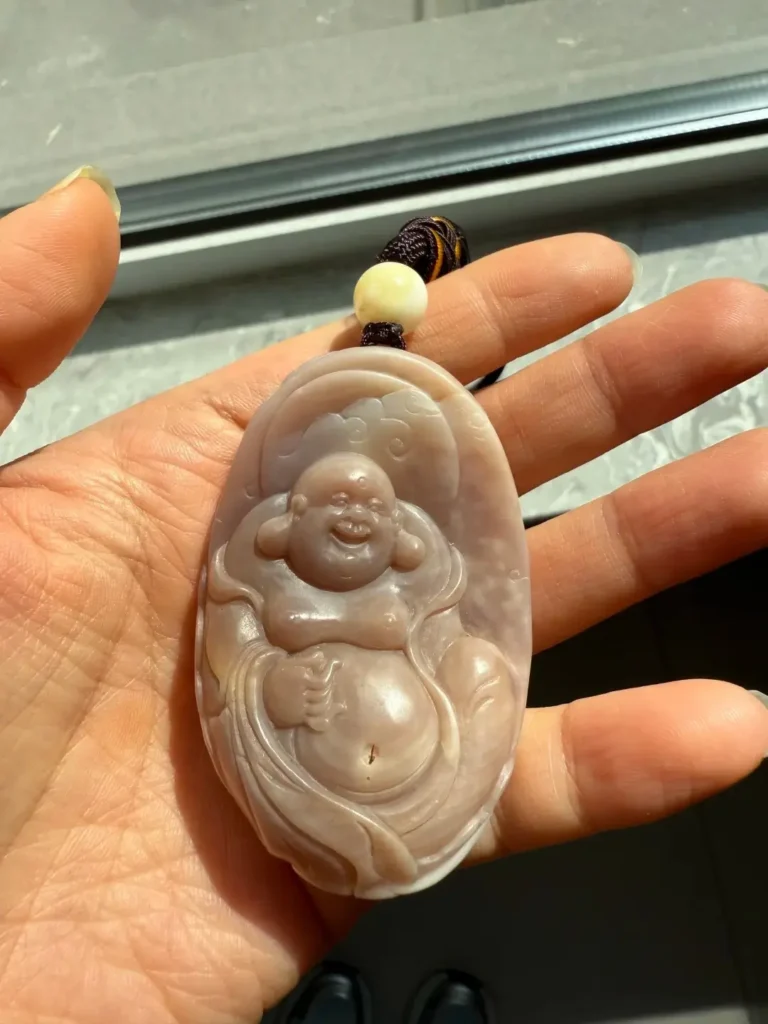
Because naturally formed purple coloration is uncommon in ocean shells, this variety attracts strong interest among collectors.
6. Blood Red Tridacna Shell
Blood Red Tridacna Shell is among the rarest color varieties of Tridacna shell.
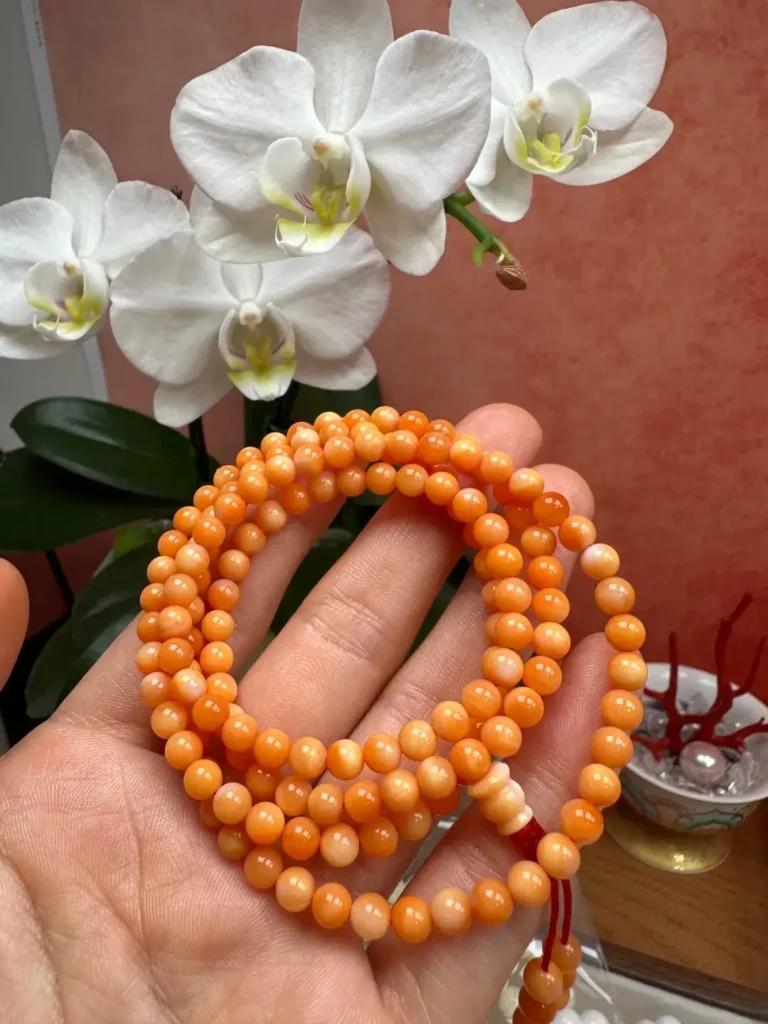
Because genuine red material remains extremely limited, buyers should carefully evaluate market “Blood Red Tridacna Shell” products. Some may come from alternative shells, such as Bullmouth Helmet Shell (Cypraecassis rufa), or from artificial dye treatments.
4 Simple Ways to Identify Authentic Tridacna Shell Jewelry
While various imitation materials exist on the market, understanding a few key characteristics can help you make a basic evaluation of natural Tridacna shell jewelry.
1. Inspect Luster and Texture
Genuine Tridacna Shell:
Natural Tridacna Shell typically displays a soft pearly or silky luster rather than a flat, chalky appearance. Some high-quality materials also show subtle translucency.
Imitations:
Pressed shell-powder materials may have uniform colors but lack natural depth and layering. Resin-based imitations often feel plastic-like, while over-polished materials may produce a harsh, glassy reflection.
2. Observe Natural Growth Patterns
Genuine Tridacna Shell:
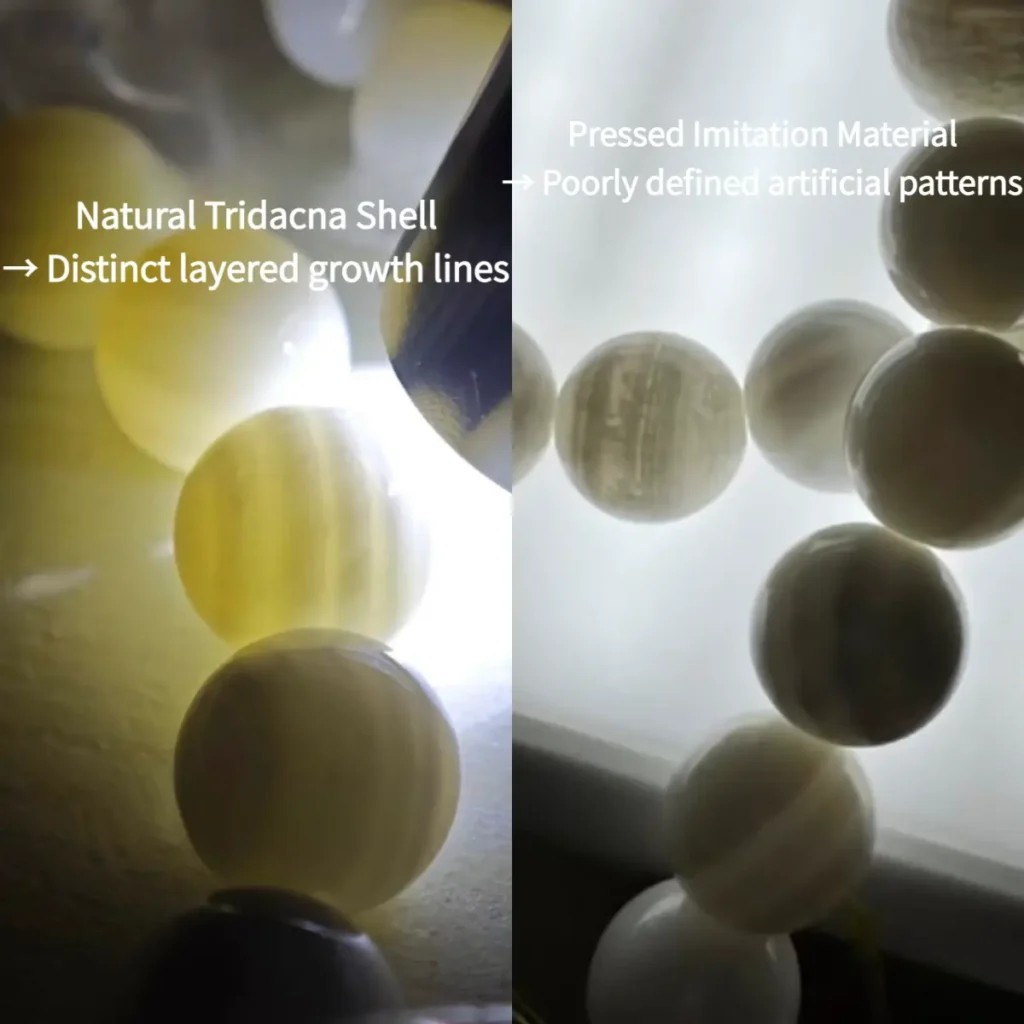
As a natural shell material, Tridacna develops unique growth patterns during its formation. Even highly translucent, jade-like specimens reveal subtle internal textures under close observation.
Imitations:
Artificially pressed materials usually lack natural growth patterns and show a more uniform internal structure.
3. Feel Weight and Density
Natural Tridacna Shell is a calcium carbonate-based shell material with a density of approximately 2.6–2.8 g/cm³.
When held or worn, genuine pieces usually provide a natural sense of weight and a smooth, warm feel.
If a piece feels unusually light, it may be made from resin or plastic. If it feels excessively heavy, it may contain dense fillers or other materials.
4. Recognize Natural Imperfections
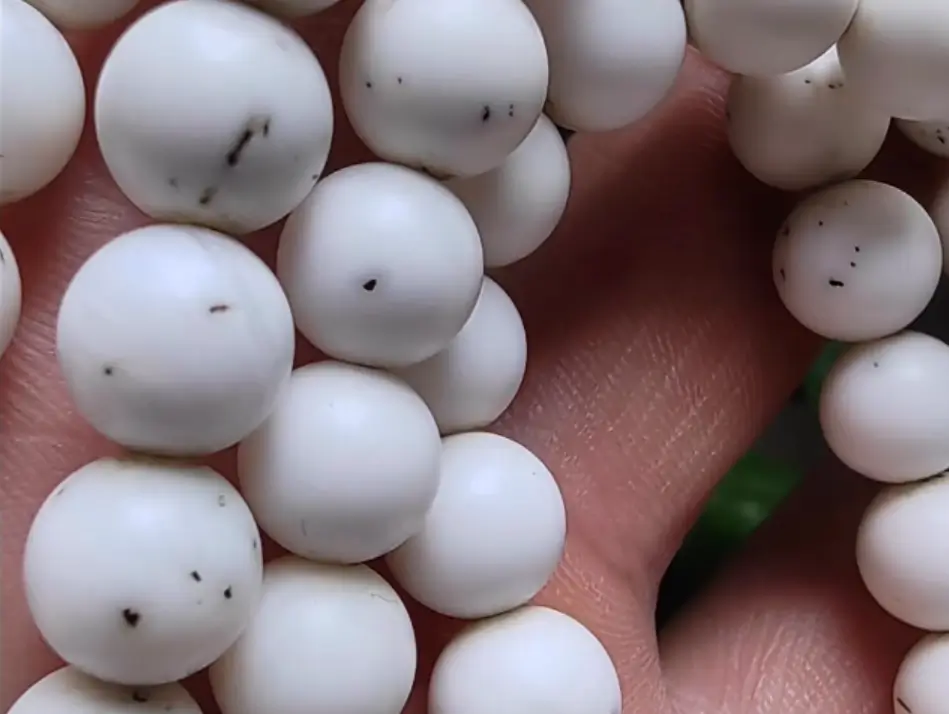
Tridacna Shell grows in marine environments over long periods, so natural pieces may contain features such as:
- Growth lines
- Small pits or tiny surface marks
- Fine cracks
- Subtle color variations
Be cautious of inexpensive Tridacna jewelry that appears completely flawless, as natural materials rarely show absolute perfection.
Final Thoughts from Jewea
The true beauty of natural Tridacna Shell comes from its unique formation process. Genuine Tridacna Shell displays a soft pearly luster, natural growth patterns, and subtle variations that reflect its organic origin.
Rare colors such as red and purple attract strong collector interest, while varieties like Gold-Thread and White Tridacna Shell remain valued for their distinctive beauty and versatility.
When choosing Tridacna Shell jewelry, look beyond color alone. Pay attention to its luster, texture, natural patterns, and ensure the material comes from legal sources that respect international wildlife protection regulations.