Has Your Blue Topaz Been Irradiated?
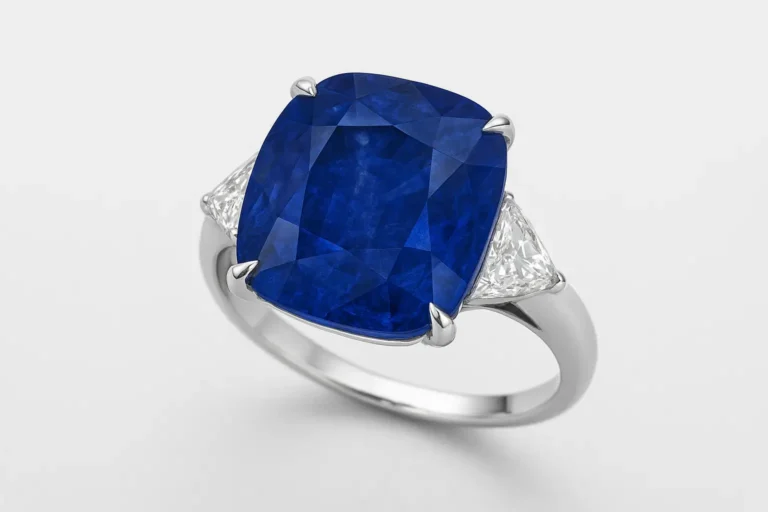
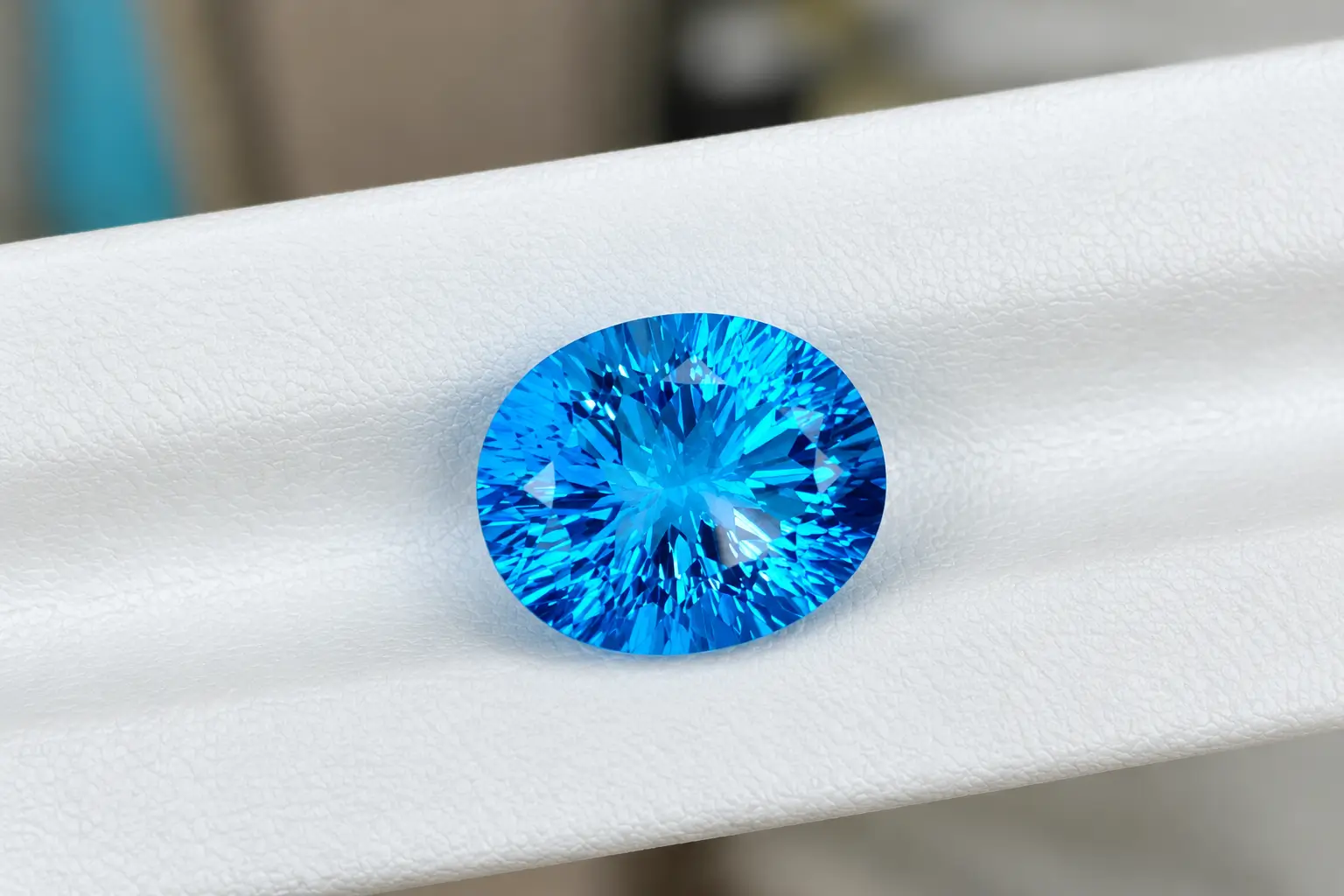
A friend brought back a 22.26-carat sky blue topaz from Pakistan. She wanted to have it set in a pendant.
When she showed it to me, she asked, “Is this a natural gemstone? The blue is so beautiful.”
I explained that the topaz itself was natural, but its highly saturated blue color was most likely the result of irradiation treatment.
She was surprised. She had two concerns: whether the treated gemstone was safe to wear and whether she had paid too much for it.
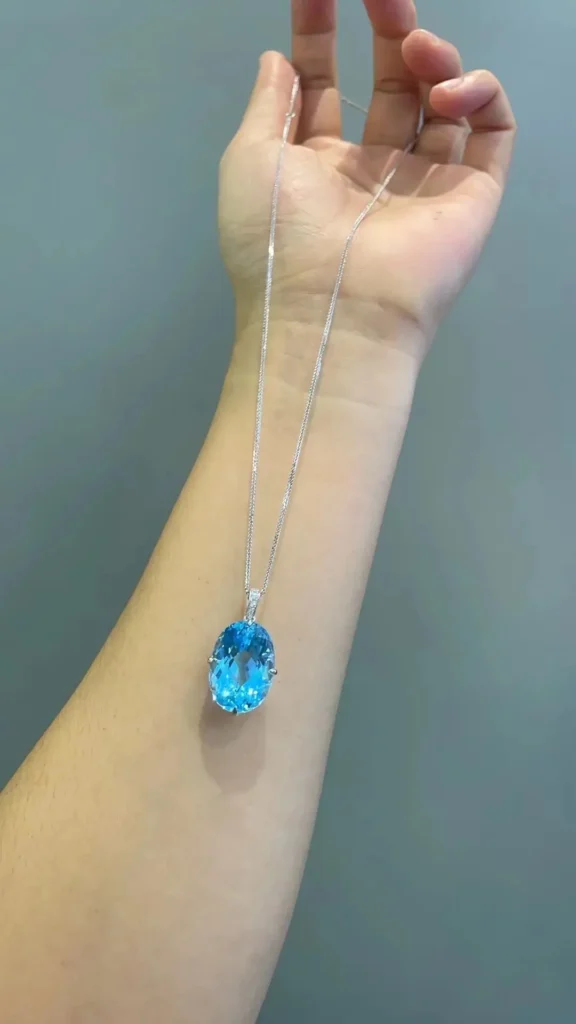
The loose stone cost around $140, which seemed like a reasonable market price. Blue topaz that has undergone proper treatment and passed the necessary safety checks is generally safe for everyday wear.
This irradiated blue topaz gave me a good opportunity to share what I know about topaz, including its mineral properties, the origins and value of its different colors, and what buyers should know about color treatments.
About Topaz
Topaz is a fluorine- and hydroxyl-bearing aluminum silicate mineral with the chemical formula Al₂SiO₄(F,OH)₂.
Gem-quality topaz is often transparent and can have excellent clarity, although some specimens contain visible inclusions. It has a vitreous (glass-like) luster.
With a Mohs hardness of 8, topaz is harder than many common gemstones. Among common jewelry gemstones, corundum (ruby and sapphire, Mohs 9) and diamond (Mohs 10) are harder than topaz. However, hardness measures scratch resistance, not toughness. Topaz has perfect cleavage, which means a strong impact can cause it to split along specific crystal planes. I recommend avoiding knocks and hard impacts when wearing topaz jewelry.
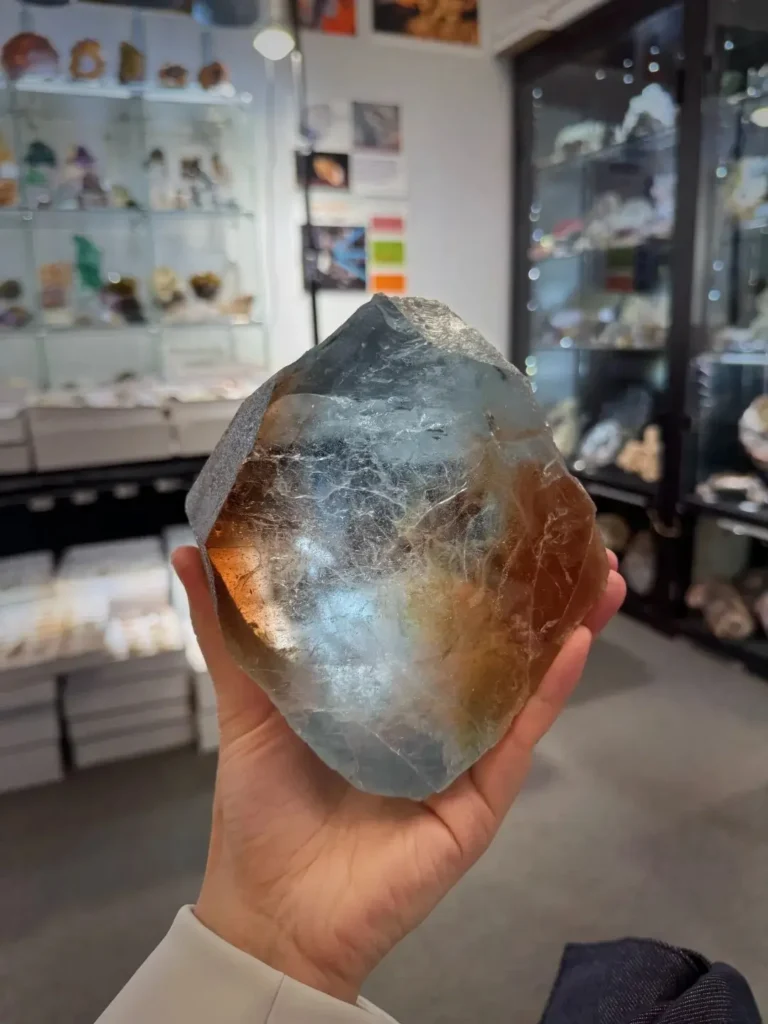
Topaz crystals often form elongated, column-like shapes, with distinct lengthwise striations on their surfaces. Some crystals grow quite large, and their ends may show different combinations of crystal faces. It has a specific gravity of around 3.4–3.6, so a piece often feels surprisingly weighty for its size compared with many other common gemstones.
Topaz occurs in many parts of the world. Brazil is a major source of gem-quality topaz, known for its abundant production and wide range of colors. Russia, Sri Lanka, Mexico, and Pakistan also produce topaz.
Topaz Colors and Value
Topaz comes in a wide range of colors, including colorless, blue, yellow, and pink. Natural colorless, pale yellow, and light brown topaz are relatively common, while fine-quality stones with vivid, attractive colors are much rarer.
- Blue Topaz: Blue topaz is the most common variety on the market. Natural blue topaz is usually pale in color. Most vivid blue topaz sold today starts as colorless topaz and undergoes irradiation, sometimes followed by heat treatment. These stones are commonly marketed as Sky Blue, Swiss Blue, or London Blue, depending on their shade. These names describe different shades of blue, not separate mineral varieties.
- Colorless Topaz: Natural colorless topaz is relatively common. It often has excellent transparency and a vitreous (glass-like) luster. With a good cut and polish, it can display bright brilliance that sometimes resembles a diamond’s. Colorless topaz can also be mistaken for other transparent gemstones, such as danburite. I explore the differences in my article, Would You Mistake Colorless Danburite for Topaz?
- Pink Topaz: Natural pink topaz is relatively rare, and vivid, high-quality stones can command premium prices. Some pink topaz on the market gets its color from the heat treatment of yellow topaz.
- Imperial Topaz: This variety is particularly sought after by gemstone collectors. It typically displays orange, pinkish-orange, golden yellow, or reddish hues. Minas Gerais, Brazil, is one of its best-known sources.
In China, colorless topaz and irradiated blue topaz are generally affordable, whether sold as loose stones or set in jewelry. Prices typically range from a few dozen to a few hundred yuan. Fine-quality natural imperial topaz and pink topaz can command prices of thousands of dollars per carat. A stone’s value depends not only on its color but also on its clarity, cut, carat weight, and treatment history.
For a closer look at imperial topaz’s history and value, read Jewea’s article, The Hidden Royalty of Topaz: Why Imperial Topaz Is a World-Class Rarity.
Blue Topaz Color Treatments
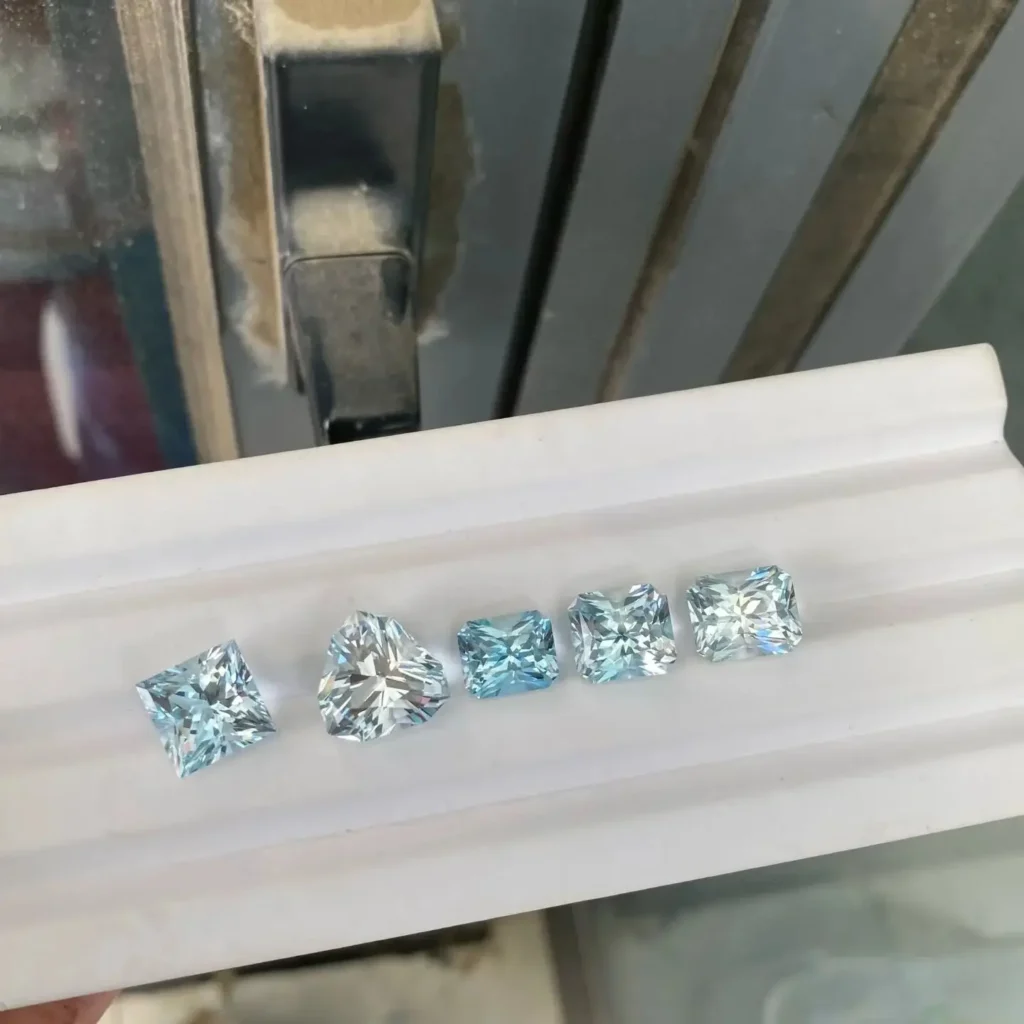
Natural, untreated blue topaz usually has a pale blue color, sometimes with grayish or slightly greenish tones. Some lighter shades look similar to pale aquamarine.
Most Sky Blue, Swiss Blue, and London Blue topaz on the market gets its color from irradiation, often followed by heat treatment.
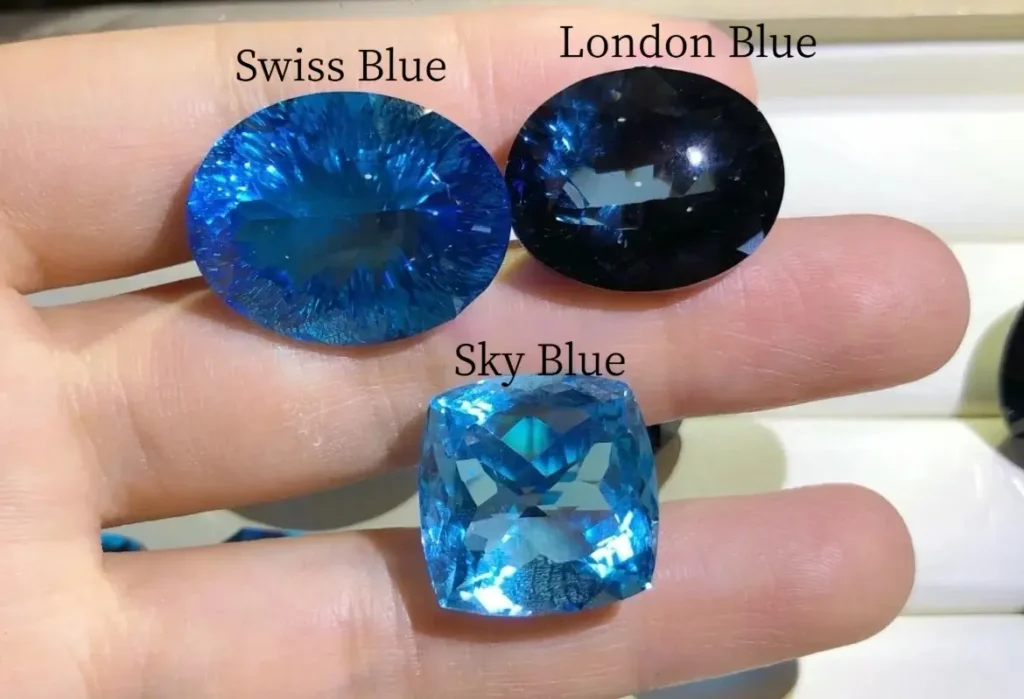
Irradiation changes the color of topaz, turning colorless or lightly colored material into more vivid shades of blue. Different treatment conditions produce different colors, which helps explain the range of blue shades available today.
Some topaz also receives a surface coating. This treatment involves applying a thin film with a specific color or optical effect to colorless or poorly colored material. The coating can make the stone look more vivid or give it unusual color effects.
Is Irradiated Blue Topaz Safe to Wear?
This is a common concern among gemstone buyers.
Irradiation is an established method of changing a gemstone’s color. For more details, see my article, Are Irradiated Gemstones Safe? Everything You Need to Know About Radiation in Jewelry.
Properly treated blue topaz that meets applicable radiation safety requirements is generally safe to wear. However, some irradiation processes can leave residual radioactivity, so the stones must be tested and, where necessary, held until radiation levels fall within acceptable limits before sale.
When buying blue topaz, I recommend choosing a reputable seller who clearly discloses any treatments. If necessary, ask for a report from a qualified gemological laboratory that can assess the relevant safety and treatment details.
What Should You Look for When Buying Blue Topaz?
I recommend keeping four things in mind:
- Don’t confuse vivid color with natural rarity. A deeper, more striking blue doesn’t necessarily mean a stone is rarer or more valuable. Consider its color, clarity, cut, carat weight, treatment history, and overall price before making a decision.
- Ask how the color was achieved. Don’t stop at asking whether the gemstone is natural. Find out whether it has undergone irradiation, heat treatment, or any other color treatment. A gemstone can be natural and still have an artificially altered color. These are two separate things.
- Check whether the price is reasonable. Irradiated blue topaz is widely available and isn’t considered a rare gemstone. My friend’s custom-made topaz necklace offers a real-world price reference:
- Center stone: 22.26 carats, approximately $140
- Pendant (gold and silver): Includes 2.05 grams of gold, approximately $360
- Chain (gold and silver): Includes 1.79 grams of gold, approximately $210.70
- Accent diamonds: Approximately $71.40
- Total: Approximately $782.10, excluding any brand markup.
- Check the gemological report. If you want to confirm a gemstone’s identity and treatment status, ask the seller to provide a gemological report issued by a qualified laboratory. For conclusions about color treatment, always refer to the actual test results and the specific wording of the report.
Jewea’s Take
I’ve always found blue topaz beautiful in a distinctive way. Its color reminds me of a clear sky and a calm sea. It looks crisp and luminous without being flashy.
As a pendant, a touch of blue resting at the collarbone pairs beautifully with a simple white shirt, creating a clean, effortless look. Set in a ring or a pair of earrings, blue topaz catches the light as you move your hands or turn your head, creating different visual effects with every movement.
For Jewea, gemstone treatments aren’t a problem in themselves. What matters is that buyers understand what they’re purchasing and that sellers disclose any treatments honestly.