Discover Tanzania’s Top 8 Gemstones: The Dark Horse of Africa’s Mineral Wealth
Have you found the perfect gift this Valentine’s Day? Is it a wild escape into nature, or a piece of bespoke jewelry that captures the heart of the earth?
In Tanzania, you don’t have to choose—you can have both. It is a place where every sunset inspires a story, and every Tanzania gemstones carry the timeless soul of the African wild.
Nestled just south of the Equator, Tanzania is a land of breathtaking majesty. It is home to the snow-capped peaks of Mount Kilimanjaro, the idyllic, spice-scented shores of Zanzibar, and the vast expanses of the Serengeti. Here, you can witness the world’s most spectacular natural phenomenon: the Great Migration.
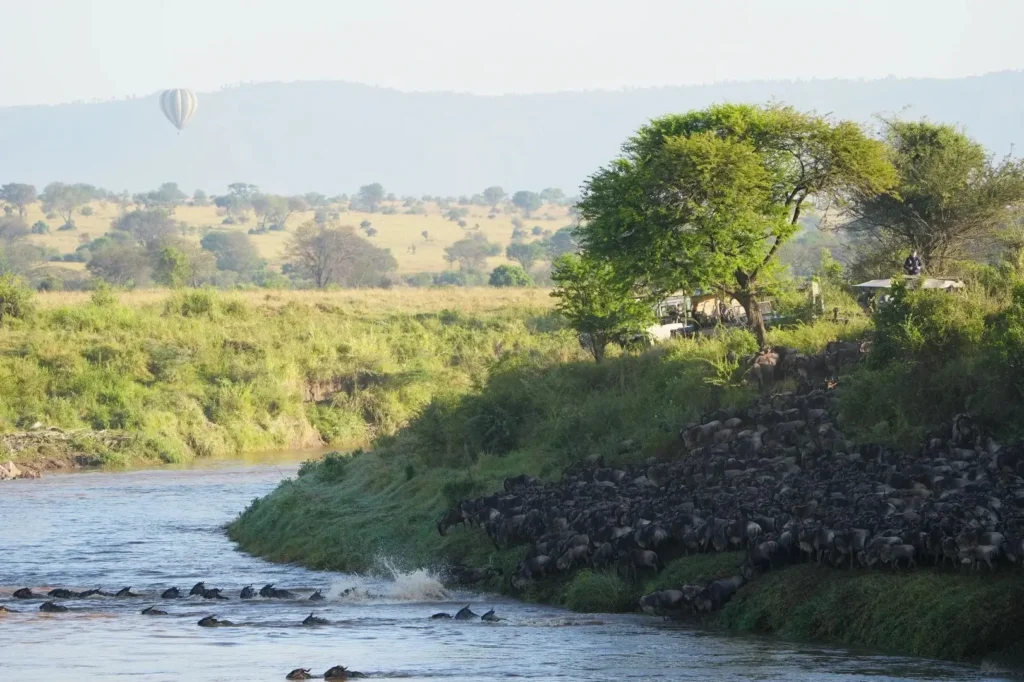
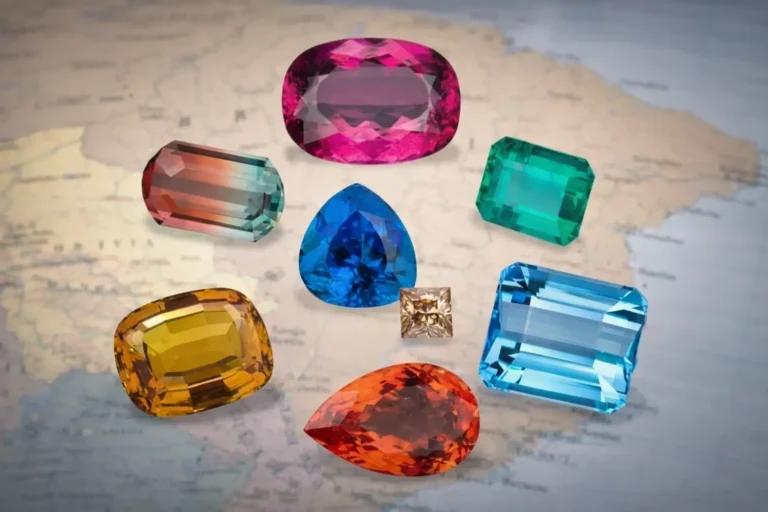
Yet, the true soul of East Africa lies beneath the surface. As Africa’s fifth-largest mineral powerhouse, Tanzania is home to world-class diamonds, gold, and a spectrum of rare colored stones that are redefining modern luxury. Today, let’s journey into the heart of this vibrant land to discover the eight legendary Tanzania gemstones.
Tanzania gemstones Directory
- Emerald: The Verdant Heart of Manyara
- Ruby: Tanzania as a Major Global Producer
- Sapphire: A Global Powerhouse of Color
- Spinel: The Rising “Dark Horse” of Gemstones
- Tourmaline: The Spectrum of Nature
- Tanzanite: The Pride of the Merelani Hills
- Tsavorite: The Electric Green Marvel
- Vanadium Chrysoberyl: The Rare Mint Treasure
Emerald: The Verdant Heart of Manyara
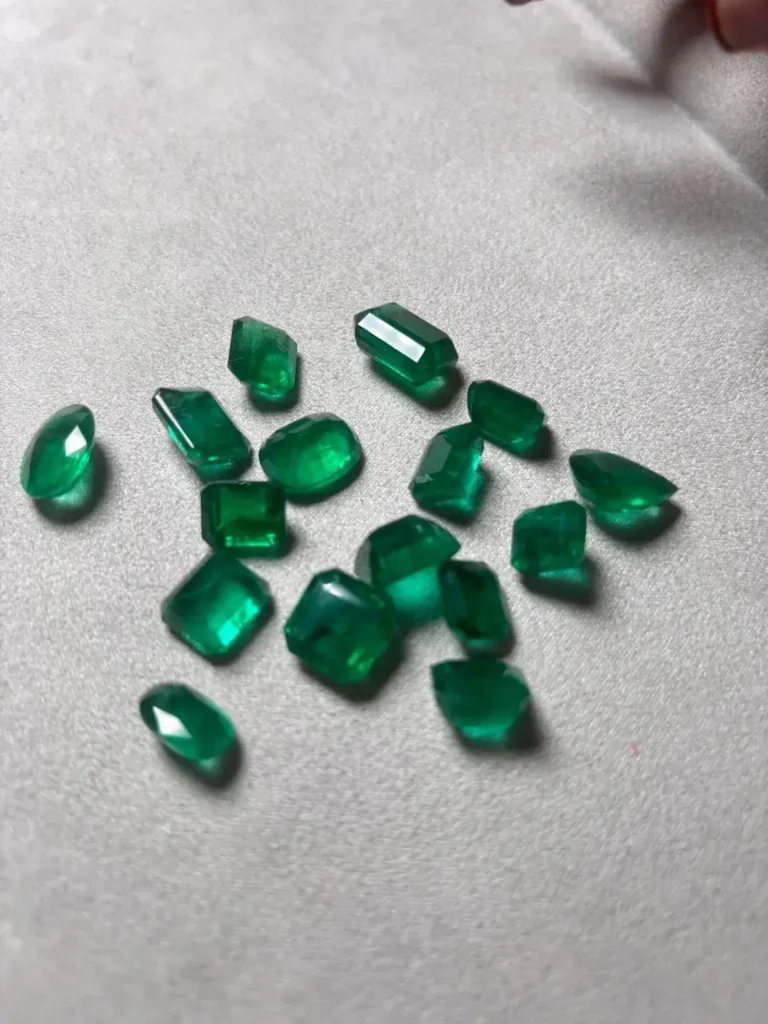
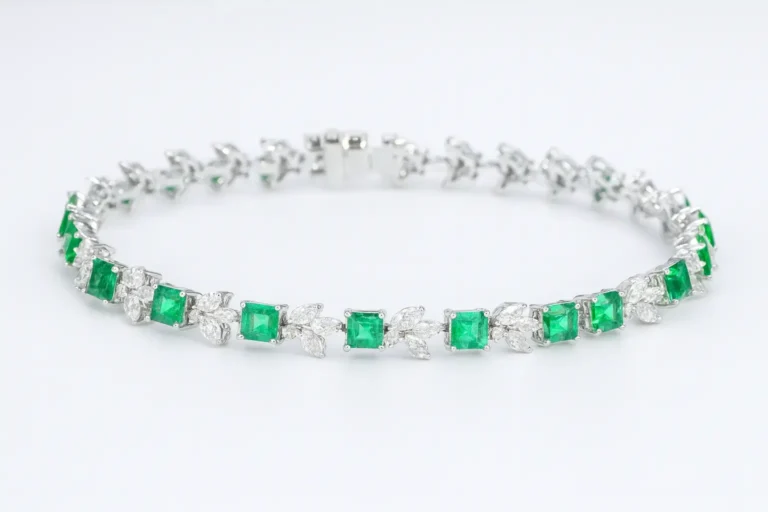
The Emerald is one of the five most precious gemstones recognized by the international jewelry community. It captivates hearts with its unique and enchanting green color.
📖 Further Reading: Understanding Emerald Color Grading: Your Guide to the World’s Most Captivating Green
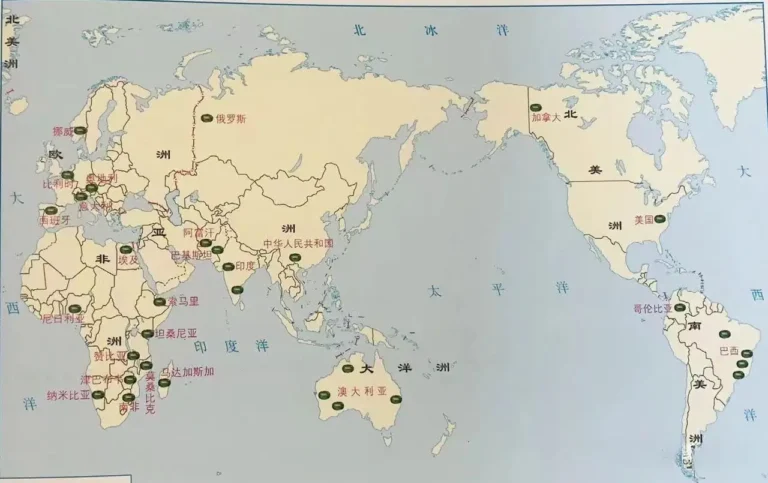
There are many origins for this gemstone. Specifically, these include well-known locations like Colombia, Zambia, and Brazil. Furthermore, countries such as China, Afghanistan, and Tanzania also produce these gems.
Further Reading: Emerald Buying Guide: 10 Essential Questions About Color, Origin, Cut, and Care
In 1969, a farmer discovered emeralds in Tanzania within eluvial gravels. Later, in the early 1970s, miners found a primary deposit. This mine sits on the western shore of Lake Manyara in northern Tanzania.
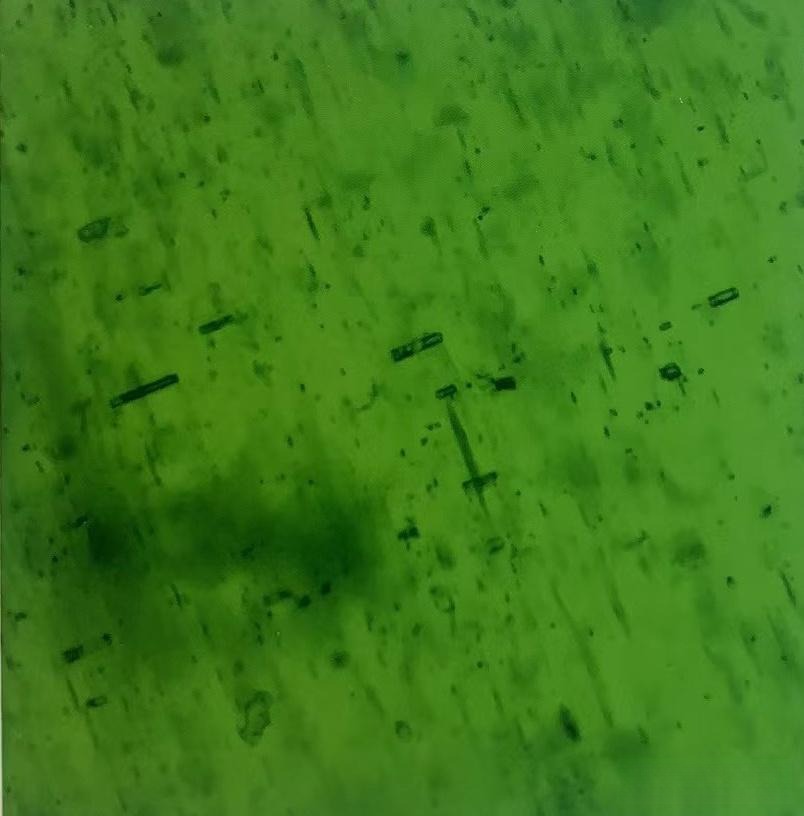
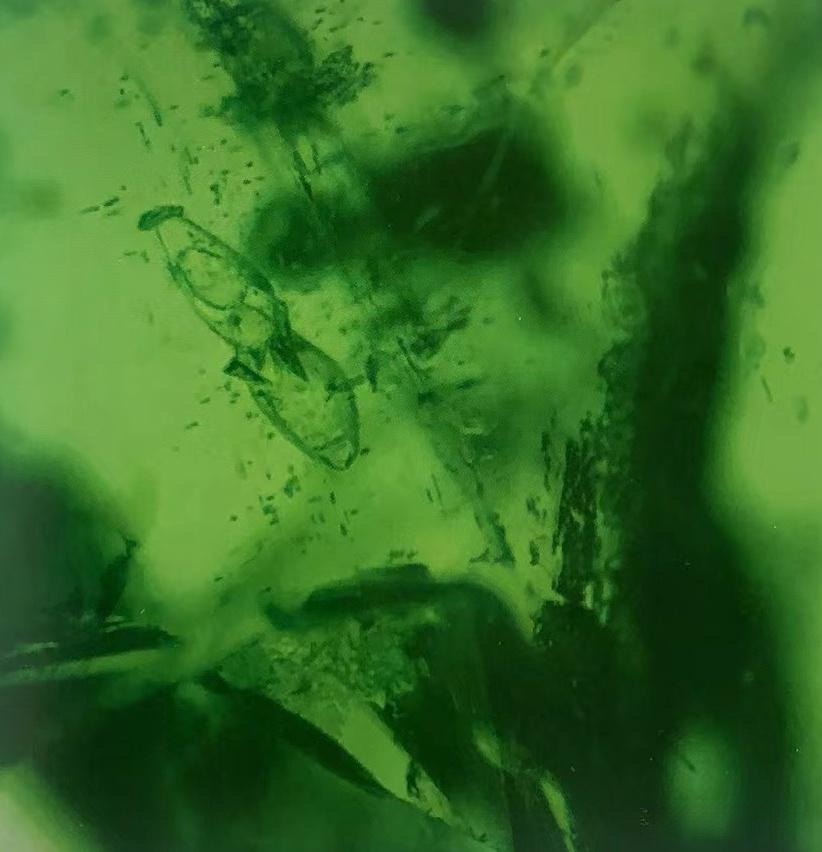
In this region, emeralds often grow alongside other minerals. For example, they occur with Alexandrite, yellow Chrysoberyl, Apatite, Spinel, and Peridot. Additionally, these gems contain rich internal inclusions like quartz and euclase. These inclusions appear in linear patterns or random distributions. Occasionally, the stones also feature titanium-rich phlogopite, illite, and helvine.
Ruby: Tanzania as a Major Global Producer
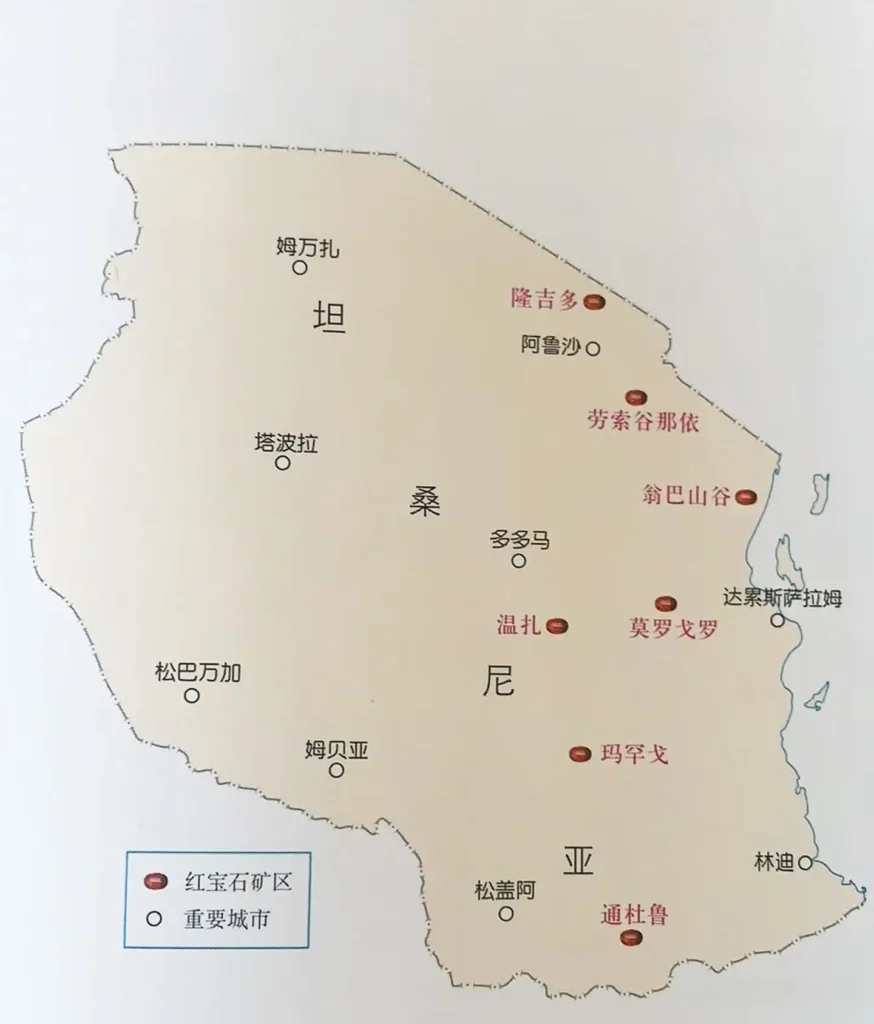
Tanzania stands as a vital global producer of rubies. In the early 20th century, explorers first discovered rubies in Longido. Subsequently, new mining areas emerged in the Umba Valley, Morogoro, Songea, and Tunduru.
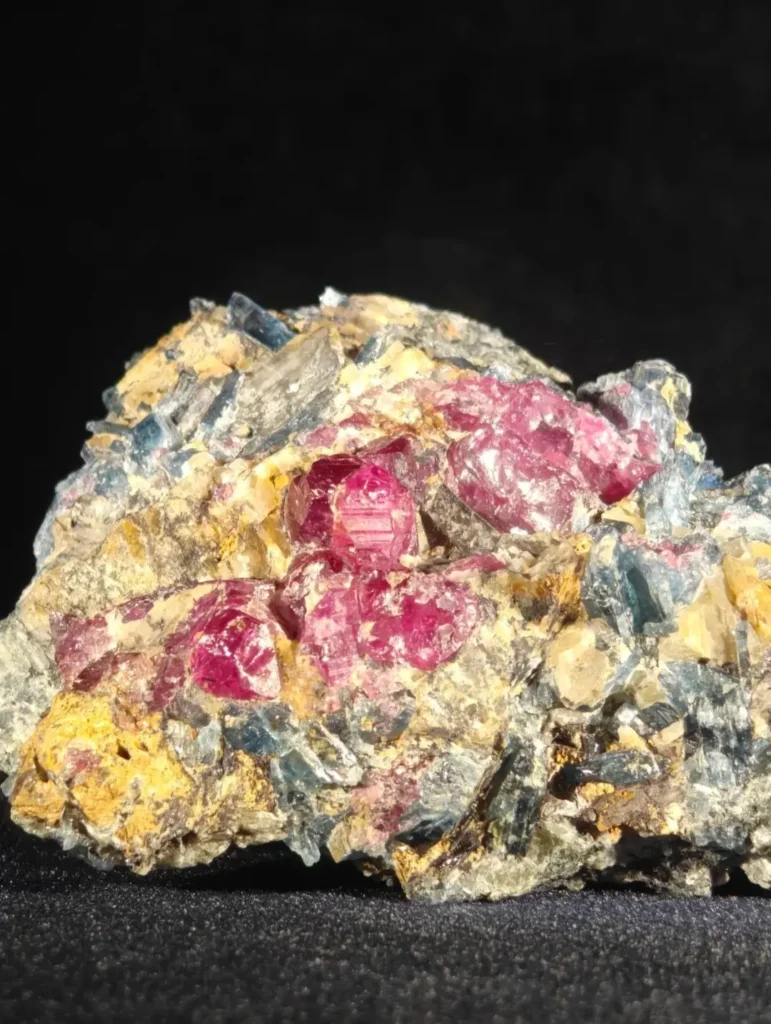
Currently, ruby production centers on four major regions: Winza, Umba, Morogoro, Tunduru, and Songea. In 2008, the discovery of exceptional rubies in Winza created a sensation in the international market. These gems boasted such high quality that they required no heat treatment before sale. Consequently, they gained immediate acclaim from collectors.
Further Reading: Ultimate Ruby Buying Guide – Color, Carat, Clarity & Treatments Explained
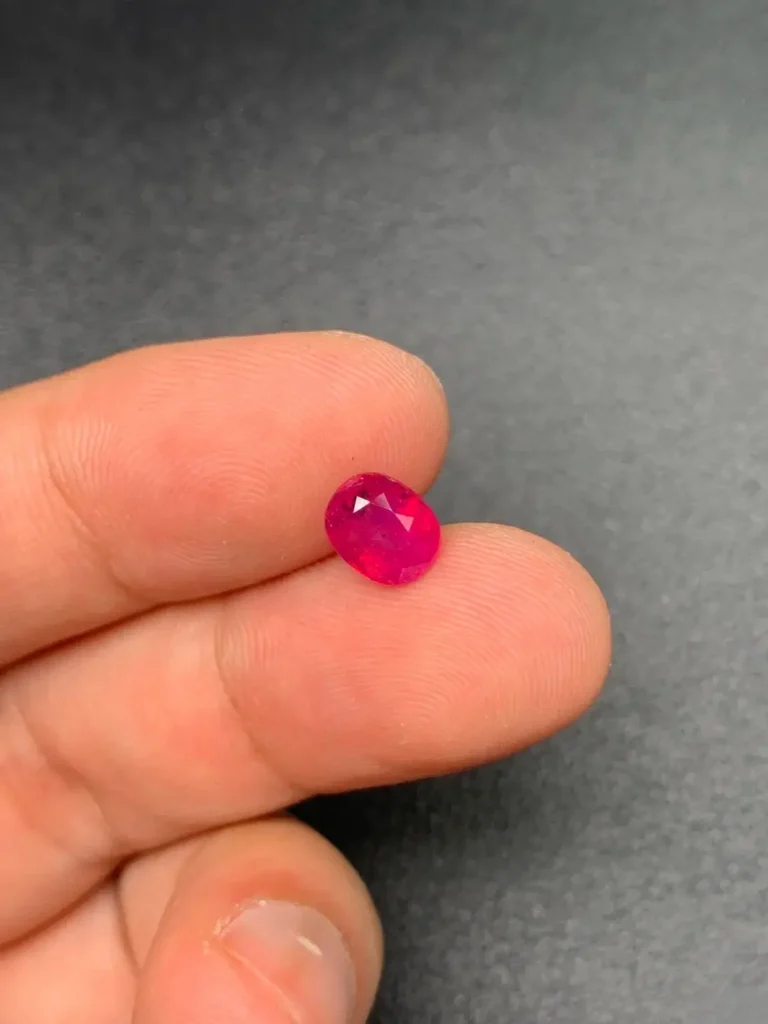
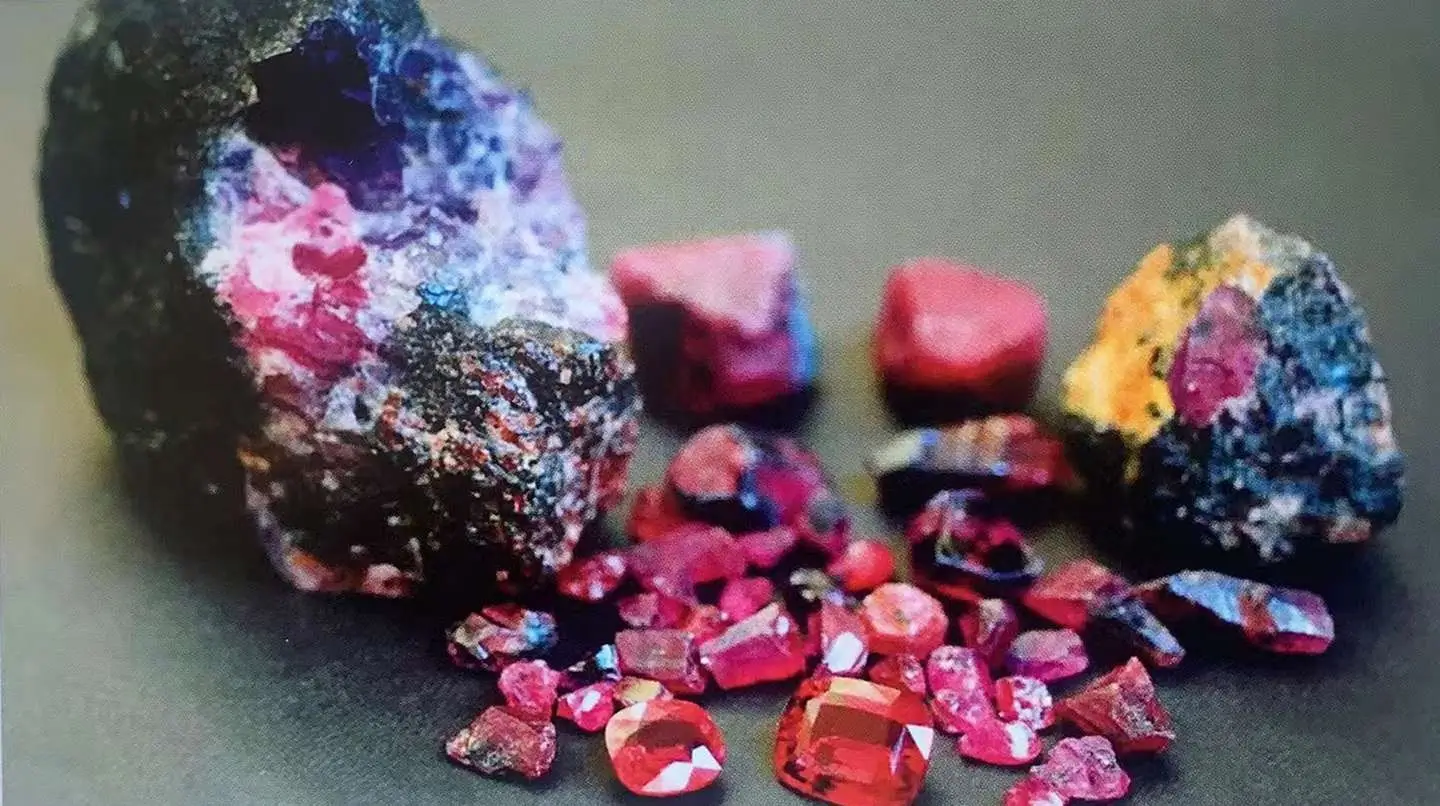
Rubies from this region display a diverse palette. Specifically, they feature hues of pink, red, deep orange-red, and purple. These stones offer high transparency but often reveal distinct blue color zones or purplish-blue patches. Furthermore, they frequently contain rhombohedral twinning and “intersecting hollow tubes” in one or three directions.
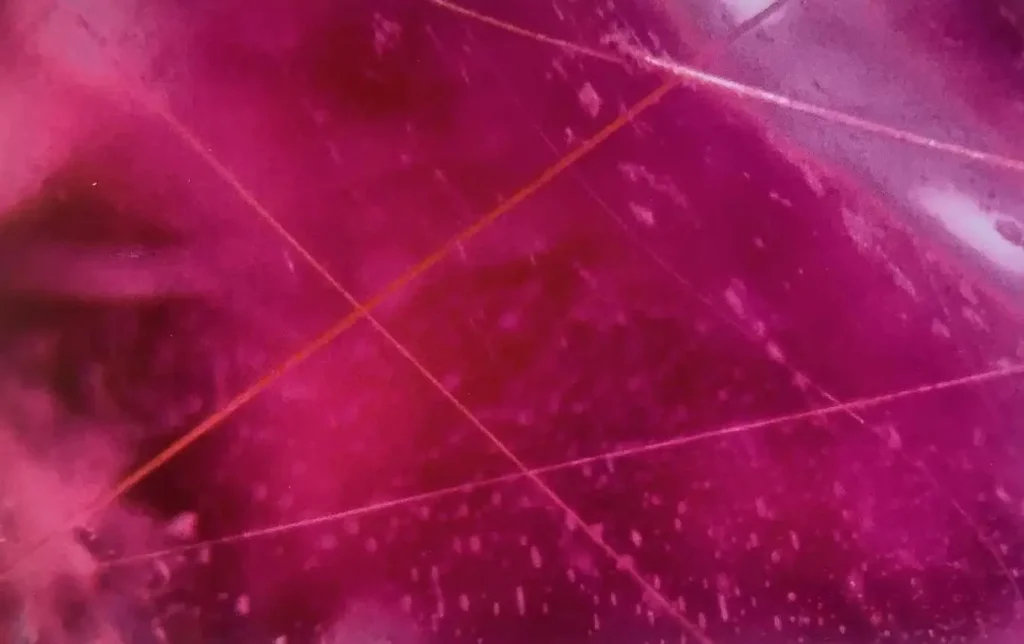
Winza rubies also feature unique internal signatures. For instance, they contain long tubular, fibrous, and needle-like inclusions. These “hair-like” features appear most frequently in top-tier Winza specimens.
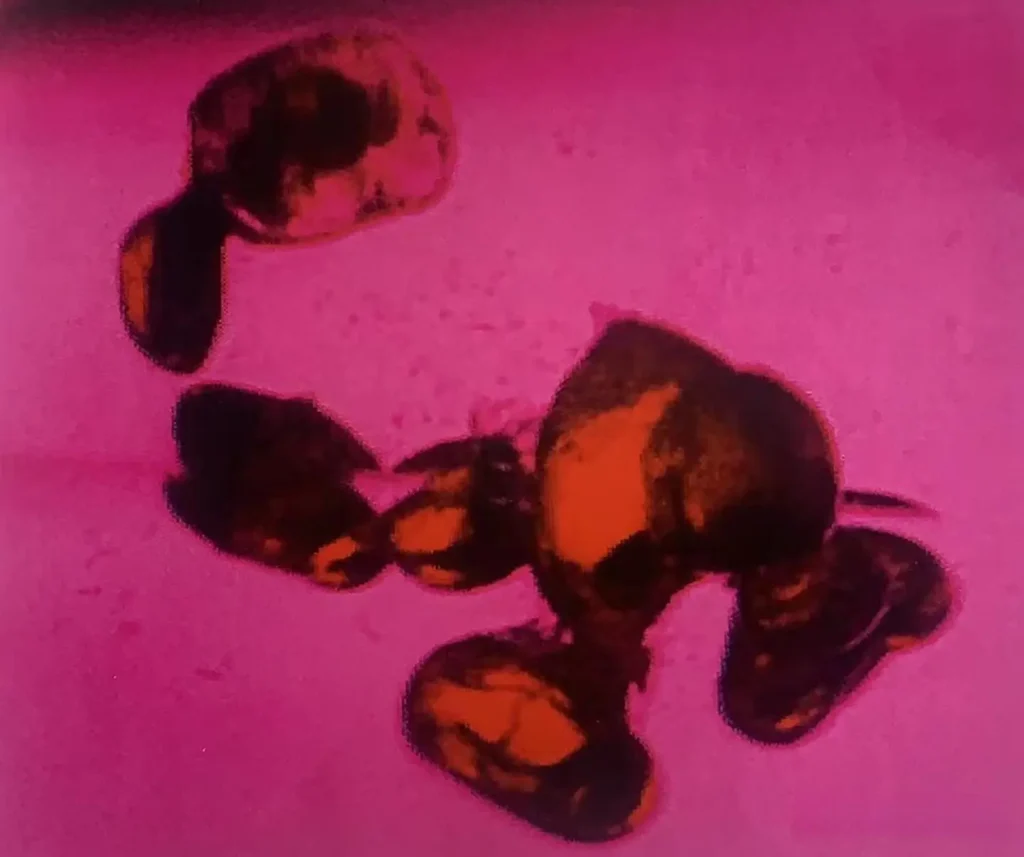
Beyond Winza, the Morogoro region produces some of the nation’s most iconic rubies. These gems often exhibit curved, swirl-like structures or angular growth bands. Additionally, they show twinning planes parallel to rhombohedral faces. Internally, Morogoro rubies house a variety of inclusions. These include octahedral spinel, zircon, apatite, and delicate pink garnet crystals.
Sapphire: A Global Powerhouse of Color
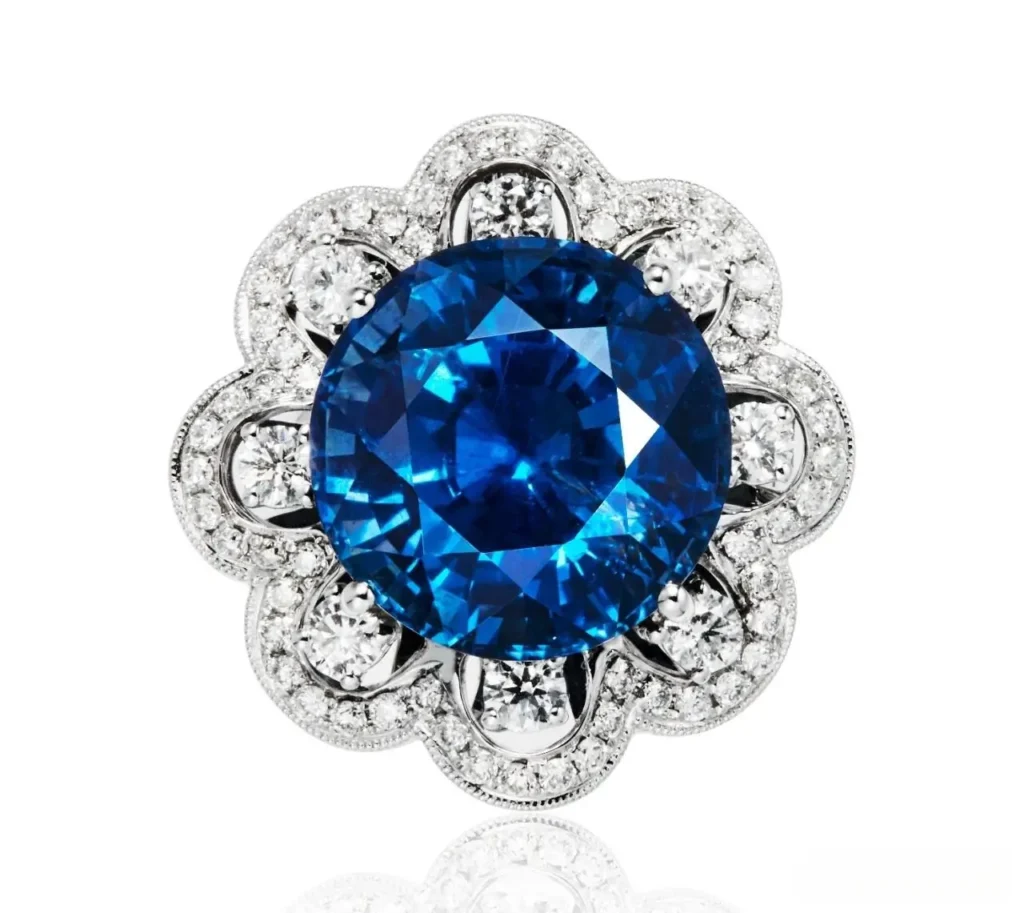
Beyond rubies, Tanzania is a prominent African source for sapphires. The nation yields these gems on a massive scale, with outputs often measured in tons. Blue remains the primary hue. However, the saturation levels vary. Specifically, the depth of color ranges between the dark blue of Shandong sapphires and the lighter blue of Sri Lankan specimens.The crystals are primarily characterized by substantial grain diameters, typically ranging from 0.5 cm to 5 cm.
Further Reading: The Hidden Secrets of Sapphire Origins: Discover the Lesser-Known Sources of September’s Birthstone
Tanzania’s Sapphire Deposits: Ruwuma vs. Umba Valley
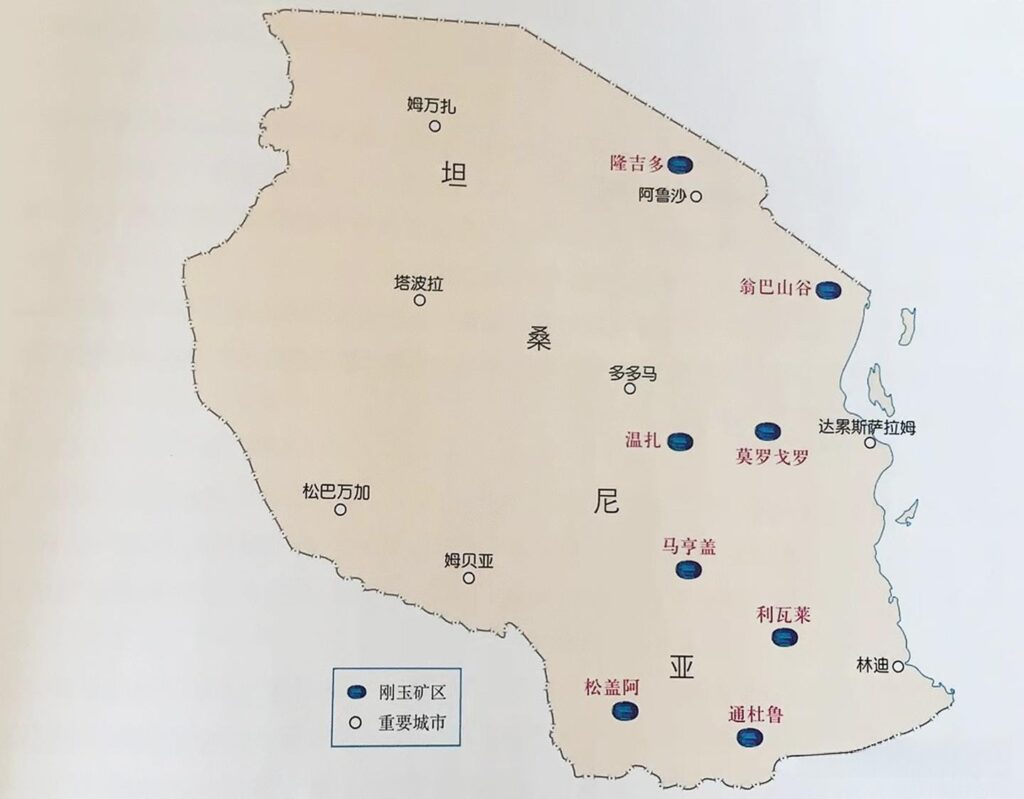
Tanzania’s sapphire mines are primarily concentrated in two distinct regions. These are the Ruwuma district in the south and the Umba Valley in the north. Each region offers a unique geological signature and a diverse color palette.
The Southern Frontier: Ruwuma Mining District
The sapphire deposits in the southern Ruwuma region are primarily concentrated in Tunduru and Songea.
- Tunduru: The “Chalky” Spectrum
- Color Profile: Tunduru produces an immense variety of sapphires. In fact, they span nearly the entire visible light spectrum.
- Tone: The colors are typically lighter. Consequently, the trade refers to them as “chalky colors.”
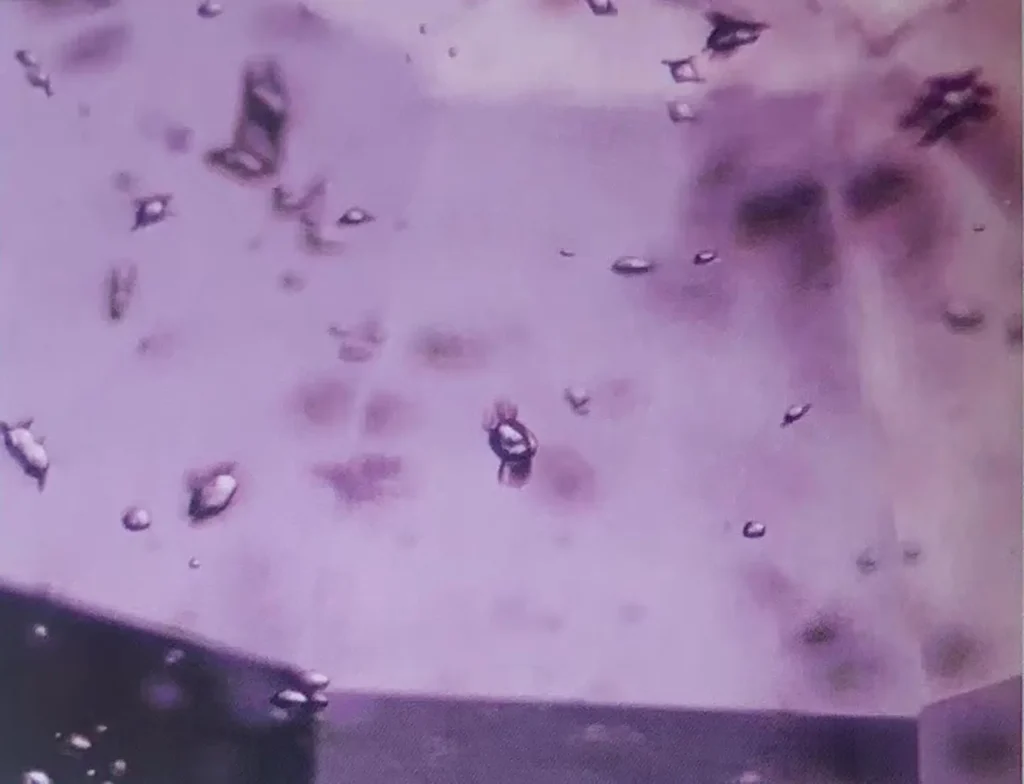
- Common Inclusions: The most frequent solid inclusions are zircons. These are usually small, colorless, and transparent. Furthermore, they appear in elongated or irregular, rounded shapes.
- Other Features: Beyond zircons, observers often find various negative crystals and healed fissures. Specifically, many Tunduru sapphires feature rounded zircon crystals accompanied by small, wing-like feathers.
- Songea: The Rutile Signature
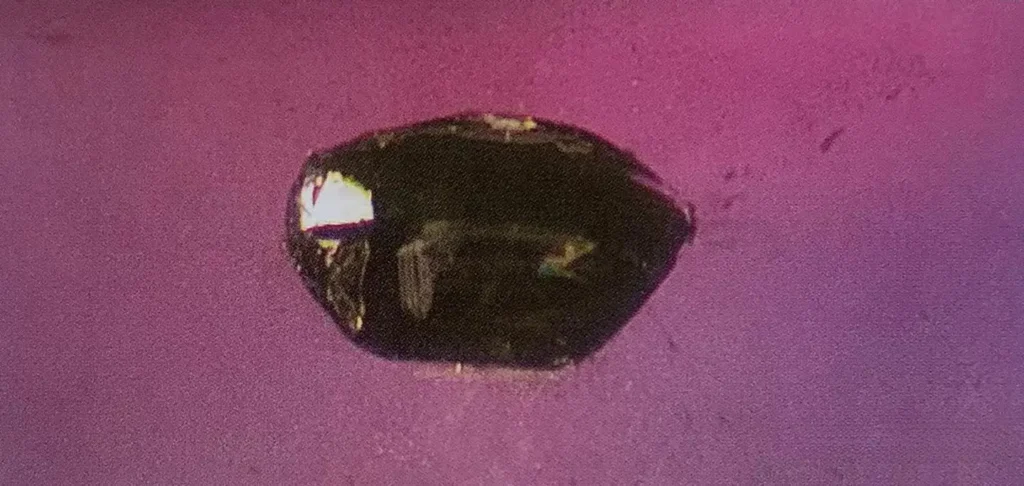
- Primary Inclusions: They typically house various forms and sizes of rutile.
- Secondary Minerals: Additionally, one may occasionally find other solid inclusions such as zircon and epidote.
The Northern Legend: Umba Mining District
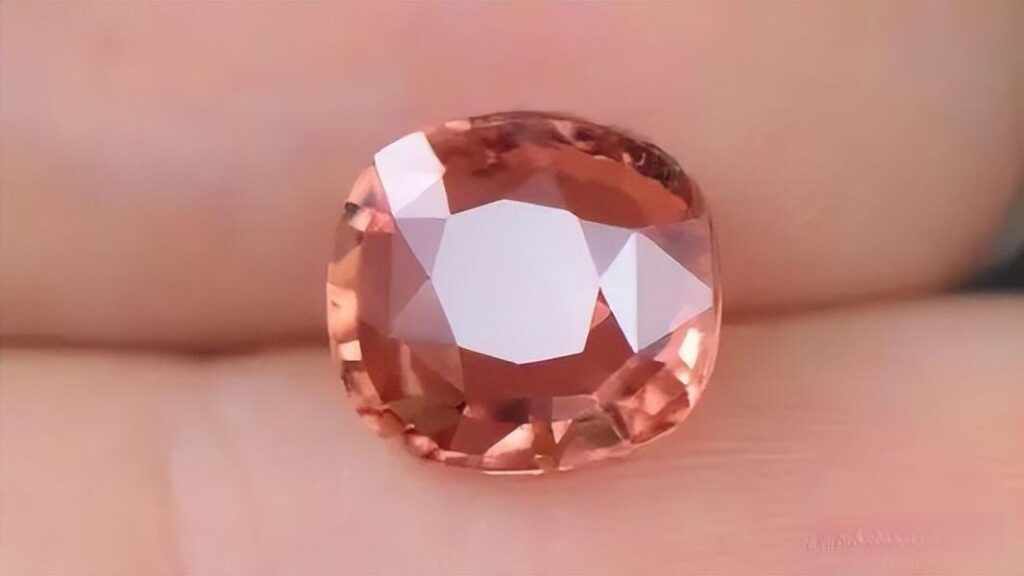
The Umba Valley in the north is equally famous for its vibrant and diverse sapphire palette.
- Color and Variety: Common hues include orange, yellow, violet, purple, and peach.
- Remarkably, the region also produces rare bi-color and color-change varieties.
- “East African Padparadschas”: Since the 1990s, the orange sapphires from Umba have gained international fame.
- Because they closely resemble Sri Lankan Padparadschas, they are now celebrated as “East African Padparadschas.”
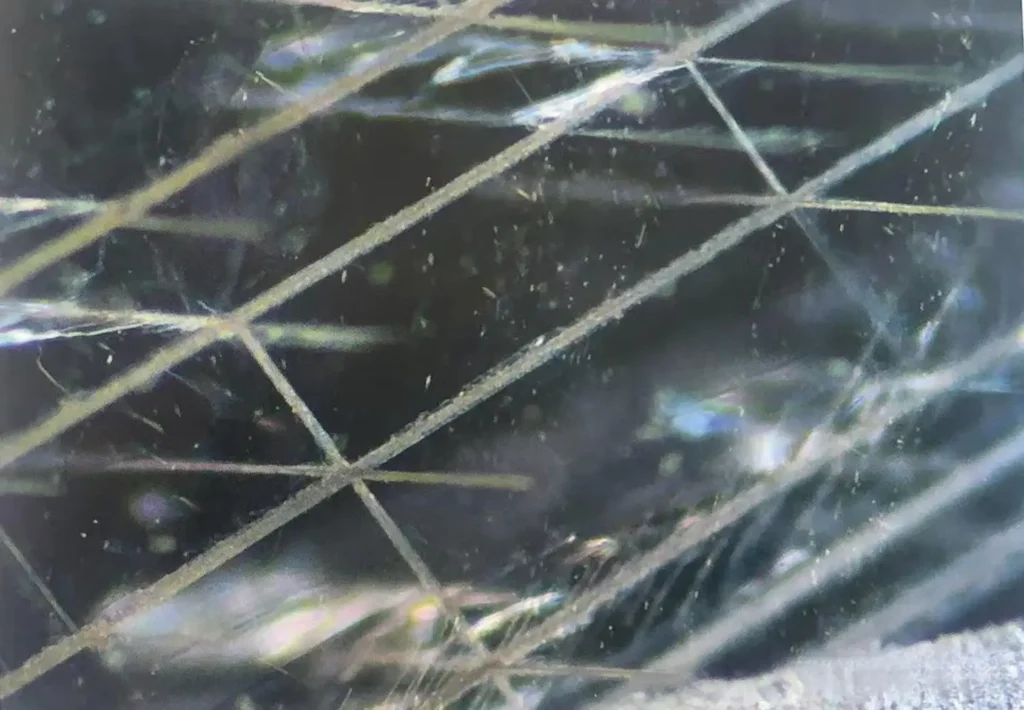
- Diagnostic Inclusions: The most distinctive feature of Umba sapphires is the “scaffold” structure.
- Moreover, these gems often contain a large number of colorless, transparent, and rounded zircon crystals.
Spinel: The Rising “Dark Horse” of Gemstones
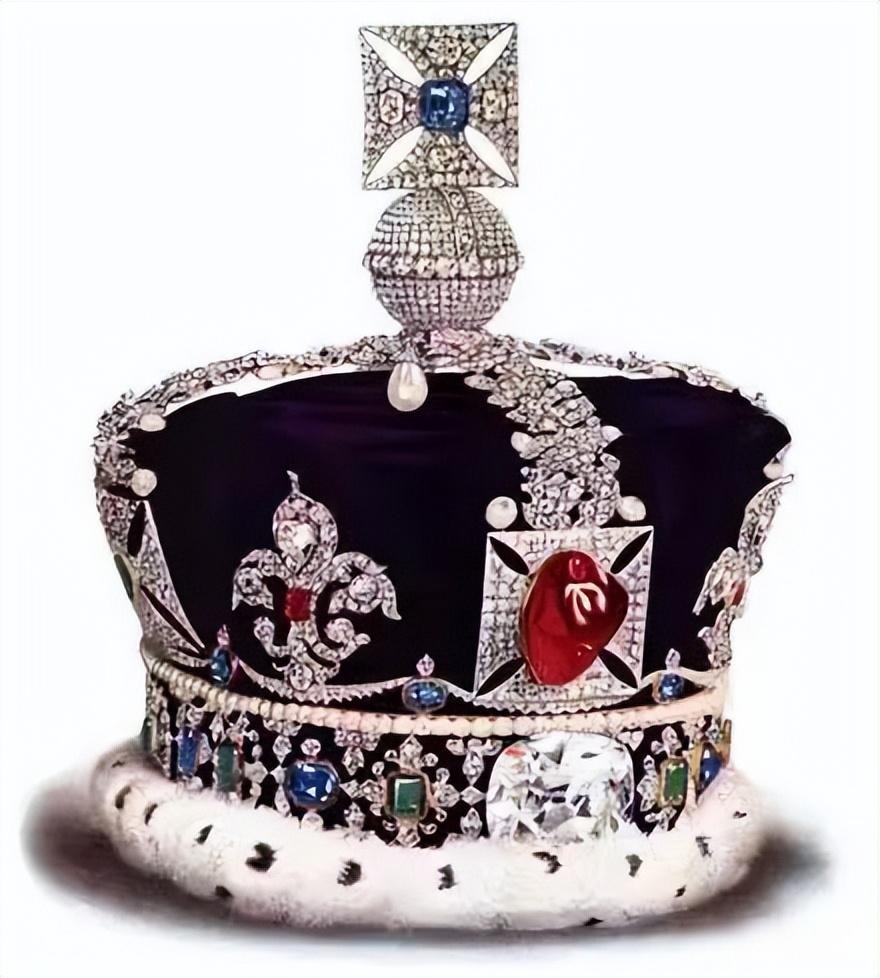
Spinel has emerged as the ultimate “dark horse” in the world of colored gemstones. Historically, it was the world’s most famous “imposter” due to its striking resemblance to ruby. Famous specimens were even set into the Imperial Crowns of Russia and Great Britain.
Read more: The Spinel Ascent: From Historical Understudy to Market Protagonist
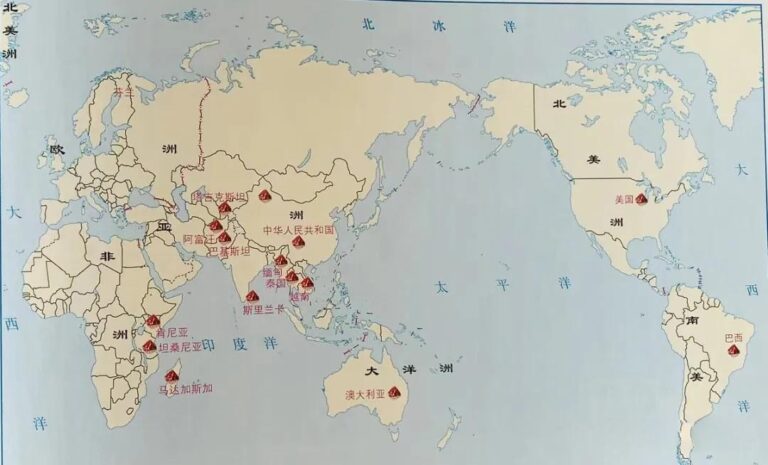
While Myanmar, Vietnam, Sri Lanka, Thailand, and Afghanistan are global producers, Tanzania has gained worldwide fame for its “neon” vibrant pink variety: the Mahenge Spinel.
The Discovery of Tanzanian Spinel
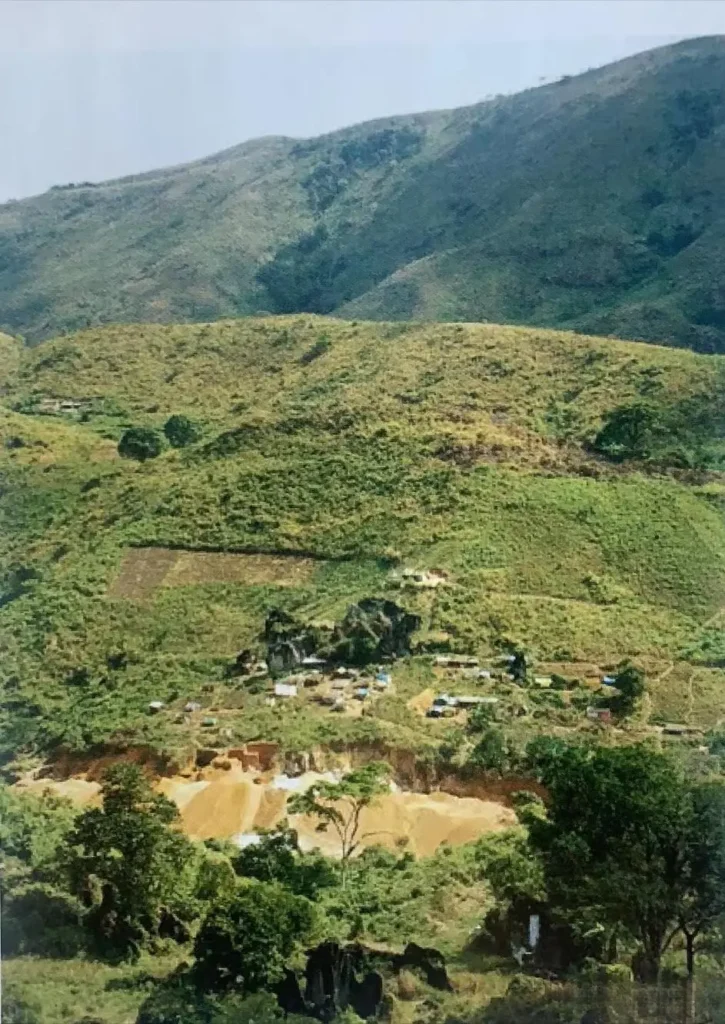
The first discovery of spinel in Tanzania occurred in the 1980s. These gems were found within the marble of Morogoro Province, specifically near Matombo and Mahenge. Subsequently, additional spinel deposits were identified in Songea and Tunduru. The most significant milestone, however, came in 2000. During this time, miners discovered high-quality spinel crystals within the white marble veins of the Ipanko region, located near Mahenge.
Mahenge Spinel: Characteristics and Quality
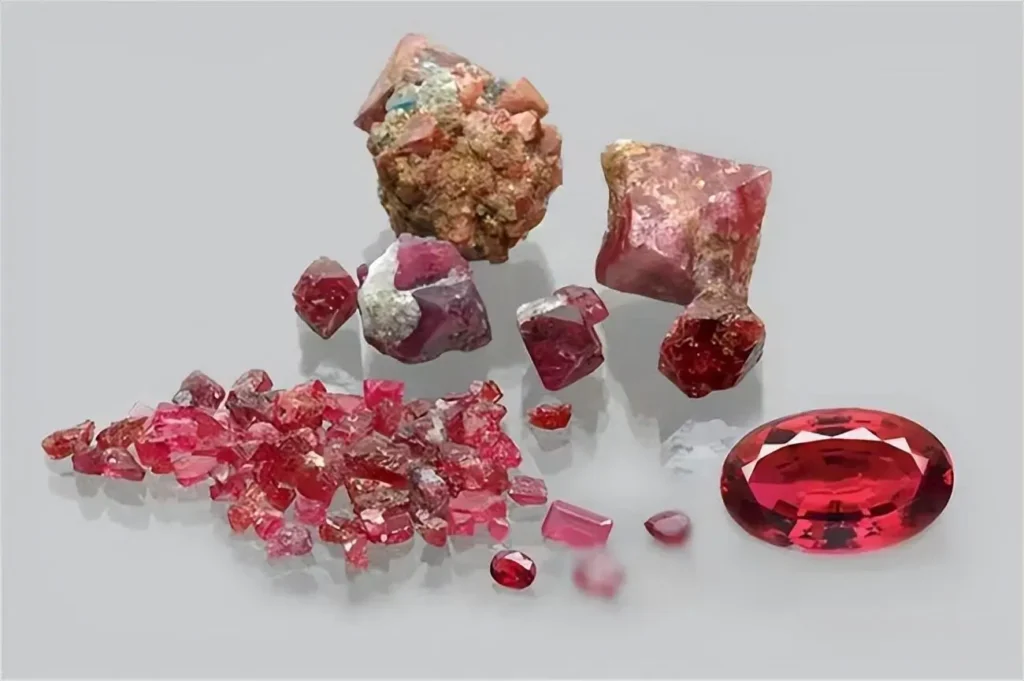
Tanzanian spinels are prized for their large grain size and high transparency. They display a rich spectrum of hues, including red, purple, pink, pink-orange, orange-pink, orange-red, and red-orange. Specifically, pink remains the most common and sought-after color.
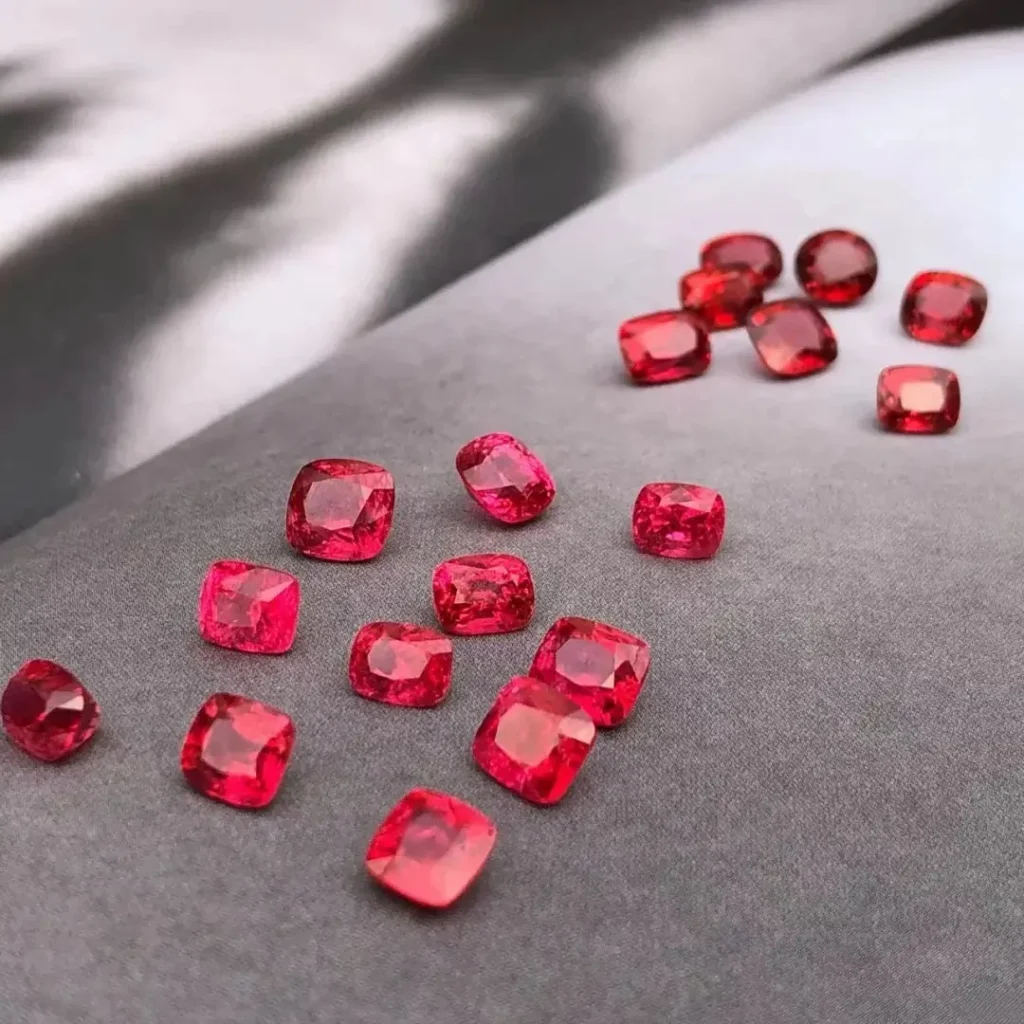
- Neon Brilliance: Top-grade Mahenge spinels possess a natural “neon” glow. When expertly cut, they exhibit an electric brilliance. High-quality specimens can even display an enchanting “cherry red” after faceting.
- The “Velvet” Effect: Some pink spinels from this region feature a unique “velvet” texture. This creates a misty internal appearance, often referred to in the trade as “Milky Mahenge” (affectionately nicknamed “Milk Cap” or Nai Gai).
Market Reality and Advice
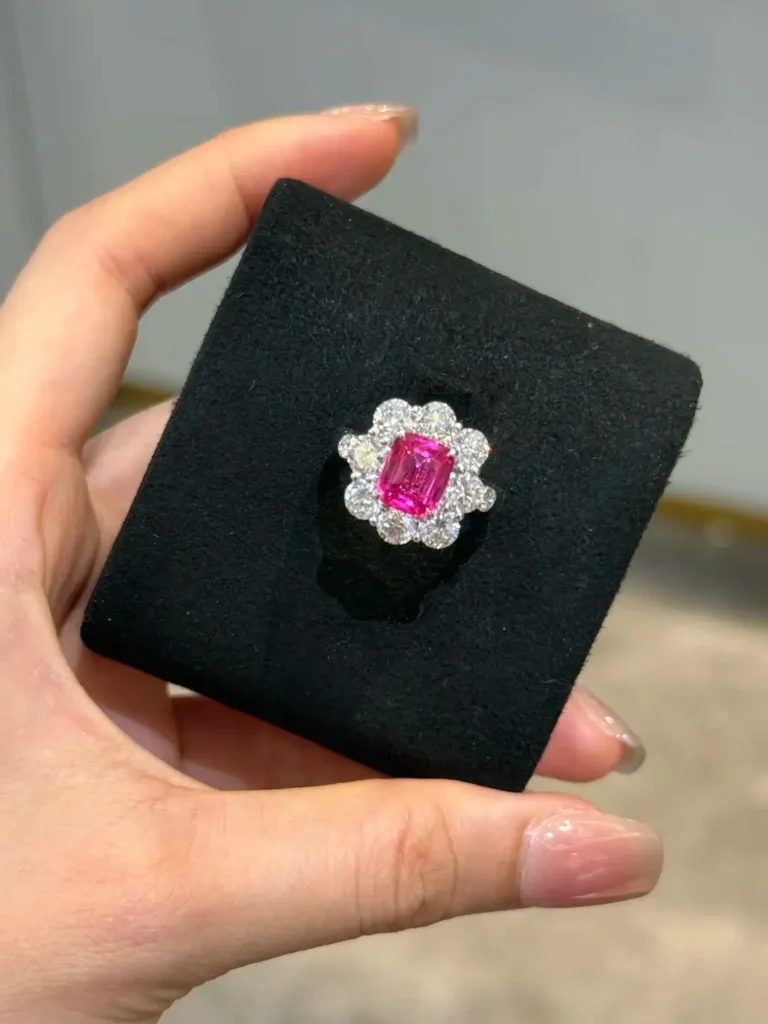
Due to limited production, the Mahenge mines are nearly exhausted. Consequently, prices have skyrocketed. Unfortunately, some unethical sellers now label pink spinels from other origins as “Mahenge” to command higher premiums.
Our Advice: Do not let the “Mahenge” name cloud your judgment. Whether dealing with gemstones or jade, quality remains the ultimate factor in determining price.
(Read more: [The 4 Icons of the Spinel Family: Where to Find the World’s Most Expensive Spinels])
Tourmaline: The Spectrum of Nature
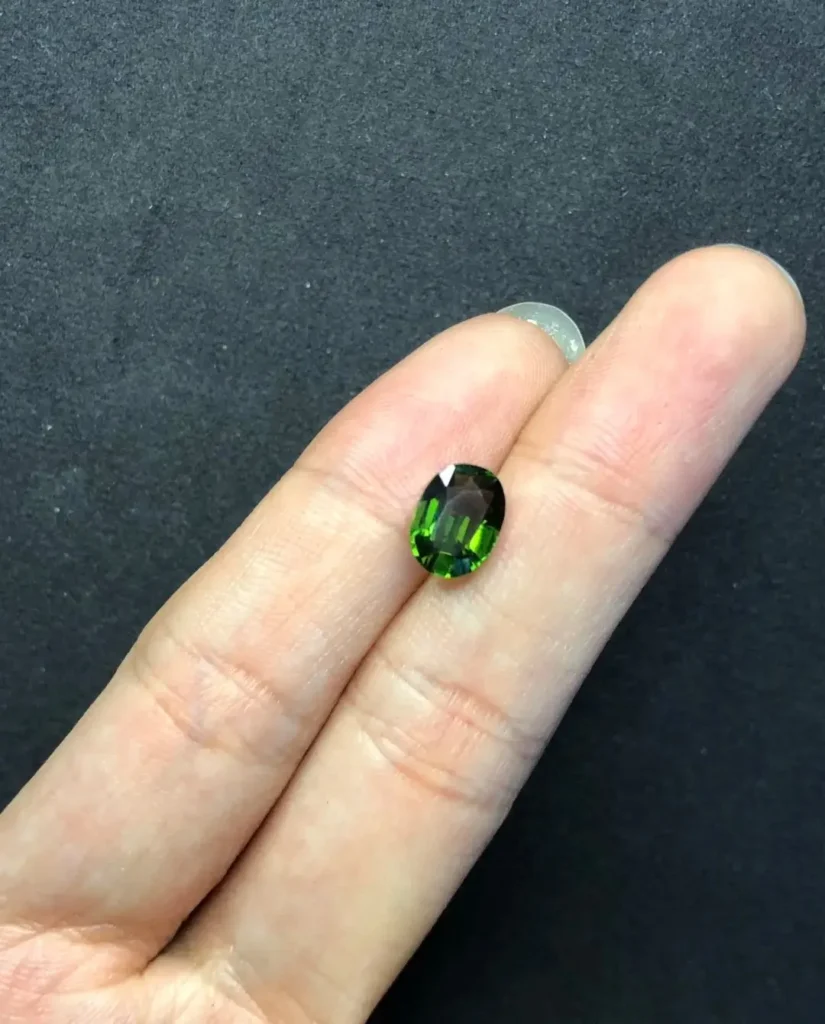
Tourmaline, known mineralogically as electrical stone, is a complex borosilicate crystal. It is categorized by its vibrant colors, including red, green, and blue. With a hardness of approximately 7, these gems often contain gas inclusions and natural fractures. Consequently, specimens with high clarity are exceptionally rare.
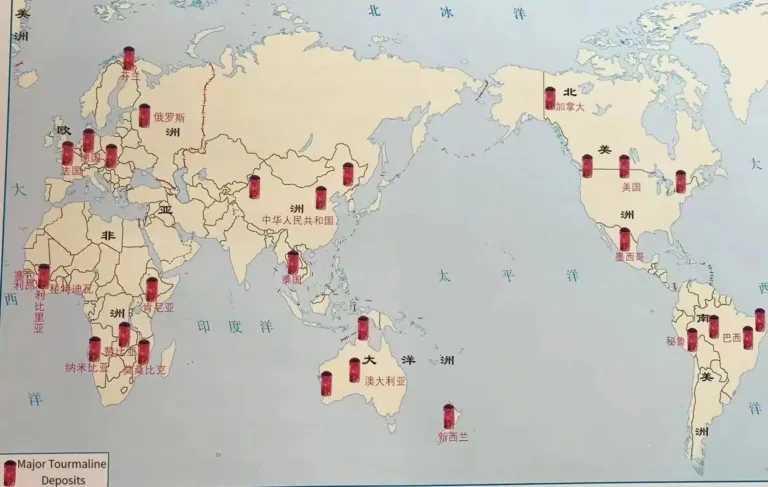
Currently, over 300 tourmaline deposits or occurrences have been discovered globally. However, gem-quality tourmaline primarily originates from Brazil, Sri Lanka, Tanzania, Kenya, and Mozambique.
The Chrome Tourmaline: Tanzania’s Rare Green Treasure
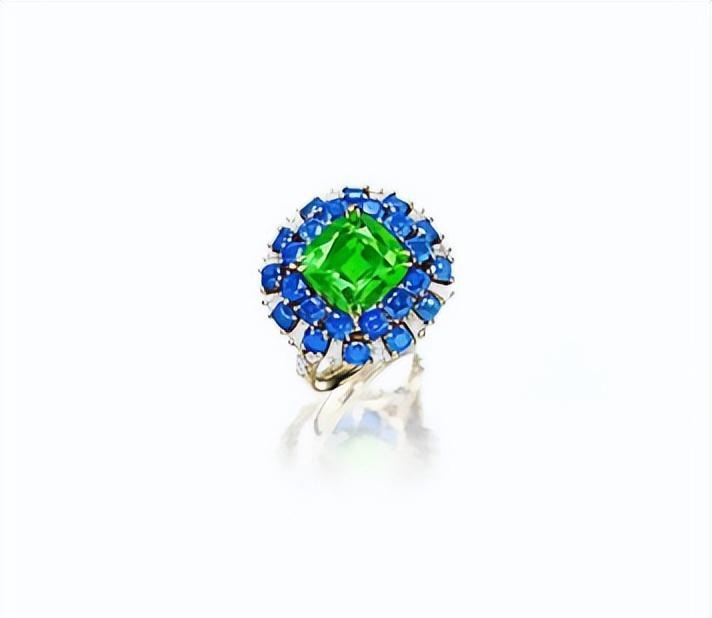
Tanzania is particularly famous for a unique variety of chromium-bearing dravite, known globally as “Chrome Tourmaline.”
- Distinctive Color: Unlike the standard green tourmalines from Brazil, Chrome Tourmaline contains trace amounts of chromium. This element imparts a saturated, vivid green hue.
- Visual Brilliance: These stones feature a bright tone and rich color saturation.
- Scarcity and Value: High-quality, large-carat Chrome Tourmalines have a very low global yield. As a result, they remain one of the most valuable and sought-after varieties within the tourmaline family.
Tanzanite: The Pride of the Merelani Hills
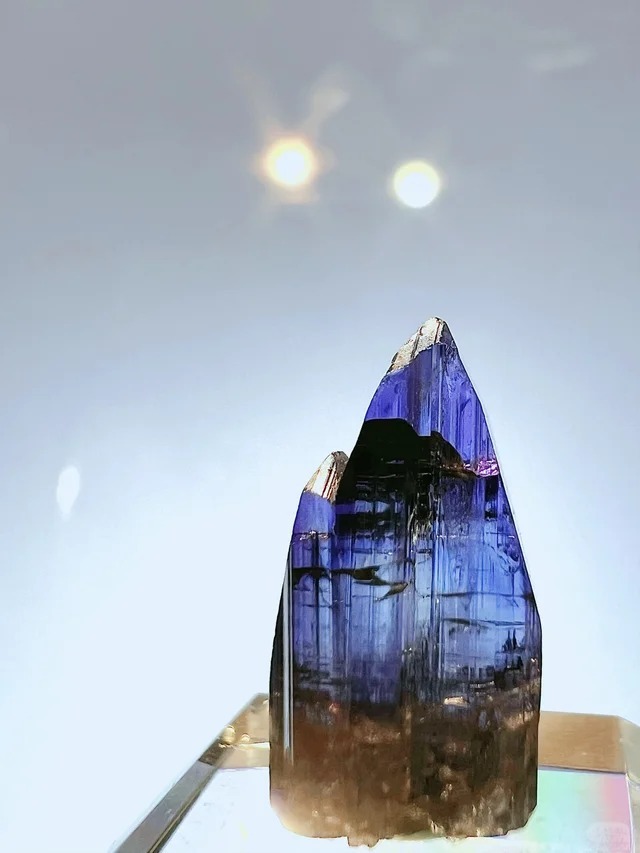
In 1967, gemologist Campbell R. Bridges discovered a vibrant, deep blue gemstone in Tanzania. Shortly after, Henry B. Platt, the Vice President of Tiffany & Co., named it Tanzanite. The name was chosen to honor the newly formed United Republic of Tanzania, which was established that same year. Consequently, Tanzanite naturally became the national gemstone of Tanzania.
Mineralogically, Tanzanite is a variety of Zoisite, a silicate mineral. In some international markets, it is also known as “Danzanite.” Most gem-quality Tanzanites found on the market today feature a stunning blue-violet hue.
While minor occurrences of zoisite have been found in the United States, Mexico, Greenland, Austria, and Switzerland, there is only one commercial source in the world. Tanzanite is mined exclusively in the Merelani Hills of northern Tanzania. This extreme geographical rarity makes it one of the most unique gemstones on the planet.
Related Read: Why Is Tanzania the Only Source of Tanzanite? A Deep Dive into Natural Tanzanite
The Magic of Pleochroism
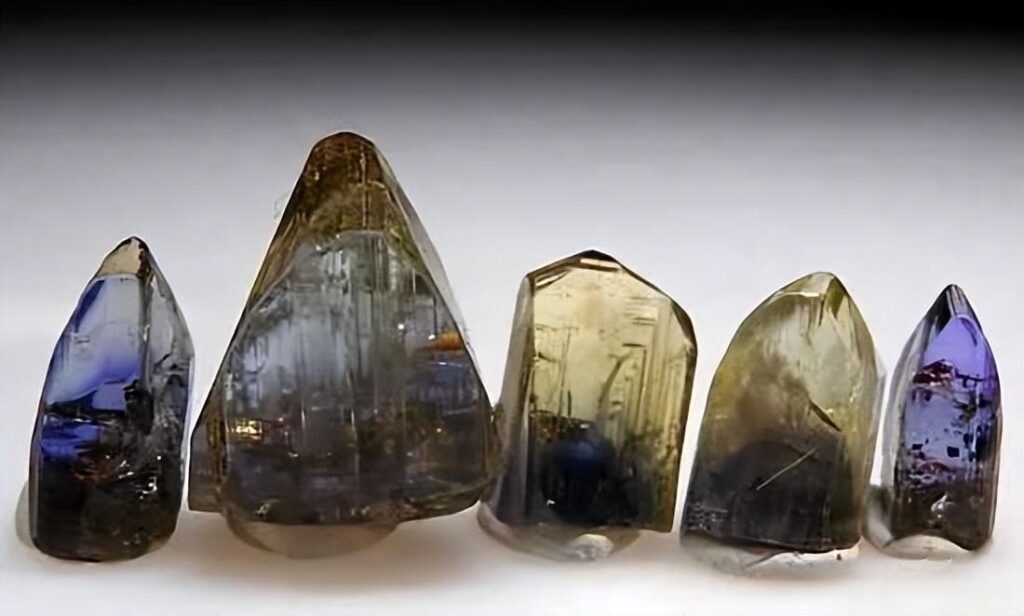
One of the most fascinating characteristics of Tanzanite is its intense trichroism.
- The Spectrum: In 1969, the journal American Mineralogist described Tanzanite’s pleochroism as a blend of “red-violet, deep blue, and yellowish-green.”
- Natural Varieties: Beyond the famous blue-violet, natural Tanzanite can appear in brownish-green, gray, yellow, and even rare pale pink.
- Enhancement: Today, most Tanzanites undergo heat treatment. This process removes brownish, yellowish, or grayish tones. Specifically, it enhances and deepens the desirable blue and violet saturation.
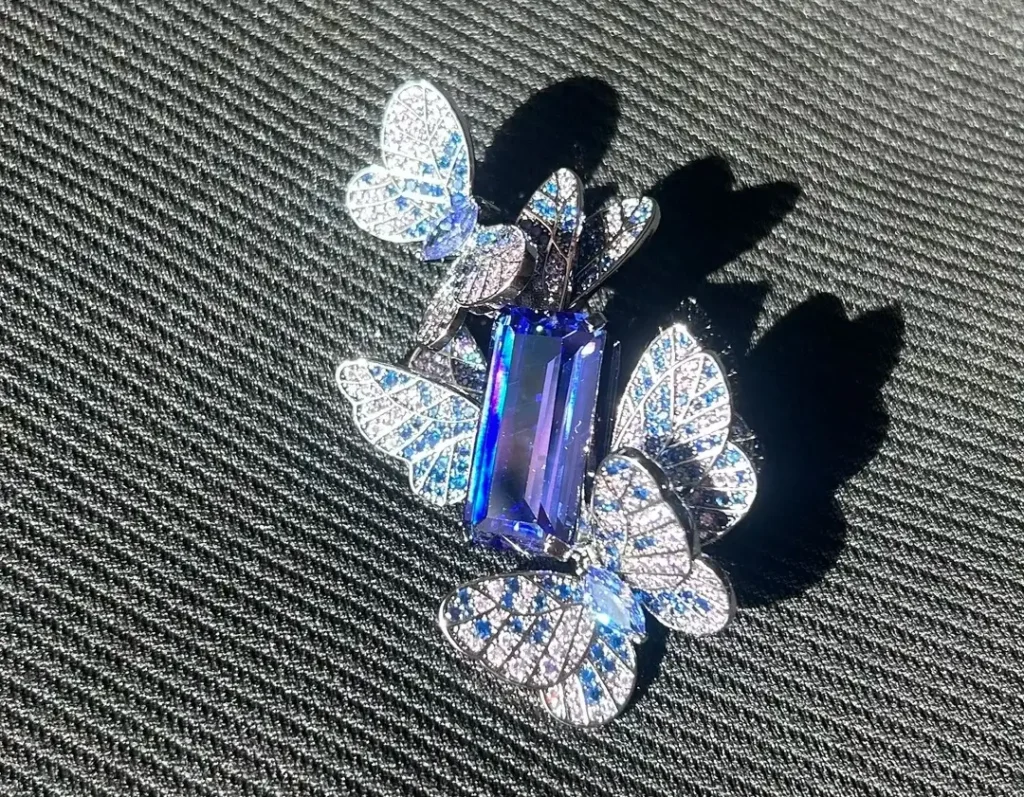
For a long time, top-tier Tanzanite has been viewed as the premier alternative to fine sapphire due to its rich, deep violet-blue color. However, it does have a drawback. Tanzanite lacks the extreme hardness of sapphire. Therefore, sapphire remains superior in terms of long-term durability for daily wear.
Related Read: Tanzanite Gemstone: Why This Rare Blue Treasure is More Than a Sapphire Alternative
Tsavorite: The Electric Green Marvel
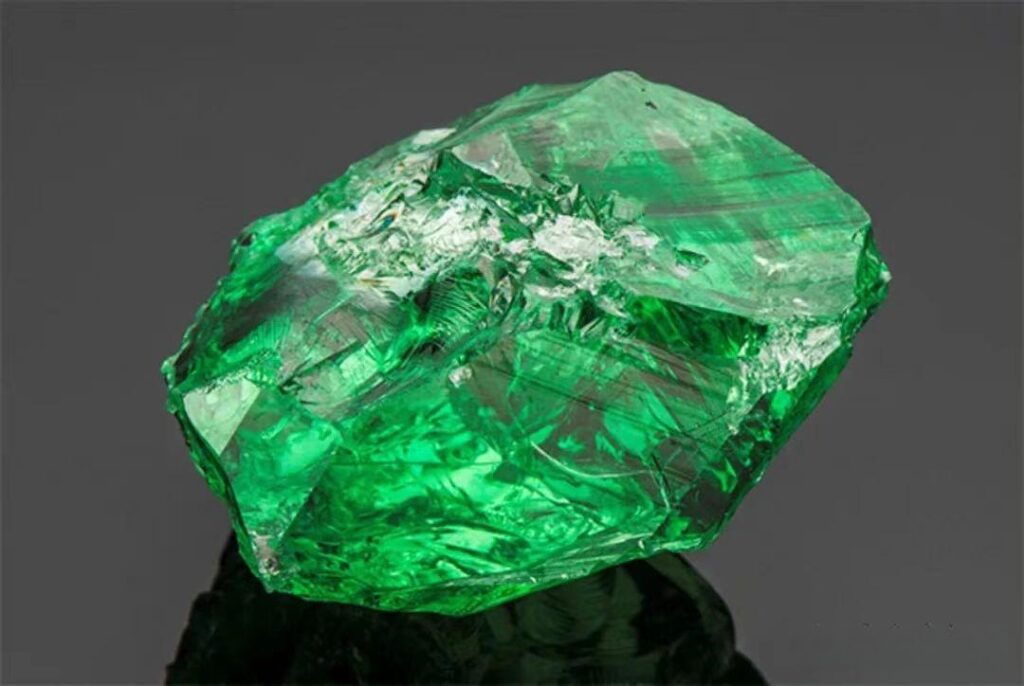
Beyond Tanzanite, gemologist Campbell R. Bridges discovered another remarkable gemstone in Tanzania: Tsavorite.
In 1961, Bridges first identified this green grossular garnet within Tanzanian borders. Unfortunately, the Tanzanian government’s nationalization policies at the time halted early attempts to develop the local deposits.
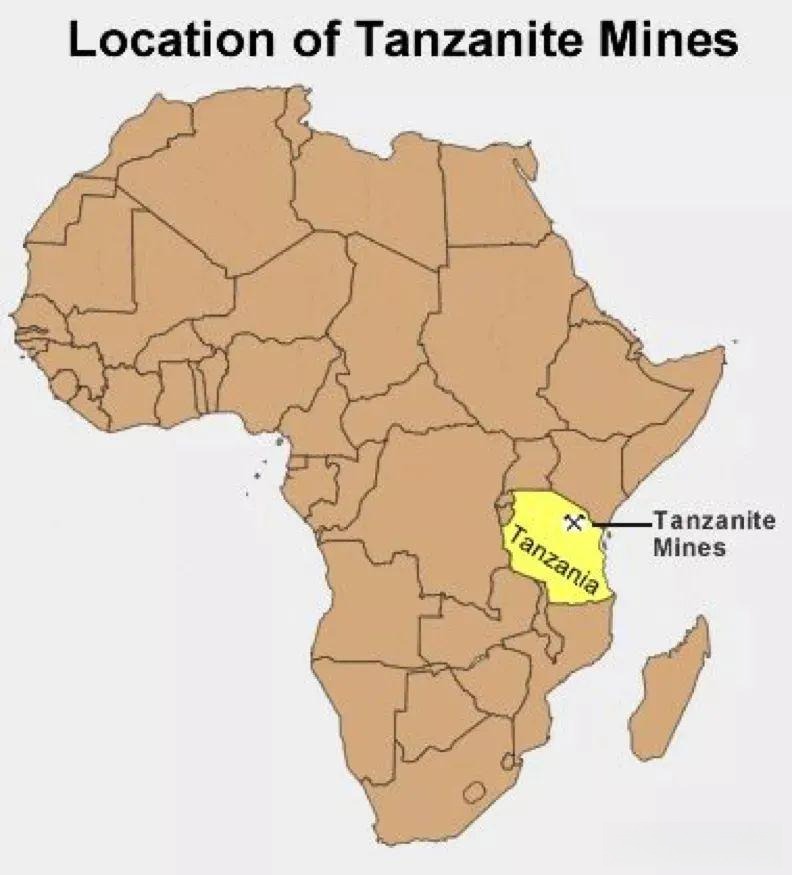
However, Bridges remained persistent. In late 1970, with strong backing from Tiffany & Co., he rediscovered this vivid, life-affirming green garnet. The discovery occurred near the Tsavo National Park, situated along the border of Kenya and Tanzania. By late 1973, Bridges and Henry B. Platt, the President of Tiffany & Co., officially named the gemstone “Tsavorite”.
Despite its exceptional physical qualities, Tanzanian Tsavorite remains rare on the global market. The historical nationalization policies significantly restricted the flow of these gems from their source. Today, this limited production ensures that genuine Tanzanian Tsavorite remains a prized acquisition for discerning collectors.
Further Reading: Stop Calling It an Emerald Substitute! Tsavorite Garnet: The Powerhouse of Green Gemstones
The “Three Highs” of Gemstone Excellence
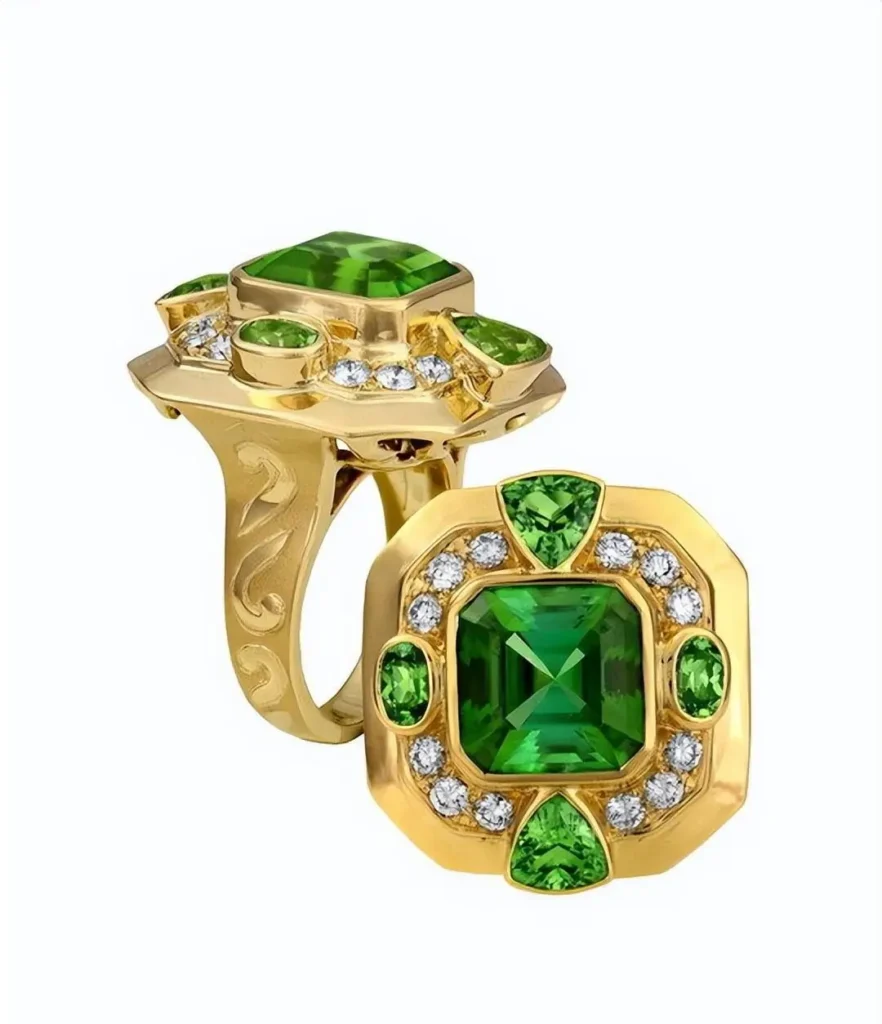
Tsavorite has rapidly ascended the ranks of luxury gemstones. Its prestige stems from what experts call the “Three Highs”: High Saturation, High Brilliance, and High Clarity.
- Electric Color: Premium Tsavorite displays an intense, pure bright green often described as “Electric Green.” Occasionally, a subtle blue secondary tone emerges, giving the stone an appearance that rivals fine emeralds.
- Blazing Brilliance: This gemstone owes its fiery sparkle to a high refractive index (1.73–1.75). When artisans apply precision cuts, Tsavorite exhibits extraordinary fire and scintillation.
- Superior Durability: Tsavorite easily passes the “gemstone endurance test” with a Mohs hardness of 7 to 7.5. Consequently, experts often praise it as a gem that possesses “every quality a top-tier gemstone should have, and more.”
Vanadium Chrysoberyl: The Rare Mint Treasure
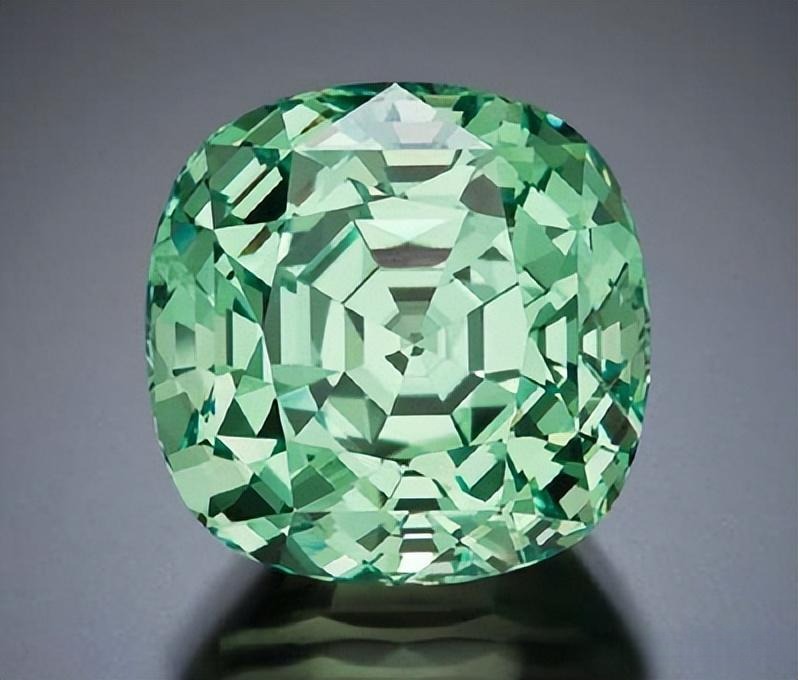
Vanadium Chrysoberyl first emerged from the soil of Tanzania in the mid-1990s. Following its initial discovery, miners later identified deposits in Ilakaka (Madagascar), Sri Lanka, and Mogok (Myanmar). Unlike traditional yellow-green chrysoberyls, which derive their color from iron, this rare variety owes its unique personality to Vanadium and Chromium.
The Enchanting “Mint Green” Glow
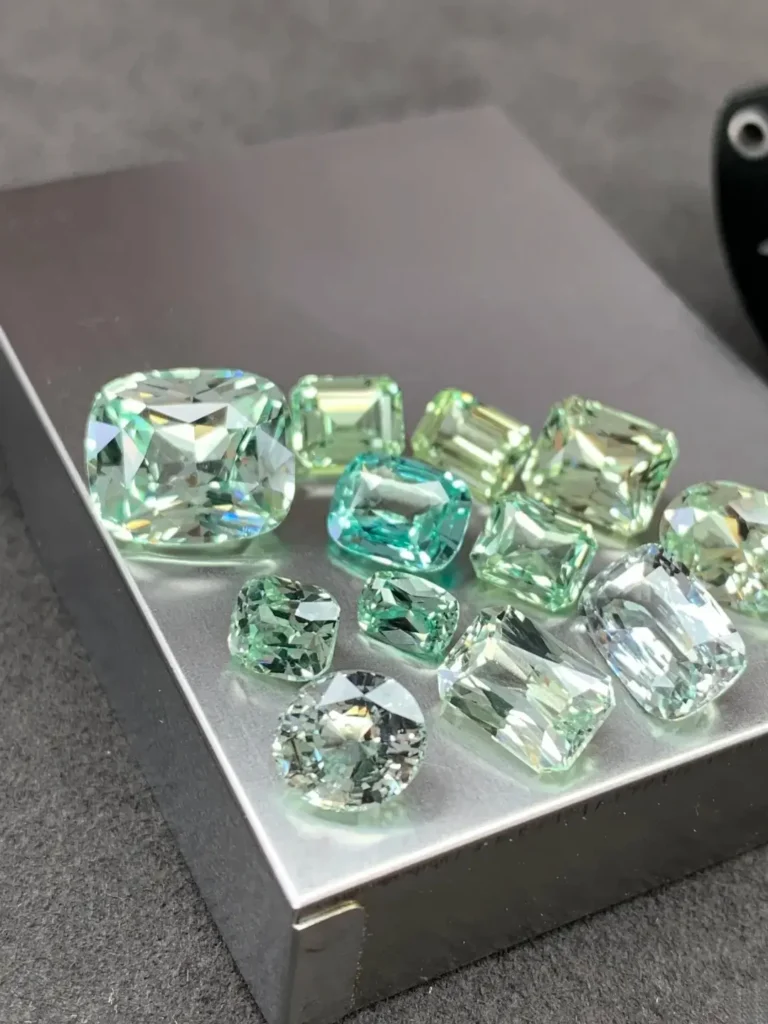
The presence of vanadium creates a distinct, refreshing mint green hue. This vibrant tone sets it apart completely from the common iron-colored varieties.
- Color Range: Most Vanadium Chrysoberyls display a crisp, cool mint green. However, a tiny percentage of specimens reach a vivid, saturated green that closely rivals the finest emeralds.
- Exceptional Durability: Beyond its beauty, it possesses outstanding gemological parameters, including a high hardness that makes it suitable for all types of jewelry.
A Niche Gem for Discerning Collectors
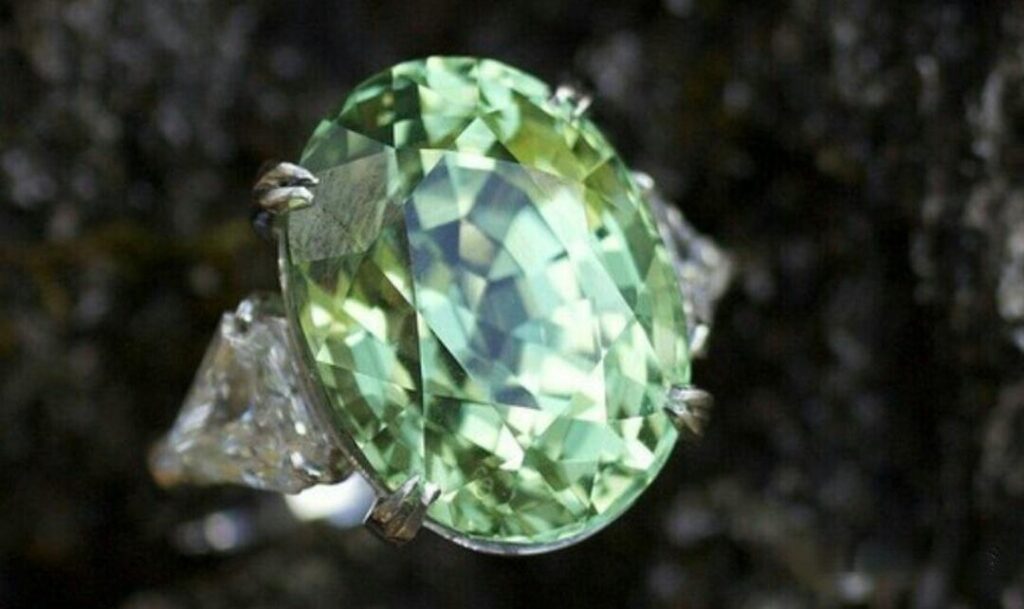
Because of its exquisite color and extreme scarcity, Vanadium Chrysoberyl remains a highly sought-after “niche” gemstone.
- Market Rarity: You will rarely encounter high-quality specimens in the mainstream market. It remains a treasure primarily for gemstone enthusiasts and serious collectors.
- Value Retention: The combination of breathtaking beauty, rare production, and excellent durability ensures that prices remain consistently high.
Explore Gemstone Treasures Around the World
Previously in our Gemstone Nations series, we have introduced:
- Russia: Russian Gemstones: 9 Extraordinary Treasures from the Urals to Siberia
- Brazil: 8 Treasured Brazilian Gemstones from the World’s Colored Gem Capital
- India: Indian Specialty Gemstones: A Guide to Historic Diamonds, Kashmir Sapphires, and Investment Treasures
- Thailand: Thailand Gemstones: From Rubies and Sapphires to the Rising Star of Spinel
- Colombia: Colombian Gemstones: Emeralds, Mining Regions, and Investment Value
- Australia: The Ultimate Guide to Australia Gemstones: Nature’s Wonders from Down Under
- Afghanistan:Afghanistan’s Hidden Gemstones: From Panjshir Emeralds to Sar-e-Sang Lapis Lazuli
- Sri Lanka: Exploring Sri Lankan Gemstones: What Lies Beyond Rubies and Sapphires?
Every nation on Earth harbors its own unique mineral wonders. Today, we added the breathtaking Tanzania gemstones to our global map.
If you were to choose one of these 8 Tanzanian Gemstones for your loved one, which would it be? The neon glow of a Mahenge Spinel, the royal blue of a Tanzanite, or perhaps the electric green of a Tsavorite?
Comment below and let us know your favorite!