Exploring Sri Lankan Gemstones: What Lies Beyond Rubies and Sapphires?
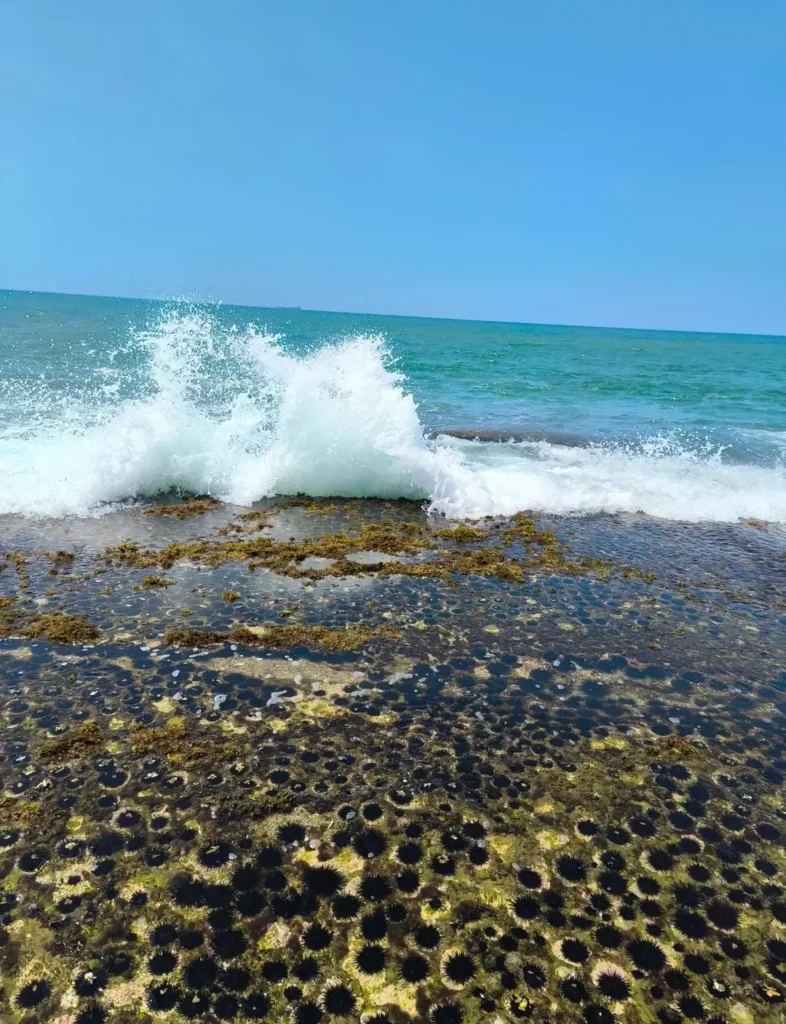
Whenever I touch down in Sri Lanka, it’s easy to get swept up in the “Land of Smiles”—the elephants, the UNESCO heritage sites, or even the local quirks (pro-tip: the sea urchins here are massive and untouched by locals, a hidden feast for the seafood-loving traveler). But as a gem hunter, my focus is always on the gravel. This island is a geological miracle, and the global demand for Sri Lankan gemstones has never been higher.
We’re continuing our “Kingdom of Gems” series by heading straight to the heart of the Indian Ocean.
The jewelry world held its breath on July 6, 2022, when Sri Lanka declared bankruptcy after failing to repay $51 billion in foreign debt. This wasn’t just a financial headline; it sent immediate ripples of anxiety through the global gemstone trade.
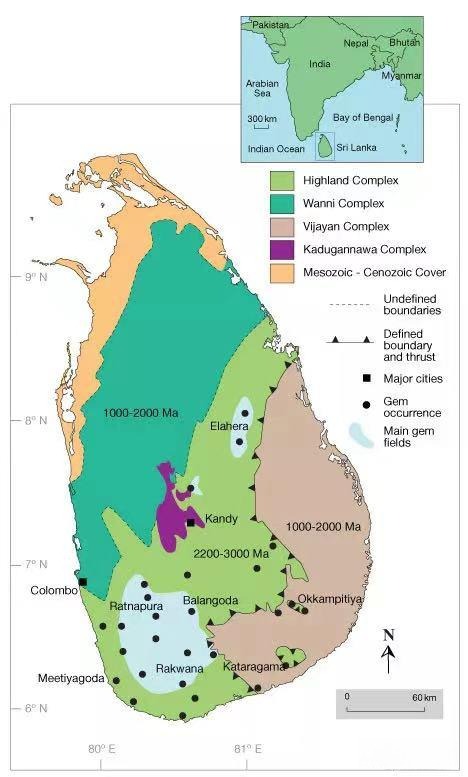
To this day, Sri Lanka remains one of the five most significant gemstone origins on Earth. It’s staggering to think that of the 200+ varieties of colored stones discovered worldwide, over 70 are found right here in this soil. Since the economic crisis, the trade for Sri Lankan gemstones has become the country’s primary economic lifeline.
On the ground in Ratnapura, the shift is palpable: locals now prioritize trading their stones for US dollars as a hedge against inflation. This has driven prices for Sri Lankan gemstones to skyrocket—it’s no exaggeration to say that quotes are now moving on a monthly basis.
Given this volatility and the sheer diversity of material, many buyers—especially international tourists—wonder if it’s still possible to walk in and secure top-quality Ceylon sapphires at bargain prices. For a reality check on the current market, I’ve broken down the essentials in my [Essential Ceylon Sapphire Buying Guide: Unlocking the Secrets of Sri Lanka’s Gemstone Market].
Sri Lankan gemstones Directory
- Ruby: The Renowned Gemstone of Sri Lanka
- Sapphire: The World’s Premier Source in Sri Lanka
- Spinel: The Rising “Dark Horse” of Colored Gemstones
- Chrysoberyl: One of the “Big Five” Precious Gems
- Moonstone: The Most Celebrated Feldspar Gem
- Iolite: The Stunning “Water Sapphire”
- Natural Zircon: The Ancient December Birthstone
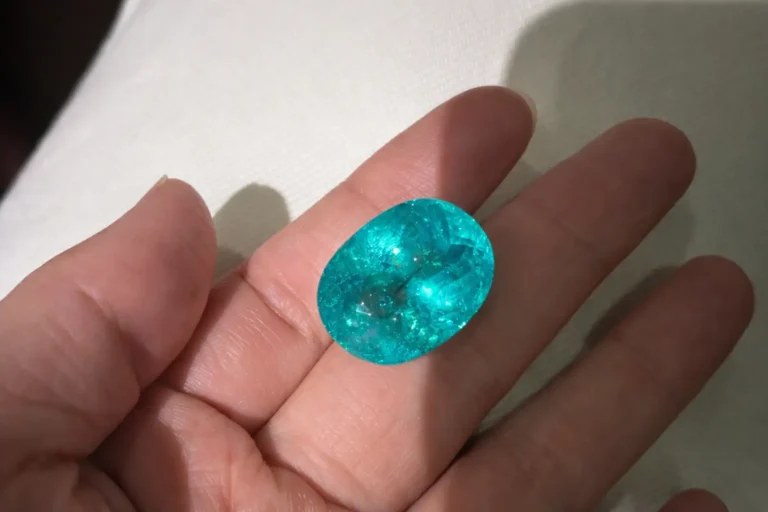
- Apatite: The Paraiba Look-alike
Ruby: The Renowned Gemstone of Sri Lanka
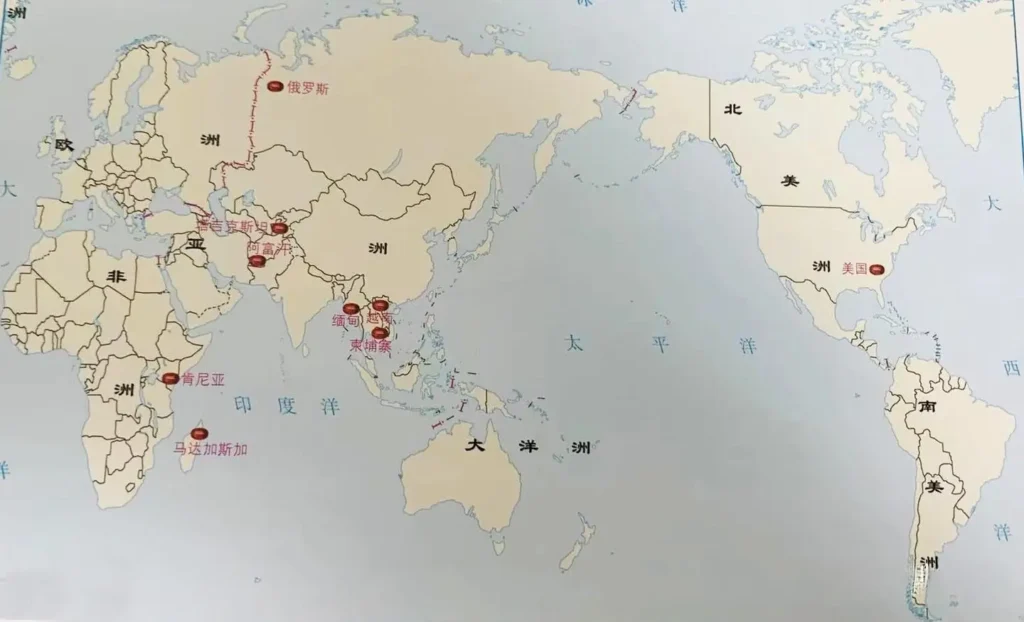
Our regular readers already know that the world’s primary ruby sources include Myanmar, Mozambique, Thailand, Sri Lanka, Vietnam, Tanzania, and Kenya. Among these, Sri Lankan rubies have earned a global reputation for their exceptional transparency and soft, delicate colors.
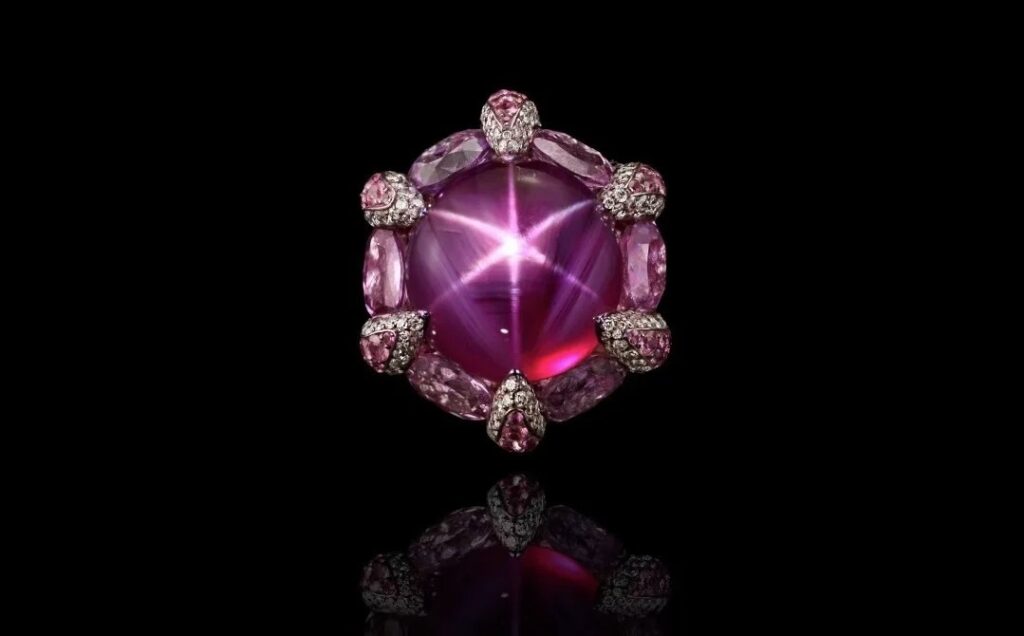
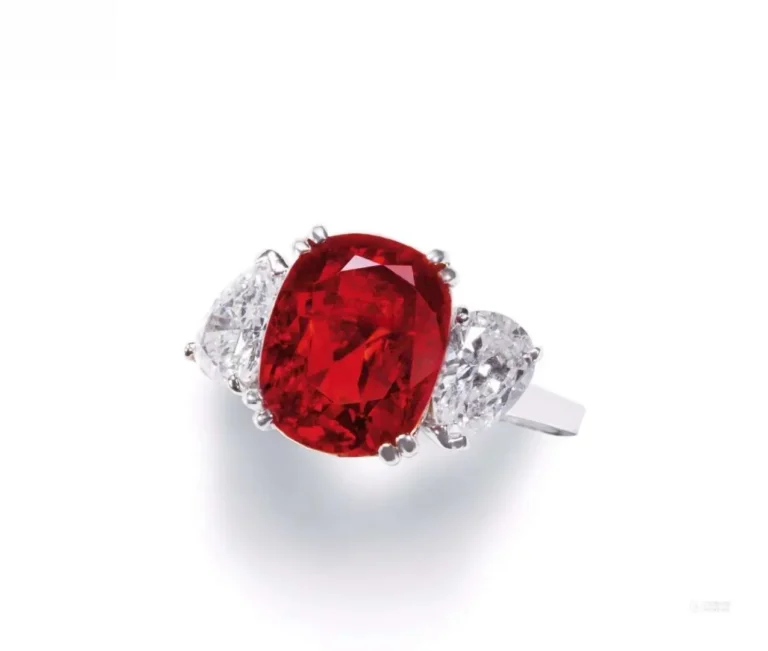
The color palette here spans the entire spectrum, from pale pinkish-red to deep red. However, the market prizes the “Cherry Red” rubies most—those featuring subtle pink or yellow undertones—as the pinnacle of quality from this region. Beyond faceted stones, Sri Lanka holds a legendary reputation for producing world-class star rubies.
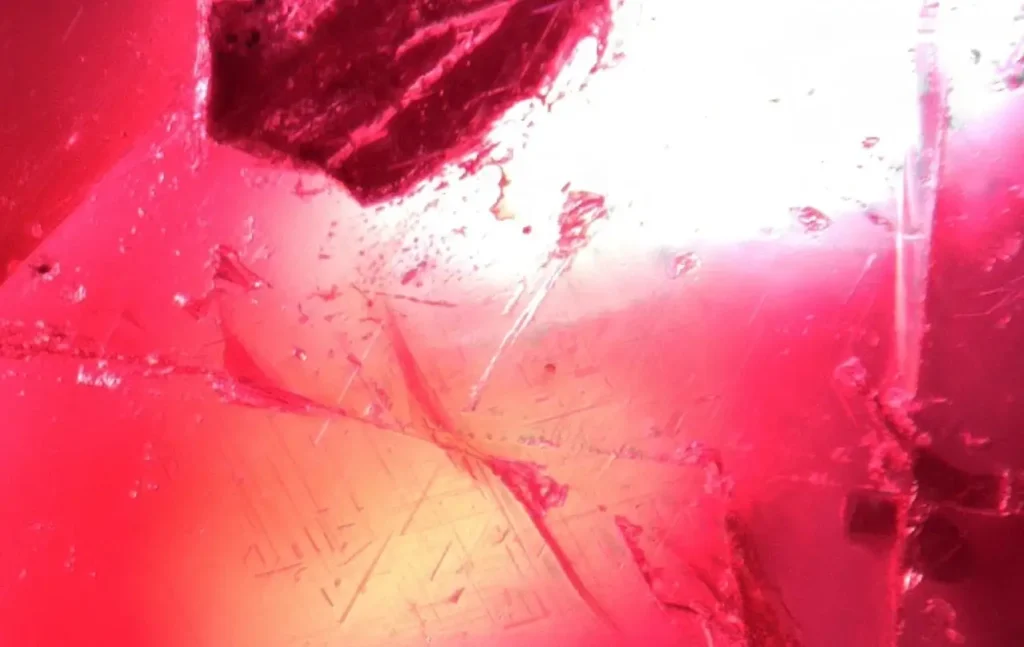
Beyond color, the most striking characteristic of a Sri Lankan ruby lies in its diverse array of inclusions. Solid inclusions frequently feature garnet, olivine, rutile, zircon, calcite, and spinel. In particular, the specific morphology of rutile and zircon serves as a vital diagnostic tool for identifying Sri Lankan origin.
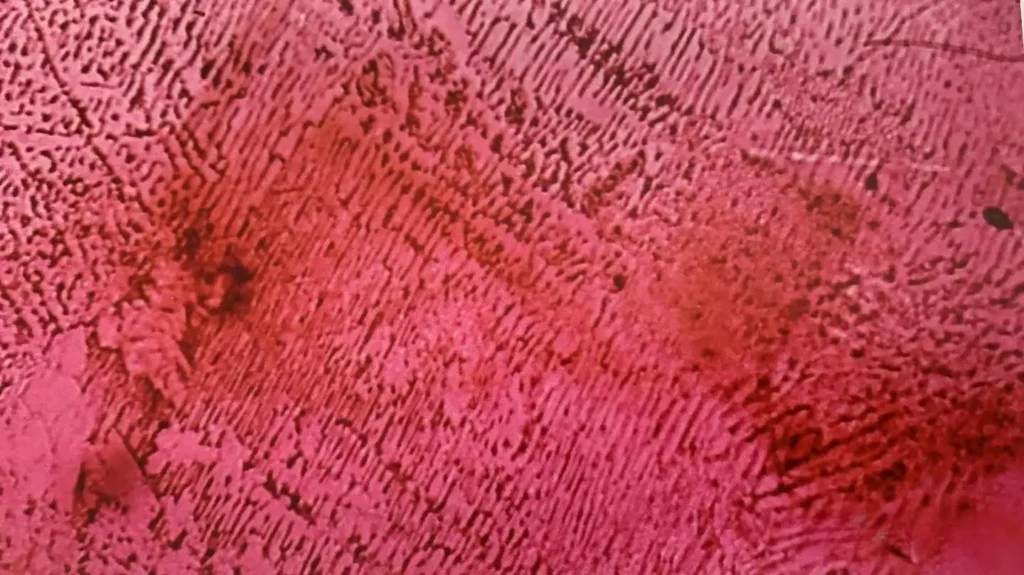
Fluid inclusions often appear in mesmerizing fingerprint, comb, or net-like patterns. These frequently coexist with slender rutile needles in exquisite arrangements, providing a definitive “birthmark” of the island’s unique geological heritage. Additionally, Sri Lankan rubies often exhibit well-formed negative crystals and twinning, further distinguishing their internal structure.
Master the essentials before you buy: [Ultimate Ruby Buying Guide – Color, Carat, Clarity & Treatments Explained]
Sapphire: The World’s Premier Source in Sri Lanka
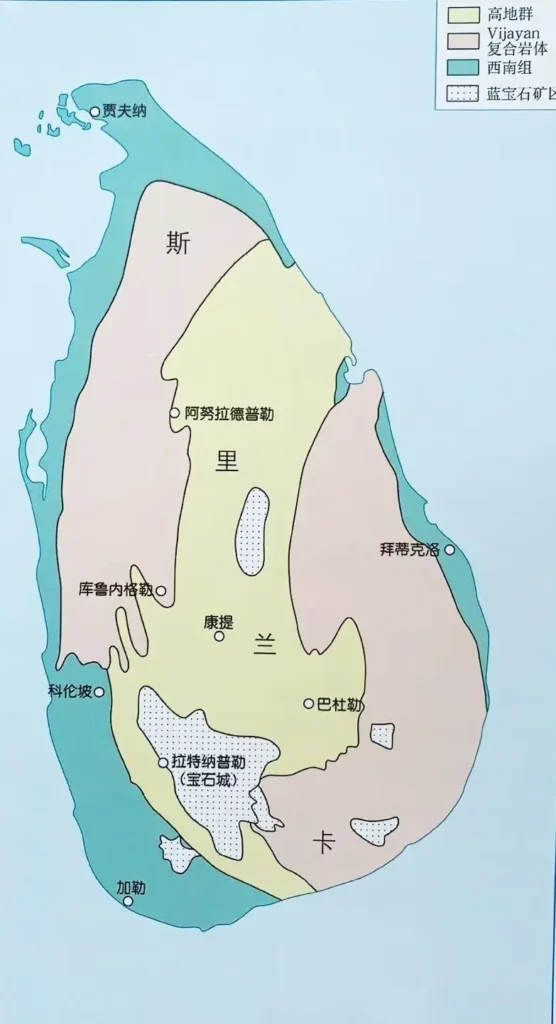
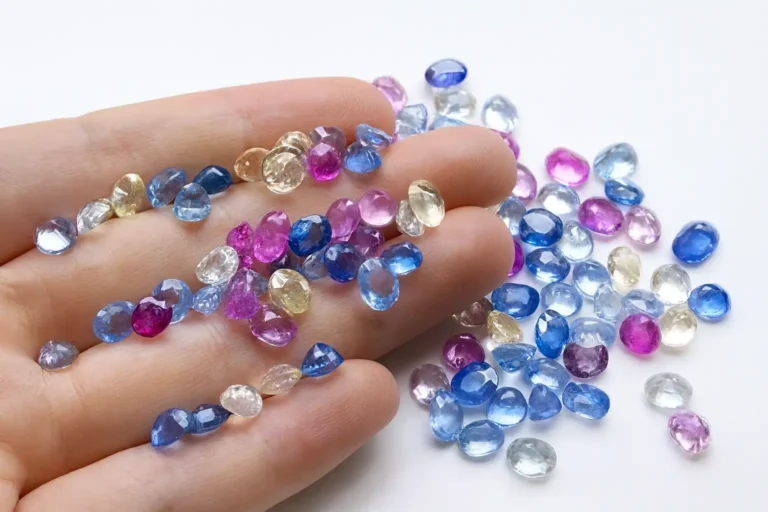
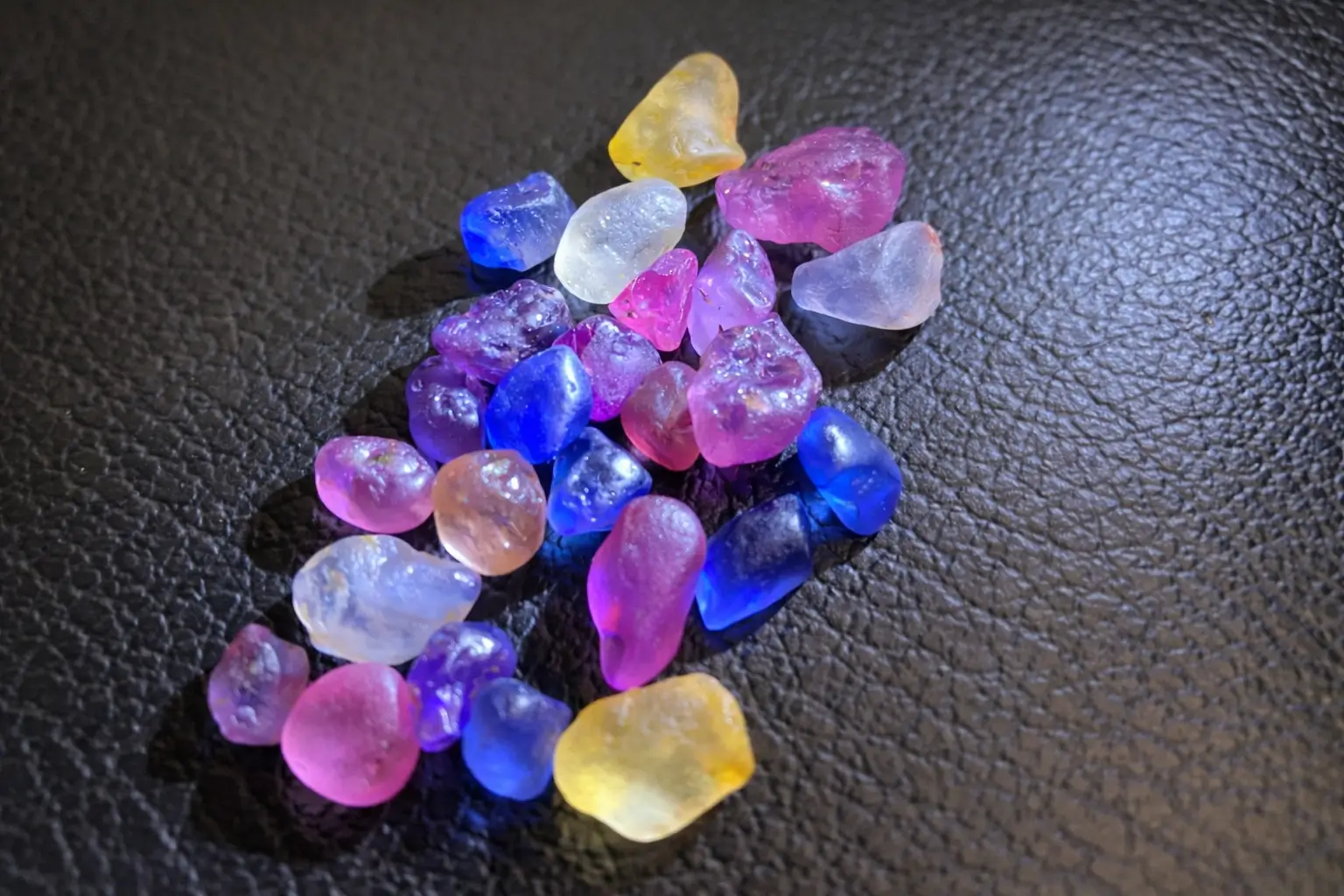
Beyond its rubies, Sri Lanka reigns as the world’s leading producer of high-quality sapphires. While classic blue remains the most sought-after, the island yields a vibrant spectrum of yellow and green varieties. Among these, the legendary Padparadscha sapphire—celebrated for its delicate pinkish-orange hue—stands out as an exceptionally rare treasure.
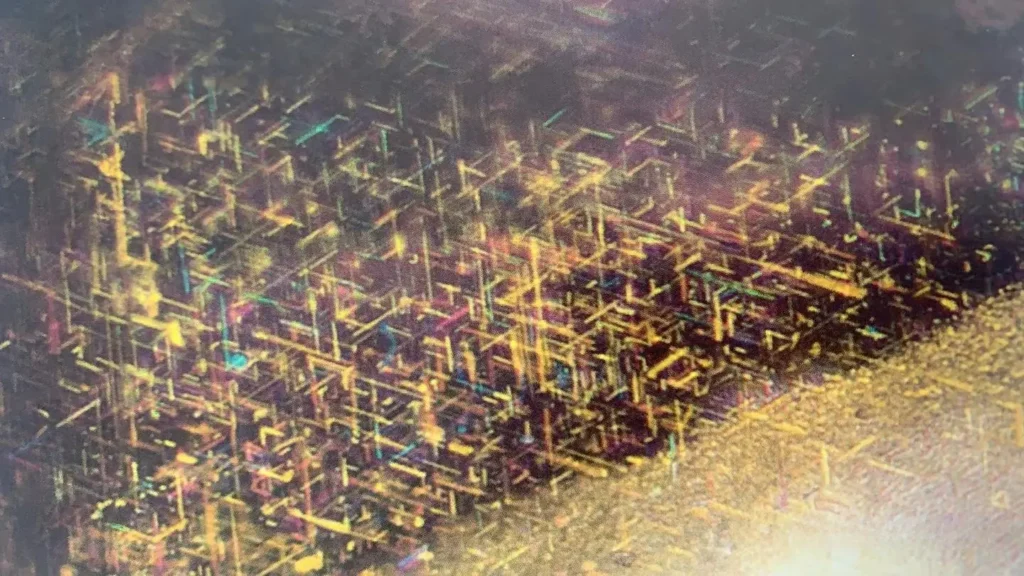
Much like their ruby counterparts, Sri Lankan sapphires host a rich world of internal inclusions. Compared to Burmese stones, the inclusions here often appear more symmetrical and aesthetic, with rutile needles (silk) that are significantly longer and finer than those found in Myanmar.
Related Reading: Distinguishing these from Madagascar specimens requires an even keener eye for detail. Learn how experts identify them by their unique inclusions in: Madagascar vs Sri Lanka Pink Sapphires: How Experts Identify Real Gems by Origin and Inclusions.
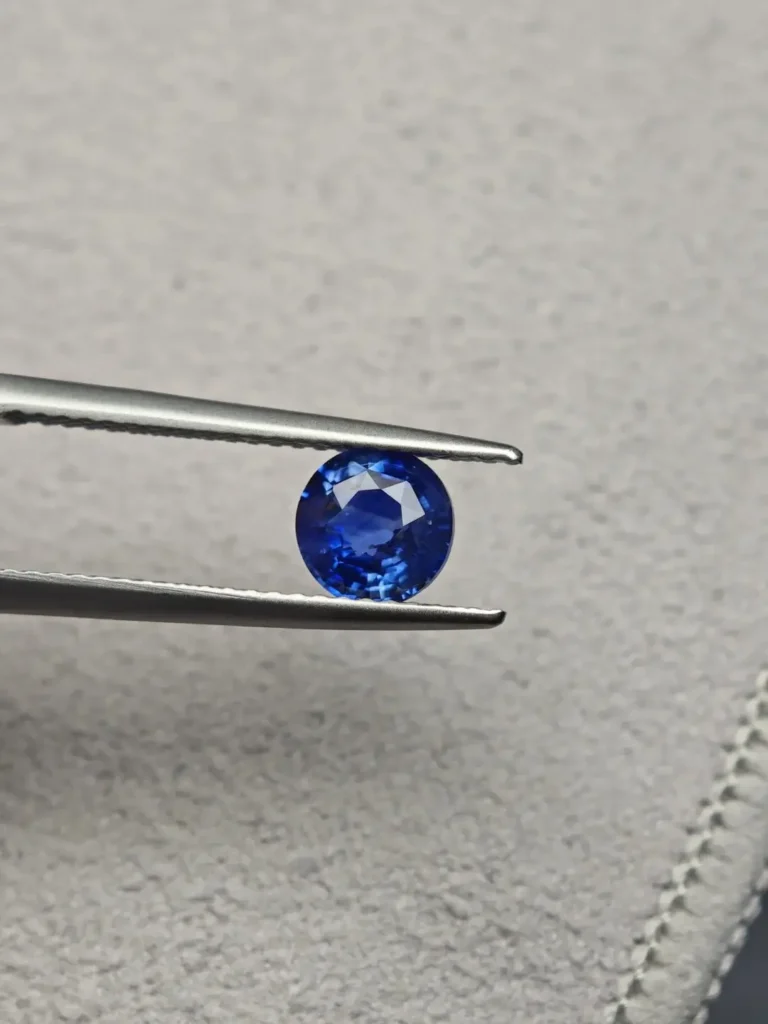
Furthermore, Sri Lankan sapphires frequently display prominent color zoning, a diagnostic feature that is less common in Kashmir or Burmese varieties. Fractures also play a key role in their internal landscape, typically manifesting as intricate “fingerprint,” “web,” or “map-like” patterns composed of tiny fluid droplets.
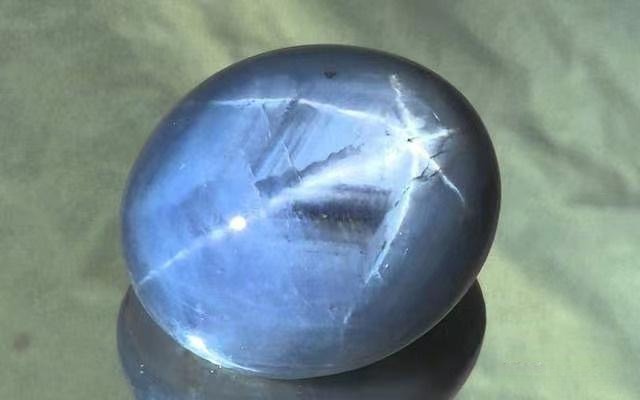
A historic milestone occurred in early 2016 when members of the Sri Lanka Gemmology Society discovered the world’s largest star sapphire in the Ratnapura mining district. Named “The Star of Adam,” this colossal gem weighs a staggering 1404.49 carats in its cabochon cut, exhibiting a sharp and mesmerizing six-ray asterism across its surface.
Spinel: The Rising “Dark Horse” of Colored Gemstones
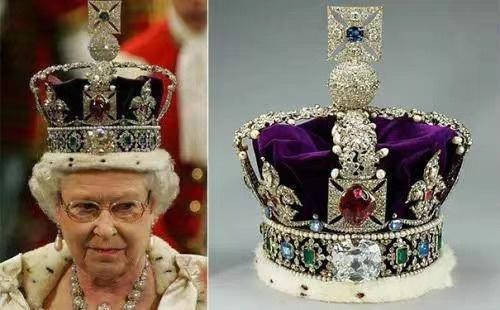
Spinel has emerged as a powerhouse in the colored gemstone market. Once famously dubbed the world’s greatest “imposter” due to its striking resemblance to ruby, it earned prestigious spots in the Russian Crown Jewels and the British Imperial State Crown.
Read more: The Spinel Ascent: From Historical Understudy to Market Protagonist
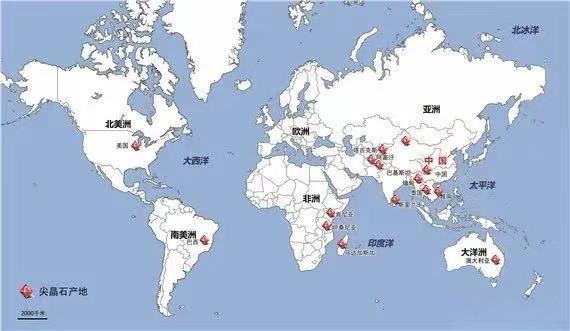
Today, the world’s primary spinel sources include Myanmar, Vietnam, Sri Lanka, Thailand, and Afghanistan. While Sri Lankan spinels may not always match the searing saturation found in Burmese or Tanzanian deposits, they offer a stunningly diverse palette ranging from pastel pinks and purplish-reds to serene blues and lavenders. Internally, these gems often feature “zircon halos”—distinctive crystal inclusions surrounded by characteristic brown tension fractures.
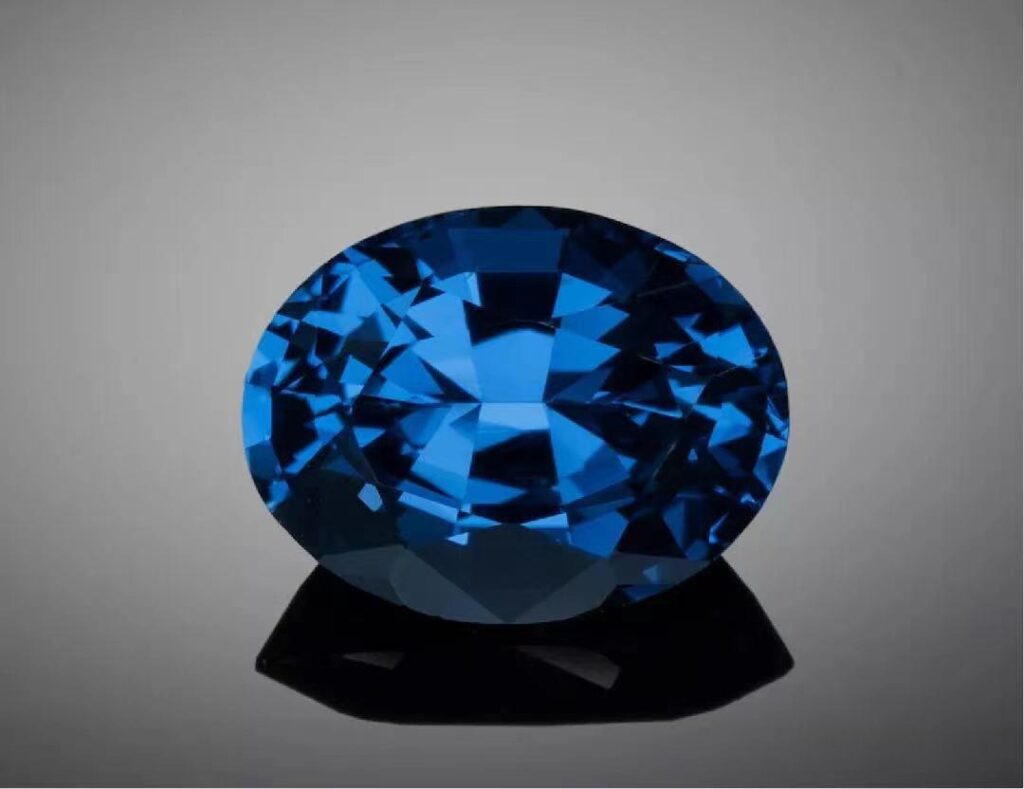
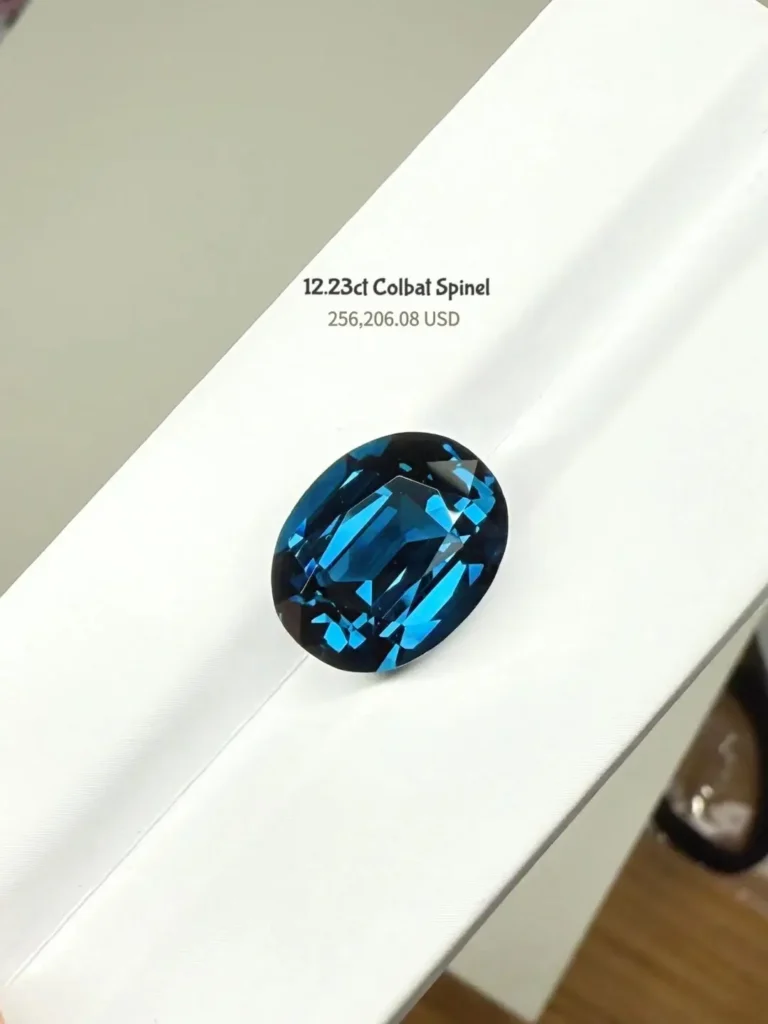
Beyond the standard varieties, Southern Sri Lanka produces the electrifying and highly dispersive Cobalt Spinel. The vibrant blue of these stones results from a precise chemical balance between iron and cobalt; only a specific ratio yields the coveted “electric blue” without muddy gray overtones. Intriguingly, some cobalt spinels even exhibit a color-change effect, shifting from a grayish-blue in daylight to a distinct purple under incandescent light.
Chrysoberyl: One of the “Big Five” Precious Gems
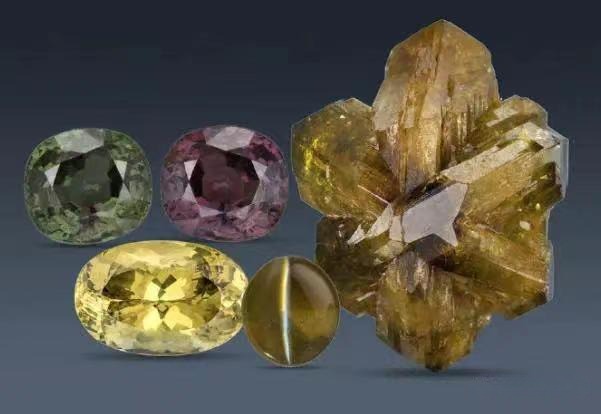
In the West, Chrysoberyl ranks among the prestigious “Big Five” precious gemstones. Based on its unique optical effects, the market categorizes it into three main varieties: Cat’s Eye, Alexandrite, and standard Chrysoberyl.
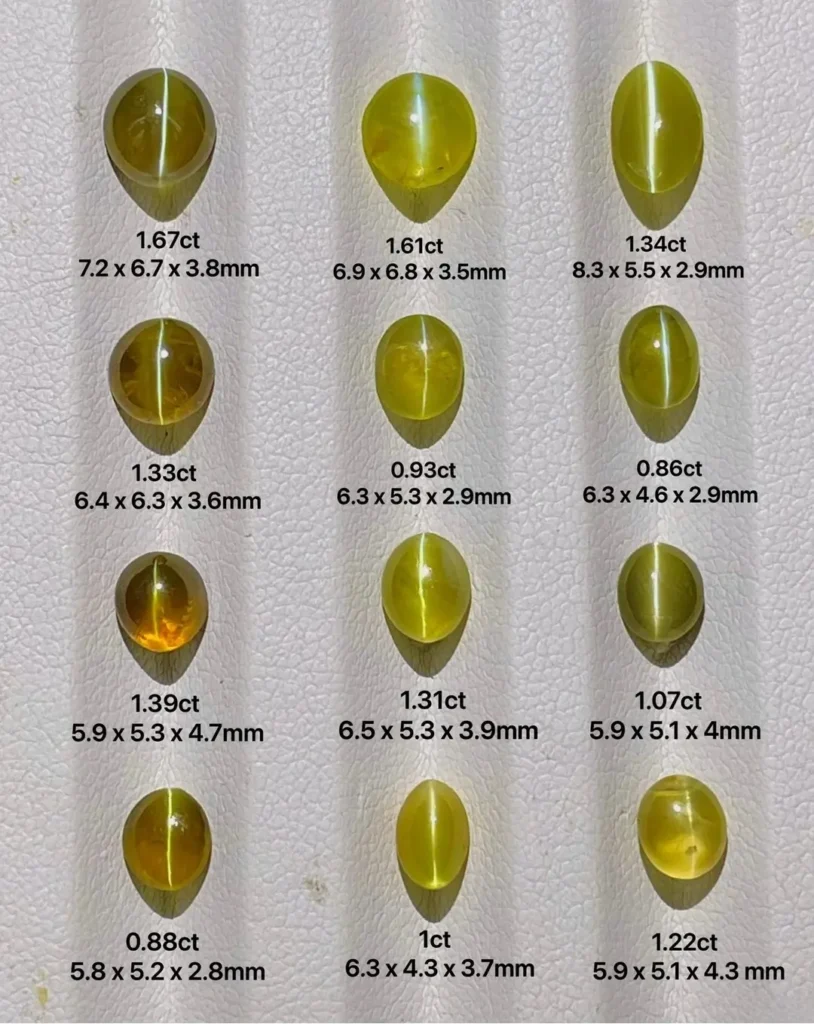
As a renowned source, Sri Lanka primarily produces large, yellow-green Alexandrite and Cat’s Eye stones. Most Cat’s Eye production centers around Ratnapura and Galle in the southwest. These mines boast over 2,000 years of history. Typically, these stones feature yellow body tones and lower transparency.
Deep Dive: To learn more about the unique optical phenomena and value of these rare gems, see our guide on: [Alexandrite: The Rarest and Most Valuable June Birthstone].
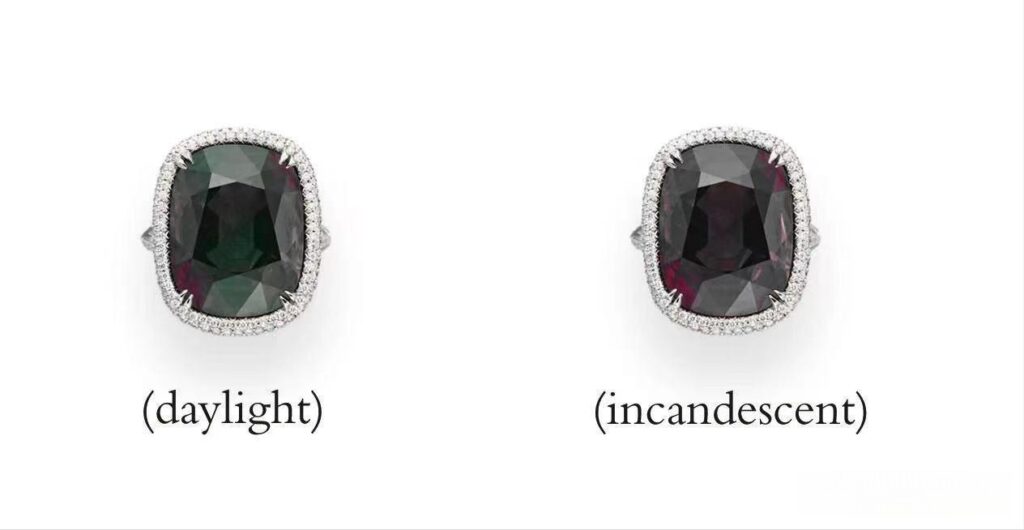
With Russian deposits nearly exhausted, Sri Lanka now supplies most of the world’s Alexandrite. Sri Lankan varieties often show yellow or brown undertones. Consequently, their color-change effect tends to be more subtle and the hues somewhat muted compared to historical Russian specimens.
Moonstone: The Most Celebrated Feldspar Gem
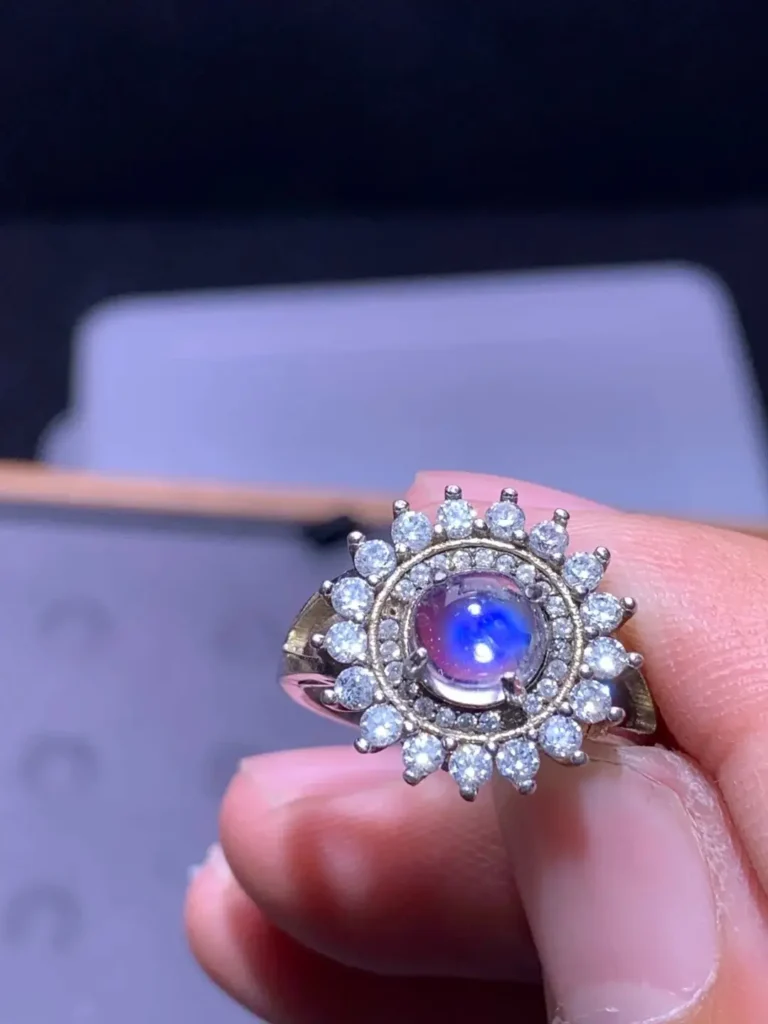
Moonstone is the most famous member of the feldspar mineral family. It earns its name from the ethereal blue or white adularescence—a ghostly glow that floats across its surface as the stone turns.
Discover More: From its mystical folklore to its presence in high-jewelry collections, explore the legacy of this gem in: [June Birthstone: Can the Legendary Moonstone Really Predict the Future? Tiffany and Dior Have Used It Too!]
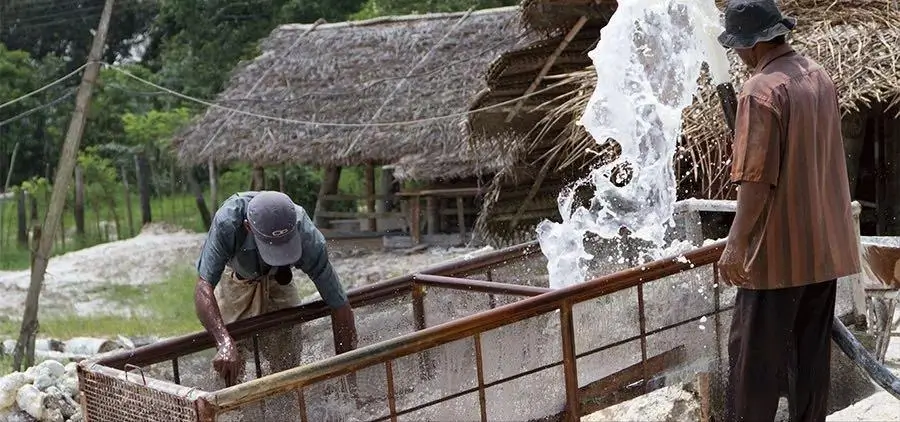
While India, Madagascar, Myanmar, and Tanzania all produce moonstones, Sri Lankan moonstones hold a special status. Miners typically recover them from alluvial gravels in the Southern Province (Ambalangoda) and the Central Province (Dumbara and Kandy).
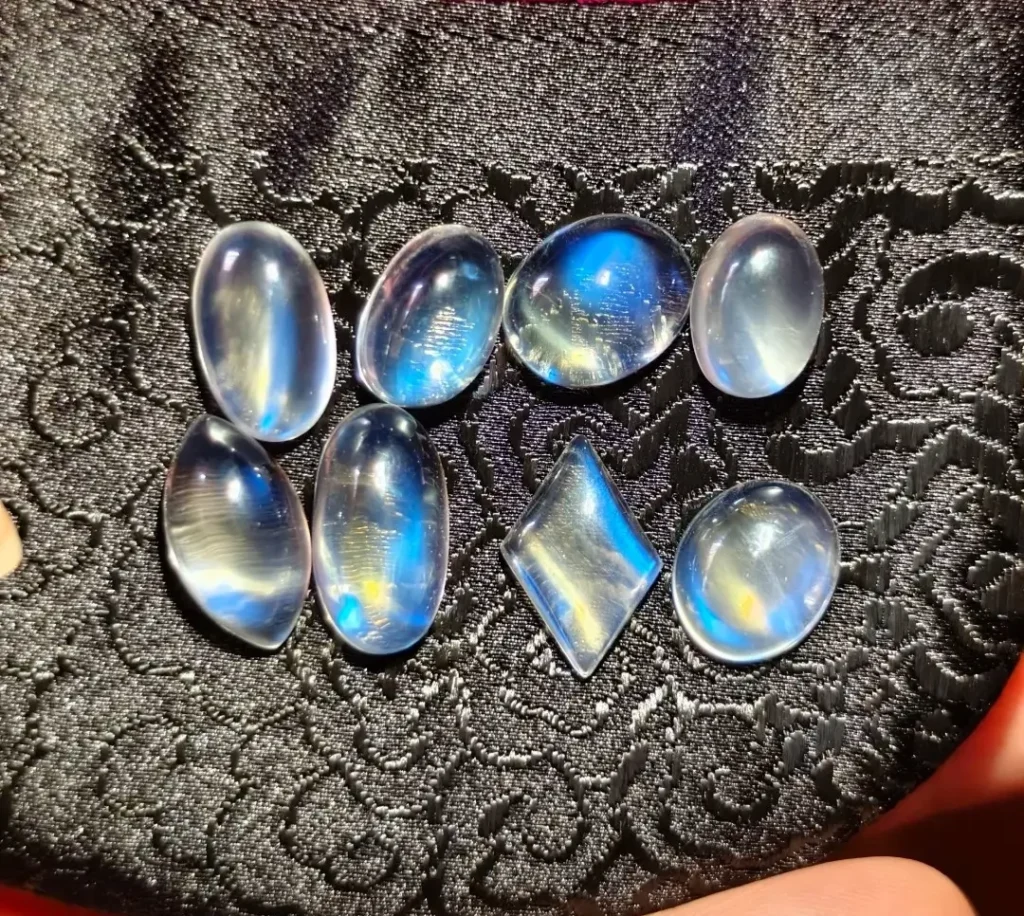
The market widely recognizes Sri Lankan specimens for their superior quality. These stones often feature a striking blue sheen and larger grain sizes. A rare few are exceptionally transparent, appearing as colorless, glass-like crystals with a vivid blue glow.
Iolite: The Stunning “Water Sapphire”
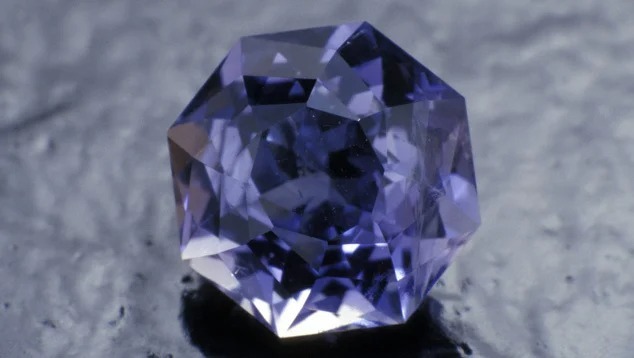
The name “Iolite” stems from the Greek word for “violet,” reflecting its beautiful signature hue. In the jewelry world, fine blue and violet specimens represent the highest quality. Because its rich blue color closely mimics sapphire, Iolite famously earned the nickname “Water Sapphire.”
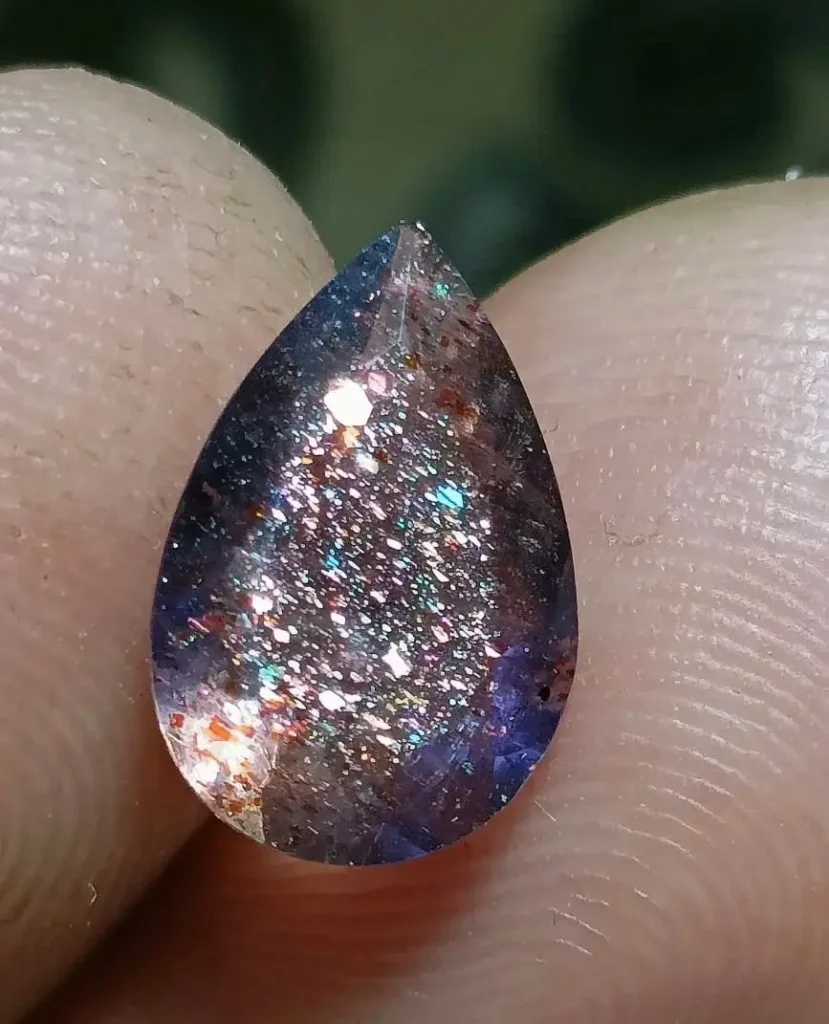
Sri Lanka produces a unique variety known for its abundant inclusions. These stones contain plate-like or needle-like inclusions of hematite and goethite arranged in parallel. When these inclusions are dense enough, they cast a red glow, earning the gem the name “Bloodshot Iolite.”
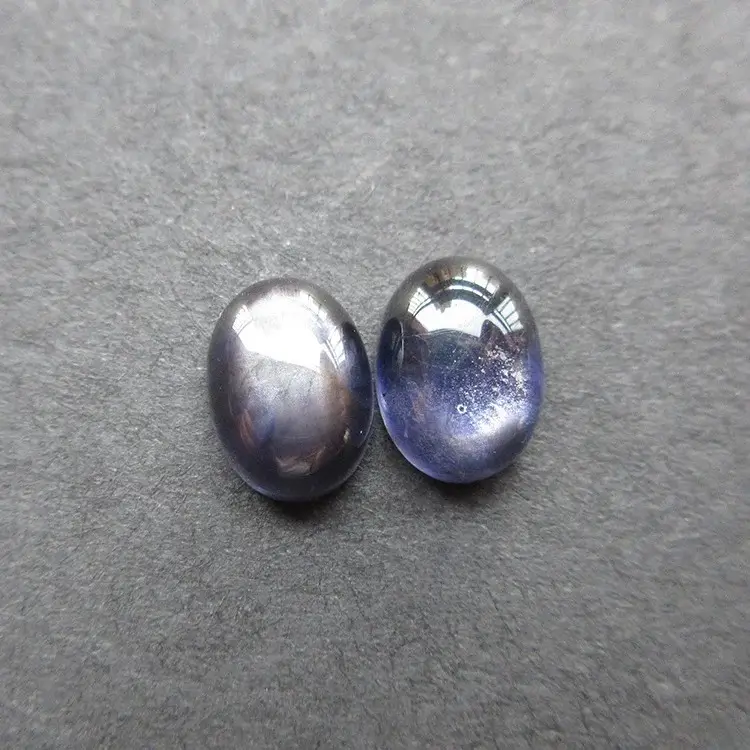
Remarkably, some Bloodshot Iolites even exhibit rare optical phenomena, such as asterism (star effect) or chatoyancy (cat’s eye). These multi-effect stones are incredibly scarce and highly prized by collectors.
Read More: The Fabled “Viking Compass”: Discovering the Hidden Beauty of Iolite
Natural Zircon: The Ancient December Birthstone
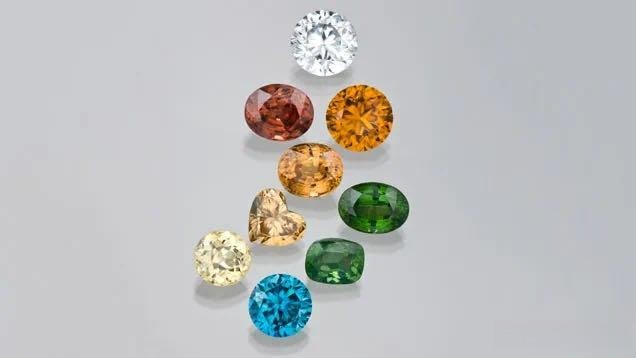
Natural Zircon serves as the birthstone for December. Known for its intense luster, high dispersion, and vibrant colors, it remains a favorite in the jewelry world.
As one of Earth’s oldest minerals, researchers have dated the most ancient zircon crystals back 43 billion years. By the 6th century, craftsmen in Greece and Italy were already fashioning zircon into exquisite jewelry.
Related Reading: Often misunderstood due to its name, is this historic gem merely a diamond stimulant or a collector’s prize? Find out in: [Zircon: Is This Ancient Gem a Fake Diamond, or a Valuable Treasure?]
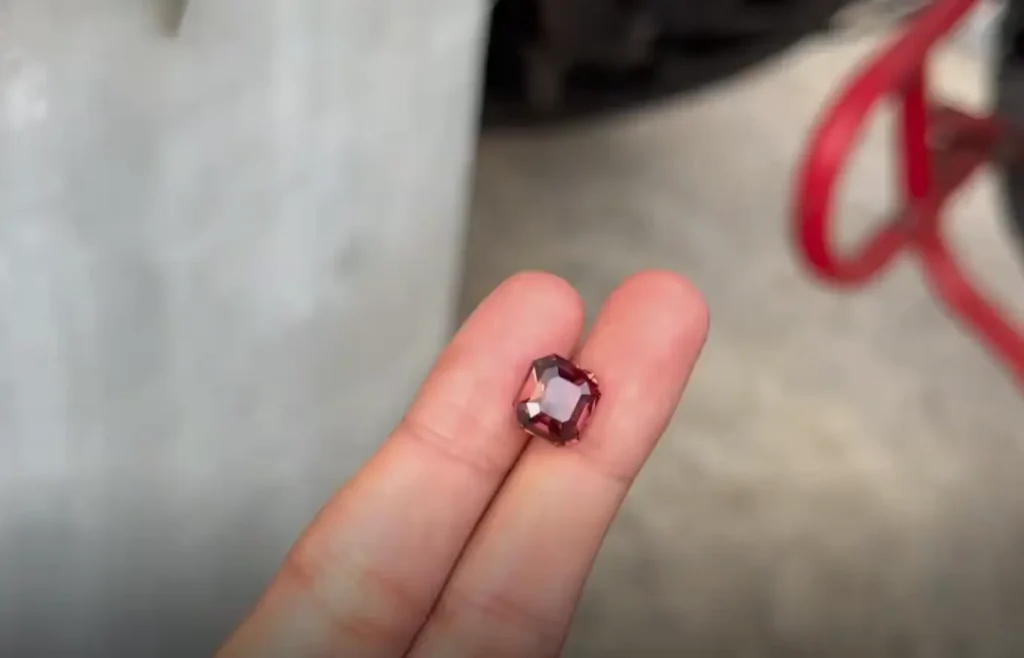
Miners first discovered Sri Lankan zircons over 2,000 years ago in alluvial gravel layers. Today, the island remains famous for its wide color palette. While colorless zircon is the most common, Sri Lanka also produces a highly coveted and rare red variety.
Apatite: The Paraiba Look-alike
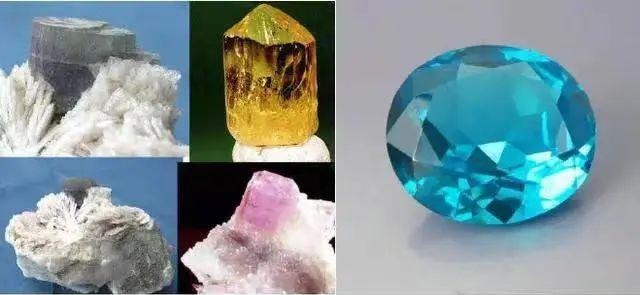
In my previous article, [Apatite: The Affordable Alternative to Paraiba Tourmaline], I introduced this vibrant gemstone often used as an alternative to Paraiba tourmaline.
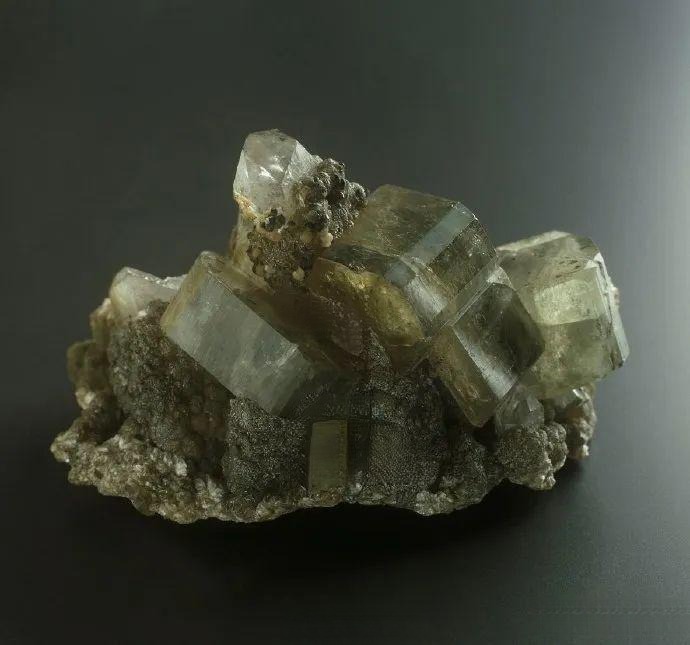
Apatite is a calcium phosphate that often contains trace amounts of rare earth elements. It features a vitreous (glassy) luster and a Mohs hardness of 5. Though relatively brittle, it offers a stunning array of colors, including blue, green, yellow, purple, and brown, as well as the unique Apatite Cat’s Eye.
Sri Lanka primarily produces gem-quality apatite characterized by vivid, pure colors and excellent transparency. These stones often come in large sizes, and some even exhibit a rare and precious cat’s eye effect.
Jewea: Explore Gemstone Treasures Around the World
After exploring these unique Sri Lankan gemstones, you might find yourself amazed by the wonders of nature once again. Beyond the shores of Sri Lanka, however, every country possesses its own distinctive mineral riches.
- India:
Indian Specialty Gemstones: A Guide to Historic Diamonds, Kashmir Sapphires, and Investment Treasures - Colombia:
Colombian Gemstones: Emeralds, Mining Regions, and Investment Value - Russia:
Russian Gemstones: 9 Extraordinary Treasures from the Urals to Siberia - Brazil:
8 Treasured Brazilian Gemstones from the World’s Colored Gem Capital - Afghanistan:
Afghanistan’s Hidden Gemstones: From Panjshir Emeralds to Sar-e-Sang Lapis Lazuli - Australia:
The Ultimate Guide to Australia Gemstones: Nature’s Wonders from Down Under - Tanzania:
Discover Tanzania’s Top 8 Gemstones: The Dark Horse of Africa’s Mineral Wealth - Thailand:
Thailand Gemstones: From Rubies and Sapphires to the Rising Star of Spinel