Red Aventurine Jewelry: Handmade Work Inspired by a Matisse Still Life
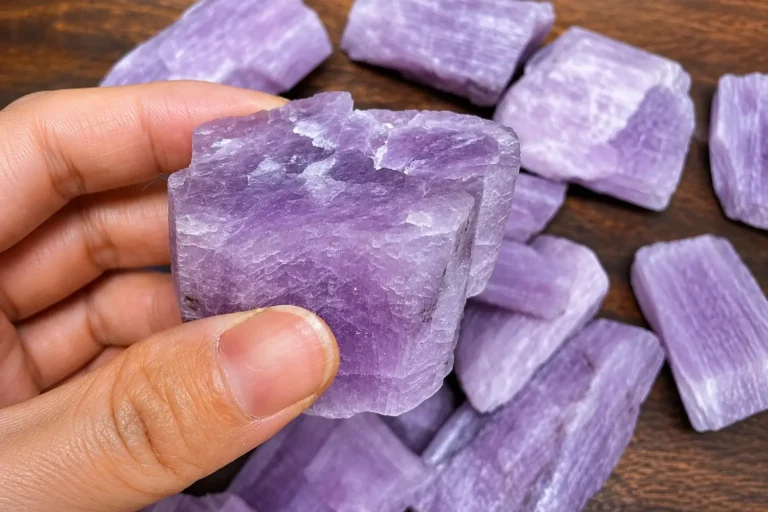
When people think of aventurine, green is usually the first color that comes to mind. However, red aventurine offers something quite different. Its warm orange-red tones and naturally varied patterns give it a distinctive character that feels both earthy and refined. Whether used in necklaces, earrings, or bracelets, red aventurine jewelry is valued for its rich color variations and one-of-a-kind textures shaped by nature.
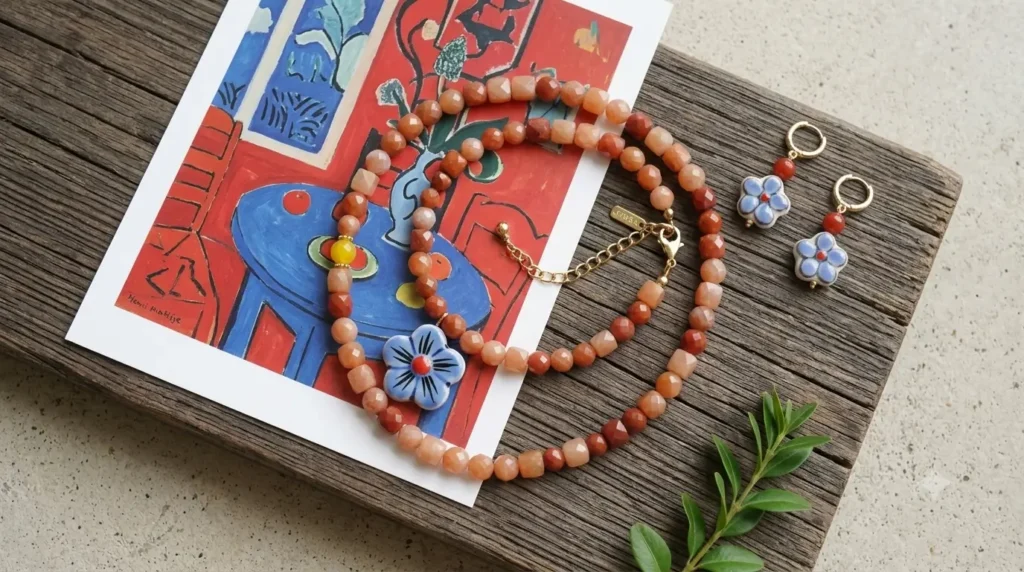
Today, we’re taking a closer look at the Red Aventurine Necklace from Jewea’s Matisse Collection. We’ll explore what gives this stone its distinctive color and see how the design brings together the beauty of natural materials and the bold artistic spirit of Fauvism.
Aventurine: The Stone Behind the Sparkle
In gemology, aventurine belongs to the quartzite family and displays a distinctive optical effect called aventurescence. Unlike single-crystal quartz varieties like clear quartz, this metamorphic rock takes shape over geological time as heat and pressure fuse countless tiny quartz grains together.
Its primary chemical composition is silicon dioxide (SiO₂), along with varying amounts of mineral inclusions. The name “aventurine” comes from the Italian phrase a ventura, meaning “by chance.” The name reflects the role of chance in the natural processes that shape this unique gemstone.
The defining feature of aventurine is its aventurescence. This effect occurs when tiny, plate-like mineral inclusions are aligned within the stone. As light reflects from these inclusions, the surface displays small metallic-looking flashes that create the stone’s characteristic shimmer.
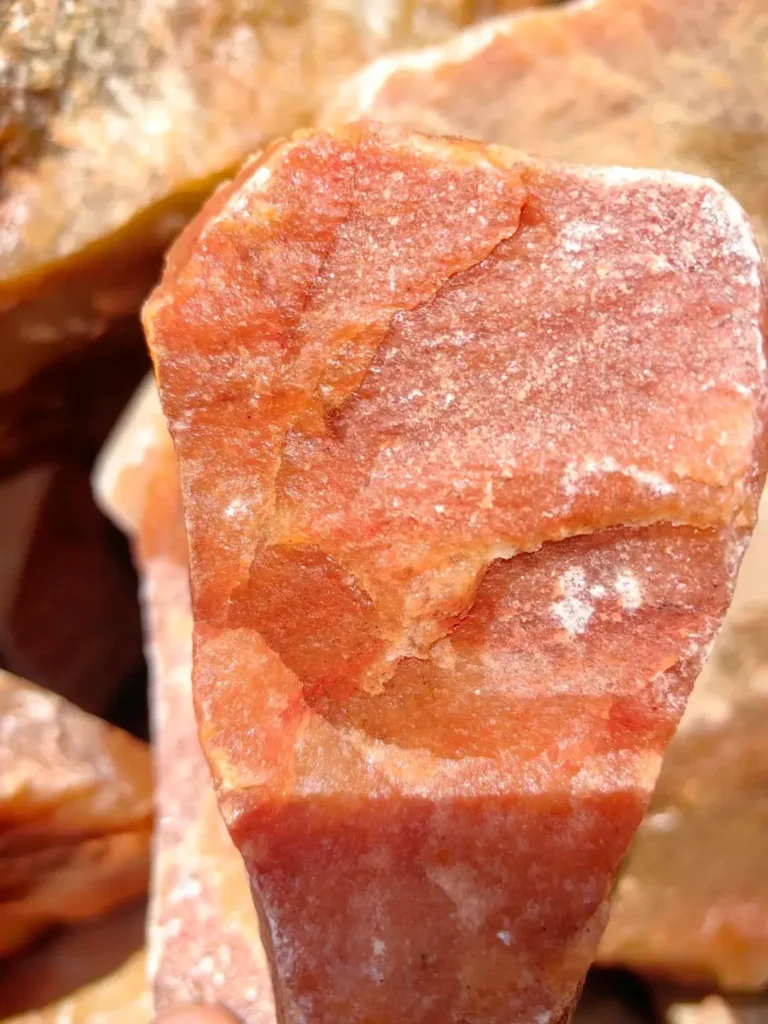
Aventurine is not just green. Its color depends entirely on the type and concentration of the minerals it contains. Red and orange-red varieties, for example, owe their color to microscopic inclusions of hematite or goethite. Blue, brown, and yellow aventurine also occur naturally. Major deposits are found in India, Brazil, Russia, South Africa, and China.
Jewea’s Red Aventurine Necklace: Wearable Art Inspired by Nature
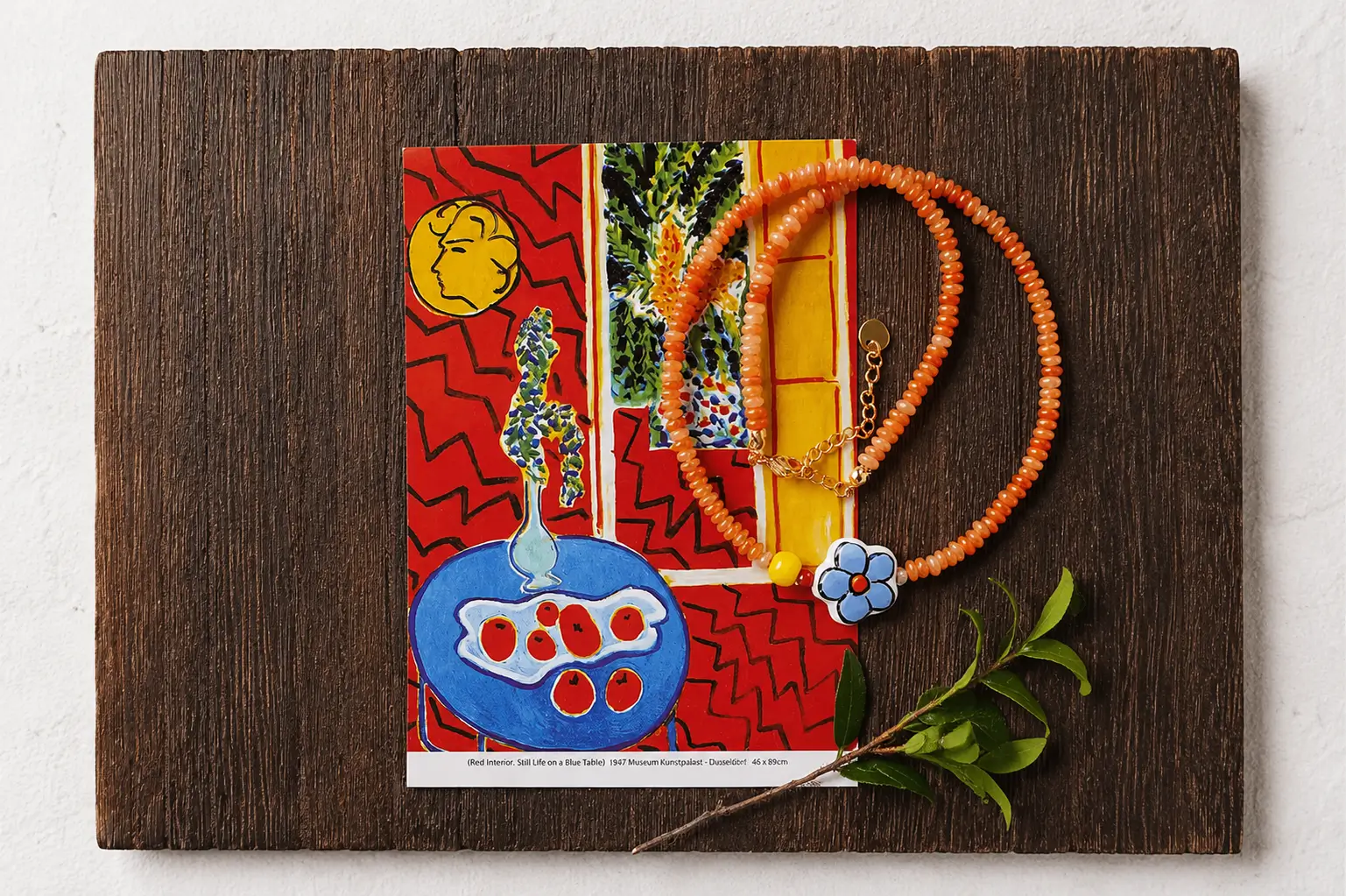
Henri Matisse’s masterpiece, Red Interior: Still Life on a Blue Table, is celebrated for its bold and expressive use of color. On the canvas, a vibrant red background contrasts with a cool blue table, creating a striking visual tension while maintaining a remarkable sense of balance.
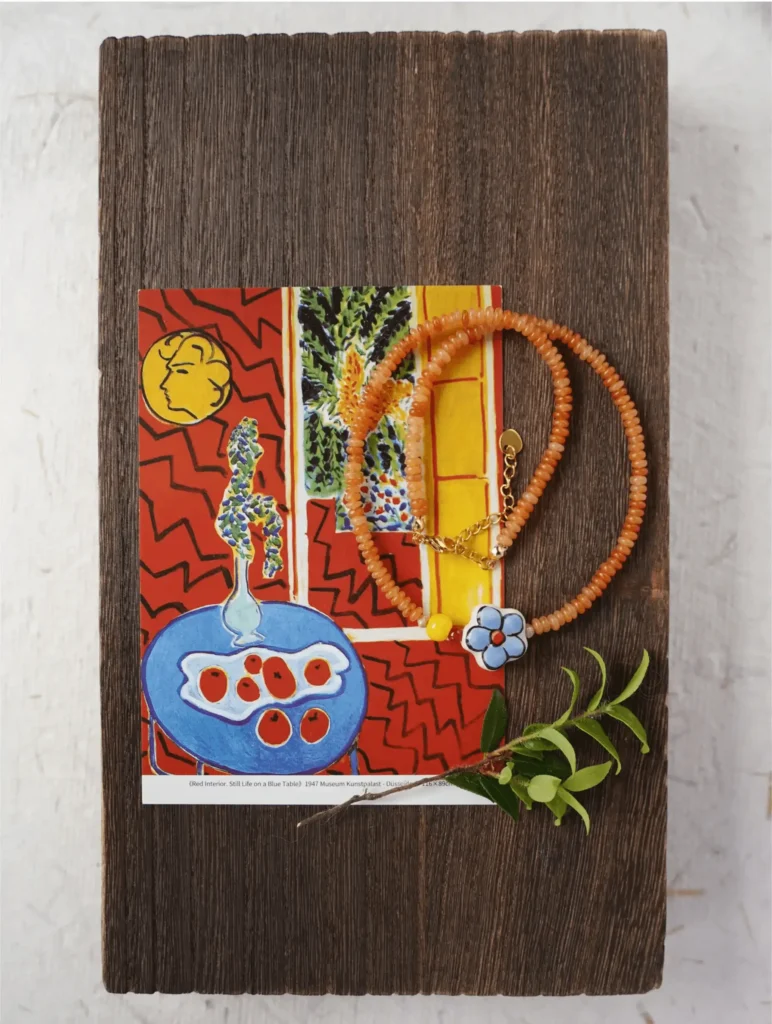
At Jewea, we wanted to translate this classic color relationship from the canvas into jewelry design. Natural red aventurine proved to be the perfect medium for this expression.
Unlike synthetic red or orange materials that often appear flat and uniform, natural red aventurine offers rich, subtle layers of color. Its organic transition from soft peach and warm orange to deep brick red echoes the richness of the layered brushwork found in Matisse’s paintings. Rather than using colored stones simply to recreate a painting, we let the material itself drive the story, making nature’s own palette an essential part of the design.
Nature’s Brushes of Color
The necklace is hand-strung with natural red aventurine beads in warm orange-red tones. Although gemology classifies it under the broader “red aventurine” category, nature rarely produces rigid, single-tone colors.
Dense microscopic inclusions of hematite and goethite give each bead subtle variations in color. You can see a natural transition from soft coral pink and warm apricot orange to deeper brick red tones. This organic gradient is a natural characteristic of metamorphic rock, in stark contrast to the flat, uniform color of dyed beads. This undyed, naturally formed variation gives the red aventurine jewelry its warmth and sense of vitality.
When worn in natural daylight or soft indoor light, the stones reveal a subtle aventurescent shimmer from within. Tiny metallic-looking flashes appear as light reflects off mineral inclusions beneath the surface. This delicate effect echoes the layered color fields in Matisse’s Red Interior, adding visual depth to the piece.
Handcrafted Ceramic: A Fauvist Blue
Creating a bold contrast with the warm orange-red aventurine is a central, handcrafted blue ceramic flower pendant. Free-hand black lines outline the shape of the flower, giving it a loose, organic form, , while vibrant yellow and red agate beads act as striking accents. Together, these elements create a strong visual focal point for the entire necklace. Against the cooler blue tones, the warmth of the stone becomes even more vivid and dynamic, bringing a striking energy to this red aventurine jewelry piece.
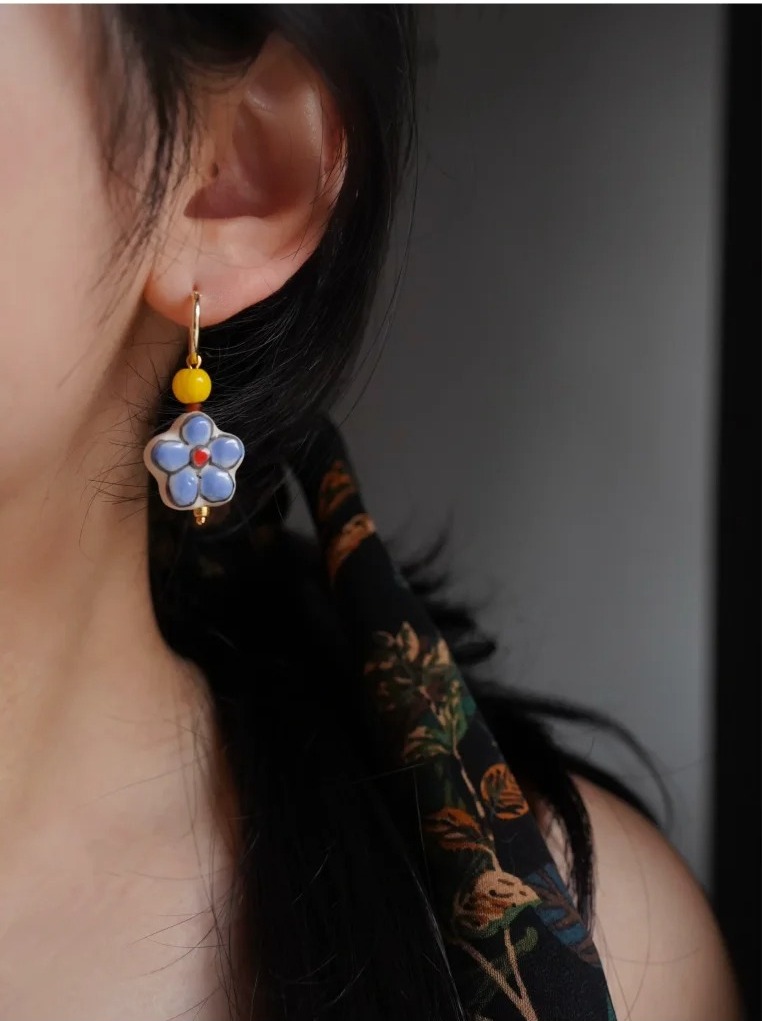
To complete the aesthetic, we designed a matching pair of earrings that mirrors this visual language. Featuring the same handcrafted blue ceramic flowers and vibrant accent beads, they carry the Fauvist spirit directly into a complete, curated look.
Component Details
The necklace is finished with a lobster clasp and a 5 cm extender chain, both made from durable, tarnish-resistant stainless steel. The warm gold tone complements the orange-red hues of the aventurine, adding a subtle vintage character to the design. This choice of materials balances artistic expression with everyday wearability.
How to Care for Your Aventurine Jewelry
Aventurine has a Mohs hardness of around 6.5 to 7, which makes it durable enough for everyday wear. With simple care, you can help preserve its natural color and surface over time.
- Avoid chemical contact
Try to keep your jewelry away from perfume, makeup, and strong household cleaners. Prolonged exposure can affect the surface and metal components. - Clean gently
After wearing, wipe the stone with a soft dry cloth. This helps remove sweat and natural oils without damaging the surface. - Store separately
Keep your jewelry apart from harder stones like diamonds and sapphires, as well as softer materials like pearls and amber. This reduces the risk of scratches from friction. - Protect metal components
When not in use, store stainless titanium alloy parts in a dry, sealed pouch. This helps maintain their finish and reduces exposure to moisture. - Wear in natural light
Aventurine shows its best character under natural light. It reveals subtle color variation and a soft aventurescent shimmer that is less visible under harsh artificial lighting.
Conclusion: Beauty in Imperfection
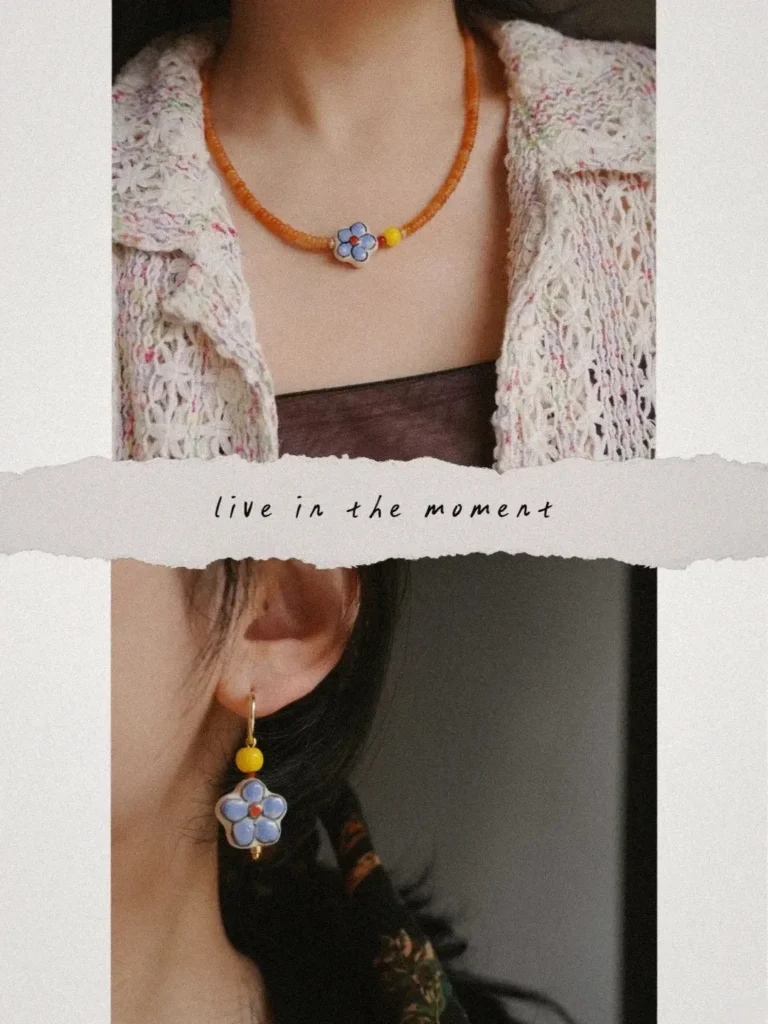
The true appeal of red aventurine jewelry does not come from flawless uniformity.
Instead, its character lies in the natural irregularities and unique variations shaped by nature. Subtle shifts in color and naturally formed stone textures give each piece its own sense of vitality.
Just as Matisse chose to evoke emotion through color rather than strict realism, this necklace does not chase industrial perfection. Instead, it holds a fluid balance between raw natural materials, artistic inspiration, and handcraft. It is designed for those who appreciate natural details—those drawn to the stories carried by texture, form, and expressive color.